१) जोड महादेव
२)रेणुका देवी
३) गोकुळेश्वर
४) उकंडेश्वर
५) नरसी तीर्थ
६) विजय स्तंभ

गावात रहायची काहीही सोय नाही.
पुणे- अहमदनगर-औरंगाबाद-जालना- मंठा- चारठाणा ( हमरस्त्यावर चारठाणाकडे जाणारा फाटा फुटतो. तिथे कमान आहे.)


हा इतका उंच,सुंदर, आणि भव्य आहे कि ह्याच्याकडे कितीहीवेळ बघत राहिले तरी मन भरत नाही पण वर बघून बघून मान मात्र चांगलीच दुखून येते. हा बऱ्याच चांगल्या स्थितीत टिकून आहे त्यामुळे तत्कालीन कला आणि नक्शीकामातले ट्रेंड्स कळून येतात. वेरूळचे कैलास लेणे हे हि राष्ट्राकुटानीच बांधले.पण तिथले विजय स्तंभ आणि हा विजय स्तंभ ह्यात फरक जाणवतो. असे एकूटवाण्या स्तंभांची (ओबेलिस्क) परंपरा फार प्राचीन आहे. अगदी इजिप्तच्या प्राचीन मंदिरांतही ते दिसतात. असेच स्तंभ महाराष्ट्रात सज्जनगड, पैठण, मस्तानीचे पाबळ ह्या ठिकाणी आहेत.


ह्या स्तंभाच्या आसपासचा परिसर मात्र अत्यंत बकाल आहे, झाड झुडप,चिखल, खड्डे त्यात लोळणारी डुकरं, गाई बैलांच्या आणि कुत्र्यांच्या विष्ठा इतस्तत:विखुरलेल्या, त्यांचा उग्र दर्प ह्यामुळे तिथे जाणे अवघड होऊन बसते.

स्त्म्भाच्या वरच्या बाजूला असलेले हे रुद्राक्ष आणि घंटाची नक्षी अत्यंत अप्रतीम आणि नाजूक आहे. ४० फुटावरून ती नुसती लटकवलेली दिसते. मागची दगडी कॉलर दिसतच नाही. फोटो झूम करून पाहिल्यावर ही पातळ दगडी कॉलर दिसते.अत्यंत पातळ आणि परफेक्ट वर्तुळाकार आहे ही.


उकंडेश्वर महादेवाचे मंदीर :-


भीती वाटावी असे तडे आणि भेगा गेल्यात. हे सगळे नष्ट व्हायच्या बेतात आहे


मन्दीराबाहेरच्या सप्त मातृका,ह्यांनाच सात आसऱ्या म्हणतात. सर्वसाधारणत: सप्त मातृकांबरोबर गणेशही असतो पण इथे नाही दिसला.


रस्त्याच्या बाजूला अशी भग्न शिल्प पडलेली दिसतात
खुराची देवी मंदीर :-


गाईच्या खुरांसाराखा आकार बघितलात म्हणून ही खुराची देवी. ह्यात जी खुर उभारून आलेली दिसताहेत ती प्रत्यक्षात खुराच्या आकाराचे खड्डे आहेत. पूर्ण छताचा फोटो टाकला तर दृष्टीभ्रम कसा होतो ते कळेल.


जोड महादेव मंदीर :-


सर्वसाधारण पणे पिंडीची साळून्खा मंदिरातील प्रवेशाच्या बाजूने पहिली तर उजवीकडे असते ही डाव्या बाजूला आहे. शाळुंखा सर्वसाधारणपणे उजवीकडेच असते. पण काही ठिकाणी त्या शाळुंखा डावीकडेही असतात. पाटेश्वर येथील बहुतेक शाळुंखा ह्या अशाच डाव्या बाजूस आहेत. त्या बहुधा शाक्त पंथीयांच्या असाव्यात.

जोड महादेव मंदिरातले छत – जीर्ण अवस्था


गावाबाहेर असलेल्या गोकुळेश्वर मंदिराकडे जाताना ही वस्तू लागते. हे मंदीर नाही पण बहुधा जुन्या मंदिराच्या तटाचा भाग असावा.दाराला कडी कुलूप आहे पण पलीकडे काहीच नाही

एखाद्या बुरुजासारखा हा अवशेष वाटतो आहे. इतके मंदिर वैभव असणार्या गावाभोवती काहीतरी संरक्षक तटबंदी असावी असे वाटते ( जशी गोंदेश्वर व एश्वर्येश्वर हि मंदिरे असणार्या सिन्नर शहराभोवती होती). किंवा त्यात देखील एखादे शिल्प दडवलेले असू शकते

गोकुळेश्वर मंदीर :-


गोकुलेश्वर मंदिराबाहेर अशा भग्न मुर्त्या लोकांनीच आणून ठेवल्या आहेत. त्या अत्यंत हलाखीत आणि दुर्लक्षित अवस्थेत आहेत. हा अनमोल ठेवा नष्ट होईल किंवा चोरी होईल.


गोकुळेश्वर मान्दिराबाहेरची पुष्करणी – अत्यंत सुंदर


पुष्कारणीतले कोरीव काम

गोकुळेश्वर मंदीराच्या बाजुलाचं येथील महत्वाचं आकर्षण ठरलेली बारव आहे.जिला पुष्करणी असे म्हणतात.अत्यंत भव्य व डोळ्याचे पारणे फेडणारी ही बारव आहे.या बारवेला दोन मुख्य द्वार आहेत व एका द्वाराची निर्मीती अलिकडच्या काळात झाली असावी असे निरीक्षणातुन लक्षात येते.पायऱ्या उतरुन बारवात प्रवेश करता येतो.बारवाच्या चहुबाजुंनी मंडप आहे.एकुण २४ खांबावर हा मंडप होता.माञ उत्तरेकडील प्रवेशद्वारासमोरील ४ खांब पडल्यामुळे तेथील मंडप सध्या अस्तित्वात नाही माञ खांब त्यांच्या जागेवर पडलेले आहेत.येथील खांबाच्या वरच्या बाजुस नाग आहेत व काही खांबांच्या मध्य भागी व्याल शिल्प आहेत.चहुबाजुंनी असलेल्या मंडपाच्या भिंतीवर २७ देवळ्या आहेत.तसेचं पुर्व-पश्चिम मंडपात बारवेच्या मधोमध दोन खोल्या आहेत.यातील पश्चिम खोलीमध्ये एक रहस्यमय वाटणारी देवळी आहे.तसेचं या परीसरात भुयार असल्याचे स्थानिक सांगतात.येथील बारवेत सध्या हिरवट पाणी आहे. या पाण्याचा वापर स्थानिक लोक करतात.बारवेच्या दक्षिण द्वारातुन वर आलो कि एक वास्तु दिसते.माञ तिथे कुलुप असल्यामुळे बाहेरुनचं तिचे निरीक्षण करावे लागते.कदाचित ह मंदीर नसावे असे वाटते.माञ या वास्तुच्या समोर अनेक शिल्प अस्ताव्यस्त अवस्थेत दिसुन येतात.यात प्रामुख्याने शिवलींग पडलेली दिसतात व याच्या वर पुरातत्व खात्याची पाटी.
नृसिंह तिर्थ :-
चारठाणा गावाच्या पश्चिम दिशेला हे नृसिंह तिर्थ आहे.येथेही एक मुख्य प्रवेशद्वार असुन दक्षिण-उत्तर दोन द्वार आहेत.मंदीराला गाभारा असुन गर्भगृहात शिवलींग आहे.गाभाऱ्याच्या खांबावर नाग आहेत व गावकऱ्यांनी या मंदीराच्या गाभाऱ्यात दक्षिण दिशेला शनिदेव बसवले आहेत.मंदीराच्या बाहेर पुर्वेकडे विष्णु शिल्प आहे.मंदीराच्या बाहेरुन ओट्याच्या कोपऱ्यावर शिल्प आहेत जे वानरासारखे दिसतात.


 नदीकाठचे महांकाळेश्वर (शनी) मंदीर

शनी मंदीर म्हणून बाहेर हनुमान असावा पण हा हनुमानही नाही. ही मर्कट शिल्प आहेत. अशीच हम्पीला पहिली होती.

शनी महाराज! ( मूर्ती नक्कीच नवीन आहे ) ही बाहेर ठेवली आहे आत पिंड आहे.


हे विटांचे बांधकाम स्थानिक व्यक्तिने केले दिवाबत्ती ही करतात.


विष्णू मंदिरात यज्ञ वराह असतो.त्याच्या झुलीवर लहान लहान विष्णूमुर्ती कोरल्या आहेत. चाकण, लोणी भापकर ह्याव्यतिरिक्त रांजणगवाजवळील पिंपरी दुमाला येथील मंदिरातही एक भग्न यज्ञवराह आहे.असेच यज्ञवराह चाकणच्या किल्ल्याजवळ आहे.
शिव-गणेश मंदीर :-
हे मंदीर सहजासहजी सापडत नाही. आजुबाजुला गावातील वाडे. दिसतात.एखाद्या स्थानिक व्यक्तिला विचारले तर तो आपल्याला मंदीराचा दरवाजा दाखवतो. या मंदीराला बाहेरुन वाड्यासारखी भिंत व दरवाजा आहे.हे मंदीर प्राचीन शैलीतील वाटते.या मंदीराला एक मुख्य प्रवेशद्वार व पुर्व-पश्चिम द्वार आहेत.माञ पश्चिकेडील द्वार आता सिमेंट विटांनी बंद केले आहे.मंदीराच्या आत गाभाऱ्यात शिवलींग व दक्षिण भिंतीला खेटुन गणपती आहे.या मंदीरात गर्भगृह नाही.माञ मंदीराचे बाहेरुन निरीक्षण केल्यास गणपती मुळ मंदीराच्या बांधणीत नसावा,तो नंतर बसवण्यात आला असे वाटते.मंदीरातील खांबावर गणपती,नरसिंह,व्याल,आहेत.मंदीराच्या प्रवेशद्वारावर देखील शिल्प आहेत. मंदीराच्या आतील गाभाऱ्यातील छत देखील सुबक आहे.
मंदिराचे जोते


वापरात असलेल्या बर्याप शिल्पाना शेंदूर आहे.शेंदाराने ओबड धोबड मुर्त्या सुंदर दिसतात पण ज्या मुर्त्या सुबक सुंदर आहेत त्यांचा सुबकपणा मात्र कमी दिसतो.कदाचित शेंदराने मूर्त्यांच्या नाजूक नक्षी चे काहीप्रमाणात संरक्षणही होत असावे .

भारतीय पुरातत्व खात्याने असे जागोजाग फलक लावणे आणि काही ठिकाणी मान्दिराला आणि देवाला ओबड धोबड दिसणारे लोखंडी दरवाजे लावून कुलूप घालण्यापलीकडे जास्त काही केलेलं नाही.


फोटोतील मुर्ती घड्याळ्याच्या काट्याच्या क्रमाने वरचे दोन फोटो ( भगवान आदिनाथ ) खाली भगवान नेमिनाथ आणि पार्श्वनाथ

जैन मंदीरातील नित्यपुजेच्या मुर्ती
जैन मंदीर :-
गावकरी त्यांच्या पद्धतीने हा ठेवा जतन करतात पण त्यांच्याकडे शास्त्र शुद्ध ज्ञान नाही आणि इतर व्यवधानं आहेतच. एकंदरीत हा ठेवा धोक्यात आहे.एका छोट्याश्या खेड्याच्या आजूबाजूला इतके प्रचंड शिल्प वैभव आहे आणि अगदी आजूबाजूला हो कुठे मोठा डोंगर चढून जायचे नाही कि गुहा धुंडाळायच्या नाहीत. अगदी just around the corner असे ही वैभव पडून आहे . एक दोन दिवसाच्या भेटीत पाहून होणे शक्यच नाही. कमीतकमी आठवडा तरी नक्की लागेल. असे हे महाराष्ट्राचे 'village of temple' चारठाणा.
१) परभणी जिल्हा गॅझेटीयर
२) श्री आदित्य कोरडे, साईली कौ. पलांडे-दातार यांचे लिखाण
३) http://sandipdake.blogspot.com हा ब्लॉग
४) https://madhyalok.wordpress.com हा ब्लॉग


चारठाणा (ता.जिंतूर जि. परभणी) देशपांडे यांचा अप्रतिम वाडा. चारठाणा हे एकमेव गाव आहे महाराष्ट्रातले जिथे एकाच जागी पुरातत्व विभागाने ८ वास्तु संरक्षीत केल्या आहेत. हे गांव हेरीटेज व्हिलेज करावे अशी मागणी आहे. प्राचीन मंदिरे पुष्करणी बारव असलेले फार सुंदर गाव आहे.
नेहमी आढळून येणाऱ्या गणेशपट्टी एेवजी वेगळी पट्टी दिसती आहे. श्री गणेश, देवी सरस्वती व संत श्रेष्ठ श्री तुकाराम महाराज.Charthana – City of 360 Temples

It was not a planned visit to this lovely village filled with history that dates back to 9th century when King Amoghavarsha ruled lands of India. Then a developed city but now a small village, lost its charm and fame to time.
Charthana (चारठाणा) was earlier also known as Charukshetra, charu meaning beautiful, a true description of the place. The city has almost 360 temples in the area but most of them fallen or buried. But the ones that can be seen now definitely makes a statement. And not just temple but other ancient structure also mark their presence and catch attention of visitors to the village.
Even being a remote village of Maharashtra, efforts are being taken by history lovers and Directorate of Archaeology and Museums, Maharashtra to preserve what is left for the future generations. There are six different sites that are protected under archaeology department and many more are preserved.
Jain temple in the village was on top in our list. A temple with torn out façade and small entrance was what we could see at first glance. At the centre group of idols can be seen which are worshiped in daily practice and then on the internal periphery some ancient statues can be seen. Some of these statues dates back to 1200 years. Namely statues of Lord Aadinath, Lord Parshwanath and Lord Neminath can be seen along with some other idols. After taking a bow at the temple discussion soon kicked off with locals and they equipped us with the rich history of locality and informed us about leaning or swinging tower near to temple. We moved our parade to the site.

On the way we could see multiple palaces and old crafted lanes. Beautifully designed galleries and elegantly decorated arches. Diwali festival was just over and decorations simulated how magnificent sight it would have been in the past.
After negotiating by lanes of the village, we reached Vijay Stambha, a dreadful sight was lying in front of our eyes. Filth was making its presence felt all over the area, shrubs grown in chaotic manner and pigs were taking mud bath …… a very sad and depressing scene, but Vijay stambha was still standing tall amongst all this ordeal. Soon locals joined us and informed that cleaning and restoration of the place is underway and changes will be seen soon, some good thing to hear in all this bad conditions 🙂

Among the locals was a person namely Mr. Santosh Dukandar, a caretaker or keeper of the village appointed by archaeology department. He is fighting against all odds and against all negativity in the village and protecting remains of monuments in the village. Lack of funds and lack of manpower is big issue here. Even it is difficult for Mr Santosh to make his ends meet sometimes he is doing expenses from his pocket to spray pesticides and insecticides on the pests that grow up in the area.
He informed us that there are 6 prominent archaeological sites namely Jod Mahadev (जोड महादेव), Renuka Devi (रेणुका देवी), Gokuleshwar (गोकुळेश्वर), Ukandeshwar (उकंडेश्वर), Narasi Teerth (नरसी तीर्थ) and Vijay Stambh (विजय स्तंभ) out of which we have been to Vijay Stambha and played a glance at Renuka Mandir on the way to Vijay Stambh. Santosh also informed us that Narasi Teerth is outside village boundaries and Jod Mahadev shares the same temple complex as of Renuka Devi.
He offered us a detailed tour of all the places. The first place on the tour was Ukandeshwar temple which is in the same by lane of Vijay Stambh. This temple is dedicated to lord Shiva and one of the most prominent sculpture here is of “Sapta – Matruka”, 7 different Goddesses are depicted with 7 different vahana, a transportation medium used by Gods.


Small path from the Ukandeshwar temple took us to main road and we were again at the junction which lead us to Renuka Devi temple, an old Hemdripanthi (Hemadpanthi as it is commonly called) structure catches eye of a visitor and one cannot miss it once we step in the village. It is said that peak of temple is made from light weight bricks that float on water… amazing isn’t it? All the temples are of the same structure style and can be dated back to 9th or 10th century. Inside Renuka devi temple one can see some amazing carvings of stone and statues. Santosh then guided us to Jod Mahadev temple, the name is so because there are two linga of Shiva in one temple. A gomukh is also seen in one of the inner sanctum of main linga.


We were running short of time and were sad that we could not spend much time at this temple. Adding one more stop to itinerary Santosh advised to visit Golukeshwar temple. A small walk resulted in big surprise, this was the best temple out of all we had seen till now and comparatively maintained best out of the set and the best part was not the cleanliness but was the Pushkarani behind the temple. A huge water body with clean water made our last stop refreshing. This year’s monsoon had abundantly poured water into the Pushkarani.


My phone started to buzz and it was call from home. We had to wind up our “Temple Run”, making promise to myself that many more visits will happen again to this pretty village to unfold its untold history.
Virag
Date: 03-Nov-2016
Place: Charthana
Corodinates: N19.626245, E76.540328
Route: Pune – Aurangabad – Jalana – Mantha – Charthana
Distance: 380km
Travel Mode: Car
https://madhyalok.wordpress.com/2016/12/20/charthana-city-of-360-temples/
यादवकालीन शिव मंदीरांचे गाव!भाग-१(Village of Temple Charthana-Part1)
 |
बारव |
होय...आपल्या मराठवाड्यात प्राचीन मंदीरांच गाव आहे.(Village of Temple)जिथे ३६० मंदीरं होती.धक्का बसलाना हे ऐकुन.पण हे खरं आहे.
परभणी जिल्ह्यातील चारठाणा हे जिंतुर तालुक्यातील सगळ्यात मोठे गावं.परभणी वरुन ७५ कि.मी व जालण्यावरुन ८२ कि.मी अंतरावर असलेले चारठाणा हे गाव आता Village Of Temple म्हणुन ओळखले जाऊ लागले आहे.
आमच्या Incredible Marathwada या मोहीमेची सुरुवात आम्ही चारठाणा पासुन सुरु केली आहे.या मोहीमे अंतर्गत मराठवाड्यातील ऐतिहासिक स्थळे जगातील पर्यटकांच्या नकाशावर आणने हा आमचा उद्देश आहे.या मोहीमेसंदर्भात एक स्वतंत्र ब्लॉग लिहुन या मोहीमेची माहिती दिली जाईल.
| Charthana Entrance Gate |
कालचं आम्ही चारठाणा येथे जाऊन येथील वारसास्थळांची पाहणी केली.येथे गेल्यानंतर आमची भेट झाली ती संतोष दुकानदार यांच्याशी संतोष हे पुरातत्व खात्यात केअर टेकर म्हणुन काम करतात.त्यांनी आम्हाला बोलताना सांगितले की,"चारठाण्यात एकुण पुर्वी ३६० मंदिरे होती.त्यापैकी आता गोकुळेश्वर,खुराची देवी,जोडमहादेव,गणपती आणि महादेव,उकंडेश्वर व नृसिंह तिर्थ ही मंदिरे असुन बारव(पुष्कर्णी) व दिपस्तंभ ही प्रेक्षणीय स्थळे आहेत.तसेचं दोन नविण शिवलींग मंदिरं उत्खणनात सापडल्याचेही सांगितले.त्यांनी आम्हाला वरील ठिकाणांची प्राथमिक माहिती देऊन या स्थळांना जाण्याचा मार्ग दाखवला.(वरील प्रेक्षणीय स्थळं गुगल मॅपवर आहेत)आणि सुरु झाला आमचा प्रवास Village Of Temple चा.
सुरुवातीला आम्ही रेणुका देवी मंदीर म्हणजे स्थानिक लोक जिला खुराची देवी म्हणतात तिथे गेलो.मंदीराच्या आत मुख्य प्रवेशद्वारातुन प्रवेश केला तेव्हा अवाक् झालो ते या मंदीराचे छत(Sealing) बघुनं.शिल्पकलेचा वापर करुन अत्यंत सुंदर,सुबक दगडाला कोरुन बनवलेली छत जी दगडाला तासुन एकमेकांत फसवलेली आहेत.यावरुन ती निश्चितचं यादवकालीन हेमाडपंती असावीत असे वाटते.हेमाडपंती स्थापत्य शास्ञात कमीत-कमी चुण्याचा वापर व जास्तीत-जास्त दगडं तासुन एकमेकांत फसवले जातात.याचं छतावरील
नक्षीकामावरुन या देवीला "खुराची देवी" म्हणतात.कारण स्थानिकांच्या नजरेतुन हे नक्षीकाम जनावरांच्या खुरेसारखे आहे.मंदीराच्या गर्भगृहात रेणुका देवीचे शिर आहे.मंदीरातील खांबावर विवीध शिल्प कोरलेले आहेत.हत्ती,सिंह,व्याल,अप्सरा,नाग व काही प्रसंग चित्र पहावयास मिळतात.एकंदरीत मंदीराची पाहणी केल्यानंतर मुळ मंदीर रेणुका देवीचे आहे का याबद्दल शंका निर्माण होते.
हे मंदीर पाहील्यानंतर आम्ही गेलो ते जोडमहादेव मंदीरात.रेणुका देवी मंदीराच्या पाठीमागेचं हे मंदीर आहे.आहे.हे देखील मंदीर हेमाडपंती स्थापत्य शैलीतील आहे.याठिकाणी दोन शिवलींग आहेत.मंदीराची छत देखील आकर्षक आहे.येथील खांबावर नाग व व्याल शिल्प आहे.गर्भगृहाच्या प्रवेशद्वारावर वरच्या बाजुस गणपती व खालच्या बाजुस हत्ती व व्याल शिल्प आहे.गर्भगृहातील शिवलींग पिंडीवर एका बाजुस गोमुख आहे.येथील गर्भगृह साधारण पाच फुट खोल आहे व शिवलींग आकाराने मोठे आहे.या मंदीराला दोन मुख्य द्वार आहेत.या मंदीराचे संवर्धनाचे काम झाले आहे.
हे दोन मंदीर पाहील्यानंतर आमचा उत्साह वाढला व इतर मंदीरात आता काय-काय नविण बघायला मिळणार याची उत्सुकता ही वाढली.यानंतर आम्ही गेलो गोकुळेश्वर मंदीरामध्ये.येथील प्रवेशद्वार शिल्पांनी व नक्षीकामाने भरुन आहे.प्रवेशद्वारावरील खांबावर दोन्ही बाजुंनी अप्सरा व बहुधा अष्टमातृका आहेत.तसेच खांबाच्या मध्यभागी काही प्रसंग कोरलेले आहेत.या मंदीराला हे एकचं द्वार आहे.मंदीरामधील भजनमंडपाच्या दोन्ही बाजुला दोन छोटी गर्भगृहे आहेत व एक मुख्य गर्भगृह जिथे शिवलींग आहे.गर्भगृहाच्या प्रवेशद्वाराच्या वरच्या बाजुस गणपती व खालच्या बाजुस व्याल आहेत.येथील व्यालशिल्प थोडे वेगळे आहे.भजनमंडपाच्या खांबावर नाग आहेत.आम्ही गर्भगृहात प्रवेश करुन येथील भिंतीची पाहणी केली त्यावर एक चिन्ह आमच्या निदर्शनास आले.हे चिन्ह आहे की एखाद्या भाषेचा शब्द हे माञ तपासुन पहावे लागेल.
गोकुळेश्वर मंदीराच्या बाजुलाचं येथील महत्वाचं आकर्षण ठरलेली बारव आहे.जिला पुष्करणी असे म्हणतात.मंदीर बघीतल्यानंतर आमची नजर गेली ती या बारवेवर.अत्यंत भव्य व डोळ्याचे पारणे फेडणारी ही बारव आहे.या बारवेला दोन मुख्य द्वार आहेत व एका द्वाराची निर्मीती अलिकडच्या काळात झाली असावी असे निरीक्षणातुन लक्षात येते.पायऱ्या उतरुन आम्ही बारवात प्रवेश केला.बारवाच्या चहुबाजुंनी मंडप आहे.एकुण २४ खांबावर हा मंडप होता.माञ उत्तरेकडील प्रवेशद्वारासमोरील ४ खांब पडल्यामुळे तेथील मंडप सध्या अस्तित्वात नाही माञ खांब त्यांच्या जागेवर पडलेले आहेत.येथील खांबाच्या वरच्या बाजुस नाग आहेत व काही खांबांच्या मध्य भागी व्याल शिल्प आहेत.चहुबाजुंनी असलेल्या मंडपाच्या भिंतीवर २७ देवळ्या आहेत.तसेचं पुर्व-पश्चिम मंडपात बारवेच्या मधोमध दोन खोल्या आहेत.यातील पश्चिम खोलीमध्ये एक रहस्यमय वाटणारी देवळी आहे.तसेचं या परीसरात भुयार असल्याचे स्थानिक सांगतात.येथील बारवेत सध्या हिरवट पाणी आहे.पाण्याने बारव पुर्ण भरलेली आढळुन आली.आम्ही बारव पाहत असताना काही स्थानिक महिला पाणी नेत होत्या यावरुन या पाण्याचा वापर होतो हे आपल्याला समजते.बारवेच्या दक्षिण द्वारातुन आम्ही वर आलो तेव्हा समोर याच शैलीतील वास्तु दिसली.माञ तिथे कुलुप असल्यामुळे बाहेरुनचं तिचे निरीक्षण केले तेव्हा ती मंदीर नसावी असा आमचा अंदाज आहे.माञ या वास्तुच्या समोर अनेक शिल्प अस्ताव्यस्त अवस्थेत दिसुन आली.यात प्रामुख्याने शिवलींग पडलेली दिसतात व याच्या वर पुरातत्व खात्याची पाटी.हि वास्तु बघुन आम्ही परत गोकुळेश्वर मंदीराच्या प्रवेशद्वारावर आलो तेव्हा प्रवेशद्वाराच्या समोरील भागात नंदी व शिवलींग दिसले.येथेही अनेक शिवलींग,शिळा,शिल्प अस्ताव्यस्त पडलेली दिसुन आली.येथुन थोडे समोर आल्यानंतर आम्हाला ढासळलेला एक बुरुज दिसला व आमचा पुढचा प्रवास नृसिंह तिर्थ येथे जाण्याचा सुरु झाला.
(...क्रमश)
 |
| Sclupture On Pillar at Renuka Temple |
 |
| Sclupture On Pillar at Renuka Temple |
 |
| Narsimha at Renuka Temple |
 |
| Jodmahadev Shivlinga(2) |
 |
| Sealing of Renuka Temple |
 |
| Sclupture On Pillar at Renuka Temple |
 |
| Sclupture |
 |
| Sclupture |
 |
| Sealing of Renuka Temple |
 |
| Renuka Temple(khurachi devi) |
 |
| Apsara at Renuka Temple |
 |
| Jodmahadev Temple |
 |
| Elephant sclupture |
 |
| Jodmahadev Temple Garbhgruha entrance sclupture |
 |
| Jodmahadev Shivlina (1) |
 |
| Elephant Sclupture |
 |
| vyal at Jodmahadev |
 |
| stone sclupture beside Renuka Temple |
 |
| Jodmahadev Temple Entrance Gate |
 |
| Sclupture On Pillar at Renuka Temple |
 |
| Sclupture On Pillar at Renuka Temple |
 |
| Sclupture On Pillar at Renuka Temple |
 |
| Sealing Of Renuka Temple(khurachi devi) |
 |
| Renuka Temple(Khurachi Devi) |
 |
| Sealing of Gokuleshwara Temple |
 |
| Gokuleshwara Temple |
 |
| Gokuleshwar Shivlinga |
 |
| Unknown Sign on Wall Of Gokuleshwar GarbhGruha |
 |
| Unknown Sign on Wall Of Gokuleshwar GarbhGruha |
 |
| Gokuleshwar Mandap |
 |
| Stone Sculpture at Gokuleshwar Temple,charthana |
 |
| Stone Sculpture at Gokuleshwar Temple,charthana |
 |
| Stone Sculpture at Gokuleshwar Temple,charthana |
 |
| Stone Sculpture at Gokuleshwar Temple,charthana |
 |
| Pillars of Entrance gate At Gokuleshwar Temple |
 |
| Entrance Gate of Gokuleshwar Temple,Charthana |
 |
| Barav(pushkarni) |
 |
| Barav(pushkarni) |
 |
| Barav(pushkarni) |
 |
| Barav(pushkarni) |
 |
| Barav(pushkarni) |
 |
| Pushkarni Barav |
 |
| Barav Devli |
 |
| Barav(Pushkarni) |
 |
| Pillars of Barav(pushkarni) |
 |
| Vyal Stone Sculpture On Pillar at Barav(Pushkarni) |

 |
| Unknown At Gokuleshwar Temple |
 |
| Gomukh At Jodmahadev Temple |
 | ||||||||||||||||||||||||||||||||||||||||||||||||||||||||||||||||||||||||||
| Gomukh At jodmahadev temple http://sandipdake.blogspot.com/2017/11/village-of-temple-charthana-part1.html यादवकालीन शिव मंदिरांचे गाव! भाग-२ (Village of Temple Charthana Part-2)
चारठाणा गावाच्या पश्चिम दिशेला हे नृसिंह तिर्थ आहे.गोकुळेश्वर
बघीतल्यानंतर आम्ही थेट गेलो ते नृसिंह तिर्थला.येथेही एक मुख्य
प्रवेशद्वार असुन दक्षिण-उत्तर दोन द्वार आहेत.मंदीराला गाभारा असुन
गर्भगृहात शिवलींग आहे.गाभाऱ्याच्या खांबावर नाग आहेत व गावकऱ्यांनी या
मंदीराच्या गाभाऱ्यात दक्षिण दिशेला शनिदेव बसवले आहेत.मंदीराच्या बाहेर
पुर्वेकडे विष्णु शिल्प आहे.मंदीराच्या बाहेरुन ओट्याच्या कोपऱ्यावर शिल्प
आहेत जे वानसारखे दिसतात.आम्ही मंदीर पाहुन निघालो तेव्हा इथे नविण मंदीर
शोधल्याचे कळाले.एका शेतकऱ्याच्या शेतात हे मंदीर आहे.येथील शिवलींग शाबुत
आहे माञ येथील मंदीर पुर्ण पडलेले आहे.या मंदीराचे अवशेष इथे भग्नावस्थेत
आपल्यास पहायवयास मिळतात.
एवढी शिवमंदीर पाहुन मी तर थक्कचं झालो आणि आणखीन आमचा Village of
Temple चा प्रवास बाकीचं होता.शिल्पकलेचा हा अविष्कार खरचं
विद्यार्थी,अभ्यासक,पर्यटक व भक्तांसाठी हे ठिकाण पर्वणीचं आहे.
येथुन आम्ही गेलो ते थेट उकंडेश्वर शिवलींग मंदीरात.
या मंदीराचे प्रवेशद्वार सध्या अस्तित्वात नाही माञ या मंदीराचा गाभारा
मंडप व गर्भगृह आहे.येथील गर्भगृहात शिवलींग आहे.माञ या ठिकाणी अत्यंत
महत्वाचे "सप्तमातृका" शिल्प दक्षिणेकडील गाभाऱ्याच्या भिंतीवर आहे.या
सप्तमातृका त्यांच्या वाहनासहीत कोरल्या आहेत.त्यांच्यासोबत महादेव व गणपती
ही त्यांच्या वाहनासहीत दाखवले आहेत.आहेत.उत्तरेकडील गाभारा भिंतीवर
मोराचे शिल्प आहे.सध्या या मंदीराचा गाभारा मंडप दोन नविण खांबावर टेकवला
आहे.
उकंडेश्वर मंदिर पाहील्यानंतर आता वेळ आली होती ती उत्सुकता लागुन
असलेल्या "दिपमाळ" बघण्याची.कारण ईतिहास प्रेमी मिञांकडुन या बद्दल बरचं
ऐकलं होतं.उकंडेश्वर मंदीरापासुन निघालो ते दिपमाळ बघण्यासाठी.
स्थानिक लोक याला दिपमाळ,झुलता मनोरा,जैण स्तंभ,विजयस्तंभ अशा विवीध
नावाने संबोधतात.दिपमाळ पाहुन आमच्या मधला संशोधक जागा झाला.साधारण ५० ते
६० फुट उंच ही दिपमाळ आहे.यावर चहुबाजुंनी मातृका शिल्प आहेत व व्याल
शिल्प.इथे भग्नावस्थेत अनेक शिल्प पडलेली दिसतात.संपुर्ण निरीक्षण
केल्यानंतर मनात काही प्रश्न निर्माण झाले ते म्हणजे दिपमाळ म्हणावी तर
एकही जागा या स्तंभावर दिवा लावण्यासाठी नाही.झुलता मनोरा म्हणावं तर हा
झुलताना दिसत नाही.जैण स्तंभ म्हणावं तर एकही जैण शिल्प यावर दिसत नाही.
त्यामुळे वरील नावाने संबोधने चुकीचे ठरेल.एक तर तो विजयस्तंभ असावा
किंवा स्मृतीस्तंभ.पुर्वी युध्दात विजय मिळवल्यानंतर त्या युध्दाची आठवण
म्हणुन विजयस्तंभ बांधले जायचे कींवा स्मृती प्रित्यर्थ स्मृतीस्तंभ.
त्यामुळे यावर योग्य संशोधन होणे गरजेचे आहे.आता आम्ही शेवटचं म्हणजे
शिव-गणेश मंदीर कडे गेलो.गुगल मॅपवर टाकुन आम्ही मंदीराकडे जात होतो.गुगल
मॅपवर शिव-गणेश मंदीर आलेही माञ आजु-बाजुला बघीतले तर कुठेचं मंदीर दिसत
नव्हते,दिसत होते ते फक्त गावातील वाडे.मग आम्ही स्थानिक मुलाला विचारले
असता त्याने मंदीराचा दरवाजा दाखवला आम्ही ऐन मंदीराच्या समोरचं उभे होतो
या मंदीराला बाहेरुन वाड्यासारखी भिंत व दरवाजा आहे.दरवाजा खोलुन आम्ही आत
मध्ये प्रवेश करताचं प्राचीन शैलीतील हे मंदीर दिसले.या मंदीराला एक मुख्य
प्रवेशद्वार व पुर्व-पश्चिम द्वार आहेत.माञ पश्चिकेडील द्वार आता सिमेंट
विटांनी बंद केले आहे.मंदीराच्या आत गाभाऱ्यात शिवलींग व दक्षिण भिंतीला
खेटुन गणपती आहे.या मंदीरात गर्भगृह नाही.माञ मंदीराचे बाहेरुन निरीक्षण
केल्यास गणपती मुळ मंदीराच्या बांधणीत नसावा,तो नंतर बसवण्यात आला असे
वाटते.मंदीरातील खांबावर गणपती,नरसिंह,व्याल,आहेत.मंदीराच्या
प्रवेशद्वारावर देखील शिल्प आहेत.
मंदीराच्या आतील गाभाऱ्यातील छत देखील सुबक आहे.हे मंदीर बघुन आम्ही
परतीच्या प्रवासाला निघालो तेव्हा गावातील बारीक गोष्टींवर निरीक्षण करत
होतो.आम्हाला पुरातन काही महाद्वारे दिसली तसेचं बुरुज व ठिक-ठिकाणी
दिसणाऱ्या शिळा.स्थानिकांनी नाल्यांवर टाकलेल्या कोरीव शिळाही.
एकंदरीत निरीक्षण केल्यास ३६० मंदीर होती का? तर निश्चित या आकड्याबद्दल
काही सांगता येणार नाही माञ मोठ्या प्रमाणात ईथे मंदीर होती हे
भग्नावस्थेतील अवशेषांवरुन सांगता येते.
चारठाण्यातील ही मंदीरं बघुन समाधान लाभले व भारतातील विवीध राजवटीतील
मंदीर स्थापत्य शास्ञ या विषयात आवड व जिज्ञासा निर्माण झाली.मराठवाड्यात
अशी बरीचं प्राचीन मंदिर आहेत जी आपल्याला माहित नाहीत.नाहीत.त्यामुळेच
येत्या काळात Incredible Marathwada द्वारे या ठिकाणांचा शोध घेऊन ही
ऐतिहासिक वारसास्थळे जगाच्या पर्यटकांच्या नकाशावर आणायची आहेत यात आम्हाला
तुमची मदत लागेल.
शेवटी आम्ही गावाबाहेरील साई सिद्धी उडपी सेंटर येथे चहा घेउन आमचा Village of Temple चा प्रवास संपवुन घरी परतलो.
या प्रवासात माझ्या सोबत नेहमी ऐतिहासिक विषयात रस असणारे,आमचे मिञ अशोक
कोरडे सर होते.ज्यांनी येथील मंदीरांचे निरीक्षण करण्यात माझी मदत केली.
_____________________
✍संदीप डाके । Blogger
©२०१७
ब्लॉग वाचा या लिंकवर
विलक्षण स्थापत्य...चारठाणातील देवीचे मंदिरलोकमत न्यूज नेटवर्क
By लोकमत न्यूज नेटवर्क | Published: April 7, 2018 08:07 PM2018-04-07T20:07:42+5:302018-04-07T20:09:48+5:30 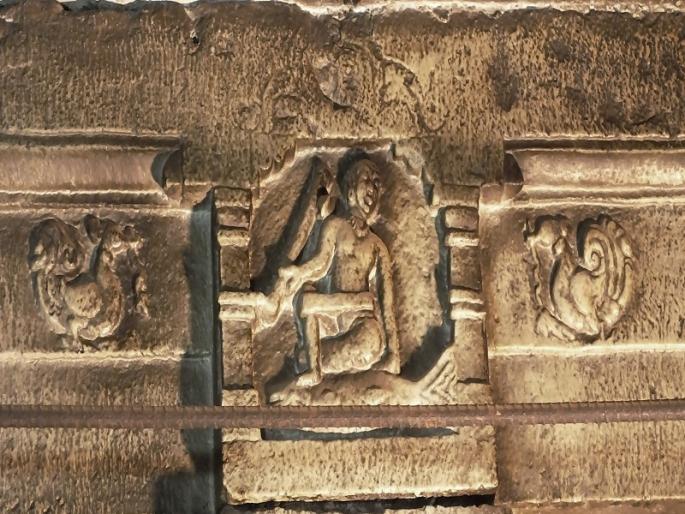 विलक्षण स्थापत्य...चारठाणातील देवीचे मंदिर- साईली कौ. पलांडे-दातार चारठाण्याच्या इतर मंदिरांसारखीच जोड महादेव आणि खुराची देवी मंदिरे ही उंच पांढरीच्या मातीत गाडलेली होती. सुदैवाने, राज्य पुरातत्व खात्याच्या प्रयत्नाने माती काढून मंदिरांची डागडुजी करण्यात येत आहे. तीन अर्धमंडप, सभामंडप, अंतराळ व गर्भगृह, असा तलविन्यास आढळतो. सद्य:स्थितीत मंदिराचे शिखर अस्तित्वात नाही, जे घडीव विटांचे असावे. मंदिर उत्तराभिमुख असून, उत्तर, पूर्व व पश्चिम दिशेला तीन प्रवेशद्वार व अर्धमंडप आहेत. तीन प्रवेशांपैकी उत्तरेचे द्वार बंद असून, पश्चिम आणि पूर्व बाजूंनी मंदिरात प्रवेश करता येतो. उत्तर दिशेच्या मंडपातील स्तंभावर गणेशाची एक सुस्वरूप नृत्यमूर्ती चौकटीत कोरलेली आहे. सभामंडपाच्या द्वारशाखेत पत्रशाखा, घटपल्लवयुक्त स्तंभशाखा व रत्नशाखेचा समावेश असून, प्रवेशद्वारे साधी आहेत. सभामंडपात चौकोनी रंगशिला आहे व मागील भिंतीवर दोन देवकोष्टे आहेत. त्यातील एका देवकोष्टात चतुर्भुज नृसिंहाची आसन मूर्ती ठेवली आहे. सभामंडपात अर्धस्तंभ वगळता इतर खांब नाहीत. अंतराळाच्या खांबांवर साधक आचाऱ्यांची छोटी शिल्पे आहेत. खांबांच्या तळाची सरस्वती व लक्ष्मीची शिल्पे आहेत. गर्भगृहाच्या प्रवेशद्वारावर जटाधारी (?) सिद्ध साधकाची अंजनी मुद्रेतील आसन मूर्ती आहे. गर्भगृहाच्या द्वारशाखा खंडित असून, तीन शाखांची आहे. त्यावर पुस्तक व तलवार घेतलेले द्वारपाल, कुबेर इत्यादी प्रतिहारी कोरले आहेत. ललाट बिंबावर गणेश अंकित आहे. मंदिराच्या बाह्यभागावर कोणतेही शिल्पांकन नाही व शिल्पविरहित सपाट थरांची रचना दिसते. गाभारा पंचरथ आहे, पण देवकोष्टे नसून संपूर्ण मंदिराभोवती भिंतींवर आडवे पट्टे फिरले आहेत. ‘खुराची देवी’ असे काहीसे विचित्र नाव पडण्यामागे तेथील सभामंडपाचे वैशिष्ट्यपूर्ण स्थापत्य कारण ठरले आहे. ह्या छताची असंख्य नक्षीदार पाषाण, एकात एक अडकवून, एक प्रचंड मोठी त्रिमिती आणि भौमितिक मिश्ररचना, स्तंभांच्या आधारे उभी आहे. हत्तीच्या टाळूच्या आकाराच्या म्हणजेच ‘गजतालू’ प्रकारच्या खोबण्या अडकवून चारही बाजूने वर व आत जाणारी ही रचना आहे. त्यातील गजतालू आकाराला खुराचा आकार समजून मंदिराचे नाव खुराची देवी असे पडले आहे. ह्या प्रकारच्या रचनेला शास्त्र ग्रंथांमध्ये ‘करोटक’ वितान म्हणतात. खुराची देवी मंदिराची रचना महाराष्ट्रातील, किंबहुना भारतातील मंदिरांमध्ये एकमेवाद्वितीय आहे. काही अभ्यासकांच्या मते, प्रत्येक खोबणीत देवता कल्पून, त्यांची मंडलाकार रचनेत साधना इथले शाक्त पंथी साधक करीत असावे. गाभाऱ्याच्या मागील भिंतीवर, वरील बाजूस मत्स्येंद्रनाथांचे माशावरील, योगपट्ट्यातील आसनात बसलेले ठळक शिल्प अंकित आहे. शिव-पार्वतीला योग साधनेची रहस्य सांगताना मत्स्येंद्रनाथांनी बाळरुपात माशाच्या पोटातून ऐकले, अशी एक आख्यायिका आहे. मत्स्येंद्रनाथ, हे हिंदू व बौद्ध परंपरेत महत्त्वाचे सिद्ध म्हणून ओळखले जातात. नाथ संप्रदाय व हठयोगाचे प्रवर्तक म्हणून ते मान्यता पावले आहेत. पण, मुख्यत: त्यांना कौल संप्रदायाचे प्रवर्तक म्हणून ओळखले जाते व त्यांचा काळ दहावे शतक आहे. हठयोग व तंत्रासंबंधित कौलज्ञाननिर्णय, मत्स्येंद्रसंहिता असे ग्रंथ त्यांच्या नावावर आहेत. ८४ सिद्धपैकी एक असलेले मत्स्येंद्रनाथ, गोरक्षनाथांचे गुरू म्हणून ओळखले जातात. मराठवाड्यात आढळणाऱ्या मत्स्येंद्रनाथांच्या मूर्ती, संदर्भानुसार नाथ संप्रदाय किंवा कौल परंपरेच्या अस्तित्वाचा सशक्त पुरावा ठरतात. ही मूर्ती, तसेच सरस्वती व लक्ष्मीची शिल्पे व छताच्या वैशिष्ट्यपूर्ण रचनेवरून हे मंदिर कौल संप्रदायाच्या साधनेचे केंद्र असावे, यात शंका उरत नाही. आज मंदिर रेणुका देवीचे असणे हा योगायोग नसावा.
गाभाऱ्यामध्ये आज रेणुका देवीचा चेहऱ्याचा वैशिष्ट्यपूर्ण तांदळा आहे.
चारठाण्याच्या देशपांडे घराण्यातील पूर्वजांनी त्याचे कुलदैवत, माहूरची
रेणुका देवीचे ठाणे म्हणून इथे स्थापना मूर्ती केली, असे चारठाण्याचे
इतिहास अभ्यासक सोनवटकरांकडून समजते. अर्थात, शिलालेख नसता स्थापत्यकलेच्या
आधारे आपण मूळ मंदिर हे निश्चित पूर्व यादवकालीन असावे, असा अंदाज बांधू
शकतो. देवीचा शेंदूर पडल्यास मूळ आतील मूर्तीचे स्वरूप स्पष्ट होण्यास मदत
होईल. आज ह्या मंदिराची पुरातत्व विभागाकडून डागडुजी होते आहे, ती सर्व
मंदिराची शिल्प व स्थापत्य वैशिष्ट्ये जपावीत. जेणेकरून चारठाण्याचे
धार्मिक, सांप्रदायिक व कलावैभव अबाधित राहील व इतिहासातील चारठाण्याचे
योगदान स्पष्ट होईल! |


No comments:
Post a Comment