https://mediawatch.info/siddi-samaj-in-north-karnataka-by-pravin-khunte-kartvya-sadhnana/?fbclid=IwAR0wnUR1Eo_MbZ4FbewYUvdS1MpHIzkhPo2b9UKMd638xyTqm2DLdRxMTmA
विविधतेने नटलेल्या अखंड भारत देशात अनेक जाती, धर्म, पंथ, वंशाचे लोक राहतात. त्यामध्ये संख्येने अत्यल्प असलेले असे काही समूह आहेत, ज्यांची जाणीव किंवा ज्यांच्याविषयीची किमान माहितीदेखील बहुसंख्य भारतीय जनतेला नाही. त्यामुळे त्यांच्याविषयी विचार करण्याची वेळच आपल्यावर येत नाही. अशा समूहांपैकी एक म्हणजे सिद्दी समाज.
आज भारतात गोवा, कर्नाटक, महाराष्ट्र, गुजरात आणि आंध्र प्रदेशात
सिद्दी समाज राहतो. संपूर्ण भारतात सिद्दींची लोकसंख्या 65 ते 70
हजारांच्या दरम्यान आहे. त्यांचे सर्वाधिक प्रमाण कर्नाटक आणि गुजरातमध्ये
असून महाराष्ट्र, गोवा आणि आंध्र प्रदेशातील प्रमाण अत्यल्प आहे.
महाराष्ट्रातील संगमवाडी, जंजिरा आदी किनारपट्टीच्या काही भागांमध्ये
सिद्दी कुटुंबे राहतात. भारतापेक्षा पाकिस्तानमध्ये सिद्दी समाज संख्येने
अधिक आहे. असे असले तरी या सर्व लेखांमधील चर्चा केवळ उत्तर कर्नाटकातील
सिद्दी समाजापुरती मर्यादित असणार आहे. महाराष्ट्र-कर्नाटक राज्यांच्या
सीमावर्ती भागातल्या कारवार, धारवाड, बेळगाव या जिल्ह्यांत सिद्दी समाजाचे
लोक राहतात. कोंकणी, मराठी आणि कन्नड अशा तिन्ही भाषांचे मिश्रण करून
बोलणाऱ्या सिद्दींची लोकसंख्या 30 ते 35 हजारांपर्यंत आहे. पोर्तुगिजांच्या
काळात गोव्यात सिद्दी गुलामांचे प्रमाण अधिक होते. त्यांच्याकडून
प्रामुख्याने शेती, घरगुती कामे करून घेतली जायची.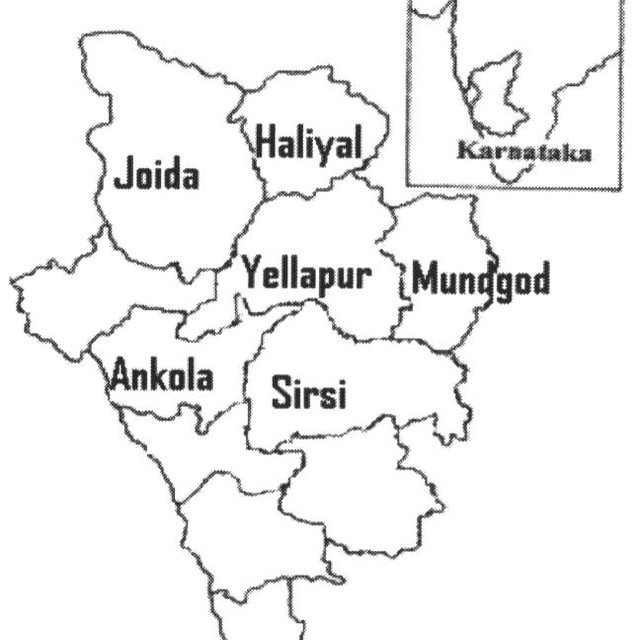
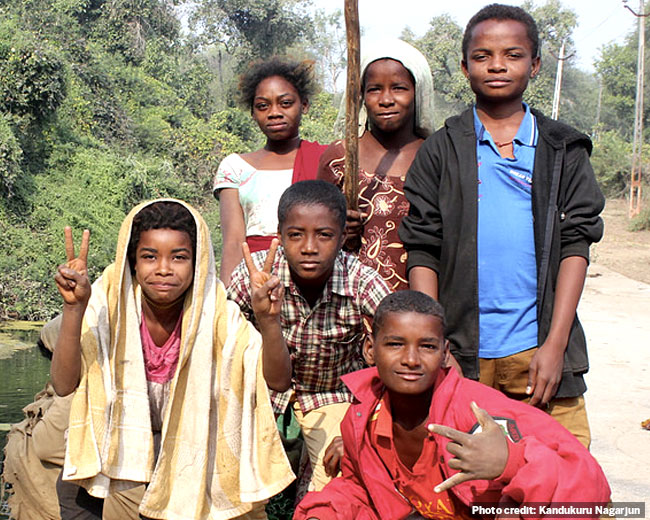
आपल्यातील अनेकांना आता असा प्रश्न पडला असेल की, हे सिद्दी कोण? आपल्या मातीत पूर्णपणे मिसळून गेलेले हे सिद्दी मूळचे आफ्रिकन वंशाचे आहेत. पण वर्षानुवर्षे इथे राहिल्यामुळे आता ते भारतीय आहेत. काळी तुकतुकीत त्वचा, खरबरीत केस यांमुळे सहज ओळखू येणारी ही माणसे मागील सातशे ते आठशे वर्षांपासून आपल्या देशात राहतात. अरब, पोर्तुगीज, डच आणि ब्रिटिश व्यापाऱ्यांनी आफ्रिका खंडातील विविध देशांमधून पकडून आणून भारतात विकलेल्या आफ्रिकन गुलामांचे हे वंशज आहेत.
1883च्या बॉम्बे गॅझेटिअरअनुसार (‘बॉम्बे’चे राजपत्र) तिसऱ्या शतकात कोकणातील सोपारा, कल्याण, महाडजवळील चौल आणि पाल ही अरब व्यापाऱ्यांची व्यापारकेंद्रे होती. त्या सोबतच आफ्रिकेच्या पूर्व किनारपट्टीवरील गेर्दोशिया (आताचा बलुचिस्तान, पाकिस्तान) इथून जवळ असलेल्या आखाती देशांशी (पूर्वीचा पर्शियन गल्फ) त्यांचा व्यापार चालायचा.
वाईन, खजूर, कापड, सोने, मोती आणि त्या सोबत गुलामसुद्धा विकले जायचे. त्याचप्रमाणे भारतातून मका, तांदूळ, लोणी, तीळ, कापूस, साखर, लोह आफ्रिकेच्या पूर्व भागातील देशांत तसेच टांझानिया देशाच्या ‘झांजीबार’ या बेटावर निर्यात केले जायचे. त्या बदल्यात आफ्रिकेतील गुलाम, कासवाचे कवच आणि दालचिनी आयात केली जायची.
तिसऱ्या शतकात याचे प्रमाण खूप कमी होते. हे गुलाम आताच्या सोमालिया
आणि इथिओपिया (जुने ‘हॉर्न ऑफ आफ्रिका’) येथील होते. इथिओपियन
साम्राज्याचीओळख ‘अॅम्बेशिया’ म्हणूनदेखील होती. सहाव्या शतकापर्यंत
भारतीय किनारपट्टीवरून गुलामांचा व्यापार करण्यात अरबांचा चांगलाच जम बसला
होता. 13व्या शतकात त्याचे प्रमाण अधिकच वाढत गेले. या गुलामांना ‘हबशी’
किंवा ‘सिद्दी’ म्हटले जायचे. या लोकांच्या डीएनए चाचण्यांवरून हे सिद्ध
करण्यात आले आहे की, हे लोक आफ्रिकेतील बंटू जमातीचे होते. ॲम्बेशिया
भागातील हबशींची खासगी अंगरक्षक किंवा सैन्य म्हणून मागणी वाढू लागली होती.
आनुवंशिकतेने शारिरीकदृष्ट्या कणखर, सहनशील असणाऱ्या सिद्दींमध्ये शारीरिक
कष्टाची कामे करण्याची क्षमता अधिक होती. हे लोक नाविक कामातदेखील खूप
कुशल होते. त्यामुळेच अरबांसोबत पोर्तुगीज, ब्रिटिश यांनीसुद्धा आफ्रिकन
गुलामांनी भरलेली जहाजे भारतीय किनाऱ्यांवर आणली. महाराष्ट्रातील
कोकणासोबतच केरळ, गोवा, गुजरात, पाकिस्तान आणि बलुचिस्तान या
ठिकाणांवरूनसुद्धा गुलामांचा व्यापार चालत होता. यातील अनेक गुलामांना
भारतातील राजे स्वतःचे अंगरक्षक म्हणून ठेवून घ्यायचे. तर यातील बहुतेकांना
विकत घेऊन मोठे जमीनदार, सावकार त्यांच्याकडून शेती व इतर कामे करून
घ्यायचे. अशा सावकार व जमीनदारांच्या घरी सिद्दी लोकांच्या किती पिढ्या
खपल्या असतील याची गणतीच नाही.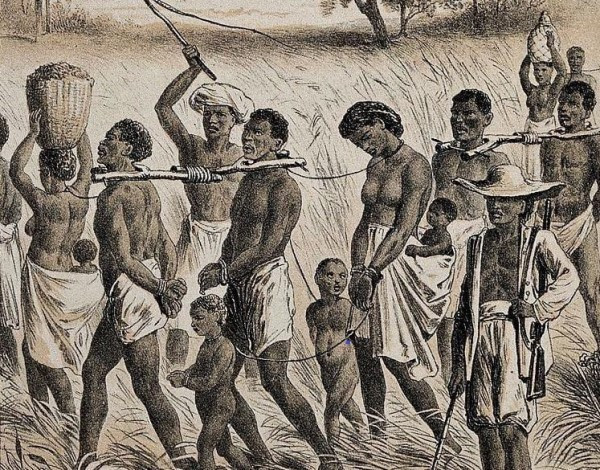
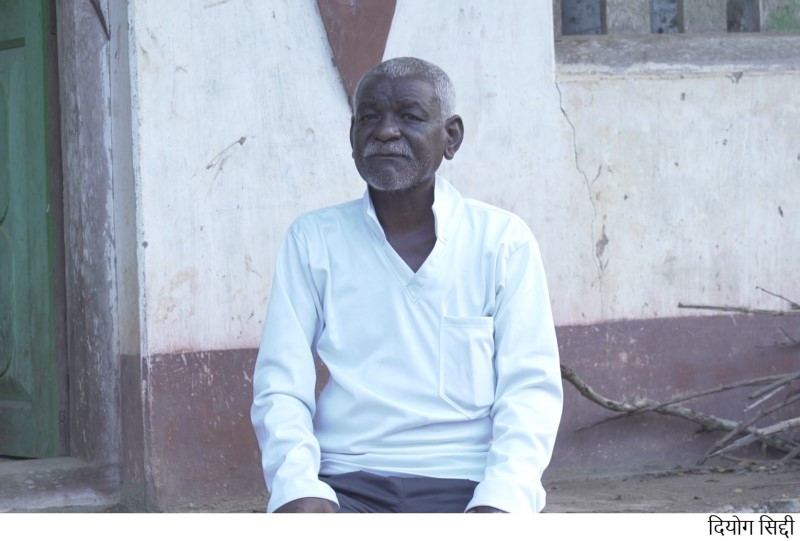
सिद्दींना गुलाम बनवून आणण्याची विशिष्ट पद्धत होती. त्या अमानवी पद्धतीबद्दल जाणून घेताना कोणत्याही संवेदनशील माणसाचे ह्रदय पिळवटून निघेल. त्याविषयी सांगताना सिद्दी समाजातील नेते दियोग सिद्दी यांच्या डोळ्यांत पाणी आले होते. दियोग सिद्दी सांगतात, “आफ्रिकेतील लोकांना गुलाम म्हणून आणण्याची एक विशिष्ट पद्धत होती. सिद्दी लोक जंगलांमध्ये छोट्या-छोट्या वस्त्या करून रहात होते. व्यापारी त्यांच्या वस्त्यांवर हल्ला करायचे. त्यांच्याकडे बंदुका होत्या. वस्तीवरील चार-पाच माणसांना मारून इतरांमध्ये दहशत निर्माण करायची. त्यांना मारण्याची भीती दाखवून उभं रहायला सांगितलं जाई. त्यांचे दोन्ही हात बांधून त्यांना घोड्याला बांधलं जाई आणि तसंच पळवत त्यांना किनाऱ्यापर्यंत आणलं जाई. एका मोठ्या बोटीच्या तळघरात दोन्ही हातपाय बांधून टाकून दिलं जात असे. त्या वेळी ॲम्बेशिया प्रांतामधून निघालेल्या या बोटींना भारतात येण्यासाठी काही महिन्यांचा काळ लागायचा. या काळात त्यांना तसंच बांधून ठेवलं जायचं.
 संडास, लघवी सर्व काही तिथंच. त्यातच खाण्यासाठी पावाचे तुकडे टाकले जात.
त्या प्रवासात जे मरतील त्यांना तिथेच जलसमाधी दिली जायची. त्यांच्यामधून
जे वाचतील त्यांना या किनाऱ्यावर आणून विकलं जाई. किनाऱ्यावर आल्यावर
सर्वांना स्वच्छ धूवून विकण्यासाठी उभं केलं जायचं. बऱ्याचदा एका
कुटुंबातील दोन-तीन सदस्य असायचे. पण गुलाम म्हणून विकत घेताना नवरा
एकीकडे, बायको दुसरीकडे, मुलं आणखी भलतीकडेच जायची. या सगळ्या अमानवी
त्रासांमधून जे इथं येईपर्यंत वाचले आणि जगले त्यांची संतती आम्ही आहोत.
त्या वेळी एका घोड्याचा भाव माणसाच्या पाच पट अधिक होता.”
संडास, लघवी सर्व काही तिथंच. त्यातच खाण्यासाठी पावाचे तुकडे टाकले जात.
त्या प्रवासात जे मरतील त्यांना तिथेच जलसमाधी दिली जायची. त्यांच्यामधून
जे वाचतील त्यांना या किनाऱ्यावर आणून विकलं जाई. किनाऱ्यावर आल्यावर
सर्वांना स्वच्छ धूवून विकण्यासाठी उभं केलं जायचं. बऱ्याचदा एका
कुटुंबातील दोन-तीन सदस्य असायचे. पण गुलाम म्हणून विकत घेताना नवरा
एकीकडे, बायको दुसरीकडे, मुलं आणखी भलतीकडेच जायची. या सगळ्या अमानवी
त्रासांमधून जे इथं येईपर्यंत वाचले आणि जगले त्यांची संतती आम्ही आहोत.
त्या वेळी एका घोड्याचा भाव माणसाच्या पाच पट अधिक होता.”
पोर्तुगिजांनी 25 फेब्रुवारी 1869 नंतर गुलामी संपवली. तर त्याच्या सव्वीस वर्षे आधी म्हणजे एप्रिल 1843 मध्ये ब्रिटिशांनी त्यांच्या संपूर्ण साम्राज्यात गुलामांच्या व्यापारावर बंदी घातली. त्यानंतर गुलामांचा ताबा कोणी घेण्याचा प्रयत्न केल्यास तो फौजदारी गुन्हा असल्याचे जाहीर केले. त्या वेळी सिद्दींचे प्रमाण गोव्यात अधिक होते. पण आतापर्यंत सिद्दी केवळ वंशानेच आफ्रिकेचे राहिले होते. त्यांच्या अनेक पिढ्या इथेच जन्मून इथेच संपल्या होत्या. आपण आफ्रिकेतील नक्की कुठले, आपला इतिहास काय- याची फारशी जाणीव त्यांना नव्हती. त्यातच इतकी वर्षे इथे राहिल्यामुळे येथील संस्कृतीमध्ये ते मिसळून गेले होते. गुलामीचे कायदे रद्द झाल्यानंतर पुन्हा गुलामीच्या जोखडात अडकून पडू नये म्हणून त्यांनी स्वरक्षणासाठी उत्तर कर्नाटकातील कारवार (पूर्वीचा उत्तर कन्नड) जिल्ह्यातील घनदाट जंगलात धाव घेतली. ते आजच्या दिवसापर्यंत तिथेच राहत आहेत. कारवारसोबतच धारवाड, बेळगाव या जिल्ह्यांच्या काही भागांतील जंगलांमध्ये सिद्दींचे स्थलांतर झाले. कारवार जिल्ह्यातील हलियाल, यल्लापूर, जोयडा (पूर्वीचा सुपा), अंकोला आणि मुंडगोड या तालुक्यांमध्ये त्यांचे प्रमाण अधिक आहे. त्या सोबतच धारवाडमधील कालघाटगी तालुक्यात तर बेळगाव जिल्ह्यातील खानापूर तालुक्यात सिद्दी समाज अल्प स्वरूपात राहतो. या नोंदी बॉम्बे गॅझेटिअरमध्ये करण्यात आल्या आहेत.
घनदाट जंगलात रहायला गेल्यामुळे इतर समाजाशी त्यांचा संपर्क तुटला होता. जंगलात मिळणाऱ्या साधनांवर त्यांची उपजीविका सुरू होती. जंगल साफ करून तिथे कुंब्रीबेसाय (जंगलातील) पद्धतीची शेती केली जायची. त्यात नाचणी, बाजरीसारखी पिके घेतली जायची. एवढ्यावर भागत नसल्याने जंगलात मिळणाऱ्या वस्तूंवर उदरनिर्वाह केला जायचा. मागील दीडशे ते पावणेदोनशे वर्षांपासून हे लोक याच जंगलांमध्ये वास्तव्यास आहेत.
भारतीय इतिहासातील सिद्दी राज्यकर्त्यांची उदाहरणे
गुलाम म्हणून भारतात आलेल्या सिद्दींपैकी काहींनी मोगलकाळापासून अनेक शासकांकडे काम केले. त्यातील मोजके आपल्या कर्तबगारीने महत्त्वाच्या पदांपर्यंतही पोहोचले. इतिहासाच्या पानांवर आपली मोहर उमटवलेल्या अशाच काही सिद्दींविषयी थोडक्यात माहिती.
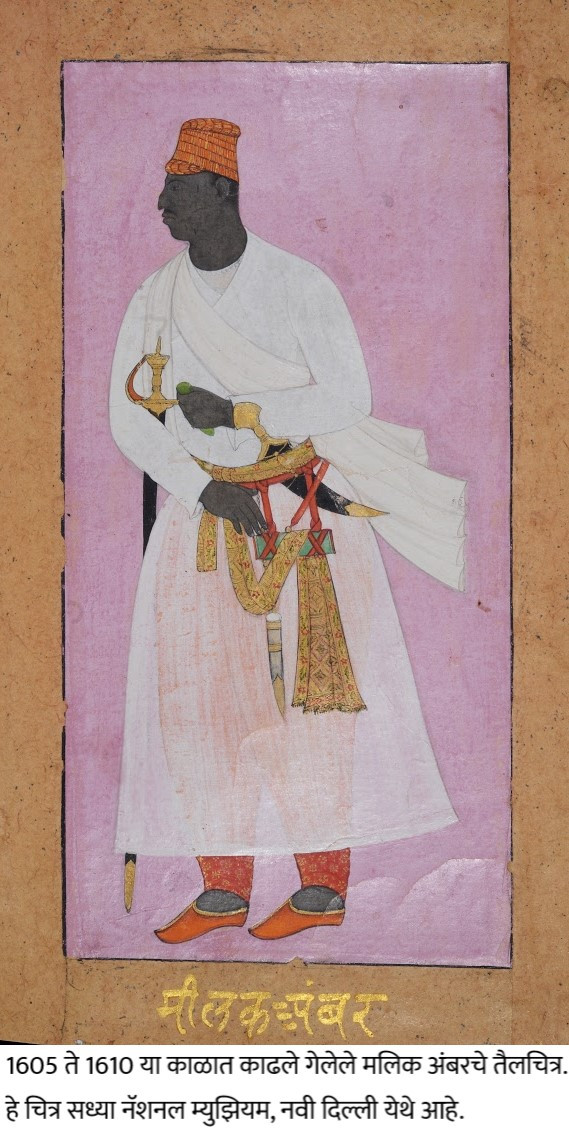 मलिक अंबर –
औरंगाबाद शहराच्या इतिहासात एक नाव नेहमी घेतले जाते ते ‘मलिक अंबर’ या
सिद्दीचे. औरंगाबाद शहराचा निर्माता हाच सिद्दी होता. औरंगाबाद शहरात
अजूनही अस्तित्वात असलेली पाणीपुरवठा व्यवस्था म्हणजे ‘नहर-ए-अंबरी’ ची
उभारणी मलिक अंबर याने केली होती. अंबर राजकारणी, प्रशासक आणि कर्तृत्ववान
योद्धा होता. मराठ्यांच्याही आधी मुघलांच्या नाकात दम करून बादशाह
जहांगीरला त्रस्त करून सोडण्याचे काम त्याने केले. एक हबशी गुलाम ते
अहमदनगरच्या निझामाचा ‘पेशवा’ अर्थात पंतप्रधान हा मोठा प्रवास त्याने
केला. ढासळलेली निजामशाही सावरून ती सांभाळण्याचे काम केले. दख्खन
प्रांताचा तो प्रमुख सेनानी होता. देशाच्या इतिहासात मलिक अंबर याचे स्थान
महत्त्वाचे आणि वरचे आहे.
सिद्दी जौहर (याकूत खान) –
हा मोगलांच्या आरमाराचा आणि जंजिऱ्याच्या सिद्दींचा प्रमुख होता. मलिक अंबर
याच्या मृत्यूनंतर निजामशाहीचा अस्त झाला. त्यानंतर जंजिऱ्यावरील
सिद्दींना घेऊन स्वतःचे राज्य घोषित केले. औरंगजेबाच्या मदतीने
जंजिऱ्याच्या अभेद्यपणामुळे आरमारावर वर्चस्व मिळवले. अजिंक्य राहिलेल्या
या किल्ल्यावर शेवटपर्यंत सिद्दींचे वर्चस्व राहिले. यामध्ये सर्वांत मोठा
वाटा याकूत खान याचा आहे. सोळाव्या शतकातील त्या वेळच्या
आरमार-प्रमुखांमध्ये सर्वांत यशस्वी आणि सरस नौदल-प्रमुख म्हणून याकूत खान
याच्याकडे पाहिले जाते.
जमाल-उद-दीन याकूत –
इ.स. 12व्या शतकात दिल्लीच्या तख्तावर बसलेली पहिली महिला शासक म्हणजे
‘रझिया सुल्तान’ सुल्तान अल्तमश याची मुलगी. रझिया सुल्तान हिचा अगदी
विश्वासपात्र सहकारी म्हणजे आफ्रिकन वंशाचा हबशी गुलाम जमाल-उद-दीन याकूत.
रझिया सुल्तान हिचे याकूत याच्यावर प्रेम असल्याचेही अनेकांनी लिहिले आहे.
सिद्दी इब्राहिम महम्मद याकूत खान –
गुजरातमधील सचिन प्रांताचे नबाब होते. त्यांचे वंशज अजून सचिन प्रांतातच
राहतात. पोर्तुगिजांनी जुनागडच्या नवाबांना भेट दिलेल्या सिद्दी गुलामांचे
हे वंशज आहेत.
भारतीय इतिहासातील ही काही प्रमुख सिद्दी पात्रे आहेत. मात्र, इतिहासात नोंद नसली यांच्यासह सर्वसामान्य नागरिक आणि गुलाम म्हणून हजारो सिद्दींच्या अनेक पिढ्या इथे अस्तित्वात होत्या.
kpravin1720@gmail.com
मलिक अंबरचे चित्र वगळता लेखातील इतर सर्व छायाचित्रे सूरज निर्मळे यांनी काढलेली आहेत.
https://mediawatch.info/history-of-the-siddi-community-and-the-siddi-movement/
सिद्दी समाजाचा इतिहास आणि सिद्दींची चळवळ - Media Watch
1970चे दशक हे सामाजिक आणि राजकीय चळवळींचे दशक समजले जाते. या दशकात देशभरात अनेक चळवळींचा उदय झाला. यात प्रामुख्याने शेतकरी, भूमिहीन, महिला, दलित, आदिवासींच्या चळवळी प्रमुख होत्या. न्याय्य हक्कांच्या मागण्या घेऊन पुढे आलेल्या चळवळींनी समाजात आमूलाग्र बदल घडवला. या चळवळींचा इतिहास, यश-अपयशाच्या नोंदी त्या काळातील लेखक, अभ्यासक, पत्रकार, सामाजिक कार्यकर्त्यांनी करून ठेवल्या आहेत. या चळवळींची दखल घ्यावी एवढे त्यांचे स्वरूप व्यापक होते. त्यांचा प्रभावदेखील अधिक होता. पण याच काळात संख्येने कमी असणारे समूहदेखील स्वतःच्या अस्तित्वाची लढाई लढत होते. त्यांतीलच एक आफ्रिकन वंशाच्या सिद्दी समाजाची चळवळ. प्रस्तुत लेखात जाणून घेऊ सिद्दी समाजाच्या चळवळीविषयी..
स्वतंत्र भारतात आपली ओळख नक्की काय आहे, या देशात आपले अस्तित्व काय आहे, आपण नक्की कोण आहोत- अशा विचारांतून 1970च्या दशकात कर्नाटकातील उत्तर कन्नड (आताचा कारवार) जिल्ह्यात घनदाट जंगलांमध्ये राहणाऱ्या सिद्दी समाजातील लोकांकडून स्वतःच्या अस्तित्वाचा लढा सुरू झाला. पण यासाठी आवश्यक असणाऱ्या बौद्धिक संपदेचा अभाव, सामाजिक, राजकीय, आर्थिक, शैक्षणिक अशा सर्वच स्तरांवरील मागासलेपण, अल्प लोकसंख्या यांमुळे त्यांचा दबाव गट निर्माण झाला नाही, त्यामुळे त्यांचे उपद्रवमूल्य काहीच नव्हते. अशा परिस्थितीत स्वातंत्र्याचा उजेड त्यांच्या झोपडीपर्यंत पोहचत नव्हता. सिद्दी म्हणून कोणीतरी लोक जंगलामध्ये राहतात याची जाणीवसुद्धा इतरांना नव्हती. त्यामुळे इतर समाज, सरकार, प्रशासन अशा सर्वांकडूनच दुर्लक्षित राहिलेल्या या समाजाच्या चळवळीकडे कोणाचेच लक्ष गेले नाही.
“इतर भारतीयांप्रमाणे आम्हीसुद्धा या देशाचे नागरिक आहोत, त्यामुळे आम्हांला सेवा नको, तर आमचे हक्क पाहिजेत. त्यासाठीच मागील साडेचार दशकांपासून आम्ही लढत आहोत”… दियोग सिद्दी या उत्तर कन्नड (कारवार) जिल्ह्यातल्या सिद्दी समाजातील ज्येष्ठ सामाजिक कार्यकर्त्यांचे हे उद्गार आजही सिद्दींच्या वास्तवाची जाणीव करून देतात. महाराष्ट्र-कर्नाटक राज्यांच्या सीमावर्ती भागातल्या कारवार, धारवाड, बेळगाव या जिल्ह्यांत सिद्दी समाजाचे लोक राहतात. कोंकणी, मराठी आणि कन्नड अशा तिन्ही भाषांचे मिश्रण करून बोलणाऱ्या सिद्दींची लोकसंख्या इथे 30 ते 35 हजारांपर्यंत आहे.
पोर्तुगीज आणि ब्रिटिशांनी गुलामीचे कायदे रद्द करत गुलाम बनवणे आणि गुलामांचा व्यापार करणे यावर कायदेशीर बंदी घातली. सिद्दींच्या इतिहासासंबंधीची माहिती ‘भारतातील सिद्दींचा इतिहास’ या लेखात देण्यात आली आहे. तोपर्यंत गोव्यात बहुसंख्येने असलेल्या सिद्दींनी, आपल्याला पुन्हा गुलामीत जगण्याची वेळ येऊ नये म्हणून उत्तर कर्नाटकातील कारवार, धारवाड, बेळगावमधील घनदाट जंगलांमध्ये धाव घेतली. सुमारे दीडशे ते पावणेदोनशे वर्षांपासून आजपर्यंत ते तिथेच वास्तव्याला आहेत.
15 ऑगस्ट 1947 रोजी देशाला स्वातंत्र्य मिळाले आणि सिद्दींच्या अडचणींमध्ये वाढ होत गेली. गुलामी रद्द झाली असली तरी गुलामीच्या डागाने पाठ सोडली नाही. स्वातंत्र्यानंतर नवीन वनकायदे अस्तित्त्वात आले. ते इंग्रजांच्या काळातही होते. पण त्याची झळ सिद्दींना बसत नव्हती. वनकायदे जसे झाले तसे वन अधिकारी, पोलिस आणि स्थानिक श्रीमंत लोकांकडून सिद्दींना त्रास द्यायला सुरुवात झाली. वनकायद्यामुळे पिढ्यान्पिढ्या जंगलात राहणाऱ्या सिद्दींना जंगल सोडण्यास भाग पाडले जाऊ लागले. तोपर्यंत सिद्दी लोक जंगलाशी एकरूप झाले होते. त्यांचा उदरनिर्वाह संपूर्णपणे जंगलावर अवलंबून होता. जंगलाचा काही भाग साफ करून त्यावर शेती केली जायची. जमीन सोडण्यास तयार नसलेल्या सिद्दींना वन अधिकारी, पोलिसांकडून बेदम मारहाण केली जात होती. त्यांना खोट्या प्रकरणांमध्ये अडकवले जात होते. काही ठिकाणी महिलांवरील अत्याचाराच्या घटनाही घडत होत्या. यातून त्यांना घर, जमीन सोडून देण्यासाठी भाग पाडले जात होते. अन्यायाला वाचा फोडणारेच अन्याय करत होते, मग दाद तरी कोणाकडे मागायची? अशा दुहेरी पेचात सिद्दी समाज अडकला होता. सरकारी माणूस घरी येतानाची चाहूल लागल्यास लोक घर सोडून जंगलात पळून जायचे. पोलिस आणि वन विभागाच्या त्रासाला कंटाळून अनेकांनी आपली घरे व जमिनी सोडल्या आणि एका ठिकाणाहून दुसऱ्या ठिकाणी स्थलांतर सुरू केले. कुठेच थारा मिळेनासा झाल्यावर पुन्हा गुलामीच करण्याची वेळ त्यांच्यावर आली. मग उदरनिर्वाहासाठी पुन्हा भट, पुजारी (ब्राह्मण), मराठे, मोठे शेतकरी, जमीनदार, सावकार यांच्या घरी घरगडी (सिद्दींच्या भाषेत ‘जीत’) म्हणून राहण्याची वेळ आली.
ज्याच्या घरी काम करायचे, त्याच्या घराजवळ एखादी झोपडीभर जागा त्यांच्या कुटुंबासाठी दिली जाई. त्यांची मुले थोडी मोठी झाली की तीही तिथेच चाकर (जीत) म्हणून राहत. जन्मापासून ते म्हातारपण उलटून मरेपर्यंत त्याच घरात चाकरी करणारे अनेक लोक होऊन गेले. यातून त्यांची सुटका नव्हती. वर्षभर कामाचा मोबदला म्हणून दोन पोती तांदूळ दिले जायचे. मुले सात-आठ वर्षांची झाली की त्यांनाही तिथेच कामाला लावले जायचे. वर्षाला दोन कपडे आणि मालकाकडून देण्यात येईल तेवढे खायला या व्यतिरिक्त काही मोबदला मिळत नव्हता. या कामात अनेक पिढ्या अशाच झिजून गेल्या. आजही अशी चाकरी करणारी अनेक उदाहरणे इथे सापडतात. महाराष्ट्रातील पारधी समाजातील लोकांवर जसे जन्मतःच चोर-दरोडेखोर म्हणून शिक्के मारण्यात आले आहेत त्याचप्रमाणे परिसरात कुठेही चोरी-मारी झाली की पहिला संशय सिद्दींवर घेतला जायचा, चूक नसली तरी त्यांना दोरीने बांधून मारले जायचे. अशा घटना वारंवार घडत होत्या. त्यांची दखल कुठेच घेतली जात नव्हती.
सामाजिक विषमता हे आपल्या देशातील जळजळीत सत्य आहे. हजारो वर्षांपासून आजपर्यंत पावला-पावलांवर आपण त्याचे चटके सहन करत आलो आहोत. जात, धर्म, वंश, लिंग, भाषा, प्रांत, चेहरा, रंग, कामाचे स्वरूप, पेहराव आदी प्रकारचे सामाजिक मापदंड लावून माणसा-माणसांमध्ये भेद निर्माण करून हाडामांसाच्या माणसाला गुलामीचे जीवन जगण्यास भाग पाडण्याचा आपला इतिहास जुना आहे. याचा परिणाम म्हणून आपल्या देशातील एका मोठ्या समुहाला हजारो वर्षांपासून अमानवी जीवन जगणे भाग पडले. त्यात सिद्दींची भर पडली. रंगाने काळे, त्यात गुलाम म्हणून आणलेले म्हटल्यावर व्यवसायानेही ते शूद्रच ठरले होते. त्यामुळे येथील प्रस्थापितांकडून त्यांना चांगली वागणूक मिळेल याची आशा करणेच चुकीचे होते! भारतीय समाजात सामाजिकदृष्ट्या अस्पृश्य ठरवलेल्या समाजातील लोकांशी जसा भेदभाव करून अपमानजनक वागणूक दिली जायची, तसाच भेदभाव आणि वागणूक सिद्दींना मिळत होती. आर्थिक, सामाजिक, शैक्षणिकदृष्ट्या मागासलेल्या सिद्दींवरील अन्यायाची शृंखला सुरू होती.
जगण्याचे मार्ग जेव्हा चारही बाजूंनी बंद केले जातात, तेव्हा बंडाशिवाय दुसरा पर्याय शिल्लक राहत नाही. अशा काळात आपण या देशात नक्की कोण आहोत, असा प्रश्न सिद्दींना पडणे चुकीचे नव्हते. या एका प्रश्नाचे उत्तर शोधण्यासाठी त्यांनी संघर्षाला सुरुवात केली. कालांतराने त्याने व्यापक रूप धारण केले. त्याची दखल सर्वच पातळींवर सरकारला घ्यावी लागली. 1970च्या दशकात अन्यायाविरुद्ध बंड करून आपल्या लोकांना एकत्र करण्यासाठी काही तरुण कार्यकर्ते पुढे आले. बस्त्याव सिद्दी (यल्लापूर), गोरीसाब सिद्दी (यल्लापूर), सुब्बा ओमन्ना सिद्दी (अंकोला), अंथोन सिद्दी (हलियाल), कृष्णा सिद्दी (यल्लापूर), फकिरा बाबु सिद्दी (अंकोला), जदेलिंग सिद्दी (यल्लापूर), मरदुंबी सिद्दी (हलियाल) भागीरथी सिद्दी (यल्लापूर) फ्रान्सिस सिद्दी (हलियाल), प्रेमा सिद्दी (अंकोला) हे सर्व प्रमुख कार्यकर्ते होते. कुठलीही शैक्षणिक, सामाजिक, राजकीय, आर्थिक पार्श्वभूमी नसलेल्या या कार्यकर्त्यांनी सिद्दींच्या चळवळीला मूर्त रूप दिले.
संघटन बनवणे हीच एक अशक्यप्राय बाब होती
या देशात आपण नक्की कोण आहोत, आपली ओळख काय आहे, ह्या विचाराने सुरू झालेला हा संघर्ष एवढा सहज आणि सोपा नाही. गुलामीच्या जोखडात परत अडकू नये म्हणून स्वतःच्या रक्षणासाठी घनदाट जंगलात जाऊन राहिलेल्या सिद्दींना एकत्र करून त्यांचे संघटन करणे ही कल्पनाच मुळात अशक्यप्राय वाटणारी होती. 2011च्या जनगणनेअनुसार सिद्दींची लोकसंख्या 18 ते 20 हजारांच्या जवळपास असली, तरी आजच्या घडीला ती 30 ते 35 हजारांच्या जवळपास आहे. पण 1970च्या दशकात उत्तर कर्नाटकातील सिद्दींची लोकसंख्या खूप कमी असावी. याचे कारण 1987 मध्ये 177 गावांमध्ये 1 हजार 560 कुटुंबांची लोकसंख्या 7 हजार 585 एवढी होती. त्यामध्ये 3 हजार 846 पुरुष, तर 3 हजार 739 एवढ्या महिला होत्या. त्याच्या दहा वर्षांनंतर म्हणजे 1996 मध्ये 189 गावांमध्ये राहणाऱ्या 2 हजार 405 कुटुंबांची लोकसंख्या 12 हजार 183 एवढी झाली होती. दहा वर्षांतील लोकसंख्या वाढीचे हे प्रमाण 50 टक्क्यांहून अधिक होते. त्यामुळेच सत्तरचे दशक किंवा त्याच्या आधी उत्तर कर्नाटकातील भागामध्ये सिद्दी समाजाची लोकसंख्या कमी असण्याची शक्यता आहे. बहुधा त्यामुळेच त्यांच्याकडे लक्ष द्यावे असे कुणाला वाटले नसेल. जंगलात राहणारी हे लोक इतरांच्या निदर्शनासही पडत नसतील. जंगलात राहणारे सिद्दी एकाच ठिकाणी मोठी वस्ती करून राहत नव्हते.
एका घरापासून दुसरे घर साधारण अर्धा किंवा एक किलोमीटरच्या किंवा
त्यापेक्षाही अधिक अंतरावर असायचे. आज अनेक गावांपर्यंत पक्के रस्ते
पोहोचले आहेत. तरीही यातील अनेक सिद्दींच्या घरी जाण्यासाठी मुख्य
रस्त्यांपासून दोन-तीन किलोमीटरची पायपीट करूनच जावे लागते. त्या वेळी अशा
लोकांना शोधून, त्यांच्या घरी जाऊन गाठी-भेठी घेणे, त्यांना संघटनेचे
महत्त्व पटवून देऊन एकत्र करणे हे मोठे जिकिरीचे काम होते. तेव्हा
एकमेकांना संपर्क करण्याची कुठलीच साधने नव्हती. जंगलात रस्ते नव्हते,
वाहतुकीची व्यवस्था नाही, संपूर्ण प्रवास घनदाट जंगलातील पायवाटा तुडवतच
करावा लागत होता. 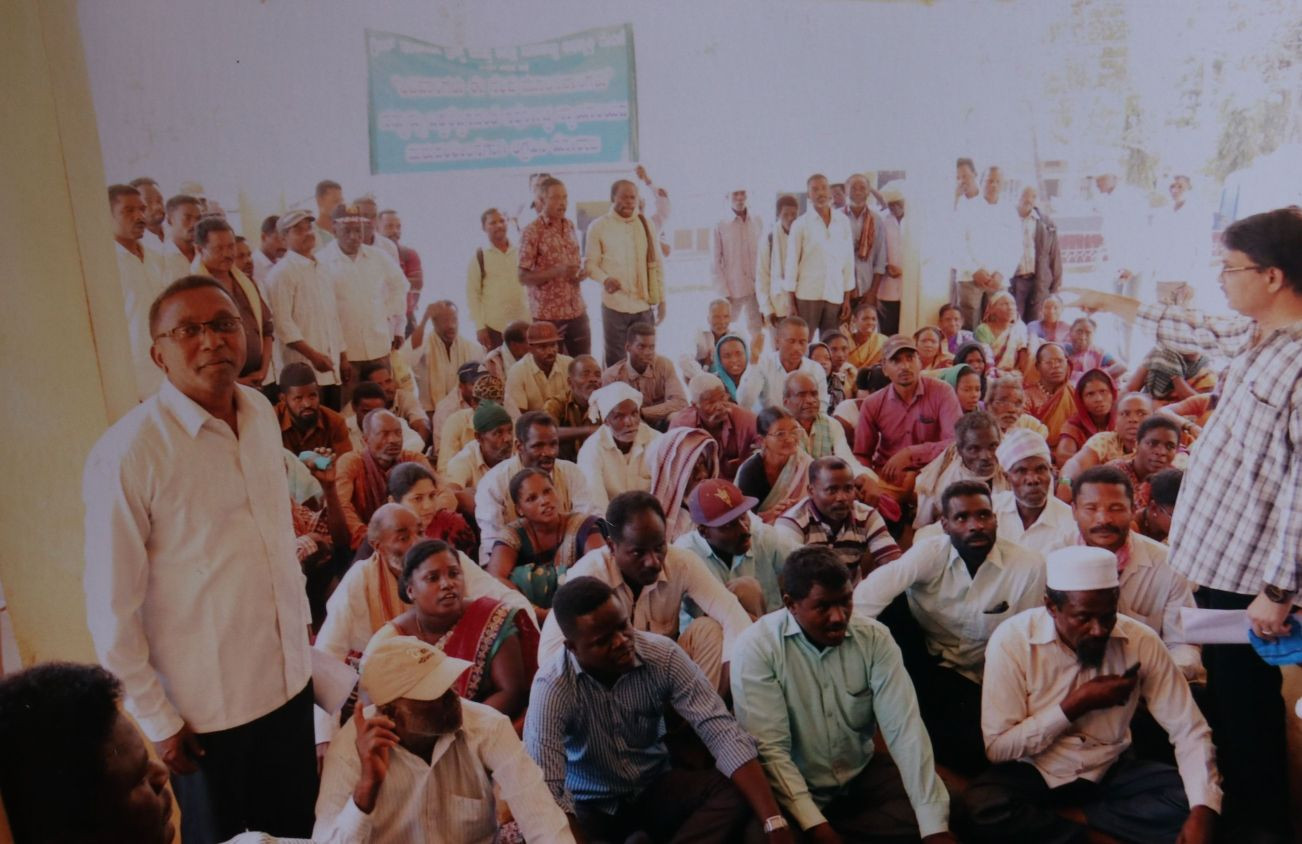 उत्तर कर्नाटकातील या अवाढव्य पसरलेल्या जंगलातील वाटा एवढ्या सहज आणि
सोप्या नाहीत. जंगलांमध्ये वन्य प्राण्यांचे प्रमाण खूप आहे. त्यामध्ये
वाघ, हत्ती, अस्वल, बिबट्या, लांडगे, कोल्हे, रानरेडे, गवा, रानडुक्कर,
विषारी साप यांसारख्या हिंस्र प्राण्यांसोबत ससे, हरीण, काळवीट, चितळ, मोर
आदी प्रकारचे अनेक प्राणी-पक्षी होते, आहेत. जंगली प्राण्यांकडून माणसांवर
हल्ला झाल्याची बरीच उदाहरणे इथे आहेत. पाऊस अधिक पडत असल्याने पावसाळ्यात
जंगल अधिकच गडद रूप धारण करते. त्यामुळे परिस्थिती अधिकच बिकट असायची.
पावसाळ्यात आजही अनेक गावांचा तीन-चार महिने संपर्क तुटतो. अशाही
परिस्थितीत कार्यकर्ते तिथपर्यंत पोहोचत होते.
उत्तर कर्नाटकातील या अवाढव्य पसरलेल्या जंगलातील वाटा एवढ्या सहज आणि
सोप्या नाहीत. जंगलांमध्ये वन्य प्राण्यांचे प्रमाण खूप आहे. त्यामध्ये
वाघ, हत्ती, अस्वल, बिबट्या, लांडगे, कोल्हे, रानरेडे, गवा, रानडुक्कर,
विषारी साप यांसारख्या हिंस्र प्राण्यांसोबत ससे, हरीण, काळवीट, चितळ, मोर
आदी प्रकारचे अनेक प्राणी-पक्षी होते, आहेत. जंगली प्राण्यांकडून माणसांवर
हल्ला झाल्याची बरीच उदाहरणे इथे आहेत. पाऊस अधिक पडत असल्याने पावसाळ्यात
जंगल अधिकच गडद रूप धारण करते. त्यामुळे परिस्थिती अधिकच बिकट असायची.
पावसाळ्यात आजही अनेक गावांचा तीन-चार महिने संपर्क तुटतो. अशाही
परिस्थितीत कार्यकर्ते तिथपर्यंत पोहोचत होते.
पण तिथे पोहोचल्यावर आणखी दुसऱ्या समस्येला सामोरे जावे लागायचे. ती म्हणजे सिद्दी समाज हिंदू, मुस्लीम आणि ख्रिश्चन अशा तीनही धर्मांत विभागलेला आहे. भारतात आणल्यानंतर हे लोक ज्यांच्या संपर्कात आले त्यांचा धर्म त्यांनी स्वीकारला. तीनही धर्मांतील लोक एकमेकांकडे संशयाच्या नजरेने पाहायचे. हिंदूंना वाटायचे हे आम्हांला मुस्लीम किंवा ख्रिश्चन करण्यासाठीच आलेत. अशीच परिस्थिती मुस्लीम आणि ख्रिश्चन धर्मीयांची होती. त्यामुळे सुरुवातीला कार्यकर्त्यांचे ऐकूण घ्यायलाही कुणी तयार नव्हते. अशा परिस्थितीत हिंदू, मुस्लीम किंवा ख्रिश्चन यांपेक्षा आपण सगळे सिद्दी आहोत, ही भावना निर्माण करण्याचे प्रमुख काम होते. यातून सर्व सिद्दींची एकच संघटना निर्माण करायची होती. याच विचारातून वस्त्या-वस्त्यांवर बैठका होऊ लागल्या. बैठकांमध्ये आपल्यावर होणाऱ्या अन्यायावर चर्चा सुरू झाल्या. जल, जंगल, जमिनीवरील हक्क, पोलिस, वन अधिकारी, प्रस्थापित श्रीमंत लोकांकडून सिद्दींना होणारी मारहाण, अत्याचार, कमी मोबदला देऊन वर्षानुवर्षे करून घेतले जाणारे काम, यातून होणारी पिळवणूक याविषयी कार्यकर्ते इतरांना सांगू लागले. आपल्या अनेक पिढ्या हा अन्याय सहन करत संपून गेल्या. तीच परिस्थिती आपल्या मुलाबाळांवर येऊ नये यासाठी सर्वांनी एकत्र येऊन सरकारशी भांडले पाहिजे.
सिद्दींच्या संघर्षाचे आणखी एक महत्त्वाचे कारण होते, ते म्हणजे
स्वतंत्र भारतात त्यांना कुठलीही ओळख नव्हती. त्यांना कुठल्याच
जाती-जमातीच्या प्रवर्गात समाविष्ट करण्यात आले नव्हते. कुठल्याच सरकारी
योजनेचा लाभ त्यांच्यापर्यंत पोहोचत नव्हता. त्यामुळे या देशात आमची ओळख
नक्की काय आहे, हा विचारदेखील त्याच्यामागे होता. पिढ्यान्पिढ्या
जंगलांमध्ये आदिवासींचे जीवन आम्ही जगत असल्याने आपला समावेश अनुसूचित
जमाती (एसटी) मध्ये झाला पाहिजे ही भावना त्यामधून पुढे आली.
कार्यकर्त्यांनीदेखील या मुद्यावर एकमेकांमध्ये अनेकदा चर्चा करून याचे
गांभीर्य ओळखले होते. त्यामुळे अन्याय-अत्याचाराच्या मुद्यांसोबतच
एस.टी.मध्ये समाविष्ट करून घेण्याचा मुद्दादेखील बैठकांमध्ये कार्यकर्ते
मांडू लागले. यातून आपल्या हक्कांविषयी जागृत होऊ लागलेले सिद्दी हळूहळू
बोलू लागले. गाव, तालुका, जिल्हा पातळीवर लोकांचे गट तयार करून गावा-गावांत
कार्यकर्ते तयार झाले. आपण सर्वांनी एकत्र येऊन लढले पाहिजे ही जाणीव
जनतेमध्ये निर्माण करण्यासाठी कार्यकर्त्यांना तब्बल दहा वर्षे झगडावे
लागले.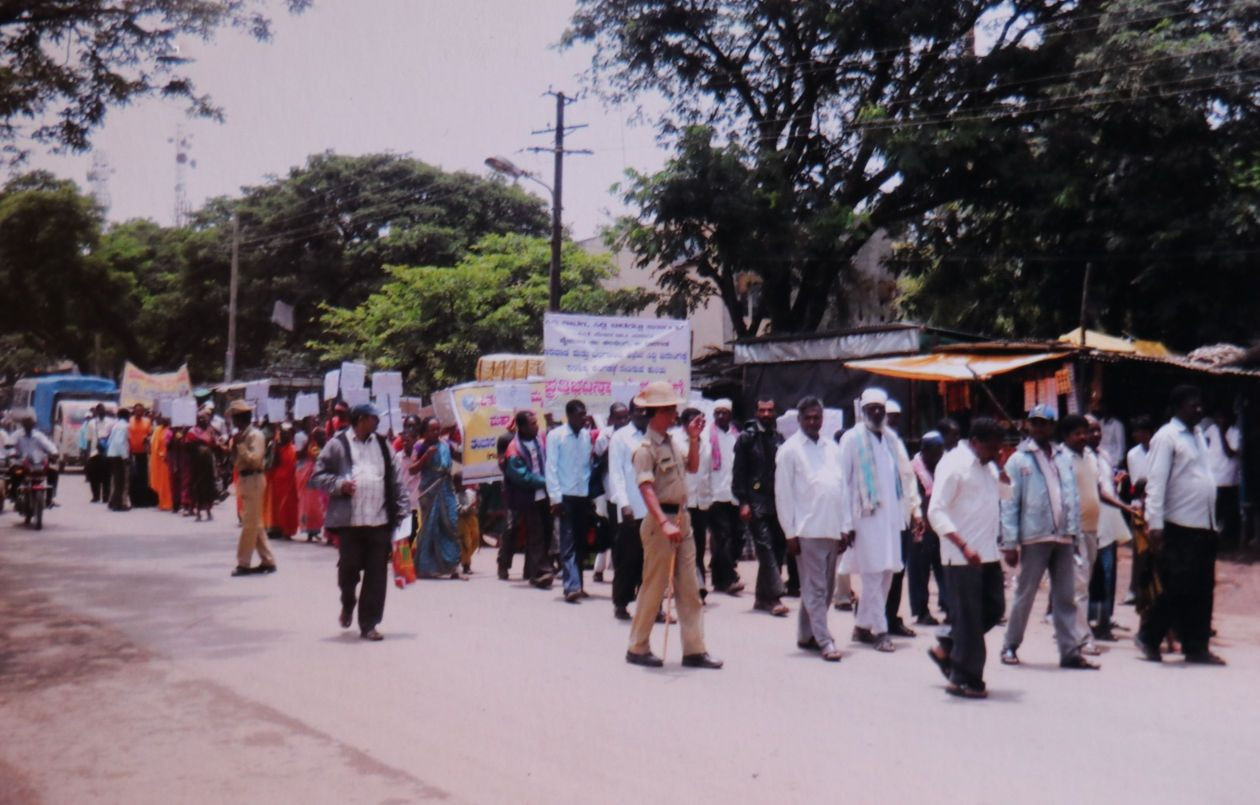
पण सिद्दींची ही जागृती प्रस्थापितांच्या पचनी पडणारी नव्हती. त्यांनी गावात, वस्त्यांवर होणाऱ्या या बैठकांना विरोध करण्यास सुरुवात केली. अनेक ठिकाणच्या बैठका उधळून लावल्या. याचे कारण सिद्दी जागृत झाल्यास वर्षानुवर्षे आपल्या शेताला मिळणारा मजूर कमी होणार होता. स्वतःच शेती करायला लागल्यास शेतात आणि घरात कोण काम करणार? हे जागृत झाल्यास मजुरी वाढवून मागणार, घराची चाकरी बंद करणार, कामाची वेळ ठरवून घेणार. यामुळे प्रस्थापितांकडून सिद्दींच्या संघटनेला प्रचंड विरोध झाला. यावर पर्याय म्हणून कार्यकर्त्यांनी रात्रीच्या वेळी गुपचूप बैठका घ्यायला सुरुवात केली. यासाठी त्यांना एक कायदेशीर संघटना असण्याची गरज भासत होती. सत्तरच्या दशकात सुरू झालेल्या चळवळीच्या संघटना नोंदणीसाठी 1980चे दशक उजाडावे लागले. पण संघटनाही सहजासहजी नोंदणी करून मिळत नव्हती. संघटना नोंदणीसाठी वारंवार अर्ज करूनही प्रशासनाकडून दखल घेतली जात नव्हती. तुमच्या संघटनेची नोंदणी होणार नाही, इथपर्यंतची थेट उत्तरे मिळत होती. कोणीच दखल घ्यायला तयार नव्हते. असे असले तरी कार्यकर्त्यांनी हार मानली नव्हती. आंदोलने-मोर्चे काढत त्यांनी आपले हक्क मागायला सुरुवात केली होती. कार्यकर्ते कारवार, धारवाड, बेळगाव जिल्ह्यांतील प्रत्येक सिद्दीचे घर पिंजून काढून त्यांना एकत्र आणण्याचे काम करत होते. संघटना नोंदणीसाठी प्रशासनाकडून दाद मिळत नसल्याचे पाहून अखेर 1984 मध्ये तत्कालीन कर्नाटकचे मुख्यमंत्री रामकृष्ण हेगडे यांची फादर जे.बी. डिसिल्वा यांच्या मध्यस्थीने सिद्दी कार्यकर्त्यांनी बेंगलोरला जाऊन भेट घेतली. फादर जे.बी. डिसिल्वा हे रामकृष्ण हेगडे यांचे जवळचे मित्र होते, तसेच ते सिद्दी कार्यकर्त्यांशीही जोडले गेले होते. म्हणून ही भेट होऊ शकली. भेटीनंतर मुख्यमंत्र्यांनी तातडीने सिद्दींच्या संघटनेची नोंदणी करून घेण्याचे आदेश प्रशासनाला दिले. त्यामुळे 1984 मध्ये All Karnataka Siddi Vikas Sangh (AKSVS) ‘अखिल कर्नाटका सिद्दी विकास संघ’ ही 11 सदस्यांच्या संघटनेची स्थापना झाली. बस्त्याव सिद्दी हे या संघटनेचे पहिले अध्यक्ष होते.
1980 च्या दशकांपर्यंत सिद्दी लोक चांगल्या प्रकारे संघटित झाले होते. कार्यकर्त्यांच्या आवाहनाला तातडीने प्रतिसाद मिळत होता. कुठल्याही आंदोलन व मोर्चात हजारोंच्या संख्येने सिद्दी समाज सहभागी होत होता. यातून आंदोलनाची धार अधिकच तीव्र होत होती. संघटित झाल्यामुळे त्यांच्यावर होणाऱ्या अन्याय-अत्याचाराचे प्रमाणदेखील कमी झाले. अन्यायाला वाचा फुटू लागली. एकटेपणाची भावना त्यांच्या मनातून कमी झाली. संघटनेचे बळ आपल्या पाठीशी असल्याच्या भावनेतून सिद्दी लोक आत्मविश्वासाने राहू लागले.
हेही वाचा-उत्तर कर्नाटकातील सिद्दी समाज : १–https://bit.ly/3P2TgiD
सामाजिक, आर्थिक, राजकीय, शैक्षणिकदृष्ट्या प्रचंड मागासलेल्या, दारिद्र्यात जीवन जगणाऱ्या सिद्दींचे स्थान कुठल्याच जाती-जमातींच्या प्रवर्गात नाही. ‘आदिवासींचे जीवन जगाणारे आम्ही सिद्दी आम्हांला एस.टी.मध्ये समाविष्ट करावे,’ या मागणीचा जोर वाढू लागला. तहसीलदार, प्रांत अधिकारी, जिल्हाधिकाऱ्यांपासून राज्य सरकार, दिल्लीतील केंद्र सरकारपर्यंत सातत्याने पत्रव्यवहार सुरू केला. शेवटी याची दखल कर्नाटक सरकारला घ्यावी लागली आणि 1986 मध्ये सिद्दींना ‘मागास आदिवासी’ (BT – Backward Tribe) या प्रवर्गामध्ये समाविष्ट करण्यात आले. असा अध्यादेश 9 जुलै 1986 मध्ये काढण्यात आला. या अध्यादेशात भारतीय संविधानाच्या कलम 15 (4) आणि 16 (4) अनुसार कर्नाटक सरकारने सिद्दी समाजाला आरक्षण दिले असून, त्यांच्या धर्माचा व निवासाचा विचार न करता विशेष वागणूक दिली जाईल असे नमूद केले होते.
पण सिद्दी लोक याने खूश झाले नाहीत. बीटी प्रवर्गात मिळालेले आरक्षण
सिद्दींना मान्य नव्हते. या आरक्षणामुळे त्यांच्या आयुष्यात विशेष काही फरक
पडणार नव्हता. त्यामुळे त्यांनी सरकारच्या विरोधात पुन्हा जोरदार लढा सुरू
केला. तोपर्यंत सिद्दीं समाजातील दुसऱ्या फळीतील कार्यकर्त्यांची तरुण
पिढी तयार झाली होती. त्यांच्यात थोडेबहुत शिकलेले लोक होते. आपल्या
वाडवडिलांनी सुरू केलेला संघर्ष पुढे घेऊन जाण्याची जबाबदारी त्यांनी
स्वीकारायला सुरुवात केली. यातून एसटी आरक्षणाच्या संघर्षाला आणखी बळ
मिळाले. या दुसऱ्या फळीतील कार्यकर्त्यांमध्ये प्रमुख होते. दियोग बस्त्याव
सिद्दी, नन्नेसाब सिद्दी, इब्राहिम सिद्दी (हलियाल), कृष्णा सिद्दी,
कुट्टा सिद्दी, शिवा सिद्दी, अनंता सिद्दी, जुम्मा सिद्दी, (अंकोला),
महम्मद सिद्दी, लक्ष्मी सिद्दी, पिरमाबी सिद्दी, लक्ष्मी सिद्दी (यल्लापूर)
हे सर्व दुसऱ्या फळीतीत कार्यकर्ते. यांच्यानंतर इमाम सिद्दी, लॉरेन्स
सिद्दी, मायकल सिद्दी (यल्लापूर) हे तिसऱ्या फळीतील कार्यकर्ते 1990 नंतर
चळवळीशी जोडले गेले. या कार्यकर्त्यांनी चळवळीची धुरा स्वतःच्या खांद्यावर
घेतली. आजतागायत त्यांचे काम सुरू आहे.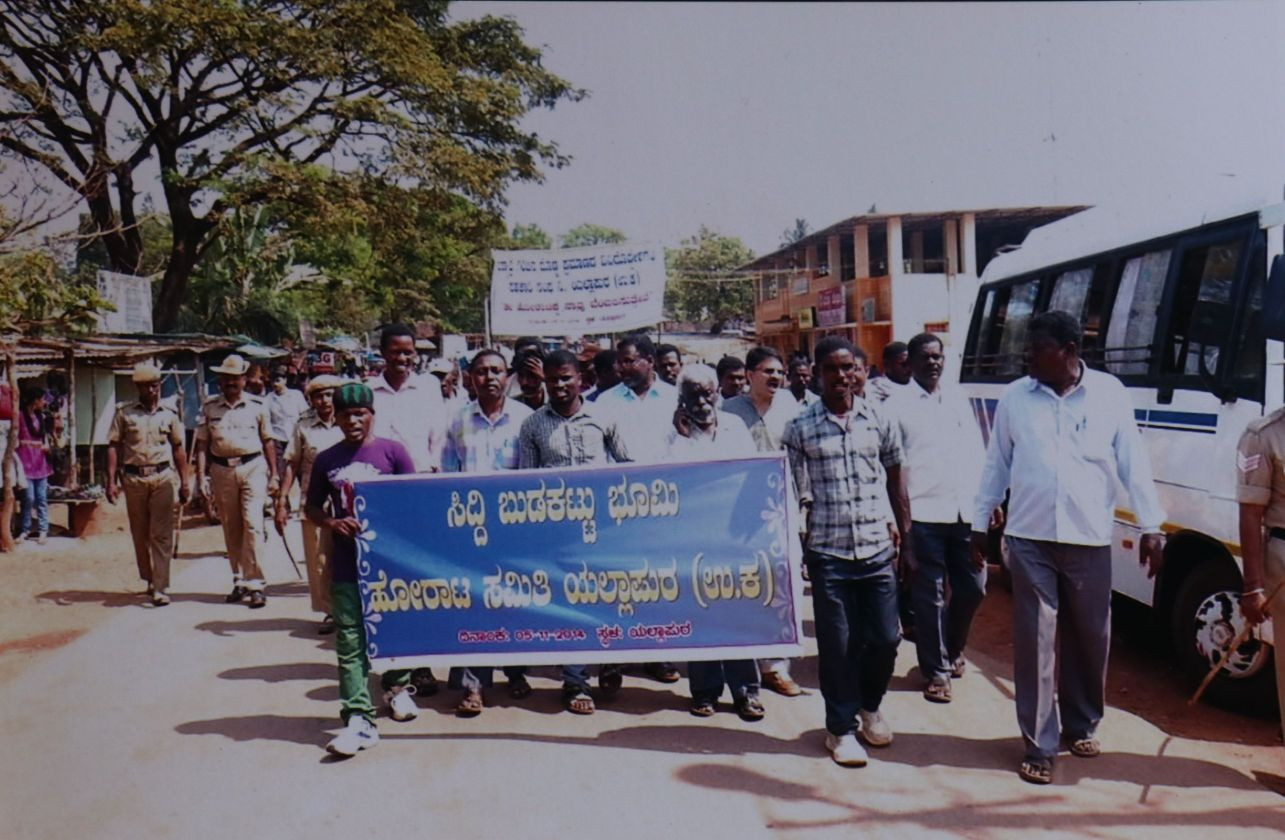
‘‘आम्हांला मागास आदिवासी (बॅकवर्ड ट्राइब – बीटी) म्हणून आरक्षण नको, तर आमचा समावेश अनुसूचित जमाती (शेड्युल्ड ट्राइब – एसटी) मध्ये करावे,’’ या मागणीने जोर धरला. पुन्हा नव्याने सरकार, प्रशासनाशी संघर्ष सुरू झाला. नव्याने अर्ज, निवेदने देण्यास सुरुवात झाली. पण नेहमीप्रमाणे सरकार, प्रशासनाकडून कुठलाही सकारात्मक प्रतिसाद मिळत नव्हता. उलट सिद्दी म्हणून तुच्छतेची वागणूक मिळण्याचा वारंवार अनुभव येत होता. यात आता काही प्रमाणात सुधारणा झाली असली, तरी अजूनही हा भेदभाव केला जातो. इमाम सिद्दी या यल्लापुरातील समाजिक कार्यकर्त्याने त्यांचा अनुभव सांगितला. “सरकार, प्रशासन, प्रस्थापित किंवा स्थानिक श्रीमंत लोक आमच्याकडे गुलाम म्हणूनच बघायचे. कुठल्याही सरकारी कार्यालयात गेल्यावर पावला-पावलांवर त्याचा अनुभव यायचा. कागदपत्रे मिळविण्यासाठी कुठेतरी एखाद्या कोपऱ्यात बसून राहायचं. कोणीच दखल घ्यायचं नाही. विचारलं तरी बघू, सांगतो, तिथे बस, उद्या ये- असं म्हणून टाळलं जायचं. इतर समाजांतील एखाद्या कोणा मोठ्या व्यक्तीला घेऊन गेल्यास, त्यांच्या समोर तात्पुरतं यांचं काम करून देतो एवढं म्हणायचं. त्यातच काम झालं तर बरं नाही तर तसंच मोकळ्या हाताने परत फिरायचं. आमच्यासोबत नीट बोललंसुद्धा जात नव्हतं. त्यामुळं एक-दोन वेळा असे अनुभव आल्यावर कागदपत्रं नाही मिळाली, तरी आमच्यातील कोणी सरकारी कार्यालयात जाण्यासाठी धजावत नव्हते. अशा परिस्थितीत आमचा संघर्ष सुरू होता.”
या सगळ्याचे गांभीर्य किती होते हे आणखी एका उदाहरणावरून आपल्याला समजू शकेल. माजी केंद्रीय मंत्री व काँग्रेस पक्षाच्या ज्येष्ठ नेत्या मार्गारेट अल्वा उत्तर कन्नड जिल्ह्यातून 1919 ला लोकसभेवर निवडून गेल्या होत्या. त्या आधी तब्बल अठरा वर्षे त्यांनी राज्यसभेच्या खासदार म्हणून काम केले होते. सिद्दींना आरक्षण मिळवून देण्यात अल्वा यांनी महत्त्वाची भूमिका बजावली होती.
सिद्दींविषयी प्रशासकीय अधिकाऱ्यांच्या मनात असणाऱ्या भेदभावाविषयी त्यांनी एक अनुभव सांगितला, “सिद्दी समाजातील लॉरेन्स सिद्दी हे कार्यकर्ते पंचायत समिती सदस्य म्हणून निवडून आले होते. बीटी आरक्षणाच्या माध्यमातून त्यांना पंचायतीचा सभापती होण्याची संधी मिळाली. त्या वेळी पंचायत समिती अध्यक्षाला वापरण्यासाठी सरकारी जीप असायची. ही जीप प्रशासनाकडून लॉरेन्स यांना दिली जात नव्हती. याविषयी लॉरेन्स यांनी माझ्याकडे तक्रार केली. त्यावर संबंधित अधिकाऱ्यांची बैठक घेऊन त्यांना विचारले असता जीप वापरण्यासाठी अध्यक्षांनी तशी विनंती आम्हांला केली नसल्याचे उत्तर अधिकाऱ्यांनी दिले होते. या प्रकारानंतर मी आधिकाऱ्यांना चांगलेच खडसावले होते.”
या उदाहरणावरून प्रशासकीय पातळीवर सिद्दींसोबत कसा भेदभाव केला जात
होता याची जाणीव होऊ शकते. पंचायत समिती अध्यक्षाला अशी वागणूक मिळत
असल्यास, सामान्य सिद्दीला कशी मिळत असेल? त्यामुळेच प्रशासन आणि स्थानिक
पातळीवरील राजकीय पुढाऱ्यांना याचे फारसे गांभीर्य नव्हते. पण मार्गारेट
अल्वा यांनी सिद्दींचा एस.टी.मध्ये समावेश व्हावा यासाठी महत्त्वाची भूमिका
बजावली. या संदर्भात दुसऱ्या फळीतील कार्यकर्त्यांनी दिल्लीत जाऊन
अल्वांची भेट घेऊन त्यांना विनंती केली होती. अल्वांनी सिद्दींच्या एस.टी.
आरक्षण मागणीचा जाणीवपूर्वक राज्य आणि केंद्रीय पातळीवर वारंवार पाठपुरावा
करण्याचे काम केले. त्या वेळी केंद्र आणि राज्यात काँग्रेसचीच सत्ता होती.
त्यामुळे काम थोडे हलके झाले. राज्य सरकारकडे पाठपुरावा करून एस.टी.
आरक्षणासाठी सिद्दींचे सर्वेक्षण सुरू केले. जिल्हाधिकाऱ्यांच्या पातळीवर
एक समिती नेमून याचा अहवाल राज्य सरकारकडे पाठविण्याची विनंती केली.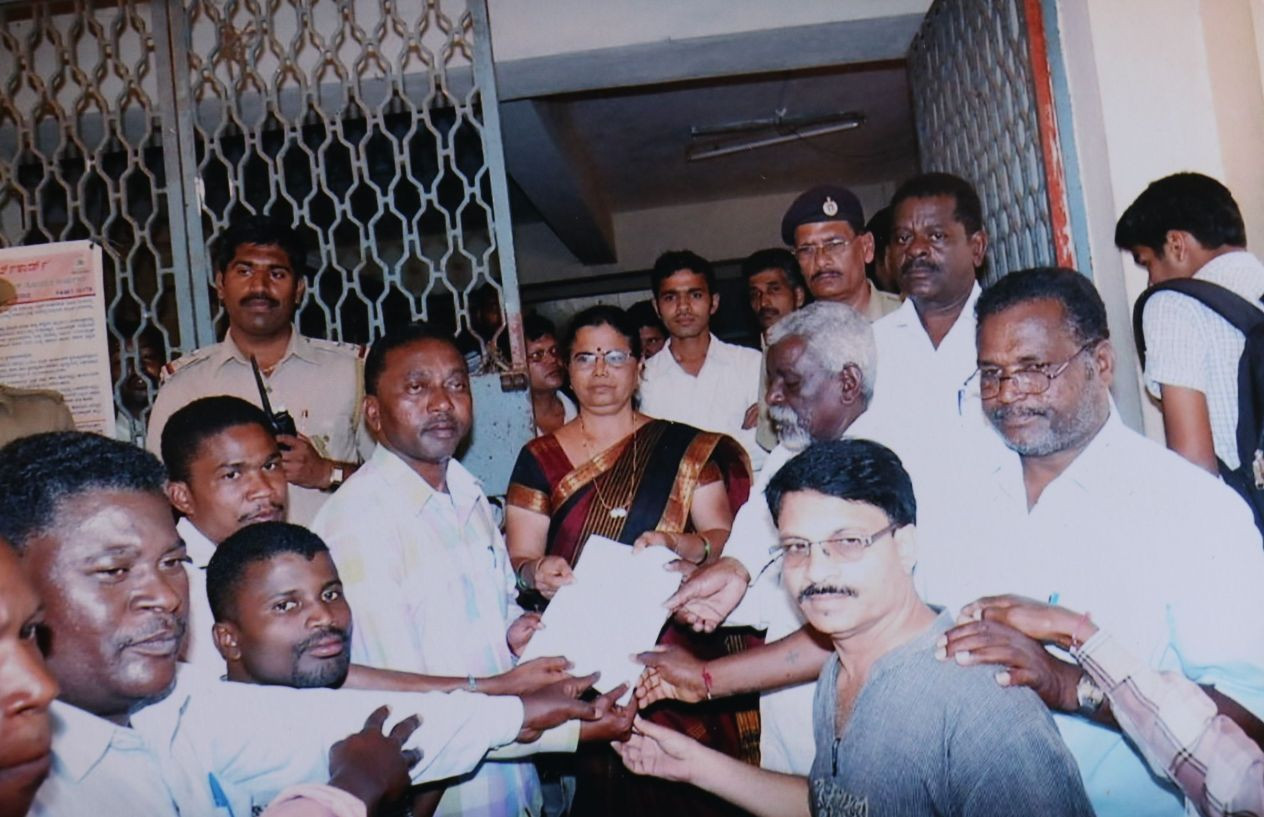
सर्वेक्षणातूनआलेल्यामाहितीच्या आधारावर राज्य सरकारच्या मंत्रिमंडळाकडून सिद्दींच्या एस.टी. आरक्षणाचे विधेयक पास करून घेतले आणि केंद्राच्या मंजुरीसाठी संसदेत पाठविण्यात आले. सन 2000 मध्ये सिद्दींना आदिवासी घोषित करण्यासाठी त्यांची संस्कृती आदिवासी जीवनाशी जुळते का, कशाच्या आधारावर यांना आरक्षण द्यायचे; याची पाहणी करण्यासाठी केंद्रातून एक समिती उत्तर कन्नड जिल्ह्यात आली. त्या वेळी सिद्दींचे पारंपरिक वाद्य असलेले ‘दम्माम’च्या (दम्माम म्हणजे, ढोल आणि त्यावर केले जाणारे नृत्य) आधारावर सिद्दींची संस्कृती आदिवासी जीवनाशी जुळत असल्याचा अहवाल समितीने केंद्र सरकारला दिला. सिद्दींच्या जीवनात दम्माम हे एकमेव वाद्य शिल्लक राहिले आहे जे त्यांना थेट आफ्रिकेशी जोडते. तीनही धर्मांत विभागलेल्या सिद्दींमधील दम्माम हा एक सामाईक घटक आहे. स्वानुभवावर आधारित स्वरचित गाण्यांवर दम्माम वाजवले जाते. सर्व लोक त्यावर नृत्य करतात. दम्मामविषयीची सविस्तर माहिती सिद्दींच्या संस्कृतीवर लिहिलेल्या लेखात सविस्तर देण्यात आली आहे.
आरक्षणाच्या प्रक्रियेविषयी मार्गारेट अल्वाच सांगतात, “1978 मध्ये मी
राज्यसभेत पहिल्यांदा सिद्दींच्या आरक्षणाचा मुद्दा संसदेत उपस्थित केला.
त्यानंतर आरक्षण मिळण्यासाठी 25 वर्षं लागली. या काळात गाव, तालुका, जिल्हा
पातळीवरील अहवाल तयार केले. या सर्वांचा एक अहवाल तयार करून, बेंगलोरला
मंत्रालयात आणला. येथील दोन-तीन विभागांच्या परवानगी घेऊन, कॅबिनेट
मंत्र्यांच्या बैठकीत मंत्रिमंडळाकडून विधेयक मंजूर करून घेतले. ते
दिल्लीला पाठविले. दिल्लीत विविध आयोगांच्या कार्यालयात बसून तेथील
अधिकाऱ्यांकडून हे काम करून घेत होते. केंद्रीय मंत्री झाल्यावर हे काम
करणं थोडं सोपं झालं. अधिकाऱ्यांना मंत्रालयात बोलावून त्यांच्याकडून काम
करून घेता येऊ शकत होतं. यासाठी राष्ट्रपती भवनापर्यंत जाण्याची वेळ आली.
सिद्दी कार्यकर्त्यांकडून या संदर्भातला पाठपुरावा सुरू होता. ऑगस्ट
2002मध्ये लोकसभेत हे विधेयक चर्चेसाठी आणण्यात आले. आणि शेवटी 2003 मध्ये
सिद्दींच्या एसटी आरक्षणाला संमती मिळाल्याचा अध्यादेश काढण्यात आला. 2005
पासून त्याची अंमलबजावणी सुरू झाली. एस.टी. आरक्षणामुळे आज सिद्दींच्या
जीवनात बराच फरक पडला आहे. पण याचा फटका मला 2004 च्या लोकसभा निवडणुकीत
बसला. सिद्दींना आरक्षण मिळवून दिल्यामुळे या भागातील अनेक उच्चवर्णीय समाज
माझ्यावर नाराज झाले होते.”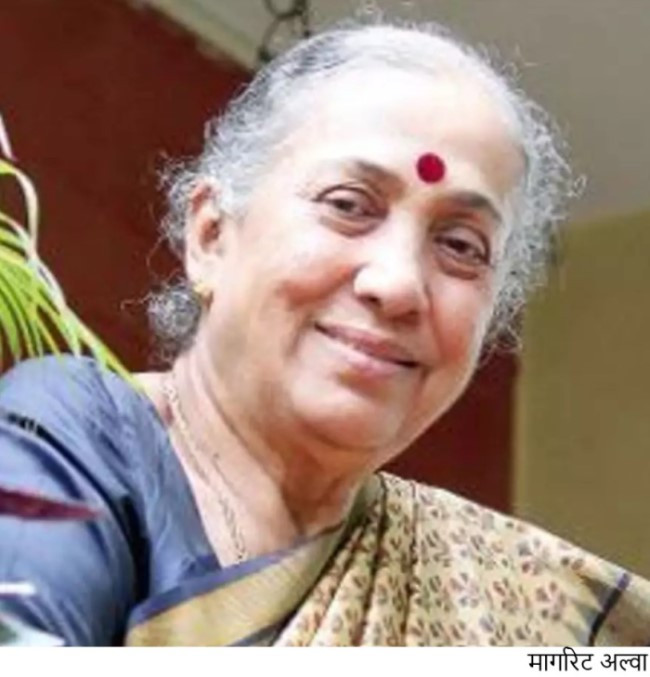
11 मार्च 2003, या दिवशी सिद्दींना अधिकृतपणे एस.टी.मध्ये समाविष्ट करण्यात आले. पण असे करताना एक मोठी चूक झाली. ती चूक म्हणजे केंद्र सरकारच्या या आदेशात केवळ उत्तर कन्नड (कारवार) जिल्ह्यातील सिद्दींनाच एस.टी.मध्ये समाविष्ट करण्यात आले. धारवाड आणि बेळगाव जिल्ह्यांतील सिद्दींना यातून वगळण्यात आले. पण हे असे का झाले याचे उत्तर कोणालाच सांगता येत नाही. मार्गारेट अल्वा या उत्तर कन्नड जिल्ह्याच्या खासदार असल्यामुळे केवळ त्याच जिल्ह्याला आरक्षण मिळाले, असा आरोप धारवाड आणि बेळगावमधील सिद्दी समाजाचे कार्यकर्ते करतात. सर्व सिद्दींना एसटीमध्ये समाविष्ट करण्याची मागणी केली असल्याचे अल्वा यांच्याकडून सांगण्यात येते. पण असे झाले नाही. त्यामुळे पुन्हा 2003 पासून उर्वरित म्हणजे धारवाड आणि बेळगाव जिल्ह्यातील सिद्दींना एस.टी.मध्ये समाविष्ट करून घेण्यासाठी संघर्ष सुरू झाला. ‘आमचे सामाजिक स्थान, व्यवसाय, धार्मिक प्रथा आणि उत्तर कन्नड जिल्ह्यातील सिद्दींना मिळालेल्या आरक्षणाच्या आधारावर आमचाही एस.टी.मध्ये समावेश करावा,’ ही मागणी धारवाड आणि बेळगावमधून करण्यात आली. याला 28 जानेवारी 2007 कर्नाटकाच्या कॅबिनेट मंत्रिमंडळाने मंजुरी दिली. पुढील प्रक्रियेसाठी केंद्राकडे पाठवले. कर्नाटकाच्या सामाजिक विकास विभागाने 20 जानेवारी 2017 रोजी केंद्रीय आदिवासी विकास मंत्रालयाला पत्र पाठवले आहे. आदिवासी मंत्रालयाने 10 सप्टेंबर 2018 रोजी याला मान्यता देऊन अनुसूचित जमाती (एस.टी.) आयोगाकडे पाठवले. यावर एस.टी. आयोगाने एक समिती नेमली. या समितीमधील सदस्यांनी धारवाड आणि बेळगावमध्ये जाऊन सिद्दी लोकांची प्रत्यक्ष पाहणी करून यावरील अहवाल एस.टी. आयोगाला सुपूर्द केला. आयोगानेही हा अहवाल मंत्रालयात पाठवला. अखेर सतरा वर्षांच्या पाठपुराव्यानंतर 20 मार्च 2020 मध्ये बेळगाव आणि धारवाड जिल्ह्यांतील सिद्दींना एसटीमध्ये समाविष्ट केल्याचा आदेश संसदेने पारीत केला. बेळगाव आणि धारवाडमधील सिद्दींना आरक्षण मिळवून देण्यात यल्लापूर येथील सामाजिक कार्यकर्ते इमाम सिद्दी यांचा महत्त्वाचा वाटा आहे.
2005 नंतर सिद्दींच्या जीवनात झालेल्या सुधारणा
11 मार्च 2003 रोजी सिद्दींचा कायदेशीर अनुसूचित जमाती (एस.सी. – शेड्युल्ड ट्राइब) मध्ये समावेश करण्यात आला. 2005 पासून त्याची अंमलबजावणी सुरू झाली. सर्व सरकारी क्षेत्रांत सिद्दींना आरक्षण लागू करण्यात आले. सिद्दींना आरक्षण मिळून 15 वर्षे झाली आहेत. पण केवळ 15 वर्षांत त्यांच्या विकासाचे मूल्यमापन होऊ शकत नाही. त्यासाठी काही काळ जावा लागेल. असे असले तरी आरक्षणामुळे मागील दीड दशकात सिद्दींच्या जीवनात अनेक बदल झाले आहेत. आरक्षणामुळे पंचायतराज व्यवस्थेत सिद्दींचे प्रतिनिधित्व बंधनकारक झाले. गावच्या ग्रामपंचायतीमध्ये सिद्दी समाजातील एका सदस्याची निवड अनिवार्य झाली. अनेकांना घरकुल योजना मंजूर झाल्या, वस्तीपर्यंत सिमेंटचे पक्के रस्ते पोहोचले, शिधापत्रिकेवर (रेशनकार्ड) नियमित धान्य मिळू लागले, मुलांना मोफत शिक्षण आणि विविध सवलती मिळू लागल्या, तालुक्याच्या ठिकाणी आश्रमशाळा उभारण्यात आल्या आहेत, तर काही ठिकाणी त्यांचे काम सुरू आहे. महिलांच्या बचत गटांना कर्जे मिळू लागली. असे अनेक महत्त्वाचे, डोळ्यांना दिसणारे बदल आरक्षणानंतर झाल्याचे दिसून येत आहेत.
संघर्ष अजूनही सुरूच आहे
एस.टी. आरक्षणाचा फायदा सिद्दींना होत असला, तरी त्यांच्या मुख्य मागणीकडे अजूनही दुर्लक्ष केले जात आहे. केंद्र शासनाने 2006 मध्ये प्रत्येक आदिवासीला 4 हेक्टर म्हणजे 10 एकर जमीन आणि गावाच्या हद्दीतील सरकारी जमिनीवर सर्वांचा अधिकार असल्याचा कायदा केला. या कायद्याची अंमलबजावणी 2008 पासून सुरू झाली. मात्र, बहुसंख्य सिद्दी कुटुंबांना जमीन मिळाली नाही. ज्यांना मिळाली त्यांचे प्रमाण बोटावर मोजण्याएवढे असून, जमीन मिळण्याचे प्रमाण केवळ अर्धा किंवा एक एकरपेक्षा अधिक नाही. त्यामुळे ‘जमीन मिळविणे हा आमचा कायदेशीर हक्क असून ती आम्हाला मिळालीच पाहिजे,’ यासाठी सिद्दींचा पुढील संघर्ष सुरू आहे. जमिनीचा संबंध स्थिरता आणि समाजातील प्रतिष्ठेशी जोडला गेलेला असतो. ज्याच्याकडे जमीन त्याला समाजात मान मिळतो. जंगलामध्ये राहणाऱ्या सिद्दी कुटुंबांना वन विभागाकडून काही गुंठे जमीन शेती करण्यासाठी मिळते. वन विभागासोबत तसा करार केला जातो. हा करार दहा-पंधरा किंवा वीस वर्षांचा असतो. तोपर्यंत जमीन कसण्याची परवानगी त्यांना मिळते, पण जमीन नावावर होत नाही. त्यामुळेच कायद्याअनुसार प्रत्येकाला चार हेक्टर जमीन द्यावी अशी मागणी सातत्याने केली जात आहे. असे झाल्यास सिद्दींच्या आयुष्यात स्थिरता येऊन भटकंती थांबेल. शेती हे सिद्दींच्या उदरनिर्वाहाचे प्रमुख साधन झाल्यास पुढील विकासाच्या वाटा आपोआप त्यांना सापडत जातील.
– प्रवीण खुंटे
kpravin1720@gmail.com
https://mediawatch.info/dammam-siddis-characteristic-folk-art-kartavya-sadhana/
दम्माम : सिद्दींची वैशिष्ट्यपूर्ण लोककला - Media Watch
प्रत्येक समाजाला त्याची म्हणून एक संस्कृती असते. संस्कृती हा विविध अर्थच्छटा असणारा शब्द आहे. माणूस आणि त्याच्या भोवतीचे विश्व मिळून निसर्ग बनत असतो. याच निसर्गात स्वतःच्या जगण्यासाठी अनुकूल बदल करत मनुष्यप्राणी आपले जीवन जगण्याच्या पद्धती ठरवत असतो. याविषयी ज्येष्ठ लेखिका ‘इरावती कर्वे’ यांनी नोंदविले आहे, ‘घरे, कपडे इ. स्थूल वस्तूंचा उपभोग व्यक्ती घेत असतात. हे संस्कृतीचे बाह्य रूप. संस्कृतीचे दुसरे रूप म्हणजे माणसाने सामाजिक जीवन जगण्यासाठी ठरवून घेतलेली रीत होय.’ (भारतीय संस्कृती कोश खंड नववा) जगण्याची आत्मसात केलेली ही रीत, त्यातील विशिष्ट पद्धती एकदा अंगवळणी पडल्या की, माणूस जगाच्या पाठीवर कुठेही गेला तरी त्याचे अस्तित्व टिकवून ठेवण्याचाच प्रयत्न करतो. आपली मुळे, आपल्या समाजाच्या पाऊलखुणा जपून ठेवण्यासाठी मानवजात कायमच प्रयत्नशील राहत असते.
असाच एक वैशिष्ट्यपूर्ण समाज जो आपले मूळ आफ्रिकन वैशिष्ट्य, तर काही
भारतीय वैशिष्ट्ये जपत आपली वाटचाल करत आला आहे. हा समाज आपल्या देशातील
महाराष्ट्र, गोवा, कर्नाटक, गुजरात, आंध्र प्रदेश या राज्यांच्या काही
भागांमध्ये आढळतो.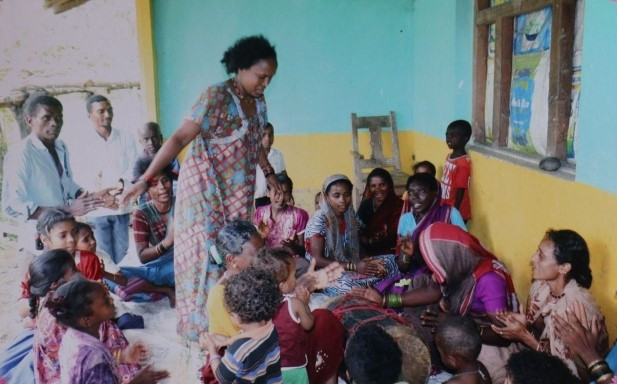
सुमारे सातशे ते आठशे वर्षांपूर्वी पोर्तुगीज, ब्रिटिश, अरब या व्यापारी लोकांनी आफ्रिकन खंडातील देशांमधील बंटू जमातीतील लोकांची भारतात गुलाम म्हणून विक्री केली. तेव्हापासून यांच्या पिढ्यान्पिढ्या आपल्या देशात गुलाम म्हणून राबल्या. हे लोक जेव्हा आणले गेले तेव्हापासून देश स्वतंत्र होईपर्यंत गुलाम म्हणूनच येथे राहिले. गुलामीचे कायदे रद्द झाल्यानंतर पुन्हा गुलामीत अडकू नये म्हणून, स्वरक्षणासाठी त्यांनी कारवार (पुर्वीचा उत्तर कन्नड) जिल्ह्यातील जंगलांमध्ये धाव घेतली. जंगलांमध्ये स्वतःला बंदिस्त करून घेतले. हे सगळे देशाला स्वातंत्र्य मिळेपर्यंत ठीक होते. परंतु स्वातंत्र्यानंतर त्यांचे अस्तित्व आणखीनच कणाहीन झाले. हळूहळू ते जंगलातून मुख्य प्रवाहात येण्याचा प्रयत्न करत आहेत. शेकडो वर्षांच्या सामाजिक स्थित्यंतरामध्ये त्यांचा मूळ धर्म, जात, भाषा, पेहेराव सर्व काही काळाच्या ओघात बदलले आणि त्यांनी पूर्णतः भारतीय भाषा, पेहेराव, धर्म, संस्कृती आत्मसात केली. आज सिद्दींमधील बहुसंख्य लोकांना त्यांच्या मूळ आफ्रिकन संस्कृती किंवा इतिहासाविषयी काहीच माहिती नाही. आता ते इतर भारतीयांप्रमाणेच देशाचे नागरिक आहेत.
हेही वाचा-उत्तर कर्नाटकातील सिद्दी समाज : १–https://bit.ly/3P2TgiD
या सर्व बदलांमध्ये त्यांच्यातील दोनच गोष्टी मूळ स्वरूपात टिकून राहिल्या. पहिली आफ्रिकन आनुवंशिकतेने त्यांना मिळालेली शारीरिक रचना. काळी तुकतुकीत त्वचा, राठ कुरळे केस आणि दुसरे आहे ‘दम्माम’ जो सिद्दींच्या वंशजांकडून भारतात आणला गेला. इतकी वर्षे हे लोक देशात गुलामी करत जगले; मात्र तरीही त्यांनी त्यांच्या संस्कृतीतील वैशिष्ट्यपूर्ण ठरणारा दम्माम हा नृत्यप्रकार टिकवणे खरोखर आश्चर्यकारक आणि कौतुकास्पद म्हणता येईल. सुरुवातीला मनोरंजनाचे एकमेव साधन म्हणून त्यांच्या आयुष्याचा दम्माम हा अविभाज्य भाग होता. मात्र देशाला स्वातंत्र्य मिळाल्यानंतर सिद्दी लोकांनाही माणूस म्हणून आपल्या हक्कांची जाणीव व्हायला लागली होती. ते हक्क मिळवताना, आरक्षण मिळवताना एक सांस्कृतिक वाद्य आणि नृत्यप्रकार सिद्दींसाठी वरदान ठरला.
दम्माम म्हणजे काय?
दम्माम म्हणजे ढोल. साधारण आपल्याकडील मृदंगाच्या आकाराचा. एका पोकळ
ओंडक्याच्या एका बाजूला हरणाचे किंवा चितळ प्राण्याचे चामडे आणि दुसऱ्या
बाजूला इतर प्राण्याचे चमडे लावले जाते. त्याला घट्ट बसवण्यासाठी भ्यारल
माड नावाच्या झाडाच्या खोडांचा बारीक तुकड्यांचा खिळ्याप्रमाणे वापर करून
त्याला घट्ट शिवून पारंपरिक पद्धतीने बनविलेले वाद्य. दोन्ही बाजूंना
वेगवेगळ्या प्राण्यांचे चामडे बसविण्याचे कारण म्हणजे दोन वेगवेगळे आवाज
येतात. पूर्वी असे हे वाद्य तयार केले जायचे. परंतु काही वर्षांपासून जंगली
प्राण्यांच्या शिकारीवर बंदी आल्यामुळे आणि वन कायद्यांमुळे पारंपरिक
पद्धतीचे दम्माम बनवण्यात येत नाहीत. नवीन पद्धतीने दम्माम बनवले जाते. हे
वाद्य वाजविण्याची एक विशिष्ट पद्धत असून ती आफ्रिकन पारंपरिक वाद्य
संस्कृतीशी संबंधित आहे. दम्माम नृत्य म्हणजे या ढोलाच्या ठेक्यावर
सिद्दींच्या दैनंदिन जीवनातील अनुभवांवर आधारित, स्वयंरचित गाण्यांवर
नाचणे. गाण्यांचे सूर आणि दम्मामच्या ठेक्यावर नृत्य केले जाते, त्याला
दम्माम नृत्य म्हटले जाते. नृत्य करण्याचीसुद्धा विशिष्ट पद्धत आहे आणि ही
पद्धतसुद्धा आफ्रिकेतील पारंपरिक नृत्याशी मिळतीजुळती आहे. मराठी, कोंकणी
आणि कन्नड अशा तिन्ही भाषामिश्रित गाण्यांची कडवी उदाहरणादाखल पुढे देण्यात
आली आहेत.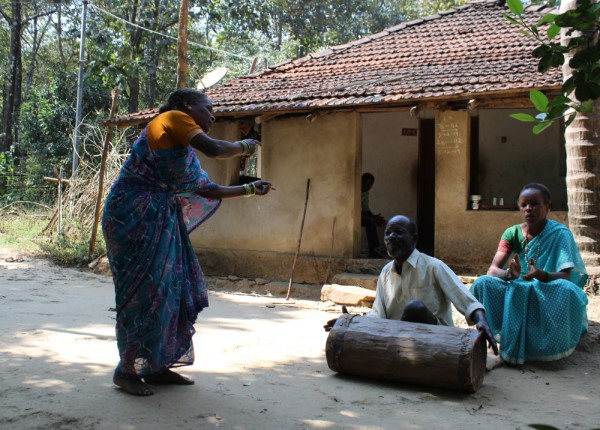
दम्माम आणि त्याचे महत्त्व सांगताना सिद्दींमधील तरुण कार्यकर्ते मायकल सिद्दी सांगतात, “आम्हांला आफ्रिकन वंशाशी जोडणारं दम्माम हे एकमेव साधन राहिलं आहे. गुलाम म्हणून भारतात आणलेल्या आमच्या पूर्वजांनी ते जोपासलं आणि आमच्यापर्यंत आणलं. आमच्या आधीच्या पिढीपर्यंत दम्मामशिवाय मनोरंजनाचं आणि अभिव्यक्त होण्याचं दुसरं साधन त्यांच्याकडे नव्हतं. परंतु कालानुरूप आताची पिढी यापासून दूर चालली होती, काही प्रमाणात गेलीसुद्धा आहे. पूर्वी दम्मामशिवाय कुठलाही कार्यक्रम केला जात नव्हता. आताही दम्माम वाजवलं जातं. पण दम्मामवरून इतर समाजांतील लोक आमची हेटाळणी करतात. हे सिद्दी लोक नाचिंगे राहत्यात, ते ढोल वाजवून रात्र रात्रभर नाचत बसतात- असं बोलू लागले. त्यामुळं शाळेत जाणाऱ्या मुलांना हे थोडं कमीपणाचं वाटू लागलं. ते दम्मामपासून दूर जाऊ लागले. त्यात ‘डीजे’ संस्कृतीमुळे अधिक भर पडली. सगळ्यांकडे मोबाइल आल्यामुळे मनोरंजनाची साधनं वाढली. त्यामुळे दम्माम संस्कृती मागे पडत चालली.”
सिद्दींना आरक्षण मिळवून देण्यात दम्मामची प्रमुख भूमिका
सिद्दींचा ‘अनुसूचित जमाती’मध्ये (एस.टी.) समावेश करावा या मागणीसाठी चार दशकांपासून संघर्ष सुरू होता. या संघर्षाची दखल घेऊन सन 2000 मध्ये सरकारने अनुसूचित जमाती आयोगाकडे सिद्दींना एसटीमध्ये घेण्यासाठी आवश्यक असणाऱ्या बाबींचे सर्वेक्षण करण्याची शिफारस केली. त्याअनुसार आयोगाकडून एक समिती नेमण्यात आली. या समितीमधील सदस्यांनी उत्तर कर्नाटकात राहणाऱ्या सिद्दींची प्रत्यक्ष त्या ठिकाणी जाऊन पाहणी केली. एसटीमध्ये समाविष्ट करण्यासाठी सिद्दींची संस्कृती आदिवासी संस्कृतीशी मिळतीजुळती आहे का याची पाहणी करण्यात आली. हे करत असताना, विविध धर्मांमध्ये विभागलेल्या सिद्दींमध्ये एक सामाईक बाब आयोगातील सदस्यांच्या नजरेस पडली. ती म्हणजे ‘दम्माम’. दम्माम हे वाद्य, त्याची वाजविण्याची पद्धती, नृत्य, गाणी आणि यांचा आफ्रिकेतील आदिवासी समाजाशी असलेला संबंध भारतातील सिद्दींना आदिवासी संस्कृतीशी जोडणारा होता. या मुख्य आधारावरच सिद्दींचा एस.टी.मध्ये समावेश करावा असा अहवाल आयोगाच्या सदस्यांकडून सरकारला देण्यात आला. त्यानंतर 2003 मध्ये सिद्दींचा अधिकृतपणे अनुसूचित जमाती या वर्गामध्ये समावेश करण्यात आला. याची अंमलबजावणी 2005 मध्ये पासून सुरू झाली.
यानंतर मात्र, काळाच्या ओघात मागे पडत चाललेल्या दम्माम या आपल्या पारंपरिक लोककलेचे महत्त्व सिद्दींमधील आजच्या पिढीलाही समजले. याचा प्रसार व्हावा, नवीन पिढीने ही कला आत्मसात करावी म्हणून, जुन्या जाणत्या लोकांनी प्रयत्न सुरू केले. तरुण पिढीला दम्मामचे प्रशिक्षण आणि महत्त्व पटवून सांगण्यास सुरुवात झाली. यातून ‘दम्माम’चे सादरीकरण करणारे 20 हून अधिक ग्रुप तयार करण्यात आले. गावागावांमध्ये पुन्हा दम्मामचा आवाज घुमू लागला. आरक्षण मिळाल्यानंतर दम्मामला सिद्दी लोक देवाचाच दर्जा देऊ लागले. पुढे जाऊन शासन-पातळीवरही सिद्दींच्या पारंपरिक कलेचा विकास व्हावा यासाठी प्रयत्न करण्यात आले. कर्नाटक शासनाच्या सांस्कृतिक विभागाकडून आयोजित करण्यात येणाऱ्या विविध प्रकारच्या सांस्कृतिक कार्यक्रमांच्या माध्यमातून सिद्दींना ‘दम्माम’ चे सादरीकरण करण्यासाठीची व्यासपीठे उपलब्ध करून देण्यात आली. दम्मामचा विकास आणि संवर्धनासाठी प्रयत्न सुरू झाले. दम्माम हीच आता सिद्दींची ओळख बनली आहे.
अभिव्यक्तीचे प्रमुख साधन ‘दम्माम’ 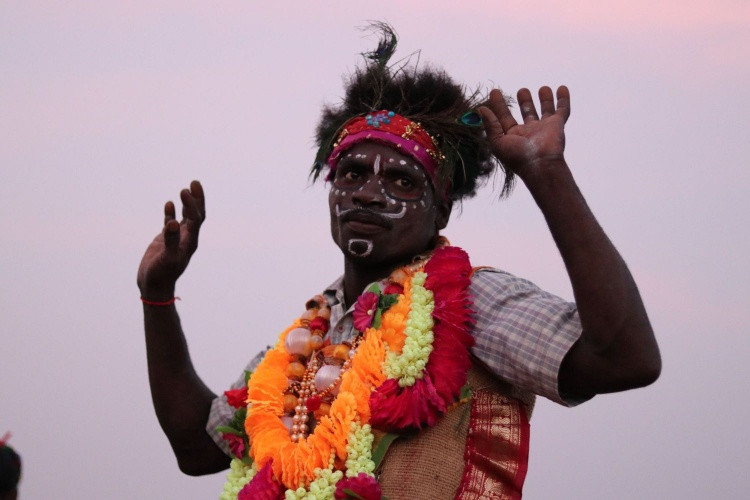
सिद्दी व्यक्तीच्या आयुष्यातील सुख, दुःख, आनंद, उत्साह व्यक्त करण्याचे प्रमुख साधन म्हणजे दम्माम. थोडक्यात, दम्माम हे सिद्दींच्या अभिव्यक्तीचे प्रमुख साधन आहे. सिद्दी लोक दैनंदिन जीवनात काय खातात, कसे राहतात, काय काम करतात यातून येणाऱ्या चांगल्या-वाईट स्वानुभवावर आधारित स्वयंरचित गाण्यांची निर्मिती केली जाते. वाजविण्यासाठी विशिष्ट वेळेची किंवा मुहूर्ताची गरज नसते. यासाठी केवळ निमित्त लागते. उदा., एखाद्या व्यक्तींच्या आयुष्यात सुखाची किंवा दुःखाची घटना घडल्यास ती सांगण्यासाठी तो दम्माम वाजविण्यास सुरुवात करतो. ती घटना स्वयंरचित गाण्याच्या स्वरूपात इतरांना सांगतो. या सोबतच तिन्ही धर्मांतील लोक त्या-त्या धर्मांतील सण-समारंभ, धार्मिक कार्यक्रम, लग्न अशाप्रसंगी त्यांच्याकडे दम्माम वाजवतात. यामध्ये संपूर्ण गावातील लोक सहभागी होतात.
उदा.,
1) सिद्दी लोक जेव्हा तलावांमध्ये खेकडे, मासे पकडण्यासाठी जातात आणि त्यातील एखादा खेकडा चावतो.
2) मजुरीसाठी गेलेल्या सिद्दीला मालकाकडून मारहाण झाली, काही अन्याय झाला.
3) कुणाच्या घरात बाळ जन्माला आले. शेतात चांगले पीक आले.
इत्यादी प्रकारच्या शेकडो स्वानुभवांरून स्वयंरचित गाणी तयार केली जातात.
याविषयी सांगताना ज्यूलियाना फर्नांडिस म्हणतात, “कुठलीही एक व्यक्ती दम्माम वाजवायला सुरुवात करून आपली कथा सांगू लागते. दम्माम सुरू कधी होईल हे सांगू शकते. पण ते बंद कधी होईल हे सांगता येत नाही. अनेकदा संपूर्ण रात्रभर किंवा दुपारी सुरू केल्यास मध्यरात्रीपर्यंत सलग दम्माम सुरू राहते. जेव्हा दम्माम वाजवायला सुरुवात होते, त्यानंतर त्याचा ठेका लोकांना एका जागेवर शांत बसू देत नाही. लहान मुलांपासून वयस्कर व्यक्तींपर्यंत सर्वांचेच अंग आपोआप हलायला सुरुवात होते. आणि लोक त्यावर नाच सुरू करतात. लग्न-समारंभाच्या वेळी आमच्याकडे किती पाहुणे आले तरी आम्हांला फारसा फरक पडत नाही. लोकांनी कुठे बसायचे, रात्री कुठे झोपायचे असा प्रश्न निर्माण होत नाही. दम्माम सुरू झाल्यावर लोकांना ते रात्रभर झोपू देत नाही.”
दोन-दोन वाक्यांची वा छोट्या-छोट्या गाण्यांची कडवी दम्माम नृत्य सादर करणाऱ्या कलाकार मेरी सिद्दी यांनी ऐकविली. ती पुढीलप्रमाणे :
‘खय्या साके मोठे कुर्ले
धरात्या कात्या मोठे कुर्लेय…’
अर्थ –
कुर्ले म्हणजे खेकडा, तिथे एक, इथे एक मोठे खेकडे आहेत, मासे आहेत त्यांना पकडून, घरी जाऊन त्यांची चांगली भाजी बनवून सगळे जण खाणार.
‘मला धरु वाये रे शेषा, मला धरु वाये रे,
बंधू घेऊन ये रे शेषा, बंधू घेऊन ये रे….’
अर्थ –
मला एक शिकार सापडली माझ्या मदतीला ये. येताना आमच्या बंधूंनादेखील घेऊन ये.
आमची माय कोंकणी माय, आमची माय कोंकणी,
रित आमची कोंकणी, नीत आमची कोंकणी… आमची माय… कोंकणी… माय…
अर्थ –
कोंकणी भाषा ही आमची आई आहे. त्यातील सर्व रीती-भातीसुद्धा आमच्या आहेत.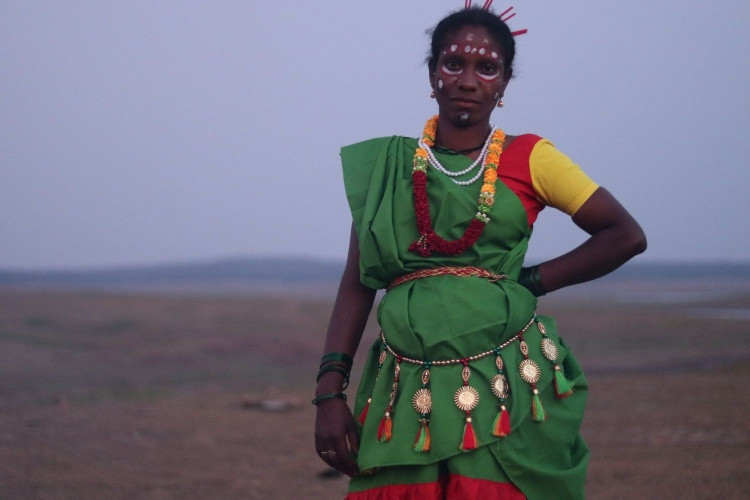
अशी शेकडो स्वयंरचित गाणी सिद्दी लोक दम्माम वाजविल्यानंतर गातात आणि त्याच्यावर मुक्तपणे नाचतात. मेरी सिद्दी सांगतात की, या गाण्यांची चाल, नाचण्याच्या स्टेप्स, दम्मामचा ठेका कोणालाही शिकवावा लागत नाही. जन्मजातच ही कला प्रत्येक सिद्दीमध्ये असते. स्वतःच्या आनंदासाठी दम्माम करताना विशेष कुठलीही वेशभूषा केली जात नाही. पण जेव्हा बाहेरच्या ठिकाणी जाऊन कार्यक्रम करायचा असल्यास त्या वेळी मात्र, पूर्ण वेषभूषा बदलली जाते. सिद्दींचे संपूर्ण जीवनच निसर्गाशी एकरूप असल्यासारखे आहे. त्यामुळेच त्यांच्या पेहेरावामध्येही ते दिसून येते. हिरवा, पिवळा, लाल रंग असलेली साडी, गळ्यात फुलांचे हार, कंबरेला हिरवा पाला, महिल्यांच्या चेहऱ्यावर लाल आणि पांढऱ्या रंगाचे ठिपके, तर पुरुषाच्या चेहऱ्यावर केवळ पांढऱ्या रंगाचे ठिपके, डोळ्यांच्या खाली काळ्या रंगाचे गोल, पायात घुंगरू, गळ्यात मोत्यांच्या माळा. हा संपूर्ण पेहराव जंगल, प्राणी, निसर्ग आणि माणूस यांच्याशी संबंधित असतो.
दम्मामचा प्रसार आणि आर्थिक उत्पन्न
ज्यूलियाना फर्नांडिस या स्वतः एक चांगल्या कलाकार आहेत. दम्माम नृत्य सादर करणाऱ्या एका ग्रुपच्या त्या प्रमुख आहेत. कर्नाटकासोबतच देशातील विविध भागांत जाऊन त्यांनी त्यांच्या सहकाऱ्यांसह ही कला सादर केली आहे. ज्यूलियाना सांगतात, “पूर्वी ही कला बाहेर जाऊन सादर करण्याला सिद्दींचा विरोध होता. सिद्दी कोणालाही दाखविण्यासाठी किंवा ऐकविण्यासाठी दम्माम वाजवत नव्हते, गाणी, नृत्य करत नव्हते. हे सगळं स्वतःचा आनंद-दुःख व्यक्त करण्यासाठी केलं जायचं. परंतु लोकांची समजूत काढून आमच्या संस्कृतीची माहिती इतरांना व्हावी म्हणून आम्ही बाहेर जाऊन कार्यक्रम करायला लागलो. यातून कलाकारांचा आर्थिक फायदादेखील होऊ लागला. आता लोकांचा विरोध होत नाही. आज घडीला आमच्यासारखे किमान वीस ग्रुप तरी तयार झाले आहेत. साउथ झोनमध्ये होणाऱ्या ट्रायबल फेस्टिव्हलमध्ये आम्हांला बोलावले जाते. गिरिजन उत्सव, जनप्रवाह उत्सव, युवा सैरभा अशा कार्यक्रमांमध्ये आम्हांला बोलावलं जातं. शक्यतो हे सर्व सरकारीच कार्यक्रम असतात.”
आमची कला तुमच्या आनंदासाठी एका साच्यात बसवावी लागली
दम्माममध्ये निश्चित असा नाचण्याचा प्रकार नाही. जसा आनंद वाटेल, दुःख
होईल त्याप्रमाणेच लोक नाचत होते. पण त्यावर अनेक आक्षेप घेतले जाऊ लागले.
‘तुम्हांला कला नीट सादर करता येत नाही. त्याला एक स्ट्रक्चर नाही, असे
बोलले जायचे. त्यामुळे सिद्दींना त्यांच्या मूळ कलेला एका चौकटीत
बसविण्याची वेळ आली. या वेळी ज्यूलियाना म्हणाल्या, “चौकट म्हणजे, पूर्वी
आम्ही आम्हांला जसा आनंद वाटेल, जसं दुःख होईल, तसा आम्ही डान्स करायचो. पण
कर्नाटकाची कला-संस्कृती दाखवताना बाकीचे कसे नियोजनबद्ध नाचतात तसंच
आम्हीपण नाचायचं; असं आम्हांला सांगितलं गेलं. लोकांच्या मागणीखातर
आम्हांला आमच्या मूळ कलेमध्ये बदल करावा लागला. पूर्वी आम्ही प्रत्येक जण
स्वतः गाणं म्हणून डान्स करायचो. पण आयोजकांचं म्हणणं होतं की, तुमची कला
चांगली आहे. पण तुम्ही गाणं म्हणणारे आणि डान्स करणारे वेगवेगळे करा. डान्स
करताना गाणं म्हणता तेव्हा ते लोकांना ऐकू जात नाही. लोकांना त्याचा आनंद
घेता येत नाही, त्यांचं मनोरंजन होत नाही. त्यानंतर आम्ही यामध्ये बदल
केला. यापूर्वी नाचत आम्ही गाणं सांगत होते. आता बसून दोन लोक गाणी
म्हणणार, दोन लोक दम्माम वाजवणार आणि आठ महिला डान्स करणार. सुरुवातीला
आम्हांला हे खूप अवघड गेलं. त्यात अनेक बदल करावे लागले. लोकांच्या
आवडीनिवडीमुळं बदल करावा लागला. आमची संपूर्ण कला सहा मिनिटांत दाखवा असं
सांगतात. पण किमान 20 मिनिटांचा वेळ तरी आम्हांला हवा असतो. रात्र-रात्रभर
चालणारं दम्माम सहा मिनिटांत दाखवायचं हे एकदम अवघड काम आहे. पण आमची कला
तुमच्या आनंदासाठी एका साच्यात बसवावी लागली. सहा मिनिटांत आमची संस्कृती
दाखवावी लागते, कारण लोक पाहत नाहीत. आम्ही कितीही वेळ द्यायला तयार आहोत
पण लोक घ्यायला तयार नाहीत.”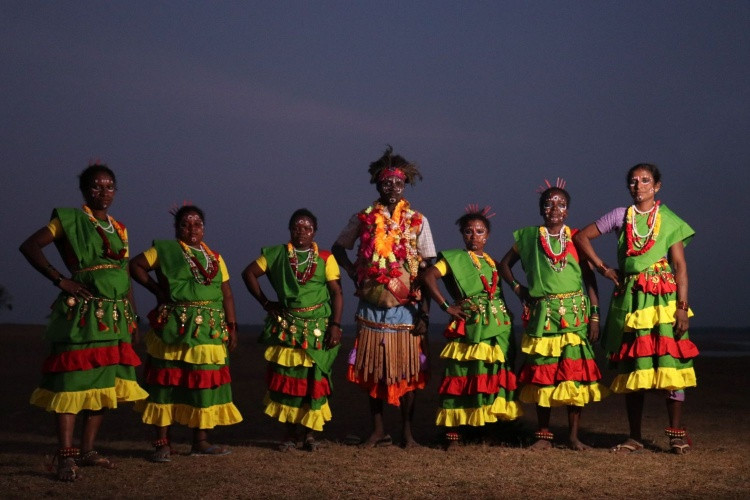
दम्माममधून आर्थिक फायदा होतो, या भावनेने दम्मामचे अनेक ग्रुप तयार झाले. सुरुवातीला हा फायदा झालादेखील. दम्माम हे कलाकारांच्या उदरनिर्वाहाचे पर्यायी साधन होऊ शकते असे वाटू लागले. कारण प्रत्येक कार्यक्रमामधून मानधन दिले जाते. परंतु ते एवढेही मिळत नाही, की त्यातून कुटुंबाचा उदरनिर्वाह चालेल. त्यातील प्रमुख अडचण अशी की, सिद्दी लोक मुळातच खूप गरीब आहेत. कार्यक्रमाचे निमंत्रण जरी आले तरी, सुरुवातीला स्वखर्चाने कलाकारांना घेऊन जाणे, यासाठी वाहतूक, खाणे-पिणे व इतर खर्च करावा लागतो. एवढे पैसै त्यांच्याकडे नसतात. आयोजक कार्यक्रम झाल्यानंतर 15 ते 20 दिवसांनी पैसे देतात. त्यामुळे आर्थिक गणिते बिघडतात. गाडीखर्चाला पैसै नसल्याने अनेक ग्रुप कार्यक्रमाला जाणे रद्द करत असल्याचे अनेक कलाकार सांगतात.
‘डीजे’ संस्कृतीमुळे दम्मामकडे दुर्लक्ष
या समाजातील वृद्धांच्या पिढीला दम्मामविषयी अधिक आपुलकी, प्रेम असल्याचे दिसून येते. तरुण पिढी मात्र यापासून थोडी दुरावत असल्याचे चित्र आहे. पूर्वी दम्मामशिवाय पर्याय नव्हता. पण आधुनिक काळातील डीजे संस्कृती जंगलात राहणाऱ्या सिद्दींच्या घरांपर्यंतदेखील जाऊन पोहोचली आहे. आता सर्वांकडे ॲन्ड्रोइड फोन आल्यामुळे मनोरंजनासाठी दम्मामवर अवलंबून राहण्याची गरज त्यांना राहिली नाही. हा बदल आता सिद्दींच्या विविध समारंभांमधून दिसून येतो. दम्मामऐवजी डीजेवर हिंदी, कन्नड गाणी लावली जातात. तरुण पिढीलाही त्यावरच नाचायला आवडते. असे असले तरी दम्माम होते म्हणून आम्ही आहोत, आम्ही आफ्रिकन असल्याची एकमेव ओळख म्हणजे दम्माम असल्याची भावना येथील जुनी पाती व्यक्त करतात. परंतु काळाच्या ओघात त्याचे महत्त्व असेच टिकून राहिल का हे मात्र निश्चित सांगता येणार नाही. तरीही शेकडो वर्षांपासून मौखिक आणि वाद्याच्या स्वरूपात जपलेली ही कला टिकली पाहिजे. यासाठी सिद्दींमधील सामाजिक कार्यकर्त्यांकडून जाणीवपूर्वक प्रयत्न केले जात आहेत हीच यातील आश्वासक बाब आहे.
सिद्दी समाजाचा इतिहास आणि सिद्दींची चळवळ-https://bit.ly/3N6090G
खरे तर व्यवसाय, नोकरी आपल्या पोटापाण्याची सोय करून देतात. मात्र कुठलीही कला आपल्याला जगणे शिकवते. जीवनातील संघर्ष, संकट, सुख आणि दुःख या सगळ्यांचा सामना करताना माणसाला कायम साथ देते ती त्याने निर्माण केलेली कला. कलेच्या आधाराने माणूस आपले जगणे आनंदी करत असतो. सिद्दी समाजासाठी दम्माम ही त्यांची कला त्यांच्या जगण्याच्या विरंगुळ्यासह त्यांची ओळखही आहे. जर त्यांच्या या कलेचा योग्य प्रसार, प्रचार झाला तर ही कला त्यांच्या चरितार्थाचे साधनसुद्धा होऊ शकते. त्याची सुरुवात झालेली आहेच. आफ्रिकन वंशीय दम्मामची कला भारतीय सिद्दींमार्फत देशाच्या कानाकोपऱ्यांत पोहोचावी; आपल्यासह आपल्या कलेलासुद्धा समाजात मानाचे स्थान मिळावे याच अपेक्षेने प्रतीक्षेत उभा आहे सिद्दी समाज.
– ज्योती भालेराव – बनकर
bhaleraoj20@gmail.com
https://www.soulveda.com/conversations/siddis-the-story-of-a-lost-tribe/
Around 600 hundred years ago, they had an identity. They were the Bantu people living in Central and Southern Africa. This identity was lost when they were brought as slaves to the Indian shores, thousands of miles away from their home in Africa. Misfortune in the form of torture and abject poverty is what their new life became all about. However, some of them were fortunate to escape to safer havens where they were able to build a world of their own, far from the clutches of dejection and hopelessness. Hundreds of years later, their misery is far from over. They still live on the fringes of society, grasping at straws, be it equality, security, or opportunities.
The Siddi tribe of India might have been African, but they have left no stone unturned to feel Indian. With a hope to belong to a culture and a milieu, they adapted to and adopted what was once alien to them—be it religion, tradition, belief systems, languages or ways of the society. Circa 2018, despite their attempts to assimilate, they continue to be outcasts trying to find their way to the mainstream. Their pursuit of an ordinary life is still shackled by discrimination, alienation and apathy from society.
In an endeavour to explore, understand, and show solidarity to this alienated community, we met two outstanding Siddis from Siddi tribe, who have transcended limits, broken social barriers, and attempted to challenge the status quo. Meet lawyers Jayram Siddi and Renuka Siddi, who, through their infectious ability to hope and dream, inspire hope in thousands like them. Presenting excerpts from a warm, effortless and insightful conversation:
-
 Jayram Siddi belongs to a fringe community of African descent, with
approximately 70,000 people, spread across parts of India for the last
600 years. Though African in their lineage, the Siddhis of India, have
assimilated into the Indian milieu, practically weaving themselves into
the cultural fabric of India. Born to agricultural labourers with no
resources, Jayram pursued higher education, becoming the first lawyer
from the Siddhi community. According to Jayram, all hardship seemed
worth it when he was invited to speak on the socio-economic status of
Siddhis in Asia at the Pan-African Conference in South Africa.
Jayram Siddi belongs to a fringe community of African descent, with
approximately 70,000 people, spread across parts of India for the last
600 years. Though African in their lineage, the Siddhis of India, have
assimilated into the Indian milieu, practically weaving themselves into
the cultural fabric of India. Born to agricultural labourers with no
resources, Jayram pursued higher education, becoming the first lawyer
from the Siddhi community. According to Jayram, all hardship seemed
worth it when he was invited to speak on the socio-economic status of
Siddhis in Asia at the Pan-African Conference in South Africa. The arrival in a world unknown…
Jayram Siddi: The exact dates of the Siddi tribe’s arrival in India are not known but approximately 400-600 years ago, our ancestors were brought to India. Some say, the British brought them as labour, some say Arabic merchants brought them as workers, others say the Portuguese brought them as slaves. According to history, they had first landed in Goa. But, being tortured by the Portuguese, they fled from Goa and settled in Gujarat and parts of Karnataka. They met locals from different religions and started following Christianity, Hinduism, and Islam depending on which religious groups they mingled with.
It’s all in the name…
Jayram Siddi: We don’t know for sure why we were given the name Siddi, the enlightened one. But it became our community name and our surname. And it continues to be so.
Remnants of a lost heritage…
Jayram Siddi: There isn’t much we can connect to our African heritage. We have managed to preserve a few traditions such as Siddinasa—a festival where we offer prayers to a stone, and dance rituals like Damam, Phugadi, and Gumat. I can say, these are a few remnants of our African roots. In fact, because of these dance rituals and ceremonies we were conferred the status of Scheduled Tribe (ST) by the Indian government in the North Canara district, where I come from. Apart from this, we speak fluent Kannada just like any other person in Karnataka. Our mother tongue, though, is a mix of Konkani and Marathi.

Isolated from the mainstream…
Jayram Siddi: Just 70,000 people strong, we Siddis could never really get integrated into the mainstream society. I can tell you that due to harsh discrimination, the Siddis have always feared the consequences of venturing into anything that our community wasn’t traditionally part of. That’s why most Siddis live deep in the forest and avoid stepping outside that comfort zone. The lack of education is one of the biggest reasons behind the struggles of our people. Today, we do have a few government initiatives in place that are helping Siddi children pursue education, but it wasn’t the case all along. As a result, Siddis do not usually opt for empowering professions such as medicine, engineering or law. Isolation is such a large part of who we have evolved to be.
The curse of being a Siddi…
Jayram Siddi: The pursuit of the mainstream has indeed been tough through the years. Growing up in a rural area, there was discrimination all around. I recall going with my parents to their landlord’s house, where we weren’t allowed inside. We were expected to sit in the front yard, clean the place where we sat and wash the utensils we ate from. Even today, this is prevalent in the interiors. In the city, where I now work, the challenges of a rural world don’t exist. However, discrimination does find its way. For instance, when I am outside buying groceries, or at the court just doing my job, people think I am an African and treat me like an outsider. Sometimes, their behaviour is even rude.
Becoming a lawyer…
Jayram Siddi: Becoming a lawyer was probably the toughest barrier I had to break. And that changed things for me. While education and employment were always a far-fetched dream for the Siddis, I managed to become the first law graduate from the Siddi community in India. Thanks to the ST status we got in 2003! This is nothing short of a leap for a community like ours which boasts of 13 law graduates today.
-
 Renuka Siddi belongs to a fringe community of African descent, with
approximately 70,000 people, spread across parts of India for the last
600 years. Though African in their lineage, the Siddhis of India, have
assimilated into the Indian milieu, practically weaving themselves into
the cultural fabric of India. Renuka pursued law in the face of social
and financial challenges, and today, she works as a lawyer at the High
Court of Karnataka.
Renuka Siddi belongs to a fringe community of African descent, with
approximately 70,000 people, spread across parts of India for the last
600 years. Though African in their lineage, the Siddhis of India, have
assimilated into the Indian milieu, practically weaving themselves into
the cultural fabric of India. Renuka pursued law in the face of social
and financial challenges, and today, she works as a lawyer at the High
Court of Karnataka. Born into a world of struggles…
Renuka Siddi: I was only nine months old when my parents died due to drowning. Then on, my grandparents raised me, even though they had nothing to fall back on. Just imagine, my grandfather earned a living for our family of three by selling fruits from the forest and working as domestic help for the upper caste families.
The struggles of an outcast…
Renuka Siddi: We have always been social outcasts. I realised it early on in life when I started going to school. In primary school, my teachers made me sit in the back of the class. The front rows were reserved for children from the upper castes. And if a Siddi child ever sat in the front, the teachers had a severe punishment to give.
In 2003 we were included in the Scheduled Tribe, which helped us pursue higher education. Until then, the Siddis only worked low-paying jobs such as domestic and farm labourers. Even today, they earn a pittance in rural areas. Women earn as little as Rs 150 and men Rs 200 for an entire day’s hard work.Fringes of the society…
Renuka Siddi: People don’t know much about our community. We haven’t exposed ourselves much to the world due to a fear of rejection. While there has been marginal progress in the last few years, we still suffer from issues of discrimination and untouchability. At least, in villages.
Challenges of a Siddi woman…
Renuka Siddi: My struggle has been intense because of where I come from. Like any other backward community, it is rare for Siddi women to be educated. There is little support within our community when it comes to education and employment. Since most people are illiterate, they don’t know the importance of education. Hence, no one really wants girls to study. When I was studying in class 10, my grandmother wanted me to get married, but my grandfather wanted me to study.
 Education against all odds…
Renuka Siddi: My grandfather encouraged me to go to school despite the fact that we barely had any money to make ends meet, leave alone getting an education. So, most of my education had to happen on scholarships, which I received due to decent grades (smiles) and being an orphan. For a Siddi child, getting an education up until now has meant running from pillar to post. I got mine in Ankola, Tamil Nadu, and Karwar. It was even tougher because everything was taught in English and I didn’t know a word of it—I had to teach myself.
Arriving as a stranger, evolving as a native
Renuka Siddi: The way we arrived in India, the circumstances we found ourselves in through the last few hundreds of years, allowed very little from our original tradition to remain alive. Apart from a few dance rituals, the Siddis today celebrate and follow Indian customs. Hindu Siddis follow Hindu rituals, Muslim Siddis follow Islamic customs, Christian Siddis follow their church’s customs.
City life…
Renuka Siddi: It was very difficult for me to find a job. In the city (in my case, Bangalore), everyone assumes we are foreigners. Even though I have an Indian attire on, they ask which country I am from (laughs heartily). Locals try to charge more and start speaking in English until I rattle something off in Kannada or Hindi.
A ray of hope…
Renuka Siddi: Now that I am working as a lawyer, I don’t have to face discrimination like I used to. I have earned some respect owing to my profession. I hope, now, others too from our community will be able to pursue higher education. This would be the only way to find dignity, security and a place in society. Families, even in rural areas, have begun to send their children to school. Change is occurring one generation at a time. It’s still a long road for women, and hopefully, through education, they will find their feet and not get married off at 15.
Raising a Siddi girl…
Renuka Siddi: The day I have a daughter, I will make sure she grows up to be strong. Her mental strength is what will carry her through. Education will have to be the staff with which she will protect herself from discrimination. I would want her and every other Siddi girl to be the woman I could not be. For these women of the future, the responsibility will be two-fold—to break ceilings as women and to transcend barriers as a Siddi.
Siddi Community: India's forgotten African Tribe | Tricky Travellers
Published 1 year ago
825

.jpg)
Assorted 25,000 descendants of East Africa's Bantu have been living in the Indian forests of Western Ghats. Siddi's ancestors were vastly brought to India as slaves. Even today, they remain to live in ostracism and poverty. The Siddis are a community of African-origin Indian individuals inhabiting primarily in India’s states of Karnataka and Gujarat. They self-identify as Indians, they communicate in regional languages, wear native clothing and obey the same regional rituals and traditions yet because of their physical appearance, they are widely considered as ‘outsiders’ and reside together in little communities in rural locations and wastelands. India possesses a long history of people’s movements within and across its perimeters, under differing situations and this has considerably contributed to forming the nation as one of the most diverse in the world. In contrast to what is frequently observed from the outside, India has multiple faces. Today, the Siddi community is a representation of a legacy missed in the pages of Indian history.
Where does the name 'Siddi' come from?

There are various assumptions considering the origin of the title 'Siddi'. While some tell it is a term of respect in North Africa, others tell it arrives from a title borne by the captains or "sayyids" of Arab ships that initially brought them to India. They are also recognized as habshi, the phrase originated from the common title for the captains of the Ethiopian/Abyssinian ships, which was furthermore the first to carry these people as slaves to the subcontinent.
A brief narrative of Siddis in India

The Siddi community is an Indo-African tribal community that descended from the Bantu community of Africa. Their existence in India can be traced back as early as the 7th century. The most likely reason for their first arrival in India was slavery, brought over by Arabs and later, Europeans during their colonizing of India. When slavery was invalidated in the 18th and 19th centuries, the Siddi community are suspected to have escaped into the dense forest regions and deserted areas of India where they are still observed to be residing to this day in tiny settlements. Few have furthermore said that they arrived as troopers with the Arab community and independently as sailors and traders. For over 800 years, this African tribe has called India its home. Its women wear saris, and the men, children, and elders communicate in the same languages that we do. However how well do we understand them?
It is assessed that around 20,000-55,000 Siddi people are residing across India and Pakistan. Here, they are primarily settled in Karnataka, Gujarat, and Hyderabad, while in Makran and Karachi in Pakistan. They are Mainly Sufi Muslims, some are Hindus and Roman Catholic Christians as well. Hiriyaru, or the ancestors, is an aspect that connects all of the community people together, irrespective of religion.
Siddis as Indians

At initial look, Siddis stand out due to their physical appearance. Despite having inhabited in India for centuries, the Siddi community has managed to preserve their naturally African characteristics because they marry within their communities. It’s very unusual for them to walk down the aisle with an individual from outside of their community. They dress in a similar way as other residents and they communicate in regional languages fluently. Men generally work as drivers or security guards while women remain in the home and their staple foods comprise primarily of rice, dal, and pickles. This popular tribe of India, one of the most extraordinary cultures residing in today’s India, is precise of African heritage. It is speculated that this community originally pertained to the Bantu tribe of sub-Saharan Africa.
What did they bring to the nation?
.jpg)
The Sidi Saiyyed Mosque in Ahmedabad was established in 1572 by Sidi Saiyyed, a slave of Sultan Ahmad Shah. In 1987, the Sports Authority of India commenced the Special Area Games Scheme that concentrated solely on training developing athletes from the Siddi community. Before the strategy was abolished in 1993, these athletes symbolized India in the international arena at various times.
Occupations and Livelihoods

Extremely few community members are land-owning farmers. Those who inhabit towns and hamlets are employed in several livelihoods such as driving vehicles and motor repair jobs. Some community members are employed in government services. Child labor does prevail in the community. The volume of informal laborers is rising day by day thanks to landlessness and scarcity of further financial resources. They sell their cash harvests like sugarcane, groundnut, cotton, baajri, etc. to the regional traders. Few of the community members have been assisted by the rural development program for the betterment of agriculture. Firewood, cow dung cakes are their major power resources. Their behavior towards saving is favorable but a vast portion is nonetheless dependent on money lenders.
Acceptance in India

This community was extensively living neglected until the 1980s when they captured the national spotlight for their detected athletic potential. Because of their African heritage, the Sports Authority of India determined that their biological athleticism could be utilized to win medals for India at world sports tournaments. Numerous children of this community were chosen to be trained as athletes once the Special Area Games Project was established. The proposal accomplished generosity for both the Siddi community and the nation. It generated social acknowledgment to Siddis and facilitated them to earn jobs while India won medals. A renowned member of this community, Kamala Mingel Siddi, is still considered as one of the promising national and international Siddi athletes. Unfortunately though, after some years, the policy was cut and Siddis were asked to retreat to their residences and back to their lives as foreigners. Numerous endeavors have been made to revive special sports programs for the Siddi community, regardless, none have been successful.
This community is yet struggling for social acceptance even after inhabiting here for centuries and calling it their home. Such communities need to be supported for a better future with harmony and peace for all.
https://www.trickytravellers.com/post/siddi-community-indias-forgotten-african-tribe-tricky-travellers-3t5npk60RLkSsCX
A Community Forgotten And Marginalised: The Siddis Of Gujarat
Human migration can be described as the movement of people from one region to another for various reasons such as lack of employment, diseases, war, etc. People can either choose to move voluntarily or be forced to move by some ruler, trader, landlord, etc.
Migrations have taken place throughout human history, beginning with the movements of the primitive human groups from their origins in East Africa to their current locations within the world. One of the most astonishing examples of immigrants from Africa who settled in another part of the globe is the community of Siddis who migrated to the Indian Subcontinent from the African continent.
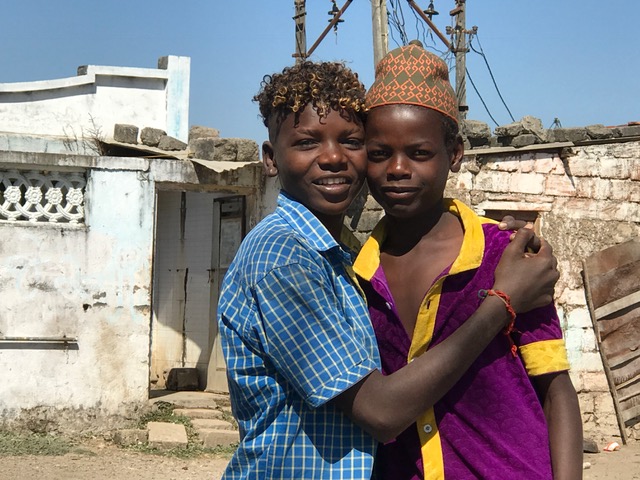
The famous Siddi tribe of Gujarat, one of the most unique cultures living in today’s India, is actually of African origin. It is assumed that this community originally belonged to the Bantu tribe of sub-Saharan Africa.
But today they exist as an ethnic group living in different parts of India, predominantly in Gujarat. Slaves from the Eastern and Southern coasts of Africa were taken mainly to the Indian Ocean region, where they were required mainly as domestic servants and bodyguards.
African by origin, Indian by nationality with Gujarati as their language – the Siddi tribe lives in a village called Jambur in the heart of Gujarat. Most of the Siddi population belongs to the Sunni sect of Mohammedanism. But there are some Christian Siddis found in Saurashtra.
Today they appear to be fully Indian but they clearly show the Negroid racial strain, in their physical features. And also some of their customs reflect their African origin. For example, their folk dance which is called “Dhamaal” has some African elements in it.
The first documented record of Siddis in India dates back to 1100 AD when the Siddis settled in Western India. By the thirteenth century, substantial numbers of Siddis were being imported by the Nawabs and therefore the Sultans of India to function soldiers and slaves. The immigrant Siddis came from various parts of the African continent and at different intervals of time.
It is believed that some Siddis interrupted their journey in other countries and even stayed there for many years before they arrived in India. Some came to India from Somalia and Zanzibar via Saudi Arabia, Yemen, and other Gulf countries. They lived in those countries for a considerable time working mainly near the ports. They learned their Arabic language too.
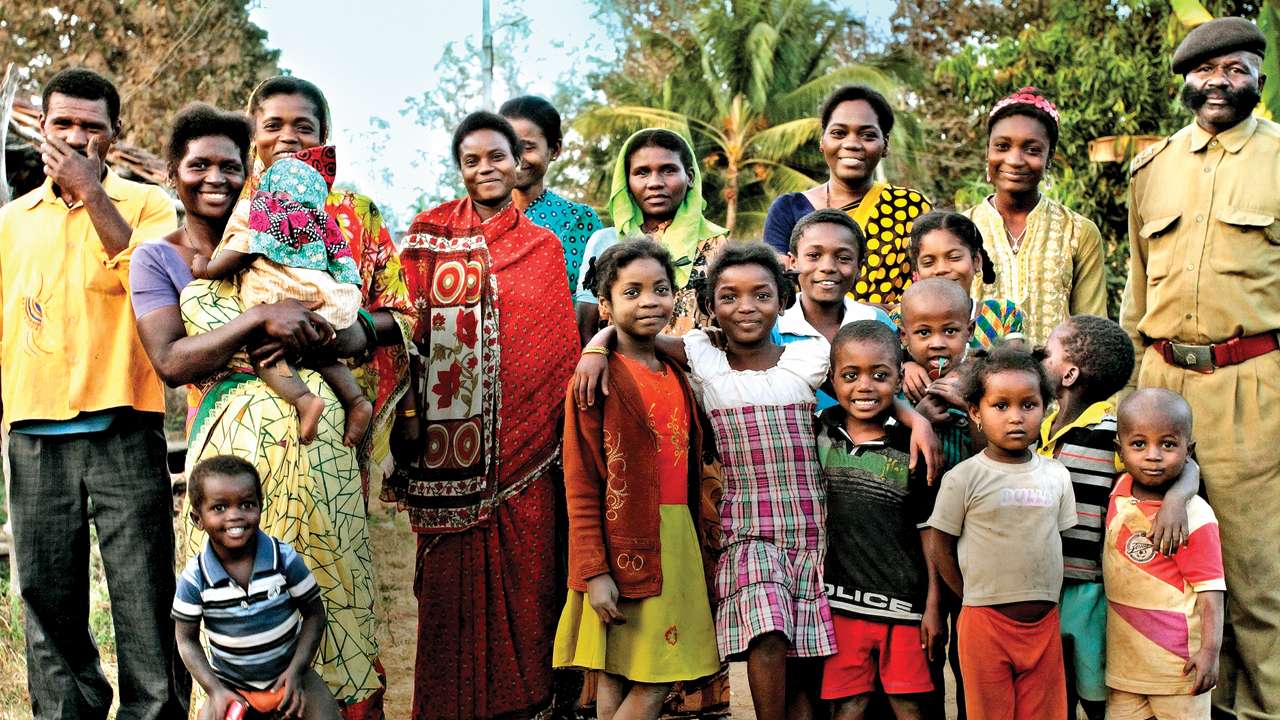
They also tried to assimilate their culture which led to the wrong assumption that the Siddis belong to the Gulf nations. But since they arrived in India, the Siddis have assimilated almost all the Indian cultures but they also demonstrate some African traditions too. Some others travelled through the trade routes via the European countries and might have acquired some of their traditions too.
At present, the Siddis are living in the western part of Gujarat. Their main concentration is in the Junagadh district. The government of India has put the Siddis of Gujarat in the list of Scheduled Tribes whereas the Siddis living in other parts of India come under OBC (Other Backward Castes).
According to the 1981 census, the population of the Siddi tribe in India was 54291. But Siddi who is designated as a scheduled tribe is 8662 out of which 4417 are male and 4245 female consistent with census 2001. According to the most recent census of 2011, the current population of the Siddi community in Gujarat is approximately 20,000 to 30,000 individuals.
Occupations And Livelihoods
Very few Siddis are land-owning agriculturists. Those who live in cities and towns are engaged in various occupations such as driving vehicles and motor repair work. Some Siddis are engaged in government services. Child labour does exist in society.
The number of casual labourers is increasing day-by-day thanks to landlessness and lack of other economic resources. They sell their cash crops like sugarcane, groundnut, cotton, baajri (millet), etc. to the local Seths (traders).
Some of the Siddis have been benefited from the rural development program for the development of agriculture. Firewood, cow dung cakes are their main fuel resources. Their attitude towards saving is favourable but a large section is still dependent on money lenders.
The present social condition of the Siddi community is of the marginalized. Most of them are unaware of the economic development of the country and are believed to slowly get assimilated in the local Muslim population because of their close resemblance and small numbers.
In my opinion, it is an irony to say that we are a developing nation because a country where an entire community is forgotten and is marginalized cannot be called a developing nation. Before boasting of the economic growth and capitalizing on communal hatred, our government should focus on backward communities such as the Siddis of Gujarat and work towards the social and economic improvement of such classes of our society.
There are several other communities in India whose social condition is very similar to that of the Siddis of Gujarat; for example, the Gondi tribe of central India, who are still engaged in tribal customs. The government should implement programs to spread the awareness of development among such communities.
References and Sources:
- Indians of African Origin – D.K. Bhattacharya
- Siddi: Primitive Tribal Group - gujarat.gov.in/siddi
- The Siddis: African Descendants in India
https://www.youthkiawaaz.com/2020/07/the-siddis-of-gujarat/
African Connection
IT is a humid day in March, and the picture-postcard town of Murud on the Konkan coast a few hours south of Mumbai is boiling in the summer heat. From the coast, the impregnable fortress of Janjira shimmers and looks like it is floating on the sea. A motorboat from the tiny pier takes visitors close to the ramparts from where they are transferred to a smaller rowboat that takes them up to the stone steps leading to the fort.
A frieze at the entrance immediately grabs one’s attention: it shows a tiger clawing six elephants. A local guide says that it depicts the military prowess of Siddis, the name given to African settlers in India, who ruled Janjira for more than 400 years. The tiger represents Siddis, while the elephants represent the various kingdoms in the region, including the Mughals and the Marathas, who had tried in vain to capture this island fortress. It is unclear when the fort was originally built, but it assumed its current majesty when it was reconstructed in the early 18th century.
Janjira was one of more than 500 princely states that acceded to the Union of India in 1948. At the time, the dominion of the little kingdom extended inland for around 800 square kilometres. It had a population of 103,000 in 1941. The island, 22 acres (8.9 hectares) and oval shaped, still has the detritus of what must have once been a flourishing military court. Several cannons overlook the sea from strategically located embrasures. Two freshwater ponds, a lone mosque and the skeleton of a multi-storey building that was the durbar are enclosed by the majestic bastions of the fortress that run around the island. A recent exhibition of paintings and photographs titled “Africans in India: From Slaves to Generals and Rulers” curated by the renowned American scholars Sylviane A. Diouf and Kenneth X. Robbins has turned the spotlight on the small but strategically located kingdom of Janjira and its undefeated fortress, which is considered a feat in military architecture. (The exhibition was brought to India by the Indira Gandhi National Centre for the Arts in collaboration with the Schomburg Centre for Research in Black Culture, New York. It is on at SS Fine Arts College, Vijayapura, Karnataka, until April 30. Over the next few months, it will travel to Surat, Mumbai, Vadodara and Gandhinagar.)
The story of Africans in India begins long before the island fortress of Janjira was constructed, but the fortress remains the most significant architectural vestige of this hoary connection.
East Africa and India had an ancient association that strengthened in medieval times. By the time the British recognised the Siddi nawabs of Janjira as independent rulers in the 19th century, the African presence in the Indian subcontinent, as part of their historic presence in the Indian Ocean world, was long established and pervasive. The term used for an African in India, “Siddi”, is thought to be a corruption of the word “Sayyid”, which attests to the overwhelming Muslim component in the migration of Africans to India. “Habshi”, derived from the Arabic word for Abyssinia (now known as Ethiopia), was also commonly used in the past, but its usage has died down now.
Historians have speculated that Indian merchants brought African slaves to India right from the sixth century B.C. But there is concrete evidence to show that forts along the Konkan coast were entrepots for African slaves from the third century A.D. With the expansion of commerce, the trade in slaves grew substantially, with Arab traders taking the lead. Most of the slaves who found their way to India were brought from the region of East Africa coinciding with the modern states of Ethiopia, Somalia, Kenya and Tanzania and found employment in Muslim and Hindu kingdoms across the subcontinent as soldiers, eunuchs and elite slaves who were not meant for hard labour but for specialised tasks.
Ibn Batuta’s account
The itinerant Moroccan savant Ibn Batuta, who travelled through India in the 1330s and 1340s, writes about a Habshi eunuch called Sunbul who attended on him while he was in Delhi. The Sultan of Delhi also gifted Batuta African slave girls. About the Habshis of Gujarat, Batuta writes that they “are the guarantors of safety on the Indian Ocean; let there be but one of them on a ship and it will be avoided by Indian pirates and idolaters”. In 1572, when the Mughals conquered Gujarat, there were 700 Habshis among the 12,000 horsemen in the service of Gujarat. Many Africans also came to India as traders.
With the establishment of the Portuguese Asian empire in the 16th century, slaves began to be shipped regularly to India from the region of modern Mozambique as well. Goa, Daman and Diu served as the chief ports for this international trade in people. The slave trade was a crucial component of the political economy of the Indian Ocean trade. One estimate says that some 4.7 million Africans were traded as slaves and shipped to Arab lands, Persia and India from 800 A.D. to 1896.
How did Africans fit into Indian society? Contrary to the dictum of Islam that stresses equality among all men, a negative image of “blackness” began to develop in Indian Muslim society in medieval times. Hinduism also did not find space for these black Africans within the caste system. In spite of this, upward social mobility did take place among slaves, mainly in Muslim kingdoms, as mixed marriages took place and Islamic practice allowed for manumission. Siddis married women from the local population and became more “Indianised” with every subsequent generation. In the process, they assimilated with the local population. Among the Siddi elites, it was only the nawabs of Janjira and Sachin (in modern Gujarat) who retained their African features well into the 20th century by consciously practising endogamy.
Another route to upward mobility was their military prowess. The Sharqi sultans of Jaunpur (1394-1479) and the Habshi sultans of Bengal (1486-1493) were of African origin, but it was in the Deccan that they had the most pervasive impact, with the Bahmani, Ahmednagar, Bijapur and Golconda sultanates having high-ranking Africans in their courts. With the decline of the Delhi sultanate and the coming of the Mughals, there was ferment in the subcontinent. In the Deccan, several sultanates were in a tussle with the kingdom of Vijayanagar for political superiority that culminated in the Battle of Talikota (1565). Increasing military competitiveness between the 15th and 16th centuries led to a constant demand for valorous African mercenaries. Among them, the charismatic Malik Ambar in Ahmednagar was a bugbear for the Mughals.
Jahangir’s hatred for this Deccani bulwark was so intense that he commissioned a richly metaphorical painting in 1616 of him shooting an arrow through the decapitated head of Ambar. An owl, a symbol of the night, is perched on Ambar’s lifeless head. Two inscriptions accompanying the painting show how skin colour was used as a factor in the battles of the era. The first inscription states: “The head of the night-coloured usurper has become the house of the owl.” The second inscription reads: “Thine enemy-smitting arrow has driven from the world, [Ambar] the owl, which fled the light.” In both these pithy statements, Jahangir’s obsession with Ambar’s colour is evident and can perhaps be inferred as an attempt on his part to consolidate support on the basis of race.
The Ethiopia-born Ambar came to the Deccan via West Asia where he was enslaved as a youth. His ownership changed hands at least three times before he arrived in India, where he was sold to a Habshi nobleman in 1575. By this time, Africans in India could already be found in senior military and political positions. Ikhlas Khan, a Habshi in Bijapur, was also immensely powerful at around the same time.
With the death of his master, Ambar gained his freedom and built a large Habshi force, transforming himself into an important player in Ahmednagar. Ambar had surrounded himself with a cohort of powerful Habshi nobles. He played a role in establishing the kingdom of Janjira as well. By 1607, he had become the regent of Ahmednagar and was a formidable foe of the Mughals. He developed the guerrilla art of warfare called bargi-giri (later used by the Marathas), which frustrated the forces of Jahangir as he mentioned in his court memoir, Tuzuk-i-Jahangiri. Ambar is also credited with building the city of Khadki (now Aurangabad), and his astuteness as a military tactician played an important role in the history of medieval India. He died in 1626 at the age of 80; his tomb is in Khuldabad, Aurangabad district, Maharashtra. Ambar’s case shows how Siddis in India could attain their freedom and move socially upward.
The Deccan also saw Siddi architects such as the eunuch Malik Sandal, who is said to have designed several majestic monuments in Bijapur in the late 16th century, including the Ibrahim Rauza. Evidence shows that African women also married Indian royals. Yasmin Mahal, one of the wives of Wajid Ali Shah, the last king of Oudh, was an African.
The Portuguese freed several African slaves in the 18th century. Some of them went south to the forests of north-west Karnataka, while some may have found their way to Bombay (now Mumbai). There is evidence to show that in the late 18th century, British families in Bombay employed African slaves imported by Portuguese and Arab traders. An estimate made in 1811, stated that 6,000 to 10,000 slaves were shipped annually to Muscat, India and the Mascarene Islands (the island chain that includes Mauritius). Up to 1860, well after the abolition of slavery in the British Empire, slaves continued to be surreptitiously shipped to India. Bombay is said to have had a population of 2,000 Africans in 1864. Many of them migrated to Hyderabad where the Nizam formed an exclusive African cavalry guard.
When Nawab of Janjira Siddi Mohammad Khan acceded to India in 1948, he vacated his island fortress and moved to the ornate Ahmedgunj palace on the coast of Murud. Today, the island fortress stands as a reminder of how Siddis once controlled the strategic marine lanes in the region. The current nawab, a son of Mohammad Khan, is fiercely private and reclusive. According to the residents of Murud, he does not have any contact with them, but the aura of his presence and that of his royal forbears seems to linger over the bucolic little town, which comes alive during the summer school holidays. Urban legends thrive and are freely told by the local people to curious tourists.
In Murud, a tea vendor on the beach, tells a couple of young men that the nawab is Habshi. While the duo look at him quizzically, he helpfully adds: “…like Dharmendra in the film Razia Sultana”. The men nod as they get it, but the vendor is quick to add a caveat: “The nawab is tall and broad and has curly hair like Africans, but he’s fair. You really can’t make out that he’s Habshi. He looks like one of us now.”
Siddis in Karnataka
But that is generally not the case, especially among the 40,000-odd Siddis who live in the heavily forested taluks of Yellapur and Haliyal in the Uttara Kannada district of Karnataka. And they live on the margins of poverty. “Almost all of us are BPL [below poverty line] card holders, and we have only around a hundred graduates,” says Mohan Siddi, a Siddi who has a master’s in social work and is studying the socio-economic condition of Siddis for his PhD. One area in which they have excelled is sports, particularly athletics. Sport has indeed helped the small community of Siddis. “Sport is important for us as the few Siddis who have achieved economic stability and respectability are the ones who excelled in sports,” he adds.
People like Kamala Siddi, who works with the South-Western Railway in Hubli, got her job through the sports quota. Other athletes work in different departments of the government. Philip Siddi, who represented India at the Junior Asian Games in the 1,500 metres track event, is with the Border Security Force and is currently posted in Jammu and Kashmir. Francis Salu Siddi, who was a national-level long distance runner, is with the Punjab Police. Luis Vishanti Brize, a triple jump athlete, is also with the South-Western Railways in Hubli. There are other examples like Juje Jackie Siddi, who was the goalkeeper for the Salgaocar Football Club in Goa.
Sobina Vishanti Bastanv, a ninth standard student at the Loyola High School located on the outskirts of Mundgod in Uttara Kannada, is a talented sprinter and part of the group of 14 potential athletes the Sports Authority of India (SAI) has identified to receive training under its Special Area Games (SAG) Scheme for Siddis. Ten girls and four boys from Uttara Kannada district have been identified under the scheme so far, according to M. Shyam Sunder, Regional Director of SAI at Bengaluru.
Priya Birje is also a part of this cohort. She is a second-year Pre-University Course student and is training for long jump, high jump and the 400 metres track event. Her Siddi friends say she is the best runner among them. She won a slew of prizes at the School Games Federation of India event held in Mangaluru last year. She smiles radiantly as she states: “I want to represent India in athletics.”
Jonathan Doddamane is one of the four Siddi boys from Uttara Kannada in the SAI’s scheme. He is in the ninth standard and says that the 3,000 metres track event is his favourite, nonchalantly adding that he is already a taluk-level champion.
Soon, these teenagers will be moved to a permanent training centre—which has suitable sporting facilities, including a large ground and a dormitory that can accommodate around 60-70 athletes—on the edge of the forest town of Dandeli in the same district. With the administrative formalities almost complete, the SAI expects the district administration to hand over the space within the next few months. The idea is to tap into the supposed athletic superiority of Siddis. In Dandeli, an earnest attempt will be made to build an athletics contingent from among the African-origin runners of India.
This is not the first time that Siddis have been involved in an effort like this. In 1988, when Margaret Alva was the Union Minister of Youth Affairs and Sport, a SAG Scheme was launched, and 65 athletes were chosen in two batches and trained in Bengaluru. The training was mysteriously wound up after a few years, but not before a few Siddi athletes attained relative fame, with some even representing India at the international level.
Kamala Mingel Siddi’s is the first name to be mentioned whenever the athletic prowess of Siddis is discussed as she represented India at three South Asian Federation (SAF) Games (now known as South Asian Games). While lauding the initial training and encouragement she received (she was part of the second batch of athletes), she says that things began to fall apart once the Siddi athletes were moved to the SAI hostel in Kengeri. “There was a coach there who did not like Siddis, and all the talented athletes among us were weeded out,” she says. In spite of this prejudice, at the SAF Games Kamala secured the third place in the 100 metres hurdles in 1993 and the second place in the 400 metres hurdles in 1995 and 1999.
Vishanti Bastanv, a sturdy man of 45 and the father of Sobina, was also a member of the second cohort of Siddi athletes the SAI selected, and he competed at the State-level. Originally a farmer from Gadagera, a village deep in the forest in Haliyal taluk, Bastanv recalls that he felt alienated at the SAG training centre. “I did not know Kannada or Hindi. The food was of good quality, but I didn’t enjoy eating it. I travelled to Delhi and was also trained at a camp in Sanawar [in Himachal Pradesh] where I stayed for a month. I competed at the State-level but couldn’t continue my training as I had to return to the village.” Community leaders such as Kaitan. F. Kambrekar, also from Gadagera, who accompanied the athletes on their training sojourns, says that the Siddis who were chosen felt like “fish out of water”. “The scheme should have been somewhere close to where we live,” he says.
A source in the SAI who was associated with the scheme at the time said on condition of anonymity that it was an “administrative failure”. He said that there were a lot of dropouts and that Siddis were uncomfortable about moving to Bengaluru, where training was held at Kanteerva Stadium. Another official said that Siddis were not offered any educational opportunities and claimed that it was hard to train them as they did not have sufficient “grasping power”. Officials at the SAI claim to have taken all these problems into consideration this time around, and the training centre is located close to Siddi villages. Schools are also present in the vicinity so that the education of the athletes is not affected. Dandeli is not far from the wide arc of villages where most of the Siddis of Karnataka live. Around 5,000 Siddis live in the adjoining districts of Dharwad and Belagavi as well.
Most Siddis continue to live as farmers in villages abutting the thick forests of Uttara Kannada. Why did they end up in this region? Diog Siddi, 67, says that according to oral accounts he heard while growing up, Siddis retreated to the forests to escape harassment. He adds that over the centuries many other Siddis came to the region attracted by the verdant jungles. There is evidence to show that some African slaves freed by the Portuguese came south to the region where they currently live. The large proportion of Christians among Siddis with Portuguese-sounding names gives some credence to this theory, but there are also Muslim and Hindu Siddis. Mohan Siddi does not entirely believe that all the Siddis of Uttara Kannada descended from slaves, and the history of Siddis in India also shows that there were various social classes among them because of upward social mobility.
Discrimination severely affected community members, and for several decades they remained alienated from modern society. “We were treated as outcastes, especially by Brahmin households because of our colour,” says Diog Siddi. Mohan Siddi, who was born in a Hindu Siddi family, says that his mother who works as a maid in a Brahmin household still has to eat food outside the house on a plantain leaf as “…we are considered untouchable”. Siddis are discriminated against on the basis of race and caste. For instance, Mohan Siddi says that when he was growing up in Kalleshwar village of Ankola taluk in Uttara Kannada district, he often hated cricket matches as they gave village children a chance to mock him by calling him names of West Indian cricketers.
Since Siddis are divided on religious lines, it was hard to bring them together, but certain commonalities they share such as the worship of the saint Doodh Nana and the annual Siddi Nash festival helped to unite them. The community took nascent steps to organise itself in the 1980s. A long agitation led it to being recognised as a Scheduled Tribe in 2003. With affirmative action and concomitant state benefits, there has been a slight change in the socio-economic condition of Siddis, but much more remains to be done.
Only a handful of Siddis venture out of Uttara Kannada. The Forest Rights Act of 2006 allows them to be given small portions of land, but forest officials now restrict them from collecting minor forest produce, which was a way for them to add to their meagre incomes. Many people, even in the closest large town like Dharwad, are unaware that people of a distinct race live just a couple of hours away from them. Priya Birje says that when she competed in Mangaluru, a few hours by road from Mundgod, her fellow athletes asked her whether she was from Africa. “They were shocked when I spoke to them in Kannada. People still don’t know that we are Indian,” she says. Her parents, like those of the 13 other Siddi teenagers selected for the SAG Scheme, work as agriculturists.
Considering the historical factors of marginalisation, it is evident that the community does need state support, but some aspects of the SAI scheme are discomfiting as it has chosen to privilege a community and provide special athletic training on the basis of “race”. On being asked whether there was any scientific evidence to show that Siddis were athletically superior, officials at the SAI evaded the question by replying with non sequiturs. One senior official from Delhi said that Siddis had a “natural advantage”. Another said that there was no doubt about their “athletic superiority” and mentioned the many Siddi athletes who achieved success in the late 1980s. A third official stated that no results could be guaranteed and that this was a “trial-and-error” effort.
These vague and patronising statements make it seem like the selection of these Siddis amounts to a form of benevolent racism. While the community is severely deprived, schemes like the SAG can be accused of focussing on only one aspect of Siddis. The scheme may certainly lead to the development of excellent athletes, but it also raises the question whether an alternative broad-based development approach that targeted deprivation on the whole would have also produced sportspersons while benefiting the community as a whole.
Father Johnson Pinto, the principal of Loyola School in Mundgod, says that Siddi children “are easily segregated because of their looks and their language. While they mingle with the other children, something holds them back from mixing freely. Academically, they are struggling but from my observation, their physique gives them advantage in sports.”
Thousands of Africans were brought to India on crowded dhows. They made this country their own and rose through the ranks to become rulers, generals, administrators, soldiers and architects. Someone like Ambar could have gone back to his native Abyssinia when he secured his freedom, but he chose to remain in India and had an impact on this land’s history. Other African people remained among the subalterns, and their descendants can be found mainly in coastal Gujurat and north-west Karnataka, retaining the vestiges of their distinctive culture. The exhibition on Siddis helps one learn about the history of Africans in India and provokes one to engage with the nuanced and multilayered notions of being Indian. It is all the more pertinent as the United Nations has declared 2015-24 as the “International Decade for People of African Descent”.
References
Diouf, Sylviane, A. and Kenneth X. Robbins (2016): The curatorial note for the exhibition “Africans in India: From Slaves to Generals and Rulers”.
Prasad, Kiran Kamal and Jean-Pierre Angenot (eds) (2006): Papers presented at the First International Conference on TADIA (the African Diaspora in Asia) held at Panaji, Goa, May.
Harris, Jonathan G. (2015): “Malik Ambar, the Vakil-us-Sultanat of Khadki”, The First Firangis: Remarkable Stories of Heroes, Healers, Charlatans, Courtesans & Other Foreigners who Became Indian, New Delhi: Aleph Book Company.
Jasdanwalla, Faaeza (2011): “African Settlers on the West Coast of India: The Sidi Elite of Janjira”, African and Asian Studies, Vol. 10, pp. 41-58. (Faaeza Jasdanwalla is the granddaughter of the last nawab of Janjira, Siddi Mohammad Khan.)
https://frontline.thehindu.com/the-nation/african-connection/article8513799.ece
This African Tribe Has Called India Their Home For The Past 200 Years. Here’s Their Story
India is home to numerous tribes, and their lifestyle and traditions add to the rich culture and heritage of the country. One such tribe are the Siddis.
The Siddis are originally from the Bantu people of Southern Africa brought to India by the Portuguese as slaves. A lot of them took up Islam as their religion, while some took up Christianity. Very few became Hindus as the caste system did not leave much opportunity for them.

Slave trade ensured that there would be small pockets of Siddi people all over the subcontinent. They are also known by different names - slaves sold by Arab tradesmen were called Habshis, Kaffirs were the ones sold to Ceylon or present Sri Lanka and Sheedis are in Pakistan.
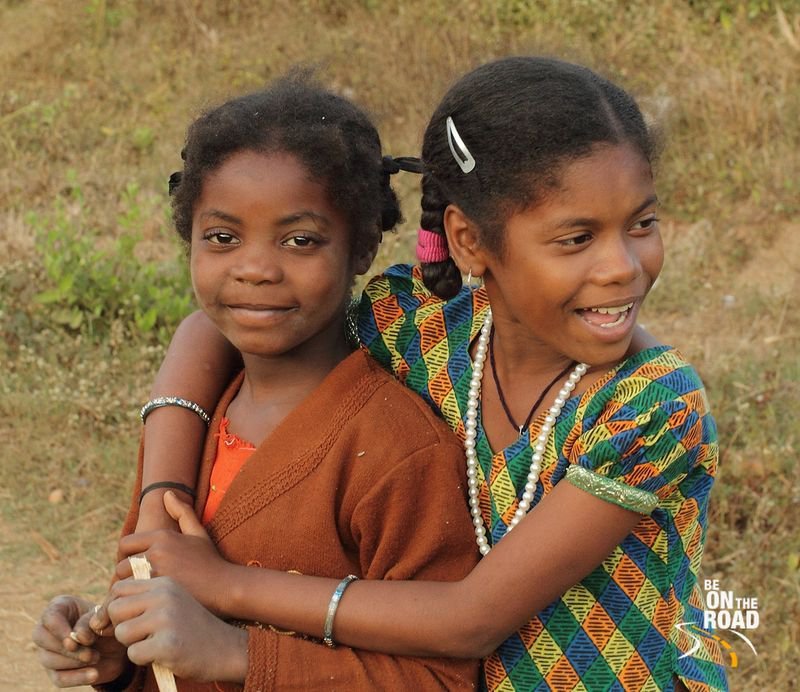
The Portuguese presented some of these slaves to the Prince of Junagadh, which led to the current population of Siddis in Gujarat. There is another story that says that the Nawab of Junagadh was once visiting Africa and fell in love with an African woman. When she moved to India with the Nawab, she got around hundred slaves with her. And since then they have been here.
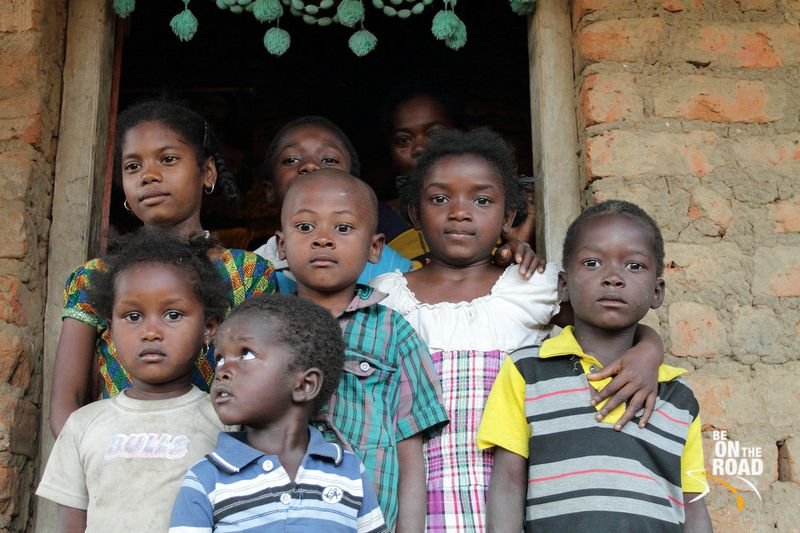
Although they are more Gujarati than African, they still follow some African customs, mostly music and dance. If you are visiting Gir anytime, you must not miss their colourful dance, which they are only glad to perform, which also allows them to earn some extra money. In fact, they are small-time celebrities! They have featured in a Gujarat Tourism video and are in high demand during tourist season.

Not only in Gujarat, there are small settlements of Siddis in Karnataka, Maharashtra and Andhra Pradesh as well. The Karnataka Siddis speak Konkani, indicating their Goan history and thus, Portuguese connection.

It is believed that when the subcontinent was first invaded by the Arab Islamics, a lot of Siddi people followed the invaders here. In the 18th century, the Arab Siddi diaspora established a Siddi community in the state of Hyderabad. They served in the cavalry of the Nizam.

A lot of Siddi people migrated to Pakistan as well. They settled in the deserted land of Baluchistan.
The only thing that separates the Siddi tribe from any non-Siddi Indian is that they strictly marry within the community. Since they have restricted themselves from mixing with other gene pools, their features still resemble that of Africans.

Although
the Indian diaspora of Siddi tribe is not very wealthy, it must be
mentioned here that their rich culture more than makes up for their lack
of money.
https://www.scoopwhoop.com/Siddi-Tribe-Of-Africa-In-Gujarat/
India’s forgotten African tribe
India’s forgotten African tribe
(Image credit: Neelima Vallangi)
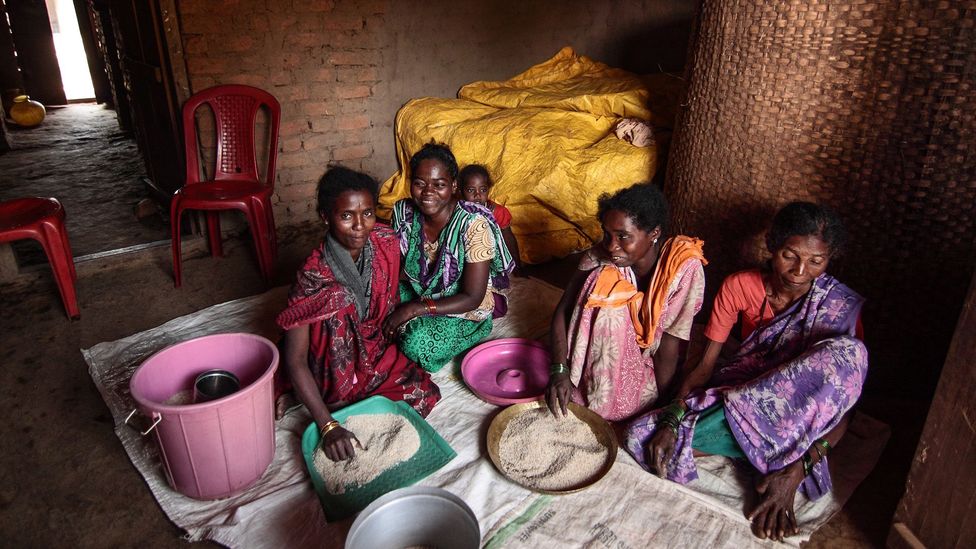
An African-origin ethnic tribe of about 20,000 people has been living in near total obscurity in India for centuries.
T
The past few months in India have been mired in controversy due to a string of racist and fatal incidents targeting African immigrants living in the country. But what few Indians know is that Africans and Indians are no strangers to each other: there are at least 20,000 of an African-origin ethnic tribe who have been living in near total obscurity in India for centuries.
Local women wear colourful saris and participate in Indian traditions (Credit: Neelima Vallangi)
Isolated and reclusive, Siddis are mostly confined to small pockets of villages in the Indian states of Karnataka, Maharashtra and Gujarat, and the city of Hyderabad (there’s also a sizable population in Pakistan). Descendants of Bantu people of East Africa, Siddi ancestors were largely brought to India as slaves by Arabs as early as the 7th Century, followed by the Portuguese and the British later on. Others were free people who came to India as merchants, sailors and mercenaries before the Portuguese slave trade went into overdrive. When slavery was abolished in the 18th and 19th Centuries, Siddis fled into the country’s thick jungles, fearing recapture and torture.
These African slaves were originally known as Habshis, which is Persian for Abyssinian (the former name of Ethiopia was Abyssinia). But those who rose through the ranks of royal retinue were honoured with the title Siddi, a possible etymon from the Arabic word for master, sayed/sayyid. It is not entirely clear when the use of the term Habshi declined and Siddi replaced it, but today, Siddi describes all people of African descent in India.
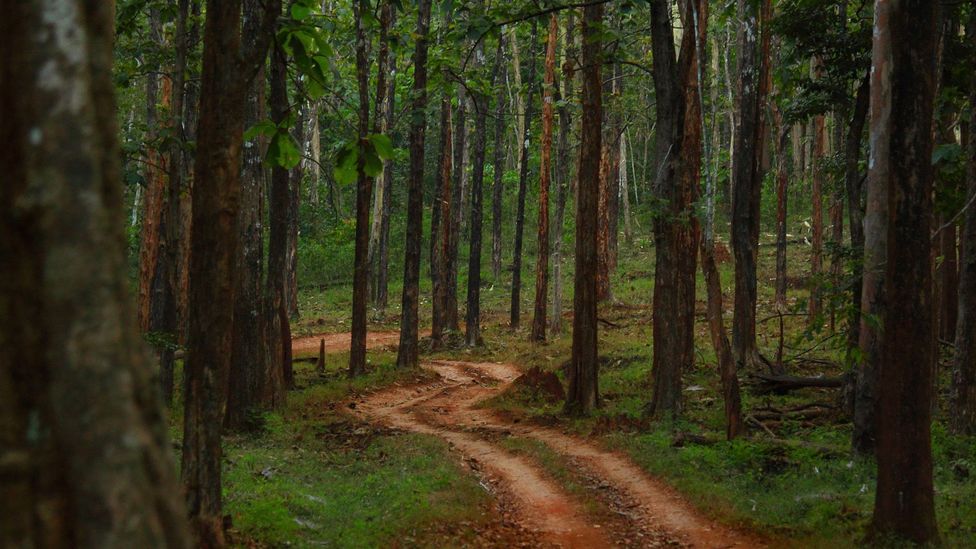
When slavery was abolished, Siddis fled into the dense forests of Karnataka (Credit: Neelima Vallangi)
As I journeyed deep into the belt of lush jungles that are part of the Western Ghats, a Unesco world heritage site that runs along India’s western coast, I was excited to delve into an obscure legacy lost in the pages of Indian history. Deeper and deeper we drove on the desolate roads in the remarkable wilderness of the Uttara Kannada district, which is home to hornbills and black panthers, swirling up a trail of dust in our wake. Finally, we arrived at the spartan agricultural village of Gadgera, part of the cluster of Siddi settlements in the state of Karnataka.
From a distance, nothing seemed African about the village or its dwellers. Enthusiastic greetings were exchanged between Pascal, our Siddi guide, and the villagers in Konkani, a local language that’s spoken in a few areas along the west coast. Women were draped in colourful saris and the men looked like farmers from any Indian village. It was a little girl’s braided cornrows that first gave things away. And then, we couldn’t miss the curly hair and facial features that were markedly different from the South Indian people.
We were invited to an impromptu dance performance. Annie, a slender woman with a bindi on her forehead, and Manjula, a vivacious lady with beaming smile, busted out energetic African moves. The ladies stamped, whirled and twisted their arms to the rhythmic sound of a frenetic drumbeat while the rest of the villagers belted out Konkani folk songs. The excitement was palpable inside the cramped room with a packed audience. In that moment, the ocean between Africa and India had vanished.
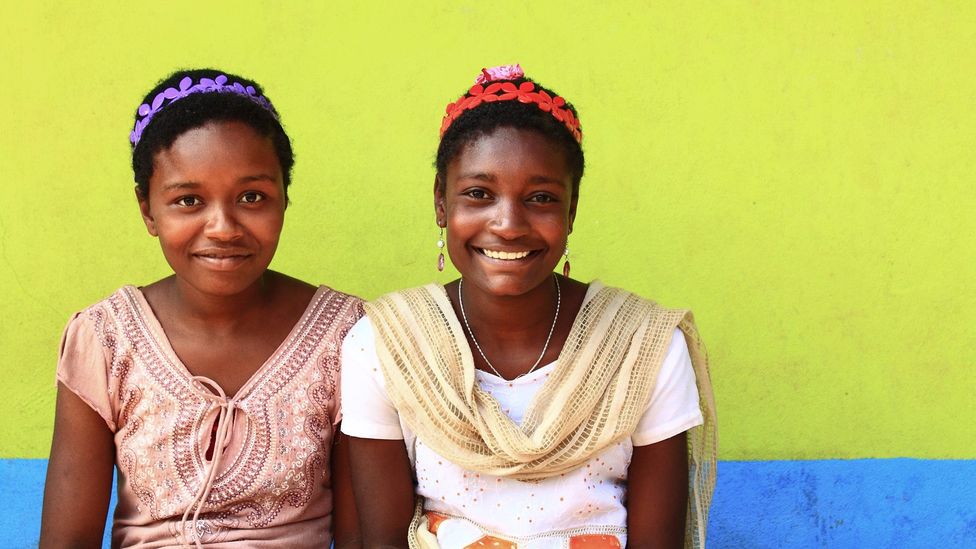
(Credit: Neelima Vallangi)
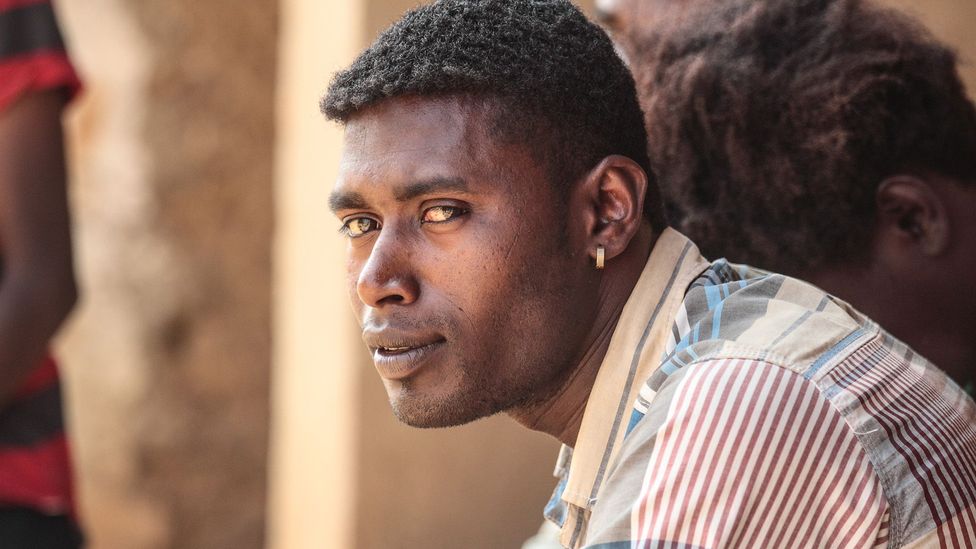
(Credit: Neelima Vallangi)
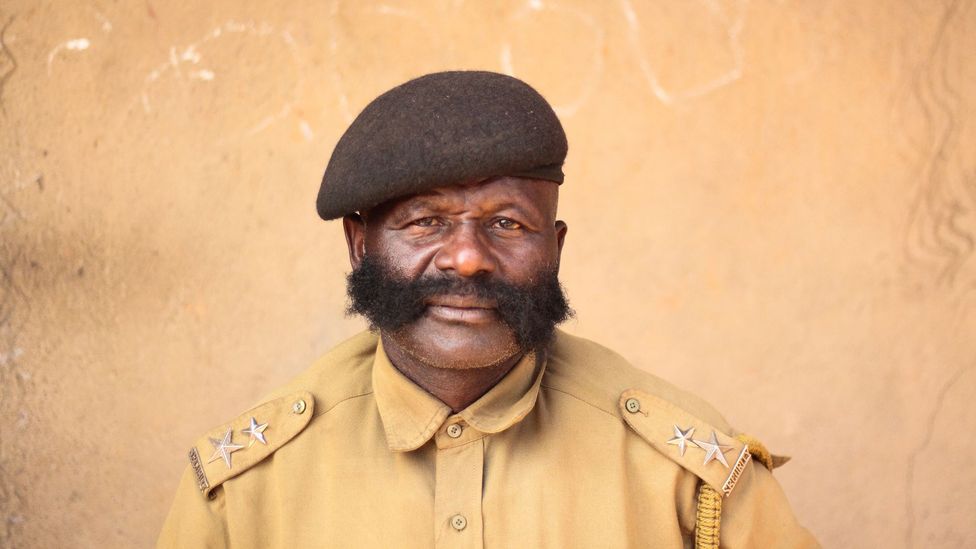
(Credit: Neelima Vallangi)
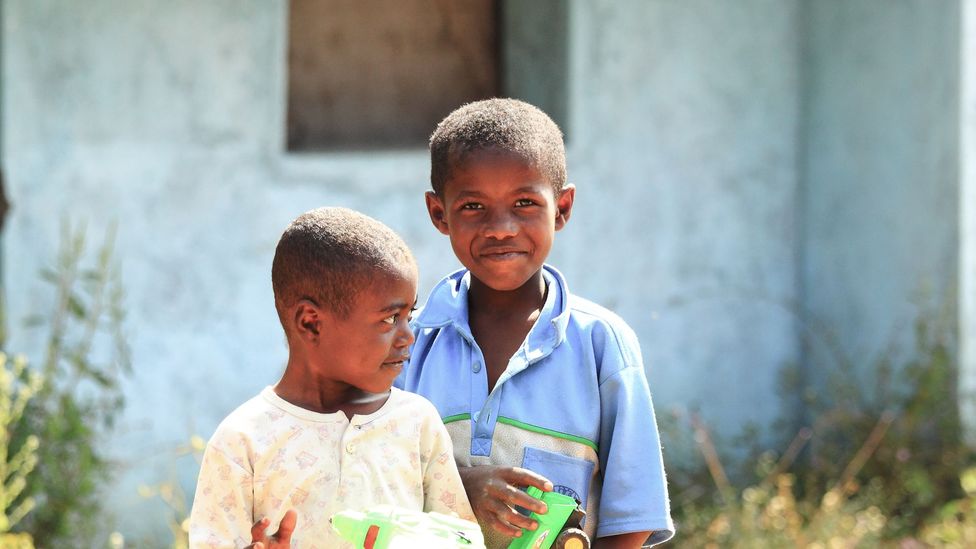
(Credit: Neelima Vallangi)
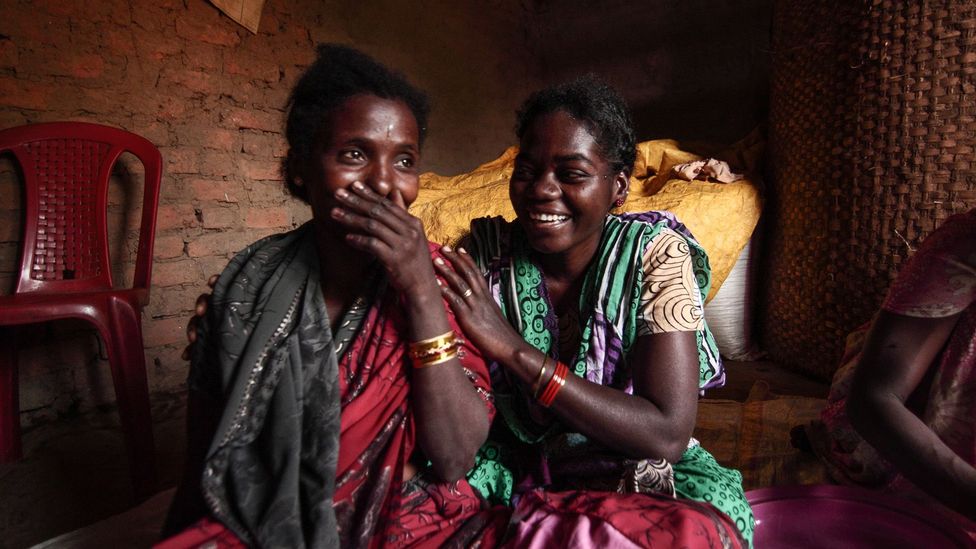
(Credit: Neelima Vallangi)
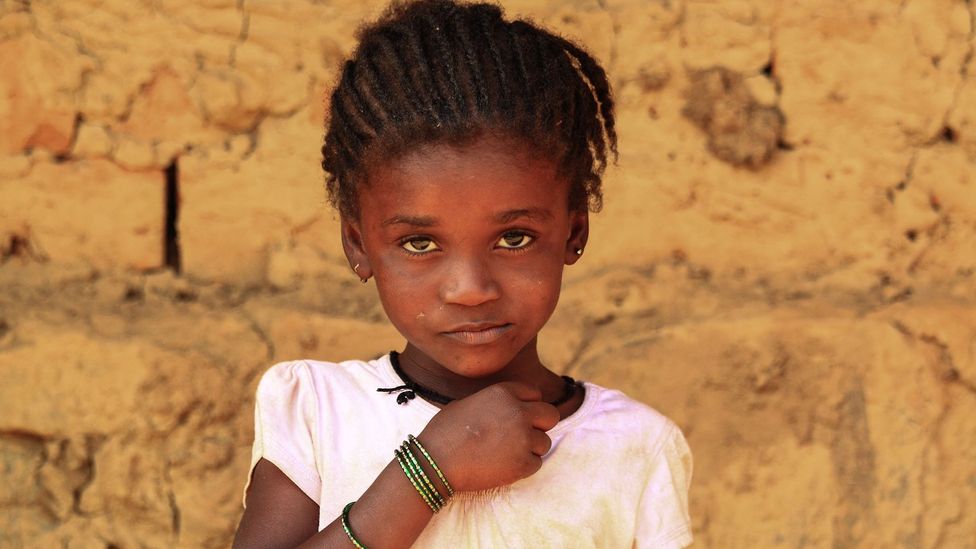
(Credit: Neelima Vallangi)
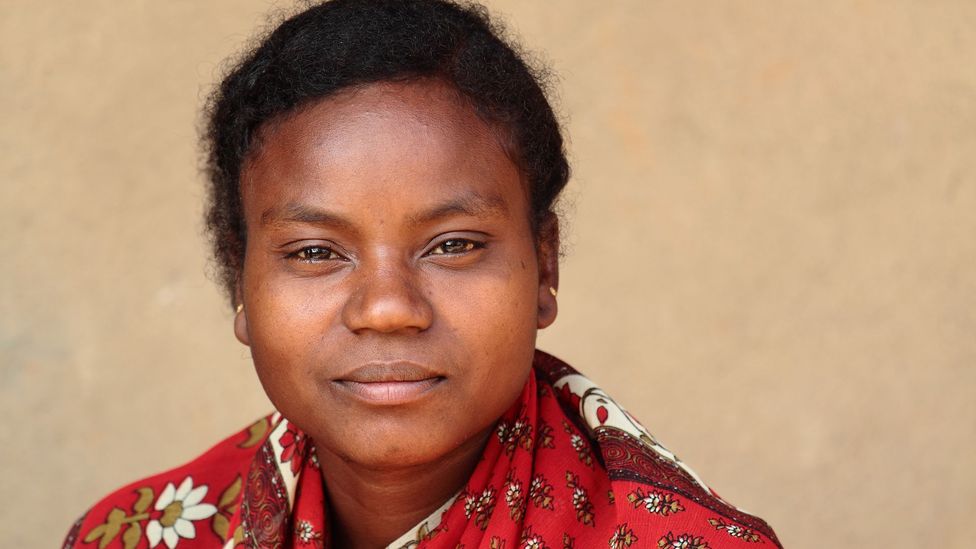
(Credit: Neelima Vallangi)
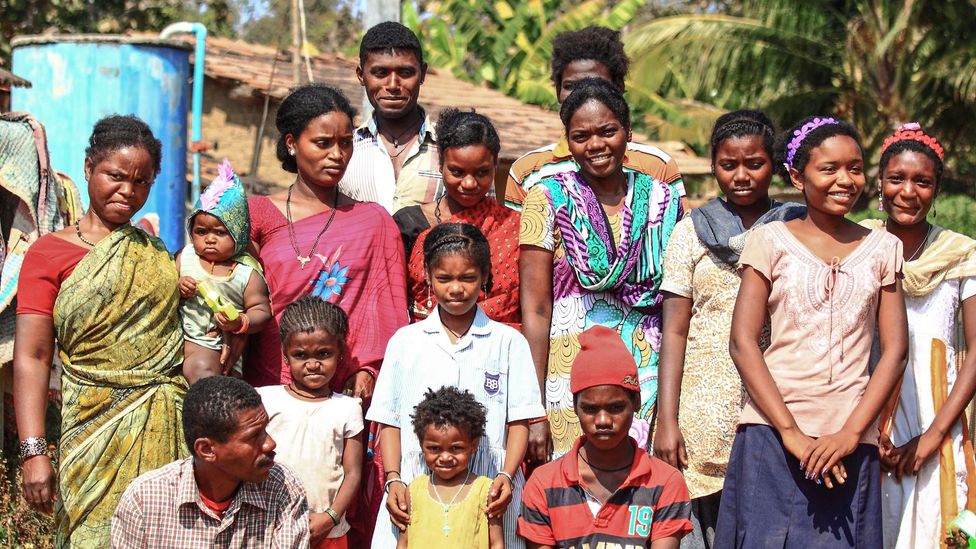
(Credit: Neelima Vallangi)
Regional Influence
The majority of Siddis in India are Sufi Muslims, possibly influenced by the Mughals who were their ancestors’ biggest employers. But Siddis in Karnataka are primarily Catholics, possibly influenced by their Portuguese and Goan masters.
Enthusiastic as she was, Manjula then dragged us to a corner to be photographed. Not only did she have the brightest smile, but she also had the most Indian name of all the Siddis we met. The others had exotic and atypical first names like Natal, Celestia, Shobina and Romanchana – quite possibly handed down as a legacy from the Portuguese from whom they fled. Their last names, on the other hand, such as Harnodkar and Kamrekar, are typical of the Konkan region they are now part of.
Although they still look African, Siddis have completely and wonderfully assimilated Indian culture, traditions and language. They are Indian citizens but often the rest of India has a hard time believing they are so.
Years before I met or even heard of Siddis, I had marvelled at the ornate intricacies of tree-of-life latticework carved into the stone windows in Ahmedabad’s iconic Sidi Sayed Mosque built in 1573. The sublime artistry remained etched in my mind – yet I failed to notice the mosque’s name itself: a reference to the Abyssinian Sidi Saiyyed who constructed it.
Another time, I was taken by the legend of Murud-Janjira, a unique and unconquered sea fort on an island in the Arabian Sea near Mumbai. I heard all of its glories – except for the fact that it was an Abyssinian minister, Malik Ambar, who constructed it in the 15th Century.
Despite such glaring vestiges, Siddi history has been startlingly erased throughout India. Today, stymied by government indifference and ridicule at the hands of fellow citizens, Siddis lead marginalized lives, while aspiring for a fighting chance at better prospects. Largely working as farmers and manual labourers, Siddis lack sustainable work opportunities. And due to their poverty, education cannot be a top priority either. Sport is one of the few options that can offer them an escape.
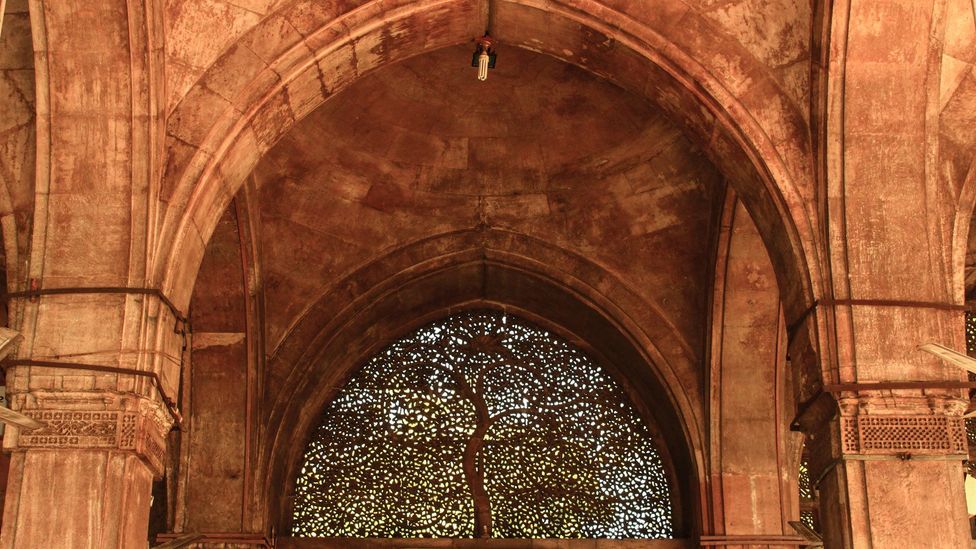
The Tree of Life lattice work stands out at Sidi Sayed Mosque in Ahmedabad (Credit: Neelima Vallangi)
In the 1980s, spearheaded by the then sports minister Margaret Alva, the Sports Authority of India started an athletic program for the Africans, whom they saw as medal-winning hopefuls. However, bogged down in administrative failures and secrecy, the ambitious plan crumbled before it could soar high. The collateral, however, was that for the first time ever, Siddis from across the country met, learnt of each other’s existence and their shared ancestry.
While we were there, young boys and girls were playing soccer under the guidance of trainers, part of a joint initiative to uplift Siddi youth through sport by the Oscar Foundation and Skillshare International.
During the game, a very tall man with dreadlocks walked towards us. One of the few Siddis to have broken out of the cycle of poverty, Juje Jackie Harnodkar spoke in a slight drawl and a gentle tone that was a complete mismatch to his athletic build. It was this build and nimbleness that snagged him a spot as an athlete competing for the 400m hurdles in the Sports Authority of India’s doomed scheme. When the programme was shut down in 1993, leaving the Siddi players high and dry, Harnodkar pursued a job with the government.
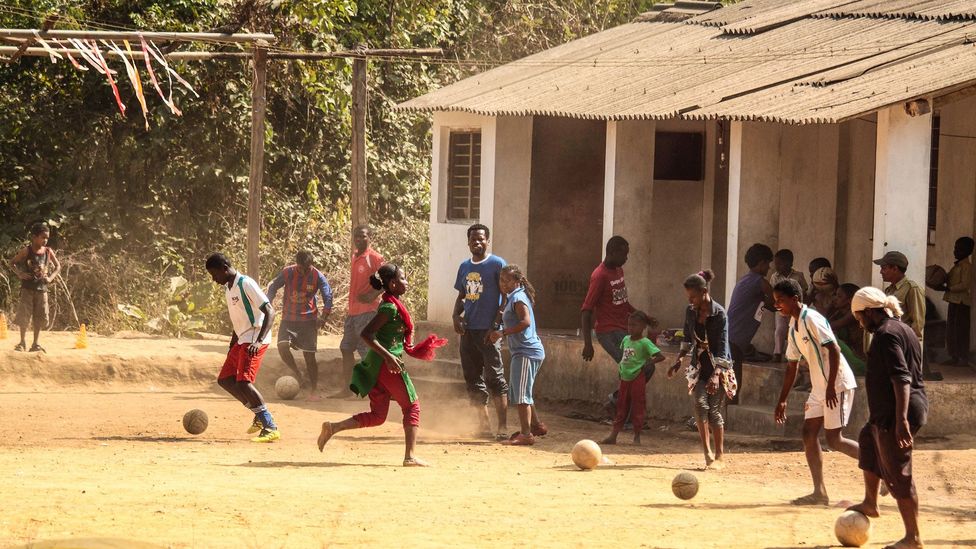
With few opportunities for education and employment, an NGO is trying to help the youth by training them in sports (Credit: Neelima Vallangi)
Today, Harnodkar is working with a small team of 14 young and promising Siddi athletes, to help them get a chance to compete in the 2024 Olympics as part of the shelved plan that seems to have taken new wings nearly three decades later. It’s a promising step in the right direction. Winning a medal could be the revived program’s zenith, coinciding with the culmination of United Nations’ International Decade for People of African Descent (2015-2024). If executed with diligence this time, it could uplift the Siddi community, revive its forgotten history and bring much-awaited acceptance to the Siddi people.
For more on the Siddi community, watch BBC Pop Up make a stop in Gujarat, India.
If you liked this story, sign up for the weekly bbc.com features newsletter, called “If You Only Read 6 Things This Week”. A handpicked selection of stories from BBC Future, Earth, Culture, Capital, Travel and Autos, delivered to your inbox every Friday.
The UK landscape that hid a criminal enterprise
(Image credit: Philip Openshaw/Getty Images)
The story of "King" David Hartley, whose forgery empire brought the UK economy to its knees in the 18th Century, will soon spread far beyond West Yorkshire.
F
February is as unpredictable as it is breath-taking in Cragg Vale, a village of cobbled streets and immense natural beauty in the sprawling West Yorkshire countryside. A week before I'd planned to trek a five-mile trail known locally as the Coiners route, Cragg Vale was battered by two storms that left flooded rivers and uprooted trees in its wake.
When I finally made it, however, the skies were clear blue and the hills glistened in burnt yellows and rich greens. This is an imposing landscape largely untouched by time, where a handful of wind turbines dotted along the horizon are the only obvious markers of modern life.
I'd come to Cragg Vale to walk in the footsteps of "King" David Hartley, who once forged a criminal empire in this part of Yorkshire, a county affectionately nicknamed "God's own country". I strolled up steep, forest-covered hills and meandered along bridlepaths lined with wildflowers. Hillside cottages were nestled within the valleys, cocooned from the outside world. Birds sang, brooks babbled and sheep grazed in frost-dusted fields.
These were the same views that inspired Emily Brontë's Wuthering Heights and where the only Brontë brother, Branwell, worked the railways. On first sight, there was little to suggest that this expansive patch of countryside once harboured a gang known as the Cragg Vale Coiners, whose counterfeiting enterprise in the 18th Century took on the establishment and brought the Bank of England to its knees.
At the time, ongoing trade between England, Spain and Portugal meant both English and foreign coins were accepted as legal tender in England. In this, the Coiners found an opportunity, albeit an illicit one.
"King" David Hartley is buried in Heptonstall, in the same churchyard as Sylvia Plath (Credit: Steve Hartley)
These coins were made from valuable metals, more or less worth their weight in silver and gold. The Coiners, led by Hartley, clipped edges from these coins, shillings and moidores usually bought from local traders who would get a cut of the profits, and melted the clippings with metal scraps to forge counterfeit coins. Portuguese moidores were commonly forged because they were the most valuable, worth around 27 shillings a piece, roughly a week's wages.
This enterprise wasn't a small fry operation. It was once the biggest fraud in British history, with some estimates saying that £3.5m of fake coins were paid back into circulation, reducing the currency's value by 9%. Today, that sum would be around £650 million. While the gang were known to murder those who crossed them, they also enriched – and were protected by – their community, robbing from the rich to feed the poor locals, who would gift David his "King" moniker. Hartley's brothers and fellow gang members, Isaac and William, were duly known as the Duke of York and Duke of Edinburgh.
Today, Hartley's story has become local legend and is almost folklorish in its infamy. But this northern England enclave is rife with strange history and tall tales.
Standing tall atop a 1,300ft hill in the Upper Calder Valley – made up of small towns and villages such as Hebden Bridge, Todmorden and Mytholmroyd, as well as Cragg Vale – is Stoodley Pike, a 121ft spiked monument originally completed after the Battle of Waterloo in 1815 as a tribute to peace. By calamitous chance, the pike toppled just before the Crimean war was declared against Russia in 1854.
Placed outside farmhouses and churches are centuries-old human heads carved out of stone, once thought to ward off magical spirits. Todmorden, meanwhile, is a hotbed of alien conspiracies and purported UFO sightings, mainly fuelled by the 1980 death of coal worker Zigmund Adamski, who was discovered 20 miles away from his home covered in a non-identifiable, slimy goo. His case remains unsolved.
The 121ft Stoodley Pike monument dominates the skyline of the Upper Calder Valley (Credit: petejeff/Getty Images)
"The perfect conditions for folklore is an area where there are separate communities in good communication with each other, economic interdependence and a distinct landscape," said John Billingsley, an author and folklore historian.
"Everybody here is close enough to be drinking in the pubs with each other," he continued. "That keeps stories circulating and gives a sense of identity. The Coiners came very strongly with that sense of local community, the people who they were doing a 'Robin Hood' job for."
Opinion is divided when remembering the Coiners. Some believe they were simply products of their time, hard men for hard times. Others believe they were nothing more than criminals.
"All societies have their outlaws," added Steve Tilston, a folk musician and Hebden Bridge local who chronicled the story of the Coiners in the song The King of the Coiners. "It's the stuff of folk legend, a desire to have someone who will put one over on 'the man'. [Outlaws] are not just total villains, they manage to cock a snook at the people in charge. And in Hartley's days, corruption ran rife. As, dare I say it, it does now."
The scenery of the Calder Valley, much like some of its attitudes, has largely remained untouched since Hartley was alive. "This area has not changed an awful lot since those days," said Tilston. "This is where Hartley and his cohorts would have trudged. They would have looked out at the same views as we do today."
To guide me through where Hartley "trudged", I met up with local cartographer Chris Goddard. In 2018, Goddard devised the Coiners route, which spans many of the locales frequented by the gang, some based on historical fact, others mythologised by Goddard on his many walks through the Calder landscape.
The scenery of the Calder Valley has largely remained untouched since David Hartley was alive (Credit: Philip Openshaw/Getty Images)
Our walk began in Mytholmroyd, where the gang regularly plotted their moves over pints of ale. From there, we weaved our way through dense, ancient forest, dredging up steep slopes and wading through fallen leaves. We wandered through a small lagoon unofficially known as "David's Pool", where the gang leader may have once bathed; and, around a mile later, reached the sprawling moorland of Broadhead Clough. Alone, at the apex of the hill, stood Bell House, Hartley's original home and very much the gang's illegal hub. Placing a hive of treasonous activity in plain sight seems somewhat counterintuitive. But the landscape protected him, said Goddard. "Being here, Hartley could see everything."
A stone's throw from Bell House was Lumb Hole Falls, where, from a giant boulder overlooking the valley below, it's rumoured Hartley would stand to regale his cronies . As we continued, we met a woman sitting on a bench looking at an expanse of green where, in the spring, bluebells will appear.
"They did a really good job around here," she said, after we mentioned the Coiners. "It brought the treasury down in London… something needs to bring them down," she said, her tone suggesting that a north-south divide still exists in this part of England.
"People around here could eat meat, they could get proper clothing," she added. "People say they were rough, but it was a rough time. Good on him. If I'd have been there in those days, I'd have done the same. It was survival."
And survive the gang did, but it was on borrowed time.
Bell House was Hartley's home and the hub of the gang's counterfeiting operation (Credit: Steve Hartley)
As the gang's riches grew too big for higher powers to ignore, the Houses of Parliament were drawn into a debate over their affairs. The final straw came on 8 November 1769, when several members of the Coiners murdered an excise officer, William Deighton, who was sent to investigate them.
Five days after the murder, a royal proclamation issued a £100 reward to anyone who could name the perpetrators. Dozens of arrests were made, and the once tight-knit group began to implode. Members turned on each other to save themselves. Some escaped justice, like David's brother Isaac, who died in his 70s or 80s. By the end of the year, however, Hartley was arrested. And on 28 April 1770, he was hanged at the Knavesmire Tyburn near the city of York.
For reasons that remain unknown, Hartley was afforded a burial not befitting of a person sentenced to death in the 18th Century, a time when criminals could be hung, drawn and quartered. After execution, his body was released from York and hauled 60 miles to the St Thomas à Becket Church in Heptonstall, West Yorkshire, where he was buried in the church's consecrated grounds.
And that is where the King remains.
The church today is a roofless ruin, built between 1256 and 1260 and mostly destroyed through time. The poet Sylvia Plath is buried in the same churchyard; when I visited, her grave was adorned with flowers and the soil pierced with pens and pencils left in tribute. Hartley's was little more than a stone in the ground, laid flat amongst a mosaic of other weathered places of rest.
But Hartley's name lives on, both etched in stone and in his descendants.
"Legendary is probably a good word to use for him," said Steve Hartley, the five-time great-grandson of David Hartley.
Now marked by a plaque, Knavesmire Tyburn was once the site of public hangings in York (Credit: Rob Atherton/Getty Images)
Steve's family history was controversial growing up, and he remembers how his great-grandad rarely spoke of Hartley's escapades. "The older generations were ashamed of it," he said.
Some still echo those sentiments. Tilston remembers how a Heptonstall museum curator once told him that Hartley's crimes made him unworthy of burial at the church.
Nevertheless, the Hartley tale is soon set to spread far and wide. A TV adaptation of the Benjamin Myers novel The Gallows Pole, a part-fictionalised telling of the Coiners story, is currently in production. Tourism to the Calder Valley will likely follow. "It will be like Peaky Blinders. Everyone will want to know about the real Yorkshire Coiners," Steve said, referencing the Birmingham tourism boom sparked by the crime drama series.
It seems that there are two sides to the coin when remembering David Hartley: revered or reviled. But there's also something intrinsically human in why his story continues to be told, according to Billingsley.
"Folklore has this ability to bring people in, to embrace people without them really knowing it," he said. "It's a search for origin, and a validation of one's own place. There's a strong element of that in the community here today. People who are looking for meaning and connection."
https://www.bbc.com/travel/article/20160801-indias-forgotten-jungle-dwellers


यह सिद्ध साबित ऐतिहासिक तथ्य है कि तत्कालीन अरब ,तुर्क और पुर्तगाली व्यापारियों द्वारा भी सिद्दी समुदाय को गुलाम -दास और भाडे के सैनिकों / Mercenaries के रूप में भारतीय उपमहाद्वीप के लिए लाया गया था।
एक दूसरा सिद्धांत यह है कि सिद्दी शब्द अरब जहाजों के कप्तानों के Title / शीर्षक से लिया गया है क्योंकि इन अरबी जहाजों के कप्तानों को सईद/सैय्यद/Sayyid के रूप में जाना जाता था।
" मलिक अंबर" , जो भारतीय इतिहास में एक प्रमुख सिदी / सिद्दी हब्शी व्यक्तित्व है,उसे "मराठों के सैन्य गुरु" के रूप में भी माना जाता है, और इतिहास ने गहराई से मराठा लोगों के साथ मलिक अंबर सिद्दी हब्शी को संबद्ध किया गया है !


आसिफ जाही निजाम रियासत में उन्होने पुरस्कार के साथ संरक्षण और पारंपरिक मरफ़ा संगीत की जबरदस्त लोकप्रियता हासिल की और सरकारी समारोहों और समारोह के दौरान प्रदर्शन किया, हैदराबाद की सिद्दीयों को पारंपरिक रूप से सिद्दी रिसाला के नाम से जाना जाता है आज भी वो एसी गार्ड (अफ्रीकी कैवेलरी गार्डस) मस्जिद रमानिया / मस्जिद रहमानी के निकट क्षेत्र में रहते है।

कर्नाटक में ये सिद्दी येलापुर, हलियाल, अंकोला, जोईडा,मुंडगोड और उत्तर कन्नड़ सिरसी तालुका के आसपास वनों में खेती करते और वन उपज उपजाते हुऐ रहते है और बेलगाम और धारवाड़ जिले के कालघाटगी के खानपुर में शहरी केंद्रित स्थलों पर रह रहे हैं, स्वतंत्रता प्राप्ति के बाद कई सिद्धी परिवार पाकिस्तान के लिए चले गए और वे वहाँ सिंध, कराची के क्षेत्रों में बस गये जिनका मुख्य काम रंगरेजी और मछली पकडने का है,कर्नाटक के सिद्दी मुख्यतया रोमन कैथोलिक ईसाई हैं और उनके ही बीच कुछ सिद्दी हिंदू भी हैं।


People of Siddhi Village, Gujarat
https://m.youtube.com/watch?v=CORizSrk9Ks
https://m.youtube.com/watch?v=ceP5t5Bn_1A
https://m.youtube.com/watch?v=Z8OMrpeZh-E


https://m.youtube.com/watch?v=3hXbQ1Qf9Fg
https://m.youtube.com/watch?v=jYdR0ezNZ2o
Yakut Khan: the Indian Admiral of African ancestry, story of the 1690 CE defeat of the East India Company
Share this
Yakut Khan, whose real name was Siddi Qasim Khan and also known as Sidi Yaqub, was an Indian of the Siddi ethnicity (also referred to Sheedi or Habshi)[1]. The Siddi ethnic group is a social grouping for the identifiable descendants of East Africans that migrated to India during the second millennium of our era. They are predominantly found in the Karnataka and Kerala areas of India. During the time period referred to in this article, they were loyal to the Mughal Empire and were reputed to have the best seafarers. They also inhabit parts of Pakistan. Many of their ancestors were sailors, merchants and mercenaries who settled in these regions.

Portait of Yakut Khan
Yakut Khan was therefore of African descent and is often depicted to have dark skin. He was from the Murud Janjira area[2]. He converted to Islam when growing up as a child and was given the name Qasim Khan. It was only after he became Admiral of the Mughal navy that he was titled Yakut Khan by the Mughal Emperor Aurangzeb.
As a young man he served the Bijapur Sultanate, a Shia Muslim dynasty that centred in present-day Bijapur district, Karnataka India. Yakut Khan later went on to serve the Mughal Empire which was typical of the Siddi in those times. Under the Mughal Empire, he rose to become an admiral.
He led the Mughal fleet to many victories. Some notable deeds include the attack and defeat of the Marathas; for which, he had to enter the seven islands of Bombay to accomplish. He led the Mughal fleet in the defeat of the British during the 1689 siege of Bombay. There is also an account of how he saved the Portuguese from the Marathas after they were abandoned by Sambhaji Bhosale.

Emperor Aurangzeb, the Sixth Mughal Emperor of India
The siege of Bombay
Although the active part played by Yakut Khan during the Anglo-Mughal war took place in 1689, the events that led up to the English seizing and barricading themselves in Bombay actually began in 1682.
In 1682, the then British-owned East India Company wanted more trade control and privileges throughout the Mughal Empire. So they sent one of their own Sir William Hedges to meet with Shaista Khan the Mughal governor of Bengal in order to obtain a permit or firman[3]. During negotiations, Sir Josiah Child the company’s governor in London disrupted the process resulting in Emperor Aurangzeb cancelling all negotiations.
Sir Josiah responded by starting a war with the Mughals. In 1685 he dispatched Admiral Nicholson armed to the teeth, with orders to capture and seize Chittagong and its surrounding territories. Chittagong was then a major coastal city and very important financial centre in the Mughal Empire. However during the journey to Chittagong, his fleet was dispersed, and many of his vessels veered off the destination path and entered Hooghly not entirely far off Chittagong. They finally anchored at the company’s factory.
This battle-ready English army rattled Shaista Khan and indeed the Emperor. Shaista Khan attempted to settle the differences and negotiations were about to resume, but an incident involving three English soldiers beaten by some Mughal officials in the market place of Hooghly again erased all progress in the already tensed atmosphere. In retaliation, the admiral Nicholson commenced an assault on the town and went ahead to burn down over 500 houses.

1753 Bombay on the Malabar Coast belonging to the East India Company (HEIC)
The Mughals were enraged. They pretended to be interested in the start of new negotiations in 1686 and intentionally delayed progress until they had assembled enough troops to attack the British and re-gain military control of the areas seized.
In 1688 the British deployed a fleet to blockade the Moghul harbours on India’s west coast. They captured ships that were on their way to Mecca with pilgrims. This incident prompted Emperor Aurangzeb to re-commence negotiations with the British. The British rather sent reinforcements with Captain Heath at the helm. On his arrival he rubbished the pending treaty and destroyed Balasore, a city in the Mughal Empire, before setting sail to Chittagong. However, on getting to Chittagong he realised he had underestimated the Mughals as the resistance and fortification he met was not what he expected and many English fleets were destroyed. The English forces retreated to Bombay and barricaded themselves in. The Mughal Emperor ordered the extirpation of the British and the seizure of all their properties. This reduced the strength of the British to the fortified towns of Mandras and Bombay from where they mounted a resistance for a long time.
In 1689 the Emperor ordered a strong Mughal fleet from Janjira commanded by admiral Yakut Khan to take back the city.

Arial view of Janjira fort
Yakut Khan laid siege on the city and after a year of resistance, in 1690 the British finally surrendered. The East India Company sent envoys to Emperor Aurangzeb to plead for pardon; the envoys had to prostrate themselves before the Emperor, they swore to obey and conduct themselves better in the future and were made to pay a huge sum of about 150,000 rupees as restitution; going by present-day conversion this was well over a billion US dollars. In addition the Emperor insisted on the Company dismissing the governor of the East India Company Sir Josiah Child; bringing an end to the conflict. Sir Josiah Child died before he was sacked.
Not quite happy with the extent of the agreement, Yakut Khan had his men destroy fort Mazagoan, an English stronghold, before withdrawing his men. The company later re-commenced operations and established a new base at Calcutta.
The siege of Bombay in which he led the Mughal forces to victory was the final act in the first Anglo-Mughal war. There have been accounts of defections of soldiers from the East India Company to Yakut Khan’s side during the siege[4].
Yakut Khan died in 1733, an unlikely African hero in foreign lands. There are more Africans like him who accomplished great deeds in foreign lands. There is no clear indication as to where he was buried, but Indians and the British who know their history will always acknowledge the deeds of Yakut Khan especially his role in the defeat of the East India Company.
Sources
History Workshop Journal, Volume 84, 1 October 2017, Pages 149–169
The African dispersal in the Deccan: from medieval to modern times, By Shanti Sadiq Ali, Published by Orient Blackswan, 1996,Public Domain, ISBN 81-250-0485-8, ISBN 978-81-250-0485-1
Yimene, Ababu Minda. An African Indian Community in Hyderabad: Siddi Identity, Its Maintenance and Change. Cuvillier Verlag. p. 204. ISBN 978-3-86537-206-2.
Nandgaonkar, Satish (2003-03-22). “Mazgaon fort was blown to pieces – 313 years ago”. Indian Express. Express Group. Retrieved 2008-09-20.
Prakash, Om (1987). European Commercial Enterprise in Pre-colonial India. Cambridge University Press. ISBN 978-0-521-25758-9.
Citations
- https://en.wikipedia.org/wiki/Siddi ↑
- https://en.wikipedia.org/wiki/Sidi_Yaqub ↑
- A firman is an imperial directive that would grant England regular trading privileges throughout the Mughal Empire ↑
- History Workshop Journal, Volume 84 ↑
Who is Malik Ambar? The African Slave turned Indian Mercenary Kingmaker

Malik Ambar began life under grim circumstances. Sold into slavery by his own parents, he would change hands again and again until he arrived in India – the land where he would find his destiny. The death of his master freed Ambar, and he immediately set out to make his mark by gathering an army of locals and other Africans as mercenaries.
From there, Ambar’s star would rise quickly. He would come to be master of the rich land he had once served, only to serve it with more devotion than ever. He defied the great Mughal Empire so brilliantly that no Mughal would get past the Deccan- until he died in 1626.
Leaving Africa: Chapu Becomes Malik Ambar
Malik Ambar began life in 1548 as Chapu, a young Ethiopian boy from the pagan region of Harar. Though we know little of his childhood, one may imagine Chapu, already an uncommonly bright boy, carefree and scaling the rugged dry hills of his native land – a skill that would help him later in life. But not all was well. The extremities of poverty hit his parents so hard that they were forced to sell their own son into slavery to survive.
His life for the next few years would be full of hardship. He would be continually transported across the Indian Ocean in miserable dhows, changing hands at least thrice amongst a chain of Indian Ocean slave traders. Along the way, he would be converted to Islam- so that young Chapu became grim “Ambar”- Arabic for amber, the brown Jewel.
Are you enjoying this article?
Sign up to our Free Weekly Newsletter
Things changed when Ambar arrived in Baghdad. Mir Qasim al-Baghdadi, the merchant who bought him, recognized a spark within Ambar. Rather than relegating the young man to menial work, he decided to educate him. His time at Baghdad would be instrumental to Ambar’s future successes.
India: The Slave Becomes the “Master”
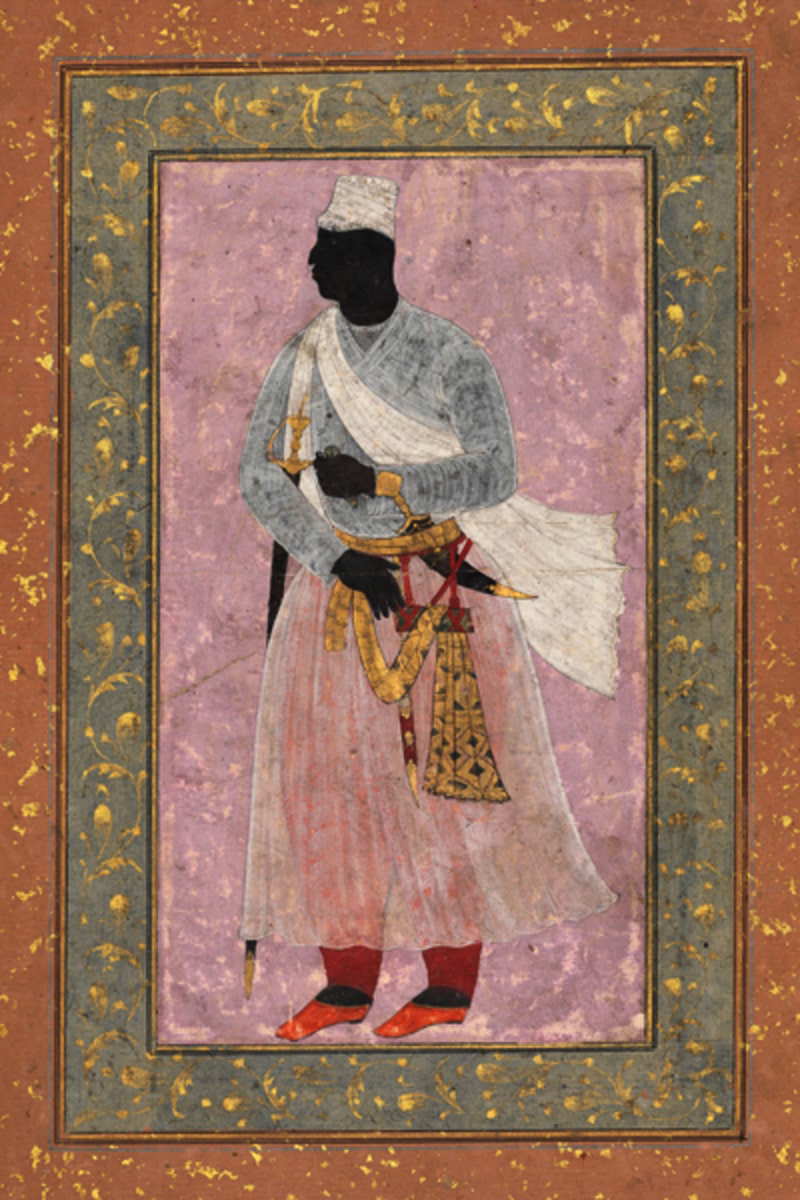
In 1575, Mir Qasim arrived in India on a trading expedition, bringing Ambar with him. Here he caught the eye of Chingiz Khan, the prime minister of the Deccan state of Ahmednagar, who would buy him. But Chingiz Khan was not just any Indian noble- in fact, he was an Ethiopian like Ambar.
Medieval Deccan was a land of promise. The riches of the region and the struggle to control had given it a unique atmosphere of martial meritocracy, where anyone could rise far beyond their stations. Many Siddis (former African slaves) had become generals or noblemen before Chingiz and Ambar, and many more still would do so after them. The living proof of this incredible social mobility in his new master must have come as a welcome surprise to Ambar, who soon began to distinguish himself. Chingiz Khan would eventually come to see Ambar almost as a son, who would learn valuable new skills of statecraft and generalship in his service.
When Chingiz died in the 1580s, Ambar was finally his own man, and an incredibly resourceful one at that. In short order, he managed to gather other Africans as well as Arabs to form a mercenary company. Ambar left Ahmednagar with his men and for a while worked for hire all over the Deccan. His motley band had grown to a 1500 strong army under capable leadership. Ambar was awarded the title of “Malik” – lord or master – for his military and administrative acumen. In the 1590s, he would return to Ahmednagar where a new threat had emerged – The Mughal Empire.
Chand Bibi and Mughal Incursions
Though we are for now only concerned with Ambar, the scope of Deccani social mobility went beyond just ex-slaves. Chand Bibi was an Ahmednagari princess. She was married off to the Sultan of neighboring Bijapur, but the marriage would prove quite short. Her husband died in 1580, leaving Chand Bibi as regent for the new boy king. While Ambar was off gallivanting across the Deccan, she negotiated treacherous court politics in Bijapur- including an attempted coup by Ikhlas Khan, another Siddi noble.
Somehow she managed to stabilize the situation in Bijapur and returned to Ahmednagar, where her brother the Sultan had died. She again found the mantle of state thrust upon her, in her infant nephew’s stead. But not all were content with this state of affairs. The minister Miyan Manju schemed to set up a puppet ruler to rule Ahmednagar for himself. When faced with opposition, he did something that he would soon come to regret.
On Manju’s invitation, the armies of the Mughal empire came pouring into the Deccan in 1595. He at long last realized what he had done and fled abroad, leaving Ahmednagar to Chand Bibi and with it the unenviable privilege of facing imperial might. She immediately sprung into action, leading a heroic defense from horseback to repulse the invaders.
But the Mughal attacks did not stop. Despite gathering a coalition of Bijapur and other Deccani forces (likely including Ambar’s men), defeat would eventually come in 1597. By 1599, the situation was dire. Treacherous nobles managed to convince a mob that Chand Bibi was at fault, and the brave warrior queen was murdered by her own men. Soon afterward, the Mughals would capture Ahmednagar and the Sultan.
Exile and the Marathas

Although Ahmednagar proper was now under Mughal hegemony, many nobles continued their resistance from the hinterland. Among them was Malik Ambar, by now a veteran of countless battles, hardened in the Deccani hills. Ambar continued to gain strength in exile, partly owing to an increasing number of Ethiopians arriving in the Deccan. But increasingly, he began to rely on more local talent.
A homebred warrior people, it is rather curious that the Marathas would have to be “discovered” by an outsider. Extremely deadly as light cavalry, they had perfected the art of harassing enemy troops and destroying their supply lines. Though the Sultanates had recently begun employing these expert horsemen, it was only under Malik Ambar that their true potential was revealed.
Ambar and the Marathas must have found something of themselves in each other; both were people of the hills, struggling with the harsh environment as much as with invaders. Ambar would come to command just as much loyalty in the Marathas as he did in his fellow Ethiopians. In turn, he would use the Maratha’s mobility and knowledge of the local terrain to devastating effect against the Mughal Empire, as the Marathas themselves would much later.
Rise of Malik Ambar, the Kingmaker
By 1600, Malik Ambar had managed to fill the power vacuum left after the Mughal imprisonment of the Ahmednagari Sultan, ruling in all but name. But that last veneer had to be maintained, as the proud nobility would never accept an African king. The astute Abyssinian understood this and so pulled off a brilliant political maneuver.
He managed to find the sole left heir to Ahmednagar in the remote city of Paranda. He proceeded to crown him Murtaza Nizam Shah II of Ahmednagar, a weak puppet through which to rule. When the Bijapuri sultan expressed doubts, he married his own daughter to the boy, thus both reassuring Bijapur and binding his puppet Sultan even closer to himself. He would promptly be appointed Prime Minister of Ahmednagar.
But troubles were far from over for Ambar. Over the treacherous decade, he had to balance, on the one hand, the belligerent Mughals and, on the other hand, domestic troubles. In 1603, he faced a rebellion by discontent generals and made a truce with the Mughals to focus on the new problem. The rebellion was crushed, but Murtaza, the puppet ruler, saw that Ambar too had enemies.
In 1610, Malik Ambar was again the target of court intrigue. The Sultan saw his opportunity and conspired to get rid of Malik Ambar. But Ambar learned of the plot from his daughter. He had the conspirators poisoned before they could act. Then he put the 5-year-old son of Murtaza on the throne, who naturally made a much more compliant puppet.
Beyond Warfare: Administration and Aurangabad
Having secured the domestic front, Malik Ambar went on the offensive. By 1611, he had recaptured the old capital of Ahmednagar and pushed the Mughals back to the original frontier. This meant vital breathing room, and Ambar used it wisely by maintaining over 40 forts to act as bulwarks against the Mughal Empire.
He then built his new capital, right at the Mughal border – Khadki, or Aurangabad as it is known today. From its multicultural citizenry and striking monuments to its sturdy walls, Khadki was perhaps the greatest symbol of its creator’s life and ambitions. Within just a decade, the city grew into a bustling metropolis. But its most remarkable feature wasn’t the palaces or walls, but the Neher.
The Neher resulted from a lifetime spent in pursuit of water. Whether in famished Ethiopia, Baghdadi deserts, or evading Mughals in dry Deccani highlands, an acute lack of water had shaped Ambar’s experiences. He had gained the ability to find water in the unlikeliest of places. Previously, Ambar had experimented with designing water supply for Daulatabad. Although Ambar abandoned that city like Tughluq before him, this experience further honed his urban planning skills.
His grand plans were treated with scorn, but through sheer determination, Ambar managed it. Through an intricate network of aqueducts, canals, and reservoirs, he managed to supply the needs of a city of hundreds of thousands, transforming the lives of the Ahmednagar citizens. The Neher survives to this day.
Besides his capital, Ambar embarked on several other projects. Relative peace meant that commerce flowed freely across the land. This and his administrative reforms allowed him to become a great patron of art and culture. Dozens of new palaces, mosques, and infrastructure were built, bringing prestige and prosperity to Ahmednagar. But all good things must come to an end. Inevitably, the truce with the Mughals was broken.
The Bane of the Mughal Empire
Sometime around 1615, hostilities resumed between Ahmednagar and the Mughal Empire. Being by far the underdog, Ambar had to rely on his tactical brilliance to beat his superior foe. Regarded as the pioneer of guerilla warfare in the Deccan, Ambar confounded the Mughals who were used to straightforward battles. Ambar would lure the enemy into his territory. Then, with his Maratha raiders, he would destroy their supply lines. In the harsh Deccan, the large Mughal armies could not live off the land in the unforgiving Deccan – in effect, Ambar turned their numbers against them.
Malik Ambar thus completely stopped Mughal expansion for two decades. The Mughal emperor Jahangir considered Ambar his arch-nemesis. He would repeatedly go off on angry tirades against him. Being completely frustrated by the Abyssinian, he would fantasize about defeating Ambar, as was the case when he commissioned the below painting.
Jahangir, or “world conqueror” ( a name he took for himself), ascended the throne in 1605, after the death of Akbar, the greatest Mughal. Widely regarded as weak and incapable, he has been called the Indian Claudius. Perhaps the only notable thing about his intoxicated and opiated reign, apart from his persecution of various people, is his wife.
After the death of her husband under dubious circumstances, Nur Jahan married Jahangir in 1611. She quickly became the real power behind the throne. She is the only Mughal woman to have coins minted in her name. When the emperor was sick, she held court by herself. When he was ridiculously captured by a lowly general, she rode into battle on an elephant to free him. It was this remarkable woman that Malik Ambar really faced.
Jahangir has the dubious honor of having not one but two of his sons rebelling against him. The first son he would have blinded. The second revolt came in 1622. Nur Jahan was trying to set up her own son-in-law to be declared heir. Prince Khurram, fearful of Nur Jahan’s influence on his weak father, marched against the two. Over the next two years, the rebel prince would fight against his father. Malik Ambar would be a key ally of his. Although Khurram would lose, Jahangir was forced to forgive him. This paved the way for his eventual succession to the Mughal throne as Shah Jahan – the man who built the Taj Mahal.
The Battle of Bhatvadi
Malik Ambar’s final test would come in 1624. The Mughals, perhaps irked by his hand in the princely rebellion, raised a great host. Moreover, the Bijapuri Sultan, previously an ally of Ambar, broke from the Deccani coalition. The Mughals had enticed him with the promise of carving up Ahmednagar, leaving Ambar completely surrounded.
Undeterred, the now 76-year-old general set off on his most brilliant campaign. He raided the territories of his enemies, forcing them to seek battle on his terms. The combined Mughal-Bijapuri army arrived on 10th September to the town of Bhatvadi, where Ambar was waiting. Taking advantage of heavy rain, he destroyed the dam of a nearby lake.
While he held the upper ground, the enemy army camped in the lowlands was rendered completely immobile by the resulting flood. With the Mughal artillery and elephants stuck, Ambar launched daring night raids on the enemy’s camp. The demoralized enemy soldiers began to defect. Finally, Ambar led a great cavalry charge that forced the enemy force to retreat, utterly destroyed. With this great victory, Ambar managed to secure his realm’s independence for years. It would be the crowning achievement of his incredible career. The might of the great Mughal Empire had tried to destroy him for two decades and failed utterly. But Ambar’s time was coming to an end.
Malik Ambar: His Death and Legacy
Malik Ambar died peacefully in 1626, at the ripe old age of 78. His son succeeded him as Prime Minister, but unfortunately, he was no substitute. Shah Jahan, that former ally of Ambar’s, would finally annex Ahmednagar in 1636, ending four decades of resistance.
Malik Ambar’s legacy still lives on to this day. It was under him that the Marathas first emerged as a military and political force. He was a mentor to the Maratha chief Shahaji Bhosale, whose legendary son Shivaji would establish the Maratha Empire. The Marathas would be the ones to defeat the Mughal Empire, in spirit avenging Malik Ambar.
His mark can be found all over Aurangabad, which remains a vibrant and diverse Indian city, home to over a million Hindus, Muslims, Buddhists, Jains, Sikhs, and Christians. But perhaps most importantly, Malik Ambar is a symbol. As the most famous representative of South Asia’s Siddi community (which has many more stories to offer from its rich history, from the impregnable sea kingdom of Janjira to Sidi Badr, the tyrant king of Bengal), he symbolizes the incredible versatility of the human race.
Ambar reminds us that history is not a monolith, not just what we assume of it. He reminds us that our diversity is ancient and worth celebrating, and that incredible stories can be found in our shared past; we need only look.


No comments:
Post a Comment