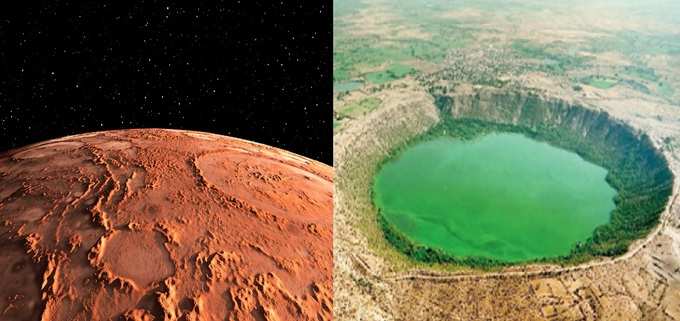


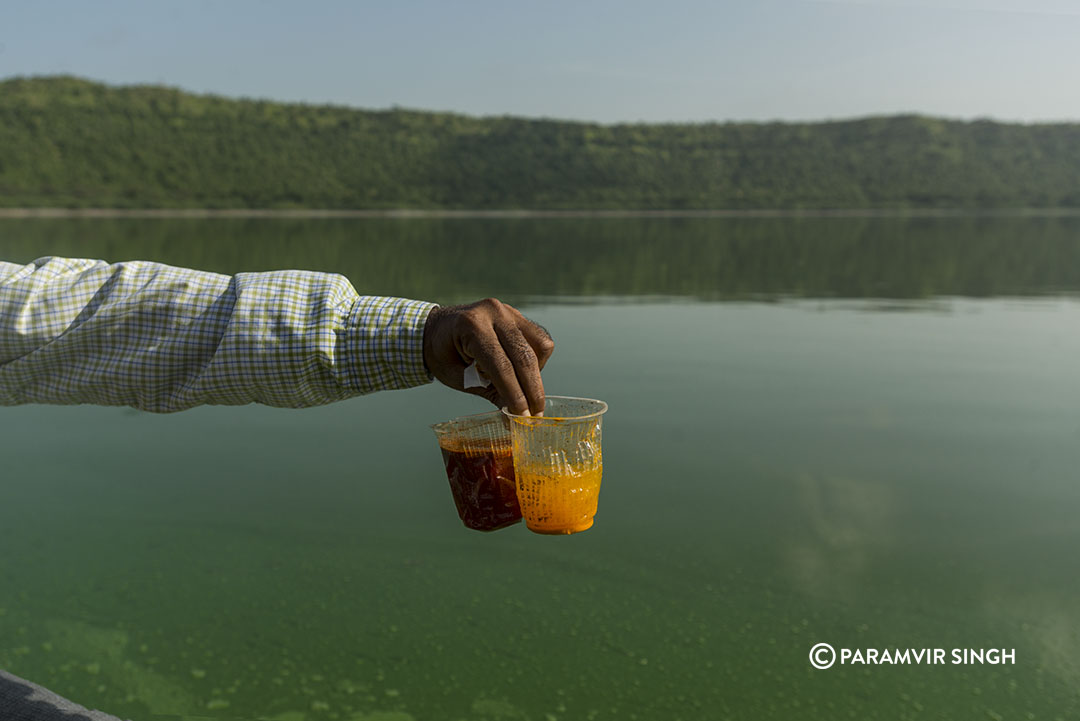
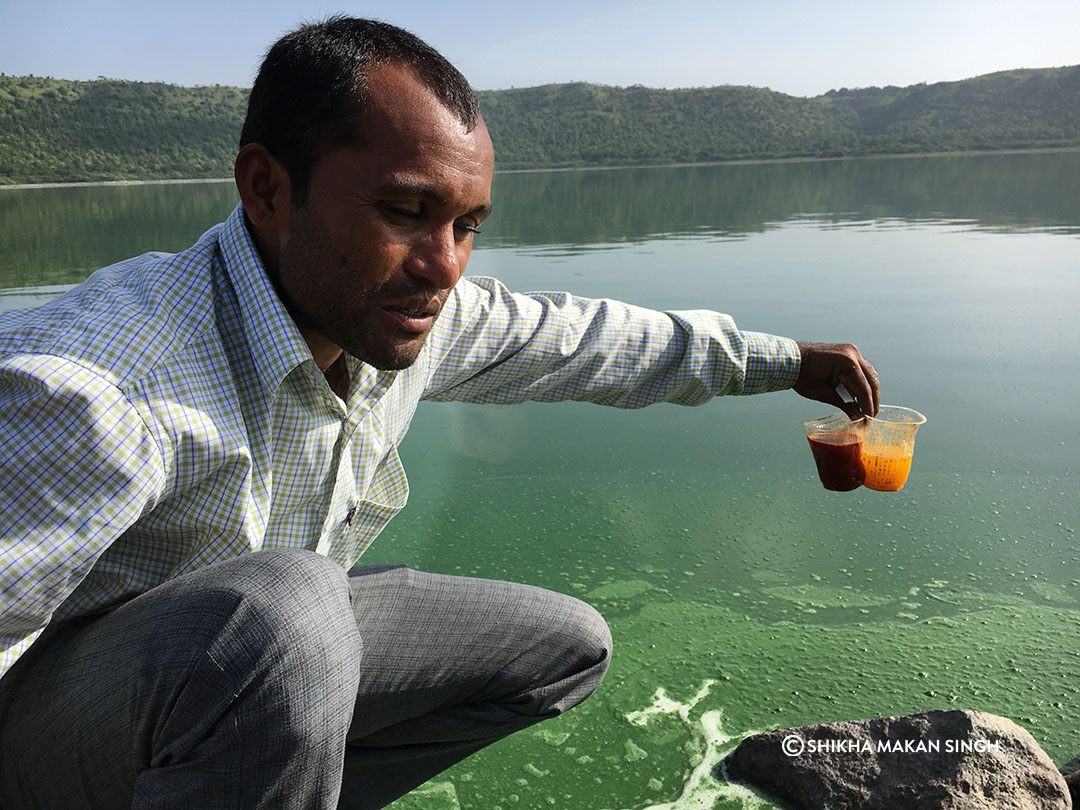


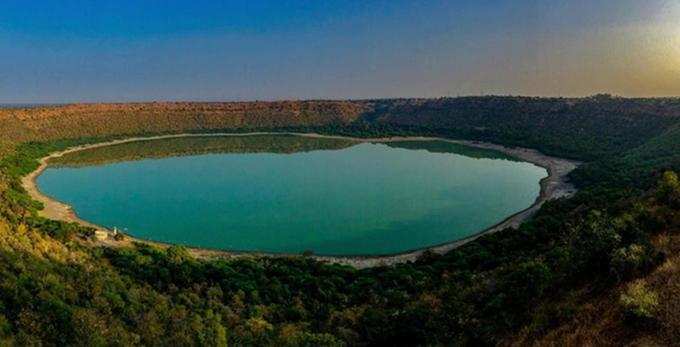
२००६ साली तलावाभोवती बरेच विचित्र दृश्य होते. तलावाचे पाणी अचानक बाष्पीभवन झाले. तलावातील पाण्याच्या बाष्पीभवनादरम्यान काही ग्रामीण भागातील लोकांना विविध प्रकारची खनिजे आणि मोठे चमकणारे स्फटिक दिसले असाही दावा केला जातो.
सरोवराच्या आग्नेय पूर्व भागात जी मोकळी जागा आहे तेथे ज्वारी, मका, भेंडी, केळी, पपई यांसारखी पिके घेतली जातात. शेती कसण्यासाठी जी खते वापरली जातात त्यांचे अंश सरोवरात उतरत आहेत, त्यामुळे सरोवराच्या गुणवत्तेला बाधा पोचते. सरोवरात आजुबाजूचे सांडपाणीही सोडले जाते! सरोवरात काही धार्मिक उत्सव साजरे केले जातात. त्यावेळी तेथे खाद्यपेयांची दुकाने लागतात. कपडे धुणे, आंघोळी करणे या विधींमुळे साबणातील रसायनेही पाणी प्रदूषित करत असते. सरोवराच्या पाण्याचे वैशिष्ट्य असे आहे, की ते एकाच वेळी सलाईन व अल्कलाईन आहे. पण बाहेरून येणाऱ्या पाण्यामुळे ते वैशिष्ट्य टिकून राहील का याबद्दल शंका वाटते.
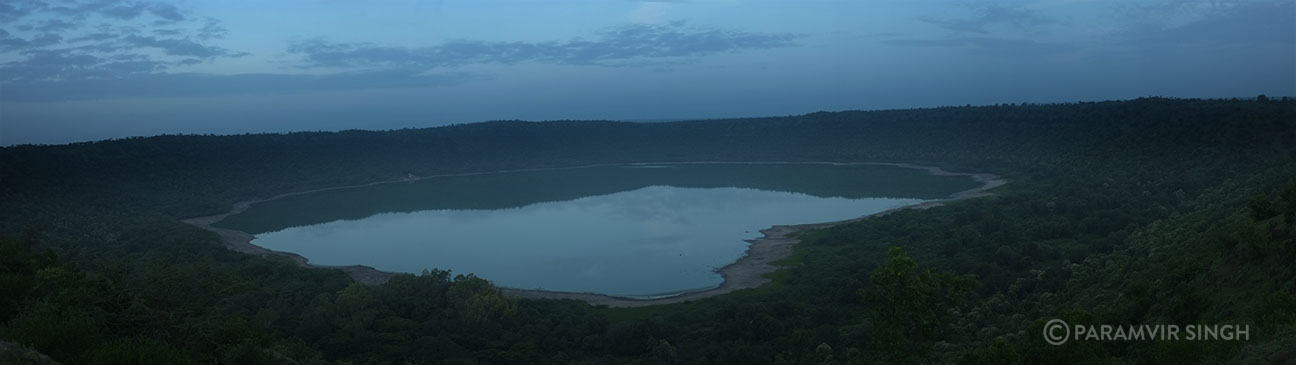
आता मात्र निसर्गाची लहर बदललयामुळे सरोवराच्या पाण्याची पातळी खुप वाढू लागली आहे.




 |
| Black winged stilt |

तलावावरून उडणारे विविध पक्षी मन वेधून टाकतात.
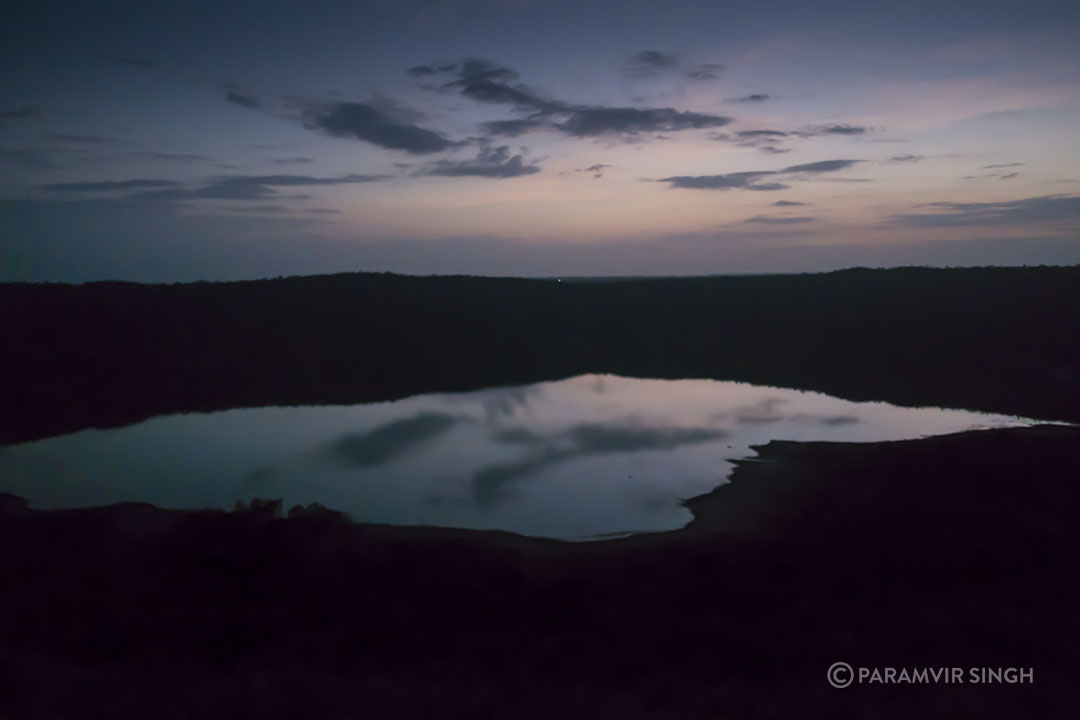
सरोवरचा रात्रीचा नजारा
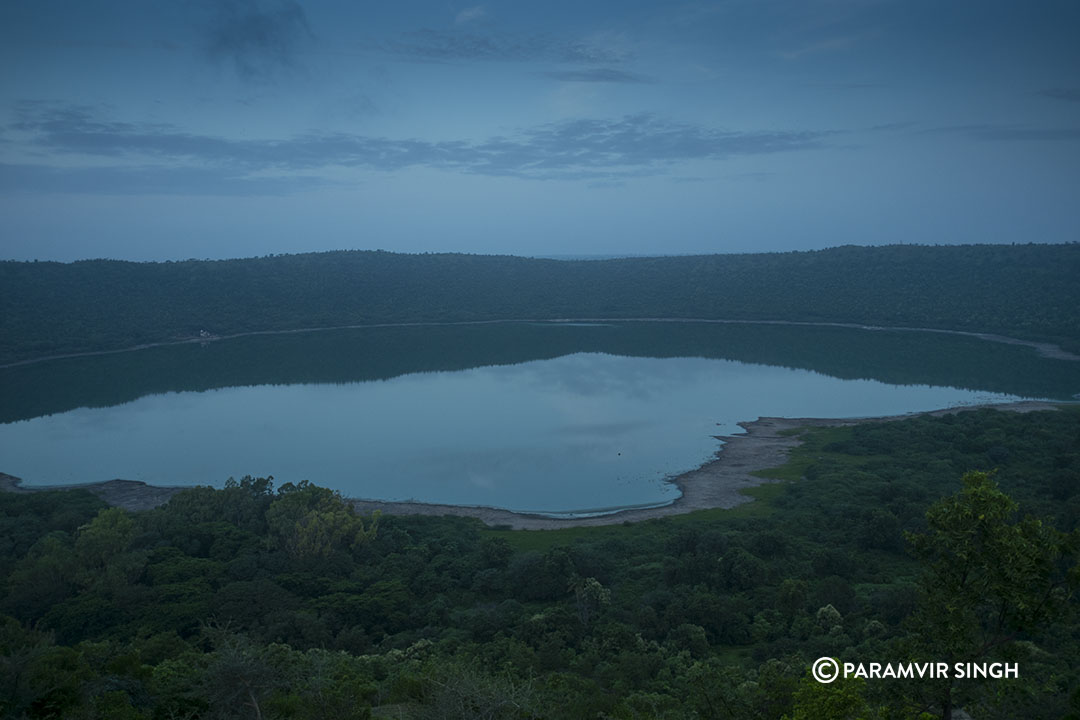
सरोवराचे पहाटेचे दर्शन
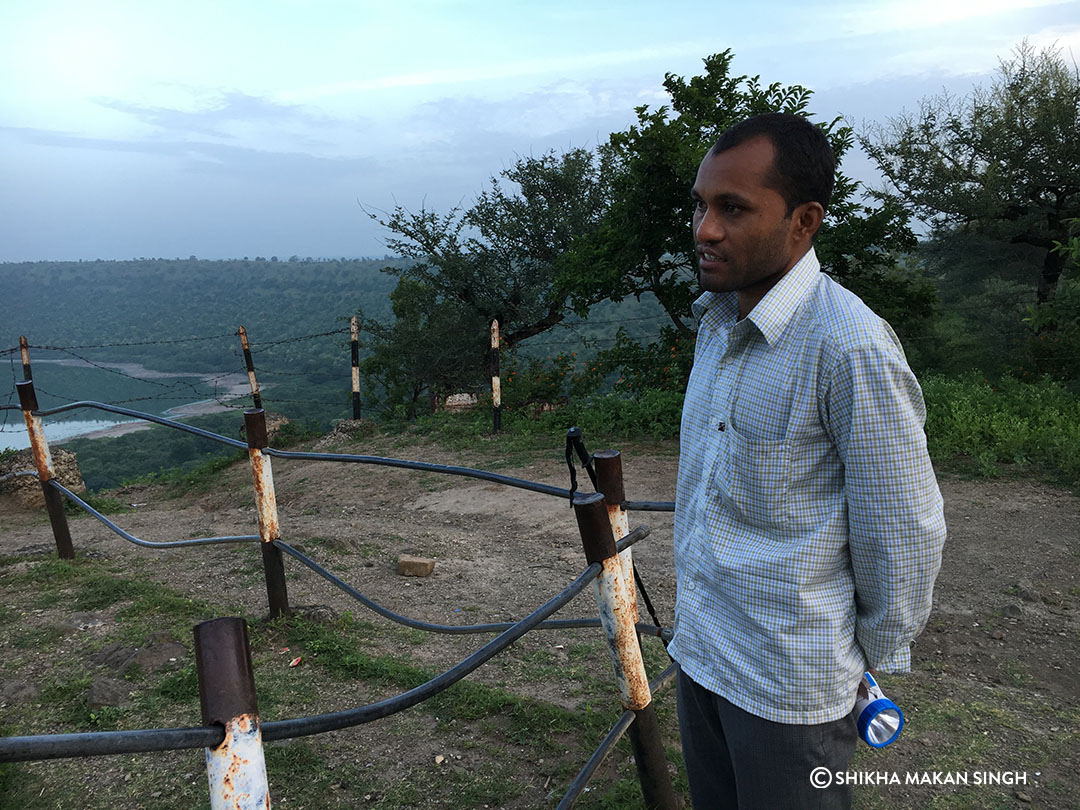
गाईड रमेश
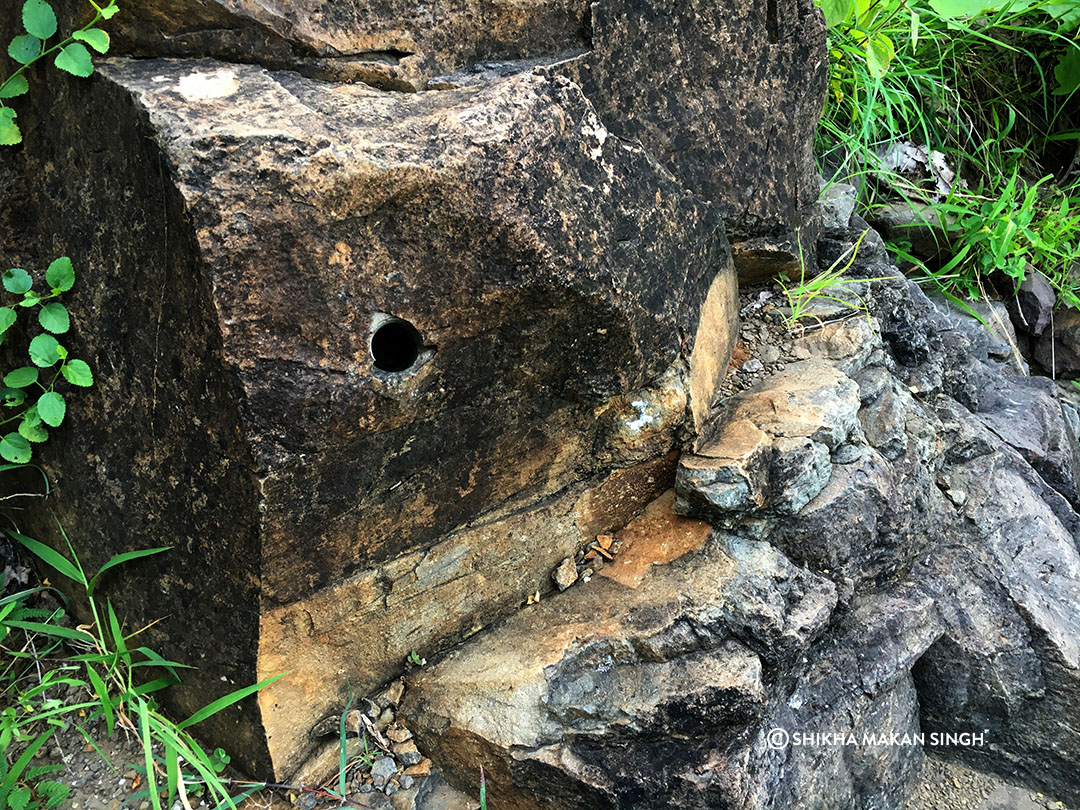
लोणार सरोवराचा अभ्यास करण्यासाठी जगभरच्या शास्त्रज्ञांनी दगडाला छिद्रे पाडून खडकाचे नमुने घेतले आहेत.
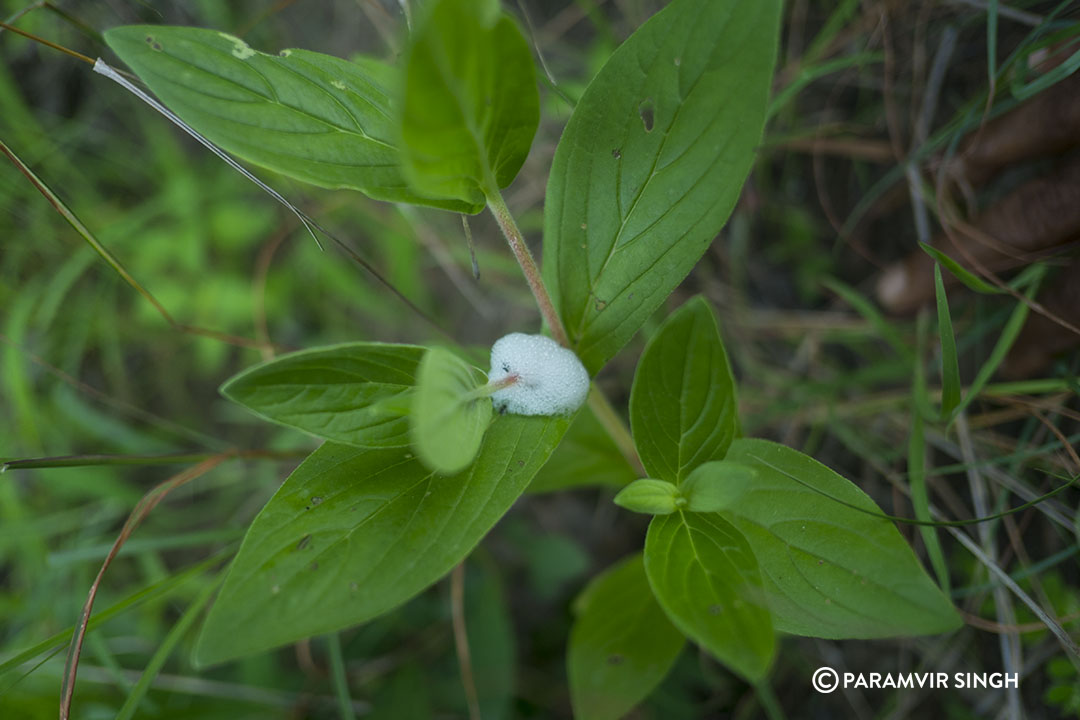
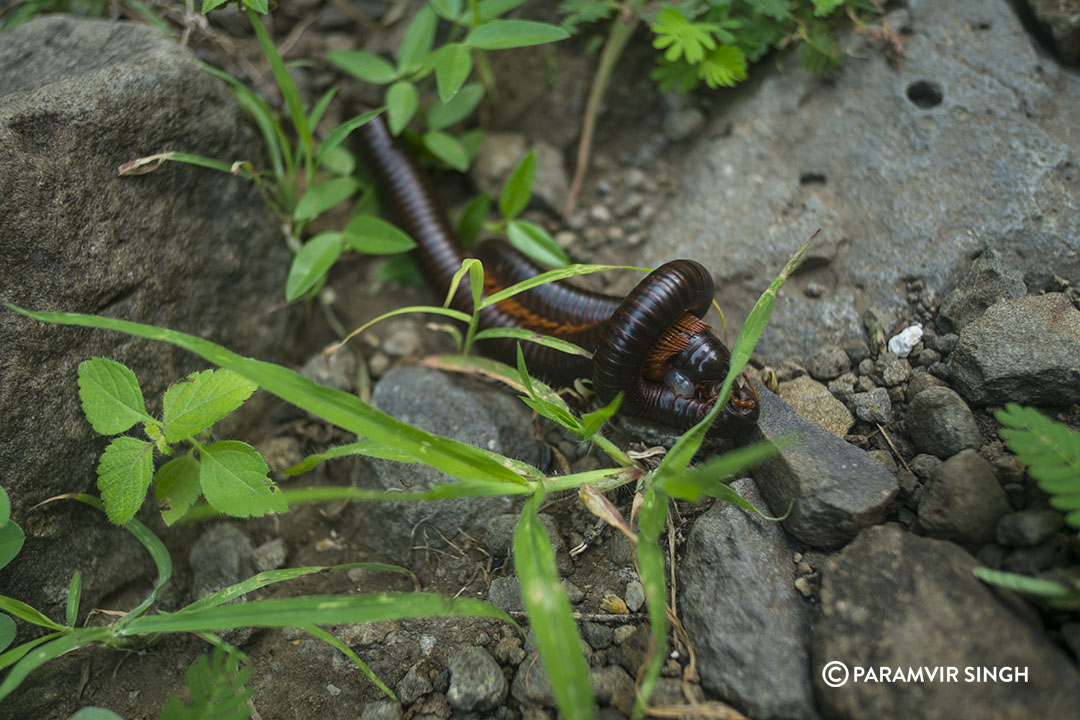
पैसा किडा
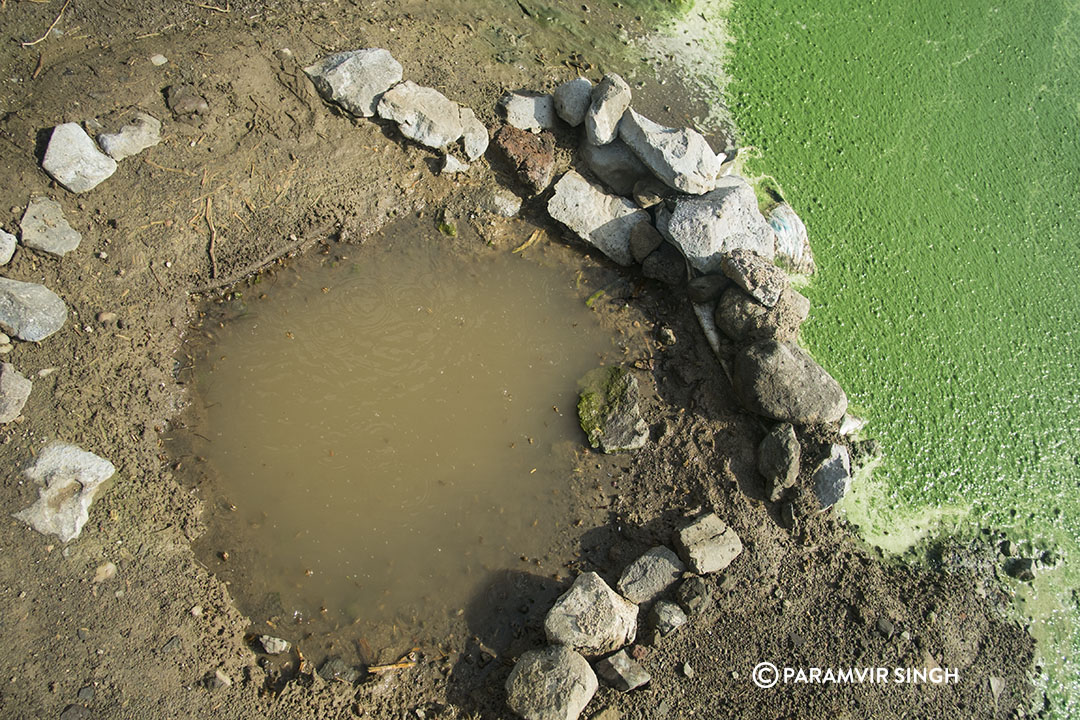
वन्यप्राण्यांसाठी वनविभागाने केलेले पाणवठे
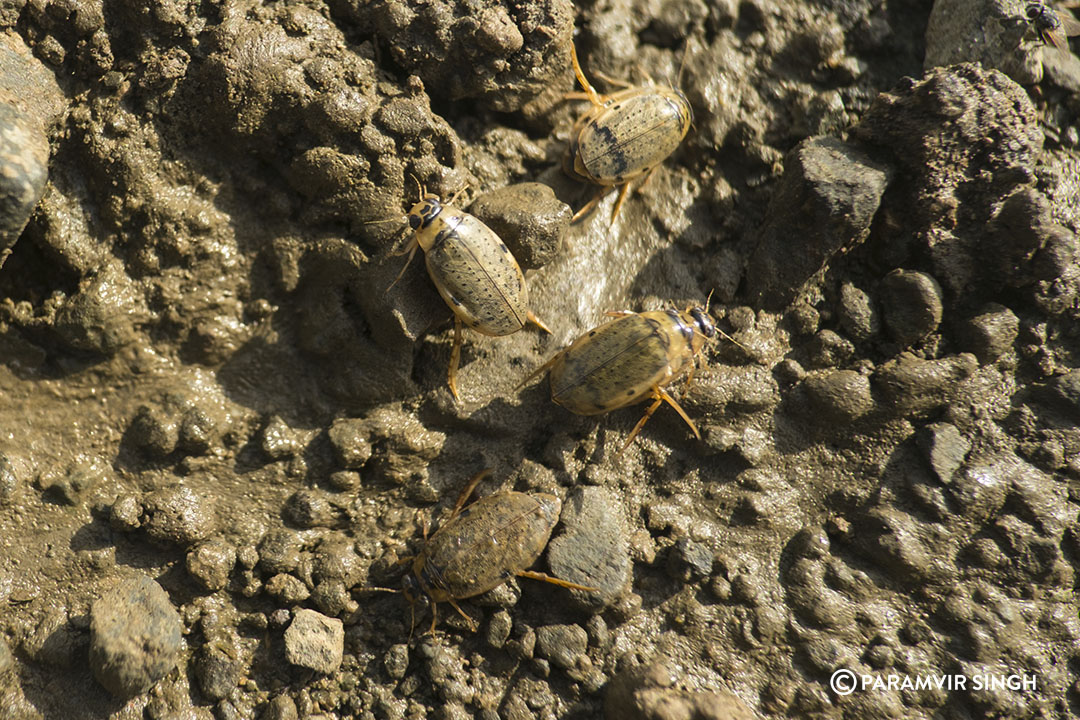
पाणकिडे
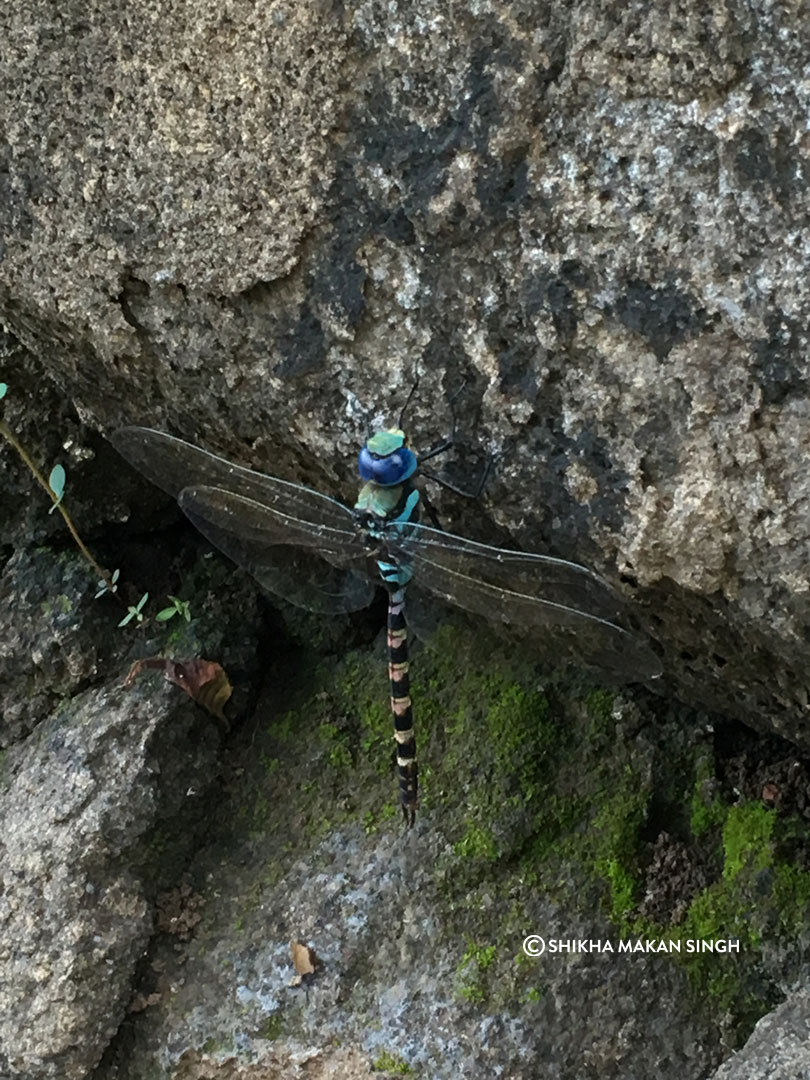


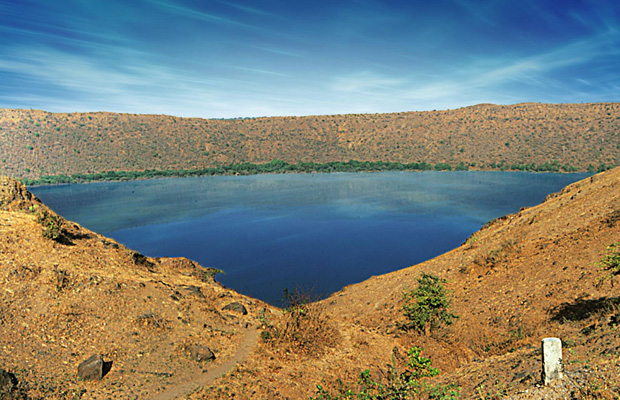
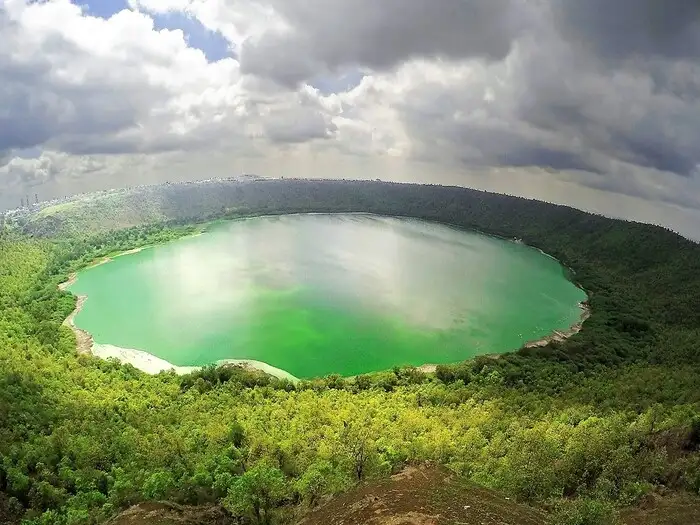
लोणारमध्ये मुक्कामाच्या उत्तम दर्जाच्या सोयी नाहीत. महाराष्ट्र पर्यटन विकास महामंडळ (MTDC) लोणारमध्ये एक विश्रामगृह आहे जे लोणार सरोवरला येणाऱ्या पर्यटकांसाठी निवास व्यवस्था करते. विवराच्या दक्षिणेकडील किनार्यावर विश्रामगृह उभारले आहे आणि येथून तलाव आणि आसपासच्या टेकड्यांचे विहंगम दृश्य बघायला मिळते.
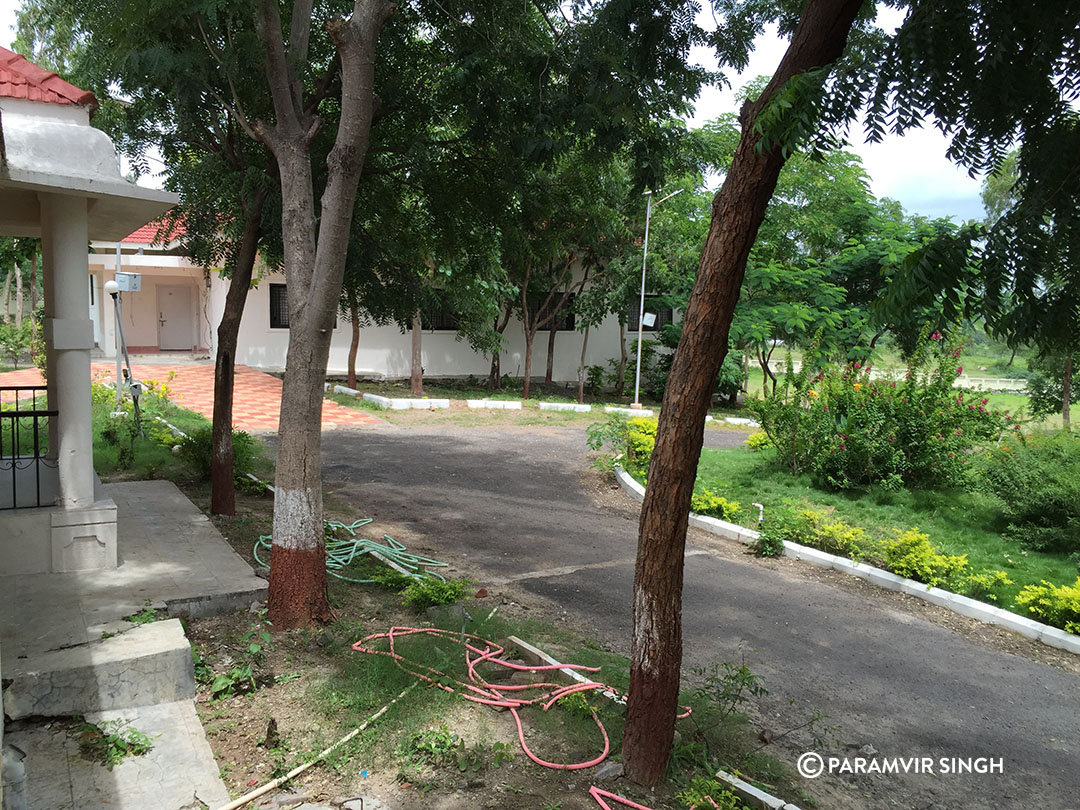

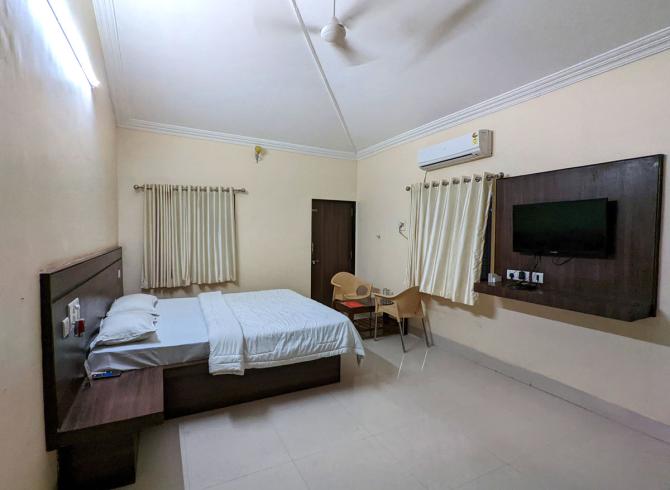
पोस्ट लोणार येथे,
जिल्हा बुलढाणा,
महाराष्ट्र - 443302
एमटीडीसी लोणार रेस्ट हाऊसमध्ये राहण्याचे शुल्क खोलीच्या प्रकारानुसार आणि हंगामानुसार बदलते.शुल्क खालीलप्रमाणे होते:
१) डिलक्स एसी रूम: रु. 3,000 प्रति रात्र
२) स्टँडर्ड एसी रूम: रु. 2,500 प्रति रात्र
३) नॉन-एसी रूम: रु. 1,600 प्रति रात्र
कृपया लक्षात घ्या की हे शुल्क शकते आणि सध्याच्या किंमती आणि उपलब्धतेसाठी थेट एमटीडीसी लोणार विश्रामगृहाशी आपण संपर्क साधू शकता
लोणार मधील रेस्टॉरंट
१) हॉटेल गुलमोहर
२) हॉटेल अथर्व
३) MTDC Cafeteria
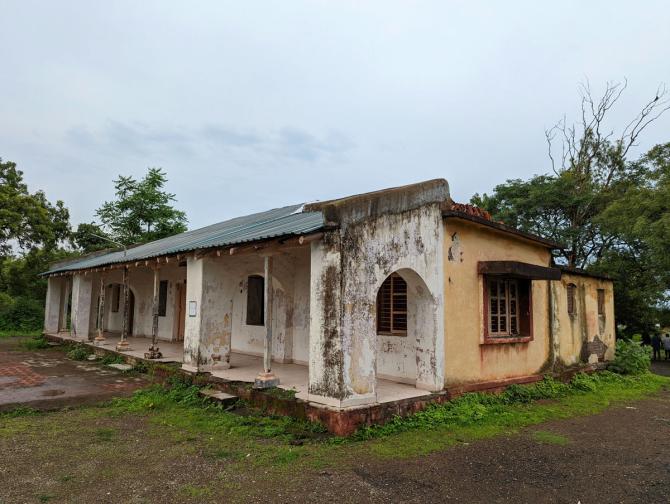
P.W.D. चे गेस्ट हाउस
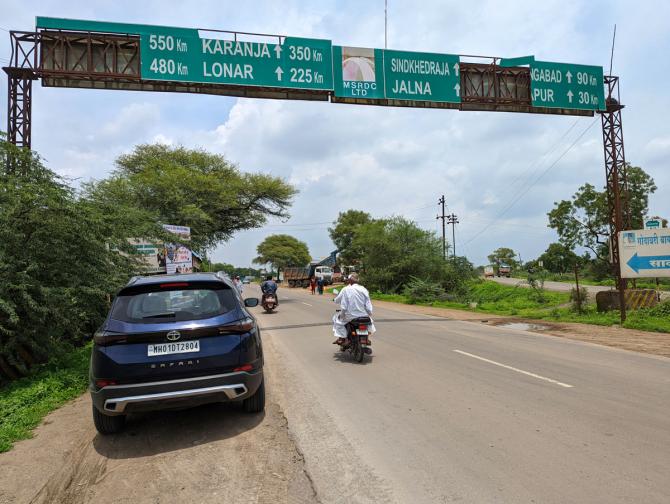
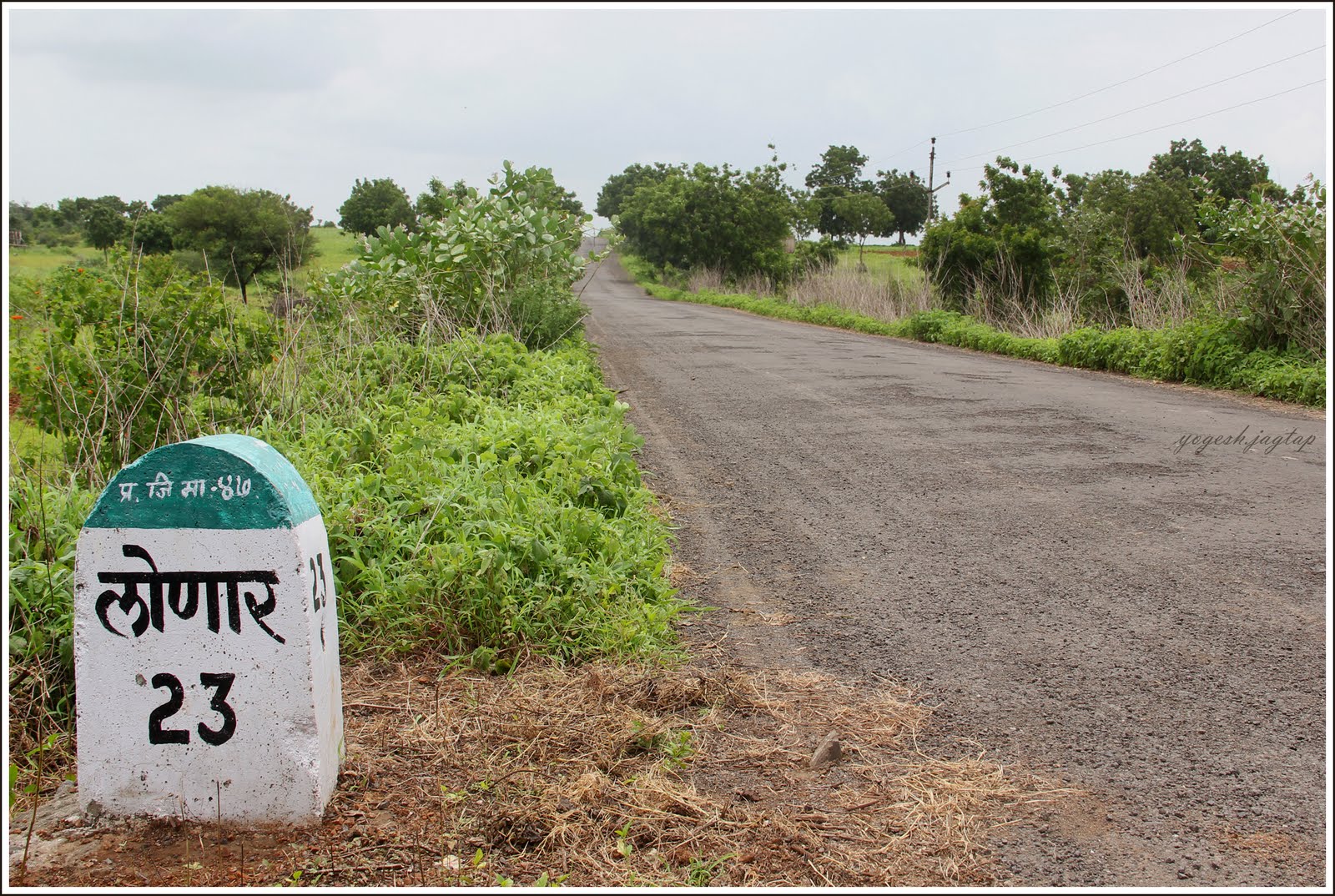
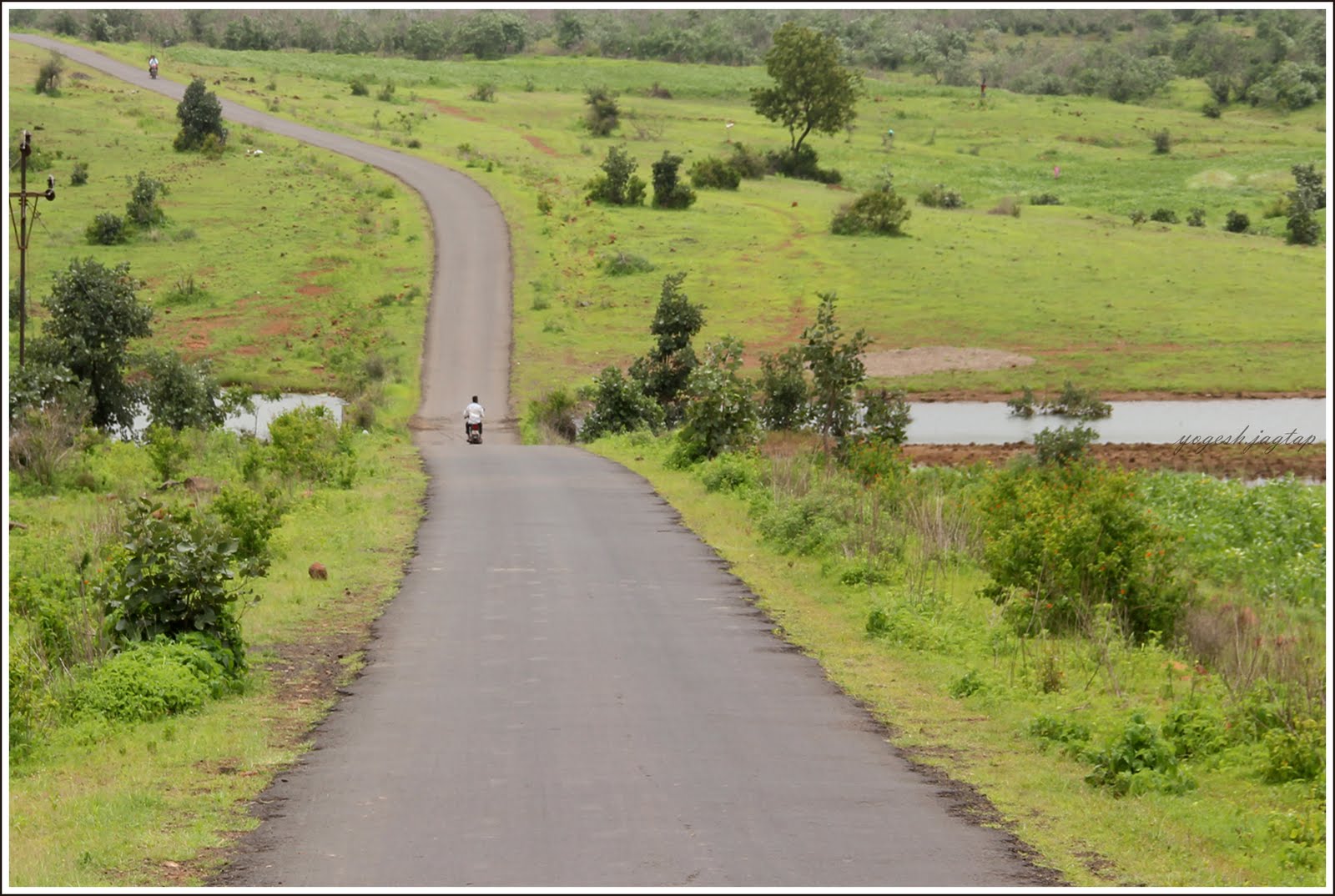
लोणार सरोवर ला कसे पोहचाल ? ( How to Reach In Lonar Sarovar)
रस्त्याने :-
रेल्वेने :-
लोणार सरोवरासाठी सर्वात जवळचे रेल्वे स्थानक जालना रेल्वे स्थानक आहे, जे तलावापासून अंदाजे ८० किलोमीटर अंतरावर आहे. याशिवाय लोणार सरोवर पाहण्यासाठी रेल्वेने जायचा दुसरा पर्याय म्हणजे तुम्ही मनमाड जंक्शन मार्गे मुंबई आणि छत्रपती संभाजीनगर दरम्यान २० हून अधिक रेल्वे आहेत. छत्रपती संभाजीनगरहून आपण लोणारला बसने जावू शकतो. छत्रपती संभाजीनगर रेल्वे स्थानकापासून बसस्थानक हे १ किलो मीटर अंतरावर आहे आणि तेथून लोणारला आपण बसने जावू शकतो आणि तेथून लोणारला बसने जाण्यासाठी ५ तास लागतात. इतर जवळच्या रेल्वे स्थानकांमध्ये अकोला रेल्वे स्थानक (अंदाजे १६० किलोमीटर दूर) यांचा समावेश होतो.
विमानाने :
लोणार सरोवर जवळील पर्यटन स्थळे (Tourist places near Lonar Sarovar)
लोणार सरोवर अनेक पर्यटन स्थळांनी वेढलेले आहे जे भेट देण्यासारखे आहे. जवळची काही पर्यटन स्थळे आहेत:
अजिंठा आणि एलोरा लेणी: ही युनेस्कोच्या जागतिक वारसा स्थळे लोणार सरोवरापासून सुमारे 200 किलोमीटर अंतरावर आहेत आणि त्यांच्या नेत्रदीपक रॉक-कट गुहा मंदिरांसाठी ओळखल्या जातात.
औरंगाबाद: लोणार सरोवरापासून सुमारे 150 किलोमीटर अंतरावर असलेले औरंगाबाद हे प्रसिद्ध बीबी का मकबरा यासह ऐतिहासिक वास्तू आणि प्राचीन वास्तुकलेसाठी प्रसिद्ध असलेले शहर आहे.
शेगाव: लोणार सरोवरापासून सुमारे ७० किलोमीटर अंतरावर असलेले शेगाव हे प्रसिद्ध गजानन महाराज मंदिरासाठी प्रसिद्ध असलेले पवित्र शहर आहे.
अमरावती: लोणार सरोवरापासून सुमारे ८० किलोमीटर अंतरावर असलेले अमरावती हे समृद्ध सांस्कृतिक वारसा, ऐतिहासिक वास्तू आणि वन्यजीव अभयारण्यांसाठी ओळखले जाणारे शहर आहे.
नरनाळा किल्ला: लोणार सरोवरापासून सुमारे 110 किलोमीटर अंतरावर असलेला नरनाळा किल्ला हा एक ऐतिहासिक किल्ला आहे जो त्याच्या अप्रतिम वास्तुकला आणि निसर्गसौंदर्यासाठी ओळखला जातो.
अकोला: लोणार सरोवरापासून सुमारे 100 किलोमीटर अंतरावर असलेले अकोला हे नरनाळा वन्यजीव अभयारण्य आणि राज राजेश्वर मंदिरासह ऐतिहासिक स्थळांसाठी ओळखले जाणारे शहर आहे.


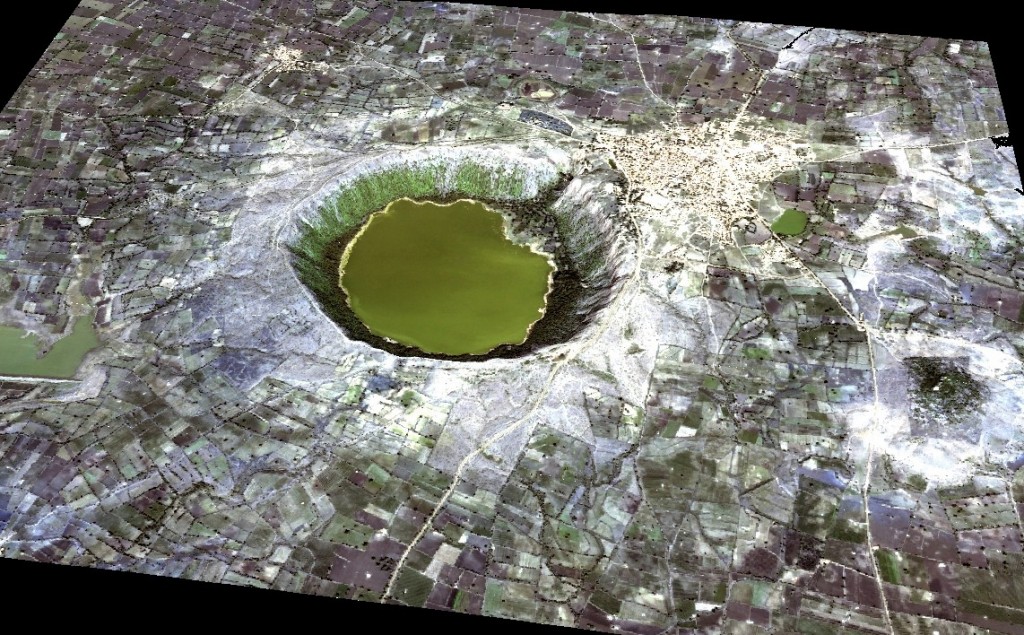


लोणारची ऐतिहासिकता :-
लोणार नगराचा पहिला संदर्भ ऋग्वेदामध्ये आला आहे. त्यातील मधुमता नावाचे नगर हे लोणार आहे. पुराणकथेनुसार कश्यप ऋषींना १३ बायका होत्या, त्यातील दिती नावाच्या बायकोपासून गयासूर, कोल्हासूर व लवणासूर नावाचे पुत्र झाले. तिघांनीही शिवाची तपश्चर्या केली. त्यामुळे शिव प्रसन्न झाले व त्यांना मरण अत्यंत अवघड परिस्थितीमध्ये मिळेल असा वर दिला. पण अमरत्व दिले नाही. वर मिळाल्यावर दैत्यांच्या क्रोध व क्रौर्य मुळे देवतांनी त्यांचा वध केला.! ब्राह्मदेवाने गयासूराचा वध केला ते स्थान बिहार येथिल ब्रह्मगया ठरले तर शंकराने कोल्हासूराचा वध केला ते कोल्हापूर किंवा रूद्रगया ठरले, आणि विष्णूने लवणासूराचा वध केला ते लोणार !
श्रीविष्णूच्या अंगठ्याला लागलेले रक्त धुन्या करिता गंगाभोगावती अवतरल्या व दगडावर बसून विष्णूने स्नान केले. पुढे याच भोगावती कुंडात श्रीरामाने सुद्धा स्नान केले. युधिष्ठीरानेही येथे पित्याचे श्राद्ध केल्याचे पुराण सांगते.
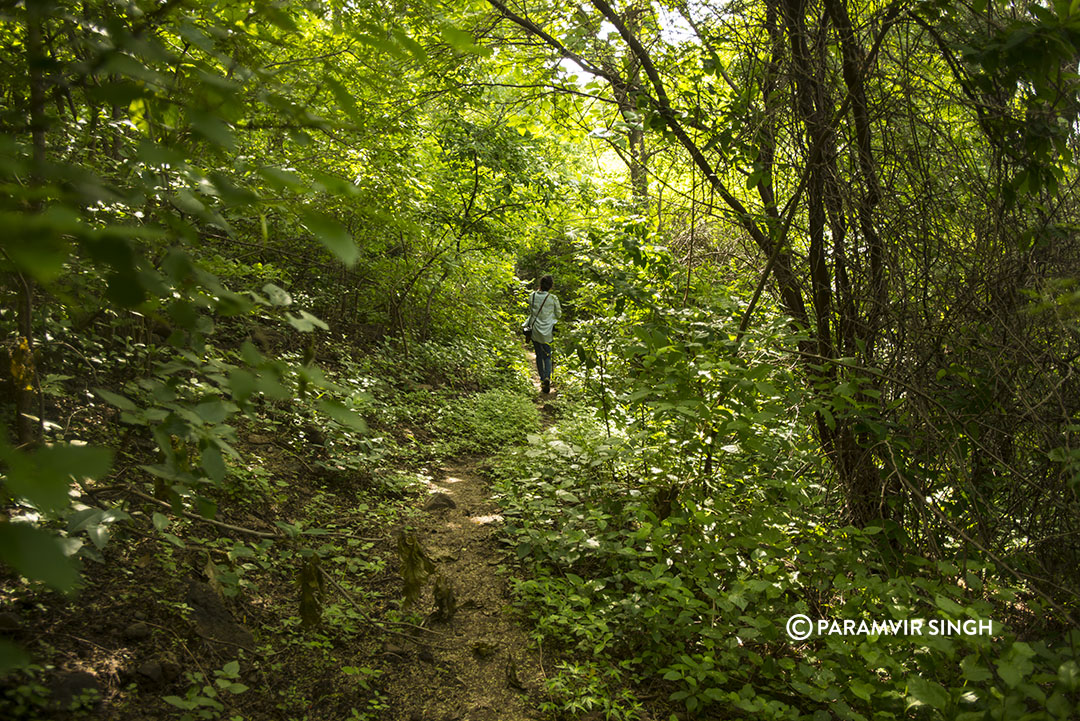
 गर्द झाडीतून सरोवराकडे जाणारा रस्ता
सरोवराच्या सभोवती नवव्या शतकात बांधलेली हेमाडपंथी शैलीतील छोटीमोठी अशी सुमारे पंधरा मंदिरे आहेत. बहुतांश मंदिरे जीर्ण, तर मूर्ती अर्धभग्न अवस्थेत आहेत. रामगया मंदिर, विष्णू मंदिर, शंकर गणपती मंदिर, वाघ महादेव मंदिर, अंबरखाना मंदिर, मुंगळ्या मंदिर, देशमुख मंदिर (वायुतीर्थ), चोपडा मंदिर (सोमतीर्थ), वेदभाभा मंदिर (यज्ञवेश्वर मंदिर), कुमारेश्वर मंदिर, वारदेश्वर मंदिर, हाकेश्वर मंदिर अशा मंदिरांचा त्यात समावेश आहे. शहर परिसरात दैत्यसुदन मंदिर, ब्रम्हा विष्णू महेश मंदिर, लिंबी बारव मंदिर व अन्नछत्र मंदिर हा पौराणिक मौल्यवान ठेवा आहे. ती मंदिरे म्हणजे पौराणिक व मध्ययुगीन शिल्पकलेचा सर्वोत्कृष्ट नमुना आहेत. पैकी गोमुख मंदिरात - महानुभाव पंथाचे चक्रधरस्वामी नित्य येत असत. अहिल्याबाई होळकर यांनी गोमुख मंदिराचा जीर्णोद्धार केला. दैत्यसुदन मंदिर तर खजुराहोच्या तोडीचे शिल्पाकृती असणारे मंदिर आहे. गोमुख व दैत्यसुदन ही दोन्ही मंदिरे पुरातत्त्व खात्याने नीट जपली आहेत. तेथे धार्मिक लोकांचा राबता असतो. मोठा मारोती मंदिर कानेटकर कुटुंबीयांनी सांभाळले असून तेथे चुंबकीय दगडापासून बनलेली झोपलेल्या मारुतीची दहा फुटी मूर्ती आहे. लक्षणीय गोष्ट म्हणजे ती मूर्ती चुंबकीय तत्त्वावर असून तरंगती आहे. जमिनीला वा भिंतींना ती जोडलेली वा टेकलेली नाही. ते मंदिर मात्र लोकांना फारसे माहीत नाही..भूगर्भशास्त्रज्ञ, वन्यजीव अभ्यासक; तसेच, पर्यटकांच्या दृष्टीने ते अप्रतिम ठिकाण आहे.
सम्राट अशोकाच्या काळात लोणार होते. उत्तरेकडून दक्षिणेकडे जाण्यास हे महत्त्वाचे स्थळ होते. गुप्त काळात येथे वाकाटक यांचे राज्य होते. सातवाहनाच्या काळातसुद्धा लोणारला महत्त्व होते. राष्ट्रकुट यांच्या काळात लोणारला सीतान्हाणी समोरचे कुमारेश्वर मंदिर तयार झाले. चालुक्य व होयसाळ यांचे हे शेवटचे ठाणे होते. राजा विक्रमादित्य यांनी ११व्या शतकात प्रसिद्ध दैत्यसुदन मंदिर बांधले. होयसाळ राजांनी पापहारेश्वर मंदिर बांधले. त्याच काळात जैन राजांनी येथे उत्तम जैन मंदिर बांधले. यादवांच्या काळात तलावातील शिव मंदिरे बांधली गेली आहेत. देवीचे मंदिर चालुक्यकालीन आहे. १८५३ पासून लोणार हे ब्रिटिशांच्या ताब्यात आले. कर्नल मॅकेन्झी यांच्या मते लोणाराला ३२ मंदिरे, १७ स्मारके, १३ कुंड व पाच शिलालेख आहेत. त्यापैकी २७ मंदिरे, तीन स्मारके व सात कुंड आणि तीन शिलालेख तलावाच्या आत व बाह्यकडावर आहेत. पाच मंदिरे, १४ स्मारके व सहा कुंड विवराच्या बाहेर आहेत.
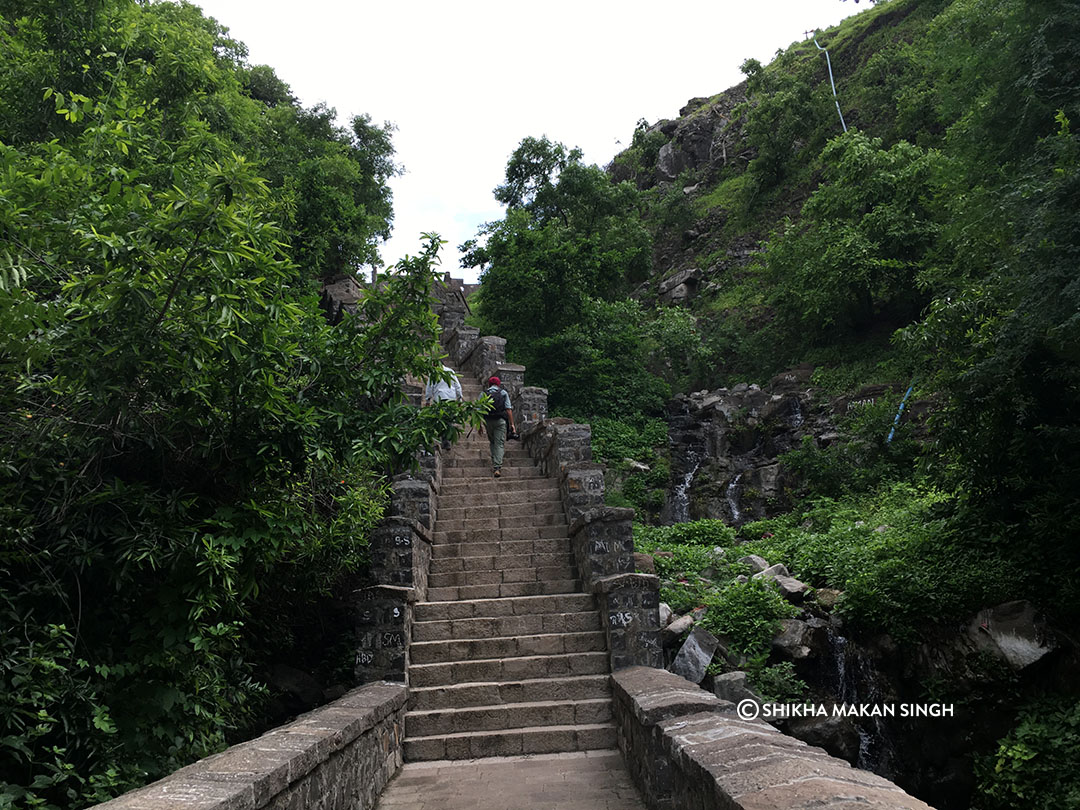
थोडे पुढे गेले की वनविभागाचे ऑफिस लागते तिथे त्या ऑफिसर ला 30₹ ची फीस देऊन समोर एन्ट्री मिळते. तिथून समोर गेले की परत एक यज्ञवालकेश्वर शिव मंदिराचे आपल्याला दर्शन होते. मग तिथून पुढे सुरू होते जंगल. त्या जंगलातून पायवाटेने जातांना घनदाट झाडी ,पक्ष्यांची किलबिलाट ऐकून मन प्रसन्न होते. या रस्त्याला खूप मोठमोठे झाडे आणि वन्य प्राण्यांना पाणी पिण्यासाठी छोट छोटे तळे बनवले आहेत.., थोडे समोर गेले की तिथे तुम्हाला एक बोर्ड दिसतो त्यावर लिहले आहे कमळजा माता मंदिराकडे जाण्याचा मार्ग आणि उजवीकडे बाण दाखविलेला आहे तर आपल्याला तिथून उजवीकडे न जाता डावीकडे जायचे आहे.
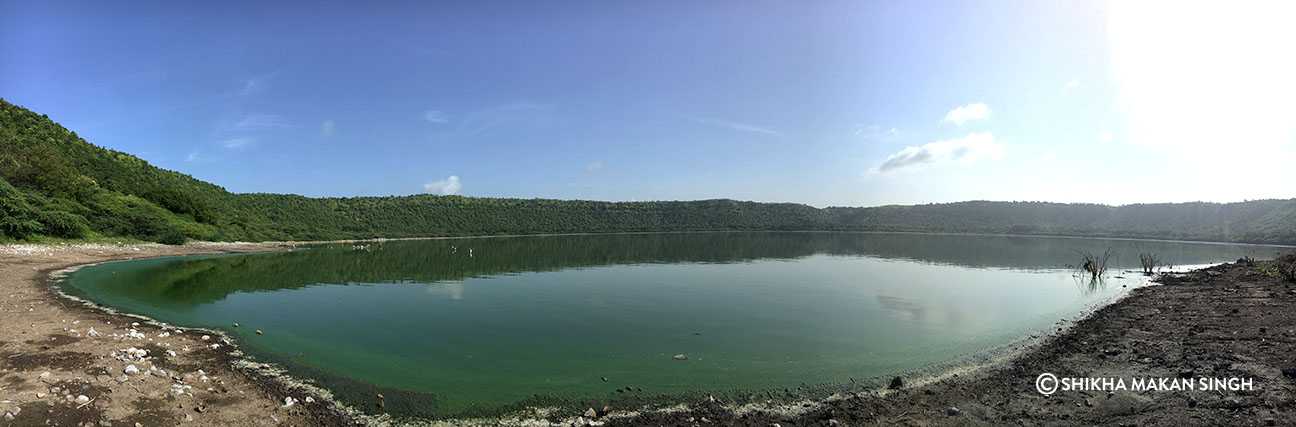
सरोवराच्या तळाशी
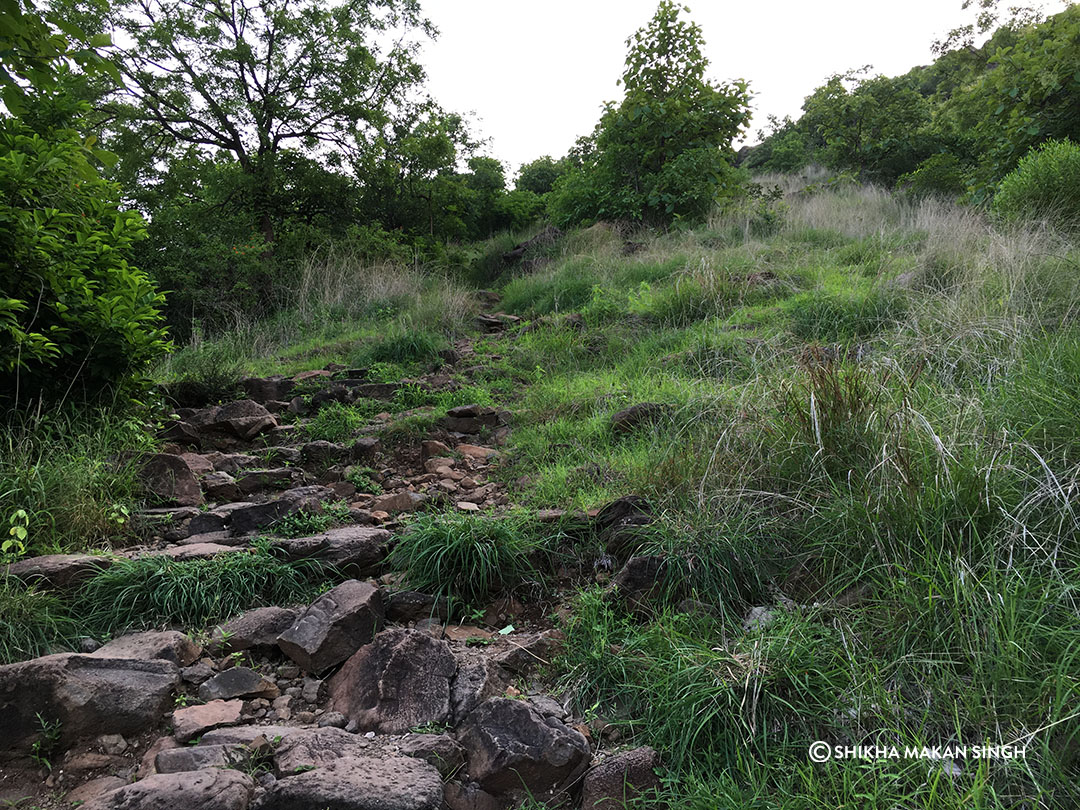
खाली उतरुन आल्यावर
सरोवराच्या पृष्ठभागावरून वाहणाऱ्या खर्या वार्यात मिसळलेल्या सडक्या अंड्यासारख्या हायड्रोजन सल्फाईड (H2S) वायूच्या वासात आपण विवरामध्ये सरोवराची प्रदक्षिणा सुरू करतो. संपूर्ण प्रदक्षिणेत जर सोबत प्रशिक्षीत गाईड असेल तर विवाराच्या परिसरात उच्च तीव्रतेच्या शॉक वेव्हमुळे खनिज संरचनेमध्ये झालेले बदल, त्यांचे स्फटिकीकरण; खडकातले चुंबकीय गुणधर्म; मॅग्नेटाईट या खनिजावर उपजीविका करणारे व चुंबकीय गुणधर्म दर्शवणारे मॅग्नेटोसोम जिवाणू; जास्त प्रथिने असणारे स्पिरुलिना जातीचे शेवाळे; क्षारयुक्त अल्कली गुणधर्माचे पाणी, पाण्यावर तरंगणारे प्युमिस दगड याची वैज्ञानिक माहिती काही प्रात्यक्षिकांसोबत मिळु शकते
शंकर गणेश मंदिर-

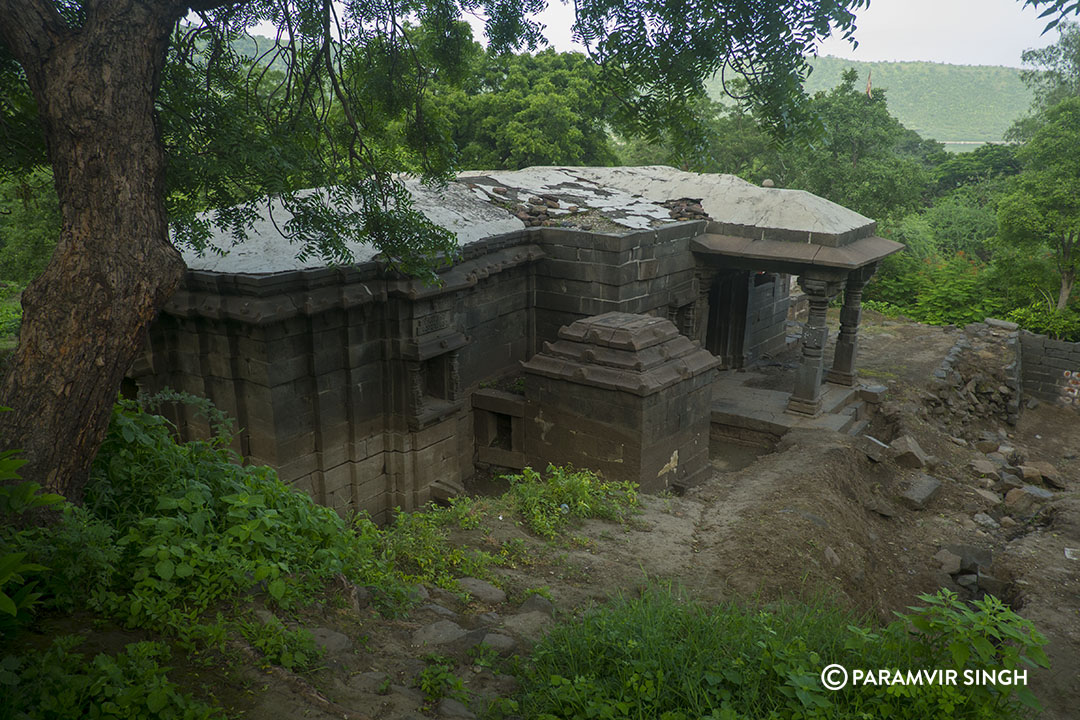
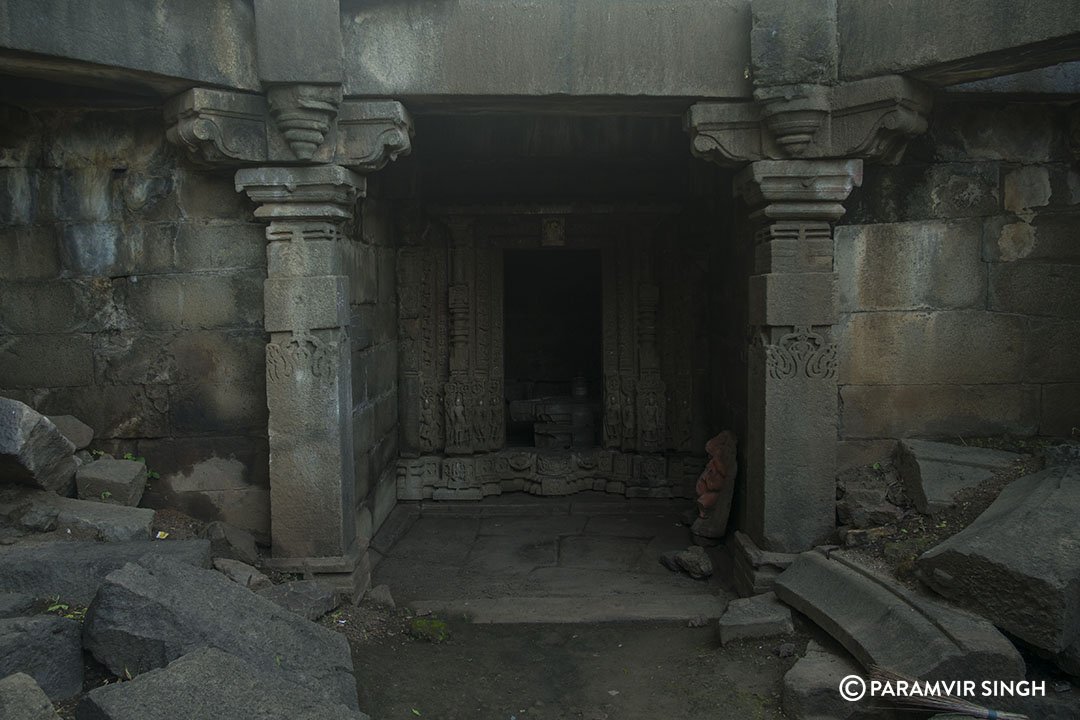


या
मंदीरामध्ये चौकोनी आकाराची तीन थर असलेली महादेवाची पिंड आहे. जशी पिंड
रामेश्वरम ला आहे तशीच पिंड इथे या मंदीरामध्ये स्थापन केलेली आहे. हे मंदीर नवव्या शतकातील चालुक्यकालीन असावे.
राम गया मंदिर :-

रामगया मंदीराचे ब्रिटीशकालीन प्रकाशचित्र


हे मंदिर उंचभागावर तिन्ही बाजूने सज्जा असणारे आहे. त्यांच्या गर्भगॄहावर वीरासन मधील हनुमान आहे.
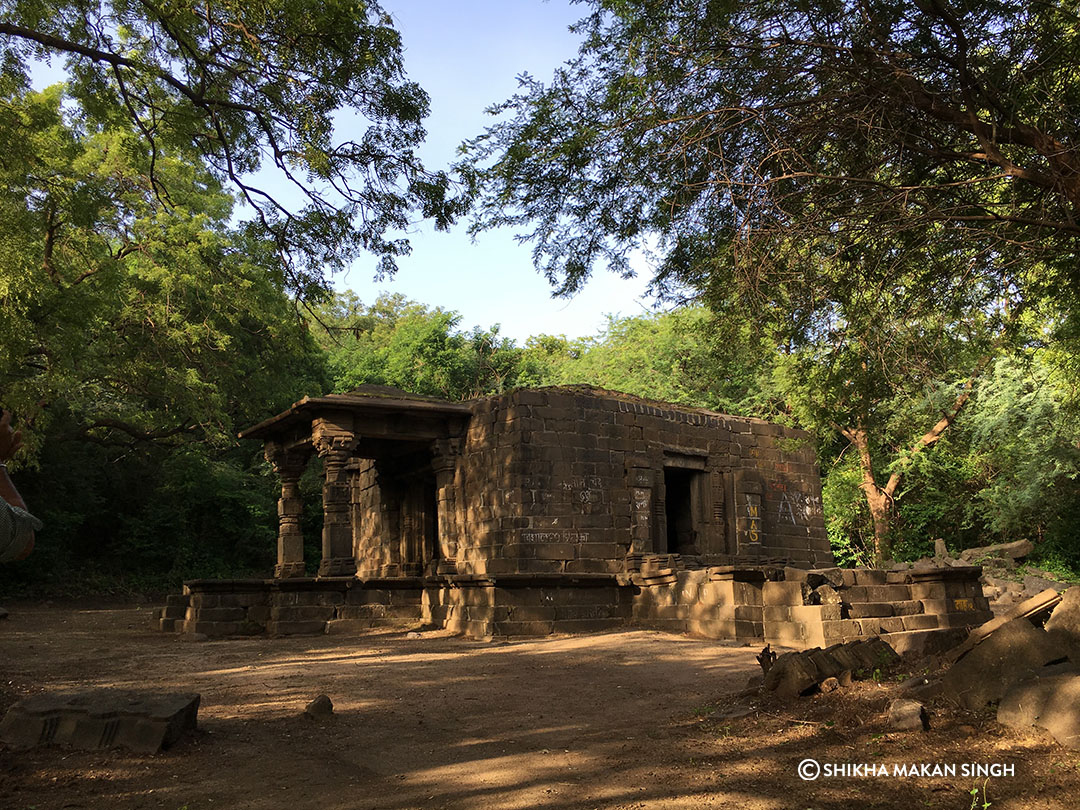

आणि याच मंदिरासमोर पश्चिम मुखी श्री रामाचे मंदिर आहे.
या मंदिराचे नाव आहे रामगया मंदिर.
सुरवातीच्या तीन पायऱ्या चडून नंतर प्रवेशद्वार लागते.खूप सुंदर अशे नक्षीकाम या संपूर्ण मंदिरावर कोरले आहेत.
या
मंदिरामध्ये एकूण 12 स्तंभ आहेत. 4 स्तंभ उत्तर दिशेला असलेल्या
प्रवेशद्वार ला, 4 स्तंभ दक्षिण दिशेला, आणि प्रवेशद्वारातून आत प्रेवेश
करताच सभामंडपाच्या मध्यभागी चार स्तंभ आहेत. एकंदरीत स्थापत्यावरुन हे मंदीर नवव्या शतकातील चालुक्यकालीन असावे.
आणि त्यासमोर परत एक प्रवेशद्वार आहे आणि त्या मध्ये श्री रामाची सुंदर अशी मूर्ती आहे.
मोडतोड आणि अत्यंत दुर्लक्षित झालेलं हे मंदिर अजूनही त्याच्या पुराणकालीन वैभवशाली श्रीमंतीची साक्ष देत उभे आहे.वैशिष्ट्य पूर्ण बांधणीमुळे हे मंदिर आकर्षक दिसते. या मंदिराचे वैशिष्ट्य म्हणजे या मंदिरात फक्त श्री रामाची मूर्ती आहे. सोबतीला लक्ष्मण आणि सीता मातेची मूर्ती इथे नाही. सहसा आपण बघतो की श्री रामाच्या एका बाजूला बंधू लक्ष्मण आणि दुसऱ्या बाजूला पत्नी सीता माता उभे असतात . पण या रामगया मंदिरामध्ये असे नाही. पण या मंदिरात एक अचंबित करणारी गोष्ट अशी या ठिकाणी तुम्ही गाभाऱ्यात मूर्तीच्या समोर उभे राहून हात जोडून नमस्कार करायला उभे राहिलात की तुम्हाला श्रीरामांच्या मूर्तीच्या एका बाजुला लक्ष्मण आणि दुसऱ्या बाजूला सीता मातेचे दर्शन होते...हे खूपच आश्चर्यकारक आहे... त्यामागे एक खास कारण आहे...या मंदिरात सभामंडपात दगडी सुबक नक्षीकाम केलेले बारा खांब आहेत, जे एका विशिष्ट रचनेत मंदिरात बसवले गेले आहेत...चार मोठे खांब सभामंडपात मध्यभागी आणि चार छोटे खांब उजव्या बाजूला आणि चार डाव्या बाजूला...हे खांब अशा रितीने बसवले गेले आहेत की ज्यावेळी आपण मूर्ती समोर हात जोडून उभे असतो त्यावेळी प्रकाशाची किरणे विशिष्ट कोनातून परावर्तित होईन आपली स्वतःची सावली श्रीरामाच्या मूर्तीच्या बाजूला अशा प्रकारे पडते की आपल्याला त्या मूर्तीच्या एका बाजूला सीतामाता आणि दुसऱ्या बाजूला लक्ष्मण उभे आहेत हा भास निर्माण होतो..जरा विचार करा त्यावेळी आजच्या सारखे कॅलक्युलेटर , संगणक, दुर्बीण, होकायंत्र असे कोणतेही अद्ययावत साधन सामुग्री उपलब्ध नसताना हे त्यांनी कसे निर्माण केले असेल?...अहो एक दोन सेंटीमीटर जरी खांबांची लांबी, रुंदी, ठेवण बदलली तरी ही विस्मयकारी गोष्ट साकारणे केवळ अशक्य आहे...यावरून त्याकाळी विज्ञान किती प्रचंड ताकदीचे होते याची प्रचिती येते. एवढंच नाही तर या मूर्तीच्या समोर उभे राहून तुम्ही आपले दोन्ही हात डोक्यावर सरळ उभे नेऊन डावीकडे उजवीकडे बाय बाय केल्यासारखे हलवले तर श्रीरामांच्या मस्तकाच्या वर मागच्या भिंतीवर या आपल्या हातांच्या सात सात सावल्या पंखा घालत असल्यासारख्या हलताना दिसतात.असे अजूनही खास वैशिष्ट्य या मंदिरात आढळले...यावरून जरा विचार करा की आपले पूर्वज किती विद्वान आणि प्रचंड कलात्मक होते...त्यावेळेसची पाषाण शिल्पकला किती अफाट होती... आपण कल्पनाही करू शकत नाही इतकं हे भव्यदिव्य आहे, याच्या पुढे आहे
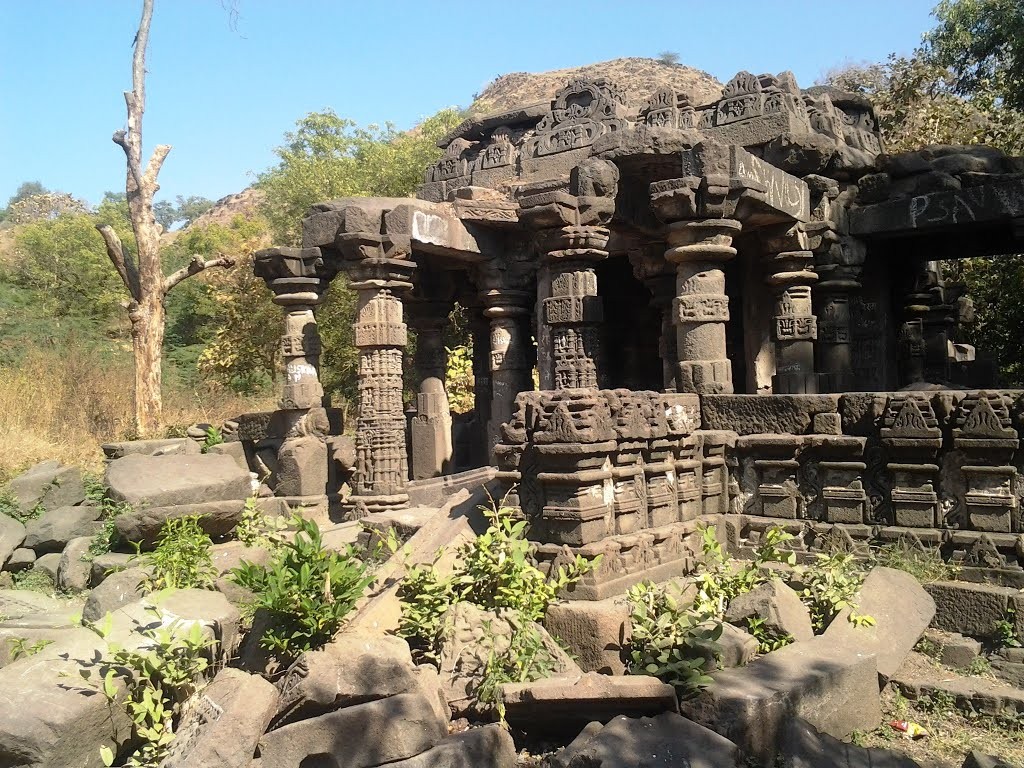


 |
| याज्ञवल्केश्वर मंदिर |


सीता न्हाणी व कुमारेश्वर मंदिर :-


विष्णू मंदिर :
हे मंदिर तलावाकडे नर्सरीतून जाताना डाव्या हाताने आहे. या मंदिरातल्या प्रत्येक स्तंभावर सुंदर शिल्प आहेत. या मंदिराच्या गाभाऱ्यात मूर्ती नाही, पण मंदिरातल्या स्तंभावर गणपती, कृष्ण-अर्जुन व अनेक सुंदर शिल्प आहे. पण हे मंदिर पाण्याजवळ असल्यामुळे शिल्प झिजत आहेत. कमळजा देवीकडे जातांना पुढे लागते वाघ महादेव मंदिर
मोर महादेव मंदिर :-

 |
| मोर महादेव |
वाघ महादेव मंदिर :-


धार मंदिर समूह, लोणार, बुलढाणा –
लोणार सरोवराचे सौन्दर्य जिच्यामुळे आबादित आहे अशी ही गंगा भोगावती ( धार ) तीर्थ किंवा अखंड वाहणारी कपीला संगम तीर्थ, धारेचा ऊल्लेख “स्कंदपुराण”, “विदर्भाचा इतिहास” यामध्ये ही येतो.
छत्रपती शिवाजी राजांच्या राज्याभिषेक प्रसंगी लोणारच्या कपिलातिर्थाचे / धाराचे पाणी छत्रपतींच्या अभिषेकासाठी लोणार वरून नेण्यात आले होते. हा आमच्या लोणारच्या इतिहासात कोरलेला सुवर्णक्षण / अभिमाना चा क्षण आहे..
देवगिरी चे राजे क्रुष्णदेव व महानुभावाचे संत ‘चक्रधर स्वामी’ यांची प्रथम भेट येथे झाली याची नोंद ‘लीळाचरित्र’ मध्ये येते..
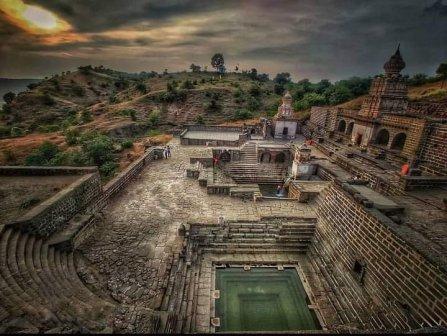
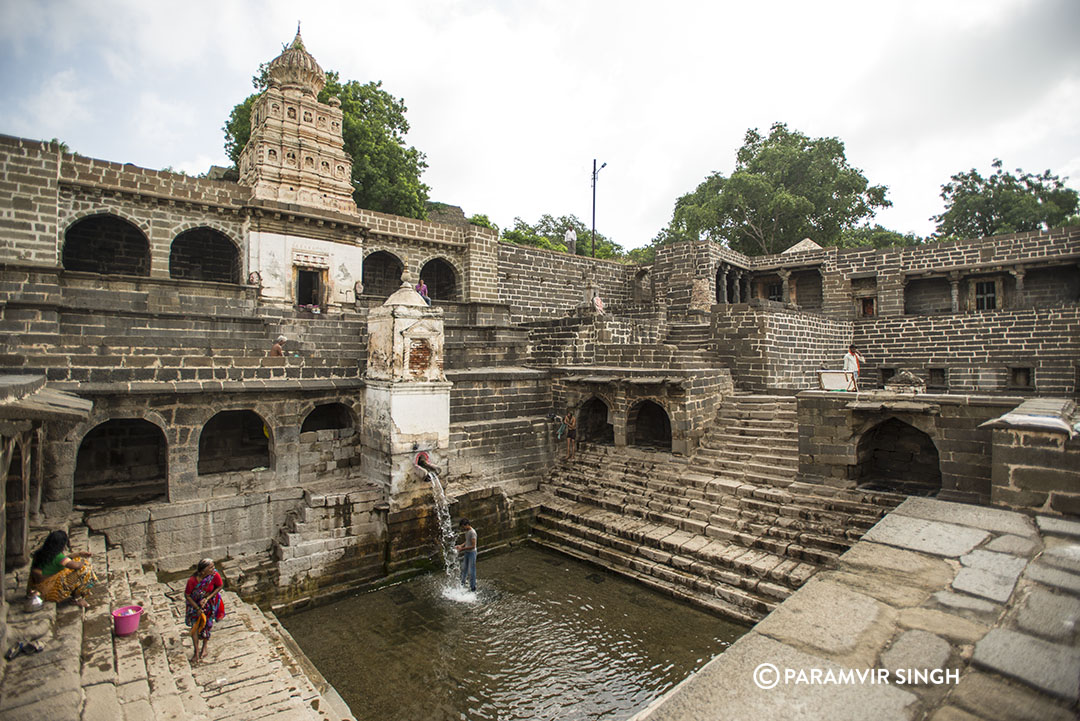


धारेसामोरील वडाच्या झाडाखालील जागा महानुभाव पंथीयांच्या चक्रधर स्वामींच्या वास्तव्याने पुनीत झालेली असल्याचे सांगण्यान येते. देवगिरीचे सम्राट कृष्णदेवराय यांचे गर्वहरण केल्याची कथा देखील लीळा चरित्रात दिलेली आहे.
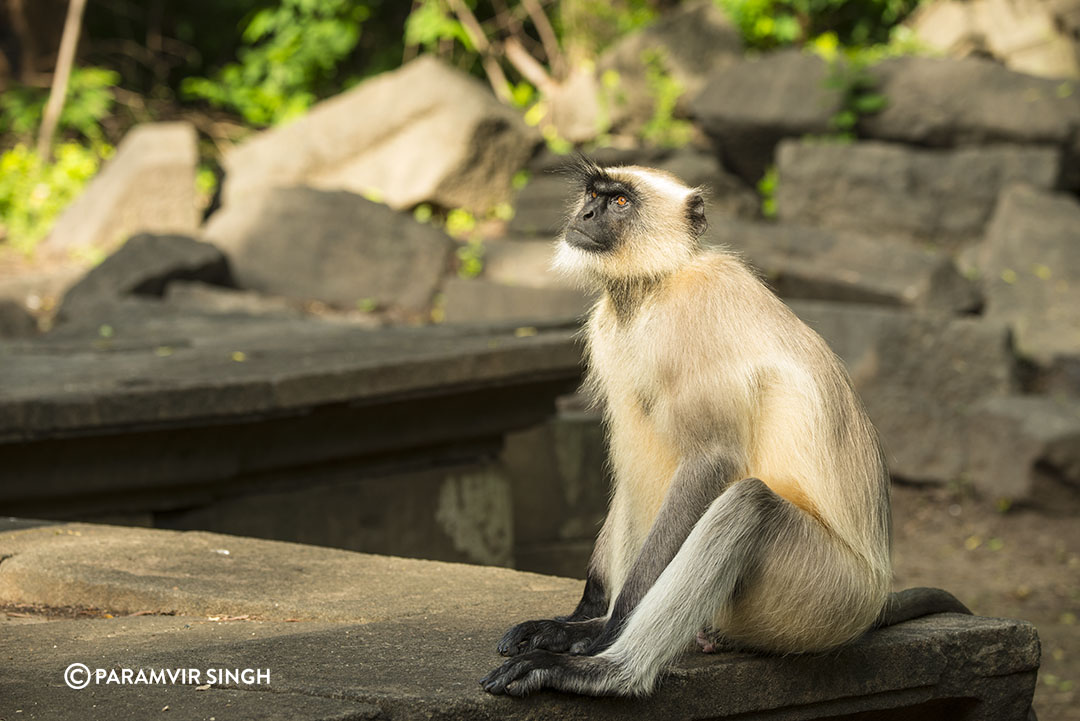
सम्राट कृष्णदेवरायाने ओतलेल्या संपत्तीकडे ढुंकूनही न पहाता चक्रधरस्वामी मठात निघून गेले. या महापुरुषाचा हा निस्वार्थी पणा पाहून सम्राटाला आपली चूक उमगली आणि ते चक्रधर स्वामींना शरण गेले अशी ती कथा आहे. धार मंदिर समूहात शिव, विष्णू, गणपती, जगदंबा अशी काही मंदिर आहेत.या मंदिराच्या आजूबाजूच्या परिसरामध्ये आपल्याला साप, मुंगुस, हरीण आणि कोळे या सारखे प्राणी दिसतात.
धारेच्या जवळील देवीच्या मंदिरात राम-लक्ष्मण सुग्रीवाच्या सेनापतीशी चर्चा करतात, बालीला राम बाण मारत आहेत, कॄष्ण यशोदेस लोणी मागत आहे, शिव-पार्वती, वटसावित्री अशी सुंदर शिल्प आहेत. धारेच्या वर बालविष्णूचे मंदिर आहे. याचा जीर्णोद्धार नागपूरकर भोसल्यांनी केला. वैज्ञानिक दॄष्ट्या ही धार भूगर्भातून १८ किमी अंतरावरून येते. जवळच पापहरेश्वर व हटकेश्वर ही मंदिरं आहेत.


मंदिर समोर गोड्यापाण्यची एक विहिर आहे. तिला योनी कुंड, सौभाग्यतिर्थ किंवा सासू- सूनेची विहिर म्हणतात ते खऱ्या व गोड्या पाण्यावरून. मंदिराच्या आवारात चुंबकसूई दिशाहिन होऊन जाते. देवीची मूर्ती बहूतकरून माहूरच्या देवीसारखा आहे. पुराणात देवीचा उल्लेख पद्मावती देवी असा आहे. त्यानुसार लवणासूराचा वध करण्यासाठी विष्णुसह देवीही आली होती.



.jpg)
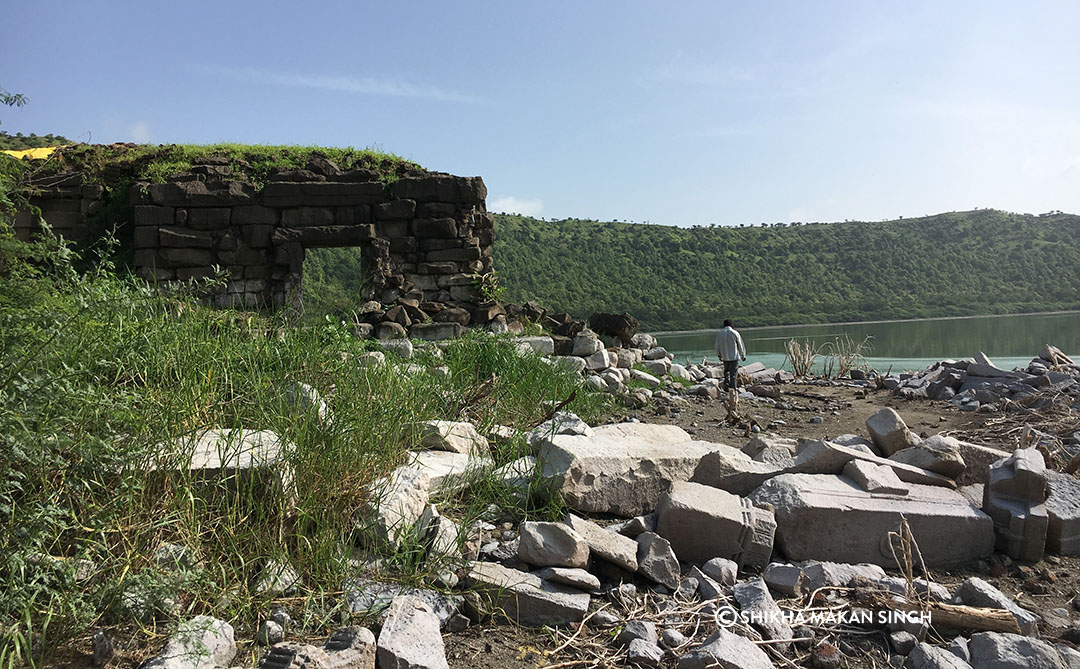
या सरोवरातील पाण्याची पातळी कमी झाली कि या सरोवरात असलेल्या सासूसुनेच्या विहिर दिसू लागते. सन १९९८ पर्यंत हि विहीर सहजपणे नजरेस पडत होती.मात्र पाण्याची पातळी वाढल्यानंतर हि विहीर पाण्यात लुप्त झाली. पुढे २०१७ मध्ये पाण्याची पातळी कमी झाल्याने विहीर तब्बल १९ वर्षांनी उघडी पडली. सरोवरात असलेल्या कमळजा माता मंदीरासमोर असल्यामुळे या विहीरीला 'योनी कुंड ( सौभाग्य तिर्थ') असे म्हणतात. या विहिरीतील देवीच्या मंदिराकडील विहिरीचे पाणी गोड आहे तर त्याच्या विरुध्द्व दिशेचे पाणी खारट आहे. म्हणूनच या विहिरीला जलतिर्थ व मोक्ष तीर्थ असेही म्हटले जाते. जलतीर्थ, स्थलतीर्थ, धर्मतीर्थ, अर्थतीर्थ, कामतीर्थ, मोक्षतीर्थ असे तिर्थाचे विविध प्रकार आहेत. जलतिर्थामुळे शारीरिक शुद्धी होऊन मन प्रसन्न होते अशी धारणा आहे. जलतीर्थ व मोक्षतीर्थ असे दुहेरी सासुसुनेचे पौराणिक तथा धार्मिक महत्त्व आहे.
या सरोवराची सुंदरता , तेथील विहिरी , औषधी वनस्पती या साऱ्या मुळे जगभरातील पर्यटक येथे आल्याशिवाय रहात नाहीत. मात्र सासु-सुनेची विहीरच का म्हणतात??याचे समाधानकारक ऊत्तर नाही किंवा यामागे या भागात सांगितली जाणारी कोणतीहि आख्यायिका नाही आहे.कोणी बांधली याचाही पुरावा किंवा नोंद नाही.
पुर्वी माळी समाजाची भरपूर शेती तलावाच्या परीसरात होती विशेषतः केळीच्या बागा /मळे होते.तेव्हा कोणी त्यांनी बांधली असेल असा ही तपशील आढळत नाही आताची हयात असलेली वयस्कर मंडळी सांगतात की कमळजा देवीच्या मंदिरासोबतच ही विहीर भाविकांच्या सोयीसाठी बांधलेली असावी.
कमळजा देवीच्या जुन्या मंदिराचा जिर्णोद्धार व सभामंडप बांधकाम देवगिरीचे राजे कान्हेरदेव लोणारला शके ११६३ ला केल्याचे महानुभाव संताच्या पोथीत ऊल्लेख येतो.विहीरीचे स्थापत्य (विटाचे आकार ) मिळते जुळते आहे.
मंदिरकडील भाग गोड्या पाण्याचा व सरोवरांकडील भागात खारट पाणी असे सांगत आले आहेत जुनी मंडळी ! पण कै.या.मा काळे (लेखक- वर्हाडाचा ईतिहास )यांनी समाधान कारक लिहिले आहे ते म्हणतात,विदर्भात दहीहांडा पासून ते अकोल्यापर्यत जमीनीच्या पोटात हा खार्या पाण्याचा मोठा पट्टा असावा असा तज्ञ लोंकाचा कयास आहे.(याला आताची काही नवीन संशोधन ही सरोवराच्या बाबतीत दुजोरा देतात ) आता ही सरोवरांच्या काठात जमिनीत थोड ही खणले तर गोड पाणी झिरपायला लागते म्हणजेच सासु- सुनेची ७०-८० फुट असलेल्या या विहीरीच्या वरच्या भागात गोड पाण्याचे झरे आहेत पण पाणी जसे जसे खोल(आटत) जाईल तसे तेव्हा तळाशी खारपाण पट्ट्या मुळे पाणी खारे लागेल. या मुळेच मिठ वगैरे तयार करण्याचे उद्योग धंदाच्या नोंद या भागात (बुलढाणा जिल्ह्यात) आढळते पण या सर्व प्रक्रिया इ.स.१८७० च्या सुमारास इंग्रज सरकारने बंद केल्या होत्या.सन २००१ साली उन्हाळ्यात लोणार सरोवर आटले होते, तेव्हा गोडे पाणी काढण्यासाठी ही विहीर खणली गेली.
या विहिरीचा ऊपयोग तर भाविक भक्तांच्या पिण्याच्या पाण्यासाठी नक्कीच असावा पण जुन्या काळात बुलढाणा जिल्ह्यातील ‘आडविहीर’ येथे विहीरीच्या पाण्यापासून मिठ तयार करीत असत …ती मजेशीर पध्दत काळे लिहतात की, सदरहू विहीर खणण्याची रित अशी होती की एका ठरावीक खोलीपर्यंत विहीर खणित गेले म्हणजे नेहमीच्या अनुभवावरून आता पाणी जवळ आहे असे खणणारे लोक ओळखित व कामबंद करून एक दोन खणणारे पाळण्यात बसून खणित व पाणी जवळ आले असे पाहताच एक जोराचा शेवटचा घाव घालीत व वरच्या लोकास ईशारा करीत त्याच क्षणी वरील लोक त्यांना वर ओढून घेत.ईकडे विहीरीत पाणी एकदम ऊसळून क्षणात सर्व विहीर भरून जाई.सदरहू पाणी वर काढून खाचामध्ये सोडीत व ऊन्हाने सुकवून त्याचे मीठ करीत.


अंबरखाना मंदिर-
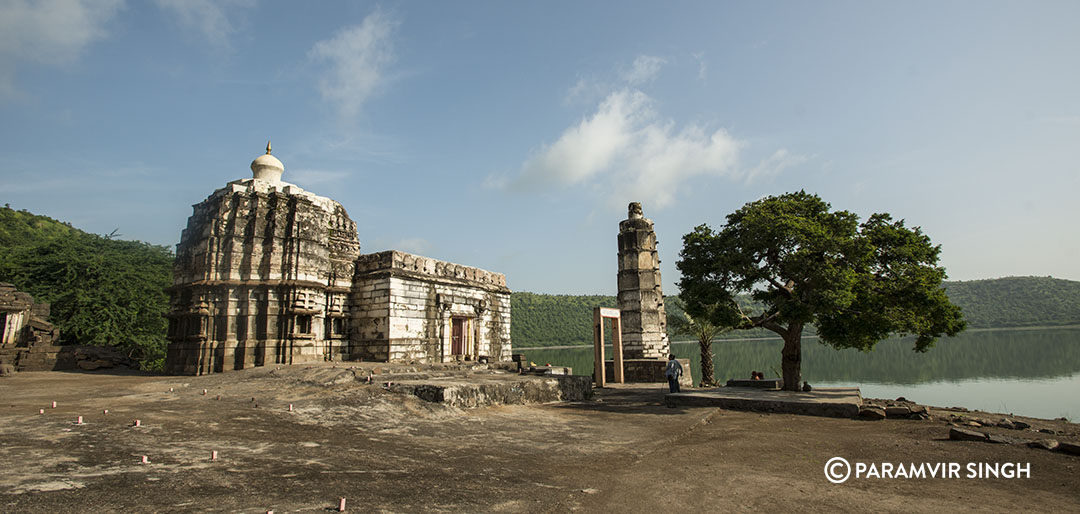
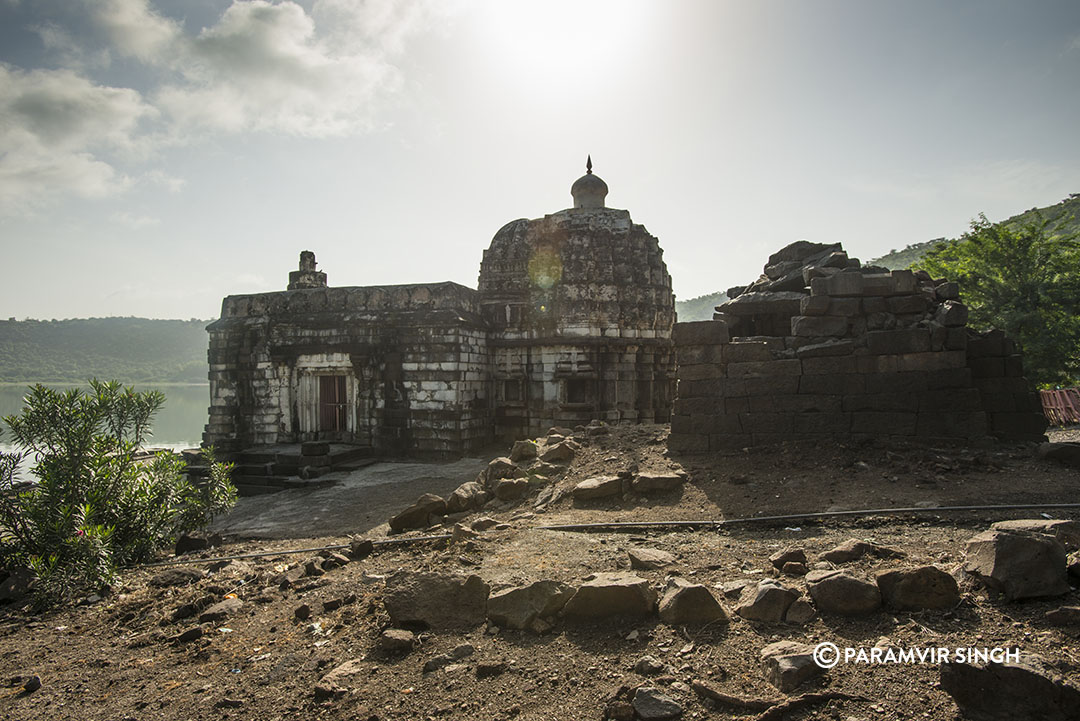
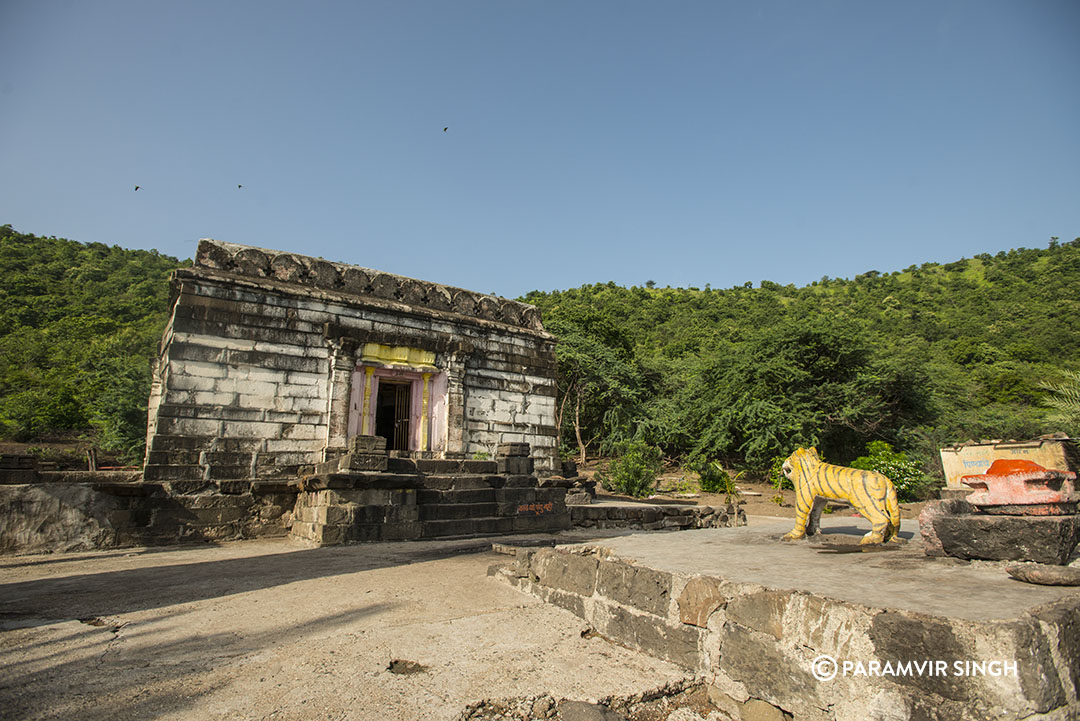
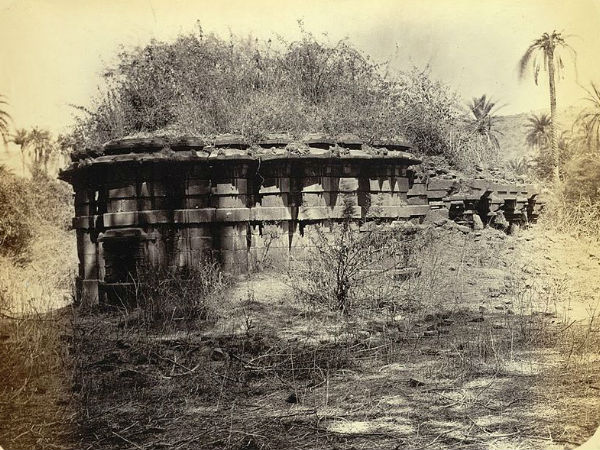
देवीच्या मंदिराहून तलावाच्या भोवती काही अंतर चालून गेले की हे अंबरखाना अर्थात सूर्यमंदिर लागते. येथील सूर्यमुर्ती धारेजवळील देवीच्या मंदिरात ठेवलेली आहे. सूर्यदेवतेच्या हातात कमळ व राजदंड आहे.सरोवराच्या पश्चिम काठावरील हे मंदीर पुर्वाभिमुख असून मंदीरात पिंडी आणि गाभार्याच्या ललाटबिंबावर गणेशपट्टी आहे.



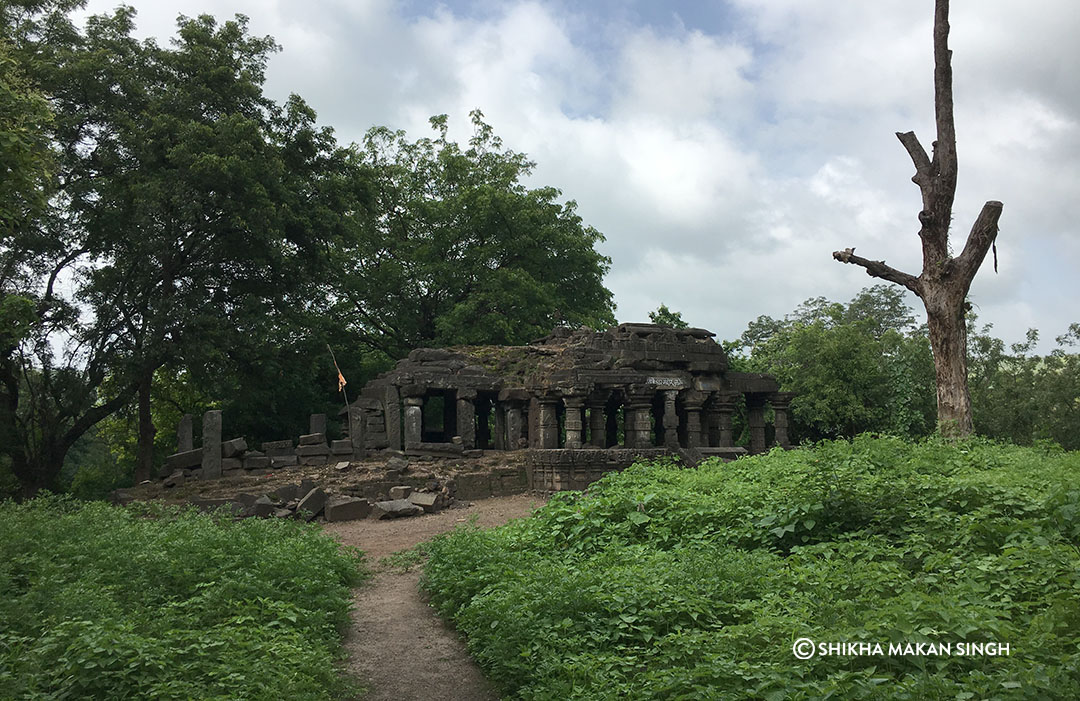
हटकेश्वर , नारदेश्वर मंदीर :-


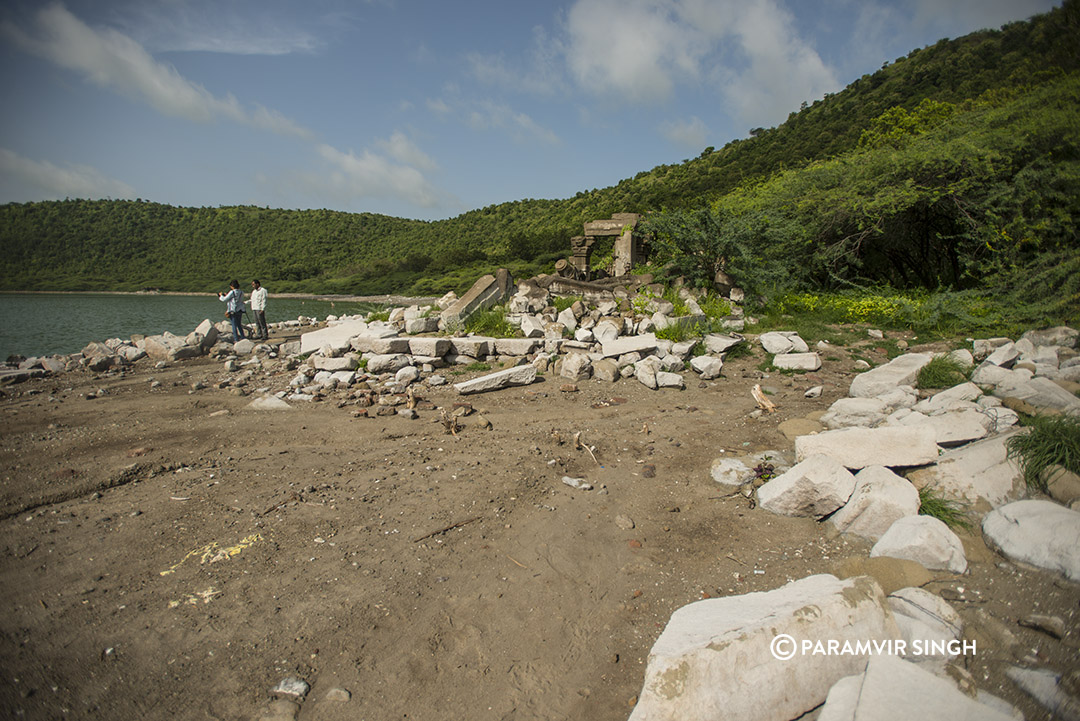

चोपडा महादेव मंदीर :-
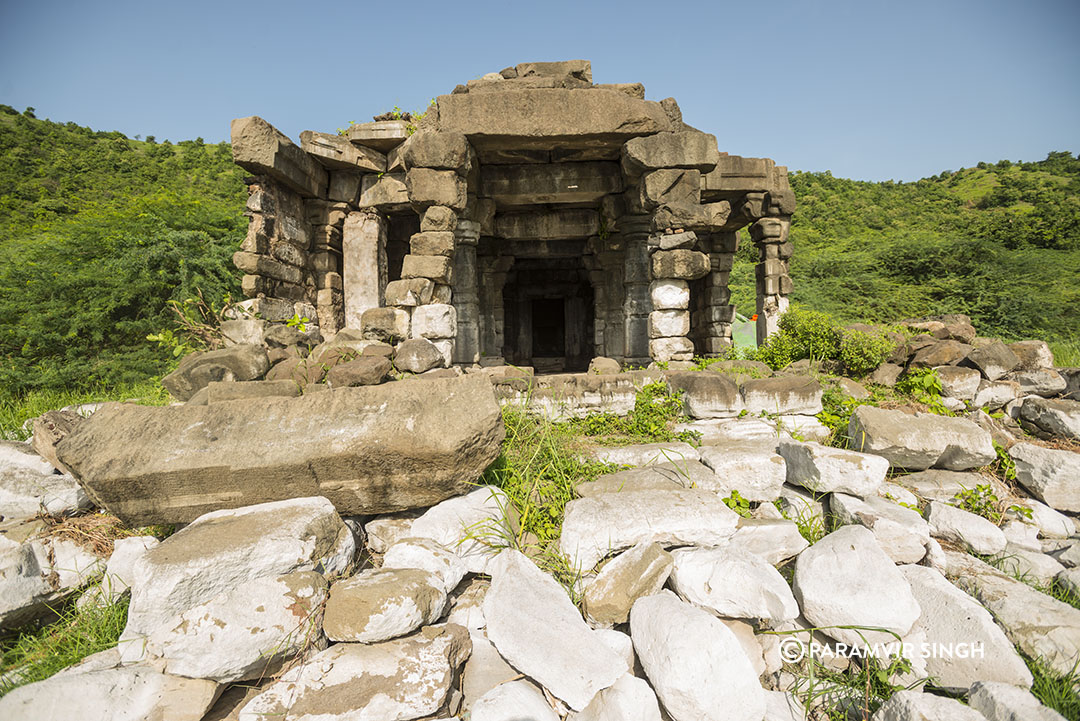
मुंगळा महादेव मंदीर :-


विष्णु / बगीचा मंदीर :-

पापहरेश्वर मंदीर :-


दैत्यसुदन मंदिर-


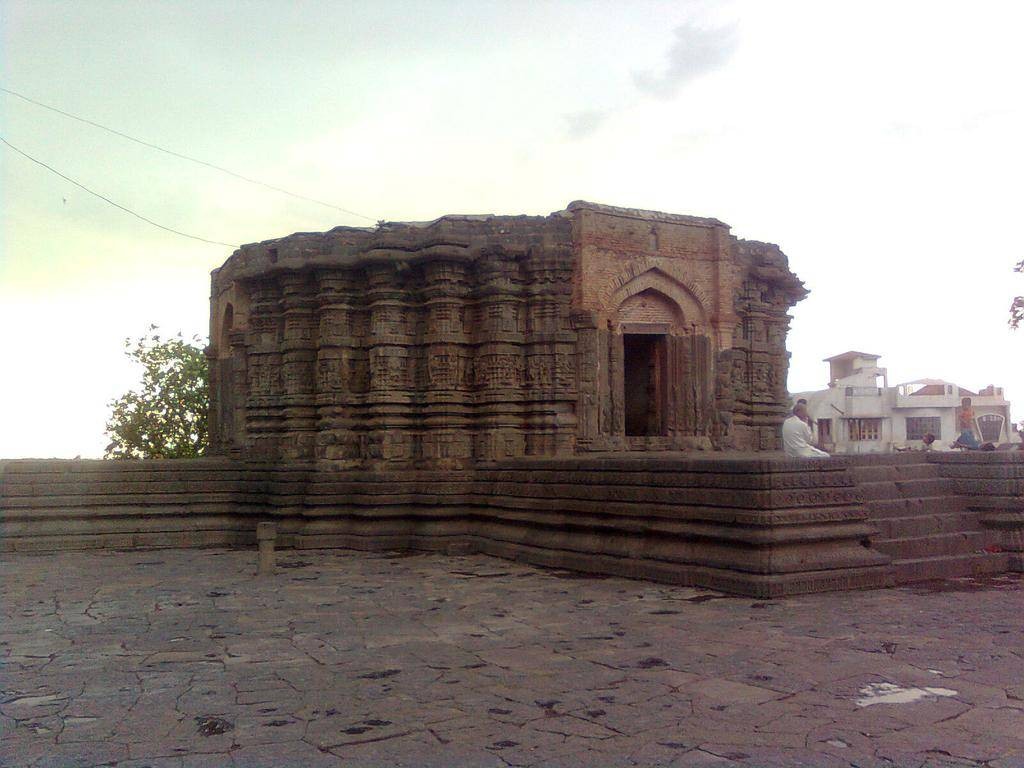
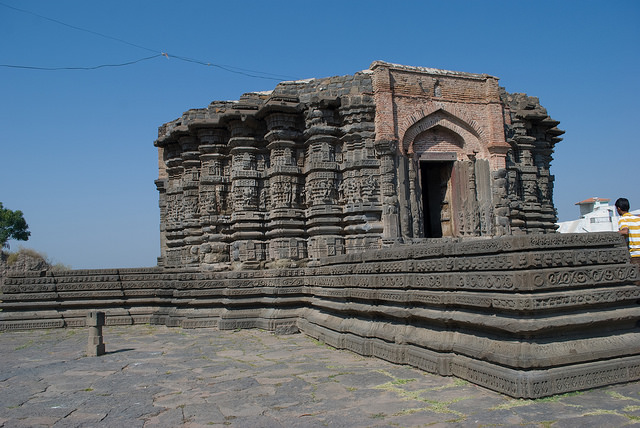

 |
| सुबक कोरीव खांब |

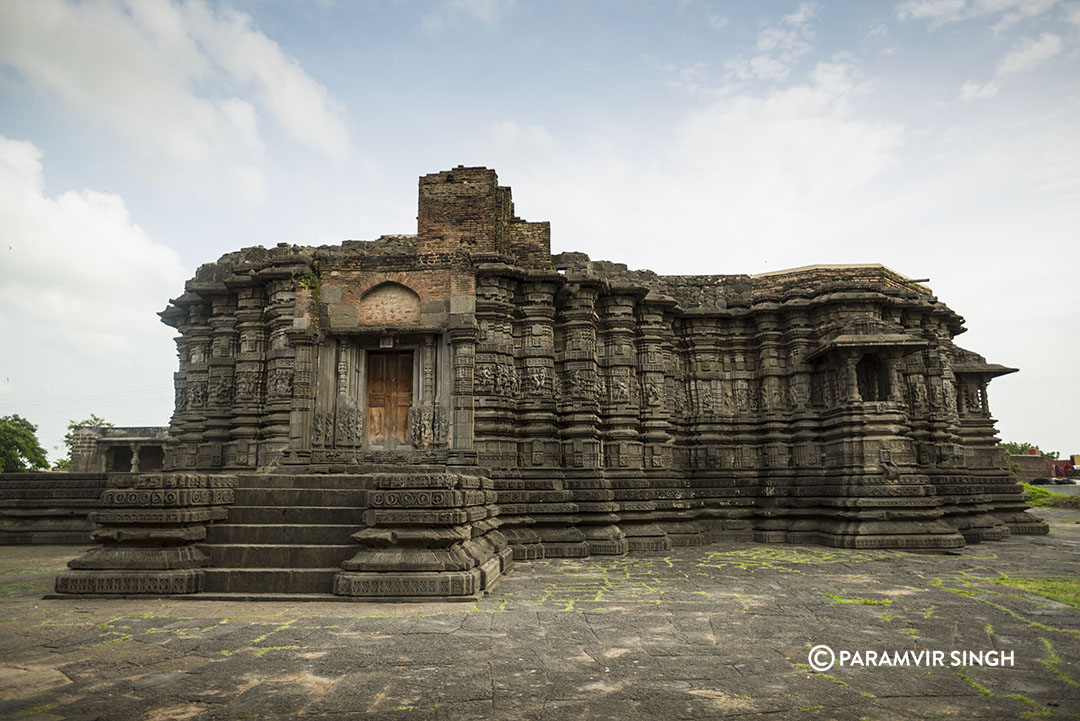


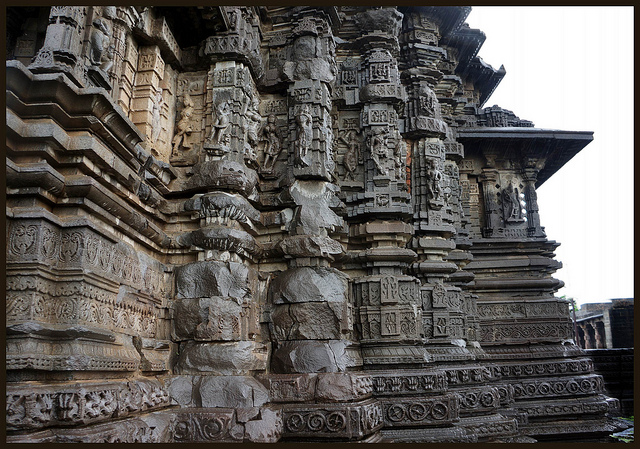
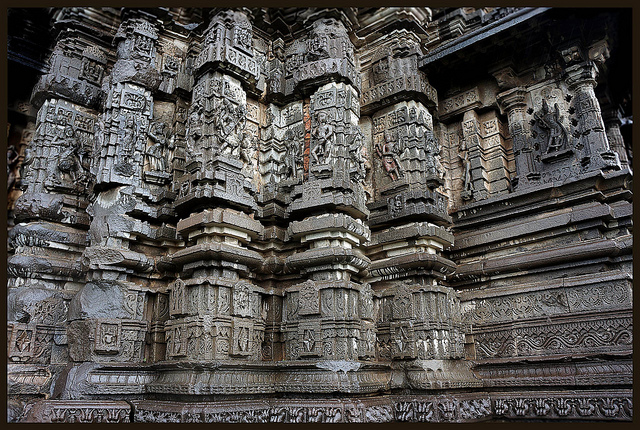


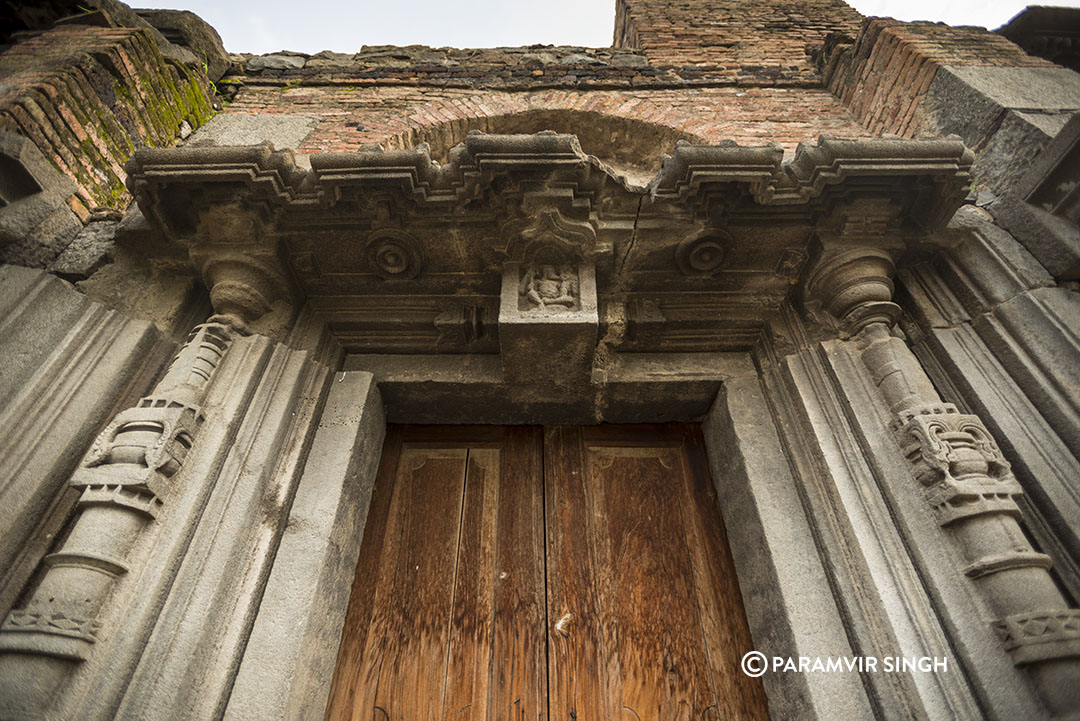


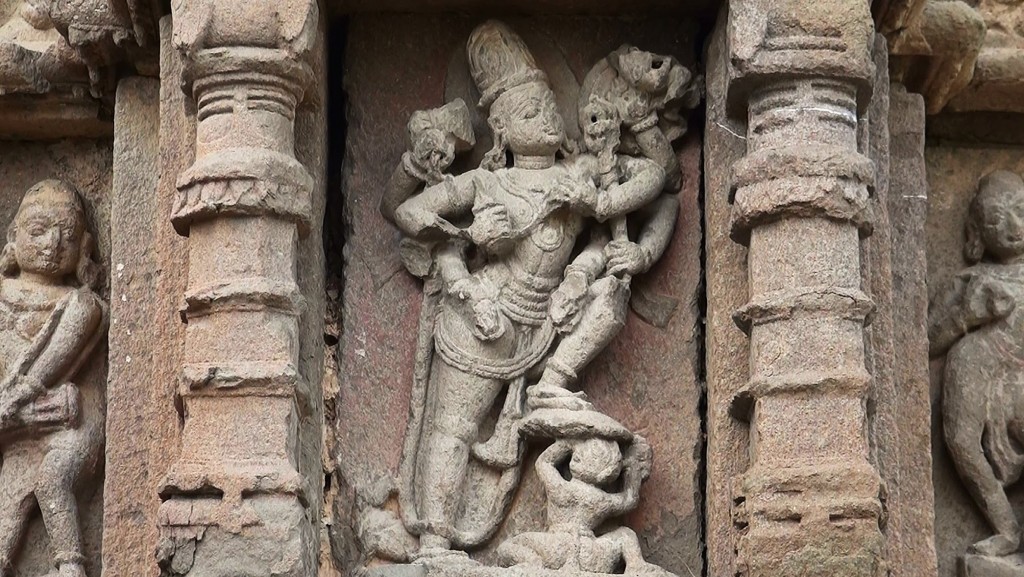
 |
| राम लक्ष्मण सीता |


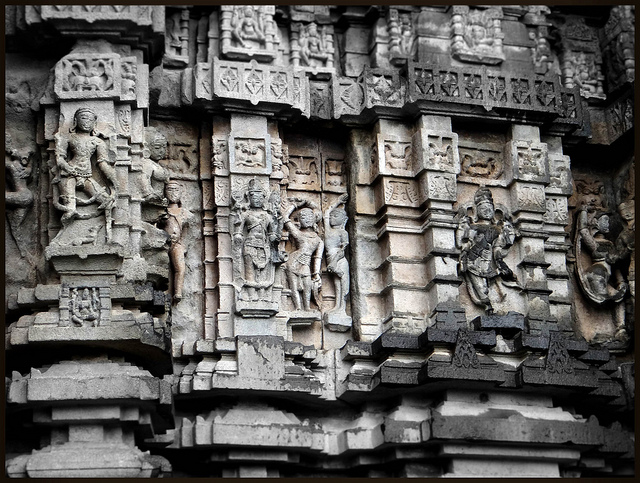


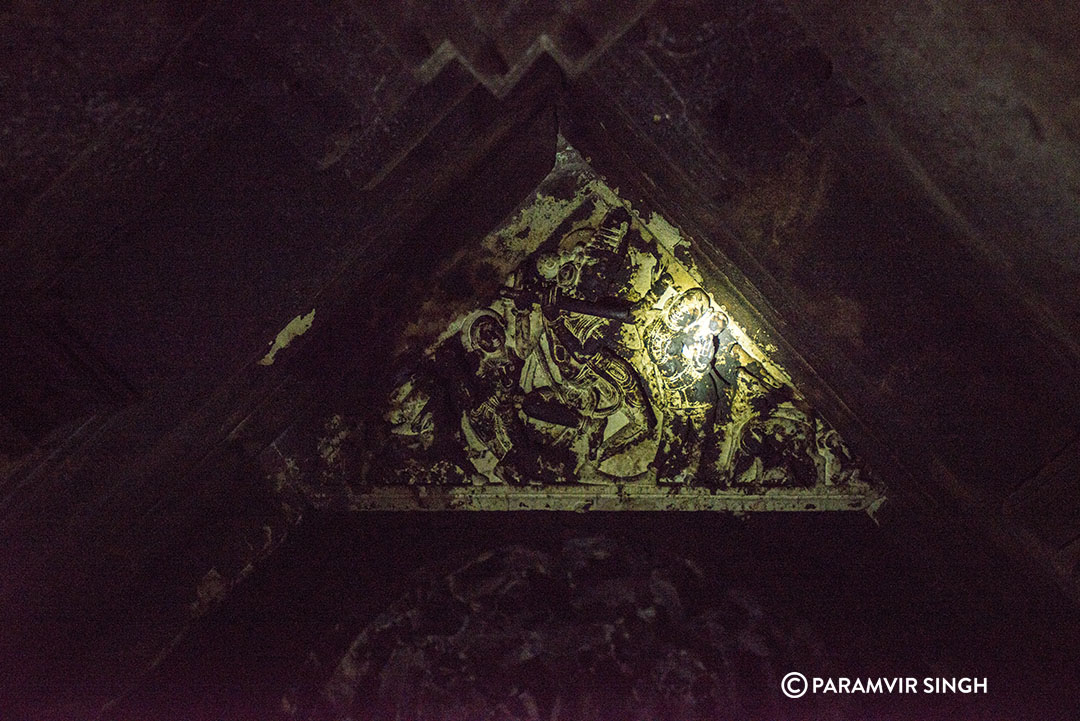

 |
| लवणासुर चा वध करताना शस्त्रधारी श्रीविष्णू |




 |
| आवर्जून यावे ते पुन्हा येण्यासाठीच . |
 |
| पश्चिम बाजूकडचे सूर्य मंदिर |


त्रिपुरूषाचा मठ :-
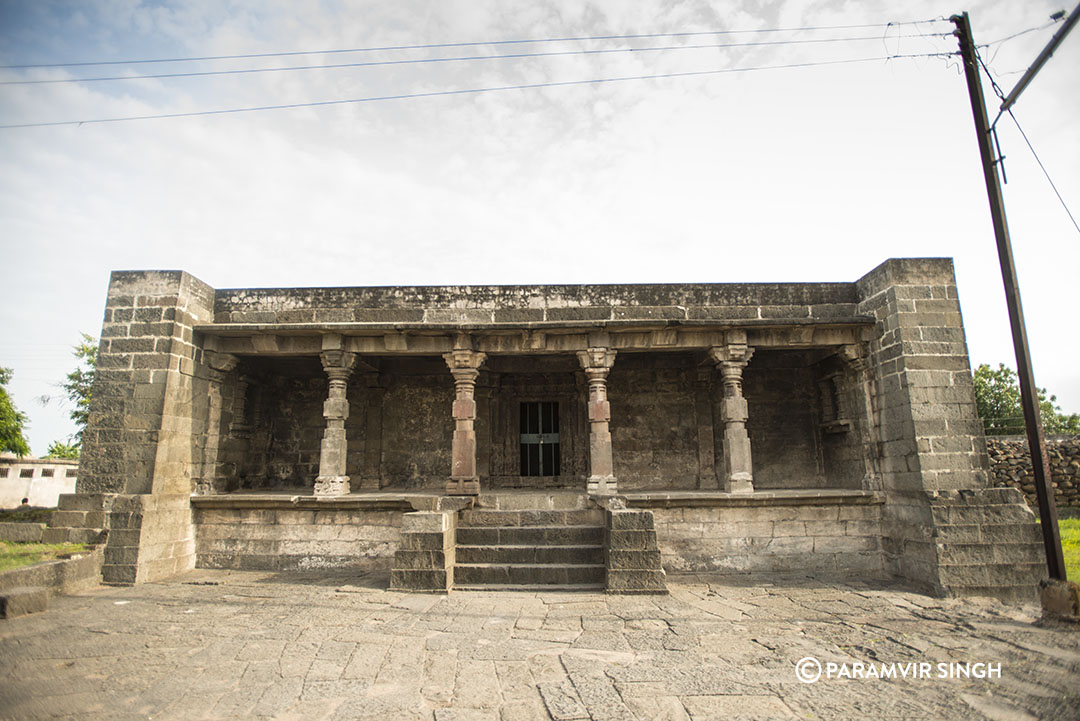
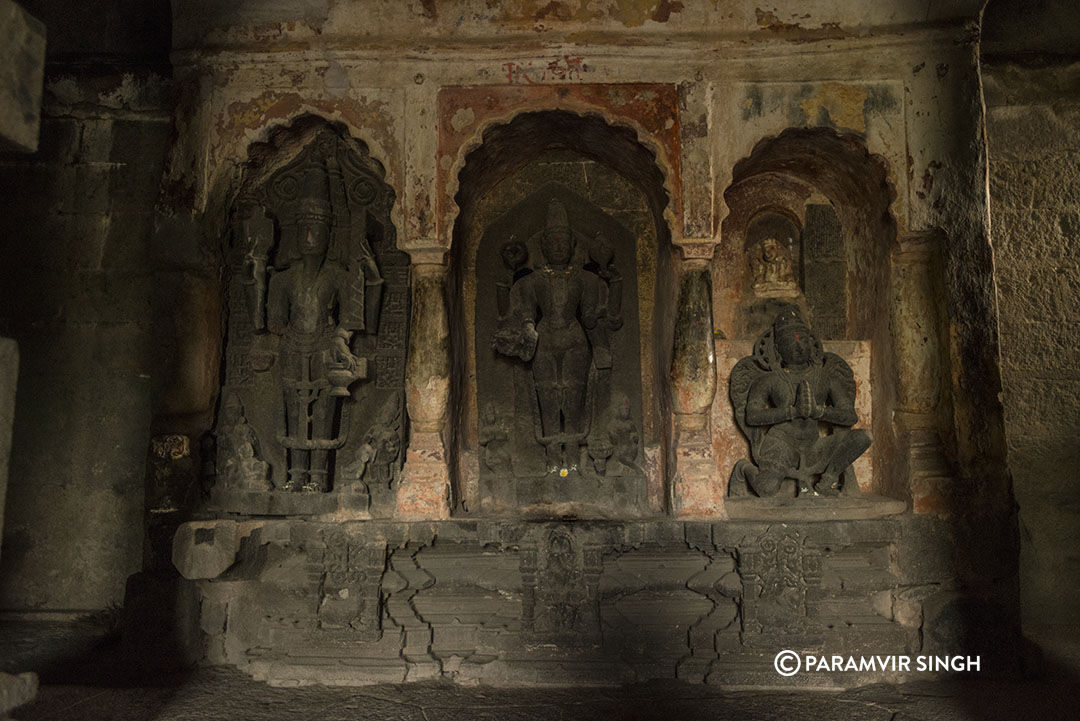
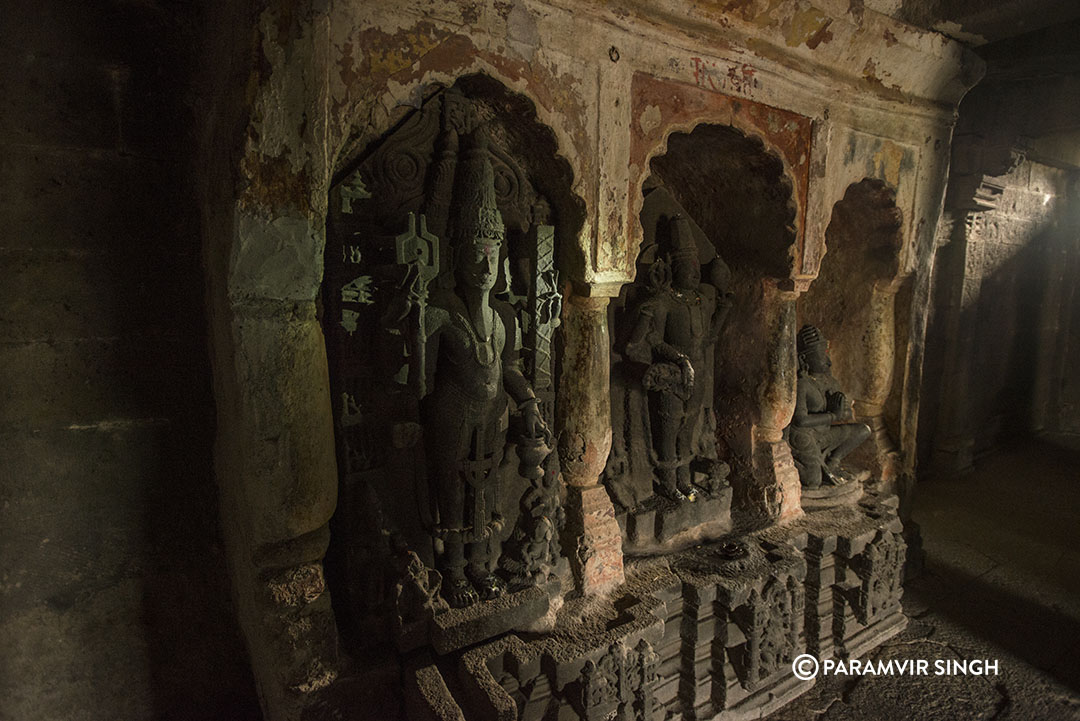
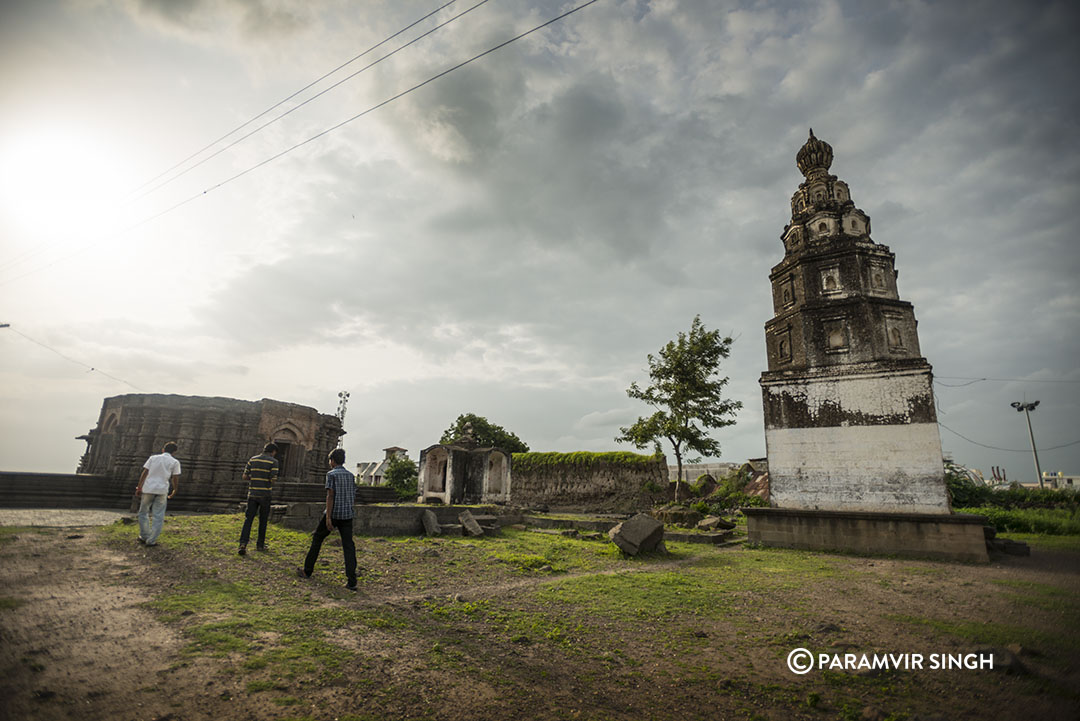
ह्या मुख्य मंदिराच्या शेजारी दक्षिणेला ब्रह्मा, विष्णु, महेश ह्या तीनही देवतांचे एक छोटे देऊळ आहे.या मंदीरांचे स्वरुप केवळ मंडप असे आहे. हि तिन्ही मंदीरे नेहमी आढळणार्या मंदीरापेक्षा वेगळी आहेत. या मंदीराना स्वतंत्र गर्भगृह नाही.मंडपाचा उपयोग गर्भगृहासारखा केला आहे.मंडपाच्या पुढे मंडपाच्या रुंदीचाच मुखमंडप आहे. मंडपाच्या मागील भिंतीवर एक देवकोष्ट असून देवकोष्टात ब्रम्हा, विष्णु आणि महेशाच्या मुर्ती होत्या. या मुर्ती ज्या पीठावर होत्या, त्या पीठावर प्रत्येक देवमुर्तीच्या खाली संबधीत देवाचे वाहन कोरले आहे. आज या देवकोष्टात ब्रम्हा, विष्णु आणि गरुड अश्या मुर्ती आहेत. तथापि गरुड असलेल्या पीठावर नंदी कोरला अहे. त्यावरुन तिथे महेश मुर्ती होती यात शंका नाही. विष्णुचे वाहन असलेल्या गरुडाने लवणासुराचा वध केला. तेथील तळे हे ( लवणागार ) हे लवणासुराचे घर होते अशी आख्यायिका आहे.लिळाचरित्रात या मठाचा उल्लेख आहे. चक्रधर स्वामी या मठात राहत असत. येथून एक भूयार तिकडे धारेजवळील पापहरेश्वर मंदिरात जाते.



मोठा मारुती (चुंबकीय हनुमान) :

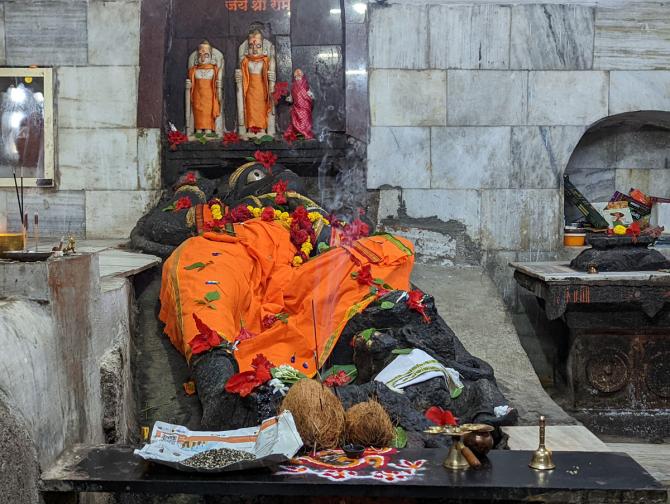
ह्या मूर्तीवर आधी शेंदुराचा जाड असा थर होता त्यामुळे मूर्तीचे मूळ रूप दिसत नव्हते. परंतु २०१३ साली विधी करून शास्त्रीय पद्धतीने शेंदूर हटवला. आज आपण मारुतीची सुंदर मूर्ती बघू शकतो ते ह्यामुळेच. इथे गदायुक्त हनुमान आणि त्याच्या पायाखाली शनी किंवा पनवती म्हणतात ती दिसते. मारुती भक्ती मूळे शनीच्या साडे सातीची बाधा होत नाही, ह्या मान्यतेमुळे ह्याला शनी म्हटले असले तरी मारुतीच्या पायाखालील हा माणूस रावणाचा किशोरवयीन मुलगा अक्षय कुमार आहे. ज्याला मारुतीने मारले होते, अशी आख्यायिका आहे.या वास्तूत एक भुयारी रस्ता आहे. तो पापहारेश्वरापर्यंत आहे असे स्थानिक सांगतात.


अंबर तलाव :-
लोणारचे खार्या पाण्याचे सरोवर सर्वांना माहिती असते. मात्र जेव्हा अंतराळातून उल्कापात झाला तेव्हा लोणार सरोवराची निर्मिती झाली. त्याचवेळी उल्केचा छोटासा तुकडा सरोवराच्या बाजुला पडला आणि अंबर तलाव तयार झाला. मात्र या सरोवराचे पाणी खारे नसून गोडे आहे. या तलावाजवळ विवीध पक्षांचा वावर असतो, त्यामुळे पक्षी प्रेमी येथे नेहमी भेट देतात. पण सध्या त्यात तुरीची शेती होते हे ऐकून फार वाईट वाटते.
श्री गजानन महाराज संस्थान : -
लोणार सरोवराच्या काही अंतरावर श्री गजानन महाराज संस्थान देखील आहे आणि या संस्थानाला किंवा मंदिराला १०० वर्ष पूर्ण झाली आहेत म्हणून या मंदिराला संगमरवरीचे नक्षीकाम केले आहे आणि हे देशातील स्वच्छ मंदिर आहे.मच्छिंद्र टेकडी :-
लोणार विवराच्या पूर्वेला असलेल्या मच्छिंद्र टेकडीवरून लोणार सरोवराचे मनमोहक हवाई दृश्य दिसते. पर्यटक डोंगरमाथ्यावर चढू शकतात आणि तेथील निसर्गसौंदर्यामध्ये डुंबत असताना तेथील अप्रतिम सौंदर्याचा अनुभव घेऊ शकतात.बांबूस टेकडी :-
लोणार विवराच्या पूर्वेला असलेल्या बांबूस टेकडीवरून सरोवराचे आणि जवळच्या टेकड्यांचे नयनरम्य विहंगम दृश्य दिसते. मोहक दृश्याचे साक्षीदार होण्यासाठी आणि परिसराच्या नैसर्गिक सौंदर्याची प्रशंसा करण्यासाठी पर्यटक टेकडीवर चढू शकतात


लिंबी बारव :-
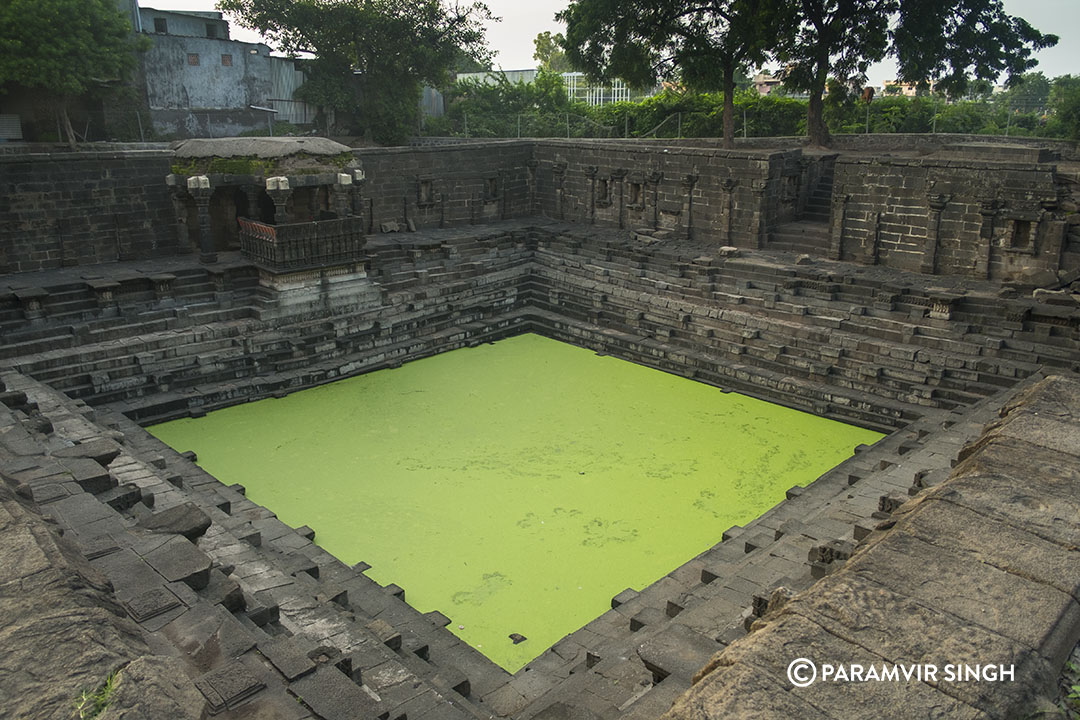
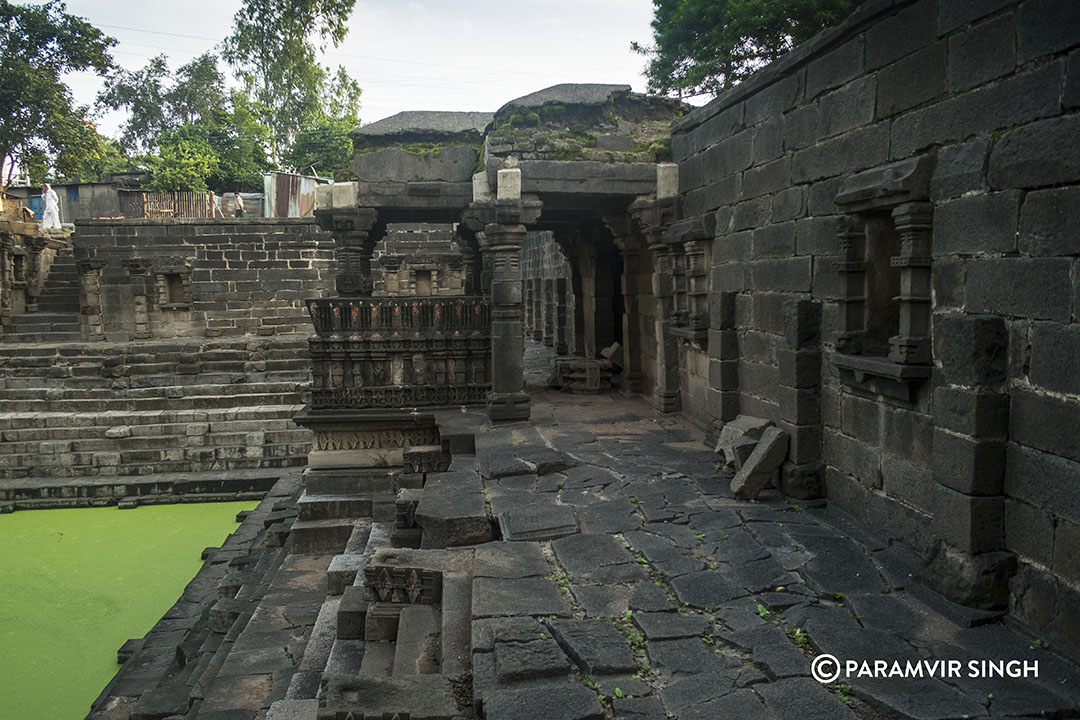
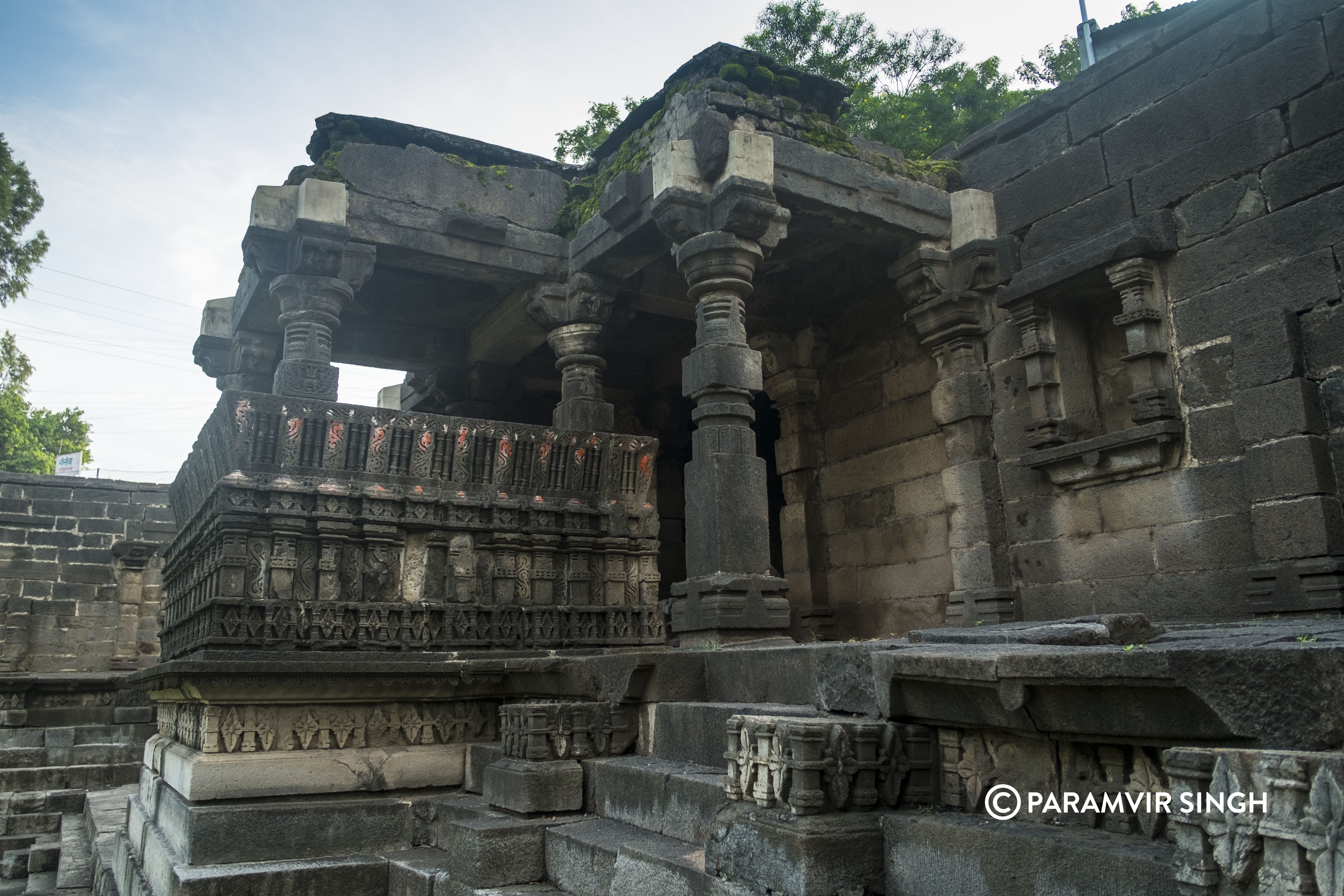
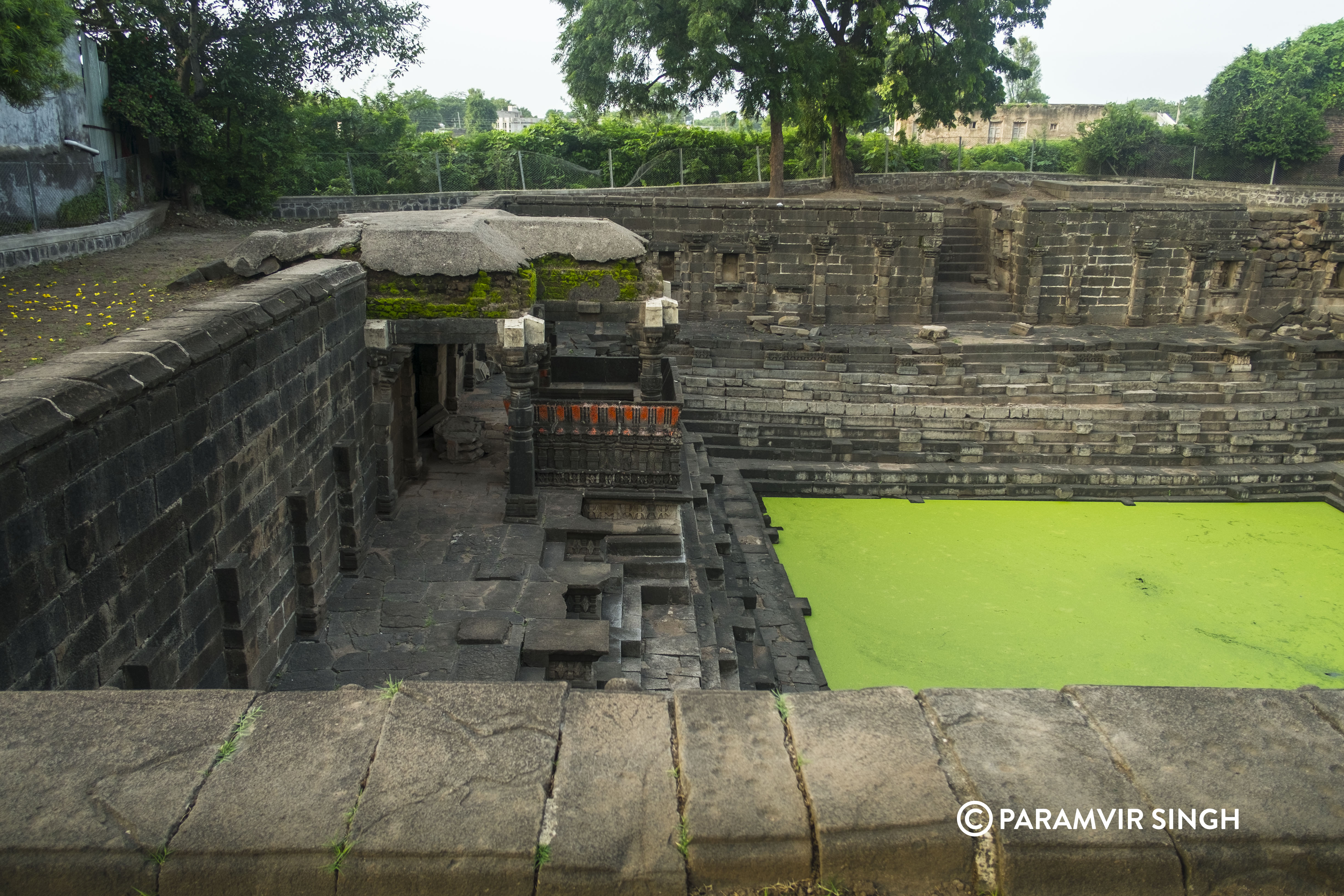
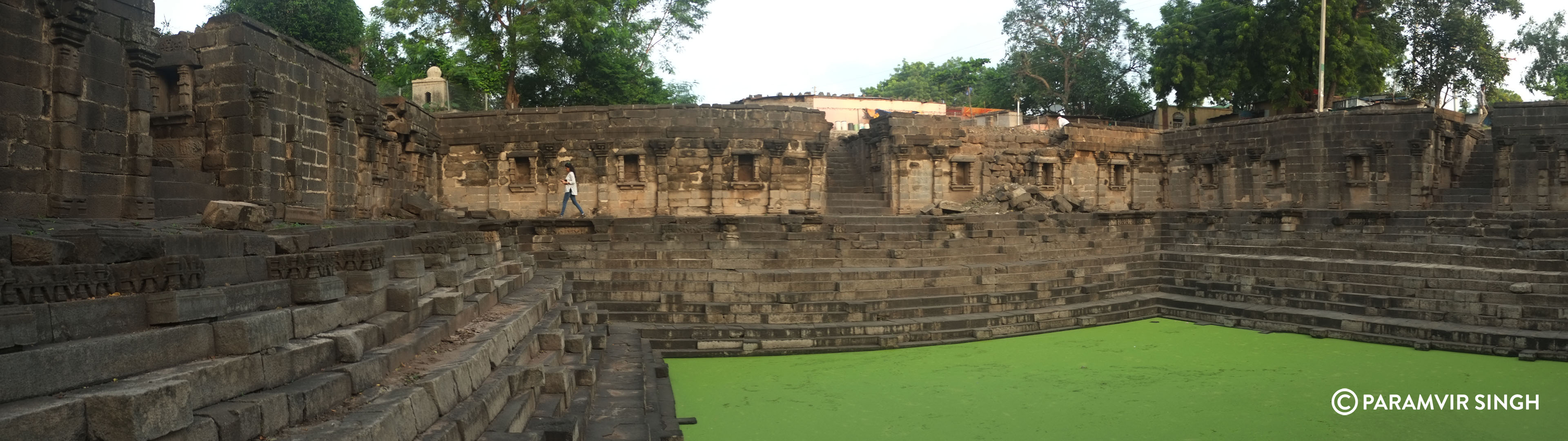
संदर्भ :-
१) बुलढाणा जिल्हा गॅझेटीयर२) स्थापत्य - महाराष्ट्र शासन
३) https://www.aapaleguruji.com/2022/11/vismaykari-ram-mandir-of-lonar-lake.html
४) https://www.lokmat.com/buldhana/unique-temple-lonar-lake-three-shadows-falling-sanctum-sanctorum-a310/
५) https://mapio.net/pic/p-53887588/
६) https://kfacts.in/lonar-lake-historical-geographical-references-part-1/
७) https://www.facebook.com/people/Lonar-Crater-%E0%A4%B2%E0%A5%8B%E0%A4%A3%E0%A4%BE%E0%A4%B0-%E0%A4%B8%E0%A4%B0%E0%A5%8B%E0%A4%B5%E0%A4%B0/100064625564498/
८) वर्हाडाचा इतिहास (कै. या.मा. काळे)
९) https://www.discovermh.com/dhar-temple-group-lonar/
१०) डाॅ. वर्षा मिश्रा,श्री. निलेश लोणारकर, सौरभ कुलथे,नीलिमा थत्ते यांचे लिखाण
११) https://www.sanskritimagazine.com/lonar-worlds-third-largest-meteorite-lake-of-india/
१२) https://www.oldindianphotos.in/2010/09/detail-of-carvings-on-temple-wall-lonar.html
१३) https://lonar.org/
१४) https://www.maayboli.com/node/61353
१५) https://www.informationmarathi.in/2022/01/lonar-sarovar-information-Marathi.html
१६) https://maharashtratimes.com/astro/religion-festival-news/what-is-the-reason-behind-lonar-lake-water-gets-red-and-know-about-10-amazing-facts-about-lonar-sarovar/articleshow/76354627.cms
१७ ) https://inmarathi.net/lonar-sarovar-information-in-marathi/
१८) https://www.iluvtravel.in/2023/04/Lonar-Lake-Sarovar.html
२०) https://formfolio.in/portfolio/gomukh-temple-lonar-avinash-ankalge/
२१) http://www.theuntourists.com/lonar-crater-born-alien-impact/
विवरापल्ल्याडच लोणार
दिवाळीला ट्रेकक्षितिज संस्थेचे पुढील वर्षातीेल ट्रेकचे वेळापत्रक प्रसिद्ध झाले. हिवाळ्याचे दिवस असल्याने दरवर्षीप्रमाणे एकापेक्षा एक उत्तम रेंज ट्रेकची पर्वणी मिळालेली; पण या सर्वांत लक्ष वेधून घेतले ते लोणार नावाने. बायको कामानिमित्त परदेशवारीवर असल्याने जास्त उहापोह न घडता लगेच ट्रेक लीडर अमित दादाला कळवून, ट्रेकची फी भरली. पुण्यातील पेठेतल्या आणि पेठेबाहेरील हरहुन्नरी मित्रांची सोबत मिळणार आहे हे समजल्यावर, पुणे-जालना या साधारण 300 किलोमीटरच्या बस प्रवासाची काळजी नव्हती, पण त्यातसुद्धा शिवशाही आरामबस ऐवजी लाल डब्याची तिकिटे काढून पेठकरी पेठयांनी घोळ घातलाच. पुणे-जालना प्रवासात नेहमीप्रमाणे खंडीभर टोचणी खाऊन, शेवटी परतीच्या प्रवासापुरता का होईना हा घोळ त्यानेच निस्तरला. कदाचित गाडीच्या रंग-साधरम्यामुळे मायकल शुमाकर सोबत वेगात बरोबरी करणाऱ्या चालक आणि मिश्कील वाहक यांच्या कृपेने आणि लाल डब्याच्या खडखडाटात आम्ही वेळेआधीच औरंगाबाद गाठले. औरंगाबादेत चाहावाल्याला “उकाळा” म्हणजे काय हे माहीत नसल्याने भ्रमनिराशेत त्याने बनवलेले पाणीदार हळद दूध गटकून, भर पहाटे जालन्याला पोहोचलो. मराठवाडा, खानदेश आणि विदर्भ येथील साफसफाईचा अभाव आणि गचाळपणाचा ऐकीव आणि स्वानुभव असल्याने, वाटेतील थांब्यांवर रात्री 2-3 वाजता सफाई कर्मचारी काम करताना पाहिल्यावर हलकासा सुखद धक्का बसला. नेहमीप्रमाणे ट्रेन उशिरा आल्याने मुंबईची माणसे थोडी उशिरा पोहोचली, त्यांच्यासोबत जालन्याहून केलेल्या छोटेखानी आरामबसने लोणार गाठले. पक्ष्याना भारतीय रेल्वेच्या वेळापत्रकाशी काही घेणेदेणे नसल्याने, ते बिचारे आपल्या वेळेला निघून गेले आणि सकाळची पक्षी निरीक्षणाची संधी हुकली. पण एरव्ही ट्रेकला गेल्यावर झोपायला फक्त सपाट जमीन आणि खोळ (sleeping bag) पुराणार्या आमच्यासारख्या भटक्यांना, MTDC मधील राहण्याची सोय पाहून आणि उत्तमप्रतीचे चहा-पोहे खाऊन ; 2-4 एक्झॉटिक जातिच्या पक्ष्यानि पुढ्यात दाणे टिपल्याचे समाधान मिळाले. ट्रेकच्या गप्पा-टप्पा आणि आवरा-आवर करून आम्ही साधारण 9 वाजता लोणार विवाराच्या प्रदक्षिणेला सुरवात केली.
अशनीच्या आघातामुळे अग्निजन्य (बसाल्ट) खडकात घडलेले पृथ्वीतलावरील एकमेव विवर म्हणून लोणारची जगभरात ओळख आहे. लोणार गावातील रमेश राठोड आमच्यासोबत आपल्या 7-8 वर्षाच्या मुलासोबत माहिती सांगायला आले होते. MTDC आवाराच्या अगदी समोर असलेल्या लोणरच्या विवाराच्या कडेवरून विवाराचे विलोभनीय प्रथम दर्शन घडले आणि क्षणात सर्वांचे म्यान असलेले कॅमेरे बाहेर पडले. पण त्याच बरोबर विवाराच्या इजेक्टा ब्लॅंकेटवर बांधलेल्या काही शासकीय इमारतींचे आणि विवाराच्या कडेवारील डांबरी रस्त्याचे बांधकाम पाहून ऐतिहासिक वाराश्यानबाबत असलेल्या सरकारी अजाणतेपणाची परत जाणीव झाली.

शिरस्त्याची ओळख परेड झाल्यावर राठोड दादांनी आपली माहितीची पोतडी हळूहळू उघडायला सुरवात केली. साधारण 150 मीटर खाली उतरून आम्ही विवरात उतरलो. सरोवराच्या पृष्ठभागावरून वाहणाऱ्या खर्या वार्यात मिसळलेल्या सडक्या अंड्यासारख्या हायड्रोजन सल्फाईड (H2S) वायूच्या वासात आम्ही विवरामध्ये सरोवराची प्रदक्षिणा सुरू केली. संपूर्ण प्रदक्षिणेत दादांनी विवाराच्या परिसरात उच्च तीव्रतेच्या शॉक वेव्हमुळे खनिज संरचनेमध्ये झालेले बदल, त्यांचे स्फटिकीकरण; खडकातले चुंबकीय गुणधर्म; मॅग्नेटाईट या खनिजावर उपजीविका करणारे व चुंबकीय गुणधर्म दर्शवणारे मॅग्नेटोसोम जिवाणू; जास्त प्रथिने असणारे स्पिरुलिना जातीचे शेवाळे; क्षारयुक्त अल्कली गुणधर्माचे पाणी, पाण्यावर तरंगणारे प्युमिस दगड याची जनमानसात बर्यापैकी ज्ञात वैज्ञानिक माहिती काही प्रात्यक्षिकांसोबत सांगितली.
विवराच्या परिघावर चालताना वाळूवर उमटलेल्या बिबट्या, तरस (Hyena), कोल्हे, रानडुक्कर, हरणे, मोर यांसारख्या जंगली श्वापदांच्या पाऊलखुणाची ओळख पण राठोड दादांनी करून दिली.
तळयाच्या काठावरील भुसभुशीत वाळूत आमचा श्वापदांच्या पाउलखुणांचा धांडोळा सुरु असताना तुतारी (Sandpiper), धोबी (Wagtail), नाचरा (Fantail) खंड्या (Kingfisher), सातभाई (Babbler), टिटवी (Lapwing), ठिपकेदार होला (Spotted Dove), मैना (Starling), बालगुली (Great Tit), पाणकावळा (Cormorant), शेकट्या (Black-winged Stilt), शिंपी (Common Tailorbird), सुर्यपक्षी (Sunbird), पोपट (Parakeet), नीलकंठ (Indian Roller), काळा शराटी (Red Naped Ibis) सारखे असंख्य पक्षी किनार्यावरील चिखलात

किडे धुंडाळत किंवा तळ्याच्या काठावरील दाट रानात मधेच दर्शन देत होते. होय म्हणायला शाही बुलबुल किंवा स्वर्गीय नर्तक (Asian Paradise Flycatcher), सुवर्ण बदक (Golden Duck) आणि हुडहुद्या (Common Hoopoe) सारख्या लाजर्या पाहुण्यांनी पण आपली झलक दाखवली.
या जैवविविधतेने नटलेल्या भौगोलिक आश्चर्याचा इतिहासातील उल्लेख अगदी
ऋग्वेदापासून चालत आलेला आहे. इतिहासात येथे घडलेल्या अनेक पौराणिक तसेच
मध्ययुगीन घटनांची नोंद आहे. मध्ययुगातल्या वाकाटक, सातवाहन, राष्ट्रकूट,
चालुक्य, होयसळ सारख्या अनेक राजघराण्यांनी लोणार परिसरात उत्कृष्ट
कोरीवकाम केलेली मंदिरे बांधली. यादव काळात यातील अनेक मंदिराचा
जीर्णोद्धार झाला तसेच नवीन मंदिरांची भर पडली त्यामुळे बहुतेक मंदिरांवर
हेमाडपंथी बांधणीचा प्रभाव दिसतो. याच यादवकाळात लोणार परिसरात मराठी भाषा,
मोडी लिपी आणि कलेचा प्रसार झाला. ग्रंथसंपत्तीचे निर्माण झाले; हेच पुढे
निजामशाहीत आणि पेशवे काळातसुद्धा कायम राहिले; पण स्वराष्ट्रात कला आणि
इतिहास जीवापाड जपणाऱ्या ब्रिटिशांच्या काळात आपल्यासारख्या उपरयांच्या
प्रदेशातील लोणारची उपेक्षा झाली जी आजतागायत बर्याचअंशी कायम आहे. या
मंदिरांपैकी बहुतांश मंदिरे पाहण्याची संधी आम्हाला लोणार सफारी दरम्यान
मिळाली. भारतीय पुरतत्व विभागाने मातीच्या ढिगर्या खालून काढलेल्या
शंकर-गणेश मंदिरात वेगळ्या धाटणिची उंच पिंड आहे. विष्णु-मंदिर, वाघमहादेव
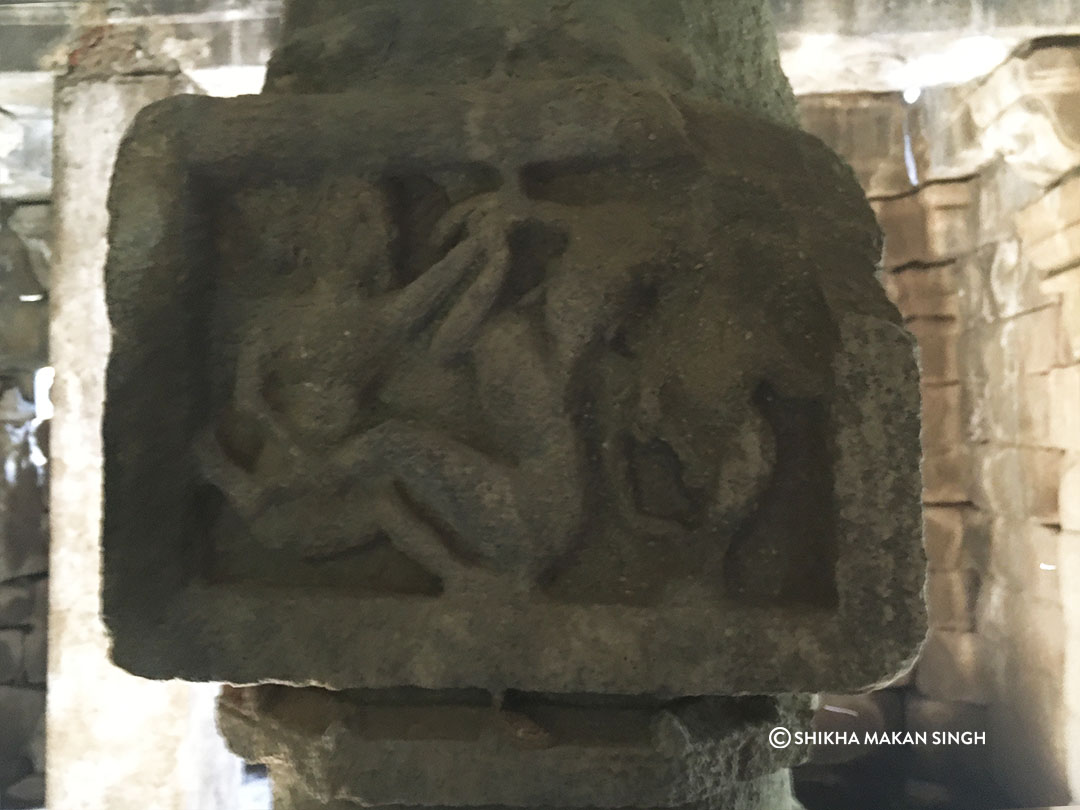
मंदिर आणि मोर मंदिर यावर अनेक सुस्थितीतील पुराण शिल्पे आहेत. यात खजुराहो
येथील प्रसिद्ध कामशिल्पांसारखी अनेक कामशिल्पे किंवा मैथुनशिल्पे देखील
आहेत.  यापुढे
थोड्या उंचीवर कमळजा देवीचे मंदिर आहे. ही देवी खानदेश, विदर्भ व
मराठवाड्यातील बर्याचश्या कुळांची कुलदैवत असल्याने, कदाचित मंदिराचा
सद्ध्यामध्येच जीर्णोद्धार झालेला आहे. या मंदिरासमोर सासू-सुनेची विहीर
आहे. 2001 साली उन्हाळ्यात लोणार सरोवर आटले होते, तेव्हा गोडे पाणी
काढण्यासाठी ही विहीर खणली गेली, पण सध्या तळ्याच्या पाण्याची पातळी
वाढलेली असल्याने या विहिरीतील पाणी खारट आहे. एरव्ही तळयाच्या काठावर जमीन
खोदल्यास मातीतून गोडे पाणी पाझरायला लागते. याची आम्ही लिटमस परीक्षा
देखील घेतली. संक्रांतीच्या आधीच्या भोगीचा दिवस असल्याने राठोड दादांनी
सर्वांसाठी साजूक तुपातला गाजर हलवा बनवून आणला होता. एव्हाना नाश्त्यानंतर
2-3 तासांची भटकंती झालेली असल्याने यापुढील अंबरखाना सूर्य मंदिरात अगदी
गोडाचे आजार असणाऱ्या वरिष्ठांसकट झटकून सर्वानी हलव्यावर आडवा हात मारला. येथेच खर्याखुर्या मोरने पण भर दुपारी ओझरते दर्शन दिले. वाटेत दाट जंगलात
असणाऱ्या भग्नावस्थेतील महादेव मंदिरातील सुंदर शिल्पे पहात; सोबत
अशनिपातात झालेल्या रासायनिक प्रक्रियेमुळे निर्माण झालेली सिलिकेची भुकटी
आणि त्या अनुषंगाने येणारी पुराणातील यज्ञवलकेश्वरांच्या संजीवनी
प्रयोगशाळेची गोष्ट ऐकत विवाराच्या अशनी प्रवेशापाशी असलेले गोमुखी तीर्थ
गाठले. या तीर्थातील झऱ्याचे पाणी 15-18 किलोमीटर दुरून सायफनिंग तंत्राने
नैसर्गिकरित्या गोमुखापर्यंत येते. विवारामध्ये पुढे याच गोड्या पाण्यावर
बंधारे बांधून वनखात्याने जंगली प्राण्यांसाठी पिण्याच्या पाण्याची सोय
केली आहे. प्रवासाचा आणि 4-5 तास केलेल्या विवर प्रदक्षिणेचा क्षीण
घालवण्याकरता आम्ही गोमुखी तीर्थामध्ये यथेच्छ भिजून ताजेतवाने झालो.
यापुढे
थोड्या उंचीवर कमळजा देवीचे मंदिर आहे. ही देवी खानदेश, विदर्भ व
मराठवाड्यातील बर्याचश्या कुळांची कुलदैवत असल्याने, कदाचित मंदिराचा
सद्ध्यामध्येच जीर्णोद्धार झालेला आहे. या मंदिरासमोर सासू-सुनेची विहीर
आहे. 2001 साली उन्हाळ्यात लोणार सरोवर आटले होते, तेव्हा गोडे पाणी
काढण्यासाठी ही विहीर खणली गेली, पण सध्या तळ्याच्या पाण्याची पातळी
वाढलेली असल्याने या विहिरीतील पाणी खारट आहे. एरव्ही तळयाच्या काठावर जमीन
खोदल्यास मातीतून गोडे पाणी पाझरायला लागते. याची आम्ही लिटमस परीक्षा
देखील घेतली. संक्रांतीच्या आधीच्या भोगीचा दिवस असल्याने राठोड दादांनी
सर्वांसाठी साजूक तुपातला गाजर हलवा बनवून आणला होता. एव्हाना नाश्त्यानंतर
2-3 तासांची भटकंती झालेली असल्याने यापुढील अंबरखाना सूर्य मंदिरात अगदी
गोडाचे आजार असणाऱ्या वरिष्ठांसकट झटकून सर्वानी हलव्यावर आडवा हात मारला. येथेच खर्याखुर्या मोरने पण भर दुपारी ओझरते दर्शन दिले. वाटेत दाट जंगलात
असणाऱ्या भग्नावस्थेतील महादेव मंदिरातील सुंदर शिल्पे पहात; सोबत
अशनिपातात झालेल्या रासायनिक प्रक्रियेमुळे निर्माण झालेली सिलिकेची भुकटी
आणि त्या अनुषंगाने येणारी पुराणातील यज्ञवलकेश्वरांच्या संजीवनी
प्रयोगशाळेची गोष्ट ऐकत विवाराच्या अशनी प्रवेशापाशी असलेले गोमुखी तीर्थ
गाठले. या तीर्थातील झऱ्याचे पाणी 15-18 किलोमीटर दुरून सायफनिंग तंत्राने
नैसर्गिकरित्या गोमुखापर्यंत येते. विवारामध्ये पुढे याच गोड्या पाण्यावर
बंधारे बांधून वनखात्याने जंगली प्राण्यांसाठी पिण्याच्या पाण्याची सोय
केली आहे. प्रवासाचा आणि 4-5 तास केलेल्या विवर प्रदक्षिणेचा क्षीण
घालवण्याकरता आम्ही गोमुखी तीर्थामध्ये यथेच्छ भिजून ताजेतवाने झालो.
कदाचित दिवसभर डोक्यावर तळपणारा सुर्यसुद्धा आता दमल्याने मावळतीच्या
वाटेवर होता त्यामुळे जास्त वेळ न दवडता आम्ही गावात असणाऱ्या दैत्यसुदन
मंदिराकडे मार्गस्थ झालो. स्वच्छ भारतचे वारे अजून गावातील गल्ल्यांमधे न
पोहोचल्यामुळे उघड्या गटारांवरून आणि डुकरांच्या कळपामधून वाट काढत सुंदर
अश्या मंदिर परिसरात पोहोचलो. 1878 साली उत्खननात सापडलेले दैत्यसुदन मंदिर
चालुक्यांनी साधारण 13 व्या शतकात बांधले. 
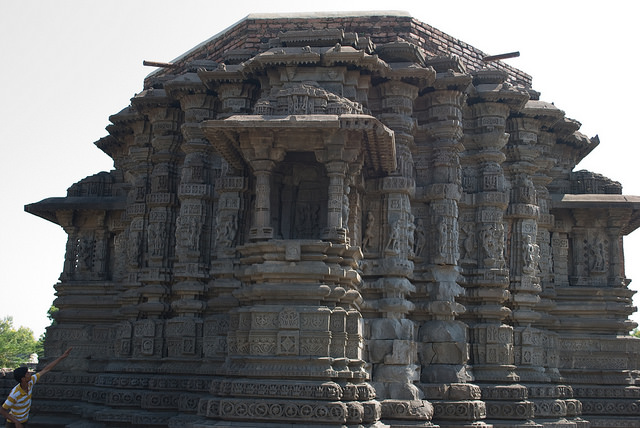
त्रिस्तरीय मंदिराच्या गर्भगृहात मिश्किल हास्य देत लवणासुर राक्षसाचा वध करणारी बालकृष्णाची मूर्ती खूप विलोभनीय आहे. मंदिर अंतराळाच्या छाताच्या प्रत्येक कोपऱ्यात अतिशय सुबक कोरीव काम केलेली पुराण शिल्पे आहेत. ही शिल्पे बनवणार्या कारागिरांना मनोमन सलाम केल्याशिवाय मंदिरातून पाउल बाहेर पडत नाही. एरवी नजरेआड असणारी ही शिल्पे राठोड दादांनी बॅटरी च्या प्रकाशात दाखवली अन्यथा ती दिसणेसुद्धा दुरापास्त होते. मंदिरावर चहूबाजूनी एकापेक्षा एक सुंदर पुरानशिल्पे आहेत. यात वराह, आदित्य नारायण, इराणी पद्धतीचा सूर्यदेव, नरसिंह, वामनावतार, बालरामशिल्प, मैथुनशिल्पे, विष्णू-लक्ष्मी, दर्पणसुंदारी, विषकन्या, परशुराम इत्यादींचा समावेश आहे. या मंदिराशेजारी असणाऱ्या त्रिपुरुषाच्या मठात ब्रम्हा आणि विष्णू यांच्या उभ्या प्रतिमा आहेत पण महेशाची प्रतिमा पुर्वी गायब झाली आहे.

सूर्य अजून क्षितिजावर रेंगाळात असल्याने विवाराच्या कडेवरील सार्वजनिक बांधकाम विभागाच्या अतिथीगृहामागे असणाऱ्या सज्जावर मावळतीचा सूर्य पाहायला गेलो. येथे दक्षिणायन समाप्तीच्या सूर्यास्ताचे विहंगम दर्शन, लोणार सरोवराच्या पार्श्वभूमीवर झाले.

हाडाचा मुंबईकर असल्याने सुर्यास्ताला चहाची तल्लफ न आली तर नवल; पण दिवसभर उन्हात भटकून आणि मचूळ पाणी पिऊन घशाला आलेली कोरड, ऊस रसाच्या डबलबारीने भागावण्यात धन्यता मानली. या वेळेपर्यंत बर्यापैकी अंधार झाल्याने अंबर तळ्याला फाटा देत चुंबकीय दगडात कोरलेला, झोपलेला मोठा मारोती पाहून राठोड दादांना अलविदा करत MTDC निवासस्थानी परतलो. संध्याकाळी आवरा-आवर करून, मांसाहारी जेवणानंतर अंधारात विवाराच्या कडेला आकाश निरीक्षणासाठी चक्कर मारली. जंगली श्वापदांच्या वास्तव्यामुळे वनखात्याने सूर्य मावळल्यावर विवरात उतरण्यास मनाई केली आहे, त्यातच जरा थंडी जाणावल्यामुळे आम्ही निवासस्थानी परत आलो. इथे राहुलने सर्वांच्या आग्रहाखातर आपले शेकोटी पेटवण्याचे कौशल्य दाखवले; पण आदल्या रात्रीचा प्रवास, दिवसभराची भटकंती, झोपण्याची असलेली उत्तम सोय, पोटभर जेवणखाण आणि मुख्य म्हणजे ट्रेकला नेहमी घोरण्याने रात्र गाजवणाऱ्या वा जागवणाऱ्या मंडळींची दुसर्या खोलीत असलेली सोय यामुळे लवकरच शेकोटी विझवून आम्ही निद्रिस्त झालो. रात्री 2-4 ढेकूण अंगाखांद्यावर खेळल्याचे जाणवले पण त्यांची तमा न बाळगता दुसर्या दिवशी अगदी सूर्यनारायण साक्षात दिसेपर्यंत अंथरुणाची गाठ सोडली नाही.
जेवणाची जबाबदारी पाहणाऱ्या व्यक्तीने सकाळी नाश्त्याला काय हवे हे MTDC कार्यालयात कळवले होते, पण नाश्ता कधी हवा हे न कळवल्यामुळे तो मिळायला उशीर झाला, तोपर्यंत आमच्यातल्या बऱ्याच जणांनी MTDC निवासस्थानाच्या समोर असलेल्या चहाच्या टपरीवर सोबत आणलेल्या खाद्यपदार्थांसोबत नाश्त्याची पहिली फेरी उरकून घेतली. सोबतच आदल्या दिवशी कट्टी असलेले काही मोर दर्शन देण्यासाठी जवळच मनसोक्तपणे बागडत होते.

नाश्त्यानंतर उशिराने MTDC सोडाल्यावर वाटेत लिंबी बारव पाहून आमची गाडी राजमाता जिजाबाई यांच्या सिंदखेडराजा येथील जन्मस्थानाच्या दिशेने धावू लागली.
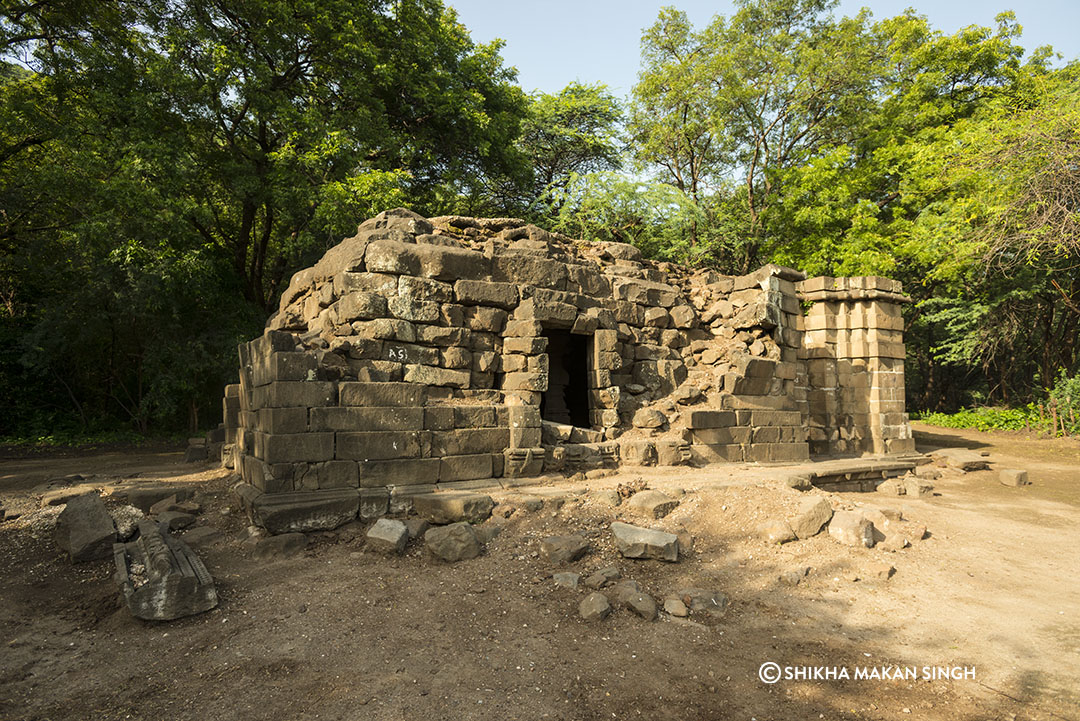
Almost slipping down the steep path to the lake, we saw the first of the 10 temples inside the Lonar Crater. The dense monsoon vegetation gave way to glimpses of a gorgeous temple made of stone. We reached closer to take pictures. It’s a Shiva Temple, and the Archaeological Survey of India (ASI) is working on its restoration. These temples were built during the Chalukya Dynasty’s rule, around the 8th/9th Century AD. What did the people think of the brackish lake waters? What did they do with it? Some say it has healing powers.
I tried to keep a track of the temples with the photographs, but failed, as time erased some memories. Too much information to keep track of! But here are my text notes:
1st temple in the forest trek : Shiv Temple : 9th Century by Chalukya Dynasty
2nd temple : Rama Temple : Chalukya Dynasty in the 9th Century AD
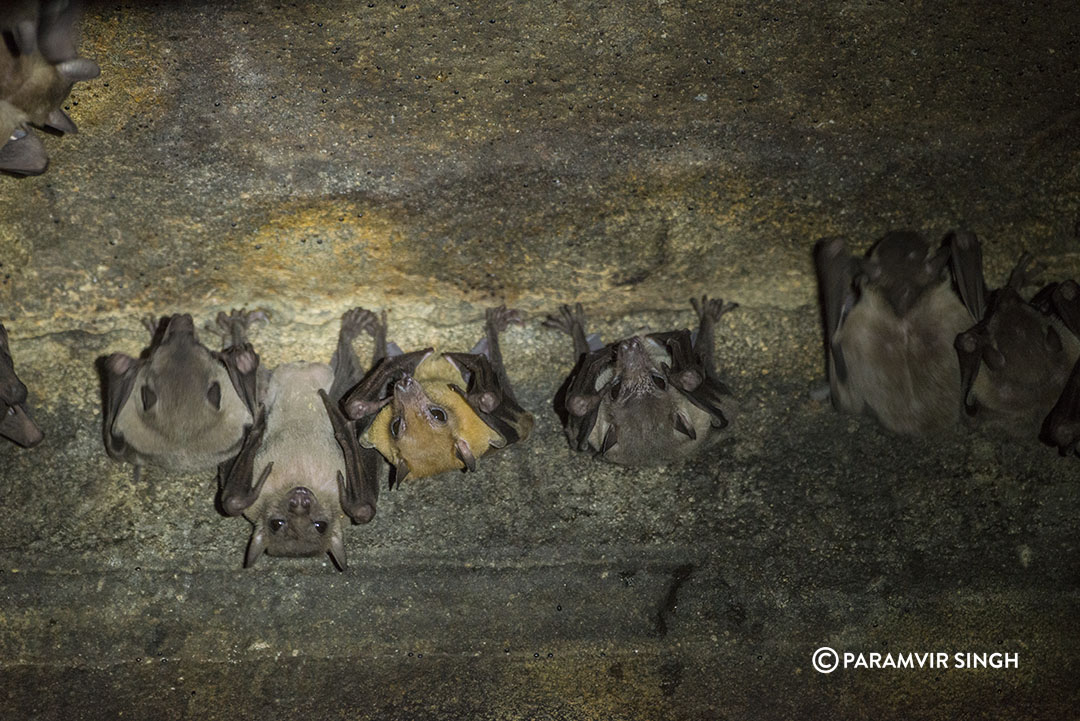
3rd Temple was full of bats. It was a Shiva Temple also 9th Century additions by the Yadavkalin Dynasty.
4th Temple : Shiv Temple 16 positions are shown carved in rock here.
5th : Padmavati Temple : It has regular Puja happening here. The goddess inside is Swambhu.
6th Temple : Shiv temple again.
7th Temple : Shiv Temple without the Shiv Lingam
8th : Shiv Temple
9th : Daitya Guru Shukra Acharya : He found Sanjeevini in Lonar Crater and would treat Daityas. This temple was his vaidyashala.
10th : Kumareshwar Temple also by Chalukya Dynasty. This is also a Shiv Temple.
The last temple on top is Gaumukh Temple made by Hoysala Kings. Later additions were made by Nana Saheb Peshwa and Ahilyabai Holkar.
Our visit to Lonar is posted here in an earlier article.
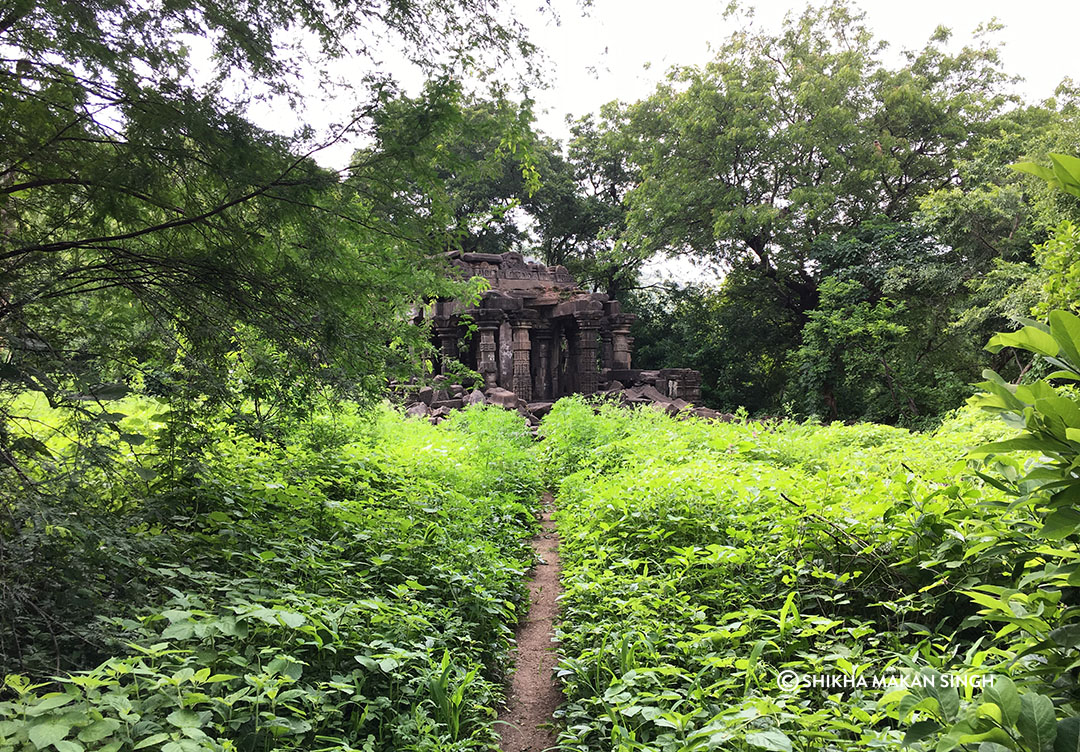
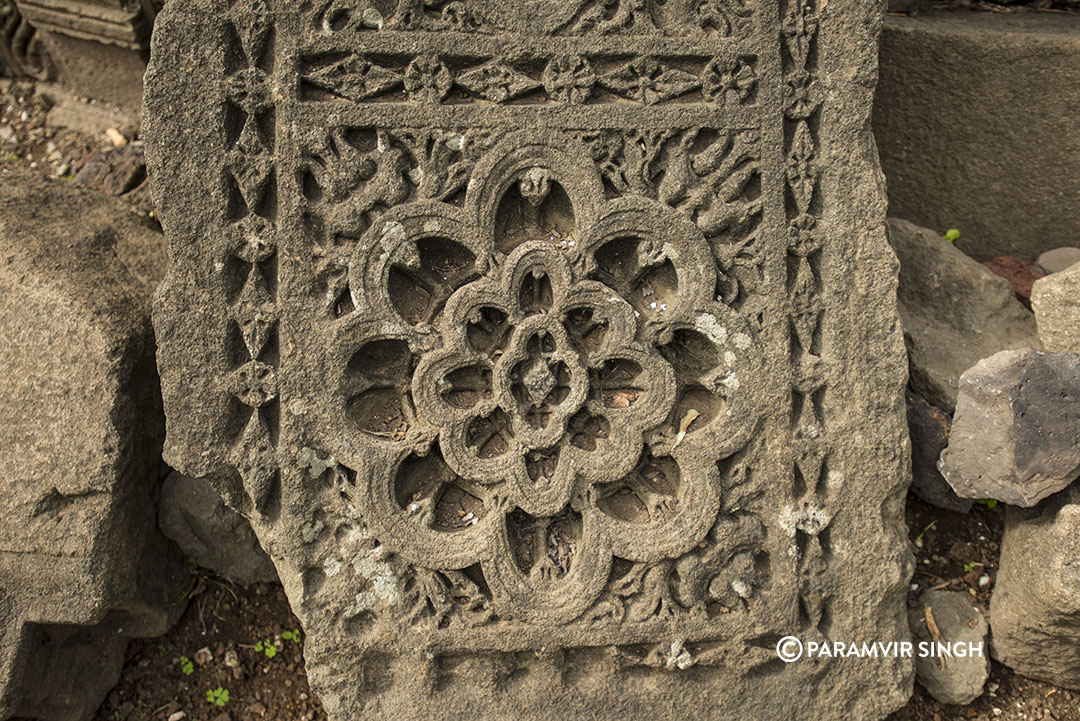
To Lonar Crater With The Blue Beast
Rajesh Karkera journeys in monsoon rains and through verdant countryside to the little-explored pristine Lonar lake in eastern Maharashtra.
More like this
When I first heard of the place named Lonar, I actually thought the person was trying to say Lonavla, which is a hill station in Maharashtra.
I was then corrected and told it was a crater.
Right here in Maharashtra?! No one -- in all my years of schooling or college -- had mentioned to me the existence, not too far from my doorstep, of something as intriguing as a crater.
'Did the crater come to be formed after I was born?' I wondered. It was not in my history books! Nor have I ever read about it elsewhere, like in the news.
Until now.
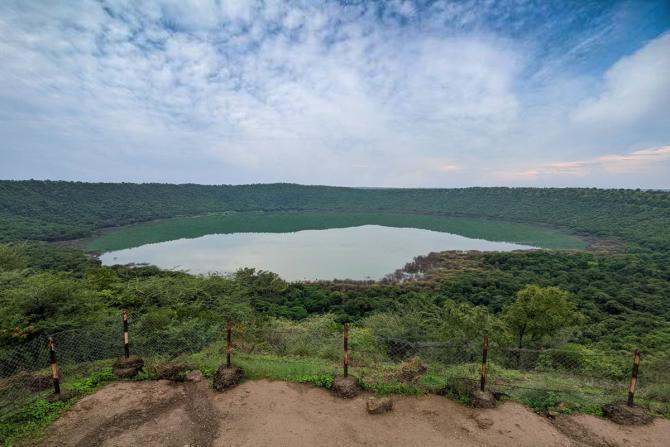
On July 27 I heard a huge sum of money, a whopping Rs 370 crores *Rs 3,7 billion) was approved for the conservation of Lonar lake, also known as Lonar Sarovar.
While digging up more info on Lonar, I read how the lake turned pink in 2020 during the lockdown.
All this was plenty reasons enough for me to plan, with mounting thrills, a 500 km-plus road trip to test the New Tata Safari. Along with my driving buddies from Pune, Anchal Mundkur, Priya Wilson and Rohinton Taraporewala.
I spent a few weeks working on an itinerary.
The plan was simple: Depart Mumbai in the early hours of the morning. Catch up with my friends, after the first 357 km, who were coming from Pune.
After lunch, carry on in a convoy of three SUVs, finishing up the balance 150 km-odd journey to the MTDC Resort, Lonar, in the Buldana district of Maharashtra, where we planned to stay.
Sponsored
6.30 am
The moment I get into the Tata Safari, the first thing I see on the vehicle's MID cluster (middle instrument cluster -- the dials behind the steering wheel) is that one of the tyres is showing a low-pressure warning.
Just to be sure, I drive it to the nearby tyre service guy and luckily, before calamity strikes, and discover that a nail has pierced through the tough rubber.
'There goes my early start', I worried. But that was better than driving halfway and then looking for a repair shop.
After a quick fix of the puncture and change of the spare tyre, which didn't really take that much time, I finally started my journey at 7.30 am, having lost an hour.
My Pune pals already had a two-hour headstart, since Lonar is 373 km, due east, from their starting point. I am now three hours behind schedule.
The thought comes to me: Can I push this Blue Beast and make up for the time lost?
My playlist is ready... The car is ready... So am I... Till I see a cop, who is sorting the traffic moving out of Mumbai early morning, looking at me!
I decide instead to enjoy the ride and not speed... Well not too much at least :))
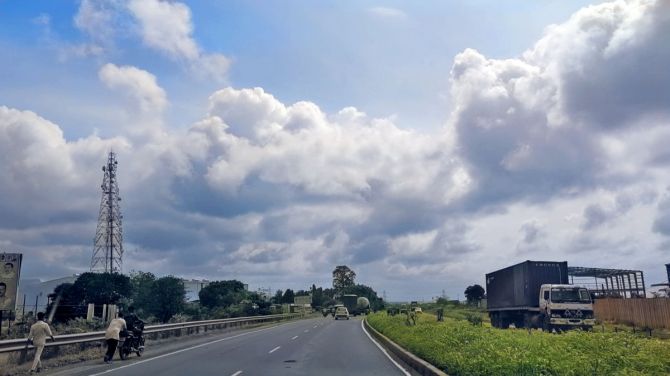
The beauty of a road trip is heightened during the monsoons. When you get an overcast moody sky, it just makes the drive so, so, so much better and dramatic.
Leaving Mumbai towards Buldana, my assumptions about the roads take a beating.
The roads are just the opposite of what I had imagined.
See the roads I drive on:
This is before I make my breakfast stop.
Yes, breakfast! I just can't go on a long drive without filling myself up too.
9.30 am
After passing many breakfast places, I decided to stop at a place ambitiously named Hotel Moti Mahal (a hat tip to Delhi's legendary Moti Mahal?) on the Padgha-Khaling road in Arjunali.
I stop here because from the faces of the people walking out it is evident that they are happy with what they ate.
I am not wrong at all!
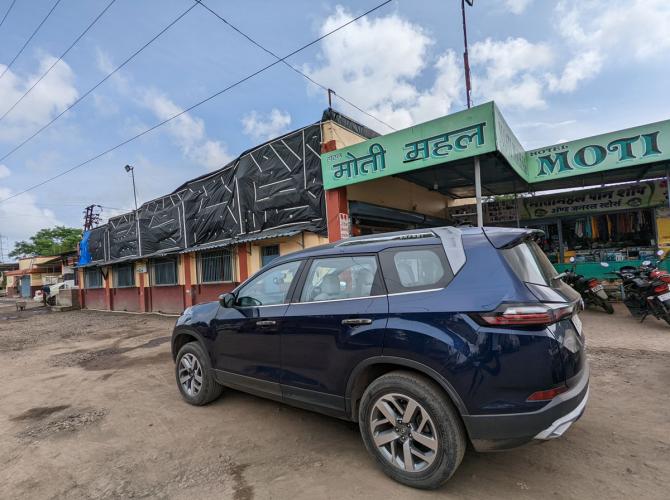
This place serves some of the best Kheema Pav I have eaten in a long time.
Plus the chai is brewed just right! -- this is one thing I miss on outdoor trips. They either have too much sugar. Or too much milk. But the chai at Moti Mahal is perfect!
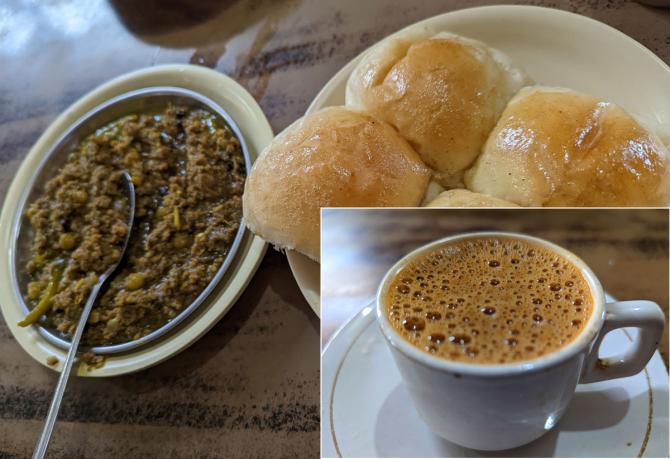
Content after my breakfast, listening to some recent favourites, like Kesariya from the movie Brahmastra repeatedly and Hawayein from Jab Harry Met Sejal on the excellent JBL sound system of the New Tata Safari, the drive is beginning to feel blissful.
Finally, 242 km after leaving home, I see the first signboard for Lonar. Whooppee!
Please remember, depending on Google maps is good, but do use common sense too. There are times when Gmaps will go crazy and take you on a wild goose chase where there are no roads. It's fun. But you might not always have the heart or stamina for it.
I am now halfway to Lonar and the remaining part of the drive didn't involve much traffic. There are patches of bad roads. That didn't affect the ride at all -- the Tata Safari's suspension took it in its stride... It is actually fun!
It is 3.00 pm when I pass our meeting point. It was actually to be our lunch place.
But the heavy breakfast killed any lunch pangs. Oh, did I mention: I had a couple of apples and pears in the car, in case I needed them. I did.
3.20 pm
On long drives you often get quite a few chai urges. I stop at a tapri or tea stall in an exalted place by the name of Zalta, Maharashtra.
The chai is just sugar water! The stall owner is a nice man and says that the locals here demand it to be that sweet! He offers me some namkeen snacks to make up for that sugar rush. But I am now keen on getting back on the road.
No stopping now. My drive buddies are already reaching the MTDC hotel in Lonar.
The first bout of rain on this drive arrives as I am reaching Jalna.
Jalna is a place where industries abound, which is the reason for all the heavy vehicles on the roads, which results in no roads.
Perfect conditions for offroading I realise.
In these parts, it is the 14-tyre container truck, in front of me, who is the winner on the road. "Abhi ulta hua. Abhi ulta hua (It will overturn, It will overturn)," I think to myself. But the truck drivers manoeuvre their extra-large vehicles with so much ease. It amazes me.
I had heard that after Jalna till Lonar there are no proper roads. And that was exactly what I was looking forward to.
But what I get, after the 15 minutes of the off-roading spree in Jalna, is, to my astonishment, absolute smooth tarmac!
Fantastic empty, level roads with, on both sides, greenery made gaudy by the rain.
The road/highway is like this all the way to the MTDC resort, Lonar (as seen in the video above).
6.50 pm
As the daylight seeps away I enter the resort -- the MTDC accommodation in Lonar has huge rooms! And it's kept very clean. The bathrooms too are spacious and tidy. No frills or fancy stuff but good, clean accommodation.
Clean crisp towels too are provided, albeit late, and, of course, the same old Medimix soaps :/ along with the towels. When will you change MTDC?
The property at MTDC Lonar is vast. It's very close to the crater and what impressed us was the excellent service.
8.00 pm is when we ask for dinner as we are all tired.
The meal served is excellent. It is better if you order what you need in advance so that the staff can get fresh produce from the market nearby.
Let me tell you the menu: For starters, there is homemade French fries, made from freshly-cut potatoes. Excellent! Coated in some local herbs, they blow our minds. And that is just the starter!
For the main course, we have Malvani Chicken, Fried Catla (a freshwater fish), dal, rice and chapatis. The table is wiped clean by the four of us!
We are early birds while on trips, so we turn in early to be up at 5.30 am to catch the pahile pahile rays of the sun of the new day.
https://www.rediff.com/getahead/report/get-ahead-travel-rajesh-karkera-to-lonar-crater-with-the-blue-beas
The Lonar Crater, At Last!
Rajesh Karkera journeys through verdant countryside to the little-explored pristine Lonar lake in eastern Maharashtra.
More like this
5.30 am
After driving on empty morning roads in Lonar village, we have chai cravings that lead us to a bhatti in one of the bylanes of the market area of Lonar village, the interiors from which smoke is luxuriously billowing out.
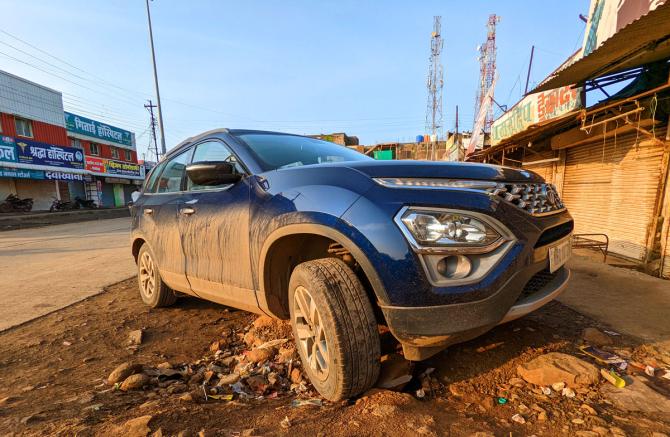
I park the Safari on the main road. It isn't advisable to take the Broad Blue Beast into the bylanes even though they are deserted.
The bhatti is serving local breakfast with tea, of course.
Deep-fried Dal Wadas -- a very different variety from what we get in Mumbai or down South.
And some pakodas, supposedly Palak Pakodas. But there is barely any palak (spinach) in them.
Still, this is fun :)
It is time to head back to the resort for some proper breakfast!
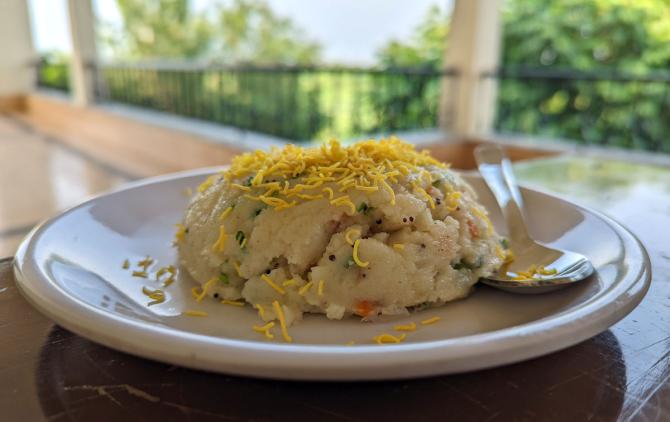
The breakfast at MTDC, which is included in the room charges, is simple. Yet fresh and healthy. We opt for the poha and the upma. It is served up piping hot, in the huge dining room they have on their premises on the first floor. It overlooks the jungle around the crater, which is an enticing lush green.
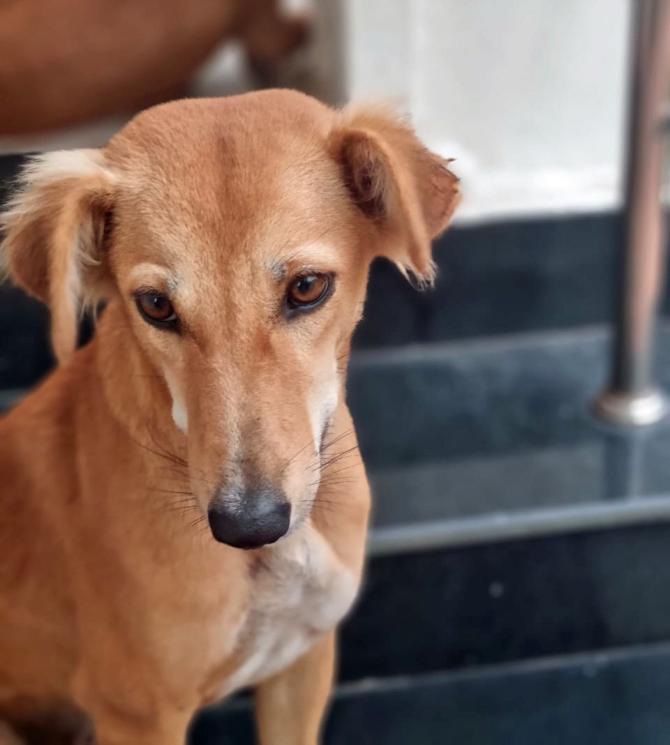
Meet Crater, one of the pets in the compound. We named her.
There are two others. A black boy named Singham and a brown female named -- what else? -- Rani.
All three are the in-house pets here and are extremely gentle.
These fellows do come up to the dining area. But only if you want them to. If any guests are afraid of canines, the staff sees to it that the dogs do not disturb them.
9.00 am
Second breakfast done. Off we go, along with our local guide Shailesh Sardar who helps us see and understand what Lonar is all about.
We first head to Viraj Tirtha, also known as Lonar Dhar. This temple or door to Lonar, as you could call it, is a shrine which has lots of sculptures on its walls and pillars. But what catches the eye is the continuous flow of water into a tank which is considered holy.
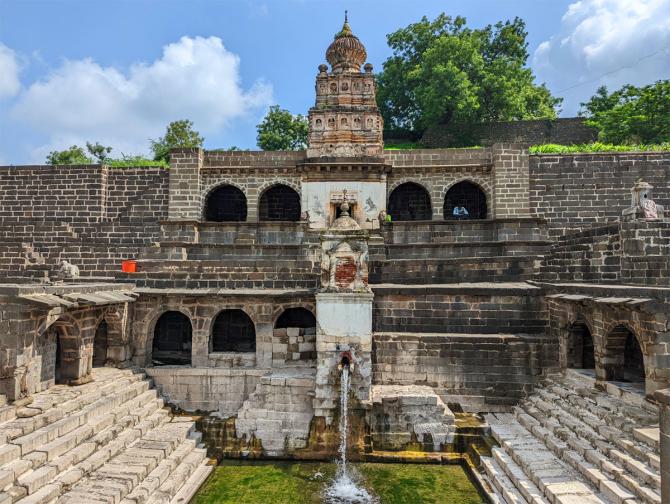
Since we are coming here not that many months after the COVID-19 lockdown, the tank has not been opened to the public.
That is a good thing actually -- else you would have seen here hordes of people bathing and washing clothes, clouds of foam and not this spartan tank beautiful in its splendid isolation.
It is said that the water has been flowing into this kund (tank) for thousands of years.
Till here is the easy part...
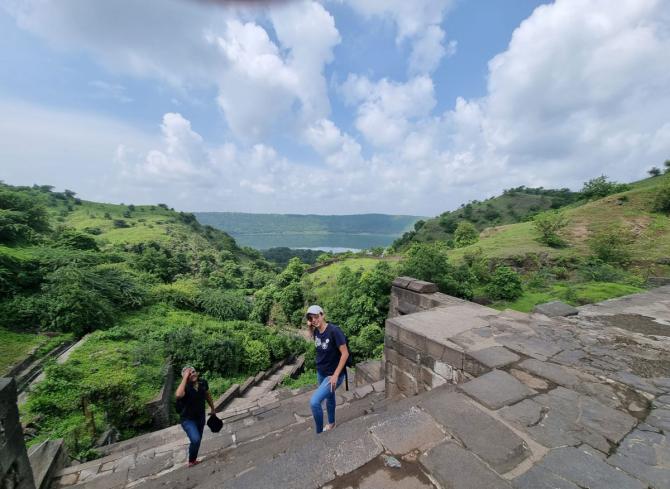
Now what you see behind us is the path down through the forest to the lake that we need to negotiate:
Going down to the lake is not at all gruelling. And the path in the monsoons is green and dreamy.
But it's not just the lake that you should see in these parts.
Take a guide along and you will be shown a lot more!
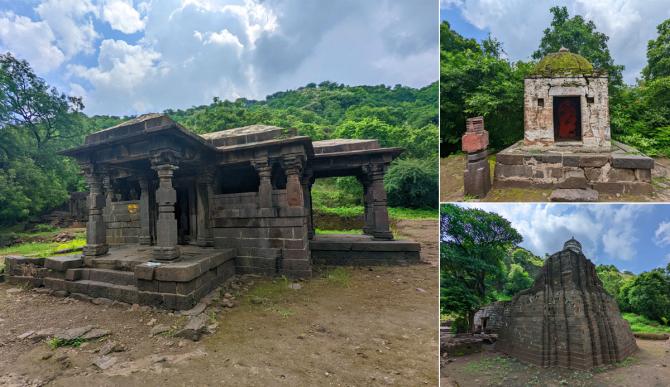
There are temples along the circumference of the lake -- all around the place where the meteor hit.
They are carved completely in stone. Some are in shambles. Others restored.
As, one by one, you see them, you realise that these are not just places of worship. They were, at one time, places of meditation and studies.
Along with the temples, are vachnalays (reading rooms), built completely out of rock and even a shelf made from rock to probably keep books and an oil lamp.
There's a meditation room, totally dark, with a shivling inside. Even so, the place is not a temple. It was where people meditated alone, apparently looking at the size of it. There are no lights inside or windows. It is pitch dark. Carrying a flashlight will surely help.
Sponsored
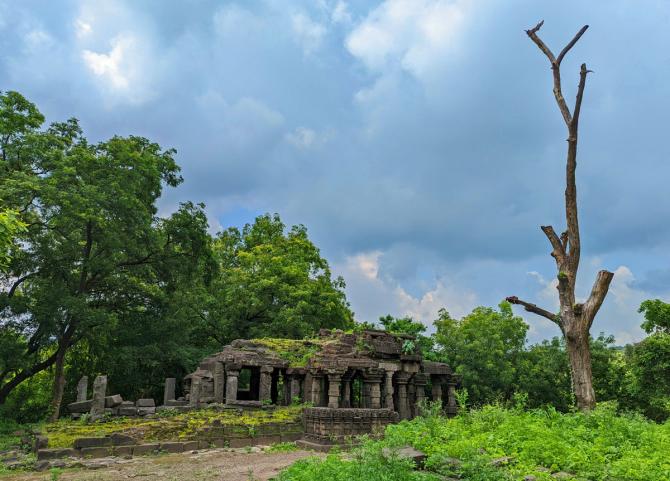
As you walk towards the lake, which is approximately an 8 km trek, you come across several varieties of temples. Each one has a very different vibe. There are a total of 15 temples built around the edge of the crater.
One of the temples, which looks simple on the exterior, made our compass go haywire.
The reason: Our guide Shailesh tells us that one of the pillars of this temple, which is all made from rock, is magnetic.
Would you ever know this if there wasn't a guide accompanying you?
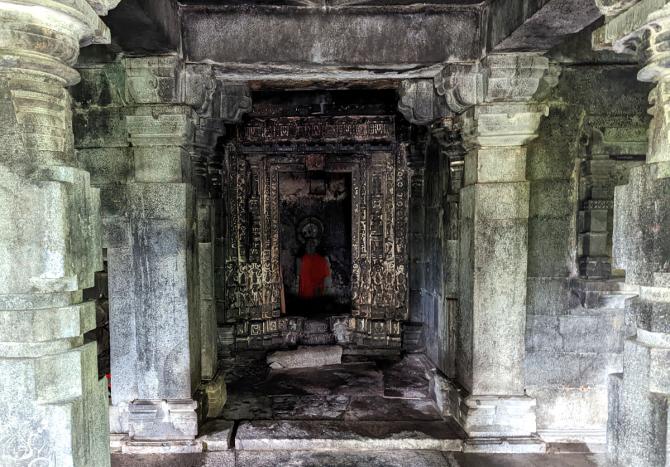
This is unique (above) -- a shrine of Lord Ram alone in a temple. Normally, Shailesh explains, it's always Ram, with Lakshman and Sita beside him. Here he is alone.
I am asked to stand close to the entrance.
Suddenly I see my own shadow. But multiple shadows. Three to be exact. One falls on the god in front and the other two fall beside the statue. Bewitching. Magical. It's a wonderful scientific creation by the sculptors of that time.
They built this temple in a manner that at any time of day, every time someone stands at the entrance, three shadows will fall on Ram -- making you feel like you have Ram, Lakshman and Sita within you... Something to ponder over.
So well designed is this temple, that even if you don't have someone guiding you -- where to enter from, the carvings on the stone lead you to it. You just have to look.
After our visit to the Ram Gaya temple, Shailesh leads us through the stone and loose soil-covered approach and then on a green path towards the lake.
Ah, the lake...
It is a sight to behold. One of the great visions of a lifetime.
The Mysterious Mystical Lonar lake is surrounded by its brood of companion temples.
This is our endpoint. Our high.
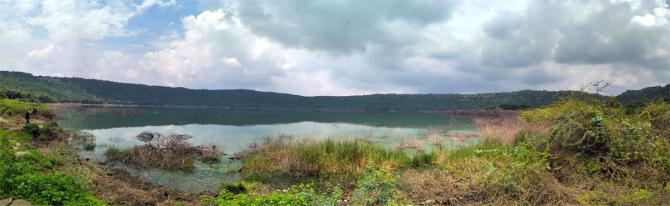
After several moments of contemplation and reverie, it is time to head back, very thankful to nature for having had the patience to let us see all this with ease because just as we are turning around, on cue, thunder and a drizzle of rain start up.
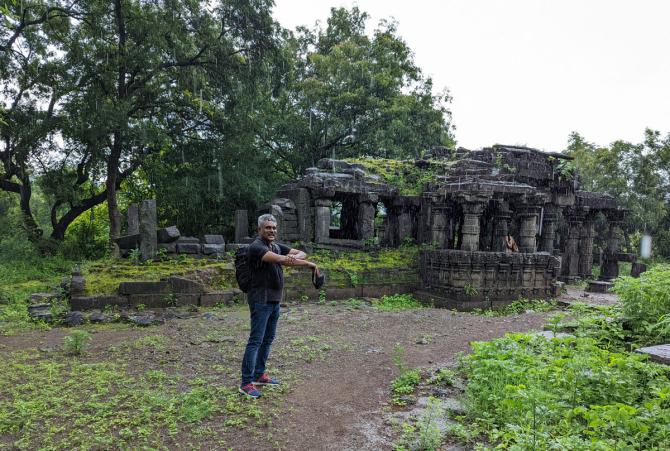
We wait almost 30 minutes for the rain to let up. It didn't -- a return trek in the rain.
And this I enjoy. The last bit.
The climb back up to Viraj Tirtha or the Lonar Dwar. It is a task!
Water gushing down the stones. My shoes filled with water making my feet heavy.
And the stone steps are not your normal height of steps.
But take one step at a time. And you will reach the top with ease.
That's what keeps us all going. Just don't look up till you reach the top!
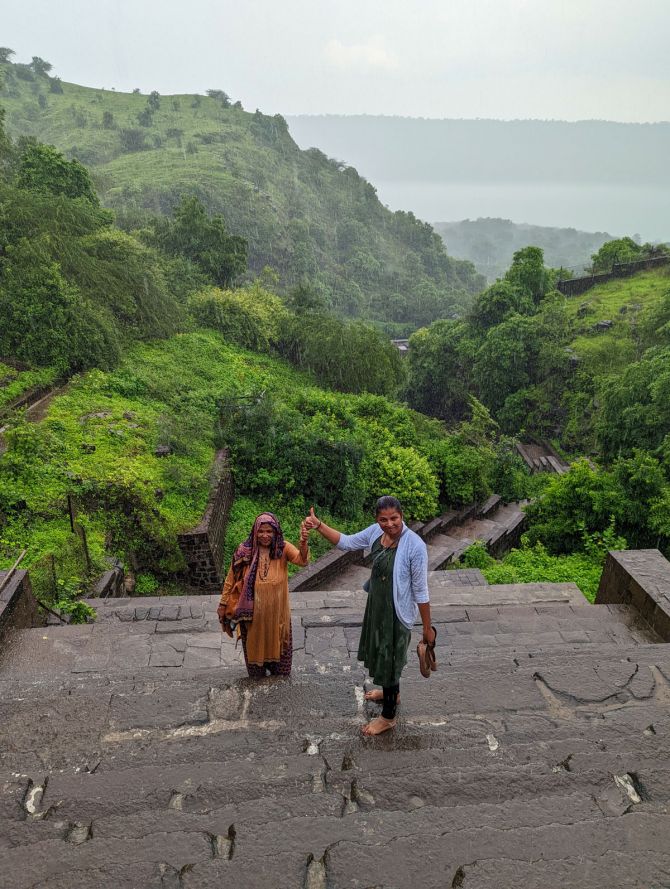
What a feeling it is to come back to the top!
With us are trainee women Maharashtra government employees, who are stationed in Lonar, and this is their first weekend off. And they choose to do this trek. Kudos to them!
Completely drenched, our footwear squelching, we reach the MTDC hotel to freshen up and get some lunch.
Post lunch and a half hour of rest it is back to seeing more of Lonar.
Enthusiastic Shailesh insists we leave by 4 pm latest as he wants to take us to see a good view of the lake and one more temple before nightfall.
4.30 pm
We leave MTDC, the same convoy of three SUVs, one behind the other.
The first place the guide takes us this evening is to a great spot to photograph Lonar lake.
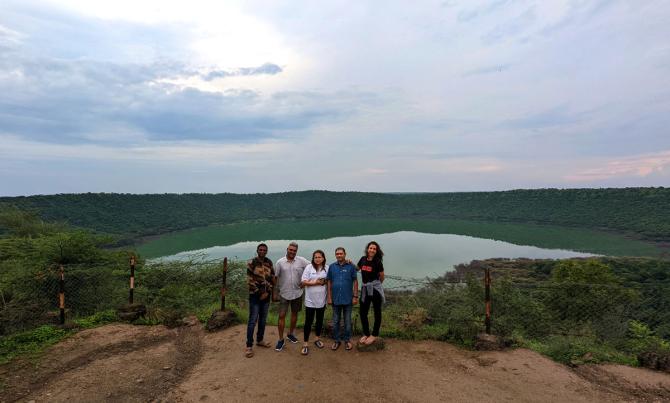
IMAGE: From left: Shailesh Sardar our guide, me, Priya, Rohinton and Anchal. Photograph was taken by a kind bystander
It's an unobstructed panoramic view of the complete lake and its surrounding forest. Breathtaking!
Every time you visit this same spot you will see a different picture, different vista, and different frame -- all because the ethereal clouds and the elegant sky, above, surround Lonar lake in a different, out-of-the-world kind of way.
Almost as if some sci-fi activity is happening here. Especially in the mornings and evenings, I feel like I am in an extra-terrestrial film.
Shailesh narrates the Story of Lonar at the lookout point. It is said that a meteorite hit this part of Lonar about 56,000 years ago, creating the largest impact crater in India and the third largest in the world. Now after some new research done by scientists who frequently visit Lonar, they are coming to the conclusion that this impact was not 56,000 years ago, but more like 570,000 years ago!
The asteroid that fell was 60 metres in length and weighed a mind-boggling 2 million tons.
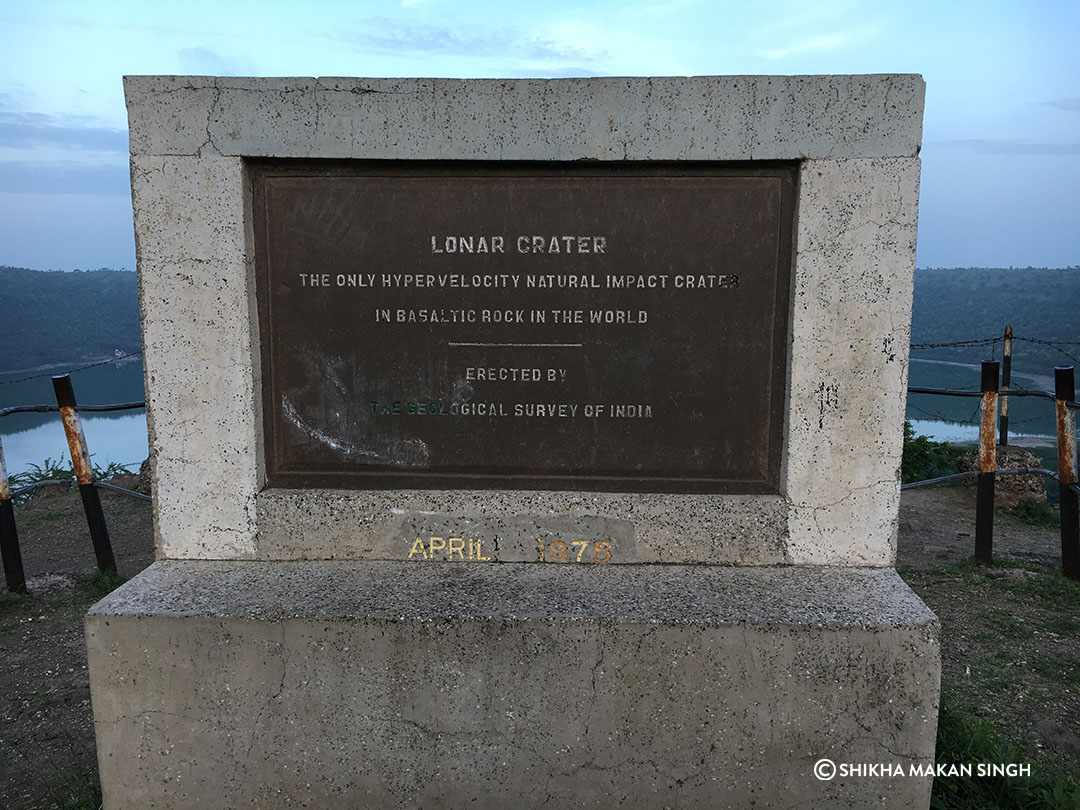
At this viewpoint, the Geological Survey of India erected a signpost in April 1975 which describes the Lonar crater to be the only hyper-velocity natural-impact crater in basaltic rock (a kind of igneous rock) in the world. It takes a lot of scientific reckoning to decide whether any large depression on the earth's surface is a crater or not. Lonar is therefore one among some 20 very large earth craters that has been established to be a bonafide crater. The largest in the world is Vredefort crater in South Africa with a 160 km diameter and Lonar at 1,830 m is in august company.
Please see the video below in which Shailesh explains how the Lonar crater came to be:
As we leave this viewpoint, I couldn't help but notice a structure in ruins.
It looks like barracks.
Only after I enter do I realise that this was once the PWD Guest House (please see pic below) and it was where I was first considering staying, as this is the only place that has a direct view of Lonar lake.
But after COVID-19, everything is shut here. Vehicles once got access to the viewpoint. No more.
There were safaris and treks organised for tourists which took them right to the rim of the lake through the forest. It all stopped after lockdown and it's not resumed yet.
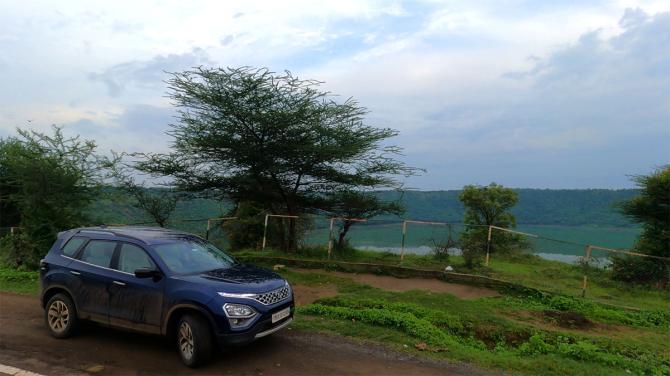
After taking a few very tough, hard-to-organise-angle shots of our cars, with the lake as the backdrop, we visit a privately-owned Hanuman temple.
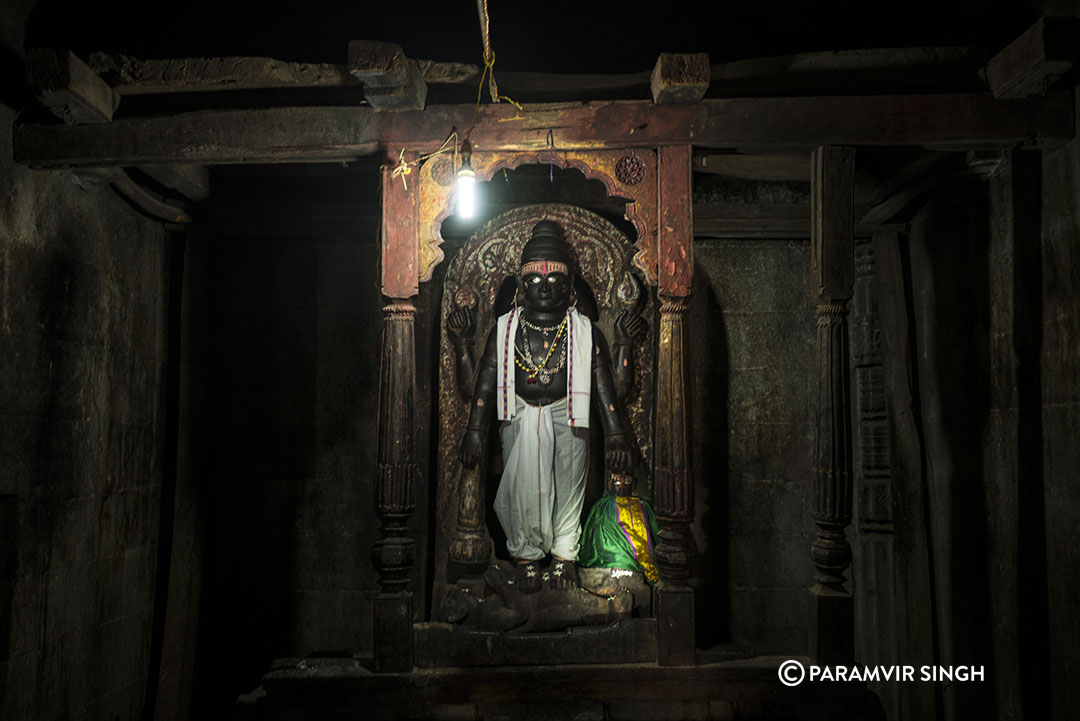
In this temple, unlike other Hanuman temples, the statue of Hanuman here is lying down and has anger on his face.
This temple doesn't have any caretakers to bother you for money -- anyone can just walk in, pray, look and go. It feels nice inside .
So, the history goes: This statue of Hanuman is made from magnetic basalt rock and has the same magnetic field that some of the pillars of the temples around Lonar have. Some even consider that a visit to this temple will relieve them of blood pressure and stress issues.
A few years back, the statue was all covered in orange tikka powder, which all Maruti temples have, and as a result, no one had seen the actual stone statue for years and years.
It was only when the Kanitker family, who are private owners of this temple and premises, decided to remove all the orange paint, that they saw the actual statue and discovered it was of Lord Hanuman, in an angry avatar.
Next is our last stop -- so says our guide. Our three monstrous SUVs end up blocking every narrow street of Lonar market!
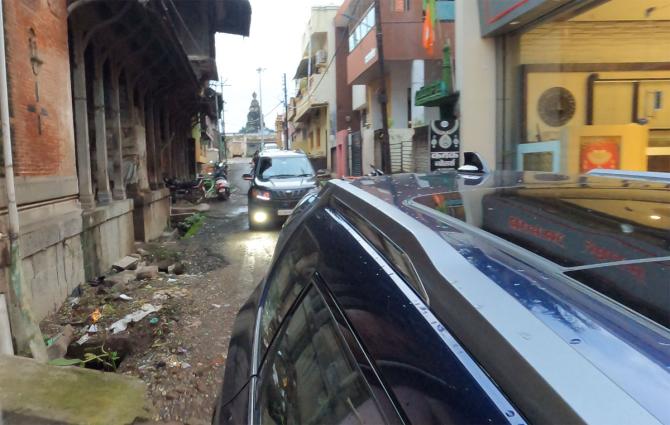
But from what we could see, old Lonar is a town of lovely houses along both sides of the street, a mixture of the old and new. The old is fading, crumbling away, but people are still living in the rundown homes.
6.20 pm
Our last destination of the day: The Daitya Sudan Temple. This is a familiar structure, so similar to the temples of Khajuraho. The carvings and the shape of the temple is very much the same.
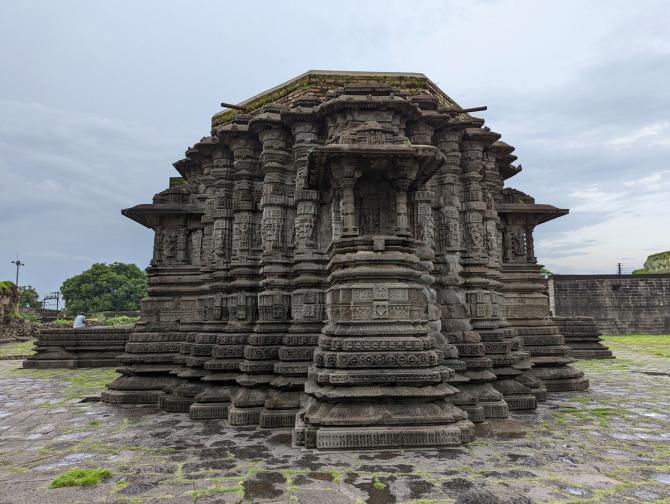
Excellent sculpture. Each depicts something from that era and just like the Khajuraho temples, the sculpture was desecrated apparently by the Mughals in the 13th century.
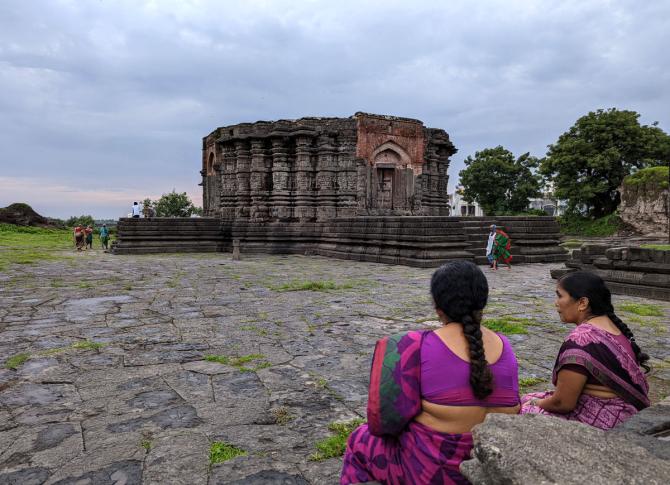
After spending quite a bit of time here, as the daylight waned, it is time for us to head back to our MTDC lodging.
Winding our way through the narrow lanes is smooth, as most of Lonar and the market too shuts down early. This made the streets easily passable for three enormous SUVs.
On our way back, the twilight sky is so majestic, that I just have to stop the new Safari in the middle of the road to take this shot:
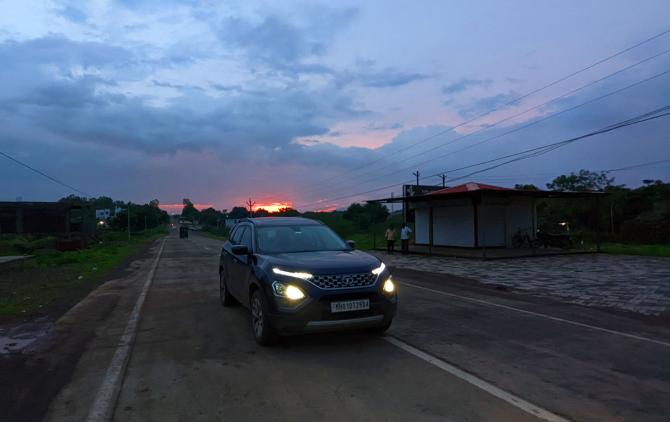
People started wondering if this man -- me -- is going mad! My co-passengers, Rohinton and Shailesh our guide included.
Back at MTDC, a scrumptious meal is waiting for us. All thanks to the manager Vaibhav and chef Mahadev, who see to it that the meal for our second night is completely different: Baingan Masala, Bhindi Fry, Varhadi Chicken -- This is a speciality zesty and spicy flavourful dish from the Vidharbha district of Maharashtra, A must try for one with a spirited palate, Plus dal, rice and chapatis too.
All excellent. And not to forget: French Fries again!
No pictures this time. We were just too hungry to wait!
6.30 am
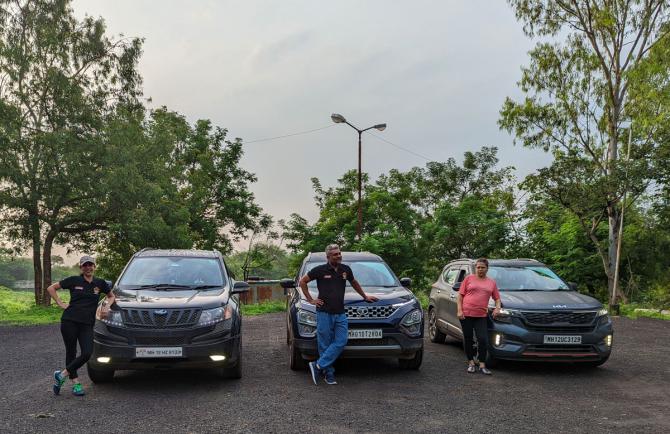
The next morning and it is time to depart Lonar. The sad truth about every trip: We do have to return.
Yet the good thing about being on a road trip is that the fun doesn't end till you reach your parking spot at home.
The way back too is full of adventure for me.
It starts almost immediately after my friends from Pune part on to their different routes.
Google maps takes me on a path which literally has no roads. And me, being the off-road junkie that I am, just kept going, even though I knew it is the wrong way.
I am enjoying the way the New Tata Safari is handling the no-roads situation.
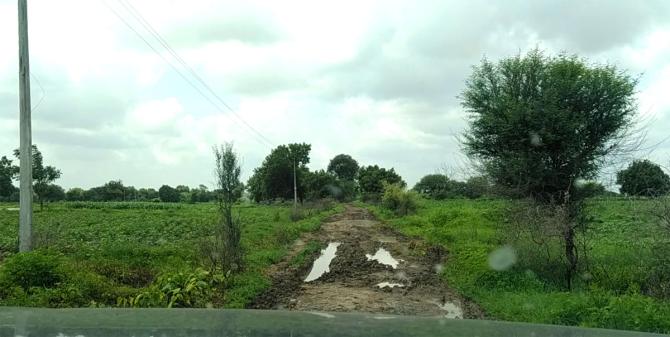
After continuing on the mushy, slushy path between fields for almost 38 minutes, I am frantically waved down by some farmer women, who are working in the khet.
I stop and shut my music to listen to what they are saying: "Phude gaadi zaanar nahin, fakta chalun jaaoo shaktat (The car won't go ahead. There are no roads... You can only walk)"
I start laughing and thank them.
Now there is no way I can turn this Blue Beast around as on both sides the bushes/trees are too close to the car to take a U-turn. So instead, I choose the rough terrain using the mode selector on the car and drive all the way in reverse. Till I get some space for a U-turn.
What fun!
At a junction I see two villagers, looking strangely at me, watching my antics. I greet them and ask them the way to the highway.
The duo point and say that it is 9 km that way.
They then request if I can drop them off at the highway as they are going to their shop there. My car is empty and they seem like nice people, so I ask them to get in.
After a little chit-chat, I put it to them: Is there a way to not join the highway but to go through villages ahead and then reach the highway?
They nod their heads enthusiastically and say: "Yes, yes" and take me through a bunch of lovely villages. It seems like everyone knows everyone around here. People are greeting my new passengers as we pass.
Some even shout, 'HAAARIER' (the New Safari is often confused with the Harrier in many parts). But basically these new Tata cars seem to be head turners everywhere.
After a good drive, we reach the highway, where I drop them off. They insist I have tea in their home. I respectfully tell them I need to be on my way.
The people of Lonar and the villages nearby, you discover, are simple, helpful and caring. When we created an almighty traffic jam in Lonar market no one was upset with us. Every person, whether walking or driving, was helping us pass.
I just HAD to take this picture of the car on these tracks which are very close to a railway station named Potul, in Gangapur taluka, Aurangabad district, on the Mumbai-Nanded-Manmad line. We cross this rail line just before reaching the highway.
Kindly note: I did request the official on duty for permission before I stopped midway on a railway crossing to take it.
I make one more stop on my 497 km drive back to Mumbai -- for lunch. It is a place called Nivant Dhaba, serving Malvani thalis.
At least that is what the hoarding says. The food is a delicious home-style fare.
After my meal, I thank the staff and I discover that this Maharashtrian ghar-ka-khana place is run by a father-son duo from Nepal, who cook perfect Malvani fare. I thank them for the food and am on my way back on the road.
6.20 pm
There is a major traffic jam at Bhiwandi, near Mumbai. Back to 'civilisation'. Sigh.
I wait patiently for a few minutes and then have a look to see the cause. Huge, ugly unlike-Lonar crater potholes are holding up the traffic as they try to make it across.
Hmmmmmmmm, I think to myself. I am road-testing the New Tata Safari which has terrain response drive modes.
All I do is switch the mode using the dial on the centre console from 'city drive' to 'rough road' mode and request a biker family to give me some way, thank them, crank up the music and ride the craters like a horseman would steer an untamed bucking bronco!
Everyone thinks I am crazy! But I am out of the jam in under five minutes. Some of the passengers in a bus I pass actually clap! Hahaha.
8.02 pm
Home! My odometer clocked an impressive 1051.2 km in 72 hours. The pyara Blue Beast did well.
And no, I am not tired at all -- I am good for another drive, which I do.
I go on a 5 km drive to IC Colony, Borivali, to get some top-class Roast Pork Chilli from Uncle's Corner, to bring home for dinner.
I could have ordered it on Zomato or Swiggy, but then where's the fun of that last extra drive with dear BB.
Now for the facts...
North Mumbai to Lonar: 497.8 km
Pune to Lonar: 357 km
MTDC stay:
Manager Vaibhav Jumbade
Super Deluxe Room AC: Rs 1900 per day inclusive of breakfast.
Lunch/Dinner: Extra. Rs 800 per day all told for four of us, including soft drinks.
Service: Friendly. Excellent overall.
Important Note: Order food/drink in advance.
New Tata Safari performance facts:
On highway: Very stable and with a good hold on the road. Enjoyable drive.
On bad roads: The three-drive mode dial switch of the New Tata Safari is particularly handy.
Music system: The JBL sound system gives you that extra boost of thumping energy that is needed on a road trip.
Fuel economy: 13 km/l diesel.
https://m.rediff.com/getahead/report/the-lonar-crater-at-last/20220930.htm


No comments:
Post a Comment