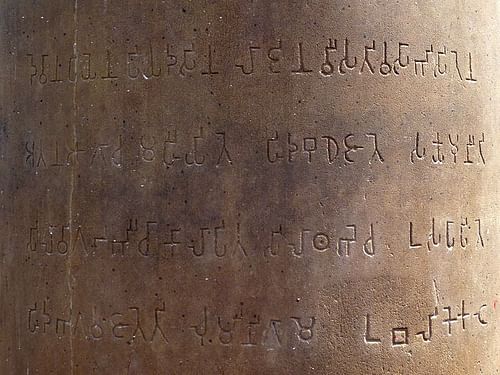
Lumbini Ashokan Pillar
Photo Dharma (CC BY-NC-SA)
The Brahmi Script is the earliest writing system developed in India after the Indus script. It is one of the most influential writing systems; all modern Indian scripts and several hundred scripts found in Southeast and East Asia are derived from Brahmi.
Rather than representing individual consonant (C) and vowel (V) sounds, its basic writing units represent syllables of various kinds (e.g. CV, CCV, CCCV, CVC, VC). Scripts that operate on this basis are normally classified as syllabic, but because the V and C component of Brahmi symbols are clearly distinguishable, it is classified as an alpha-syllabic writing system.
Origin of the Brahmi Script
One question about the origin of the Brahmi script relates to whether this system derived from another script or it was an indigenous invention. In the late 19th century CE, Georg Bühler advanced the idea that Brahmi was derived from the Semitic script and adapted by the Brahman scholars to suit the phonetic of Sanskrit and Prakrit. India became exposed to Semitic writing during the 6th century BCE when the Persian Achaemenid Empire took control of the Indus Valley (part of present-day Afghanistan, Pakistan, and northwestern India). Aramaic was the language of ancient Persian government administration, and official records were written using a North Semitic script.
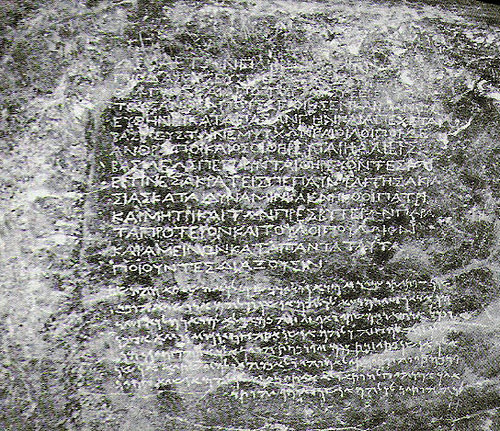
Greek and Aramaic inscriptions by king Ashoka
World Imaging (Public Domain)
Around this time, another script also developed in the region, known as Kharosthi, which remained dominant in the Indus Valley region, while the Brahmi script was employed in the rest of India and other parts of South Asia. Although we are confident that Kharosthi is an adaptation of Semitic, the connection between Brahmi and Semitic remains unclear.
By the 2nd century BCE, the Brahmi script becomes more widespread & we can also detect the rise of marked regional variations.
Another position has been advanced by professor K. Rajan, who has argued that the precursor of the Brahmi script is a system of symbols found on graffiti marks located on several sites in Tamil-Nadu (South India). In this region, hundreds of graffiti either inscribed or carved on potsherds and rock have been found: some of these symbols are found at the end of Brahmi inscriptions. Dilip Chakrabarti supports the connection between graffiti marks and Brahmi based on evidence found at Vallam (South India), where only graffiti inscriptions were present in the earliest phase, followed by a mix of graffiti and Brahmi script in the middle phases, and only Brahmi inscriptions in the latest periods. A similar picture has been produced by excavations at Mangudi. Whether Brahmi truly derives from graffiti is hard to confirm but the connection between the two systems cannot be ruled out.
There is a third position that claims that Brahmi derives from the Indus script, a writing system employed in the Indus Civilization which fell out of use as this civilization came to an end. Those who support this hypothesis point out the resemblance between some of the signs of these scripts. Given the complete absence of material evidence linking both writing systems, this view seems both speculative and hard to verify.

Unicorn Seal - Indus Script
Mukul Banerjee (Copyright)
Another question about the origin of the Brahmi script relates to its antiquity. Until a few decades ago, the earliest securely dated examples available of the Brahmi script dated back to the 3rd century BCE, during the time when India was ruled by the Mauryan Empire. These examples were found on a set of royal rock inscriptions spread in North and Central India by the Indian emperor Ashoka (r. 268 BCE to 232 BCE), known as the Edicts of Ashoka or Ashokan Inscriptions.
Despite the lack of earlier examples, some scholars argued that the Brahmi script had originated earlier than the 3rd century BCE. This claim is based on the composition of a set of texts, the Brahmanas, which were attached to the Vedic literature during the 6th century BCE. The Brahmanas are the only section of the Vedic corpus written mostly in prose, unlike the earlier sections of the Vedas which are hymns for recitation, specially designed for oral transmission. The emergence of prose is hard to imagine without the support of writing technology. Further evidence comes from the work of Panini, the renowned ancient Indian grammarian who composed an influential work on grammar analysis of Sanskrit during the 5th or 4th century BCE. It is unlikely that a work like this could have been produced in a preliterate context. Knowledge of writing in India is also recorded by writers who joined Alexander the Great to India roughly a century before the time of Ashoka.
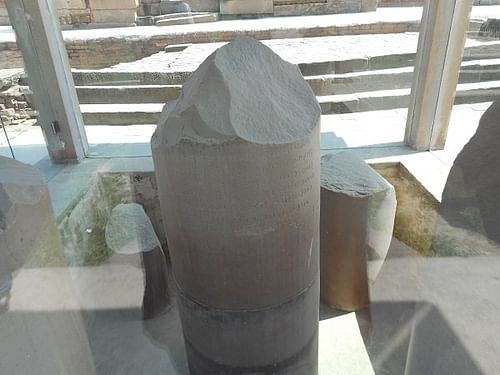
Ashokan Pillar Base, Sarnath
Anindita Basu (CC BY-NC-SA)
During the late 20th century CE, the notion that Brahmi originated before the 3rd century BCE gained strength when archaeologists working at Anuradhapura in Sri Lanka retrieved Brahmi inscriptions on pottery belonging to the 450-350 BCE period. The earliest of these examples are single letters, and their dates have been established through radiocarbon dating. The language of these inscriptions is North Indian Prakrit (Middle Indic), an Indo-Aryan language.
Development of the Brahmi Script
Most examples of Brahmi found in North and Central India represent the Prakrit language. The Ashokan Inscriptions already show some slight regional variations on the Brahmi script. In South India, particularly in Tamil-Nadu, Brahmi inscriptions represent Tamil, a language belonging to the Dravidian language family, with no linguistic affiliation to the Indo-Aryan languages such as Sanskrit or Prakrit.
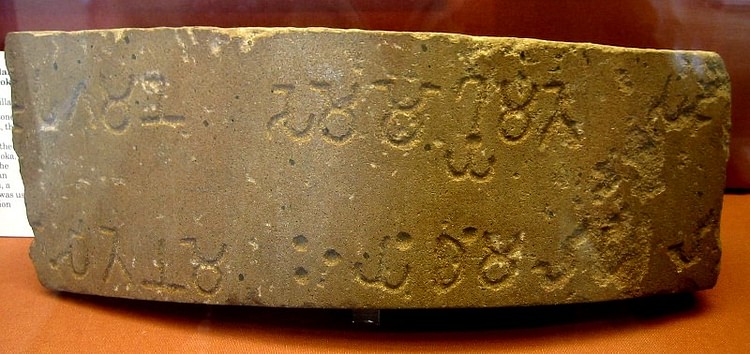
Pillar of Ashoka Fragment
Unspecified (GNU FDL)
Some Tamil examples come from inscribed potsherds found at Uraiyur (South India) dating to the 1st century BCE or the 1st century CE. In Arikamedu (South India) there is also evidence of an early form of Tamil in Brahmi inscriptions, dated to the early centuries CE. At this stage, different Brahmi characters specially adapted to suit Tamil phonetic were already in use. Examples of Tamil have not been identified among the earliest securely dated examples of Brahmi found at Anuradhapura in Sri Lanka, where the language represented is Prakrit.
By the 2nd century BCE, the Brahmi script becomes more widespread, and we can also detect the rise of marked regional variations.
Material Form & Use
Ashokan inscriptions are found on carved rocks, caves, stones slabs, and rock pillars. We also have some examples of short Brahmi inscriptions on small seals made of ivory, bone, stone, and terracotta dated to Mauryan times. Other examples come from potsherds and copper plates. With the rise of Buddhism as the dominant faith in India, we find Brahmi inscriptions on monumental constructions known as 'donative records,' stating the names of different donors. The early 2nd century BCE saw the beginning of Brahmi inscriptions on coins.
The earliest identifiable use of Brahmi script found on ceramic surfaces was to indicate ownership of the item.
The use of perishable materials as a writing medium is an ancient widespread practice in South Asia, particularly palm leaf and birch bark. As portable and affordable writing surfaces, these materials are ideal. Direct material evidence on the use of palm leaf and birch before the time of the Ashokan Inscriptions has not been found. This lack of direct evidence could have more to do with the bias of the archaeological record due to the destruction of evidence over time rather than the actual absence of a written tradition on perishable materials. Indirect evidence of the possible use of perishable writing surfaces has been retrieved at Sringaverapura in North India in the form of traces of birch wood, from levels dated to c. 10th to 7th century BCE period. D. Chakrabarti also mentions the presence of bone items described as possible stylus employed for writing on palm leaves and birch bark, but these objects could also have been arrows.
The earliest identifiable use of Brahmi script found on ceramic surfaces was to indicate ownership of the item. Towards the mid-3rd century BCE, we see the first example of Brahmi being used for official communication in the production of seals and on the Ashokan Inscriptions. A few centuries later, Brahmi begins to be employed in religious contexts, both in architecture and for the transmission of religious texts.
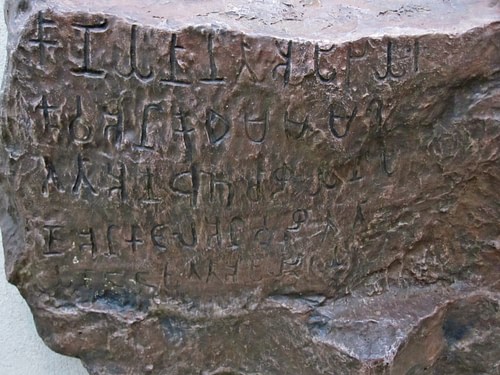
Mangulam inscription
Sodabottle (CC BY-NC-SA)
Scripts Derived From Brahmi
During its long history of development, there has been a large number of scripts derived from Brahmi. Many of the scripts derived from Brahmi have been adapted to suit the phonetic of several different languages, deriving in many script variations. The origin of numerous writing systems currently in use across Asia including the Gurmukhi, Kanarese, Sinhalese, Telugu, Thai, Tibetan, Javanese, and several others can be traced back to the Brahmi script.
https://www.worldhistory.org/Brahmi_Script/
Brāhmī Alphabet

The Brāhmī alphabet is the ancestor of most of the 40 or so modern Indian alphabets, and of a number of other alphabets, such as Khmer and Tibetan. It is thought to have been modelled on the Aramaic or Phoenician alphabets, and appeared in India sometime before 500 BC. Another theory is that Brāhmī developed from the Indus or Harappa script, which was used in the Indus valley until about 2,000 BC.
The earliest known inscriptions in the Brāhmī alphabet are those of King Asoka (c.270-232 BC), third monarch of the Mauryan dynasty.
Brāhmī was used to write a variety of languages, including Sanskrit and Prakrit.
Notable features
- Type of writing system: Abugida / Syllabic Alphabet - each letter represents a consonant with an inherent vowel. Other vowels were indicated using a variety of diacritics and separate letters.
- Writing direction: left to right in horizontal lines.
- Script family: Proto-Sinaitic, Phoenician, Aramaic, Brāhmī
- Letters are grouped according to the way they are pronounced.
- Many letters have more than one form.
- Writing direction: left to right in horizontal lines
Vowels and vowel diacritics
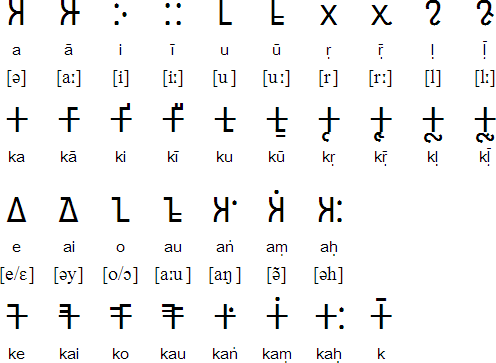
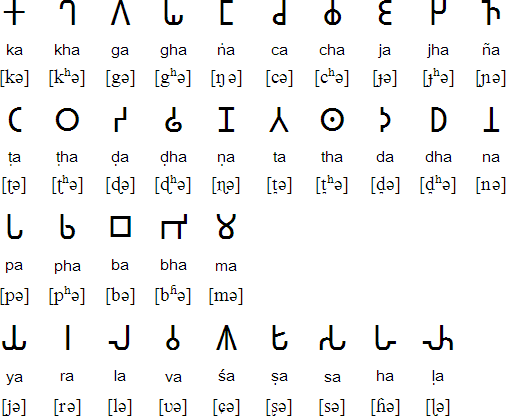
Consonants
Numerals

Sample text
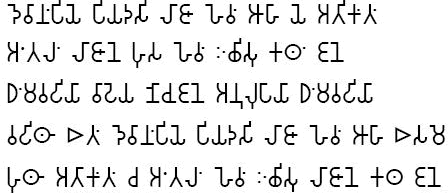
Asokan Edict - Delhi Inscription
Transliteration
devānaṁpiye piyadasi lājā hevaṁ āhā ye atikaṁtaṁ
aṁtalaṁ lājāne husa hevaṁ ichisu kathaṁ jane
dhaṁmavaḍhiyā vāḍheya nocujane anulupāyā dhaṁmavaḍhiyā
vaḍhithā etaṁ devānaṁpiye piyadasi lājā hevaṁ āhā esame
huthā atākaṁtaṁ ca aṁtalaṁ hevaṁ ichisu lājāne katha jane
Translation
Thus spoke king Devanampiya Piyadasi: "Kings of the olden time have gone to heaven under these very desires. How then among mankind may religion (or growth in grace) be increased? Yea, through the conversion of the humbly-born shall religion increase"
Source: http://www.virtualvinodh.com/brahmi-lipitva/144-asokan-edict-delhi
Some modern descendants of Brāhmī
Bengali, Devanāgarī, Gujarāti, Gurmukhi, Kannada, Khmer, Malayalam, Odia, Sinhala, Tamil, Telugu, Tibetan
Links
Information about Brāhmī
http://en.wikipedia.org/wiki/Br%C4%81hm%C4%AB_script
http://www.virtualvinodh.com/brahmi-lipitva
http://www.nibbanam.com/Brahmi/brahmi.htm
Brāhmī fonts
https://sites.google.com/site/brahmiscript/
The Edicts of King Asoka
http://www.cs.colostate.edu/~malaiya/ashoka.html
ALPHABETUM - a Unicode font
for ancient scripts, including Classical & Medieval Latin, Ancient
Greek, Etruscan, Oscan, Umbrian, Faliscan, Messapic, Picene, Iberian,
Celtiberian, Gothic, Runic, Old & Middle English, Hebrew, Sanskrit,
Old Nordic, Ogham, Kharosthi, Glagolitic, Anatolian scripts, Phoenician,
Brahmi, Imperial Aramaic, Old Turkic, Old Permic, Ugaritic, Linear B,
Phaistos Disc, Meroitic, Coptic, Cypriot and Avestan.
https://www.typofonts.com/alphabetum.html
Some of the writing systems used to write Sanskrit
Bhaiksuki, Brāhmi, Devanāgari, Galik, Grantha, Gupta, Kadamba, Kharosthi, Nandinagari, Sharda, Siddham, Thai, Tibetan
Abugidas / Syllabic alphabets
Ahom, Aima, Arleng, Badagu, Badlit, Basahan, Balinese, Balti-A, Balti-B, Batak, Baybayin, Bengali, Bhaiksuki, Bhujimol, Bilang-bilang, Bima, Blackfoot, Brahmi, Buhid, Burmese, Carrier, Chakma, Cham, Cree, Dehong Dai, Devanagari, Dham Lipi, Dhankari / Sirmauri, Ditema, Dives Akuru, Dogra, Ethiopic, Evēla Akuru, Fox, Fraser, Gond, Goykanadi, Grantha, Gujarati, Gunjala Gondi, Gupta, Gurmukhi, Halbi Lipi, Hanifi, Hanuno'o, Hočąk, Ibalnan, Incung, Inuktitut, Jaunsari Takri, Javanese, Kaithi, Kadamba, Kamarupi, Kannada, Kawi, Kharosthi, Khema, Khe Prih, Khmer, Khojki, Khudabadi, Kirat Rai, Kōchi, Komering, Kulitan, Kurukh Banna, Lampung, Lanna, Lao, Lepcha, Limbu, Lontara/Makasar, Lota Ende, Magar Akkha, Mahajani, Malayalam, Meitei (Modern), Manpuri (Old), Marchen, Meetei Yelhou Mayek, Meroïtic, Masarm Gondi, Modi, Mon, Mongolian Horizontal Square Script, Multani, Nandinagari, Newa, New Tai Lue, Ojibwe, Odia, Ogan, Pahawh Hmong, Pallava, Phags-pa, Purva Licchavi, Qiang / Rma, Ranjana, Rejang (Kaganga), Sasak, Savara, Satera Jontal, Shan, Sharda, Sheek Bakrii Saphaloo, Siddham, Sinhala, Sorang Sompeng, Sourashtra, Soyombo, Sukhothai, Sundanese, Syloti Nagri, Tagbanwa, Takri, Tamil, Tanchangya (Ka-Pat), Tani, Thaana, Telugu, Thai, Tibetan, Tigalari, Tikamuli, Tocharian, Tolong Siki, Vatteluttu, Warang Citi
Page last modified: 13.04.23
https://www.omniglot.com/writing/brahmi.htm
Raamesh Gowri Raghavan first encountered the Brahmi script back in the 1990s. “These were Ashokan inscriptions,” says the Mumbai-based writer, epigraphist, digital marketer and scientist. Wanting to read the inscriptions, he taught himself to read Brahmi, India’s oldest deciphered script.
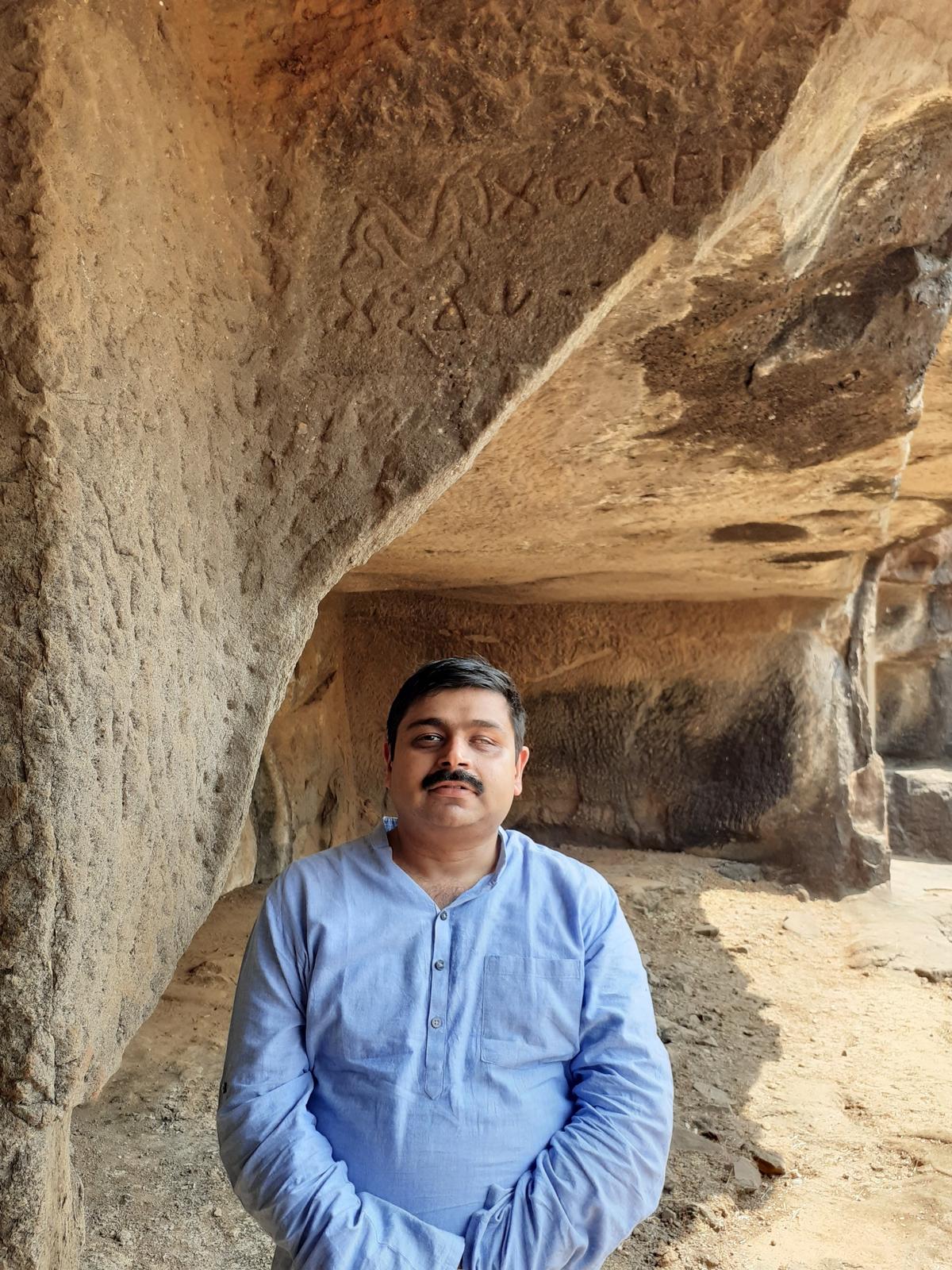
Raamesh Gowri Raghavan | Photo Credit: SPECIAL ARRANGEMENT
“The Brahmi script is the originator of all Indian scripts except Kharosthi, which was used in the region known as Gandhara,” says Raamesh, who will be conducting an online course on reading and writing Brahmi in association with INTACH Bengaluru between July 22 and 25.
“Since it is for the Bengaluru chapter of INTACH, this course will focus mainly on South India, addressing the evolution of the Brahmi script from its beginnings to its current status in the region,” he says.
By the end of the course, participants will be able to read and write Brahmi and also understand how the Kannada script developed from it, adds Raamesh, who serves as the director of the School of Languages at the India Study Centre (INSTUCEN) Trust.
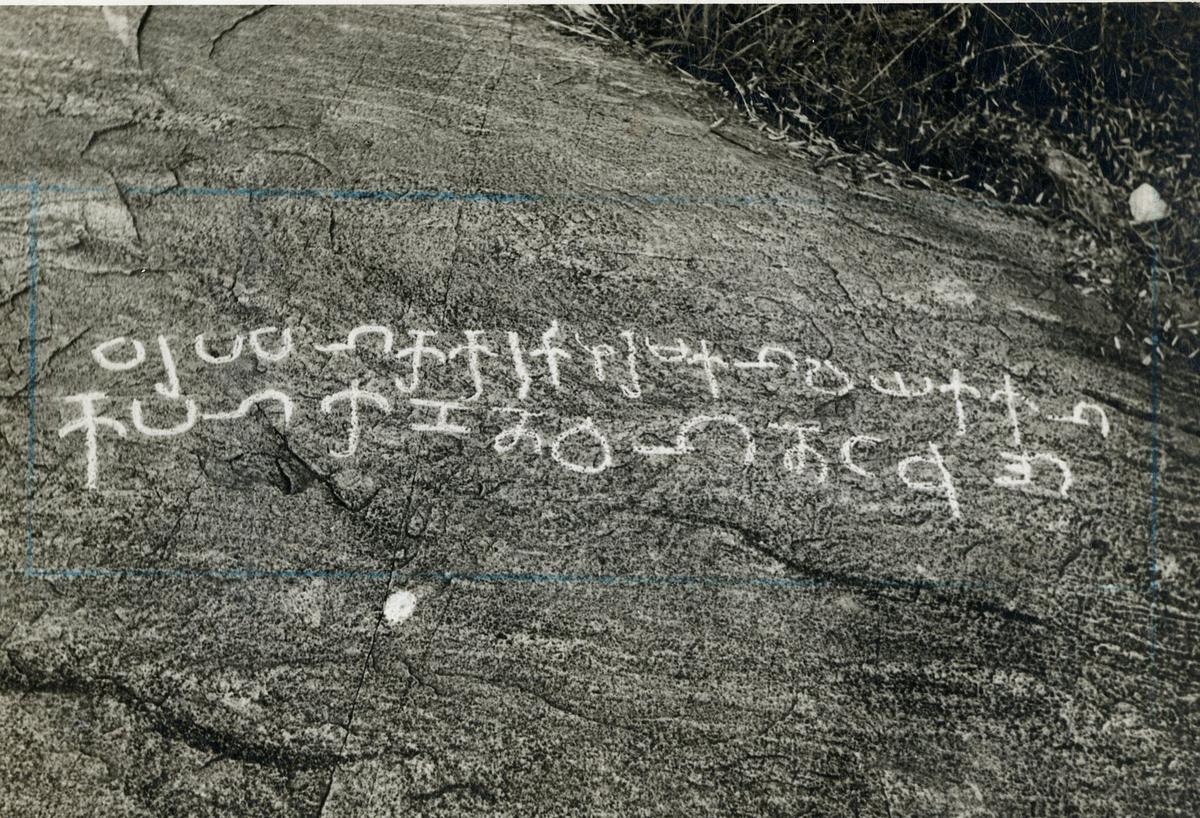
The Tamil-Brahmi inscription. | Photo Credit: GANAPATHI
The mystery of Brahmi
The earliest known Brahmi inscriptions are from the edicts of Ashoka, the third Mauryan emperor of Magadha who ruled most of the sub-continent between 268 and 232 BCE. The emperor, who converted to Buddhism, left a vast corpus behind in Brahmi, documenting his perspectives on dhamma, ideas of governance, and efforts to spread Buddhism.
“The Ashoka edicts are the most uncontroversially-dated inscriptions on which Brahmi is found,” says Raamesh. Traces of the script have been discovered not just in the Gangetic plains but also in excavated sites in Tamil Nadu, Kerala and Sri Lanka, mostly on pottery shards. “Sometimes, it is very tantalising to believe that it could have originated in south India, earlier than Ashoka. But that is very controversial,” says Raamesh, adding that there is no way to date this script firmly.
Four theories on origin of Brahmi
The origins of Brahmi are equally indeterminate. There are at least four competing theories to explain where the script came from. The first is that it evolved from the yet-to-be-deciphered script of the Indus Valley Civilisation. “We cannot prove or disprove this theory unless we know that script better,” states Raamesh.
The second theory is that the script is a derivative of the Semitic Aramaic script, which, in turn, came from the Phoenician script. “The main evidence is the similarities in the shapes of several characters and the sounds they represent. But the evidence is weak,” he says.
While Brahmi belongs to what is called an abugida writing system, where consonants and vowels are written together as a unit (the matras or vowel diacritic used in languages like Hindi), the Phoenician and Aramaic systems are abjads or consonantal alphabets, in which only consonants are represented, with vowels needing to be inferred by the reader. “Brahmi is a very unique writing system, and there is reason to believe that it doesn’t really come from the Phoenician system,” he postulates.
The third hypothesis is that Brahmi was invented independently in Ashoka’s court.
The fourth is that it may have come from the mysterious megalithic graffiti marks found at many sites in south India, often on pottery shards. “It could have evolved from those as well, but again, there is so little available,” says Raamesh. “The jury is still out on the origins of Brahmi.”
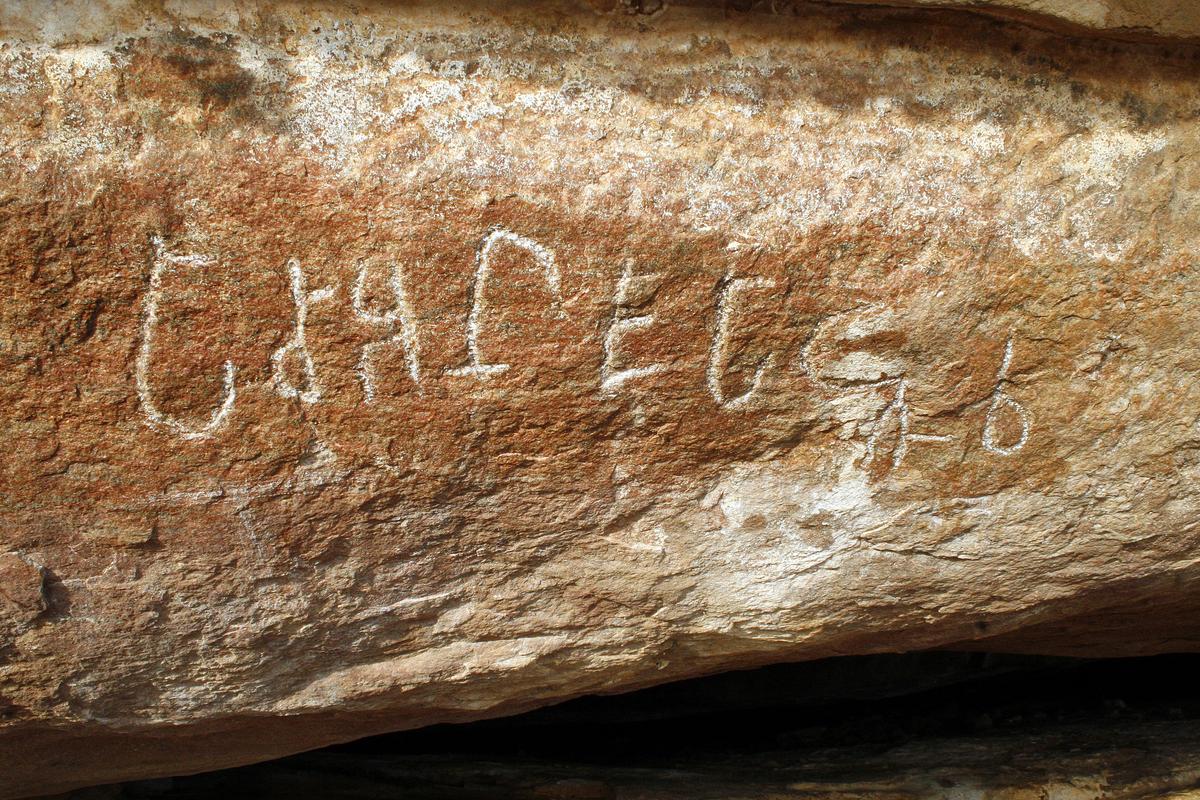
Tamil Brahmi inscription at Kongar Puliyankulam near Madurai. | Photo Credit: K_Ganesan
The beginning of everything
One thing appears to be fairly certain, though. Brahmi is the mother script for nearly all Indian scripts, including Kannada, which is both a language and a script.
“Kannada is one of the classical languages, one of great antiquity that had been around for at least 2,000 years,” says Raamesh. The spoken language, which belongs to the Dravidian family, evolved over four stages — proto-Kannada, old Kannada, medieval Kannada and modern Kannada.
The script, on the other hand, can be roughly divided into three periods.
“The old Brahmi scripts evolved into the Hale Kannada script, which, in turn, evolved into the modern Kannada script,” says Raamesh. Hale Kannada, he adds, is the ancestor of both modern Kannada and Telugu.
The evolution of the old Brahmi script into multiple other scripts, he says, was partly affected by the material on which it was written. Since most documents were written on palm leaves in south India, the scripts that evolved from Brahmi were more rounded and cursive. “Palm leaves don’t tolerate straight lines,” he explains.
On the other hand, in north India, people preferred writing on birch bark, which allowed more angular writing. “That is why the northern Indian scripts have straight lines,” explains Raamesh.
Also, in the absence of a printing press, writing was passed on from teacher to student, generation after generation. “As handwriting changed, the script also changed,” he says.
The modern Kannada script, for instance, looks nothing like ancient Brahmi, even though the Kannada script descended from it. Similarly, modern Devanagari (used to write languages like Sanskrit and Hindi), Punjabi or Bengali scripts look nothing like the ancestral Brahmi script, says Raamesh. “Over time, the original shapes and the memory of those original shapes were lost, and the inscriptions left behind of those times were forgotten.”
Deciphering Brahmi
Brahmi faded from use in the centuries after Ashoka, and was completely forgotten. Cut to the 14th century CE. During one of his campaigns, Sultan Firuz Shah Tughlaq, who ruled over the Sultanate of Delhi between 1351 and 1388, stumbled across inscribed Ashoka pillars at Topra near Ambala, and another near Meerut.
“They were brought from their regular location to his capital,” recounts Raamesh, adding that the sultan was curious about what was written on those pillars. “It is said that he tried to get pundits to read those, and they had no clue. This was abandoned as a project for a long time.”
Brahmi was finally deciphered in the 19th century by the English scholar James Prinsep, the secretary of the Asiatic Society of Bengal and the editor of its journal. It wasn’t a dramatic process, like how Egyptian hieroglyphs were deciphered using the Rosetta Stone, says Raamesh. As the editor of the journal, he kept hearing from various people about inscriptions that they had seen in other places, drawings of coins and so on from across the country.
Archaeology, back then, wasn’t a subject the way it is today, “but people studying history and antiquity would often record these things and get them published in the journal of the Asiatic society.” As editor, he also had access to the journal’s back issues, narrates Raamesh.
A few years earlier, somebody had managed to read and decipher medieval Bengali inscriptions, a proto-Bengali, which were slightly different from the Bengali of that time. Another scholar, using this material, was able to read slightly older inscriptions and so on. Soon, they kept going back in time until they could read inscriptions of the Gupta period, around the 4th to 5th century CE. By relying on such previous work, Prinsep was able to go back even further into our past and read the inscriptions of the Mauryan period. “While the credit goes to him, there was a lot of fieldwork already done. So, it was evolutionary; the whole thing was deciphered backwards.”
Interest in languages
Raamesh’s own fascination with language started during his childhood, during the many years spent in different cantonments. Since his father was in the Indian army, he moved within the country frequently, encountering a new language every time his father was posted in a new place. “We learnt many languages this way…Punjabi, Konkani, Marathi…” says Raamesh.
Unlike in Europe, where almost all languages use the same Latin script, he adds that every new language usually comes with its own script. “I would learn the script alongside the language. That created an interest in the script,” says the autodidact, who taught himself around 25 scripts.
While the early part of his life was spent in science — he holds a Master’s degree in Biological Science from the Indian Institute of Science in Bengaluru and worked at CSIR-National Chemical Laboratory in Pune and the Tata Institute of Fundamental Research in Mumbai — he moved away from science in 2007 and went into advertising. “My bread and butter come from digital marketing, advertising, writing for websites…all of that,” he says.
A few years ago, he rekindled his interest in epigraphy and archaeology, completing a certificate course in the latter from the University of Mumbai in 2015. In 2016, he joined INSTUCEN, where he not only teaches courses on epigraphy, manuscriptology, and various scripts but also leads heritage walks and trails in Mumbai. “The trust aims to support public archaeology…a response to our Whatsapp culture of sharing fake or made-up historical facts,” he says, pointing out that the past is what it is and will keep changing as new evidence crops up, and it is important to approach its study objectively.
Language politics
Raamesh believes that preserving and understanding diverse languages and scripts is important because it helps garner a better comprehension of language politics, which often crops up in this country, frequently resulting in violence.
“Bengaluru is no stranger to this,” he says, referring to agitations led by Kannada activists who worry about the loss of Karnataka’s language and culture. “When a language is lost, with it is lost a lot of local culture and knowledge,” he says.
For instance, many indigenous herbs, plants, and insects in Karnataka are not found elsewhere. “Since the words (for these unique things) that exist are in the Kannada language, if they disappear, that knowledge too will disappear.”
Additionally, every language offers its own way of seeing the world. If English is seen as the language of science and business, Urdu is often seen as the language of poetry, Sanskrit as the language of philosophy and so on, he says. “Every language comes with a flavour of its own,” believes Raamesh.
The course will be held between July 22 and 25 between 7.30 p.m. and 9 p.m. The registration fee is ₹1,200. Email parichay@intachblr.org for more details.
Brahmi Script History, Development & Characteristics | Study.com
Instructor Daniela English Show bio
Dani is a PhD student, and has taught college English & tutored in multiple subjects for over three years. They have an MA in English Composition & Pedagogy and a BA in Women's Studies, Religious Studies, & Sociology, both from the University of Massachusetts Boston. They also have received awards for their academic research and teaching. Habla español & Gaeilge acu.
Find out what the Brahmi script is and explore its history. Understand the important characteristics of the Brahmi script and discover how it developed. Updated: 04/22/2023
The Brahmi script (Brāhmī; 𑀩𑁆𑀭𑀸𑀳𑁆𑀫𑀻) is one of the ancient scripts that was used in India, especially in the northern regions of the Indian subcontinent. The Brāhmī script is also the ancestor of many of the modern scripts used throughout India, including the popular Devanāgarī (देवनागरी लिपि) script used for most Indian languages, either alone or in combination with other scripts.
To unlock this lesson you must be a Study.com Member.
Create your account
Nearly all the modern scripts of India, along with many other writing systems in Asia, are derived from the Brāhmīc script. Historians and linguists believe that the Brāhmī script developed as a variation on the Semitic Aramaic script, itself a descendant of the Phoenician writing system. People of the Indian subcontinent came into contact with Semitic peoples some time in the 7th or 8th century BCE. Regardless, its surviving uses are much newer, dating some time around the third century BCE, though some claim it is seen in the fourth century BCE.
To unlock this lesson you must be a Study.com Member.
Create your account
The first phase of the Brāhmī script is known as Aśokan Brāhmī and it was used from about the 3rd century BCE to the end of the first century BCE. The third king of the ancient Mauryan Empire in India, King Ashoka (or: Aśoka), who ruled from c. 268 BCE to c. 232 BCE, left a number of inscriptions promoting Buddhism throughout the Indian subcontinent in both the Brāhmī script and the Kharoṣṭhī script. These scripts were used frequently for religious texts, especially Buddhist works. They both were seen as Holy Scripts, compared to other forms of writing used for secular purposes.
With these inscriptions being the earliest confirmed use of Brāhmī, and certainly the most widely known, the early phase of the script naturally was named after Ashoka. Aśokan Brāhmī was very angular, which made it easier to use in inscriptions, as Ashoka did. However, the next phase, Middle Brāhmī or Kushana Brahmi, became more rounded.
To unlock this lesson you must be a Study.com Member.
Create your account
The Brāhmī script is not an alphabet, but an abugida. Alphabets represent consonants and vowels with their own characters, while an abugida represents consonants with a vowel attached. Some will also include new characters for new consonant and vowel combinations, while others will use special markings called diacritics to show a vowel change. Depending on the script, there may also be singular vowel characters for instances where a vowel exists at the start of a word, for example, without a preceding consonant.
To unlock this lesson you must be a Study.com Member.
Create your account
The scripts descended from the Brāhmī script are grouped into Northern and Southern, depending on where they developed. Some of these scripts, but far from all, are listed below.
To unlock this lesson you must be a Study.com Member.
Create your account
One of the most important writing systems of the ancient Indian subcontinent is the Brahmi script (Brāhmī; 𑀩𑁆𑀭𑀸𑀳𑁆𑀫𑀻). It is the ancestor script for most of the writing systems used in India today, including the popular Devanāgarī script. The Brāhmī script, and many of its descendants, is an abugida, meaning that, unlike an alphabet, it does not represent each consonant and vowel separately. Instead, characters have an implied vowel partner; for Brāhmī, this default vowel is "a." Brāhmī was popular in religious literature, especially for Buddhist works throughout the Indian subcontinent.
The Brāhmī script evolved from the Semitic writing system for Aramaic around the 7th or 8th century BCE. However, the first (surviving) evidence of it is from the 3rd century BCE in Aśokan Brāhmī. This name comes from the use of the script by the ancient Indian king, King Aśoka, who used Brāhmī for his proclamations about Buddhism in Northern India. Around the first century (BCE/CE), there was a noticeable shift, especially in the South, towards Middle Brāhmī or Kushana Brahmi, a more rounded script. This gave rise to scripts such as Malayalam and Sinhala. In the Northern regions of India, the original, angular Brāhmī remained popular and eventually became the Gupta script (or Late Brāhmī). This was used until the development of modern systems, such as Devanāgarī, by approximately the 7th century CE.
To unlock this lesson you must be a Study.com Member.
Create your account
What is the use of the Brahmi script?
The Brahmi script was a critical turning point in the development of Indo-Aryan writing systems. It is the ancestor script of most Indian writing systems, and many other writing systems throughout Asia.
What was written in the Brahmi script?
The Brahmi script was used throughout India for many purposes. It was often used for Buddhist texts specifically due to its perception as a Holy Script.


 |
| सम्राट अशोकाचा शिलालेख |
ओसरीतल्या जवनिकेवर जोडप्यांच्या प्रतिमा खोदलेल्या आहेत. कार्ल्याला आहेत तसेच सालंकृत स्तंभ येथेही आहेत पण कार्ल्याची सर याला नाही. ह्या आतील स्तंभांवरच दोन्ही बाजूंना शिलालेख कोरलेला आहे.
रञो गोतमि [पुतस सामिसियञ ]
सातकणिस [संवछरे .......गि-]
म्हपखे पंचमे [५ दिवसे ........]
वाणिकजेहि उतू ............
णुं उपंनेहि गा ........
खातियेहि भातूहि...............
गजसेनेन गजमि [तेन].......
कपठायि चेतिय..........
आचरियानं निकायस....भदाय
नीयानं परिगहे पतिठापितं......मा-
तापितूनं अभतीतानं.....
पूजाय कुडुबिनीन बालकानं बालि[कानं]
सवतस भागिनेयान निकायस नाति-
वगस च अग पटिअसिय सव्वस्[तानं]
हिसुखाय हेतु| एथ च नव [कमि]
का पवजितो थेरा भदत अचला भादंत
गहला भदंत विजयमिता भदत बोधिको
भदत धमपाला उपासको च नेगमो अनद-
युतो अपरेनुको स्मापिता | आचरियान थेराणं
भदत सेउंलानं सिसेन उपर्खितन भ-
दत बोधिकेन कत सेलवढकिहि [नाय]कमि-
सेहि कढिचकेहि महाकटकेहि खदर-
किना च मीठिकेना |
राजा गौतमीपुत्रस्वामी श्री यज्ञ सातकर्णीच्या संवत्सर ग्रीष्म ऋतूच्या पाचव्या पक्षातील ..णू चे पुत्र खातिय, भाऊ गजसेन आणि गजमित्र यांनी हे कल्पांतापर्यंत टिकणारे चैत्य भदायनीय आचार्यांच्या संघाचे म्हणून, आपल्या निधन पावलेल्या मातापित्यांच्या सन्मानार्थ, तसेच आपली भार्या, पुत्र, कन्या, सावत्र बंधू, सर्व भाचे व ज्ञातिवर्ग यांच्या तसेच सर्व प्राण्यांच्या हितसुखार्थ स्थापन केले. यावर देखरेख ठेवणारे प्रव्रजित स्थविर भदंत अचल, भदंत गहल, भदंत विजयमित्र, बदंत बोधिक, भदंत धर्मपाल्, उपासक व्यापारी आनंदाचा पुत्र अपरेणुक यांनी हे काम पूर्ण केले. या कामावरील अधीक्षक आचार्य स्थविर शैवल यांचा शिष्य भदंत बोधिक याने लेणे खोदणारे पाथरवट(शैलवर्धक), कारागीर आणि उजाळा देणारा स्कंदरकि याच्या साहाय्याने हे काम पूर्ण केले.


ओसरीवर असलेला हा श्री यज्ञ सातकर्णीच्या काळत खोदलेला लेणीनिर्मितीचा शिलालेख
लेणी क्र २१
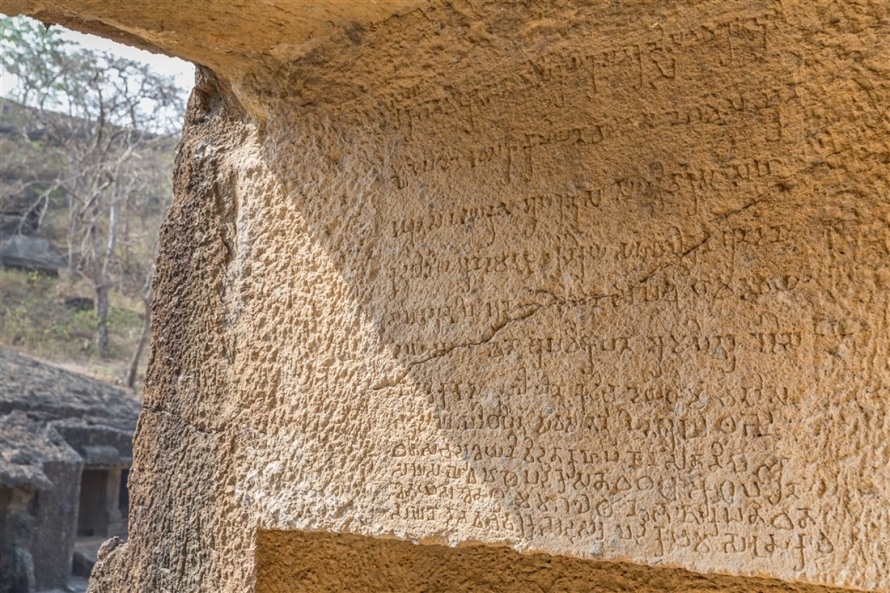

Cave 19
इथेच लेणी क्र. ३६ च्या व्हरांड्याच्या भिंतीवर सात ओळीचा एक शिलालेख कोरलेला दिसतो.
सिधं [|] रञो माडरिपुतस स्वामिसक्सेनस
सवछरे ८ गि प ५ दिवसे दिव १० एताय पुवाय क -
लियणकस नेकमस वेण्हुनंदिस पूतस नेग-
मस गहपतिस ...तिस लेण पतिठापि-
त सहा आय्य्केन.. सेन सहा पितुणा वेण्हुन-
दिना सहा मातुय बोधिसमाय सहा भा -
[तुना..]हथिना सहा [स]वेन [निकाययेनेति] [|*]
सिद्धी असो. राजा माढरीपुत्र स्वामी शकसेनाच्या राज्यकालाच्या संवत्सर ८, ग्रीष्म पक्ष ५, दिवस १० या पूर्वोक्त तिथीस कल्याणचा रहिवासी आणि व्यापारी विष्णुनंदी याचा पुत्र, व्यापारी आणि गृहपती....याने हे लेणे कोरविले. त्याच्याबरोबर आर्यक(पूज्य)...त्याचा पिता विष्णुनंदी, त्याची माता बोधिसमा, याचा भाऊ हस्ती आणि सर्व व्यापारी वर्ग सहभागी आहेत.
हा माढरीपुत्र सातवाहनवंशीय असावा. श्री यज्ञ सातकर्णीनंतर हा या प्रदेशाचा स्वामी असावा. याची काही नाणी आंध्रप्रदेशातही सापडलेली आहेत.


२२ व २३. काही शिलालेख
हातांना मनोमन वंदन करावेसे वाटते.

या भग्न यक्षाच्या डाव्या खांद्यावर प्राचीन ब्राह्मी लिपीतील लेख आहे. ‘कन्हस अंतेबासिन बलकेन कतं’ या लेखाचा अर्थ असा की, ‘कन्हाचा अंतेवासी (शिष्य) बालुक याने (हे काम) केले’. लिपीचा आधारावर हि अशोकालीन लिपी असल्याने ती अशोकाच्या काही वर्षांनंतर च कोरण्यात आली असावी असा निष्कर्ष काढता येतो विद्या दहेज यांनी ह्या लेण्यांची निर्मिती बिहार येथील बाराबार लेणी व भाजे लेण्यांच्या मधल्या काळात झाली असावी असे मत व्यक्त केले आहे सातवाहन राजाच्या काळात या लेणीची निर्मिती झाली असावी असे इतिहास तज्ज्ञांचे मत आहे.औरंगाबाद चैत्यगृहाची शैलीसुध्दा कोंडाणे लेण्यांशी मिळतीजुळती आहे.यावरुन यांच्या निर्माण काळात फार फरक नसावा.
या सर्व शिल्पांच्या बरोबरीने ब्राह्मी लिपीतले लेखही आपल्याला दिसत असतात.
त्यापैकी काही लेखांची थोडक्यात माहिती देतो.
सिधम सकस दमचिकस लेखकस वुधिकस
विण्हुदतपुतस दसपुरावथस लेणम पोढियो-
चा दो अतो एक पोढि या अपरा--सा मि माता
पितरो उदिसा
शक दमचिकाचा लेखक आणि दशपुराचा रहिवासी विष्णुदत्ताचा पुत्र वुधिकाने एक लेणे आणि दोन पाण्याची टाकी पैकी एक आपल्या माता पितरांसाठी (भेट)दिले आहे
लेणी शब्दाचे प्राचीनत्व इथे दिसून येते. पोढि म्हणजे पाण्याची टाकी त्याचाच अपभ्रंश होऊन (पाण)पोई असा आजचा शब्द रूढ झाला. लेखक ह्या शब्दाचा उल्लेखही येथे महत्वाचा आहे.
अजून एका शिलालेखात यवनांचा पण उल्लेख आला आहे.
सिधम उतरहासा दमतमितियकस योनकस धम्मदेवपुतस इदग्निदतस धम्मतमा
इमा लेणम पावते तिरण्हुमी खनितम अभमतरम च लेणस चेतियघरो पोढियो च मातापि-
तरो उदिस इमा लेणम सवबुधपुजय चतुदिसा भिक्खुसंघसा नियतितम
सह पुतेना धम्मरक्सिता
उत्तरेतील दंतमित्रीचा रहिवासी, धर्मदेवाचा पुत्र, यवन इंद्राग्निदत्त याने त्रिरश्मी पर्वतावरील एका चैत्यगृहानजीकच्या लेण्यात माता पितरांच्या स्मरणार्थ पाण्याची टाकी खोदलेली आहेत. आणि हे लेणे सर्व बौद्धांच्या पुजेसाठी चार दिशांनी आलेले बौद्धसंघां आणि त्याचा पुत्र धर्मरक्षित याने एकत्रितरित्या बांधले आहे.
यवन म्हणजे ग्रीक लोक. इथे येउन स्थायिक झालेल्या यवनांनी बौद्ध धर्म स्वीकारला होता हे यावरून सिद्ध होते.
अजूनही असे दातृत्वाचे बरेच शिलालेख या ठिकाणी आहेत.

एक शिलालेख.
रूळ

कान्हेरी
हे'.

व्हरांड्यात डाव्या बाजूला एक सात ओळींचा सुस्थितीतील शिलालेख दिसतो. हा जुन्या पाली लिपीतील शिलालेख काय म्हणतो ते बघुयात...
याचे भाषांतर गॅझेटमधून घेतले आहे. ( मी मराठीत केलेले फक्त अर्थासाठी वापरावे)
हे निवासस्थान खोदण्यासाठी सुलासदाता व उत्तरादता यांच्या सिवामा (शिवम ?) पूत्राने देणगी दिली आहे. याचा मोठा भाऊ शिवभूती हा एक मोठा ग्रंथकार आहे. महाभोज सदागेरी व विजयाचा मुलगा महाभोज मांडव खंदपलित याच्या पदरी सिवामा चाकरी करतो. कोरीव कामासाठी सिवामच्या पत्नीने व त्यांच्या सुलसदाता (सुलसद्त्त) , शिवपलित, शिवदाता (शिवदत्त) यांनी देणगी दिली. खांबांसाठी त्यांच्या मुली सापा, शिवपलिता, यांनी देणगी दिली.’’

यात उल्लेख झालेला स्कंदपलित हा कोंकणाचा त्यावेळचा राजा किंवा सेनापती असावा. बौद्ध धर्माचा स्वीकार केल्यानंतरही हे सर्व शिवाचे भक्त असावेत. त्या काळात स्त्रीयांना समाजात दुय्यम स्थान नसावे उलट पुरुषांच्या बरोबरीने त्यांना समाजात स्थान असावे हे या लेखातील स्त्रीयांच्या उल्लेखांवरुन सहज दिसून येते. थोडक्यात या विहाराचा सर्व खर्च या कुटुंबाने वाटून घेतलेला दिसतो.
.

आहे. 
या लेखाचे वाचन असे १ ओळ -सिधं गहपतिस सेठिस संघरखितस पुतस वि २ ओळ - वादसिरिय देयधमं लेनं चेतियकोठि पा ३ ओळ — छेतानि यानि लेणस पेठा गोराव —- नं — ४ ओळ - ति छेतेहि करे ततो चेतिआस गध ५ ओळ- अठ ८ भतकंमानिका अठ ८ कोढिपुर ९ ओळ- कारणकारणे च लेणस सवेणा क—- या लेखात वादसिरिने (वादीश्री) लेणे, चैत्यकोठी (चैत्यगृह) व लेण्याच्या खालच्या बाजूस असलेली शेती दान दिल्याचा उल्लेख आहे. त्याचबरोबर गहपति (गृहपती) श्रेष्ठी (उच्चपदी विराजित) संघरखितच्या (संघरक्षित) मुलाचा उल्लेख लेखात असला तरी त्याचे लेखात नाव दिलेले नाही. दान देणारी व्यक्ति वादसिरी ( वादश्री ) आहे.


लेणे क्र. ४ मधील शिलालेखात ‘भूतेनक’ नावाच्या व्यक्तीने हे पाण्याचे टाके व लेणे दान दिल्याचे म्हटले आहे.
 क्र.
क्र. उजवीकडच्या एका विहाराच्या वरती एक लेख कोरलेला आहे.
.jpg)

ह्याचे वाचन:
नासिकान अनदस सेठिस पुतस पुसणकस दान-
अर्थ: नासिकवासी शेठ आनंद ह्याचा पुत्र पुष्यणकाचे दान-
नासिकचा कोणी दानशूर व्यक्ति प्रवास अवघड असण्याच्या त्या दिवसात इतक्या दूरवर येऊन दान देतो हे लक्षणीय आहे. लोहगड-विसापूरमधील खिंड ही चौल बंदरामधून देशावर जाणार्या व्यापारी मार्गावर होती असे वाचले आहे. नाशिकमधील व्यापार्याला त्या कारणाने अनेकदा ह्या भागामध्ये येजा करावी लागत असणार असा तर्क.
नाशिकच्या आनंद नावाच्या व्यापाऱ्याच्या मुलाने ही खोली बांधली असल्याचा उल्लेख त्यावर आहे. एका शिलालेखात या भागाचे नाव ‘मारकुड’ असल्याचा उल्लेख देखील सापडतो. ज्या धनिकांनी, व्यापाऱ्यांनी अथवा राजांनी ही लेणी खोदण्यासाठी अनुदान दिले त्यांची नावे इथे ब्राह्मी लिपीमधील शिलालेखात आढळून येतात. पण ज्यांनी इतकी अद्भुत शिल्प खोदली मग ती कार्ले भाजे लेणी असूदेत किंवा अगदी वेरूळची लेणी; या शिल्पकारांची नावे मात्र कुठेही दिसून येत नाही. इतक्या सुबक आणि रेखीव मुर्त्या, शिल्पकाम पाहून मनोमन खात्री पटते : हे अनाम शिल्पकार, वास्तुरचनाकार खरे प्रतिभावंत.
बेडसा लेण्यांमध्ये तीन कोरीव लेख आहेत. बेडशातील लेखांचे वाचन बर्जेस-इंद्राजी ह्यांच्या पुस्तकात असे दिले आहे:त्यातील दुसरा एका स्तूपामागील शिळेवर कोरला आहे. तो असा आहे:

त्या टाक्यावर एक ब्राम्ही शिलालेख आपल्याला पहावयास मिळतो तो शिलालेख पुढीलप्रमाणे:-


महाभोयबालिकाय म(हा)देवि-
य महारठिनिय सामडिनिकाय
(दे)यधम आपदेवणकस वितियिकाय-
अर्थ - महाभोजाची कन्या महादेवी (राजकन्या) सामदिनिका, आपदेवणकाची द्वितीय पत्नी हिचा दानधर्म
(महाभोज हा ह्या भागातील कोणी अज्ञात राजा दिसतो.)
सुरु होती.

‘बाध या हालिकजयांना दान’
याचा अर्थ असा, की ‘बाध या शेतकर्याच्या बायकोचे दान!म्हणजे अगदी आपल्यासारख्या सामान्य जनांनीही पण ही अप्रतिम लेणी बांधायला मदत केलेली दिसत आहे.
लेणी तयार करताना मुख्य प्रश्न पडतो. तो पिण्याच्या पाण्याचा ! भाजे लेणीमध्ये ४ ते ५ पाण्याची टाकी आहेत.

‘महारठी कोसिकीपुत विण्हुदत दानं’
भाषांतर: महारठीस कोसिकीपुतस विण्हुदत्त (विष्णूदत्त) याने धर्मासाठी दिलेली टाके (पोढी)
महाश्रेष्ठी कोसिकीपुत्र विण्हुदत्त याने हे टाके खोदलेले आहेत. आजचा शेठजी हा शब्द पूर्वीच्या श्रेष्ठी याचा अपभ्रंश.या ब्राह्मी शिलालेखानुसार महारथी कोसिकीपुता विह्णुदत्त याने पाण्याच्या टाकीच्या बांधकामासाठी दान दिल्याचा उल्लेख बघायला मिळतो. आता हा महारथी कोसिकीपुता विह्णुदत्त नेमका कोण असावा याबद्दल नक्की काही सांगता येत नाही पण ऐतिहासिक तथ्यांनुसार इसवी सन पूर्व दुसऱ्या आणि पहिल्या शतकात महाराष्ट्रातील बहुतेक प्रदेशावर ‘महारथी’ लोकांचं राज्य होतं. त्यावरून असा कयास बांधला जाऊ शकतो की हा त्यांच्यापैकीच एक असू शकतो.
या शिलालेखाचा शोध १९६९ मध्ये श्री. आर.एल भिडे यांनी लावला व इ.स.पुर्व पहिल्या किंवा दुसर्या शतकातील या शिलालेखाचे वाचन केले.

अर्थात या लेण्याचे गोवर्धन उचलायचा तर त्याला आर्थिक मदत हवीच.त्यासाठी अनेक धनिक व्यापारी सरसावले.त्याचे उल्लेख कोरून ठेवले गेले.
महारठीस गोतिपुतसग्निमित्रणकस सिहथबो दानम्.
तर कुणी धेनुकाकट येथील अत्तरांचा व्यापारी दरवाजांसाठी दान देत होता.
धेनुकाकट गंधिकस सिहदतस दानम् घरमुघ.
कुणी शूर्पारकाचा सातिमित शारीर अवशेषांसह स्तंभांची देणगी देत होता.
सोपारका भयंतानं धमुतरियानं भाणकस सातिमितकस ससरीरो थबो दानम्.
तर कुण्या गृहस्थाची माता भायिला स्तंभासाठी दान देत होती.
गहतस महादेवणकस मातु भायिलाया दानम्.
ह्या सर्व लहानमोठ्या दात्यांच्या श्रमाने, कुणाच्या पैशाने एक भव्य लेणं वेगानं तयार होवू लागलं.
भूतपालाच्या डोळ्यांदेखतच हे भव्य लेणं पूर्ण झालं. ज्याचं स्वप्न त्यानं पाहिलं होतं ते आज सत्यात उतरलं होतं. दूरच्या द्राविड देशांतून तो केवळ असा कातळ शोधत शोधत आला होता. त्याचा तो शोध आज पूर्ण झाला होता. आपलं सर्व कसब पणास लावून त्याने एक अजोड चैत्य आज पूर्ण केला होता. अशी निर्मिती पूर्वीही कधी झाली नव्हती ह्या पुढेही कधी होणार नव्हती. बोरघाट, राजमाची कोकणदरवाजा, आंबेनळी घाट, कुसुर, फेण्यादेवी, कुरवंडा, फल्याण, सव, पायमोडी हे प्रमुख आणी अजून काही घाटवाटावरून जाणारे कार्ला लेण्यांत टेकून गेलेच असणार.
त्याने त्या चैत्यगृहातील जवनिकेच्या डाव्या बाजूच्या भिंतीत ह्या निर्मितीची नोद करुन ठेवली जी ह्यापुढेही अजून कोण्या नवशिल्पकारांना प्रेरणा देत राहावी.
वैजयंतितो सेठीना भूतपालेन सेलघरम परिनिठापितम् जंबुदिपम्हि उतमम्
सिधं | रञो खखरातस खतपस नहपानस जामातरा दीनीकपुतेन उसभदातेन...........भोजापयिता वलूरकेसु लेणवासिनं पवजितानं चातुदिसस सघसयानपथ गामो करजिको दतो सवान वासवासितानं |
राजा क्षहरात वंशीय क्षत्रप नहपान ह्याचा जावई दिनिकाचा पुत्र ऋषभदत्त ह्याने तीन हजार गाई दान दिल्या, बनासा नदीवर सुवर्णदान करुन घाट बांधला, देवांना व ब्राह्मणांना सोळा गावे दान दिली. पुण्यक्षेत्र प्रभास येथे ब्राह्मणांना ८ भार्या दान केल्या, दरवर्षी एक लाख जनांना भोजन घातले त्याने ह्या वलूरक लेण्यात वर्षाऋतूत राहणार्या सर्व भि़क्षूंच्या निर्वारार्थ करजिक गाव दान दिले.
कार्ले लेण्यातील शिलालेख :-


थेरानाम भयंत इंददेवस हथि च पुवा दो हथिनम् च उपरिमा हेथिमा च वेयिका दानम्
अर्थात दोन हत्ती व हत्तींच्या वर व खाली असलेल्या वेदिकांची भदंत इंद्रदेव ह्याने दिलेली देणगी.

बर्जेस याने केलेले या शिलालेखाचे भाषांतर खालीलप्रमाणे आहे.
"महारठिस गोतिपुत्रस अगिमित्रणकस सिहयभो दानं "
बर्जेस भाषांतराप्रमाणे याचा अर्थ असा लावता येतो.
“From Agnimitranaka, son of Goti, a (Maharathi) great warrior, the gift of a lion pillar”
अर्थ अगदी सरळ असल्याने त्यावर भाष्य करण्याची काहीच जरूरी नाही. सुरूवातीस या शिलालेखातील अग्निमित्र ही व्यक्ती म्हणजे शुंग राजघराण्यातील दुसरा राजा हा असला पाहिजे असे भाष्य बुहलर सारख्या काही इतिहास संशोधकांनी केलेले आहे.(कालिदासाच्या मालविकाग्निमित्र नाटकाचा हाच राजा नायक आहे.) परंतु या राजाचा काल इ.स.पूर्व 152 ते 141 हा असल्याने या स्तंभावर कोरलेले नाव या राजाचे नाही हे मान्य झाले. या स्तंभावरील अग्निमित्र हा एक महारथी आहे. सातवाहन शासनकालात महारथी हे नाव धारण करणार्या व्यक्ती या राज्याच्या एका भागाचे संपूर्ण शासन सांभाळणार्या महत्वाच्या पदावरील व्यक्ती असत. नाणेघाट गुंफेत महारथी "त्रिनक यिरो" याचा पुतळाच राजे,राणी व राजपुत्र यांच्या पंक्तीत उभारलेला होता व त्या पुतळ्याच्या डोक्यावर हे नावही कोरलेले होते. कित्येक महारथी स्वत:च्या नावाची नाणी पाडून घेत असत. अशी नाणी आजही उपलब्ध आहेत. या महारथी अग्निमित्राने जर स्वत:च्या नावाबरोबर आपल्या राजाचे नाव सुद्धा जर या स्तंभावर कोरून घेतले असते तर आपल्याला कितीतरी जास्त माहिती मिळू शकली असती.
कार्ले लेण्यातील जवळपास सर्वच स्तंभ शिलालेखांनी भरलेले आहेत. इतके विपुल शिलालेख कार्ले व्यतिरिक्त कान्हेरी लेणीसमूहांतही आहेत.
.

 ---
---
 ---
---

 ---
---
 ---
---
इ.स.पूर्व 220 मध्ये राजा सिमुक याने प्रस्थापित केलेले व त्याचा भाऊ कृष्ण व पुत्र श्री सातकर्णी (नाणेघाट प्रसिद्ध) यांनी वर्धित केलेले सातवाहन साम्राज्य पुढील वारसदार राजांच्या अधिपत्याखाली अबाधित राहिले. या पुढच्या कालखंडात लंबोदर(इ.स.पूर्व 87-69),अपिलक (इ.स.पूर्व 69-57),मेघस्वाती (इ.स.पूर्व 57-39)आणि स्वाती (इ.स.पूर्व 30-21) या राजांनी राज्य केले. मात्र या पुढची 40 वर्षे या साम्राज्यासाठी संपूर्ण अनागोंदी कारभार, बंडे व गोंधळाची ठरली. राज्याच्या वारसदारांचे आपापसातील कलह, अंतर्गत भांडणे, परदेशी सैन्याची आक्रमणे आणि बंडे यामुळे ही राजसत्ता या काळात अगदी खिळखिळी झाली होती. या 40 वर्षात 5 राजे गादीवर आले व गेले. इ.स.22 मध्ये अरिष्टक हा राजा गादीवर आला व अतिशय आकुंचित झालेल्या सातवाहन साम्राज्यावर त्याने पुढील 25 वर्षे किंवा इ.स.47 पर्यंत राज्य केले. या राजाच्या अखेरच्या दिवसात, गुजराथ व काठेवाड भागात आपली सत्ता प्रस्थापित करण्यात आधीच सफल झालेला शक क्षत्रप "भुमक" याने सातवाहन साम्राज्याचा भाग असलेल्या माळवा प्रांतावर स्वारी केली व अरिष्टक राजाच्या सैन्याचा पराभव करून माळवा प्रांत ताब्यात घेतला.
क्षत्रप भुमक याचा वारसदार असलेल्या व या विस्तीर्ण राज्याचा कर्ता होता "क्षहरत किंवा क्षसरत क्षत्रप नहापन".या राजाच्या नावाचा उल्लेख, शिलालेख क्रमांक 13 मध्ये असल्याचे आपण आधीच पाहिलेले आहे.क्षत्रप नहापन हा इ.स. 55 मध्ये गादीवर आला व इ.स.105 पर्यत तो राज्यकारभार बघत होता.
कार्ले मठ शुएन झांग याच्या भारत भेटीच्या वेळी अस्तित्वात नसावा कारण तो कार्ले मठाबद्दल काहीच लिहित नाही. त्याने फक्त नाशिक येथील पांडवलेणी बद्दल उल्लेख केलेला आहे.या दोन्ही गोष्टी लक्षात घेतल्या तर इ.स.400 पर्यंत या मठात राबता असावा असे वाटते.नाशिक लेण्यातील (पांडवलेण्यातील) नहपान क्षत्रपाचा जावई ऋषभदत्ताच्या शिलालेखात नहपानाचा उल्लेख क्षत्रप म्हणून् आला आहे तर त्याच्या कारकिर्दीचे वर्ष ४२ असे नोंदवलेले आहे.तर जुन्नरच्या मानमोडी लेण्यांमधील् शिलालेखात नहपान क्षत्रपाचा उल्लेख महाक्षत्रप म्हणून येतो.
[आ]मतस वछतगोतस अयमस
[दे]यधम च [पो]ढि मटपो च पुञथय वसे ४० [+] ६ कतो |
राजा महाक्षत्रप स्वामी नहपानाच्या वत्सगोत्री अर्यम अमात्याने हे टाके व हा मंडप (विहार) पुण्याप्राप्तीसाठी धर्मदाय म्हणून वर्ष ४६ मध्ये केला.
पांडवलेण्यातील आणि जुन्नरच्या ह्या शिलालेखांवरून ४ वर्षात नहपान क्षत्रपावरून महाक्षत्रप पदापर्यंत वर चढला. कदाचित सातवाहनांचे खूपसे राज्य त्याने मिळवल्याने हा किताब त्याला (कुषाणांकडून?) मिळालेला असू शकतो.
पण त्याचे हे महाक्षत्रपपद फार काळ टिकले नाही. लवकरच गौतमीपुत्र सातकर्णीने नाशिकच्या डोंगररांगांमध्ये नहपानाचा संपूर्ण पराभव करून त्याचा निर्वंश केला व आपले राज्य परत मिळवले.
मगध देशामध्ये राज्य करणार्या शुंग राजघराण्याची इ.स.पूर्व 26 मध्ये संपुष्टात आलेली कारकीर्द व कुषाणांचा इ.स. नंतरच्या पहिल्या शतकामध्ये झालेला उदय या दोन घटनांच्या मधल्या कालखंडातील उत्तर व वायव्य भारताचा इतिहास, फार अल्प माहिती उपलब्ध असल्याने, बराचसा अज्ञातच आहे असे म्हणता येते. इ.स.पूर्व 170 मध्ये कुषाण (Yueh-chi) या नावाने ओळखल्या जाणार्या भटक्या टोळ्यांना चीनच्या वायव्य भागातून पिटाळून लावून त्यांना पश्चिमेकडे प्रस्थान करण्यास भाग पाडले गेले. या टोळ्यांच्या पश्चिमेकडच्या प्रस्थानात त्यांची प्रथम उझबेकीस्तान मधील सिर दर्या (Syr Darya) नदीच्या उत्तरेला वसाहत करून राहणार्या शक किंवा शे (Saka or Scythians or Se) या दुसर्या टोळीच्या लोकांशी गाठ पडली. हा प्रदेश सुपीक असल्याने साहजिकच या दोन्ही टोळ्यांमध्ये युद्धे होऊन त्यात कुषाण किंवा Yueh-chi टोळ्यांनी, शक टोळ्यांना सिर दर्या नदीच्या खोर्यातून हाकलून लावले व या टोळ्या तेथे स्थायिक झाल्या. पराभूत शक टोळ्यांनी दक्षिणेकडे हेलमंड (Helmand)नदीच्या खोर्यात आपले बस्तान बसवले. अफगाणिस्तानातील सध्याच्या सिस्तान(Sistan) या शहराजवळ असलेला या नदीच्या खोर्याचा भाग शकस्तान (Sakastan) या नावानेच ओळखला जाऊ लागला. काही कालानंतर Yueh-chi टोळ्या द्क्षिणेकडे सरकल्या व त्यांनी शक टोळ्यांना शकस्तान मधूनही आणखी दक्षिणेकडे पिटाळण्यास सुरुवात केली. शक टोळ्या इ.स.पूर्व 90 ते 60 या कालात कधीतरी भारतामध्ये उत्तरेकडून आल्या. मौस किंवा मोगा (Maues or Moga) हा भारतातील पहिला शक सम्राट; त्याने पाडलेल्या नाण्यांमुळे इतिहासकारांना माहिती आहे. सिस्तान मधून प्रयाण करून त्याने प्रथम सिंधू नदीचे खोरे व मुखाचा प्रदेश ताब्यात घेतला. या नंतर शकांनी सिंधू खोरे व पंजाब मधे आपले बस्तान बसवले व शक साम्राज्य भारतात प्रस्थापित केले. पहिल्या शतकात, कुषाणांचा उदय होईपर्यंत, शक राज्यकर्ते उत्तर व वायव्य भारतावर राज्य करत होते.
कार्ले येथील 13 क्रमांकाचा शिलालेख याच पद्धती प्रमाणे उषभदत्तने कार्ले मठातील भिख्खू:ना दिलेल्या देणग्यांचे एक दानपत्र आहे. याबरोबरच आपण किती दानशूर आहोत हे ही लोकांना पटवून देण्याचा तो येथे प्रयत्न करताना दिसतो आहे.
मूळ प्राकृतातील लेख असा आहे.
(2) गोसतसहसदेण नदिया बणासयं सुवण(ति) रयकरण (देवा)ण ब्रम्हणानंसोळस गा-
(3) मदे(न) पभासे पूततिथे ब्रम्हणाणं अठभायाप(देण)गावसापि त्रिसतसहसं
(4) दाययिता वलूरकेसु लेणवासान पवजितान चातुदिससघस
(4) यापणय गामो करजिको दतो सवानं(व)सावासितानं
ई.सेनार्टच्या भाषांतराप्रमाणे हा शिलालेख सांगतो की
या शिलालेखाचे प्रचलित मराठीमध्ये भाषांतर केले तर साधारण असे होईल.
शिलालेख क्र्. १९ चे प्राकृत रूप पुढीलप्रमाणे (संदर्भ . वा. वि. मिराशी )
(१) . . . . . . . . . . .[आनपयति] [*] मामाडे अमच परगत . मसु एथ लेनेसु वालुरकेसु वाथवान
(२) पवजितान भिखुन निकायस महास[घि]यान यपनय एथ मामालाहा उतरेमगे [गामे] करजके[सु*]
(३)भिखुहले[ल] ददम [|*] एतेस तु गाम करजके भिखुहल ओयपापेहि [|] एतस चस
(४) गामस करजकान भिखुहलपरिहार वितराम [|] अपावेस अनोमस पारिहारिक च [|*] एतेहि न परिहारेहि परिहरह [|] एतस चस गामे करजकेसु
(५)भिखुहलपरिहारे च एथ निबधापेहि [|*] अवियेन आनत . . . छतो विजयखधावारे दतो ठे रञा [|*] पटिका सव १० [+*] [८]**
(६) वा प ४ दिव १ सिवखदगुतेन कटा [|]
** ब्युह्ररने हे चिन्ह '४' चे मानले आहे. सेनार्टला ते संशयास्पद वाटले तरी त्यानेही तेच दिले आहे. पण ते '८' चे द्योतक असावे असे रॅप्सनने दाखवले आहे.
सातवाहन राजा गौतमीपुत्र सातकर्णी याच्या 24 वर्षाच्या राज्यकालानंतर इ.स.110 मध्ये त्याचा पुत्र वशिष्ठीपुत्र पुळुमावी हा सातवाहनांच्या गादीवर आला. पुळुमावीने 28 वर्षे राज्य केले. इ.स. 115ते 125 या कालखंडात राज्यावर असलेल्या उज्जैन येथील क्षत्रप राजा चष्टन याचा तो समकालीन होता. उत्तरेकडील पर्थियन सम्राटाने चष्टन याला सातवाहनांचा बिमोड करून दख्खन परत जिंकून घेण्यासाठी पाठवले तेंव्हा तो अजमेर येथे होता. चष्टन क्षत्रपाने चढाई करून माळव्यामधील उज्जैन व त्या पाठोपाठ कच्छ व उत्तर गुजराथ हे भाग पुळुमावी कडून जिंकून घेतले व तो उज्जैन मधून राज्यकारभार पाहू लागला. पुळुमावी या युद्धात पराभूत झाल्याने माळवा व उत्तर गुजराथ हे भाग आपल्या राज्यातून गेल्याचे नाईलाजाने त्याला बघत बसावे लागले. मात्र राज्याचा आणखी कोणताही भाग हातातून जाणार नाही याची काळजी तो घेऊ लागला. दरम्यान चष्टन राजाचा मृत्यू झाल्याने त्याचा मुलगा जयदमन हा गादीवर आला. आपल्या कारकिर्दीच्या अखेरच्या काळात पुळुमावीने जयदमनचा पराभव करून त्याला परत मांडलिक केले असावे असे मानले जाते. पुळुमावीच्या राज्यकालाबद्दल फार कमी माहिती उपलब्ध असल्याने तो किंवा त्या कालातील सातवाहन साम्राज्याचा इतिहास बराचसा अज्ञातच आहे. परंतु जी तुटपुंजी माहिती उपलब्ध आहे त्यावरून अतिशय कर्मठ हिंदू असलेला पुळुमावी राजा आपल्या कर्तुत्ववान वडिलांचा यथार्थ वारसदार होता असे दिसते. सर्व धर्मांबद्दल समभाव बाळगण्याचे आपल्या वडिलांचे धोरण त्याने पुढे चालवले असावे असे दिसते. अनेक बौद्ध मठांना त्याने सढळ हाताने देणग्या दिल्याचे आढळून येते.
कार्ले येथील 14 क्रमांकाच्या शिलालेखात कार्ले बौद्ध मठाला एक गाव इनाम म्हणून दिल्याची नोंद आहे. प्राकृतमधील हा शिलालेख असा आहे.
1.सिधं [I ] रञो वसिठिपुतस सामिसिरि [पु][ळुमावि]स
सवछरे सतमे [गि]म्हपखे पचमे
2. [दि]वसे पथमे एताय पुवाय ओखळ्कियान महारथिस
कोसिकिपुतस मितदेवस पुतन
3. [म] हारथिना वासिठिपुतेन सोमदेवेन गामो दतो वलुरकसघस
वलुरकलेतात सकरूकरो सदेय
4. मेयो [ I]
बर्जेस याने केलेल्या भाषांतराप्रमाणे या शिलालेखाचा मजकूर याप्रमाणे आहे.
“King Vasisthiputa, the illustrious lord (Swami Shree) (Pulumavi) in the year 7th of summer the fifth fortnight and first day. On that day , a great warrior, Vasithiputa Somadeva, son of the great warrior of Okhalakiyas, Kosikiputa Mitadeva gave a village to the Sangha at Valuraka”
शिलालेखाचा अर्थ सहज समजण्यासारखा आहे. ओखळक येथील महारथी कौशिकीपुत्र मित्रदेव याचा पुत्र महारथी वासिष्ठीपुत्र सोमदेव याने एक गाव वलुरक लेण्यातील वलुरक संघाला दिल्याचे यात नमूद केलेले आहे. हा गाव लहान मोठ्या करांसह व देय (रोख नाणी) व मेय (धान्यादिक) यांसह दिलेला आहे. प्र्स्तुत शिलालेखाचा काल वासिष्ठीपुत्र पुळुमावि याच्या कारकिर्दीच्या सातव्या वर्षातील पाचव्या ग्रीष्म पक्षातील प्रथम दिवस हा असल्याचेही येथे नमूद केलेले आहे.
कार्ले येथील 20 क्रमंकाचा शिलालेख हा मुख्य चैत्यगृहामध्ये नसून बौद्ध भिख्खूंचे वसतीस्थान असलेल्या 12क्रमांकाच्या विहारामधील 2क्रमांकाच्या द्वाराच्या वरील बाजूस कोरलेला आहे.
1.सिधं रञो वासिठिपुतस सिरिपुळुमाविस सवछरे चतुर्विसे
हेमंतान पखे ततिये दिवसे बि-
2.तिये उपासकस हरफरणस सेतफरणपुत्तस्य सो [व] सकस्य अबुला-
माय वथवस्य इम देयधम म[ड] पो
3.नवगभ माहासघियानं परिगहो सघे चातुदिसे दिन मातापितुनं
पुजा[ये] सवसतानं हितसुघस्थये एकविसे स-
4.वछरे निठितो सहेत च मे पुन बुधरखितेन मातर चस्य
[उ]पासिकाय बुधरखितस मातु देयधंम पाठो अनो
बर्जेसच्या भाषांतराप्रमाणे या शिलालेखातील मजकूर याप्रमाणे आहे.
“ To the perfect! The king Vasisthiputa, the illustrious _Shree) Pulimavi in the year (of his reigh) twenty four, in the third fortnight of the winter months, the second day. This meritorious gift of a nine celled-mandapa by the (Upasaka) layman Harapharans, son of Satapharana, a Sovaska, native of Abulama, for the possesion of Sangha of the mahasanghas of the four quarters. For the continuance in welfare and happiness of father and mother abd all people and living beings. Established in 21st year and with me Budharakhita and his mother Upasika. And in addition the meritorious gift of another passage by the mother of Budharakhita”
या शिलालेखातील महत्त्वाचा वाटणारा भाग म्हणजे हरफरण व त्याचे वडील असलेले सतफरण या दोन व्यक्तींची नावे. ही दोन्ही नावे भारतीय वाटत नाहीत. बर्जेसच्या मताने ही नावे पार्थियन वाटतात. त्याच प्रमाणे या व्यक्ती जेथून आलेल्या होत्या ते अबुलामा हे गाव भारतातील असेल असे वाटत नाही. पुळुमवी राजाच्या काळात सातवाहन साम्राज्याला सतत पार्थिअन सम्राटाचा क्षत्रप असलेल्या राजा चष्टन याच्या आक्रमणाचे भय होते. त्यामुळे या काळात महाराष्ट्राता असलेल्या एक बौद्ध मठाला दोन पार्थियन व्यक्तींनी दिलेली ही देणगी मोठी वैशिष्ट्यपूर्ण वाटते.या लेखमालिकेत उल्लेख आलेल्या सर्व राजांनी आपली छबी असलेली नाणी आपापल्या कारकिर्दीमध्ये पाडलेली होती. या नाण्यांवरून हे राजे कसे दिसत असत याची कल्पना येऊ शकते. कार्ले गुंफांमधील शिलालेख त्या काळच्या इतिहासावर फारसा प्रकाश टाकू शकत नसले तरी ते खोदले गेल्याचा कालसमय निश्चित करू शकतात. यामुळे इ.स.पहिल्या शतकामध्ये महाराष्ट्रात वास्तव्य करणार्या स्थानिक जनतेचे आयुष्य कसे असेल? ते कोणत्या प्रकारचा पेहराव करत असत याची थोडीफार तरी कल्पना नक्कीच येऊ शकते. कार्ले गुंफांचे तेच महत्त्व आहे
धेनुकाकटकेण वढकिना सामिकेण वेणूवास पुतेण घरस मुघं कतं दार मुधुकस
इतकाच लेख वाचता येतो

त्यानुसार याचा अर्थ होतो, धेनुकाकटमधील सुतारकाम करणारा वेणूवास यांचा मुकगा सामीक याने दरवाजाची कमान तयार केली आहे असा उल्लेख या शिलालेखातून निघतो यानंतरचा शिलालेख उध्वस्त झालेला आहे त्यामुळे त्याने काय तयार केले हे सांगता येत नसले तरीया शिलालेखातून आजच्या सुतार काम करणाऱ्या सुतार लोकांसाठी महत्वाचा संदेश आहे तो म्हणजे इथे असणारा त्यांच्या पूर्वजांचा इतिहास आहे हा
ह्या लेखात सुतार असणारा वेणूवास त्यांचा मुलगा सामीक याने दरवाजाची कमान तयार करून दिलेली आहे यानुसार चैत्यगृहाच्या डाव्या बाजूला दरवाजा असावा व कारण त्यावर कोणता ही शिलालेख सापडत नाही
पण नाशिकच्या त्रिरश्मी लेण्यांतील ऋषभदत्ताच्या शिलालेखात दाहानुका ह्या नदीचा उल्लेख आलाय. ही दाहनुका म्हणजे आजच्या डहाणूतील खाडी. तेव्हा डहाणू म्हणजे धेनुकाकट हे तसे संभवत नाही. डॉ. दामोदर कोसंबींच्या मते धेनुकाकट म्हणजे आजच्या कार्ल्याजवळचेच देवघर. पण हा तर्क योग्य वाटत नाही कारण धेनुकाकटच्या यवनांनी इतर दूरच्या लेण्यांनाही देणग्या दिलेल्या आहेत. काही संशोधकांच्या मते धेनुकाकट म्हणाजे आजच्या आंध्र प्रदेशातील पूर्व किनार्यावरील एखादे शहर असावे.धेनुकाकट हे सध्याच्या तेलंगणात असलेल्या अमरावतीतील बौध्द स्तुपाच्या शिलालेखामध्ये असणारे 'धत्रकड' अथवा 'धान्यकाकड' म्हणजे सध्याचे धरणीकोट हे शहर असावे असे हे तज्ञ मानतात.
पण तरीही एक मुद्दा रहातोच. जसे इथे सिद्दीचे वंशज आहेत अजुन आणि तसे ओळखुही येतात (तोच प्रकार पारशी जमाती बाबत.) तसा प्रकार ह्या ग्रीकांबाबत झाला नाही का? म्हणजे आजकाल तसे वेगळे ओळखु येणारे कोणी ग्रीक असे दिसत नाहीत. का ही जमात फक्त कामानिमित्त येणारी व परत जाणारी असु शकेल.? पण त्याकाळात तसे होणे म्हणजे फार अवघडच आहे.कित्येक यवनांनी बौद्ध धर्म स्वीकारला होता. २००० वर्षे झाली हो. इतक्या काळात सहज बदल झाला असेल दिसण्या बोलण्या वागण्यात.तसेही यवन हे व्यापारी असल्याने परत जातही असावेत.
पहा तरी ह्या स्तंभांना कुणी कुणी देणगी दिलीय ते.
धेनुकाकटा उसभदत पुतस मितदेवणकस थबो दानम
धेनुकाकटच्या उसभदत्ताच्या पुत्राने मित्रदेवणकाने दिलेले स्तंभाचे दान
धेनुकाकटा धंमयवनस
धेनुकाकटच्या धर्म नामक यवनाचा
धेनुकाकटशिवाय उमेहनाकटच्या यवनाने देखील येथील येथील स्तंभासाठी देणगी दिलीय
उमेहनाकटा यवनस विटसमगतानं दानं थबो
उमेहनाकट येथील यवन विटसमगत याने दान दिलेला स्तंभ
तर कुण्या गोणेकाक नामक गावातील धमुल उपासकाने देखील एक स्तंभ दान दिलेला असतो.
गोणेकाकस धमुल उपासकसं देयधंमं थंवो
यानंतर आणखी एक शिलालेख असा.कार्ला बुद्ध लेणी येथील चैत्यगृहात एका स्तंभावर असणारा शिलालेख खालील प्रमाणे
सोपारका भयतान धमुतरियान भानकस सातिमितस ससरीरो थभो दानं

याचा अर्थ असा आहे
सोपारा अर्थात आजचे नालासोपारा येथील भदंत धमुतरिय यांच्या बहिणीचा मुलगा स्वातीमित्र याने शरीर अवशेषांच्या सह स्तंभाचे दान दिले आहे


भारतातील या सर्वोत्कृष्ट चैत्यगृहाची आजची अवस्था काय आहे ? एकवीरा मंदीरात मोठ्या संख्येने भाविक येतात. मंदिरात पूजा करण्यासाठी वेळ मिळत नसल्यानं भाविक चैत्यगृहात पुजा करतात. अंगात येणे वगैरे प्रकार चालतात. नवीन पिढी हि लेणी पहाण्यास येते. काही पाहण्याऐवजी तिथं उभं राहून फोटो काढून घेण्यात त्यांना अधिक स्वारस्य दिसते.एकवेळ तेही ठीक आहे. पण खरा कहर म्हणजे हि मुल स्तुपावर सुटे पैसे फेकताना दिसतात.यामध्ये ज्याचं नाणं तीन प्रयत्नांत स्तुपावर राहील (किंवा घरंगळणार नाही), त्याची मनोकामना पूर्ण होईल, अशी अंधश्रध्दा आता पसरली आहे. बुद्धिदेवता भगवान बुद्धाच्याच डोक्यावर नाणं फेकून मनोकामना पूर्ण करण्याच्या मागे लागलेल्या या तरुणांच्या बुद्धीची कीव करावीशी वाटते.
लिपींचे उगमस्थान ‘ब्राम्ही’
 भारतात प्रत्येक राज्यांची आपली एक विशेष भाषाशैली आहे आणि त्या भाषेला स्वत:चा एक समृद्ध इतिहास आहे. मैलागणिक या भाषांच्या देहबोलीत बदल आढळतो. मुंबईत बोलणारी हिंदी आणि बिहारमधील हिंदी दोघांमध्ये बरीच तफावत आहे. साम्य केवळ ‘देवनागरी’. हिंदी, गुजराती, मराठी, भोजपूरी इत्यादी भाषा उच्चारताना वेगवेगळ्या भासत असल्या तरी त्यांची लिपी मात्र एकच आहे. ती म्हणजे ‘देवनागरी’. देवनागरी उत्तर भारतात वापरली जाते, तर द्रविडीनय लिपीचा दक्षिण भारतात वापर होतो. भारतात आज अनेक वैविध्यपूर्ण लिपी आहेत आणि या लिपींचा इतिहासही तितकाच रोचक आहे.
James Prinsep आणि ब्राम्ही लिपी

‘ब्राम्ही’ आणि जेम्स प्रिन्सेप
भारताला समृद्ध इतिहास लाभलेला आहे आणि हा
इतिहासाचा ठेवा पालि भाषेमध्ये जनत आहे. पालि साहित्यामध्ये भारताचा सुवर्णकाळ अंकित आहे आणि या
भाषेची नोंद ब्राम्हीमध्ये सम्राट अशोकामुळे आज
आपल्याला ऐतिहासिक पुराव्यांच्या स्वरूपात पहावयास मिळते. पालि भाषा म्हणजे बौद्ध साहित्य असा स्पष्ट अर्थ असल्यामुळे काही संशोधकांनी ब्राम्ही लिपीला ‘धम्मलिपी’ संबोधले. सम्राट अशोकाच्या शिलालेखांमध्येही धम्मलिपी असा उल्लेख आहे. गिरीणारच्या लेखांमध्ये तसा उल्ल्ेख सापडतो. ब्राम्हीतील बहुतांशी लेख बौद्ध धम्मासंबंधी माहिती देणारे असल्यामुळे त्याला ‘धम्मलिपी’ संबोधले. असे असले तरी सम्राट अशोकाने कोरलेले शिलालेख हे ब्राम्ही लिपीमध्ये आहेत, याबाबत बहुतांशी अभ्यासकांचे एकमत आहे.
ब्राम्ही लिपीचे वाचन पुरातन वास्तु अभ्यासक जेम्स प्रिन्सेप यांनी केले. उत्खननातून जेव्हा काही वेडीवाकडी वळणे असणारी अक्षरे दिसली, तेव्हा यामध्ये काय लिहले आहे, ते
त्यांना उमगले नाही. तो
काळ होता अठराशे शतकातला. अठराशे शतकात ब्रिटिशांनी भारतात पाय रोवले होते. एकीकडे सत्ता गाजवत असताना दुसरीकडे भारतातील प्राचीन संस्कृतीचा शोधही सुरू होता. उत्खननातून प्राचीन संस्कृती उदयास येत होती. त्याचबरोबर बौद्धकलीन इतिहासही जो
मातीच्या ढिगाऱ्याखाली गाडला गेला होता, तो
बाहेर येत होता. चिनी प्रवासी ह्युएनस्तांग याच्या डायरीच्या आधारे स्तुप, लेणी, स्तंभ यांचा शोध घेण्यात आला. त्यावेळी शिलालेख आढळले. पुरातन नाणी सापडली. यावर ब्राम्हीमध्ये काही लेख होते. परंतु, अठरावे शतक येईपर्यंत ब्राम्ही कोणालाही वाचता येत नव्हती, त्यामुळे हे
काय लिहले आहे, याचे वाचन करणे एक
आव्हानात्मक होते. हे
आव्हान जेम्स प्रिन्सेप यांनी पेलले. जेम्स प्रिन्सेप यांचा जन्म १७९९ मधला. १८२० च्या दरम्यान ब्रिटिशांनी त्यांची नेमणूक कोलकत्ता येथील टकसाळवर केली होती. पुरातत्व वास्तु अभ्यासक असल्याने दुसरीकडे त्यांचा पुरातत्व अभ्यासही सुरू होता. भारतावर इन्डो ग्रीक राजांचे वर्चस्व राहिले आहे. कनिष्क, कुशान हे
इन्डो ग्रीक राजांची उदाहरणे आहेत. इन्डो ग्रीक राजांनी काढलेली नाणी द्विलिपीक होती. अर्थात दोन लिपींमध्ये त्यावर काहीतरी लिहलेले होते. ब्रिटिशांना ग्रीक लिपी अवगत असल्यामुळे त्याचे वाचन शक्य झाले. परंतु, ब्राम्हीमध्ये काय लिहले आहे, हे
उमजत नव्हते. जवळपास सात वर्षांनंतर त्यांना ब्राम्हीची अक्षरे वाचता आली.
सांची स्तुपावरील वेदिकेवर लिहलेल्या लेखापैकी त्यांनी ‘द’
आणि ‘न’
हे दोन अक्षरे सर्वप्रथम वाचली. सतत सात वर्षे रोज सकाळी ते
ब्राम्ही वाचण्याचा प्रयत्न करायचे. बहुतांशी लेखांमध्ये त्यांना शेवटची दोन अक्षरे सारखी असल्याचे जाणवले. तेव्हा त्यांच्या लक्षात आले की,
शेवटची अक्षरे ‘दान’ देणाऱ्यांसदर्भात आहेत. त्यांनी सर्वप्रथम ‘नं’
हा अनुस्वार शोधला. नंतर ‘न’
आणि ‘द’
वाचला. असेच एकएक करत सर्व अक्षरांचा शोध लावला आणि दिल्लीतील ब्राम्ही लिपीचा शिलालेख वाचून काढला. ब्राम्ही वाचन करत असताना ‘देवानंपिय पियदस्सि लाजा’ असा उल्लेख आढळतो. येथे ‘लाजा’ म्हणजे ‘राजा’ होय. पण
ब्राम्हीच्या लेखामध्ये ‘राजा’ शब्दप्रयोगासाठी ‘र’
ऐवजी ‘ल’चा प्रयोग झाल्याचे दिसून येते. इतर ठिकाणी मात्र असे शब्दप्रयोग दिसत नाहीत. ही
लेख कोरणारा लेखापाल याची चूक की
तेव्हा तसे प्रचलित होते, हे
सांगणे कठिण आहे. जेम्स प्रिन्सेप यांनी केवळ ब्राम्हीचेच वाचन नाही केल तर
त्यांना तत्कालीन खरोष्ठी लिपीचेही ज्ञान होते. सम्राट अशोकाच्या काळात दोन लिपी मुख्यत्वे प्रचलित होत्या. खरोष्ठी जी
ऊर्दूप्रमाणे उजवीकडून डावीकडे लिहली जाते, व
ब्राम्ही जी
देवनागरीप्रमाणे डावीकडून उजवीकडे लिहली जाते. सम्राट अशोकाने सांची व
भाऱ्हुटमध्ये स्तुप बांधली आणि या
स्तुपांवरील वाचन जेम्स प्रिन्सेप यांनी केले.
ब्राम्हीचा भारतातील इतर लिपींवर प्रभाव असल्यामुळेच त्यांना हे
वाचन शक्य झाले. आज
मोहेजदाडो- हडप्पा संस्कृतीमध्येही काही लेख सापडले आहेत. परंतु, त्याचे वाचन मात्र अद्याप कोणाला जमलेले नाही. मोहेंजदाडो-हडप्पा संस्कृती ही
पाच हजार वर्षांपूर्वीची असून एकेकाळी येथे सर्वकाही सुजलाम-सुफलाम होते, हे
उत्खनानातून सिद्ध झाले आहे. येथे काही लिपीसदृश्य आकृत्या सापडल्या आहेत. पण
त्यांचे वाचन होऊ शकले नाही. गौतम बुद्धांचा काळखंड हा
इसवी सन
पूर्व पाचवे शतक आणि त्यानंतर दोनशे वर्षांनंतर सम्राट अशोकाचा काळखंड. अर्थात इसवी सन
पूर्व तिसरे शतक. या
काळात ब्राम्हीमध्ये लिहलेले लेख अठराशे शतकात वाचने म्हणजे एक
कठीणच काम होते. पण
ब्राम्ही लिपीचा इतर लिपींवर प्रभाव असल्न्यामुळे ब्राम्ही लिपीचे वाचन शक्य होऊ शकले. ‘एशियाटीक सोसायटी ऑफ
बंगाल’साठी लिहलेले ‘जरनल’मध्ये जेम्स प्रिन्सेप यांनी ब्राम्ही लिपीची स्थितांतरे यांचा उल्लेख केला आहे.
जेम्नस प्रिन्सेप यांनी ‘देवानपिय पियदस्सि’ असे वाचन केल्यानंतर हा कोणी श्रीलंकेचा राजा असावा, असे गृहित धरले. कारण सम्राट अशोकाच्या काळात श्रीलंकेतही ‘देवानपियतिस्स’ नावाचा राजा होता. सम्राट अशोक आणि देवानपियतिस्स यांचे मैत्रीपूर्ण संबंध होते, हे बौद्ध साहित्यातील सासनवंस ग्रंथावरून दिसून येते. पण नंतर देवानंपिय पियदस्सि हा दुसरा कोणी नसून सम्राट अशोकच आहे, हे देखील सिद्ध झाले. आपल्याकडे इतिहास जतन करण्याची प्रथा कधीच राहिली नाही. पण इतिहासाची नोंद ठेवण्याची सुरूवात सम्राट अशोकाने केली. त्यांनी कोरलेल्या शिलालेखांमुळे जेम्स प्रिन्सेप यांना इतिहासाचा वेध घेणे शक्य झाले. त्यांनी अनेक उत्खननांतून बुद्धधातू अर्थात अस्थि ज्या कलशामध्ये संरक्षित होत्या, त्या बाहेर काढल्या. कलशावरील लेखामुळे या अस्थि बुद्धांच्या आहेत, हे स्पष्ट झाले. विशेष म्हणजे त्यांना याचे वाचन करता येत असल्यामुळे त्याचा शोध घेणे जास्त सोपे होत गेले.


No comments:
Post a Comment