


Chalukyas of Badami
बदामीचे चालुक्य हे वाकाटकांचे उत्तराधिकारी होते, ज्यांनी दोन शतके पश्चिम दख्खनवर राज्य केले आणि दक्षिण भारताला एकत्र केले.
वजीराम - जुलै ११, २०२६, ११:४१ IST

बदामीच्या चालुक्यांचा उदय
चालुक्यांनी दख्खन आणि दक्षिण भारताच्या इतिहासात प्रमुख भूमिका बजावली.
- ताम्रपट नोंदी: यावरून असा निष्कर्ष निघतो की चालुक्य वंशाची सुरुवात कदंब राजांच्या एका मांडलिक राजापासून झाली. कदंब वंश कमजोर झाल्यावर त्याने स्वतःला स्वतंत्र राजा म्हणून घोषित केले असावे. त्याचा उत्तराधिकारी रणराग होता. जयसिंह-पहिला
- साम्राज्याचा खरा शिल्पकार पुलकेशी-पहिला होता . त्याने बदामीचा किल्ला बांधला आणि तेथून राज्य केले. त्याचा मुलगा कीर्तिवर्मन-पहिला गादीवर बसला आणि त्याने राज्याचा आणखी विस्तार केला. त्याने कोकणातील मौर्य, नल आणि कदंब यांचा पराभव केला.
- उदय: पुलकेशीन-II च्या कारकिर्दीत बदामी चालुक्यांचा झपाट्याने उदय झाला .
- विस्तार: पुलकेशी-द्वितीयने महाराष्ट्रात आपली सत्ता मजबूत केली आणि दख्खनचा मोठा भाग जिंकला. त्याने हर्षवर्धनाचा पराभव करून 'दक्षिणपतेश्वर' (दक्षिणेचा स्वामी) ही पदवी मिळवली.
- राजकीय संघर्ष: पल्लव राजा नरसिंहवर्मनकडून पुलकेसिन द्वितीयचा पराभव झाला. या घटनेने पल्लव आणि चालुक्य यांच्यातील एका दीर्घकाळ चाललेल्या राजकीय संघर्षाची सुरुवात झाली, जो शंभर वर्षांहून अधिक काळ चढ-उतारांसह सुरू राहिला.

| बदामीचे चालुक्य - शासक आणि त्यांचे योगदान | ||||||||||||||||||||
| कालावधी: इ.स. ५४३ - इ.स. ७५५ | राजधानी: बदामी (वातापी) | |||||||||||||||||||
|
||||||||||||||||||||
| पुलाकेसिन पहिला (इ.स. ५४०-५६६) |
|
|||||||||||||||||||
| Kirtivarman I (566-597 AD) |
|
|||||||||||||||||||
Pulakesin II (608- 642 AD) |
|
|||||||||||||||||||
| Contribution of Pulakesin II to Art, Architecture and Literature: | ||||||||||||||||||||
|
||||||||||||||||||||
| Vikramaditya I (644-681AD) |
|
|||||||||||||||||||
| Chalukyan Art and Architecture | ||||||||||||||||||||
| Temple Architecture |
|
|||||||||||||||||||
Pattadakal (Raktapura) Group of Monuments (West Bank of Malprabha River)
|
|
|||||||||||||||||||
Badami Temples |
|
|||||||||||||||||||
Virupaksha Temple 


|
|
|||||||||||||||||||
Aihole Group of Temples (Along Malprabha River) | ||||||||||||||||||||


Don't miss Vajiram & Ravi updates:
Add Vajiram & Ravi as a preferred source on Google
|
||||||||||||||||||||
Lad Khan Temple (Aihole) |
|
|||||||||||||||||||
Paintings |
|
|||||||||||||||||||


| Chalukyan Literature | ||||||||||||||||||||
|
|
|||||||||||||||||||
|
|
|||||||||||||||||||
|
|
|||||||||||||||||||
|
|
|||||||||||||||||||
|
|
|||||||||||||||||||
|
|
|||||||||||||||||||
Administration under Chalukyas of Badami
- Paternalistic Control: Chalukyas of Badami exercised Paternalistic control over the village administration, which was unlike the administrative practice of South India.
- King: Actively involved in the administration. King was the head of administration and highest judicial authority. Most of the Chalukyan kings worked for the welfare of the people.
- Council of Ministers: There was a council of ministers to advise the king and to help him in administration.
- Mahamatya: The Prime Minister was called Mahamatya:
- Division of Kingdom: The kingdom was divided into districts called ‘Vishya’ and ‘the Vishayadhapati’.
- Village autonomy: Absent under the Chalukya, unlike Pallavas and Cholas
- Maritime Power: Chalukyas were great Maritime power; Pulakeshin II had 100 ships under his control and a small standing army.
Society and Religion under Chalukyas of Badami
- The period was an era of the revival of Hindu culture and spirituality.
- Importance was given to Vedic rites and rituals.
- The Vaishnavism, Shaivism, Shakta cults and Jainism had received generous encouragement from the kings.
- Hsuen Tsang: Mentioned the decline of Buddhism in western Deccan. But Jainism was steadily on the path of Progress. Ravikirti, the court poet of Pulakesin II, was a Jain.
- Women were respected in society.
Economy under Chalukyas of Badami
- Income from Land: The state income from land seems very limited since most of the land was rocky and not fertile.
- Trade and Commerce: The earnings from the trading activities were also not considered since trade and commerce in India during this period was generally declining.
- Plundering: Chalukyas resorted to frequent invasions and plunder of the neighbouring territories due to the poor state of the economy. The mutually destructive Chalukya-Pallava conflict can be properly understood only in this background.
- After the death of Pulakesin II, Badami Chalukyas went into a brief decline due to internal feuds.
- Continued friction withPallavas and their occupation of Badami for thirteen years made Chalukyas weak.
- The Chalukyas were in continuous wars with Rashtrakutas in later times.
- The Rashtrakutas replaced the Chalukyan rule in Badami in about 750 CE when Rashtrakuta feudatory Dantidurga gave a final blow and defeated the Chalukyan king Kirtivarman II.
Paintings
- Paintings are found in a cave temple dedicated to Vishnu in Badami.
- Chalukyas adopted the Vakataka style in painting.
- Many of the paintings are of incarnations of Vishnu.
- The most popular Chalukya painting is in the palace built by King Mangalesan (597-609).
- It is a scene of the ball being watched by members of the royal family and others.

Latest UPSC Exam 2026 Updates
 Last updated on August, 2026
→ UPSC Mains 2026 will be conducted on 21st, 22nd, 23rd, 29th and 30th August 2026.
→ Check out the latest UPSC Syllabus 2026 here.
→ UPSC Mains Admit Card 2026 is now out.
→ Enroll in Vajiram & Ravi’s UPSC Mains Test Series 2027 for structured answer writing practice, expert evaluation, and exam-oriented feedback.
→ अनुभवी मार्गदर्शकांकडून वैयक्तिक मार्गदर्शन, रणनीती नियोजन आणि एक-एक मदत मिळवण्यासाठी वजीराम अँड रवीच्या UPSC मेंटॉरशिप प्रोग्राम २०२७ मध्ये सामील व्हा.
→ आपली तयारी अधिक चांगली करण्यासाठी UPSC मुख्य परीक्षेच्या मागील वर्षांच्या प्रश्नपत्रिकांचा अभ्यास करा .
→ येथे UPSC मुख्य परीक्षा निबंध पेपर २०२५ , UPSC मुख्य परीक्षा सामान्य ज्ञान पेपर-I २०२५ , UPSC मुख्य परीक्षा सामान्य ज्ञान पेपर-II २०२५ , UPSC मुख्य परीक्षा सामान्य ज्ञान पेपर-III २०२५ , UPSC मुख्य परीक्षा सामान्य ज्ञान पेपर-IV २०२५ , UPSC मुख्य परीक्षा इंग्रजी (अनिवार्य) पेपर २०२५ , UPSC मुख्य परीक्षा हिंदी (पात्रता) पेपर २०२५ डाउनलोड करा.
→ UPSC ने आपल्या अधिकृत वेबसाइटवर नागरी सेवा परीक्षेच्या अंतिम निकालासोबत UPSC टॉपर यादी २०२५ जाहीर केली आहे.
→ यूपीएससी कॅलेंडर २०२७ जाहीर झाले आहे.
→ भारतातील सर्वोत्तम UPSC कोचिंग देखील तपासा
बदामीचे चालुक्य वारंवार विचारले जाणारे प्रश्न
प्रश्न १. चालुक्य वंशाचे समकालीन कोण होते?+
प्रश्न २. दख्खनमधील बदामीच्या चालुक्यांनंतर कोण गादीवर आले?+
टॅग: बदामीच्या चालुक्यांची शोधमोहीम

वजीराम अँड रवीमध्ये, आमच्या टीममध्ये असे विषय तज्ञ आहेत ज्यांनी UPSC मुख्य परीक्षा आणि मुलाखत दिली आहे. परीक्षेच्या सखोल ज्ञानाच्या आधारे, ते उमेदवारांसाठी स्पष्ट, मुद्देसूद, विश्वसनीय आणि उपयुक्त अशी सामग्री तयार करतात. चालू घडामोडी, सामान्य अध्ययन किंवा वैकल्पिक विषय असोत, अवघड विषयसुद्धा समजायला सोपे आणि तुमच्या UPSC तयारीसाठी थेट उपयुक्त बनवणे हे त्यांचे ध्येय आहे. प्रत्येक नोट, लेख किंवा चाचणी तुमचा वेळ वाचवण्यासाठी आणि तुमची कामगिरी सुधारण्यासाठी तयार केली आहे.
बसवकल्याण (कल्याणी)।basavakalyan
 |
| basavakalyan |

पुर्वी कल्याण म्हणून ओळखले जाणार हे नगर बहमनी राज्याच्या काळात ‘कसबा कल्यान’ नावाने ओळखले जात असे. बसवकल्याण हे बीदर शहराच्या पश्चिमेस ८० किलोमीटरवर सोलापूर-हैदराबाद महामार्गाच्या जवळ सूमारे ४ किमी अंतरावर वसले आहे.
अकराव्या शतकात बादामीच्या चालुक्य राजे पहिल्या सोमेश्वराने आपली मलखेड ही राजधानी ‘कल्याणपूर’ किंवा कल्याण येथे राजधानी स्थापित केली. त्या काळी कल्याण हे नगर ऐश्वर्यसंपन्न नगर म्हणून प्रसिद्धीस आले. बाराव्या शतकाच्या उत्तरार्धात त्या राज्याचा सामंत बिज्जल कलचुरी याच्या हाती सर्व सत्ता जाऊन चालुक्यांची सत्ता लयास गेली. मात्र कल्याणचे महत्त्व पुर्वी प्रेमाने कायम राहिले. कलचुरी सत्तेनंतर कल्याण चे साम्राज्य देवगिरीचे यादव यांच्या कडे गेले. चौदाव्या शतकात बहमनी राज्यव नंतर आदिलशाही राज्य अशी अनेक सत्तांतरे येथे झाली. १६५३ मध्ये हे नगर मोगलांनी लुटले व १६५६ मध्ये औरंगजेबाने बसवकल्याण किल्ला जिंकला आणि बसवकल्याण हे मोगल अंमलाखाली आले.
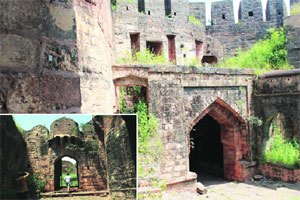
शहराच्या उत्तरेस चिरेबंदी दगडी पायावर उभारलेला चालुक्यकालीन भव्य भुईकोट किल्ला पुरातन वैभवाची साक्ष देत उभा आहे .
या किल्ल्याच्या आतील कोट, महाल वाडे हे बहामनी काळात बांधले असावेत.या किल्ल्यात दोन पेक्षा जास्त चालुक्य काळातील मंदिरे होती. बहुतेक बहामनी अमलात ती मंदिरे पाडून मंदिराचे दगड, शिल्प, देवतांच्या मुर्ती व मंदिराचे इतर हजारो अवशेष किल्ल्याचे आतील कोटाच्या बांधकामात वापरलेले दिसतात . किल्याच्या आत जागोजागी मंदिर अवशेषांचा खच पडला आहे.
किल्ल्यात अनेक तोफा असून त्यांपैकी कडक बिजली ही तोफ प्रसिद्ध आहे.
चालुक्य राजवटी नंतर झालेल्या अनेक लढायांत येथील बरेच मंदिरे नष्ट झाली तर काहीं मंदिराचे मशिदींत रूपांतर केले गेले आहे.
( सध्या किल्ल्याच्या जिर्णोद्धाराचे काम चालू असल्याने प्रवेश नाकारला जात आहे.)
Basavakalyan : Royal Capital of Kalyani Chalukyas!
While researching for Hyderabad and the places around it, I came across Bidar & Basavakalyan. The photo of the entrance actually made me blink twice.It was so majestic, that instantly, I started planning for it. Two days plan seemed better to execute it from Mumbai. I shared this plan with Jagdish who recommended me to put up the trip for others to join. Tickets were booked and a group of 6 people embarked on this journey to explore the architectural marvel of Magnanimous Bidar.
We left Mumbai on Friday night at 09:15 PM from Dadar. Reaching Bidar Station in the morning, by 10:30 AM (Train was late, supposed to reach at 09:15). With almost one and half hour delay, we reached Hotel Shiva International (Pre-booked). Freshened up and left for sightseeing of Basavakalyan, after breakfast at nearby Kamat hotel.

On the way to Basavakalyan, there were few places of interest, which I wanted to visit. First, was Jalasanghi, which was almost an hour away. Jalasanghi (Kamalishwara) temple was unique in its own way, it did not have a tall Gopuram, seen in most of the temples, instead it had flat roof like structure.

I couldn’t find much reference to this temple. Seemed like unexplored one. The main attraction of this temple is the Madanika Sculpture writing an epigraph praising the King Vikramaditya VI of Chalukya dynasty in Kannada Language. A fact that needs to be noted is, women of that era knew to read and write.
(Kamalishwara Temple is famous for its outstanding Salabhanjika and Madanika sculptures. The sculptures of the Jalasangvi temple were the source of inspiration for the later Hoysala bracket-figures of Belur Halebidu and Somnathapura. This Chalukya temple is built on a star-shaped plan.

The temple was constructed in the Besara style, a unique combination of North Indian Nagara and South Indian Chalukya with Shiva Linga in Garbagriha).

After spending 20 minutes, we went further for Humanabad temple called as Veer Bhadreshwar temple. The special feature of the temple was 50 feet tall deepa stambha on both sides of the entrance, which was partially hidden by the construction.
After spending fifteen minutes here, we proceeded to Basavakalyan. First stop was Statue of Basavanna. It is 108 feet tall statue, who was known for his rational and progressive thoughts in 12th Century.
 Along with the two storeyed Platform to reach the Statue, there is an adjoining caves called as Sri Basaveswara cave and Akkamahadevi cave, that has been carved out beautifully in the laterite rock. There is a Shiva temple below the Statue.


You are first directed to the cave, then climbing up the steps to reach the Statue, being afternoon the climate was hot, after spending an hour or so. We reached Basavakalyan fort by 3.30, it closes by 5.30 pm. Took almost 2 hours to explore the vast fort.
(Basavakalyan Fort was also known as Kalyana Fort, built by Chalukas in 10th century. This fort was built by keeping defence in mind. Because the Fort is mostly undetectable. Basavakalyan Fort was created by intersecting huge rocks which are spread throughout the hills. It has guard rooms and towers. There are three concentric asymmetrical walls in the fort. It has seven entrances, out of which only five entrances are in good condition and 37 Bastions (Mostly circular, few square or octagonal).

Basavakalyan Fort was regarded as headquarter of the royal capital of Chalukya family, i.e. Kalyana. There is traces of different rulers who controlled the fort and renovated accordingly. There are several palaces, structures and temples inside the fort. Although at present, several parts of Basavakalyan Fort is in ruin, it is still worth visiting. There are some cannon placed inside. The bigger one called as Nav-gaz.

Inside the Fort, there is a temple, with no idol, but believed to be dedicated to Lakshmi. At the top of the frame of the temple, there is image of Ganapati.
The security guide helped us around with the important places inside the fort. Being vast, we would have just wandered without proper information.

We left the fort by 5.30 pm, there were few more places to see before the sun sets. First, we went to see the Anubhav Sthambha, it was a Hall. Further encircling the lake, we went for Akkannadevi caves.

It was an ancient temple with underground cave and well-maintained garden. There was one more addition to the itinerary the Uma Maheshwar temple in Umapur, unique feature of this temple was the carvings of Tortoise & Fish at the entrance of the temple on the footstep. It was almost dark, as we reached the village.

There was an annual fest going on.

We were invited for the dinner by the locals. Since, we didn’t have lunch (because of late breakfast), we relished the simple tasty food that was served to us.

We left for Bidar, after the ladies in group engaged in conversation with the local ladies, who were bit inquisitive about our visit.
We had our dinner again at Hotel Royal Anmol. Tried the biryani, which was not that great as recommended.
Bidar was our next destination for another day!
बसवकल्याण किले का इतिहास | Basavakalyana Fort History
Basavakalyana Fort
कर्नाटक के बीदर जिले में स्थित बसवकल्याण किले को शुरू में कल्याण किले के नाम से जाना जाता था। इस किले का निर्माण 635 मीटर (2082 फीट) की ऊंचाई पर किया गया है।

तैलापा द्वितीय (973-997) के नेतृत्व में चालुक्य ने राष्ट्रकूट को पराजित किया। उन्होंने कल्याण में अपनी राजधानी स्थापित की और 1947 में भारत की आज़ादी के बाद इसका अधिकारिक नाम बसवकल्याण रखा गया।
तैलापा द्वितीय के शासनकाल में किले का निर्माण 973 में नलराजा द्वारा किया गया। बसवकल्याण किले पर लगे शिलालेखो से यह जानकारी मिली है।
1050 से 1195 तक बसवकल्याण पश्चिमी चालुक्य साम्राज्य (कल्याणी चालुक्य) की राजधानी हुआ करता था। सोमेश्वर (1041-1068) ने कल्याण को अपनी राजधानी बनाया और बादामी चालुक्य से अलग होकर कल्याणी चालुक्य के नाम से प्रसिद्ध हुए।
बाद इसपर सोमेश्वर द्वितीय, छठे विक्रमादित्य, सोमेश्वर तृतीय, जगदेका मल्ला तृतीय और तैलापा तृतीय ने शासन किया।
10 से 12 वी शताब्दी के बीच, यही साम्राज्य आधे से ज्यादा भारत पर शासन कर रहा था। दुसरे शासक जैसे कलाचुरी साम्राज्य, यादव, गयासुद्दीन खिलजी, मुहम्मद बिन तुगलक, बीदर के सुल्तान, बीजापुर सुल्तान, अहमदनगर के सुल्तान, विजयनगर साम्राज्य, मुग़ल और निजाम किले पर नियंत्रण रख उसे नवीनीकृत करते थे।
कालाचुरी साम्राज्य के बिज्जल देव (1130-1167) जो 1156 से 1168 के बीच चालुक्य के सामंती प्रमुख थे, उन्होंने तैलापा तृतीय को चालुक्य साम्राज्य के बाहर निकाल दिया और शासक एवं उसके पुरे परिवार को मार दिया।
मारने के बाद 1163 से 1167 तक उन्होंने वहा शासन किया, जिसने पूरा डेक्कन और कलिंग शामिल था। इसके बाद उन्होंने अपनी राजधानी को मंगलिवेद से कल्याण स्थानांतरित की और कल्याण को अपने साम्राज्य की नयी राजधानी घोषित की।
इसके बाद 1167 में अपने पुत्र सोविदेव के लिए उन्होंने साम्राज्य का त्याग किया और 1168 में उनकी हत्या कर दी गयी। बिज्जल जैन धर्म से संबंध रखता था लेकिन कहा जाता है की उसे वीरशैव धर्म से काफी लगाव हो चूका था।
बिज्जल के नेतृत्व में बसवेश्वर एक शक्तिशाली प्रधानमंत्री बन चुके थे और अपनी धार्मिक कथाओ को फ़ैलाने के लिए अपने अधिकारों का उपयोग करते थे। कलचुरी के शासको ने बहुत कम समय तक चालुक्य साम्राज्य पर राज किया।
1310 में दक्षिण आक्रमण के समय मल्लीकाफूर ने बसवकल्याण किले पर आक्रमण किया। 16 वी शताब्दी में विजयनगर के शासक रामराय (1484-1565) चालुक्य साम्राज्य (974-1190) के अपने पूर्वजो का पता लगाया और साथ ही अपने साम्राज्य की राजधानी कल्याण का भी पता लगाया।
“चालुक्य के शासक” होने के अलावा उन्हें “लॉर्ड ऑफ़ कल्याण” के नाम से भी जाना जाता है।
कल्याण किले पर शासन करते हुए उन्होंने डेक्कन के बहुत से मुस्लिम शासको से संधि कर रखी रही। 1543 में उन्होंने बीदर के सुल्तान को पराजित किया और किले का नियंत्रण बीजापुर के सुल्तान को सौपा।
1549 में जब परिस्थिति बदल गयी, तो उन्होंने अहमदनगर के सुल्तान के साथ हाथ मिला लिया और कल्याण किले पर आक्रमण किया और अपने मित्र को वहा का शासन सौपा।
जबकि 1558 में बीजापुर के सुल्तान की मृत्यु के बाद उनके बेटे आदिल शाह प्रथम ने राम राय की दोस्ती को भूलकर अहमदनगर के सुल्तान को पराजित कर दिया।
अहमदनगर के सुल्तान को पराजित करने के लिए राय ने तीन शर्ते रखी थी, पहली शर्त यह थी की सुल्तान उनसे टेंट में मिले और पान स्वीकार करे, दूसरी शर्त यह थी की सुल्तान के जनरल को मार दिया जाए और तीसरी शर्त यह की की वह स्वयं कल्याण किले की चाबी सौप दे।
तीनो शर्तो को पूरा किया गया। कल्याण किले की चाबी भी अहमदनगर के हुसैन राय को सौपी गयी, जिन्होंने वह चाबी अपने मित्र बीजापुर के आदिल शाह को दे दी।
1561 में अहमदनगर के हुसैन ने फिर से किले को हासिल करने की कोशिश की लेकिन इस बार राय और उनके मित्र आदिल शाह प्रथम ने उन्हें उखाड़ फेंक दिया। ले
किन माल-तोल में राय के लुटेरे दृष्टिकोण की वजह से बीजापुर और अहमदनगर के सुल्तान उनसे काफी नाराज हो गये।
इसके परिणामस्वरूप 1565 में तल्लिकोटा के युद्ध में विजयनगर साम्राज्य पूरी तरह से गिर गया, जिसमे डेक्कन के मुस्लिम शासक, बीदर, अहमदनगर, बीजापुर और गोलकोंडा के शासको ने राय को पराजित करने के लिए हाथ मिल लिए थे।
सोमेश्वर, कश्मीर के कवी बिल्हाना और विज्ञानेश्वर कल्याण में विक्रमादित्य द्वितीय के दरबार में थे।
12 वी शताब्दी में राजा बिज्जल देव के शासनकाल में जब बसवकल्याण प्रधानमंत्री थे तब सांस्कृतिक और सामाजिक क्रांति की शुरुवात हुई और उन्होंने जातिवाद के खिलाफ आवाज उठाई। बसवेश्वर ने ही वीरशैव दर्शनशास्त्र की स्थापना की थी।
चालुक्य के शासनकाल में जैन धर्म की नवनिर्मिति की गयी। चालुक्य राजाओ द्वारा निर्मित किलो की दीवारों पर जैन धर्म के चित्र लगाये जाते थे। किले के भीतर बने म्यूजियम में भी बहुत सी जैन मूर्तियाँ देखने मिलती है, जिनका संबंध 10 वी और 11 वी शताब्दी से है। यहाँ पर एक जैन मंदिर भी था, जिसे बाद में ध्वस्त कर दिया गया था।
बसवकल्याण किले की वास्तुकला – Basavakalyan Fort Architecture
बसवकल्याण किले का निर्माण रक्षात्मक संरचना में किया गया है और रणनीतिक रूप से यह छलावरण पृष्टभूमि में स्थापित है। यह किला दूर से देखने लायक नही है और यह किले के भीतर रहने वाले सेना के लिए एक अच्छा फायदा है।
पहाड़ी के उपर बड़े-बड़े पत्थर इस किले से जुड़े हुए है, जिनका उपयोग किले की दीवारों को सहायता देने के लिए किया गया है। किले में बहुत से सैन्य घर और मीनारे भी बनाई गयी है। किले में 3 गाढ़ी अनियमित दीवारे है।
इस रक्षात्मक किले के 7 द्वार है। किले के प्रवेश द्वार को सुशोभित किया गया है और यहाँ इसी दिशा में बालकनी भी है। सीढियों के माध्यम से किले से पंहुचा जा सकता है। किले के बीच का आँगन मजबूत दीवारों से घिरा हुआ है, जहाँ सैन्य कक्ष भी है।
इन कक्षों को गढ़ों और तोपों के साथ जोड़ा गया है। देखा जाए तो, तोपे गढ़ के रास्ते में ही स्थापित है। किले के प्रवेश द्वार के उपर एक खुली जगह भी है, जहाँ से किले पर आक्रमण कर रहे विरोधियो पर गर्म तेल डाला जा सकता है।
किले की रक्षा करने के लिए गहरी खाई का उपयोग किया जाता है। खाई पुरे किले को घेर लेती है।
बसवकल्याण किले के मुख्य द्वार को अखंड दरवाजा के नाम से जाना जाता है। इसका निर्माण लाल पत्थर की चार पट्टिका से किया गया है। किले के भीतर राजमहल पैलेस का भी निर्माण किया गया है।
महल की उपरी दीवार को रंगीन कलाकृतियों से सजाया गया है। जबकि महल की मुख्य दीवारों पर कलश और फूलदान के चित्र बनाये गये है। महल के पास एक मंदिर भी है, लेकिन वहां कोई मूर्ति नही है।
रानी के महल को रानी महल के नाम से जाना जाता है, जो मंदिर के पीछे बना हुआ है। मंदिर तक पहुचने के लिए महल में एक विशेष रास्ता बनाया गया है। मंदिर के पास एक छोटा तालाब भी है।
इसके अलावा बसवकल्याण किले में दुसरे बहुत से स्मारक बने हुए है, जैसे की इसका उपयोग मुहर्रम की प्रार्थना करने के लिए किया जाता है, पश्चिमी और उत्तर-पूर्वी दिशा में दो दीवारे बनाई गयी है, एक छोटा बनाया गया है।
साथ ही किले से बाहर निकलने के लिए गुप्त भूमिगत रास्ता भी बनाया गया है। जिसका उपयोग आपातकालीन परिस्थिति में दुश्मन से बचने के लिए किया जाता था।
वर्तमान में बसवकल्याण किला एक प्रसिद्ध पर्यटन स्थल के रूप में विकसित हो रहा है। कर्नाटक सरकार इस किले की देखरेख करती है।
108 feet statue of Basaveshwara, Basava Kalyana
During my previous trip to Basava Kalyana i.e. Dec 2010, I remember someone mentioning construction of a gigantic statue of Basaveshwara.
October 4, 2014
Our day started with Humnabad followed by Hanakuni fort, Kalmeshwar temple at Jalasanghi and Uma-Mashehswara temples
at Umapur. The day was pretty warm as we arrived at Basava Kalyana
cross. About 3 kms from the cross is a hillock on the right hand side
with the 108' tall statue of Jagatjyoti Basaveshwara.

The statue is within the premises of a Matae Mahadevi's organization for spiritual development. Below the statue is a meditation chamber. Construction work is still in progress, there's a long way to go before it gets completed.

This is the stairway on the hillock slope. At every stage are statues of Shiva Sharanas. The place is designed to create awareness of Lingayath philosophy.
 |
| view from the hillock's base |
 |
| Basaveshwara's sister Shiva Sharanae Akka Nagamma |
 |
| Shiva Sharana Madiwala Machayya |
The place is made for tourists. A set of life size statues depicting XII century way of life here in Kalyana during Basaveshwara's time. It's called Sharana village; one can see people engaged in various professions like a merchant, carpenter, blacksmith, a physician, etc.

An artificial cave has been created and dedicated to Akka Mahadevi. This is on the hill. Similarly at the base of the hill is another cave dedicated to Basaveshwara.

This is the arch at Basaveshwara cross on the national highway.

We proceed towards Kalyana fort.. for some reason the gate was locked. Even the museum was closed. We proceed towards Bhatambra fort in Bhalki taluq.
PS: check out Basaveshwara memorial at Gadag.
.........चालुक्यांची कल्याणी
संग्रहित लेख, दिनांक 24th Apr 2013 रोजी प्रकाशित
चालुक्यांची कल्याणी
बिदर आणि गुलबग्र्याचा नुकताच एक अभ्यास दौरा केला. या वेळी केवळ कुतूहल म्हणून बसवकल्याणला भेट दिली, आणि अचानक धनाचा हंडा सापडावा तसे झाले. हा हंडा म्हणजेच बसवकल्याणचा किल्ला.
बिदर
आणि गुलबग्र्याचा नुकताच एक अभ्यास दौरा केला. या वेळी केवळ कुतूहल म्हणून
बसवकल्याणला भेट दिली, आणि अचानक धनाचा हंडा सापडावा तसे झाले. हा हंडा
म्हणजेच बसवकल्याणचा किल्ला.
चालुक्य घराण्याची प्राचीन राजधानी
कल्याणी म्हणजेच आजचे बसवकल्याण.चालुक्यानंतर येथे कलचुरी राजवट होती.
बिज्जल कलचुरी या राजाकडे बसवराज हे भांडारप्रमुख होते, त्यामुळे त्यांना
‘भक्ति भंडारी’ असेही म्हणत.हे धार्मिक होते व त्य़ांना समाजातल्या विषमतेचा
तिटकारा होता. यांनीच वीरशैव (िलगायत) पंथाची स्थापना केली. यांचे
नावावरूनच या गावाला बसवकल्याण हे नाव पडले.
बसवकल्याण, सोलापूर-
हैदराबाद राष्ट्रीय महामार्गालगतच आहे. येथे येण्याकरिता सोलापूर,
गुलबग्र्याहून अनेक बस उपलब्ध आहेत. गावात शिरणाऱ्या रस्त्याने तसेच सरळ
गेल्यावर अध्र्या किमीवर किल्ला आहे. किल्ला एका छोटयाश्या टेकाडावर आहे.
किल्ल्यात शिरताना एक भव्य दगडी दरवाजा लागतो. येथून आत प्रवेश केल्यावर एक
मशीद, एक पटांगण, एक छोटीशी इमारत आणि काही ओवऱ्या लागतात. पण हे सर्व काम
अलिकडच्या काळातले, हैदराबादच्या निजामाचे आहे. या नंतर किल्ल्याचे प्रथम
प्रवेशद्वार लागते. ह्य़ा द्वारानंतर एक खन्दक आहे. त्यावरून पुढील दरवाजाशी
येतो. या गोमुखी दरवाजाचे वर एक गुप्त सज्जा असून येथून लक्ष तर ठेवले
जातच असे; पण वेळप्रसंगी येथून उकळते तेल अथवा निखारे खाली सोडण्याची
व्यवस्थाही होती. आतमध्ये ओवऱ्या असून येथे आवश्यक त्या नोंदी ठेवल्या
जात.या पुढे वळणा वळणाच्या मागोने पाच दरवाजे लागतात. हे सर्व दरवाजे
वैशिष्टय़पूर्ण आहेत. हे ओलांडल्यावरच मुख्य किल्ल्यात प्रवेश होतो. म्हणजेच
कोणाही गर व्यक्तीला प्रवेश केवळ अशक्यच. वाटेतील सर्व िभतींवर अनेक
शरभ(राजसत्तेचे प्रतीक असलेला काल्पनिक प्राणी)आहेत. किल्ल्यात रंगीन महल,
हैदरमहल, दरबारमहल असे काही महाल आहेत आणि ते बऱ्यापकी शाबूत आहेत. रंगीन
महल हे विलास मंदिरच होते. याच्या िभतींवरील गिलाव्यात सुरेख नक्षीकाम आहे,
कारंजे आहे.दरबारमहल या वास्तूला दरबार हॉल म्हणत असले तरी त्याच्या एकंदर
स्वरूपावरून हे जनान्यासाठी बाग आणि क्रीडास्थान असावे. येथे एक ओटा असून
त्या समोरील विस्तीर्ण आयताकृती प्रांगणात मधोमध एक संपूर्ण लांबीचा
पाण्याचा पाट आहे. याच्या एका बाजूला पाण्याचा कृत्रिम धबधबा आहे. िभतीवर
वेलबुट्टया आहेत. हे सर्व स्थापत्य मुस्लीम शैलीचे आहे आणि महत्त्वाची
गोष्ट म्हणजे मुस्लीम राजवटीत येथे कधीही राजसत्ता नव्हती. महम्मद तुघलकाने
कलचुरींचा पाडाव केला. या नंतर मोगल, विजापूर आणि अखेरीस हा किल्ला
हैदराबादच्या निजामाचे ताब्यात होता. या किल्ल्याचे मध्यभागी एक मंदिर आहे.
आत कोणतीही मूर्ती नाही. येथे आधी देवी होती असे सांगतात, मग येथे
बसवराजाची मूर्ती होती. याचे बाजूला एक दर्गा आहे पण बांधणीवरून हेसुध्दा
देऊळच असावे असे वाटते.
या किल्ल्याला एकूण १६ देखणे बुरूज आहेत.
प्रत्येक बुरूजावर वॉचटॉवर असून त्यावर तोफ आहे. एका बुरूजावर नऊगज नावाची
अजस्र तोफ आहे. आणि यातील सर्वोच्च बुरूजावर आहे एक आश्चर्य, ‘कडकबिजली’
तोफ. ही एक दिमाखदार तोफ आहे. ही मकरमुखी (तोंड मगरीच्या तोंडासारखे)
पंचरशी तोफ असून तिच्यावर अप्रतिम कोरीव काम केलले आहे. हिच्या वरील कोरीव
कामात मीनावर्क केलेले असून सोनेरी नक्षीकामही आहे. ऊन-पाऊस खाऊन आजही हे
नक्षीकाम सुस्थितीत आहे.आणि सर्वात महत्त्वाची गोष्ट, ही एका आसावर बसविली
असून ती ३६०अंशात आजही सुलभतेने फिरविता येते. या तोफेची सर्व यंत्रणा
आजही व्यवस्थित आहे. मी तरी आजपावेतो अशा अवस्थेतील तोफ पाहिली नव्हती.या
बुरूजावरून अतिदूरच्या प्रदेशावर लक्ष ठेवता येते. या किल्ल्यातले आणखी एक
नवल म्हणजे येथील हैदरमहालाजवळ असलेला तालीमखाना. ही तालीम इमारतीच्या
तळघरात असून ती केवळ खाशांकरिता होती. किल्ल्याच्या मागील बाजूस जलतरण
तलावही आहे. पाणी खेचण्याकरिता मोटेची व्यवस्था आजही दिसते. पाणी
साठवण्याचीही सोय
होती.
या
लेखाचा शेवट कर्नाटक सरकारचे आभार मानल्याशिवाय करताच येत नाही, कारण येथे
सरकारी रक्षक नेमलेले आहेत आणि महतत्त्वाचे म्हणजे ते जागेवर असतात.
आवश्यक ठिकाणी कुलुपे लावलेली आहेत आणि ती अभ्यासकांकरिता, पर्यटकांकरिता
उघडली जातात. अशीच सोय बिदर आणि गुलबर्गा येथेही आहे. काश! महाराष्ट्र
सरकार असे काही करेल तर काय होईल? याला जोडून आपण बिदरलाही भेट देऊ शकता.
बिदरमध्येही आपणास खूपकाही बघता येईल. तीच गोष्ट गुलबग्र्याची. रस्त्यातच
जलसंघी येथे चालुक्यकालीन विष्णुमंदिर(सध्या शिवमंदिर) आहे. उन्हाळा सोडून
येथे कधीही जाऊ शकता. निवास आणि भोजनही अत्यंत अल्प दरात उपलब्ध आहे.
बसवेश्वर देवस्थान, बसव कल्याण


Basavakalyan town is a center of art, literature, and architecture. To preserve historical and heritage antiquities, the Government of Karnataka established a museum in 1994 adjacent to the fort here. In the six galleries of this museum, antiquities collected from different parts of the district are displayed.
First Gallery:
The first gallery displays war equipment. There are four
spherical stone cannonballs that were used in battles. A chain made of
brass and copper is displayed. There are four small cannons belonging to
the 16th–17th centuries. Two chains about 8 feet long, which were used
to pull the fort gate, are also displayed. In this gallery, five guns
and four spears are exhibited. Sculptures of Narasimha from the
12th–13th century, as well as statues of Uma-Maheshwara, Shiva, and
Vishnu, can also be seen.
Second Gallery:
In the second gallery, pieces of clay pots used by people
during the rule of the Hyderabad Nizams are displayed. There are six
stone balls weighing about 60 kg each that were used in gymnasiums.
Stone tools from the Neolithic period, Jain sculptures from the 11th
century, and a Lakshmi idol from the 12th century are also exhibited.
The gallery also contains beads, swords, inscriptions, pottery
fragments, and a statue of Bahubali. In addition, four paintings are
displayed here.
Third Gallery:
The third gallery exhibits decorative items and many ancient
remains. Pieces of glass vessels from the Kalyani Chalukya period are
displayed. From the Vijayanagara Empire period, there are sculptures
such as a lion statue found at Manisara Fort (11th–12th century), hero
stones (Veeragallu), a statue of Kubera, Jain idols, Nishidhi stones, a
large Ganapati statue from the 13th century, and three inscriptions. The
main attraction of this gallery is two large palanquins used by the
Barid Shahis of Bidar. Pottery fragments found at Sannati and daily-use
objects of people are also displayed.
Fourth Gallery:
Various types of worship materials are displayed in the fourth
gallery. In this room, there are five clay lamps from the Kalyani
Chalukya period and three bells from the Vijayanagara Empire. The large
bell weighs about 25–30 kg. Also displayed are a hero stone from the
12th century, a Vishnu idol, a Mahishamardini statue from the 12th–13th
century, a fragment of Kalabhairava from the 14th century, an
Anantapadmanabha idol, Kakshasana and other sculptures.
Fifth Gallery:
The fifth gallery contains objects found within the fort
premises. It displays five ivory fragments from the 15th century,
bangles, beads, ornaments, and pottery fragments from the Vijayanagara
period. On some pottery pieces, animal figures can be seen, and floral
designs are painted on porcelain vessels. Seven weight stones from the
Hyderabad Nizam period found at Maski in Lingasur taluk of Raichur
district are also displayed here. Sculptures of Shiva from the 12th
century, a large statue of Ganapati, hero stones, and a large elephant
statue are also exhibited.
Sixth Gallery:
In the last gallery, seven arrows used in war and two
palanquins measuring about 12 feet in length are displayed. A cannon
(firangi) is also placed here, with cannonballs kept beside it.
Various coins belonging to different royal dynasties have also been collected and displayed here. Palm-leaf manuscripts such as Jaimini Bharata, Ashwamedha Parva, Kaushika Ramayana, Skanda Purana, and Devi Mahatmya are also exhibited in this museum.
S.No |
Name of the Head of the Museum |
Designation |
Address and Telephone |
1 |
Mr. Shivaprakash |
Curator (In-charge) |
Curator Office, Government Museum, Basavakalyan, Bidar District – 58532 Phone: 08481-250838 |
The museum is open to visitors from 10:00 AM to 5:30 PM on all days except government-declared public holidays.
Entry Fee |
|
Adults |
₹. 10/- |
Primary and High School Students |
Free |
Temples of the Kalyani Chalukyas
7 Likes
Save
Share
Copy Link
Choudayyadanapur
Located on the west bank of Tungabhadra, the Mukteshwara Temple in Chaudayyadanapura – a village in Ranebennur Taluk of Karnataka- is a fine example of the Kalyani Chalukyas style of architecture. The temple compound comprises of a single cella main shrine, a couple of smaller structures and a keerthisthamba (victory pillar). Several inscriptions have been found at the temple that throw light on the birth and spread of Veerashaivism and details of many kingdoms of Karnataka and central India. The temple is home to exquisite carvings and sculptures that adorn the outer walls, ceilings and shikhara. The calm that pervades here in the wee hours of the morning is intoxicating; the faint light of the sun illuminating the temple coupled with the gentle song of the river is therapeutic to the wandering soul.

Galaganath
North of Chaudayyadanapura is the crossroads town of Guttal whose appearance today doesn’t impart justice to its glorious past when it was an important seat of power and ruled by the Guttas, a feudatory of the Chalukyas. Traveling further north one comes across the isolated village of Galaganatha perched on the banks of the Tungabhadra, close to its confluence with the river Varada. The Galageshwara Temple in Galaganatha is one of the tallest temples in the region and dates back to the 10th century. It has a unique pyramidal buttress around the shrine, a very uncommon architectural variation, along with a high open hall supported by rounded pillars. The statues of Vishnu, Saraswati and Surya in the temple are worth mentioning.

Havanur
A tumultuous ride on an unpaved dirt track to the south of Galaganatha and along the Tungabhadra brings one to the ruins of a river fort at Havanur. Dilapidated bastions and rampart walls in various states of disrepair overlook rows of neatly aligned fields on the banks of the river. During the monsoons the river overflows and inundates these brown fields along with the many decaying structures on the bank.

Haralahalli
The Someshwara Temple stands forlorn in the once flourishing village of Haralahalli; the human habitants have moved to the new settlement of Hosa Haralahalli around 2kms from the aforementioned temple. This temple is a trikuta (a temple with three shrines) with three shikharas that bear sign of restoration and repair. The temple precincts are well-maintained by a caretaker who is well-versed with the history of the region and the imagery of the many sculptures in the temple.

Lakshmeshwar
An erstwhile political and cultural hub, Lakshmeshwar has several elegant monuments that hark back to the glory days of this magical town that once hosted the famous poet Pampa. Among the various heritage sites in the town the imposing Someshwara Temple stands apart; more than 50 Kannada inscriptions have been discovered here. The idols of Shiva and Parvati in the temple are noteworthy along with a deep open well behind the temple.

Bankapur
The Nagareshvara Temple, also known as Aravattu Kambada Gudi (sixty pillars temple), in Bankapur was built under the patronage of the Chalukyas. Located in the ruins of the Bankapur Fort the locale of the temple is serene – it is surrounded by towering trees where the call of peacocks echoes. Bankapur has witnessed a host of dynasties rise to power and grind to dust with the Kadambas, Cholas, Rashtrakutas, Gangas, Chalukyas, Hoysalas and the Vijayanagar Kings laying claim to the fort over the centuries. From the inscriptions in the temple it can be deduced that historically it has been a major centre of learning and art.

Haveri
The Siddhesvara Temple in Haveri is a perfect place to behold the sun transform into an orange, blinding ball of fire and disappear behind the horizon. Set amidst lush green gardens it is ideal for an evening stroll coupled with a peek into the annals of history. As with other Chalukya Temples it is rich in sculpture and inscriptions; several hero stones displayed behind the temple are notable. After sunset, as most of the visitors depart, the temple is lit up in a milky hue; the reflection of the light on the worn out walls coupled with the silence is pacifying.

Art in Chalukya Temples
The temples of the Kalyani Chalukyas are abundant in detailed carvings and ornate sculptures. The common themes repeated across temples are depictions of kirtimukhas (mythological monsters), makaras (mythical aquatic creatures), vegetal scrolls, god and goddesses, dancers, musicians, miniature shikharas and even mithuna (erotic) figures. The porch and the doorways are strikingly beautiful with chiseled fretwork, colonettes and minute human figurines. The eroded stones, in certain places, retain a reddish hue that bounces off the shiny pillars and lends a mystical aura. The ceilings are covered in floral motifs, particularly blooming lotuses, and mythological tales.

7 Likes
Let’s Lakkundi
One of the famous folklore which goes around in India is – “Your pilgrimage is possible only after God summons you.” Both of us (myself and my co traveller and friend Mr. Amitabha Gupta) are travellers and fond of architecture. So admiring the architectural relics of any hidden place is a kind of pilgrimage to us. Like other Indians, we were not aware of the place Lakkundi. After our extensive Hampi Trip, we started for our next destination Badami by a rented car. Suddenly a friend suggested Amitabha Da to visit Lakkundi – a village in Gadag district. After Googling for a few minutes we found the legacy of Western Chalukya Architecture is kept sacredly in Lakkundi . So, we finally decided – “Let’s Lakkundi”.

Before telling the tale of my Lakkundi trip, it is better to brief about the history of the place.
History of Lakkundi:
This region has its name in the epic Mahabharata. Gadag, mythologically known as “Krutapura” is the place where “Janmejaya”, the ancestor of both Pandava and Kaurava, organised “Yagna” or sacrifice.
Even in the Ramayana, the Lakkundi is believed to be a “village found by Lord rama.”
But Lakkundi is now famous for the architectural remains of Western Chalukya or Kalyani Chalukya. After defeating Rashtrakuta King, Kalyani Chalukya Dynasty started ruling from Kalyana (now in Bidar District). The first king Taliappa II claimed himself as a descendant from Badami Chalukya. The Kalyana Chalukyas were great patrons of art and built glorious temples and tanks at Itagi, Lakkundi, Kuruvatti etc. But their culture reached its zenith during 11th and 12th century when they built temples and tanks in Lakkundi.

The place is also known by the famous ‘Danachintamani Attimabbe’. She sanctified the place here by patronage for Kannada literature and Jain religion.
Going and Staying Option:
Though not surprising, it is quite frustrating that Lakkundi is not prominent in the tourist map of Karnataka. Located in between two giant tourist places Hampi and Badami, this area is also a little neglected, just as the beautiful little flowers are not recognised among the big trees in the forest. If the traveller wants to enjoy the beauty of those wildflowers even if he respects the trees then only s/he can get the pristine beauty of forest, however, it is always a tough job.
By rail you can reach Gadag Junction which is only 12 kilometers away from Lakkundi.
So, like us, clubbing Lakkundi with the trip to Hampi or Badami is always a better option.
Our Exploration:
Using Google Maps we reached Lakkundi. But the roads to the temples were unknown as only very few of them were roughly marked on that time. Moreover, we did not know the local language Kannada. By English, interacting with common people of the prominent tourist spots can be possible but impossible in a remote village in India. Most of the common people were unable to give proper ideas about the temples. Here our driver acted as a samaritan. He started interaction by understanding our requirements, finally we managed to see 7 out of 20 temples scattered in the narrow bylanes of the hamlet.
I found one one interesting fact in Lakkundi temples. “Kirtimukha” sculpture (the “face of Glory”) is depicted on the Vimana (tower of the sanctum) in many temples of this place. Kirtimukha is a ‘fierce monster-face with huge fangs and gaping mouth’. Though the concept of Kirtimukha is usually found in Shiva Temples but in Lakkundi, Jaina temple has Kirtimukha in a wide variety of styles. We can call Lakkundi as the “Land of Kirtimukha”.

Brahma Jainalaya Temple was the first temple of Lakkundi visited by us. Located just behind the ASI office the temple is a marvel of 2nd Phase Kalyani Architecture. Brahma Jainalaya Temple was built by Attimabbe, wife of Nagadeva, who served as general under both Taila II and Satyashraya Irivabedanga. Satyasraya Irivabedanga had the title ‘Sarvavarnadharmadhanu’ – meaning bow that respects all religions, without discrimination.

Structurally the temple is divided into the Main Sanctum, AntiChamber and the main hall (Mukhamandapam).
We reached there, crossed the gate and a few steps on the staircase we arrived at the Mukhamandapam (the main hall) of the temple. The Mukhamandapam has 32 well polished pillars.
Personally I was astonished by the AntiChamber and the Main Sanctum of the temple. The doorway of the antichamber consists of the figurine of Gaja-lakshmi on its lalata-bimba. The main sanctum doorway has an image of Mahavira on its lalata-bimba. The garbha-grha is a square sanctuary and it houses a standing Mahavira image above a simha-pedestal. On his left is shown yakshi Padmavati and on his left is a yaksha.
The Vimana (Tower above the main sanctum) of this temple built in three stories topped with a crowning member. The first story is taller than the above two stories.
Brahma Jainalaya of Lakkundi is regarded as the most beautiful Jain Architecture of Decan. However, this temple is the most prominent architecture of Lakkundi.

There is another small temple on the north of the main temple. Neither the mandapa nor the vimana of the temple exists nowadays. An image of Mahavira, whose head is broken, is placed over the platform of the mandapa.

Here we met a local guy who was working for ASI. According to him, along with Brahma Jainalaya, the other prominent temples of Lakkundi are Nanneshwara Temple and Kashi Vishweshwara Temple. They were facing each other.
We came out of Bramha Jainalaya. Heading towards the east followed by two consecutive right turns we reached in front of the two facing temples.
First we chose to go inside Nanneshwar Temple. Built on the Jagati (High rising platform), Nanneswar temple is a lovely example of Deccan Architecture. The temple consists of a main sanctum, antichamber, closed mandapa and open mandapa. Open Mandapa consists of well polished pillars.

The exterior of the temple is decorated with devakosthas or small temples. Specially I liked the decoration of the doors of the temple.

Kashi Visheshwara Temple and Surya Narayana Temple are twin temples sharing a common mandapa and located just opposite to Nanneswar Temple.

The magnificent Kashi Vishveshwara Temple echoes the architectural excellence achieved during the Kalyani Chalukya era. Structurally the east facing temple can be divided by Main Sanctum, Antichamber, Mandapa.
The eastern doorway has a total six sakhas and two intermittent pilasters. Gaja-lakshmi (Laxmi riding on elephant) is present on its lalata-bimba.

The exterior of the antichamber and main sanctum are decorated with various sculptures. To me the best one is Dashamahavidya (uploaded earlier in this post). Unfortunately the sculptures are much mutilated and spoiled. Some of the sculptures are given below:


Connecting with Kashivishveshwara Temple, the Surya Narayana Temple was facing west. I found it something very unusual. But amitabha Da mentioned about the Martand Sun Temple of Kashmir also faces west.
We found no deity inside Surya Narayana Temple.
Walking 220 meters towards South we reached at Halugonda Basaveshvara Temple. Since the temple was under maintenance, we could not explore the temple.

In Spite of our failed mindset we headed for Virupakha Temple which is located 620 meters away from Halugonda Basaveshara Temple.
The temple was not very exciting, moreover somebody parked a car in front of the temple.
Our temple hunting continued. Next we headed for Manikeshwara Temple.
Manikeshwara Temple is located inside a huge complex. The main temple is a Trikuta Chala temple (triple celled). Vimana of all the cells are lost. There was not much work on the outer walls but temples are depicted on one of the cells.

One major attraction of the temple complex is Musukina Bavi – a stepped well.

Time was running like a gold medalist sprinter. Hence our temple hunting came to an end but before concluding, we went to Kumbareshwara Temple.

Kumbareshwara Temple is also a Trikuta Chala temple. Much is not known about the temple. The temple is not mentained. While entering to the temple we encountered snakes.
After Kumbareshwara Temple, we decided to call it a day and headed for Badami. We called our friend who suggested for Lakkundi and thanked him a lot.
References:
Lakkundi: Hallelujah in Stone by Amitabha Gupta


4 comments:
Great post sir!👌
Nice to see this post, had read about statue of Basaveshwara in news papers, awesome clicks of the statues.Thanks for sharing.
Loved the post's, nice pics, crisp short reads giving us an overview towards the places,
thank you Pushpa, Manjula and Mahesh.
Basava Jayanti Subhashayagalu.