'जिनां'चे अनुसायी ते जैन व जिनप्रतिपादित धर्म तो जैनधर्म अशी या शब्दाची व्युत्पत्ती आहे. 'जिन' हे ईश्वराचे अवतार नव्हते, पण स्वतःच्या तपश्चर्येने कामक्रोधादि विकारावर विजय मिळवून कर्ममलाला बाजूला सारून आत्म्याला निर्मळ करून घेणारे लोकोत्तर पुरुष होते. यांनाच तीर्थंकर, केवली, अर्हत्, अरिहंत, वगैरे नांवे आहेत. आदिनाथ किंवा ऋषभनाथ हा प्रथम तीर्थंकर असून त्यानंतर बावीस आणि शेवटला महावीर किंवा वर्धमान असे एकूण चोवीस तीर्थंकर या धर्माचे मुख्य स्तंभ होत. मात्र आजचा इतिहास चोवीसपैकी फक्त तीन नेमी, पार्श्वनाथ आणि महावीर यांना सत्य सृष्टीतील पुरुष समजतो. महावीराचा काळ आज पासून सुमारे २,५०० वर्षे पूर्वीचा मानतात.

महावीर :-
गौतम बुद्धांच्याच समकालीन असणाऱ्या भगवान महावीरांचा जन्म बिहारमध्ये कुंडग्रामी झाला (इ.स. १५९९ ते ५२७). आजच्या पटना या शहरापासून सुमारे ४५ कि.मी. अंतरावर असणाऱ्या वैशाली गावाजवळ हे गाव आहे. त्यांच्या पित्याचे नाव सिद्धार्थ आणि मातेचे नाव त्रिशला होते. सिध्दार्थ हा वैशाली गणराज्याचा राजा होता. भगवान महावीराचे नाव वर्धमान होते. वयाच्या तिसाव्या वर्षी त्याने गृहत्याग केला. सुरुवातीला त्याने अनेक गुरूंकडे राहून ज्ञान प्राप्तीचा प्रयत्न केला परंतु त्याचे समाधान झाले नाही. जुंभक नावाच्या गावात त्याने १२ वर्षे कठोर उपासना केली आणि आत्मविजय मिळविला. पुढील जीवनामध्ये त्याने बाह्य शत्रूपेक्षा अंतर्गत शत्रूवरचा विजय हाच श्रेष्ठ आहे असा प्रचार केला. भगवान बुद्धाप्रमाणे त्याला नवीन पंथ स्थापन करावा लागला नाही. जैन पंथ हा त्याही आधीच्या प्राचीन काळापासून अस्तित्वात होता. वेद प्रामाण्य न मानणाऱ्यांचा हा पंथ होता. ज्याचा उल्लेख निगंठी (म्हणजे वेद न मानणारे) असा केला जात असे.
अपरिग्रह हा जरी त्यांनी जैन पंथांच्या लोकांसाठी सांगितला असला तरी तो इतका व्यवहारी होता आणि त्याबरोबरच संयमित जीवन आचरणात आणण्यासाठी आवश्यक असा मार्गदर्शक संदेश होता की, ज्यामुळे संपूर्ण भारतातल्या सर्व समाजावर त्याचा प्रभाव पडला. ज्याचा परिणामस्वरुप आपल्या देशांमधील मोठ्या प्रमाणात असणारा एक गट ज्याला आर्थिक दृष्ट्या मध्यम वर्ग असे म्हणतात. तो समाज आपले उत्पन्न पाहून त्याप्रमाणे सीमित व्यय करू लागला. इतकेच नव्हे तर सतत अनावश्यक खर्च टाळण्याचे प्रयत्न करत राहिल्यामुळे आजही सर्व स्तरांमध्ये थोडीफार बचत केल्याचे दिसते. जगातील अन्य देशातही असे आर्थिक गट असले तरी ही बचतीची भारतीय सवय त्यांच्यात दिसत नाही. आधुनिक जगाच्या प्रचंड आर्थिक उलथापालर्थीमध्ये अनेक देश लयाला जाताना दिसत आहेत, परंतु भारत मात्र त्या धक्क्यांमध्येही तग धरून राहिलेला दिसतो. शतकानुशतके साधी राहणी आणि बचत करण्याची सवय याचे श्रेय महावीराना द्यावे लागेल. अपरिग्रहाचा संदेश आधुनिक काळामध्ये मात्र विस्मरणात दिसतो. तर जैन बधूच्या आचरणात त्याचा लवलेशही दिसत नाही. असे असूनही सढळ हस्ते दान करावे या भगवान महावीरांच्या शिकवणीचे मात्र पालन करण्याची अधुनिक काळातही दिसते. आजही लोककल्याणकारी कामांसाठी सर्वात मोठी दाने ही जैन समाजातील लोकांकडूनच येताना दिसतात. भगवान महावीरांनंतर हजारो वर्ष अव्याहतपणे हा पंथ आपले अस्तित्व टिकवून आहे याचे सर्व श्रेय भगवान महावीरांना जाते.

जैन पंथाला दुहीचा शाप मात्र आधीच लागला होता. या विभिन्न देवदेवतांच्यामुळे त्याच्यात भर पडली. याची सुरुवात झाली होती ती सम्राट चंद्रगुप्ताच्या कालखंडात. चाणक्याने राज्य स्थापन करून दिल्यानंतर चंद्रगुप्ताने ते इ.स.पू. ३०० पर्यंत चालवले. परंतु त्याच्या अंतिम काळात बारा वर्ष सलग दुष्काळ पडला. त्या वेळेस मगध राज्यातील जैन मुनी जे केवळ भिक्षेवर जगत त्यांचे जगणे तिथे कठीण झाले म्हणून त्यांना दक्षिण भारताकडे जावे लागले. दिगंबर अवस्थेतील जैन मुनी है मगधमध्ये परीचित होते. परंतु दक्षिण भारतात मात्र समाजाने त्यांना स्वीकारले नाही. अखेर तडजोड करुन त्यांनी केवळ कमरेभोवती एक श्वेत वस्त्र गुंडाळायला सुरुवात केली. दुष्काळ संपल्यावर जेव्हा हे जैन मुनी मगध मध्ये परत आले तेव्हा तेथील जैन संघानी त्यांना स्वीकारण्यास नकार दिला. यातुन प्रथम दिगंबर आणि श्वेतांबर असे दोन पंथ जैन संघात झाले. पुढे यामध्ये भरच पडत गेली. अनेक उपपंथ आणि उपशाखा अस्तित्वात आल्या. या सर्वांची स्वतंत्र देवालये आणि अन्य शिल्पेही अस्तित्वात आली. त्यामुळे दहाव्या शतकानंतर बांधल्या गेलेल्या अनेक जैन मंदीरामध्ये असंख्य प्रकारच्या देव प्रतिमा दिसतात. त्यांचे अत्यंत क्लिष्ट वर्गीकरण आणि नामांकन मूळे त्यांची ओळख पटणेही कठीण होऊन जाते. इतकेच नाही तर यामध्ये अनेक हिंदू देवदेवतांच्या प्रतिमांचाही थोडे फार फरक करून समावेश केलेला दिसतो. तर काही ठिकाणी सुरसुंदरी, नर्तकी आणि नायिकांचेही शिल्पांकन आढळून येते.
जैन आणि बौद्धांचा वेदिकधर्मीय मुर्तीविषयक दृष्टीकोण :
हे दोन्ही धर्म वेदविरोधी म्हणजे 'नास्तिक' असून मुळात मूर्तिपूजेंला मान्यता देत नव्हते. पण बदलत्या काळाबरोबर दोन्ही क्षेत्रांत मूर्तिपूजा बळावली. प्रतिमांचा पसारा वाढला आणि कलेच्या जगात अनेक प्रकारच्या जैन व बौद्ध मूर्ती झळकू लागल्या. जैनाधर्मियांचा वैदीकधर्मीय प्रतिमांविषयीं काय दृष्टिकोण दिसतो, याचा येथे आपण विचार करणार आहोत.जैन मूर्तिसंघात कुषाण काळापासूनच काही वैदीक देवतांच्या प्रतिमा आढळतात. उदाहरण म्हणून मथुरेहून मिळालेली कुषाणकालीन अभिलिखित सरस्वती , पद्मा, गजलक्ष्मीकडे बोट दाखवता येईल. तीर्थंकर नेमिनाथाच्या आजुबाजूला बलराम आणि वासुदेव कृष्ण दिसतात. नवग्रहांचे ही दर्शन होते. तीर्थंकरांच्या शासन देवतामध्ये अंबिका, गोमुख यक्ष, क्षेत्रपाल, नेगमेष, यक्ष ब्रह्मा, वगैरे अन्य उदाहरणें म्हणून दाखवता येतील. या प्रकारच्या अंकनांत तीर्थकरांचे श्रेष्ठत्व स्थापन करण्यासाठी इतरांना त्यांचे उपासक, शासन देव, किंवा यक्ष या रूपांत दाखवणे जैनांच्या दृष्टीने क्रमप्राप्त होते.
बौद्ध धर्मीय प्रतिमांत दोन दृष्टिकोण आढळतात. एकतर जैनांच्याच प्रमाणे बुद्ध किंवा बोधिसत्त्वाचे श्रेष्ठत्व सुचविण्यासाठी वैदीकधर्मीय देव प्रतिमांच्या डोक्यावर किंवा आजूबाजूला बुद्धाला दाखवणे. या प्रकारांत श्रेष्ठत्वाचा संदेश आहे. हा प्रकार सूर्य लोकेश्वर, विष्णू लोकेश्वर, हरि-हर-सूर्य-बुद्ध , ध्यानी बुद्धासहित पंचायतनलिंग, वगैरे प्रतिमांत दिसतो.
दुसऱ्या प्रकारात मात्र फक्त श्रेष्ठत्व नसून दुर्भावना, तिरस्कार, अपमान वगैरेचे भरपूर मिश्रण दृष्टोत्पत्तीस येते. हीं प्रवृत्ती बौद्धांच्या वज्रयानी तांत्रिक प्रतिमांत स्पष्टपणे दिसते. अपराजिता व पर्णशबरी यांना गणपतीला पायाखाली दाबताना किंवा त्याला मुठीने मारताना दाखवतात, विघ्नांतक गणपतीला तुडवतो, तसेच वज्रज्वालानार्क, कालचक्र क्रमाने विष्णू, भैरव, रूद्र आणि अनंग (कामदेव) यांना पायाखाली तुडवताना व त्यांच्यावर नांचताना दिसतात. प्रसन्नतारा, त्रैलोक्य विजय, हे वज्र, मारीची, यांच्या पायाखाली इंद्र, शिव, ब्रह्मा, विष्णू, शिव-गौरी, वगैरे दिसतात. वज्रवाराही कालरात्रीला पदाक्रान्त करते. लाल तारा/ तारोद्भवकुरकुल्ला रती आणि मदनावर आरुढ असते.

जैन कलेची सुरुवात :
बौध्द शिल्पकलेप्रमाणे जैन शिल्पकला ही प्राचीन आहे. काही जैन विद्वानांच्या मतें जैन कलेचा आरंभ सिंधुसभ्यतेपासून झाला आहे, पण हे मत संप्रदाय विशेषांतच ग्राह्य मानले जाते. वाङ्मयीन उल्लेखांच्या आधारावर असे सांगणे शक्य आहे की महावीराच्या प्रतिमेचे पूजन त्याच्या जीवनांत सुरू झाले होते.' महावीराची ते असतांना केलेली प्रतिमा 'जीवंतस्वामि' प्रतिमा म्हणून ओळखली गेली, व पुढें अशा प्रकारच्या सर्व प्रतिमा याच नावाने ओळखल्या जाऊ लागल्या.जैन धर्मानं भारतीय कला आणि स्थापत्यशास्त्रात महत्त्वपूर्ण योगदान दिलं आहे. ‘धर्मपरिवार’ या संकल्पनेची धर्मवैशिष्ट्यं त्यांच्या कलेत दिसून येतात. सर्वसाधारणपणे भारतीय जैनकला ही बौद्ध आणि हिंदू कलेच्या समकालीन शैलीशी मिळतीजुळती आहे; परंतु ती बहुतकरून मूर्तिशास्त्र आणि मंदिरस्थापत्यकला यांमध्ये विशेषत्वानं प्रतिबिंबित होताना दिसते.
वास्तू, शिल्प व चित्र यांच्या बाबतीत इतर प्रस्थापित कल्पनांचा-कलापरंपरांचा, प्रामुख्यानं बौद्ध कल्पनांचा व कलापरंपरांचा, प्रभाव सुरुवातीला जैनकलेवर होता; परंतु आकार व घडण यांबाबतीत जैनकलेनं दाखवलेल्या खास वैशिष्ट्यांमुळे या निर्मितीला शैलीदृष्ट्या महत्त्व आलं. जैनकलेत तीर्थंकर अथवा त्यांच्या इतर अनुयायांचा ध्यानमुद्रेतला - यक्ष आणि यक्षिणी यांच्यासमवेतचा अथवा तीर्थंकरांचे रक्षक आदींचा - समूह दर्शवलेला आढळतो.
जैनकलेची वैशिष्ट्यं दर्शवणारी काही उदाहरणं अशी : सुपार्श्वनाथ तीर्थंकरांच्या चेहऱ्यावर अहिंसा, शांतता दर्शवणारे भाव आढळतात, तसंच मूर्तीची वेशभूषा, केशरचना, धर्मचिन्हं, मस्तकी सर्पमुकुट आदी वैशिष्ट्यांचा उल्लेख करावा लागेल. दिगंबर-मूर्तीमध्ये साधारणतः प्रतीकात्मक वेशभूषा नग्न आणि आलंकरण नसलेली असते.
श्वेतांबरपंथीय प्रतिमा तात्पुरत्या आलंकरणांनी सजवलेल्या, छातीवर कोरलेलं ‘श्रीवत्स’, तसंच कपाळावर तिलक असणाऱ्या अशा आहेत. कधी श्रीवत्स अष्टमंगल असलेलंही आढळतं. भगवान महावीरांच्या निर्वाणानंतर तीर्थंकर व धर्मपीठाचं स्वामित्व करणारे स्थविर यांच्या समाधींवर स्तूप बांधण्यात आले. नंतर शिल्पांनी व भित्तिचित्रांनी युक्त अशी लेणी व कालांतरानं शिखरमंदिरांचे समूह अशी वास्तुनिर्मिती झाली.
मंदिरांच्या पायांचे आराखडे देवतानिर्दशक अशा ‘यंत्र’ आकृतींवर आधारलेले असत. वास्तूंच्या पायथ्याशी असणारे आराखडे यंत्रात्मक असणं हादेखील प्रस्थापित विचारसरणीचाच प्रभाव मानता येईल. मंदिरातली तीर्थंकर मूर्ती ही उभी (कायोत्सर्ग) अथवा योगासनात बसलेली असते. सिंहासनावर धर्मचक्र व मूर्तीच्या हृदयस्थानी चिंतामणी असतो. चिंतामणी आदी चिन्हांशिवाय मूर्तीला पूर्णत्व येत नाही.
असे काही धार्मिक आदेश शिल्प-चित्र घडवताना पाळले जातात. मंदिरासमोर मानस्तंभ उभा केला जातो. त्यामध्ये चार दिशांना चार तीर्थंकरांच्या मूर्ती अशी रचना केलेली पाहायला मिळते. तीर्थंकरांच्या सिद्धायिका, चक्रेश्वरी, अंबिका, पद्मावती आदी शासनदेवता, तसंच ‘नंदीश्वरद्वीप’ (पृथ्वीवरील स्वर्ग) वगैरे पवित्र धर्मप्रतीकं जैनलेण्यांमधल्या व मंदिरांमधल्या शिल्पांत साकारलेली आहेत.
सर्वांत जुन्या जैन वास्तू सोनभांडार (बिहार, इसवीसनपूर्व ५७) आणि उदयगिरी इथल्या होत, तसंच सौराष्ट्र, सित्तनवासल, ऐहोळे, बदामी, वेरुळलेणी (३० ते ३४), खजुराहो, ग्वाल्हेर, केरळ, राजपूताना, गुजरात अशा भारतातल्या सर्वच ठिकाणी जैन-अवशेष विखुरलेले आहेत. हे सर्व अवशेष इसवीसनपूर्व दुसऱ्या शतकापासून ते चौदाव्या शतकापर्यंतचे आहेत, असं तज्ज्ञांनी नमूद केलेल्या कागदपत्रांवरून आढळतं.
श्रवणबेळगोळ इथली गोमटेश्वराची (बाहुबली) प्रचंड आकारातली मूर्ती, दिलबाडा-जैसलमेर इथली संगमरवरी वास्तू व शिल्पं अशी अनेक जैनश्रद्धास्थानं त्यांच्या निर्मितीतल्या अपूर्वतेमुळे कलेतली सौंदर्यस्थानं ठरली आहेत. या वास्तूंचं व मूर्तींचं प्रादेशिक व कालपरत्वे शैलींशी फार निकटचं नातं असलं तरी त्यांत जैनपरंपरेला अनुसरून ‘सत्त्वभाव’ महत्त्वपूर्ण असून, त्याला प्राधान्य देण्यात आलेलं आहे. कालखंडानुसार विचार करता, काही महत्त्वाचे टप्पे संशोधनातून समोर येतात.
कालखंड एक (इसवीसनपूर्व ३०० ते इसवीसन १००) : जैनस्मारकातल्या (मंदिरातल्या) शिल्पकलेच्या निरुपणाच्या दृष्टीनं जैनवैशिष्ट्यांचा साधारणतः अभाव आहे; दगडात कोरलेल्या काही मूर्ती या जैन असाव्यात असा अंदाज व्यक्त केला जातो, तर काही मूर्ती लाकडापासून तयार केलेल्या होत्या, ज्यांचे काही नमुने अस्तित्वात आहेत. सिंधू संस्कृतीतली नग्न-योगमुद्रावस्थेत असणारी ‘मुद्रा’ (इसवीसनपूर्व २५००) जैनधर्मीय असावी. लहानीपूरमध्ये आढळणारं कबंधशिल्प प्राचीन आहे (पाटणा इथल्या संग्रहालय ते पाहायला मिळतं), तेविसाव्या तीर्थंकरांच्या काही ‘पार्श्व’प्रतिमा-कलाकृती मुंबईत ‘छत्रपती शिवाजीमहाराज संग्रहालय’ इथं आहेत.
कालखंड दोन (इसवीसन १०० ते इसवीसन ५५०) : उत्तर भारतातली जैनकला आणि मूर्तिशास्त्र यांत विशिष्ट असा बदल झाला.
कालखंड तीन (इसवीसन ५५० ते ७५०) : हा प्रयोगांचा आणि प्रात्यक्षिकांचा कालावधी मानला जातो. पटैनी, मध्य प्रदेशात गुप्तकाळात निर्मिलेल्या प्रतिमा, तसंच चंदनाच्या लाकडात कोरलेली जैन तीर्थंकरांची शिल्पं आणि काही ब्राँझ प्रतिमा आढळून येतात.
कालखंड चार (इसवी ७५० ते १२००) : विविध प्रादेशिक जैनप्रतिमांची निर्मिती या काळात झाली. यांत देवी-देवतांच्या असंख्य कलाकृती आढळतात. हंसी इथं आढळून आलेल्या ५८ ब्राँझप्रतिमा या जैन तीर्थंकरांच्या आहेत, तर असीगड किल्ला हा दिगंबर-श्वेतांबर पंथ यांच्या समकालीन संस्कृतीतून निर्मिला गेलेला आहे.
कालखंड पाच (इसवीसन १२०० ते १५००) : पश्चिम भारतातली श्वेतांबरकला (शिल्प आणि लघुचित्रकला) पूर्णपणे विकसित स्वरूपात आढळते. जैन (Rock-cut) स्थापत्याचं दर्शन वेरुळलेणी (महाराष्ट्र), दिलवाडा (माऊंट अबू,राजस्थान), जैनबस्ती (कर्नाटक) इत्यादी अनेक उदाहरणांतून दिसून येतं.
‘सोळंकी आणि मारू-गुर्जर’ शैलीतल्या स्थापत्याचा अधिक प्रभाव पश्चिम भारतात साधारणतः दहाव्या शतकाच्या आसपास दिसून येतो.
माणसाला माणूस म्हणून जगता यावं यासाठी अहिंसेची मूल्ये पेरणाऱ्या जैन धर्माच्या अंतरंगात अनेक सुंदर रहस्यं दडलेली आहेत.
जैन शिल्पकला :-
जैन शिल्पकलेमध्ये सर्वात प्रमुख शिल्पांकन हे भगवान महावीर आणि इतर तीर्थंकरांचे असते. यांच्या शारीररूपातील मूर्ती बौद्ध मूर्तीप्रमाणेच असून त्यामध्ये काही ठिकाणी उष्णीष तर काही ठिकाणी केवळ केशविहीन डोके असते. लांब कान, ऊर्णा, श्रीवत्स आणि आजानुबाहू ही लक्षणे त्यात दिसतात. तर उभ्या मूर्तीमध्ये दिगंबर
बाहुबली, जैन लेणे, वेरुळ
मूर्ती असल्यामुळे सातवे महापुरुष लक्षणही दिसते (पाहा महापुरुष लक्षणे - बुद्ध मूर्ती), भगवान महावीरांच्या किंवा तीर्थंकरांच्या सर्वतोभद्र मुर्ती दिसतात. एकाच दगडात कोरलेल्या ज्यामध्ये चारही बाजूंना एकमेकांकडे पाठ केलेल्या चार मूर्तींचे संयुक्त शिल्प असते. महामायेच्या स्वप्नाप्रमाणे भगवान महावीरांच्या आईलाही हत्ती स्वप्नात दिसल्याचे शिल्प आढळते.
कुषाण काळाच्या आधी जैन शिल्प :-
इ.स. पुर्व पहिल्या शतकाच्या आधी स्वतंत्र मुर्तींची पुजा केली जात नव्हती अशी मान्यता आहे. वैदीक आणि बौध्द धर्माप्रमाणेच जैन धर्मात सुध्दा प्रतिकांचीच पुजा होत होती. पुरातन वस्तुंवर तीर्थंकराची प्रतिक कोरली होती. आयागपट्टावर तीर्थंकर प्रतिकात्मक स्वरुपात दाखवले होते. मथुरा येथे झालेल्या उत्खनानतून जैन शिल्पकलेवर बराच प्रकाश पडला, त्यातून असे समजले कि जैन धर्मीय स्तुपांची वास्तव आणि प्रतिक स्वरुपात पुजा करत होते.
मधोमध तीर्थंकराची प्रतिमा असणारा आयागपट्ट ज्यामध्ये सभोवती धार्मिक प्रतिक दाखवली आहेत.


कुषाणकाळात विशेषतः मथुरेत तीर्थंकर प्रतिमांचा बराच भरणा झालेला दिसतो. या प्रतिमाची खालील वैशिट्ये डोळ्यांत भरतात-
१) तीर्थंकर प्रतिमा फक्त दोनच स्थितीत असतात; उभ्या किंवा मांडी घालून बसलेल्या. उभ्या स्थितीला खड्गासन किंवा कायोत्सर्ग मुद्रा म्हणतात आणि दुसरीला ध्यानमुद्रा
* कायोत्सर्गमुद्रा जैन-साधना-पद्धतीतील एक मुख्य अंग आहे. 'कार्योत्सर्ग शतका' प्रमाणे कायोत्सर्ग उभ्या, बसलेल्या किंवा निजलेल्या स्थितीत होत असतो, पण समर्थ मुनीनें उभ्या स्थितीतच तो करावा अशी जैन परंपरेची मान्यता आहे. ऋषभनाथाने उभ्यानेच कार्योत्सर्ग केला होता.
निकूडं सविसेसं वयाणुरूवं वलाणुरुवं च खाणुव्व उद्धदेहो काउसग्गं तु ठाइज्जा - कार्योत्सर्गशतक ६९
(मुनी नथमल, कायोत्सर्ग मुद्राके अंकन और जैन परंपरा, जोशी, २९)
२) तीर्थंकराचे मस्तक मुंडित असते किंवा अंगुष्ठ मात्र केसाच्या कुरळाने आच्छादित असते. याचे एकाधिक प्रकार आहेत.
३) कान खांद्यापर्यंत लोंबलेले नसतात; गुप्तकालापासून ते खाली लोंबू लागतात .
४) मुखावर विशेष भाव नसतो, असलेच तर हलके स्मित असते.
५) ध्यानमुद्रेत बसलेल्या तीर्थंकरांच्या तळहातावर चक्र आणि तळपायावर त्रिरत्न आणि चक्र दिसते. याशिवाय बोटांच्या पुढच्या पेरांवर श्रीवत्सादि मंगल चिन्हें दिसतात.
६) पुरुषोत्तमत्वाचे लक्षण म्हणून तीर्थंकराच्या वक्ष स्थलांवर श्रीवत्सचिन्ह व भुवयांमधे ऊर्णा प्रामुख्याने दिसते.
७) जैन तीर्थंकर व साधू यांच्या प्रतिमा पूर्ण दिगंबर असतात, फक्त अर्धफालक संप्रदायाचे साधू याला अपवाद आहेत.
८) बसलेल्या तीर्थंकरांचे आसन कधी कधी सिंहाच्या डोक्यावर दिसते, हे त्याचे चक्रवर्ती पदांचे द्योतक होय.
९) कुषाणकालीन तीर्थंकर प्रतिमेचा एक दुसरा प्रकार म्हणजे 'सर्वतोभद्र' प्रतिमा हा होता. या प्रतिमेंत चार दिशांकडें तोंड करून उभे असलेले चार तीर्थंकर दाखवतात. बहुतेक यांच्या पैकी एक आदिनाथ आणि दुसरा पार्श्वनाथ असतो. बाकी दोन क्रमाने नेमी व महावीर असावेत असा तर्क करता येतो. मथुरेच्या प्रारंभिक कुषाण कलेतही मुख्यत्वे याच चार जिनांचे अंकन मिळते.
लांछनें :
चोवीस तीर्थंकरांच्या प्रतिमा जवळ जवळ एकसारख्याच असल्यामुळे त्यांची वेगळी ओळख पटण्याचे मुख्य साधन म्हणजे लांछन होय; पण लांछनाचा प्रारंभ सुरुवातीच्या कलेत झालेला नाही. कुषाणकाळांत आदिनाथाची ओळख त्याच्या खांद्यावर दिसणाऱ्या केसांच्या बटा, पार्श्वनाथाची डोक्यावरची सर्पफणा व नेमिनाथाची त्याच्या आजुबाजूला असलेले वासुदेव आणि बलभद्र ही होती. या चिन्हांव्यतिरिक्त प्रतिमेवर अंकित लेखांत तीर्थंकरांचे नांव असले तरच ओळख पटणे शक्य असे. अभिलेखांच्या मदतीने मथुरेच्या कुषाण कलेत आतापर्यंत खालील तीर्थंकरांची ओळख पटली आहे :
संभवनाथ
ऋषभनाथ
अरिष्टनेमी
मुनिसुव्रत
वर्धमान
पार्श्वनाथ
शांतिनाथ
सुमतिनाथ
गुप्तकाळातही फारशी लांछने आलेली नाहीत, पण प्रारंभ मात्र झालेला दिसतो. राजगीर (बिहार) येथून मिळालेल्या नेमिनाथाच्या गुप्तकालीन अभिलिखित प्रतिमेच्या पायशिळेवर त्याचे लांछन 'शंख' यांचे दर्शन घडते." श्वेतांबर किंवा दिगंबर वाङ्मयात मात्र लांछनाचा उल्लेख सातव्या आठव्या शतकांपर्यंत दिसत नाही.'
कुषाणकालीन इतर जैन प्रतीकें :
१) आयागपट्ट : आयागपट्ट हा पवित्र जागी बसवला जाणारा चौरसाकृती किंवा चौकोनी आकाराचा शिलापट्ट असे. तीर्थंकराचे प्रतिक म्हणजे हा पट्ट.तीर्थंकर प्रतिमांचे लोकप्रियता वाढण्याचे अगोदर जैनांचे आवडते पूजन प्रतीक दोन-सव्वादोन फूट लांबीचा वर्गाकार दगड असे. याच्यावर स्तूप, धर्मचक्र, स्वस्तिक, तीर्थंकर प्रतिमा, त्रिरत्न, अष्टमंगल चिन्हे वगैरे कोरलेली असत. अशा दगडांवरील लेखांत त्याला आयागपट्ट ही संज्ञा दिली असून तो 'पूजेकरिता बसविला गेला' अशी नोंद आढळते. मथुरेहून असे २७ आयागपट मिळाले आहेत. (ल.सं.सं.जे. २५२ जे. २५०, जे २४८, जे २५३ इत्यादि म.सं.सं.क्यू. २) आयागपट्ट कोरले जाण्याच्या काळात तीर्थंकर किंवा जीन असे न म्हणता आर्हत असे म्हणले जाई. हे आयागपट्ट स्तुपाजवळ उंच आणि भक्कम चौथर्यावर तिरके बसवले जात आणि या पुजनीय वस्तु होत्या.मात्र कुषाणकाळात आयागपट्टावर निरनिराळी चिन्हे कोरलेली आढळतात. कुषाण काळानंतर यांची लोकप्रियता मावळलेली दिसते.

.JPG.jpg)


२) स्तूप : कोणत्याची मान्य व वंदनीय अशा आचार्यांच्या उत्तरक्रियेनंतर त्याचे अवशिष्ट पाञ्चभौतिक अवशेष एका घटांत-धातुकरण्डकांत स्थापन करून त्यावर छत्राच्या आकाराची 'स्तूप' नावाची वास्तू उभारीत. स्तूप बांधण्यांची पद्धत जैन व बौद्ध या दोघांसही मान्य होती. दोघांतही 'स्तूप' हे उपासनेचे प्रत्यक्ष प्रतीक मानले जात असे बौद्धांत याला फार मान्यता मिळाली, व त्यांचे स्तूप भारतभर पसरले. त्यांच्याबद्दल पुढे पाहू. वाङ्मय आणि पुरातत्त्व यांचे आधारावर असे विधान करणे शक्य आहे की पूर्वी कोटिकापूर, पावा, पाटणा (पाटलीपुत्र). कलिंग देश, पेशावर वगैरे जागी जैन स्तूप होते, पण त्यापैकी मथुरेच्या स्तूपांइतका सुप्रसिद्ध कोणताच नव्हता." मथुरेला आज ज्या ठिकाणी कंकाली टीला म्हणून जागा आहे (आता त्या शेजारी एक महाविद्यालय उभे आहे) त्या ठिकाणी इसवीसनाच्या सुरवातीच्या शतकांत एक महास्तूप होता. येथूनच जैन धर्माची प्रारंभिक काळातील हजारो शिल्पें आपल्या हाती लागली आहेत.


मात्र मथुरेच्या पुढील शासकाने या स्तुपातील संपत्ती जप्त करण्याचा प्रयत्न केला. मात्र कुबेराने त्याचा वध केला आणि जैन संघाला सांगितले कि हा सोन्याचा स्तुप माती आणि वीटांनी झाकून त्यावर भगवान पार्श्वनाथांच्या मुर्तीची स्थापना करावी.मथुरेचा जो कोणी शासक होइल त्याने जैन तीर्थंकरांच्या मुर्तीची स्थापना करावी असा नियम घालून दिला. पुढे जैन मुनींनी सुध्दा त्यावर अनेक मुर्ती बसवल्या. समेद शिखरजी येथे भगवान पार्श्वनाथ यांंचे निर्वाण झाल्यावर त्यांचे अवशेष या स्तुपात ठेवलेले आहेत असा विश्वास आहे.


याच स्तंभांतून मध्यकाळांत 'मानस्तंभा'चा उदय झाला. मानस्तंभांच्या वरच्या टोकांवर सर्वतोभद्र प्रतिमेप्रमाणे चार तीर्थंकर दिसतात.


गुप्तकालीन तीर्थंकर प्रतिमा :
मथुरेपुरते बोलावयाचे झाल्यास कुषाण काळापेक्षा गुप्तकाळांतील तीर्थंकर प्रतिमांचा आकडा कमी आहे. ऊर्णाचिन्ह आता लुप्त होते, मुखांवर प्रसन्नतेची छटा दिसू लागते, कान खांद्यापर्यंत लोंबतात व प्रभामंडळाच्या अलंकरणांत वैविध्य दृष्टीगोचर होते .त्याचप्रमाणे परिवार देवतांचीही वाढ होते. मालाधारी गंधर्व, चामरधारी सेवक, पूजन सामग्री घेऊन उडणारे देव, वगैरे दिसू लागतात (ल.सं.सं.जे. ११८, जे ११९, ते १२१; म.सं.सं. १२.२६८, बी ६ बी ७ इत्यादि). उतरत्या गुप्तकालांपासून आठ ग्रह दिसू लागतात (म.सं.सं.बी. ७५). पुढें त्याचा आकडा नऊ होतो. तीर्थंकराची विशिष्ट शासनदेवी आणि यक्ष हे मात्र दिसत नाहीत.


),_Parshvanatha,_Neminatha,_and_Mahavira)_LACMA_M.85.55_(1_of_4).jpg)

.jpg)
.jpg)
_-_2001.88_-_Cleveland_Museum_of_Art.tif.jpg)
मध्यकालीन तीर्थंकर प्रतिमा :
या काळांत जरी स्वतः तीर्थंकराच्या प्रतिमेत काही फरक झाला नाही, तरी प्रतिमेच्या सजावटीत मात्र कित्येक फरक झाले (चित्रे १७९-१८०). जैन ग्रंथात जागोजागी त्या अलंकरणादिकाचे उल्लेख आढळतात. उदाहरणार्थ बृहत्कल्पसूत्राच्या मासकल्पप्रकृतिसूत्रांत जिनबिंबाच्या खालील अलंकरणांचा उल्लेख सापडतो.'१) चेइयदुम (चैत्यद्रुम) : तीर्थंकराच्या मस्तकावर असलेला वृक्ष.
२) पेढ छंदग (पीठ देवच्छन्द) प्रभावळी वर असलेल्या रथिका.
३) छत्ते (छत्र): जिनांच्या मस्तकांवरील छत्र.
४) चामराओ (चामरें) : तीर्थंकराच्या आजुबाजूस उभे असलेले चामरवर यक्ष, उत्तरमध्यकाळाच्या विशेषतः दक्षिण भारतीय प्रतिमांत चामर घेतलेले यक्ष न दाखविता नुसत्याच चौऱ्या दाखवितात.
५) आसण (आसन): जिनांचे मुख्य आसन किंवा सिंहासन.
६) अन्न करणिज्जं (अन्य करणीयम्) इतर अलंकरणें जसे, दोन हरिणांच्या मधे ठेवलेले धर्मचक्र, शासन देव, नवग्रह, इत्यादि.
७) देवदुंदुभि : जिनांच्या छत्रावर एक किंवा एकाधिक देव ढोलके वाजवतांना दिसतात. कधी कधी हा देव इतका अलंकारिक असतो की त्याचे डोके व ढोलके एवढेच दिसते.
८) देव, विद्याधर वगैरे : छत्राच्या दोन्ही बाजूला हत्तीवर बसलेले इंद्रादि देव व आकाशांत माळा घेऊन उडणारे विद्याधर मध्यकाळांत बरेच दिसतात.
९) यक्ष शासनदेवी : तीर्थंकराच्या आसनाजवळ, पायशिळेवर किंवा इतरत्र त्या तीर्थंकराचा यक्ष व शासन देवी आढळते; पण हे अनिवार्य मात्र नाही.
१०) पञ्चपरमेष्ठिन् : बऱ्याचशा तीर्थंकर प्रतिमांत मुख्य जिनाच्या आजुबाजूस चार जिनासारख्या प्रतिमा दिसतात. हे पांच मिळून पंचपरमेष्ठिन् हा गट (म्हणजे अर्हत्, सिद्ध, आचार्य, उपाध्याय आणि साधू) तयार होतो.
११) दोन हरिणांच्या मधे असलेले धर्मचक्र: मूळचे हे बौद्ध प्रतीक बुद्धाने सारनाथ (वाराणसी) येथे केलेल्या धर्मचक्र प्रवर्तनांकडे संकेत करते. मध्य काळांत धर्मचक्राच्या साम्यामुळे जैनांनी ही ते उचलले.
१२) चतुविंशतिका किंवा चौबीसी (चित्र १८१) सर्व तीर्थकरांना एकत्र अंकितकरणारी प्रतिमा चतुर्विंशतिका या नावाने ओळखतात. हिच्या रचनेत साधारणतः आदिनाथ मधे आणि इतर तेवीस आजुबाजूला असतात. कारीतलाई (जि. जबलपूर म.प्र.) येथून कलचुरी काळांतील (सु. १०-११ वे शतक) बरीच जैन शिल्पे मिळाली आहेत. त्यांत आदिनाथाच्या ऐवजी पार्श्वनाथाला मधोमध दाखविणाऱ्या चतुविंशतिका आहेत.''
१३) लांछन : बहुतेक पायशिळेवर यांचे अंकन करतात.


.jpg)


मध्यकाळातील जैनोपासनेची इतर प्रतीकें :
काही जैनप्रतीकांची चर्चा यापुर्वी केलीच आहे. मध्यकाळांतील इतर उल्लेखनीय प्रतीकें खालील होत :१ ) अष्टमंगले' : जैनकलेंत कुषाण काळांपासून अष्टमंगलांचे चित्रण मिळते. जैनांप्रमाणे बौद्ध व वैदीक धर्मातही अष्टमंगल चिन्हांना मान्यता आहे, पण त्यांच्या याद्यांत मात्र काही फरक आढळतात. जैन कलेत आयगपट्टावर दिसणारी आठ चिन्हें म्हणजे (१) माशांची जोडी (मीनयुगल) (२) स्वस्तिक (३) झाकण ठेवलेली भरलेली वाटी (शरावसंपुट) (४) श्रीवत्स (५) पूर्णघट (६) फुलाची टोपली (पुप्फ पडलग) (७) विमान (८) तिवईसह पोथी.
तिलोयपणत्ति ही यादी थोडी निराळी देते." ती अशी १) भृंगार (झारी), २) कलश ३) दर्पण ४) चामर ५) ध्वज ६) छत्र ७) व्यजन ८) सुप्रतिष्ठित (आसन).
२) सोळास्वप्ने " जैन मान्यतेप्रमाणे शलाका पुरुषांच्या माता, ते गर्भात आले असतांना मंगल स्वप्नें पाहतात. शलाका पुरुषाच्या स्तरांप्रमाणे त्यांचा आकडा बदलतो. उदाहरणार्थ तीर्थंकर माता सोळा स्वप्नें पाहते तर बलदेवाच्या आईस चारच दिसतात. तीर्थंकर मातेची सोळा स्वप्ने खालील होत :
ऐरावत, बैल, सिंह, देवी पद्मा श्री (गजलक्ष्मी), फुलांच्या दोन माळा, चंद्र, उगवता सूर्य, कमळांनी भरलेले दोन पूर्ण कुंभ, मीनमिथुन, पुष्करिणी, उसळणारा समुद्र, सिंहासन, विमान, नागेन्द्रभवन, रत्नराशी, निघूम अग्नी. कुठे कुठे जैन मंदिराच्या दारांवर ही सोळा स्वप्ने कोरलेली दिसतात.
३) सिद्धचक्र किंवा नवदेवता : पंचपरमेष्ठी आणि सम्यक्ज्ञान, सम्यक् दर्शन, सम्यक् चरित आणि सम्यक् तप ही चार पदे असे मिळवून हे नवदेवता चक्र तयार करीत असतात. ही चक्रे जैन संघात पूजनार्थ ठेवलेली असतात.
४ ) समवसरण : प्रत्येक तीर्थंकराची देशना किंवा उपदेश ऐकण्याकरिता एका विशाल स्थानांवर देव, मनुष्य, पशू, वगैरे एकत्र होत असतात व चारी दिशांकडे निर्धारित स्थानांवर बसतात. उपदेश देणारा जिन सर्वांना समान रूपानेच दिसत असतो. या विशाल स्थळाची रचना म्हणजेच समवसरणांची रचना होय. समवसरणांची प्रतीकें तयार करून पूजेंत ठेवीत असत. सर्वतोभद्रप्रतिमा (तीर्थंकर चौमुखी) आणि दिगंबर संप्रदायांत दिसणारे मानस्तंभ हे सगवसरणांपासून उचललेले सुलभ असे अभिप्राय आहेत.


जैन देव आणि देवी :-
तीर्थंकर प्रतिमा नंतर त्यांचे यक्ष, शासन देवी आणि इतर प्रतिमांचा विचार करू.कोणताही तीर्थंकर स्वतः कोणत्याही प्रतिमेचे पूजन करीत नाही. मानवी स्वभावाप्रमाणें त्याचे अनुयायीच त्याचे पूजन करू लागतात. जैन देवता संघाचा उगम मूळ तीर्थंकर प्रतिमांपासून आहे. चोवीस तीर्थंकर, आणि प्रत्येकाचा एक यक्ष आणि एक शासन देवी असा विस्तार वाढत जातो; श्वेताम्बर आणि दिगंबरांच्या मतभिन्नतेमुळे त्याचा विस्तार आणखी मोठा होतो. हा सर्व विस्तार तक्त्याच्या रूपाने दाखविला आहे. याला आपण प्रथम वर्गीकरण म्हणू.
या शिवाय जैन उपास्यांचे एक दुसरेही वर्गीकरण महत्त्वाचे आहे ते खालील प्रमाणे होय".
|
तीर्थंकर |
ऋषभ, अजित, संभव, अभिनंदन, सुमति पद्मप्रभ, सुपार्श्व, चंद्रप्रभविष्ण |
|
बलभद्र |
चक्रवर्ती |
|
वासुदेव |
श्रेयांस, वासुपूज्य, विमल, अनंत, धर्म, शांती कुथु, अर, मल्लि, सुव्रत, नमि, नेमि, पार्श्व, महावीर अचल, विजय, भद्र, सुप्रभ, सुदर्शन, आनंद, नंदन, पद्म, राम भरत, सागर, मधवा, सनत्कुमार, शांती, कुंथ, अरह, सुभौम, प्रद्य, हरिषेण, जयसेन, ब्रह्मदत्त त्रिपृष्ठ, द्विपृष्ठ, स्वयंभू, पुरुषोत्तम, पुरुषसिंह पुरुषपुण्डरीक, दत्त, नारायण, कृष्ण |
|
प्रतिवासुदेव |
अश्वग्रीव, तारक, मेरक, मधु, निशुंभबली, प्रल्हाद, रावण, जरासंध |
|
एकूण शलाका पुरुष |
भीमादि नारद भीमबली इत्यादि रुद्र बाहुबली वगैरे कामदेव प्रत्येक तीर्थंकराचा पिता, एकूण प्रत्येक तीर्थंकराची माता, एकूण प्रतिस्वाति वगैरे कुलकार |
बकऱ्याचे तोंड असलेला हा देव देवांच्या पायदळ सेनेचा मुख्य होय. ब्राह्मण जातीची स्त्री देवनंदा हिच्या गर्भातून महावीर वर्धमानाचा भ्रूण संक्रमित करून क्षत्राणी त्रिशलेच्या गर्भात पोचविण्याचे कार्य नेगमेशाने केले होते.
पुरातत्वशास्त्रज्ञांनी केलेल्या सर्वात उल्लेखनीय शोधांपैकी एक म्हणजे येथे उत्खनन केलेल्या हिरनेगमेशी/नैगमेसाच्या (मृगाचे डोके असलेले) १६ मूर्ती. कुषाणकाळी मथुरेच्या क्षेत्रात याची पूजा बरीच प्रचलित असावी. यांच्या लहान व मोठ्या आकाराच्या प्रतिमा मथुरा व लखनऊच्या संग्रहालयात आहेत (ल.सं.सं.जे. ६२६, मधुरा सं.सं. ३४.२५४७, १५.१११५). याला बकऱ्याचे तोंड असून दोन हात असतात पण हातात आयुध किंवा वाहन, वगैरे विशेष काहीच नसते.


जैन परंपरेप्रमाणे रेवती ही नेगमेशाची शक्ती होय. हिचे तोंड बकरीचे असते. मथुरा संग्रहालयात असलेल्या प्रतिमेत (सं.सं.ई. ४) ही मुल घेतलेली आढळते.
नेगमेश आणि रेवती हे दोघे कार्तिकेय व माता यांच्या गोतावळ्यातलेच वाटतात.
यक्ष :
यक्षांविषयी थोडी माहिती मागे घेतलेली आहे. जैनांकडे तीर्थंकराच्या परिवार देवता म्हणून यक्ष-यक्षिणींना स्थान आहे.
पुढील तक्त्याने ही गोष्ट जास्त स्पष्ट होईल.

बावीसावा तीर्थंकर नेमि किंवा अरिष्टनेमी याचे बरोबर नारायण आणि बलदेव हे कुषाण काळांपासूनच दिसतात (म.सं.सं. ३४.२५०२, म.सं.सं.जे. ४७, जे. ११७ वगैरे) मूर्तिशास्त्राच्या दृष्टीने यांच्यात आणि वैदीक धर्मातील नारायण किंवा विष्णु बलराम ह्यांच्यात काहीच फरक नाही. गुप्तकाळांत व मध्यकाळांतही ही जोडी अशीच दिसते
सरस्वती :
मथुरा येथील कंकाली टील्यातून मिळालेली जैन सरस्वतीची अभिलिखित प्रतिमा अद्वितीय आहे. कुषाण काळातील या मूर्तीचे विस्तृत वर्णन मागे झाले आहे.

गजलक्ष्मी :
कंकालीटील्यातूनच कुषाणकालीन गजलक्ष्मीच्या प्रतिमा मिळाल्या आहेत. यांचे विवेचन शक्तीप्रकरणांत झाले आहे (पान २१९). यापैकी काही प्रतिमा जैन संप्रदायाशी संबंधित असणे शक्य आहे.
चक्रेश्वरी :
प्रथम तीर्थंकर ऋषभ याची ही शासनयक्षी, हिच्या हातात चक्र असल्यामुळे हिला हे नांव प्राप्त झाले. हिचे वाहन गरुड होय. चक्रेश्वरी आणि चक्रेश्वरी विद्या या दोघींची ध्याने बरीच सारखी आहेत, फरक इतकाच असतो की विद्यादेवीच्या चारी हातात चक्रे असतात, चक्रेश्वरीच्या हातात अन्य आयुधें ही दिसतात. बऱ्याच ठिकाणी चक्रेश्वरी चतुर्भुजच दिसते पण त्याबरोबरच २,६,८,१०,१२,१६ आणि २० पर्यंतच्या चक्रेश्वरी प्रतिमाही पाहण्यात येतात २४ (दहा हातांची चक्रेश्वरी म.सं.सं.डी.६).
चक्र आणि गरुड यामुळे देवीच्या स्वरूपाचे ब्राह्मण धर्माच्या वैष्णवीशी थोडे फार साम्य उत्पन्न झाले आहे.
अंबिका :
श्वेताम्बरमते ही नेमीची शासनयक्षी आहे. उत्तरभारतात हिच्या बऱ्याच प्रतिमा मिळतात. लक्षण ग्रंथांप्रमाणे सिंह हिचे वाहन असून आंबा, पाश, मूल आणि अंकुश हिची मुख्य आयुधें होत. प्रत्यक्ष प्रतिमात मात्र हिची द्विभुज (ल.सं.सं.जी. ३३) आणि चतुर्भुज (ल.सं.सं.जी. ३१२) रूपें दिसतात. ही आंब्याच्या वृक्षाखाली बसलेली असून हिच्या हातात आम्रलुंबी किंवा आंब्याचा झुपका असतो.
हिचे वैदीक धर्माच्या स्कंदमातेशी बरेच साम्य आहे.
पद्मावती :
ही पार्श्वनाथाची शासनदेवी, हिची एक ओळख म्हणजे डोक्यावरची नागाची फणा ही होय. साधारणपणे ही चतुर्भुज असते. (ल.सं.सं.जी. ३१६). पण दिगंबर परंपरेत हिची सहा आणि चोवीस हातांची ध्यानें विद्यमान आहेत.
सिद्धायिका :
शेवटल्या तीर्थंकराची म्हणजे वर्धमान महावीराची ही शासन देवी चतुर्भुज असून सिंहावर बसलेली असते, पण मूल मात्र हिच्या जवळ नसते.
वेरुळची जैन लेणी (इ.स. ९-१० शतक) दिगंबर पंथियांची असून त्यात महावीर, पार्श्वनाथ, गोमटेश्वर (बाहुबली), मातंग आणि सिद्धाविका अनेक शिल्पे दिसतात. यातील लेणी क्र. ३२ इंद्रसभा असे म्हटले जाते.

त्याच्या वरच्या मजल्यावर सिंहावर बसलेली सिद्धायिकेची भव्य मूर्ती आहे. तिच्याजवळ तिचे मूल असते. ते तिच्या बसलेले असून तिच्यामागे आम्रफळांनी बहरलेला वृक्ष, त्यावरील पक्षी आणि माकडेही आहेत. देगलूरकरांच्या मते, "इतकी सुरेख प्रतिमा अन्यत्र क्वचित पाहायला मिळते. कुरळ्या कपाळावरील महिरप धनुष्याकृती भुवया, सरळ धारदार नाक, कोमल ओठ, आकर्षक हनुवटी, शंखाकृती गळा, गोल व डौलदार खांदे, मृग स्तन, नितळ पोट, गजशुंडवत निमुळत्या मांड्या- यामुळे ती यक्षिणी असू शकते. सामान्य स्त्री नव्हे याची खात्री पटते' (देगलूरकर : २००८). समोरील कोनाड्यामध्ये हत्तीवर बसलेल्या मातंग या जैन देवतेचे असेच भव्य शिल्प आहे. त्याच्या मागे वडाचे झाड आहे. हा देव हत्तीवर आरूढ असल्यामुळे याला चुकून इंद्र समजले गेले. लेणीचे नाव इंद्रसभा असे दिले गेले.
क्षेत्रपाल हा उभय संप्रदायांना मान्य आहे. काळा वर्ण, वाकडे दांत, भयंकर मुखाकृती, बर्बर केश, पायांत खडावा, आणि हातांत मुद्गर, डमरू, अंकुश आणि कुत्रा असणे ही त्याची लक्षणे होत. आचारदिनकर वीस हाताच्या क्षेत्रपालाचा उल्लेख करतो. इतरत्रही त्यांचे उल्लेख आढळतात. कुत्रा आणि मुद्गर या त्याच्या फार जवळच्या वस्तु होत व त्या त्याला वैदीक धर्माच्या कालभैरवाशी साम्य दाखवितात. जैन देखील त्याची गणना भैरव आणि योगिनींत करतात. मथुरा संग्रहालयात द्विभुज क्षेत्रपालाची प्रतिमा आहे (म.सं.सं. ६०.४८६). त्याच्या उजव्या हातांत दंड असून डाव्यात बरोबर चालणाऱ्या कुत्र्याच्या गळ्याला बांधलेली दोरी आहे. चेहऱ्यावर भीषणता मात्र नाही. चतुर्भुज क्षेत्रपालाच्या प्रतिमा अन्यत्र मिळाल्या आहेत.
श्रुत देवता :
सरस्वतीच्या प्रतिमेचा वर उल्लेख झालाच आहे. श्रुतदेवींचाही विद्येशी संबंध असतो. मांडु (मध्य प्रदेश) जवळ एका मंदिरांत एक दगडी तुकडा आहे ज्यावर एका श्रुतदेवीचे चित्र जरी आता खंडितावस्थेत असले तरी तिच्या वर उचललेल्या डाव्या हातातील पुस्तक ती विद्या देवता असल्याचे पुरेसे प्रमाण आहे. पण याहीपेक्षा विशेष म्हणजे तिच्या भोवताली जी कमलदलें काढलेली आहेत त्यांत सूत्रकृताङ्ग, समवायाङ्ग, वगैरे ग्रंथाचा पदसंख्येपूर्वक नामोल्लेख केलेला आहे. (चित्र १८७)२९
प्रस्तुत विषय संपविण्याच्या आधी तीन विशेष प्रकारच्या जैन प्रतिमांचा उल्लेख करणे आवश्यक आहे.
सवस्त्र तीर्थंकर प्रतिमा :
साधारणपणें सर्वच तीर्थंकर प्रतिमा दिगंबर म्हणजे पूर्ण नग्न असतात, पण त्याला काही संप्रदायांत अपवाद आहेत. सुमारे दहाव्या शतकांतील मध्यभारतांत मिळालेली एक चतुर्विंशतिकी प्रतिमेत (ल.सं.सं.जे. ९४९) आदिनाथ तलम पण व्यवस्थित वस्त्र नेसलेला दाखविला आहे.
मध्यभारतांतूनच मिळालेली सुमारे बाराव्या शतकाची आदिनाथाचीच सवस्त्र प्रतिमा झुरिखच्या संग्रहालयांत आहे.
गोमटेश्वर :
कर्नाटकांत श्रवण बेळगोळ येथे चामुंडरायाने स्थापित केलेली गोमटेश्वराची जगप्रसिद्ध प्रतिमा आहे. गोमटेश्वर याची गणना तीर्थंकरांत होत नसली तरी जैन परंपरेत त्याचा मोठा सन्मान आहे. खड्गासनांत तप करणाऱ्या या महापुरुषाची एवढी तयारी झाली होती की शेजारच्या लता आणि वेली स्थाणुवत उभ्या असलेल्या त्याचा देहाला विळखा घालीत वर चढल्या. त्यामुळे गोमटेश्वराच्या प्रतिमांची ओळख तिच्या वर दाखविलेल्या लतावल्लरीने होते.

आदि मिथुन किंवा जुगलिया :
सृष्टीला चालू करणाऱ्या आदिमिथुनाचा मान प्रत्येक धर्मात आहे. उत्तरेत अशा कित्येक प्रतिमा मिळाल्या आहेत ज्यात एका वृक्षाखाली एक जोडपें सुखासनात बसले आहे, खाली मुले खेळत आहेत, झाडावर काही ठिकाणी घोरपडीसारखा एखादा प्राणी चढत आहे आणि झाडाच्या वर बारकेसे जिनबिम्ब ही विद्यमान आहे. (चित्र १८८) हे जोडपे जुगलिया अर्थात् आदियुगल या नांवाने ओळखले जाते.

वेरुळमधील जैन प्रतिमा :-
इंद्रसभा लेण्याच्या शेजारील लेणीमध्ये मुख्य गर्भगृहात भगवान महावीरांची मूर्ती असून गर्भगृहाच्या बाहेर पार्श्वनाथ आणि बाहुबली यांच्या उभ्या मोठ्या प्रतिमा आहेत. पार्श्वनाथाचे शिल्प ओळखण्यास सोपे असते. कारण त्यांच्या मागे डोक्यावर पाच किंवा सात फण्यांचा नाग कोरलेला असतो आणि त्याच्याभोवती यक्ष आणि शासन देवी असतात. याशिवाय काही भक्तही दिसतात. बाहुबलीच्या शिल्पाची ओळख ही त्याच्या दोन्ही मांड्यांभोवती आणि हाताभोवती असणाऱ्या वेलींवरून होते. त्याने इतकी वर्षे साधना केली की त्याचे शरीर वृक्ष वेलींनी वेढले गेले. या शिल्पाच्या खालच्या बाजूला अनेक प्राणी काढलेले आहेत. बाहुबलीच्या पायाशी एक मुंगुस कोरलेला असून त्याच्या शेजारी एक सापही काढलेला आहे. बाहुबलीचा प्रभाव असा की हे दोन जन्मजात शत्रू आपले हिंसात्मक स्वभाव सोडून एकमेकांशेजारी सलोख्याने नांदत आहेत. बाहुबलीचे सर्वात मोठे शिल्प कर्नाटक मधील श्रवणबेळगोळ येथे आहे. जवळजवळ ५० फूट उंचीचे हे शिल्प गोमटेश्वर या नावानेही प्रसिद्ध आहे.
मतंग, जैन लेणे. वेरूळ
साधारणतः अकराव्या शतकाच्या प्रारंभी पश्चिम भारतात गुजरात-राजस्थान या ठिकाणी ताडपत्रावर हस्तलिखिताच्या रचनानिर्मितीस सुरुवात झाली आणि पुढची काही शतकं ती सुरू होती. भित्तिचित्रांचं लहान स्वरूप म्हणून गणली जाणारी चित्रं हस्तलिखितांच्या सुशोभीकरणासाठी वापरली जाऊ लागली.
अशातच पूर्वेकडच्या शैलीशी साम्य दर्शवणारं; परंतु पश्चिम भारतात नवीन शैलीची पाळंमुळं रोवणारं ताडपत्रावरचं ‘कल्पसूत्र’ निर्मिलं गेलं. त्यांतून नक्षीकाम केलेल्या, रंग वापरून केलेल्या, तसंच सुवर्ण आणि रौप्य अक्षरांची योजना असलेल्या वैभवशाली शैलीला प्रारंभ झाला आणि ‘जैन कला’ म्हणून ती शैली नावारूपाला आली.
समाजात नवीन धर्मपरिवार निर्माण झाला की त्याची धर्मवैशिष्ट्यं त्याच्या कलेत दिसू लागतात. कथा-मिथकांमधून त्यांना उद्गार मिळतो आणि चित्रसाहित्याची गुंफण विणली जाते. आपल्या संमिश्र आचारधारणेत त्यांचा एक वेगळाच ठसा उमटतो आणि तो हस्तांतरित होत, नकळतपणे जतनही होतो. जैन कलाही याला अपवाद नाही.
धर्म-आचार-विचार-संस्कृती यांची जोड मिळत गुंफा, मंदिरं, वास्तू, साहित्य, चित्र-शिल्प यांतून ही कला प्रतिबिंबित होते. खरं तर याबाबतीत आधीच प्रस्थापित असलेल्या, प्रामुख्यानं बौद्ध कल्पनांचा व कलापरंपरांचा प्रभाव सुरुवातीला जैन कलेवर असावा. मात्र, आकार व घडण यांबाबतीत विशेष प्रगत दर्शनामुळं जैनकलेच्या निर्मितीला शैलीदृष्ट्या वेगळेपण प्राप्त होतं.
जैन दंतकथेनुसार, पहिले तीर्थंकर ऋषभनाथ यांना सर्व कलांचा जन्मदाता मानलं जातं. त्यामुळं चित्रकार, शिल्पकार यांना समाजात असामान्य स्थान मिळालं. एकीकडे जैन संप्रदायाच्या अगदी बाल्यावस्थेतली स्थिती म्हणजे ‘जैन संघातल्या व्यक्तींनी चित्रं काढू नयेत...’, ‘चित्रांनी सजवलेल्या वास्तूत राहू नये...’ अशी अनेक बंधनं.
मात्र ही बंधनं मोडीत काढत, तसंच अगदी पाना-फुलांचं चित्रण म्हणजे निर्दोष ‘चित्तकम्म’ व उडणाऱ्या यक्ष-यक्षिणी, सामान्य स्त्रिया आदी रंगवणं म्हणजे सदोष ‘चित्तकम्म’ अशा कल्पनांचे जैन ग्रंथांमधले उल्लेख बाजूला ठेवत उत्तमोत्तम हस्तलिखितांची रचना केली गेली.
या ग्रंथांमध्ये ‘वसंतविलास’, ‘बालगोपालस्तुती’, ‘शालिभद्रचरित’ आणि अन्य विषयांचा समावेश असणाऱ्या रचना आहेत. ताडपत्रावर साकारलेलं ‘कल्पसूत्र’ आणि कागदावर निर्मिलेल्या ‘सिद्धहेमलघुवृत्ती’, ‘कुमारपालचरित’ आणि ‘कालकाचार्यकथा’ आदी रचना पूर्व भारतीय पालहस्तलिखितांशी साधर्म्य दर्शवतात.
जैन चित्रशैली ताडपत्र, भूर्जपत्र, कापड आणि कागद यांवर चित्रित झालेली दिसते. चित्ररचनेत स्थानिक नैसर्गिक रंगलेपन, शैलीतला प्रवाहीपणा आणि जोमदारपणा, तसंच नेमस्तपणाही दिसून येतो. यातल्या मानवाकृती डौलदार आहेत. मात्र, तीनचतुर्थांश चेहरा, चेहऱ्याबाहेर दर्शवलेला डोळा, टोकदार नाक, मोठे आणि काहीसे बटबटीत डोळे आणि मध्यभागी चित्रित बुबुळ, तसंच हनुवटीचा पुढं आलेला भाग अशा वैशिष्ट्यांनी युक्त आहेत.
यांतलं हस्ताक्षर सुबक-नेटकं असून कलात्मक शैलीतून स्वतःचं वेगळेपण जपणारं आहे. या रचना कोणत्या पंथाच्या विचारधारणेचा पुरस्कार करतात याबद्दल मात्र अनेक कलासंशोधक/इतिहास- संशोधक यांच्यात मतमतांतरं आढळतात. मात्र, प्रादेशिक-नैसर्गिक घटकांचा समावेश असल्यानं गुजराती, तर आशयाच्या गुणधर्मावरून जैन चित्रशैली असं नामांतरण पाहायला मिळतं. यांत श्वेतांबर पंथातल्या जतन केलेल्या भांडारांचा उल्लेख काही संशोधक करतात.
जैन चित्रांच्या आशयाची व्याप्ती धर्माच्या संदर्भात अधिक दृढ आहे. महावीरांच्या जन्माआधी माता त्रिशलेला स्वप्नात दिसलेलं शुभचिन्हं, त्यांचा गृहत्याग, केशलुंचन, ज्ञानप्राप्तीनंतर समवसरणात वास्तव्य आदी अनेक प्रसंगांभोवती आणि इतर तीर्थंकरांच्या चरित्रचित्रांभोवती ‘कल्पसूत्र’ या प्रमुख ग्रंथाची रचना आहे. त्यात तीर्थंकरांचं अखंड जीवनमान, संदेश आणि असंख्य कल्पनांच्या पार्श्वभूमीवरच्या चित्रांचा समावेश आहे.
कालकाचार्य कथा, सुबाहू कथा, ज्ञातसूत्र, नागरसर्वस्व (पद्मश्रीनं लिहिलेली कामशास्त्रावरची रचना) अशा अनेक ग्रंथांची चित्रमय हस्तलिखितं, खगोलीय आकृत्या, मंडलं वगैरे यांतून चित्रित झालेली आहेत. ‘रतिरहस्य’, ‘नाट्यशास्त्र’, ‘गीतगोविंद’, ‘देवीमाहात्म्य’,
‘मेघदूत’, ‘कुमारसंभव’ आदी विविध साहित्यकृतींवर आधारित, तसंच संगीतातल्या रागांवर अधिष्ठित असं चित्रणही जैनशैलीत झालं आहे.
त्यांत पालख्या, उत्सव, मिरवणुका यांची चित्रंही आढळतात. बाराव्या शतकात पाटणमधला (गुजरात) चालुक्य राजा कुमारपाल यानं ‘कल्पसूत्रा’च्या शंभरेक प्रती छापल्या आणि त्या दान केल्याचा उल्लेख आहे. आजही जैन चित्रांमधली ‘ज्ञानपूजा’ केंद्रस्थानी असून, पर्जन्यकाळात येणाऱ्या पर्यूषणपर्वाच्या समारंभात श्वेतांबर जैन संप्रदाय ‘कल्पसूत्र’ या ग्रंथाची आवर्जून पूजा करतात.
कलाकाराची धर्माविषयी असणारी कळकळ, समर्पणवृत्ती, आशयानुरूप वैचारिक उदात्तता आणि वैश्विक आवाहन आदी बाबींना महत्त्व देऊन ही चित्रं साकारली गेली आहेत आणि हेच या चित्रांचं वेगळेपण ठरतं.
एकूणच, रोजचं जीवनमान आणि भोवताल यांचा समन्वय साधून, धर्माचा प्रभाव पूर्णतः चित्रित झालेला दिसतो. संस्कृतीचा वैभवशाली कालखंड, त्या अनुषंगानं येणारे वस्त्रांचे, दागिन्यांचे बारकावे, स्थापत्यशैली आणि जीवनशैली यांचं दर्शन या चित्रांमधून घडतं.
‘कल्पसूत्रा’मधली पंधराव्या शतकातली एक उत्कृष्ट कलाकृती म्हणजे ‘महावीरांच्या जन्माबद्दलचं स्वप्न प्रतीत होणारं चित्र’. ही कलाकृती उत्तर प्रदेशातल्या जौनपूर इथं जतन केलेली आहे. या चित्रांमध्ये एका बाजूला गद्याची रचना, नक्षीदार काठ असं असून यात महत्त्वाची जागा चित्रणासाठी उपयोगात आणली आहे. यात १४ रत्नप्रतीकं प्रतिबिंबित होतात. चित्रांमध्ये सोनेरी आणि लाल रंगाचं प्राबल्य आढळतं.
निळ्या रंगात रेषा आहेत आणि सोनेरी रंगानं बाह्यरेषा साकारलेली आहे. विदेशातून आयात होणाऱ्या ‘लॅपिस लॅझुली’ खनिजांपासून हा निळा रंग तयार करण्याचं कौशल्य यातून दिसून येतं. हे रंग उठावदारपणे अस्तित्व जपताना दिसतात आणि जैन चित्रशैलीचा सार्वत्रिक प्रसार दर्शवतात. यांतून प्रादेशिक आणि सांस्कृतिक कलेचं प्राकृत चित्रण दिसून येतं.
हस्तलिखित ग्रंथांच्या ठेवणीत मुखपृष्ठांसाठी लाकडी पट्ट्यांचा (पाटली) वापर करण्यात येत असे. तत्कालीन सामाजिक हालचाली अचूकपणे दर्शवताना पारदर्शक वस्त्ररचना, देहबोली यांचा प्रत्यय हीही या शैलीची प्रमुख वैशिष्ट्यं मानली जातात. नक्षीयुक्त मखरात आणि चौकटीत वळणदार अक्षरांनी मजकूर लिहिलेला आढळतो. या सर्व गोष्टींच्या एकत्रित मांडणीतल्या कल्पकतेमुळं ग्रंथाचं एक पान म्हणजे एक चित्रात्मक साहित्य ठरतं.
धर्मवाङ्मय नष्ट होऊ नये म्हणून जैन अंग-उपांगांचं जतन व एकत्रीकरण करण्याचा प्रयत्न करण्यात यातून करण्यात आला आहे. गुजरातमधली जैन भांडारे आजही या ग्रंथांची जपणूक करत आहेत. अनेक वर्षांच्या राजाश्रयामुळं आणि श्रीमंत अनुयायांमुळं हस्तलिखितांची निर्मिती अव्याहत होत राहिली. जैन भांडारांमध्ये व खासगी संग्रहांत ग्रथांचा सांभाळ झाला.
परकीय आक्रमणाच्या व जाळपोळीच्या काळात बरंचसं वाङ्मय नष्टही झालं. अशा वेळी काही जैन भांडारे गुप्त आणि बंदिस्त ठेवण्यात आल्यामुळं हे जुने दुवे आजही उपलब्ध होतात. भारतातल्या आणि भारताबाहेरच्या संग्रहालयातले जैन शैलीचे संग्रह याची साक्ष देतात.


समवशरण

जैन मंदिरे- संपूर्ण देशभरात अनेक ठिकाणी जैन आढळतात. यातील काही ठिकाणे
ही स्थानमाहात्म्यामुळे अधिक प्रचलित झाल्यामुळे तेथे अनेक नव्या
मंदिराचेही बांधकाम झालेले आढळते. उदा., पालिताना (गुजरात) येथील मंदिर
समूह. भारतातील प्रसिद्ध जैन मंदिरामध्ये राजस्थानमध्ये माउंट अबू येथील
दिलवाडा मंदिर, गुजरातमधील तारंगा येथील अजितनाथाचे मंदीर आणि खजुराहोमधील
जैन मंदिरे यांचा समावेश प्रामुख्याने होतो. दिलवाडा आणि राणकपुरच्या
मंदिरातील शिल्पकला ही संगमरवरी दगडात केली असून दिलवाड्यातल्या कोरीव
कामाची जगप्रसिद्ध आहे. तारंगा (गुजरात) येथील मंदिर हे १०-११ व्या शतकातील
असून त्याची उंची १०७ फुटाहून अधिक आहे. या मंदिराच्या बाह्य भिंतीवर
शेकडो शिल्प असून जैन शिल्प कलेतील देवीदेवतांचे अनेक प्रकार तर येथे
दिसतातच परंतु काही अन्य विशेष शिल्पेही येथे आहेत. यामध्ये भुजंगत्रासित
अभिसारिकेच्या शिल्पाचा उल्लेख करावा लागेल. प्रियकराला भेटायला निघाली
असताना सापाची सळसळ ऐकू आल्यामुळे घाबरून तिने तिचा डावा पाय उचललेला असून
भेदरलेल्या नजरेने ती त्या सापाच्या दिशेने पाहत आहे. या प्रकारच्या
अभिसारिकेचे हे अत्यंत दुर्मिळ शिल्प येथे दिसते.
जैन मंदिर, तारंगा, गुजरात
खजुराहोमधील
जैन मंदिरापैकी आदित्यनाथाचे मंदिर हे आधीचे हिंदू मंदिर असावे असे वा
कारण त्याच्या बाहेरील मूर्तिकामामध्ये सर्व हिंदू देवदेवतांच्याच मूर्तीचे
शिल्पांकन आहे. शेजारील पार्श्वनाथाच्या मंदिरांवर शिल्पांकन खजुराहोच्या
अन्य मंदिराप्रमाणे असून त्यात अनेक देवदेवी दिसतात. या दोन्ही मंदिरांवर
कामशिल्पे मात्र अजिबात नाहीत. पायातील घुंगरू बांधणार्या नर्तकीचे
खजुराहोमधील प्रसिद्ध शिल्प आदित्यनाथाच्या मंदिराच्या उत्तर भिंतीवर आहे.

आजीवक (Ajivika)
भारतातील एक प्राचीन धर्मपंथ. ‘आजीविक’ असेही त्याचे नाव आढळते. हा पंथ आज अस्तित्वात नाही. तो नामशेष होण्यापूर्वी त्याला सु. २,००० वर्षांचा इतिहास आहे. मंखलीपुत्र गोशालापूर्वी ११७ वर्षे आधी या पंथाची स्थापना झालेली होती आणि गोशाल व महावीर वर्धमान हे एकत्र राहत होते, असा जैन साहित्यात उल्लेख आहे. गोशालापूर्वी नंदबच्छ व त्यानंतर किससंकिच्छ हे या पंथाचे आचार्य होते, असे मानले जाते. काहींच्या मते गोशालच ह्या पंथाचा प्रवर्तक होता. पंथाचे अधिकृत साहित्य उपलब्ध नाही. आजीवकांबाबतची विखुरलेल्या स्वरूपातील काही वचने बौद्ध व जैन साहित्यांत आलेली आहेत. आजीवक पंथाची मते बौद्ध व जैन मतांशी विरोधी होती. भगवतीसूत्र म्हणून ओळखल्या जाणाऱ्या जैनांच्या पाचव्या अंगग्रंथात गोशालाची चरित्रपर माहिती व तत्त्वज्ञान आलेले आहे.

‘आजीवक’ शब्दाचा नेमका अर्थ काय, हे पंथाचे अधिकृत साहित्य उपलब्ध नसल्याने सांगता येत नाही. निर्बंधांची उपेक्षा करून तसेच नियतीवर भरवसा ठेवून स्वाभाविक प्रवृत्तीने जगावे, असे तत्त्व स्वीकारणारा संप्रदाय, असा ‘आजीव’ म्हणजे मुक्त जीवन याचा अर्थ असावा.
मंखलीपुत्र गोशाल हा आजीवक पंथाचा प्रवर्तक आहे की नाही, हा मुद्दा विवाद्य आहे; तथापि पंथात त्याचे स्थान आणि कर्तृत्व फार मोठे आहे एवढे निश्चित. मंखली हे त्याच्या पित्याचे नाव (मंखली हा दरिद्री भिक्षेकरी होता). गोशालाचा जन्म गाईच्या गोठ्यात झाला म्हणून ‘गोशाल’ अशा तऱ्हेने ‘मंखलीपुत्र गोशाल’ म्हणून तो ओळखला जाऊ लागला. महावीरांचा तो सहा वर्षे अनुयायी होता; परंतु दोघांच्या स्वभावांत महदंतर असल्याने लवकरच त्यांच्यात वितुष्ट आले. नंतर वेगळे होऊन गोशालाने महावीरांचा प्रतिस्पर्धी म्हणून आजीवक पंथाचे नेतृत्व केले. यानंतर मध्यंतरीच्या काळात त्याचे श्रावस्ती नगरीतील कुंभारणीशी अनैतिक संबंध आले. तसेच तो व्यसनाधीनही झाला. पुढे त्याला उपरती झाली. इ.स.पू. ५०० च्या सुमारास तो मरण पावला.
सम्राट अशोक आणि त्याचा नातू दशरथ यांचा आजीवकांना आश्रय लाभला होता, हे त्यांनी आजीवकांसाठी बांधून दिलेल्या विहारांवरून स्पष्ट होते. पतंजलीनेही (इ.स.पू.सु. १५०) आजीवकांचा उल्लेख केलेला आहे. तसेच मिलिंदपञ्हमध्येही (सु. पहिले शतक) त्यांचा उल्लेख आढळतो. सहाव्या शतकात वराहमिहिराने आणि सातव्या शतकात बाणाने हर्षचरितात त्याचा उल्लेख केलेला आढळतो. म्हैसूरच्या पूर्वेकडील भागात व त्याला लागून असलेल्या तमिळनाडूच्या काही भागांत हा पंथ चौदाव्या शतकापर्यंत कसाबसा टिकून होता; चौदाव्या शतकात मात्र तो नामशेष झाला. प्रश्नव्याकरण ह्या जैनांच्य़ा दहाव्या अंगग्रंथात ‘सत्यवादीमत’ ह्या शीर्षकाखाली चौदा विविध मतांची यादी दिलेली आहे. त्यात आजीवकांचा उल्लेख ‘नियतिवादी’ म्हणून केलेला आहे. स्थानांगात आजीवकांच्या उग्र तपश्चरणाचा उल्लेख आहे. गोशाल हा आठ महानिमित्त विद्यांमध्ये प्रवीण होता, असे भगवतीसूत्रात म्हटले आहे. आवश्यकचूर्णीत म्हटले आहे की, आजीवक हे अवंद्य होत. बृहद्जातकावरील भाष्यात उत्पलाचार्याने आजीवकांचा समावेश ‘नारायणाश्रित’ म्हणजे नारायणाचे भक्त यांत केलेला आहे. नंतरच्या काळात आजीवकांनी स्वतःस वासुदेव पंथात (वैष्णव पंथात) सामावून घेतले असावे. डॉ. बी. एम. बरुआ यांच्या मते सध्याचा नाथसंप्रदाय म्हणजेच पूर्वीचा आजीवक पंथ होय. परंतु हे म्हणणे डॉ. शशिभूषण दासगुप्ता यांनी खोडून काढले आहे. बौद्धकालीन ‘मस्करी’ संप्रदाय आणि आजीवक पंथ यांतील साम्यांवरून ते एकच होत, असेही मत काही विद्वानांकडून प्रतिपादिले जाते. म्हणूनच कदाचित गोशालाचा ‘मस्करीन गोशाल’ असाही नामोल्लेख आढळतो.
एके काळी अवंतीपासून (माळवा) ते अंग देशापर्यंत (बिहार व बंगाल) या पंथाचा प्रसार झालेला होता. गोशालाचा व त्याच्या पंथाचा बौद्ध व जैन धर्मीयांनी निषेध केला असला, तरी त्या पंथाचे काही आचार आणि तत्त्वे त्यांनी हळूहळू आत्मसात केलेली आढळतात; इतकेच नव्हे, तर एक प्रबळ प्रतिस्पर्धी पंथ म्हणून आजीवकांची त्यांना दखलही घेणे भाग पडले.
आजीवकांची विचारसरणी ‘नियतिवादी’ आहे. त्यांच्या मते काहीही कृती न करता वस्तू परिणतावस्थेप्रत पोहोचतात. सातत्याने चालू असलेल्या जन्ममरणाच्या फेऱ्यातूनच नैसर्गिक आणि आध्यात्मिक विकासक्रम चाललेला असतो. त्यांचे हे मत कर्मप्रधान (क्रियावादी) विचारसरणीच्या अगदी उलट आहे; कारण त्यात मानवी प्रयत्नास काहीही अर्थ नाही, असा विचार आहे. क्रियावादी मतात नैतिक आचरण हे व्यक्तीच्या व समाजाच्या विकासासाठी अत्यावश्यक मानले जाते. आजीवक आत्मवादी होते, तसेच पुनर्जन्म व मोक्ष यांवर त्यांचा विश्वास होता. ‘नियतिवाद’ हा त्यांचा प्रमुख सिद्धांत होय. जगात मानवी प्रयत्नाने काहीही घडत नाही. जे जे घडते, ते ते नियतीनुसारच घडून येते. जीवाला भोगाव्या लागणाऱ्या सुखदु:खास काही कारण असत नाही आणि ते मनुष्यास टाळताही येत नाही, असे उल्लेख उवासगदसाओ, दीघनिकाय इ. ग्रंथांत आलेले आहेत. गोशालाने त्याच्या ‘संसारशुद्धिवादा’त निरनिराळ्या योनींतून संसरण केल्यानेच दु:खाचा अंत होतो, असे मत मांडले आहे. प्रा. ए. एल. बाशम यांच्या मते आजीवक पंथ जैन व बौद्ध मतांप्रमाणे निरीश्वरवादी होता. दक्षिण भारतातील आजीवक पंथाचे बौद्ध धर्मातील महायान विचारसरणीशी बरेच साम्य आहे, असेही प्रा. बाशम यांचे मत आहे.
सर्व प्राण्यांची वर्गवारी एकेंद्रिय ते पंचेंद्रिय अशा पाच वर्गांत करण्यात आणि सर्व मानवांची सहा अभिजातांमध्ये करण्यात महावीर आणि गोशाल यांच्यात एकमत होते. परंतु महावीरांनी मानलेल्या आत्म्याच्या बद्ध व मुक्त ह्या दोन भेदांशिवाय आणखी एक तिसराही भेद–ना बद्ध न मुक्त–गोशाल मानीत होते. पुनर्जन्मकल्पनेशी ‘चैतन्य-संक्रमणा’च्या नवीन तत्त्वाची सांगड गोशालाने घातली. गोशालाच्या चरित्रास अनुसरून त्याच्या शिष्यांनी ‘अष्टचरमवाद’ नावाचा सिद्धांत पुरस्कारून त्याचा प्रचार केला. महावीर आणि गोशाल यांच्यातील मतभेद प्रामुख्याने तात्त्विक स्वरूपाचे नसून आचारविषयक होते. न शिजविलेले अन्न खाणे, स्त्रीसंग करणे, शीतलजल प्राशन करणे व मुद्दाम तयार केलेल्या वस्तूंचा परिग्रह करणे ह्या चार गोष्टींबाबत महावीरांनी घातलेले निर्बंध गोशालास मान्य नव्हते. परस्त्रीगमन केल्याने मुनीस कसलेही पाप लागत नाही, असे गोशालाचे मत असल्याचे महावीरांनी नमूद केलेले आहे. गोशालाच्या स्वैर वर्तनामुळे महावीरांस ब्रह्मचर्यासारख्या कठोर व्रताची जैन धर्मात योजना करावी लागली असावी. पंथीयांनी जरुरीपुरते कटिबंधनवस्त्र वापरावे, असे महावीरांचे मत होते, तर गोशाल हा संपूर्ण नग्नतेचा पुरस्कर्ता होता. तसेच भिक्षापात्रात भिक्षा मागावी असे महावीरांचे मत होते, तर ती हातांच्या ओंजळीत घ्यावी असे गोशालांचे मत होते. या कारणास्तव लवकरच महावीरांचे व गोशालाचे वितुष्ट आले आणि तो महावीरांचा प्रतिस्पर्धी बनला. पुढे हा पंथ दिगंबर जैन पंथात विलीन झाला असावा, असे काही विद्वान मानतात.
संदर्भ :
- Barua, B. M. Ajivakas, Calcutta, 1920.
- Basham, A. L. History and Doctrines of the Ajivikas, London, 1951.
- https://www.newworldencyclopedia.org/entry/Ajivika
- https://www.academia.edu/5353913/%C4%80j%C4%ABvika
- https://www.nichirenlibrary.org/en/dic/Content/A/31
- https://www.jstor.org/stable/pdf/44001460.pdf?seq=1
- http://www.philtar.ac.uk/encyclopedia/hindu/ascetic/ajiv.html
भारतीय जैन चित्रशैली
Updated on:
- दुर्गा आजगांवकर, ajg.durga17@gmail.com
भारतात कलासंस्कृती समृद्ध आहे आणि व्यक्त होण्यासाठीचं माध्यम म्हणून प्रामुख्यानं चित्रकलेला प्राचीन काळापासून प्राधान्य आहे. तंत्रज्ञानाच्या आणि सृजनतेच्या विश्वात वेळोवेळी चित्रांची नवीनता साहित्यामधून स्पष्ट होताना दिसते. राजा-महाराजांनी चित्रकला अवगत केल्याची अथवा राजाश्रयातून चित्रपरंपरा विकसित झाल्याची असंख्य उदाहरणं आहेत.
साधारणतः अकराव्या शतकाच्या प्रारंभी पश्चिम भारतात गुजरात-राजस्थान या ठिकाणी ताडपत्रावर हस्तलिखिताच्या रचनानिर्मितीस सुरुवात झाली आणि पुढची काही शतकं ती सुरू होती. भित्तिचित्रांचं लहान स्वरूप म्हणून गणली जाणारी चित्रं हस्तलिखितांच्या सुशोभीकरणासाठी वापरली जाऊ लागली.
अशातच पूर्वेकडच्या शैलीशी साम्य दर्शवणारं; परंतु पश्चिम भारतात नवीन शैलीची पाळंमुळं रोवणारं ताडपत्रावरचं ‘कल्पसूत्र’ निर्मिलं गेलं. त्यांतून नक्षीकाम केलेल्या, रंग वापरून केलेल्या, तसंच सुवर्ण आणि रौप्य अक्षरांची योजना असलेल्या वैभवशाली शैलीला प्रारंभ झाला आणि ‘जैन कला’ म्हणून ती शैली नावारूपाला आली.
समाजात नवीन धर्मपरिवार निर्माण झाला की त्याची धर्मवैशिष्ट्यं त्याच्या कलेत दिसू लागतात. कथा-मिथकांमधून त्यांना उद्गार मिळतो आणि चित्रसाहित्याची गुंफण विणली जाते. आपल्या संमिश्र आचारधारणेत त्यांचा एक वेगळाच ठसा उमटतो आणि तो हस्तांतरित होत, नकळतपणे जतनही होतो. जैन कलाही याला अपवाद नाही.
धर्म-आचार-विचार-संस्कृती यांची जोड मिळत गुंफा, मंदिरं, वास्तू, साहित्य, चित्र-शिल्प यांतून ही कला प्रतिबिंबित होते. खरं तर याबाबतीत आधीच प्रस्थापित असलेल्या, प्रामुख्यानं बौद्ध कल्पनांचा व कलापरंपरांचा प्रभाव सुरुवातीला जैन कलेवर असावा. मात्र, आकार व घडण यांबाबतीत विशेष प्रगत दर्शनामुळं जैनकलेच्या निर्मितीला शैलीदृष्ट्या वेगळेपण प्राप्त होतं.
जैन दंतकथेनुसार, पहिले तीर्थंकर ऋषभनाथ यांना सर्व कलांचा जन्मदाता मानलं जातं. त्यामुळं चित्रकार, शिल्पकार यांना समाजात असामान्य स्थान मिळालं. एकीकडे जैन संप्रदायाच्या अगदी बाल्यावस्थेतली स्थिती म्हणजे ‘जैन संघातल्या व्यक्तींनी चित्रं काढू नयेत...’, ‘चित्रांनी सजवलेल्या वास्तूत राहू नये...’ अशी अनेक बंधनं.
मात्र ही बंधनं मोडीत काढत, तसंच अगदी पाना-फुलांचं चित्रण म्हणजे निर्दोष ‘चित्तकम्म’ व उडणाऱ्या यक्ष-यक्षिणी, सामान्य स्त्रिया आदी रंगवणं म्हणजे सदोष ‘चित्तकम्म’ अशा कल्पनांचे जैन ग्रंथांमधले उल्लेख बाजूला ठेवत उत्तमोत्तम हस्तलिखितांची रचना केली गेली.
या ग्रंथांमध्ये ‘वसंतविलास’, ‘बालगोपालस्तुती’, ‘शालिभद्रचरित’ आणि अन्य विषयांचा समावेश असणाऱ्या रचना आहेत. ताडपत्रावर साकारलेलं ‘कल्पसूत्र’ आणि कागदावर निर्मिलेल्या ‘सिद्धहेमलघुवृत्ती’, ‘कुमारपालचरित’ आणि ‘कालकाचार्यकथा’ आदी रचना पूर्व भारतीय पालहस्तलिखितांशी साधर्म्य दर्शवतात.
जैन चित्रशैली ताडपत्र, भूर्जपत्र, कापड आणि कागद यांवर चित्रित झालेली दिसते. चित्ररचनेत स्थानिक नैसर्गिक रंगलेपन, शैलीतला प्रवाहीपणा आणि जोमदारपणा, तसंच नेमस्तपणाही दिसून येतो. यातल्या मानवाकृती डौलदार आहेत. मात्र, तीनचतुर्थांश चेहरा, चेहऱ्याबाहेर दर्शवलेला डोळा, टोकदार नाक, मोठे आणि काहीसे बटबटीत डोळे आणि मध्यभागी चित्रित बुबुळ, तसंच हनुवटीचा पुढं आलेला भाग अशा वैशिष्ट्यांनी युक्त आहेत.
यांतलं हस्ताक्षर सुबक-नेटकं असून कलात्मक शैलीतून स्वतःचं वेगळेपण जपणारं आहे. या रचना कोणत्या पंथाच्या विचारधारणेचा पुरस्कार करतात याबद्दल मात्र अनेक कलासंशोधक/इतिहास- संशोधक यांच्यात मतमतांतरं आढळतात. मात्र, प्रादेशिक-नैसर्गिक घटकांचा समावेश असल्यानं गुजराती, तर आशयाच्या गुणधर्मावरून जैन चित्रशैली असं नामांतरण पाहायला मिळतं. यांत श्वेतांबर पंथातल्या जतन केलेल्या भांडारांचा उल्लेख काही संशोधक करतात.
जैन चित्रांच्या आशयाची व्याप्ती धर्माच्या संदर्भात अधिक दृढ आहे. महावीरांच्या जन्माआधी माता त्रिशलेला स्वप्नात दिसलेलं शुभचिन्हं, त्यांचा गृहत्याग, केशलुंचन, ज्ञानप्राप्तीनंतर समवसरणात वास्तव्य आदी अनेक प्रसंगांभोवती आणि इतर तीर्थंकरांच्या चरित्रचित्रांभोवती ‘कल्पसूत्र’ या प्रमुख ग्रंथाची रचना आहे. त्यात तीर्थंकरांचं अखंड जीवनमान, संदेश आणि असंख्य कल्पनांच्या पार्श्वभूमीवरच्या चित्रांचा समावेश आहे.
कालकाचार्य कथा, सुबाहू कथा, ज्ञातसूत्र, नागरसर्वस्व (पद्मश्रीनं लिहिलेली कामशास्त्रावरची रचना) अशा अनेक ग्रंथांची चित्रमय हस्तलिखितं, खगोलीय आकृत्या, मंडलं वगैरे यांतून चित्रित झालेली आहेत. ‘रतिरहस्य’, ‘नाट्यशास्त्र’, ‘गीतगोविंद’, ‘देवीमाहात्म्य’,
‘मेघदूत’, ‘कुमारसंभव’ आदी विविध साहित्यकृतींवर आधारित, तसंच संगीतातल्या रागांवर अधिष्ठित असं चित्रणही जैनशैलीत झालं आहे.
त्यांत पालख्या, उत्सव, मिरवणुका यांची चित्रंही आढळतात. बाराव्या शतकात पाटणमधला (गुजरात) चालुक्य राजा कुमारपाल यानं ‘कल्पसूत्रा’च्या शंभरेक प्रती छापल्या आणि त्या दान केल्याचा उल्लेख आहे. आजही जैन चित्रांमधली ‘ज्ञानपूजा’ केंद्रस्थानी असून, पर्जन्यकाळात येणाऱ्या पर्यूषणपर्वाच्या समारंभात श्वेतांबर जैन संप्रदाय ‘कल्पसूत्र’ या ग्रंथाची आवर्जून पूजा करतात.
कलाकाराची धर्माविषयी असणारी कळकळ, समर्पणवृत्ती, आशयानुरूप वैचारिक उदात्तता आणि वैश्विक आवाहन आदी बाबींना महत्त्व देऊन ही चित्रं साकारली गेली आहेत आणि हेच या चित्रांचं वेगळेपण ठरतं.
एकूणच, रोजचं जीवनमान आणि भोवताल यांचा समन्वय साधून, धर्माचा प्रभाव पूर्णतः चित्रित झालेला दिसतो. संस्कृतीचा वैभवशाली कालखंड, त्या अनुषंगानं येणारे वस्त्रांचे, दागिन्यांचे बारकावे, स्थापत्यशैली आणि जीवनशैली यांचं दर्शन या चित्रांमधून घडतं.
‘कल्पसूत्रा’मधली पंधराव्या शतकातली एक उत्कृष्ट कलाकृती म्हणजे ‘महावीरांच्या जन्माबद्दलचं स्वप्न प्रतीत होणारं चित्र’. ही कलाकृती उत्तर प्रदेशातल्या जौनपूर इथं जतन केलेली आहे. या चित्रांमध्ये एका बाजूला गद्याची रचना, नक्षीदार काठ असं असून यात महत्त्वाची जागा चित्रणासाठी उपयोगात आणली आहे. यात १४ रत्नप्रतीकं प्रतिबिंबित होतात. चित्रांमध्ये सोनेरी आणि लाल रंगाचं प्राबल्य आढळतं.
निळ्या रंगात रेषा आहेत आणि सोनेरी रंगानं बाह्यरेषा साकारलेली आहे. विदेशातून आयात होणाऱ्या ‘लॅपिस लॅझुली’ खनिजांपासून हा निळा रंग तयार करण्याचं कौशल्य यातून दिसून येतं. हे रंग उठावदारपणे अस्तित्व जपताना दिसतात आणि जैन चित्रशैलीचा सार्वत्रिक प्रसार दर्शवतात. यांतून प्रादेशिक आणि सांस्कृतिक कलेचं प्राकृत चित्रण दिसून येतं.
हस्तलिखित ग्रंथांच्या ठेवणीत मुखपृष्ठांसाठी लाकडी पट्ट्यांचा (पाटली) वापर करण्यात येत असे. तत्कालीन सामाजिक हालचाली अचूकपणे दर्शवताना पारदर्शक वस्त्ररचना, देहबोली यांचा प्रत्यय हीही या शैलीची प्रमुख वैशिष्ट्यं मानली जातात. नक्षीयुक्त मखरात आणि चौकटीत वळणदार अक्षरांनी मजकूर लिहिलेला आढळतो. या सर्व गोष्टींच्या एकत्रित मांडणीतल्या कल्पकतेमुळं ग्रंथाचं एक पान म्हणजे एक चित्रात्मक साहित्य ठरतं.
धर्मवाङ्मय नष्ट होऊ नये म्हणून जैन अंग-उपांगांचं जतन व एकत्रीकरण करण्याचा प्रयत्न करण्यात यातून करण्यात आला आहे. गुजरातमधली जैन भांडारे आजही या ग्रंथांची जपणूक करत आहेत. अनेक वर्षांच्या राजाश्रयामुळं आणि श्रीमंत अनुयायांमुळं हस्तलिखितांची निर्मिती अव्याहत होत राहिली. जैन भांडारांमध्ये व खासगी संग्रहांत ग्रथांचा सांभाळ झाला.
परकीय आक्रमणाच्या व जाळपोळीच्या काळात बरंचसं वाङ्मय नष्टही झालं. अशा वेळी काही जैन भांडारे गुप्त आणि बंदिस्त ठेवण्यात आल्यामुळं हे जुने दुवे आजही उपलब्ध होतात. भारतातल्या आणि भारताबाहेरच्या संग्रहालयातले जैन शैलीचे संग्रह याची साक्ष देतात.
जैनकला
भारतीय समाजरचनेत विविध धर्म, संप्रदाय आढळतात. प्रत्येक धर्माची वैशिष्ट्यं, विचारसरणी वेगवेगळी असली तरी सांस्कृतिक मूल्ये प्रत्येक धर्मानं जपलेली आहेत. जैन धर्म हा त्यांपैकीच एक. या धर्मानं भारतीय कला आणि स्थापत्यशास्त्रात महत्त्वपूर्ण योगदान दिलं आहे. ‘धर्मपरिवार’ या संकल्पनेची धर्मवैशिष्ट्यं त्यांच्या कलेत दिसून येतात.
सर्वसाधारणपणे भारतीय जैनकला ही बौद्ध आणि हिंदू कलेच्या समकालीन शैलीशी मिळतीजुळती आहे; परंतु ती बहुतकरून मूर्तिशास्त्र आणि मंदिरस्थापत्यकला यांमध्ये विशेषत्वानं प्रतिबिंबित होताना दिसते.
वास्तू, शिल्प व चित्र यांच्या बाबतीत इतर प्रस्थापित कल्पनांचा-कलापरंपरांचा, प्रामुख्यानं बौद्ध कल्पनांचा व कलापरंपरांचा, प्रभाव सुरुवातीला जैनकलेवर होता; परंतु आकार व घडण यांबाबतीत जैनकलेनं दाखवलेल्या खास वैशिष्ट्यांमुळे या निर्मितीला शैलीदृष्ट्या महत्त्व आलं. जैनकलेत तीर्थंकर अथवा त्यांच्या इतर अनुयायांचा ध्यानमुद्रेतला - यक्ष आणि यक्षिणी यांच्यासमवेतचा अथवा तीर्थंकरांचे रक्षक आदींचा - समूह दर्शवलेला आढळतो.
जैनकलेची वैशिष्ट्यं दर्शवणारी काही उदाहरणं अशी : सुपार्श्वनाथ तीर्थंकरांच्या चेहऱ्यावर अहिंसा, शांतता दर्शवणारे भाव आढळतात, तसंच मूर्तीची वेशभूषा, केशरचना, धर्मचिन्हं, मस्तकी सर्पमुकुट आदी वैशिष्ट्यांचा उल्लेख करावा लागेल. दिगंबर-मूर्तीमध्ये साधारणतः प्रतीकात्मक वेशभूषा नग्न आणि आलंकरण नसलेली असते.
श्वेतांबरपंथीय प्रतिमा तात्पुरत्या आलंकरणांनी सजवलेल्या, छातीवर कोरलेलं ‘श्रीवत्स’, तसंच कपाळावर तिलक असणाऱ्या अशा आहेत. कधी श्रीवत्स अष्टमंगल असलेलंही आढळतं. भगवान महावीरांच्या निर्वाणानंतर तीर्थंकर व धर्मपीठाचं स्वामित्व करणारे स्थविर यांच्या समाधींवर स्तूप बांधण्यात आले. नंतर शिल्पांनी व भित्तिचित्रांनी युक्त अशी लेणी व कालांतरानं शिखरमंदिरांचे समूह अशी वास्तुनिर्मिती झाली.
मंदिरांच्या पायांचे आराखडे देवतानिर्दशक अशा ‘यंत्र’ आकृतींवर आधारलेले असत. वास्तूंच्या पायथ्याशी असणारे आराखडे यंत्रात्मक असणं हादेखील प्रस्थापित विचारसरणीचाच प्रभाव मानता येईल. मंदिरातली तीर्थंकर मूर्ती ही उभी (कायोत्सर्ग) अथवा योगासनात बसलेली असते. सिंहासनावर धर्मचक्र व मूर्तीच्या हृदयस्थानी चिंतामणी असतो. चिंतामणी आदी चिन्हांशिवाय मूर्तीला पूर्णत्व येत नाही.
असे काही धार्मिक आदेश शिल्प-चित्र घडवताना पाळले जातात. मंदिरासमोर मानस्तंभ उभा केला जातो. त्यामध्ये चार दिशांना चार तीर्थंकरांच्या मूर्ती अशी रचना केलेली पाहायला मिळते. तीर्थंकरांच्या सिद्धायिका, चक्रेश्वरी, अंबिका, पद्मावती आदी शासनदेवता, तसंच ‘नंदीश्वरद्वीप’ (पृथ्वीवरील स्वर्ग) वगैरे पवित्र धर्मप्रतीकं जैनलेण्यांमधल्या व मंदिरांमधल्या शिल्पांत साकारलेली आहेत.
सर्वांत जुन्या जैन वास्तू सोनभांडार (बिहार, इसवीसनपूर्व ५७) आणि उदयगिरी इथल्या होत, तसंच सौराष्ट्र, सित्तनवासल, ऐहोळे, बदामी, वेरुळलेणी (३० ते ३४), खजुराहो, ग्वाल्हेर, केरळ, राजपूताना, गुजरात अशा भारतातल्या सर्वच ठिकाणी जैन-अवशेष विखुरलेले आहेत. हे सर्व अवशेष इसवीसनपूर्व दुसऱ्या शतकापासून ते चौदाव्या शतकापर्यंतचे आहेत, असं तज्ज्ञांनी नमूद केलेल्या कागदपत्रांवरून आढळतं.
श्रवणबेळगोळ इथली गोमटेश्वराची (बाहुबली) प्रचंड आकारातली मूर्ती, दिलबाडा-जैसलमेर इथली संगमरवरी वास्तू व शिल्पं अशी अनेक जैनश्रद्धास्थानं त्यांच्या निर्मितीतल्या अपूर्वतेमुळे कलेतली सौंदर्यस्थानं ठरली आहेत. या वास्तूंचं व मूर्तींचं प्रादेशिक व कालपरत्वे शैलींशी फार निकटचं नातं असलं तरी त्यांत जैनपरंपरेला अनुसरून ‘सत्त्वभाव’ महत्त्वपूर्ण असून, त्याला प्राधान्य देण्यात आलेलं आहे. कालखंडानुसार विचार करता, काही महत्त्वाचे टप्पे संशोधनातून समोर येतात.
कालखंड एक (इसवीसनपूर्व ३०० ते इसवीसन १००) : जैनस्मारकातल्या (मंदिरातल्या) शिल्पकलेच्या निरुपणाच्या दृष्टीनं जैनवैशिष्ट्यांचा साधारणतः अभाव आहे; दगडात कोरलेल्या काही मूर्ती या जैन असाव्यात असा अंदाज व्यक्त केला जातो, तर काही मूर्ती लाकडापासून तयार केलेल्या होत्या, ज्यांचे काही नमुने अस्तित्वात आहेत. सिंधू संस्कृतीतली नग्न-योगमुद्रावस्थेत असणारी ‘मुद्रा’ (इसवीसनपूर्व २५००) जैनधर्मीय असावी. लहानीपूरमध्ये आढळणारं कबंधशिल्प प्राचीन आहे (पाटणा इथल्या संग्रहालय ते पाहायला मिळतं), तेविसाव्या तीर्थंकरांच्या काही ‘पार्श्व’प्रतिमा-कलाकृती मुंबईत ‘छत्रपती शिवाजीमहाराज संग्रहालय’ इथं आहेत.
कालखंड दोन (इसवीसन १०० ते इसवीसन ५५०) : उत्तर भारतातली जैनकला आणि मूर्तिशास्त्र यांत विशिष्ट असा बदल झाला.
कालखंड तीन (इसवीसन ५५० ते ७५०) : हा प्रयोगांचा आणि प्रात्यक्षिकांचा कालावधी मानला जातो. पटैनी, मध्य प्रदेशात गुप्तकाळात निर्मिलेल्या प्रतिमा, तसंच चंदनाच्या लाकडात कोरलेली जैन तीर्थंकरांची शिल्पं आणि काही ब्राँझ प्रतिमा आढळून येतात.
कालखंड चार (इसवी ७५० ते १२००) : विविध प्रादेशिक जैनप्रतिमांची निर्मिती या काळात झाली. यांत देवी-देवतांच्या असंख्य कलाकृती आढळतात. हंसी इथं आढळून आलेल्या ५८ ब्राँझप्रतिमा या जैन तीर्थंकरांच्या आहेत, तर असीगड किल्ला हा दिगंबर-श्वेतांबर पंथ यांच्या समकालीन संस्कृतीतून निर्मिला गेलेला आहे.
कालखंड पाच (इसवीसन १२०० ते १५००) : पश्चिम भारतातली श्वेतांबरकला (शिल्प आणि लघुचित्रकला) पूर्णपणे विकसित स्वरूपात आढळते. जैन (Rock-cut) स्थापत्याचं दर्शन वेरुळलेणी (महाराष्ट्र), दिलवाडा (माऊंट अबू,राजस्थान), जैनबस्ती (कर्नाटक) इत्यादी अनेक उदाहरणांतून दिसून येतं.
‘सोळंकी आणि मारू-गुर्जर’ शैलीतल्या स्थापत्याचा अधिक प्रभाव पश्चिम भारतात साधारणतः दहाव्या शतकाच्या आसपास दिसून येतो.
माणसाला माणूस म्हणून जगता यावं यासाठी अहिंसेची मूल्ये पेरणाऱ्या जैन धर्माच्या अंतरंगात अनेक सुंदर रहस्यं दडलेली आहेत.
1. स्त्रीसौंदर्य व अलंकार:
यक्षिणी या सौंदर्यपूर्ण शरीररचनेच्या असतात, त्यांना वैभवशाली अलंकार व वस्त्र परिधान केलेले असतात. त्या कुंडले, हार, कंकण, अंगठी, कमरपट्टा इत्यादी अलंकारांनी सुशोभित असतात.
2. हातातील आयुधे व चिन्हे:
प्रत्येक यक्षिणीचे स्वतःचे विशिष्ट चिन्ह किंवा आयुध असते. उदाहरणार्थ: अंबिका यक्षिणी (नेमिनाथ यांचे यक्षिणी): लिंबू, सिंहावर बसलेली, लहान मुले जवळ.चक्रेश्वरी यक्षिणी (आदिनाथ यांचे यक्षिणी): चक्र असलेली, ८ हात, गरुडावर बसलेली. पद्मावती यक्षिणी (पार्थनाथ यांचे यक्षिणी): नागमंडल, कमळ, चक्र, व अन्य आयुधे.
3. वाहने:
विविध यक्षिणी विविध प्राण्यांवर बसलेल्या असतात — गरुड, सिंह, हंस, हत्ती इत्यादी.
4. मुखाभिव्यक्ती:
शांत, करुणामय किंवा काही वेळा उग्र भावदर्शक चेहरा असतो.
5. हातांची संख्या:
काही यक्षिणींचे दोन हात असतात, तर काहींचे चार, सहा किंवा आठ हात असू शकतात.
प्रमुख जैन यक्षिणी आणि त्यांचे वैशिष्ट्ये:
चक्रेश्वरी : आदिनाथ चक्र, ८ हात, गरुडावर गरुड
अंबिका : नेमिनाथ लिंबू, सिंह, मुले सिंह
पद्मावती : पार्शनाथ नाग, कमळ, ध्वज नाग
महामाया : कुंतुनाथ पाश, कलश, ध्वज हंस
Jain art

Jain art refers to religious works of art associated with Jainism. Even though Jainism has spread only in some parts of India, it has made a significant contribution to Indian art and architecture.[1]
In general Jain art broadly follows the contemporary style of Indian Buddhist and Hindu art, though the iconography, and the functional layout of temple buildings, reflects specific Jain needs. The artists and craftsmen producing most Jain art were probably not themselves Jain, but from local workshops patronized by all religions. This may not have been the case for illustrated manuscripts, where many of the oldest Indian survivals are Jain.
Jains mainly depict tirthankara or other important people in a seated or standing meditative posture, sometimes on a very large scale. Yaksa and yaksini, attendant spirits who guard the tirthankara, are usually shown with them.[2]
Iconography of tirthankaras
A tirthankara or Jina is represented either seated in lotus position (Padmasana) or standing in the meditation Khadgasana (Kayotsarga) posture.[3][4] This latter, which is similar to the military standing at attention is a difficult posture to hold for a long period, and has the attraction to Jains that it reduces to the minimum the amount of the body in contact with the earth, and so posing a risk to the sentient creatures living in or on it. If seated, they are usually depicted seated with their legs crossed in front, the toes of one foot resting close upon the knee of the other, and the right hand lying over the left in the lap.[5]
Tirthanakar images do not have distinctive facial features, clothing or (mostly) hair-styles, and are differentiated on the basis of the symbol or emblem (Lanchhana) belonging to each tirthanakar except Parshvanatha. Statues of Parshvanath have a snake crown on the head. The first Tirthankara Rishabha can be identified by the locks of hair falling on his shoulders. Sometimes Suparshvanath is shown with a small snake-hood. The symbols are marked in the centre or in the corner of the pedestal of the statue. The sects of Jainism Digambara and Śvetāmbara have different depictions of idols. Digambara images are naked without any ornamentation, whereas Śvetāmbara ones may be clothed and in worship may be decorated with temporary ornaments.[6] The images are often marked with Srivatsa on the chest and Tilaka on the forehead.[7] Srivatsa is one of the ashtamangala (auspicious symbols). It can look somewhat like a fleur-de-lis, an endless knot, a flower or diamond-shaped symbol.[8]
The bodies of tirthanakar statues are exceptionally consistent throughout the over 2,000 years of the historical record. The bodies are rather slight, with very wide shoulders and a narrow waist. Even more than is usual in Indian sculpture, the depiction takes relatively little interest in the accurate depiction of the underlying musculature and bones, but is interested in the modelling of the outer surfaces as broad swelling forms. The ears are extremely elongated, suggesting the heavy earrings the figures wore in their early lives before they took the path to enlightenment, when most were wealthy if not royal.
Sculptures with four tirthanakars, or their heads, facing in four directions, are not uncommon in early sculpture, but unlike the comparable Hindu images, these represent four different tirthanakars, not four aspects of the same deity. Multiple extra arms are avoided in tirthanakar images, though their attendants or guardians may have them.[9]
Architecture


Like Buddhists, Jains participated in Indian rock-cut architecture from a very early date. Remnants of ancient jaina temples and monasteries temples can be found all around India, and much early Jain sculpture is reliefs in these. Ellora Caves in Maharashtra, and the Jain temples at Dilwara near Mount Abu, Rajasthan. The Jain tower in Chittor, Rajasthan is a good example of Jain architecture.[10]
Modern and medieval Jains built many Jain temples, especially in western India. In particular the complex of five Dilwara Temples of the 11th to 13th centuries at Mount Abu in Rajasthan is a much-visited attraction. The Jain pilgrimage in Shatrunjay hills near Patilana, Gujarat is called "The city of Temples". Both of these complexes use the style of Solanki or Māru-Gurjara architecture, which developed in west India in the 10th century in both Hindu and Jain temples, but became especially popular with Jain patrons, who kept it in use and spread it to some other parts of India. It continues to be used in Jain temples, now across the world, and has recently revived in popularity for Hindu temples.
A Jain temple or Derasar is the place of worship for Jains, the followers of Jainism.[11] Jain architecture is essentially restricted to temples and monasteries, and secular Jain buildings generally reflect the prevailing style of the place and time they were built. Derasar is a word used for a Jain temple in Gujarat and southern Rajasthan. Basadi is a Jain shrine or temple in Karnataka.[12] The word is generally used in South India. Its historical use in North India is preserved in the names of the Vimala Vasahi and Luna Vasahi temples of Mount Abu. The Sanskrit word is vasati, it implies an institution including residences of scholars attached to the shrine.[13]
Temples may be divided into Shikar-bandhi Jain temples, public dedicated temple buildings, normally with a high superstructure, typically a north Indian shikhara tower above the shrine) and the Ghar Jain temple, a private Jain house shrine. A Jain temple which is known as a pilgrimage centre is often termed a Tirtha.
The main image of a Jain temple is known as a mula nayak[14] A Manastambha (column of honor) is a pillar that is often constructed in front of Jain temples. It has four 'Moortis' i.e. stone figures of the main god of that temple. One facing each direction: North, East, South and West.[15]
History
Earliest depictions of Jain deities (3rd-2nd centuries BCE)

During the 3rd-2nd centuries BCE, the adoption of stone sculpture, there was an older tradition of using clay or wood to represent Jain deities, which, because of their inherent fragility, have not survived.[16]
Figures on various seals from the Indus Valley civilisation bear similarity to jaina images, nude and in a meditative posture.[2] The Lohanipur torso is the earliest known jaina image (presumed to be Jain because of the nudity and posture), and is now in the Patna Museum. It is also one of the earliest Indian monumental sculptures in stone of a human, if the dating to the 3rd century BCE is correct;[2] it might be from about the 2nd century CE. Bronze images of the 23rd tirthankara, Pārśva, can be seen in the Prince of Wales Museum, Mumbai, and in the Patna Museum; these are dated to the 2nd century BCE.
The early Udayagiri and Khandagiri Caves, are a number of finely and ornately carved caves built during 2nd-century BCE excavated by King Kharavela of Mahameghavahana dynasty.[17][18]
Early reliefs (1st century BCE)


Chitharal Jain Monuments is the earliest Jain monument in the southernmost part of India dating back to first century BC.[19] The carved Kankali Tila architrave with centaurs worshipping a Jain Stupa, is Mathura art, of circa 100 BCE, showing Hellenistic influence.[20]
The Chausa hoard is the first known bronze hoard discovered in the Gangetic valley and consists of a set of 18 Jain bronzes.[21] The oldest of such bronzes to be found in India, experts date them between the Shunga and the Gupta period, (from 2nd, or possibly the 1st century BC, to the 6th Century AD).[22]
Jain art under Kushans (2nd-3rd century CE)
Various dedications in the name of Kushan kings, such as Vasudeva I, with dates, appear on fragments of Jain statuary discovered in Mathura.[23][24]
Jain art at Mathura under the Guptas


Pataini temple was constructed during the reign of Gupta Empire in 5th century.[25] A sandalwood sculpture of Mahāvīra was carved during his lifetime, according to tradition. Later the practice of making images of wood was abandoned, other materials being substituted.[2] The bronze sculpture were famous during this period. Akota Bronzes represent a rare and important set of 68 Jain images, dating to between the 5th and 12th centuries AD, which were found in the vicinity of Akota near Baroda in the Indian state of Gujarat. Hoard includes two Jivantasvami images (representation of Mahavira who was still a prince), are widely mentioned examples of the early western Indian school of art. Vasantgarh hoard is a set of 240 bronze idols were discovered dating back to early medieval to medieval period.[26] It is indicated by the idols that it is influenced by more styles like styles during reign of Harsha and maitraka of Valabhi.[27] Idols of this hoard show images of tirthankar, sashandevatas (yaksha and yakshi) and Jain deities in Śvetāmbara iconography. These eyes and ornaments are frequently inlaid with silver and gold.[28][29]
Jain art between 5th-9th century

Kanakagiri Jain tirth was established by Achrya Pujyapada in 5th century during the reign of Western Ganga dynasty.[30] The temple received patronage from Hoysala, Vijayanagara, Maharaja of Mysore, and Wadiyar dynasty.[31] The Badami cave temples and the constructed Aihole Jain monuments were built by Chalukya rulers in the 7th century,[32] and the Jain parts of the Ellora Caves date from around this period. The earliest of the large group of Jain temples at Deogarh were begun, and in general the excavation of new rock-cut sites ceased in this period, as it also did in the other two main religions. Instead stone-built temples were erected.
Jain caves, Ellora were built around the 8th century. Māru-Gurjara architecture became popular in Jain temples. Mahavira Jain temple, Osian is the oldest surviving Jain temple in Western India and was built during the reign of Mahārāja Śrī Vatsarāja of Imperial Pratihāras.[33][34]
Hansi hoard contained 58 bronze images of Jain Tirthankaras inside Asigarh Fort dating back to the 8th—9th century. These idols belong to both Digambar and Śvetāmbara sect.
Medieval period (8th-16th century)


The Gommateshwara statue is dedicated to the Jain figure Bahubali. It was built around 983 A.D. and is one of the largest free standing statues in the world.[35] Mahamastakabhisheka refers to the abhiṣeka (anointment) is organised once every 12 years.
Decorated manuscripts are preserved in jaina libraries, containing diagrams from jaina cosmology.[2] Most of the paintings and illustrations depict historical events, known as Panch Kalyanaka, from the life of the tirthankara.[36] Aluara bronzes represent a rare and important set of bronze images dedicated to Jain tirthankaras that dates back to 11th century.[37]
Ayagapata and Jain stupa
.JPG)
Ayagapata is a type of votive slab associated with worship in Jainism. Numerous such stone tablets discovered during excavations at ancient Jain sites like Kankali Tila near Mathura in India. Some of them date back to 1st century C.E. These slabs are decorated with objects and designs central to Jain worship such as the stupa, dharmacakra and triratna.[38]
A large number of ayagapata (tablet of homage), votive tablets for offerings and the worship of tirthankara, were found at Mathura.[39] Kankali Tila tablet of Sodasa and Parsvanatha ayagapata are one of the important Ayagapata
The Jain stupa was a type of stupa erected by the Jains for devotional purposes. A Jain stupa dated to the 1st century BCE — 1st century CE was excavated at Mathura in the 19th century, in the Kankali Tila mound.[40] Jain legends state that the earliest Jain stupa was built in the 8th century BCE, before the time of the Jina Parsvanatha.[41]
Sculpture

Sculpture seems to have been part of Jain tradition since the last centuries BCE, but probably was mostly in wood, which has not survived. The earliert known examples of Jain sculpture are stone architraves of the 1st century BCE, found in the Art of Mathura, particularly from the Jain mound of Kankali Tila.[42]
Perhaps the most famous single Jain work of art is the Gommateshvara statue, a monolithic, 18 m statue of Bahubali, built by the Ganga minister and commander Chavundaraya around 983. It is situated on a hilltop in Shravanabelagola in the Hassan district of Karnataka state. This statue was voted as the first of the Seven Wonders of India.[43]
Smaller bronze images were probably for shrines in homes. A number of medieval collections of these have been excavated, probably deposited when populations fled from wars. These include the Vasantgarh hoard (1956, 240 pieces), Akota Bronzes (1951, 68 pieces, to 12th century), Hansi hoard (1982, 58 pieces, to 9th century), and the Chausa hoard (18 pieces, to 6th century).
Each of the twenty-four tirthankara is associated with distinctive emblems, which are listed in such texts as Tiloyapannati, Kahavaali and Pravacanasaarodhara.[2]
The Jivantasvami images represent Lord Mahavira (and in some cases other Tirthankaras) as a prince, with a crown and ornaments. The Jina is represented as standing in the kayotsarga pose.[2][44]
 A 10th century CE idol of Parshvanatha from Patan, Gujarat
 Chaumukha idol, four Jinas, 6th Century. LACMA
 Rishabhanatha, Mathura Museum, 6th century
 Parshvanatha, Central India, 10th or 11th century


),_Parshvanatha,_Neminatha,_and_Mahavira)_LACMA_M.85.55_(1_of_4).jpg)

.jpg)
.jpg)
Monolithic statues
A monolithic manastambha is a standard feature in the Jain temples of Mudabidri. They include a statue of Brahmadeva on the top as a guardian yaksha.[45]
The 58-feet tall monolithic Jain statue of Bahubali is located on Vindhyagiri Hill, Shravanabelagola built in 983 A.D.[46] was the largest free standing monolithic statue until 2016, 108 feet monolithic idol Statue of Ahimsa(statue of first Jain tirthankar, Rishabhanatha) was erected at Mangi-tungi.[47]
 Gommateshwara statue, 18 metres (59 ft), built in 983 CE
 Statue of Ahimsa, 33 metres (108 ft), built in 2016
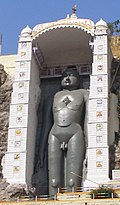 Bawangaja, 26 metres (85 ft), 15th century
 The 17.8 metres (58 ft) colossal sculptures at Siddhachal Caves
 The 45 feet (14 m) tall rock cut idol at Chanderi, 13th century

.jpg)
.jpg)


Paintings


Jain temples and monasteries had mural paintings from at least 2,000 years ago, though pre-medieval survivals are rare. In addition, many Jain manuscripts were illustrated with paintings, sometimes lavishly so. In both these cases, Jain art parallels Hindu art, but the Jain examples are more numerous among the earliest survivals. The manuscripts begin around the 11th century, but are mostly from the 13th onwards, and were made in the Gujarat region. The early manuscripts were written on sheets palm leaves as were the early paintings. Starting around the 14th century paper manufacturing was developed and on these sheets an area was designated for the painter or the entire sheet was designated for the painter. By the 15th-century they were becoming increasingly lavish, with much use of gold.[48] Most of the painted sheets were created between the 11th and 17th centuries.[49] The Mughal ruler Akbar recruited some Jaina painters among his court artists.[50]
The manuscript text most frequently illustrated is the Kalpa Sūtra, containing the biographies of the Tirthankaras, notably Parshvanatha and Mahavira. The illustrations are square-ish panels set in the text, with "wiry drawing" and "brilliant, even jewel-like colour". The figures are always seen in three-quarters view, with distinctive "long pointed noses and protruding eyes". There is a convention whereby the more distant side of the face protrudes, so that both eyes are seen.[51] In general, Jain painters preferred a simplified form from what is seen in nature. They depicted life as described in the manuscripts, sometimes showing entire episodes in one detailed scene. Instead of perspective and three dimensional modeling, Jain artises used different techniques to convey space and volume.[52]
Rishabha, the first tirthankara, is usually depicted in either the lotus position or kayotsarga, the standing position. He is distinguished from other tirthankara by the long locks of hair falling to his shoulders. Bull images also appear in his sculptures.[53] In paintings, incidents of his life, like his marriage and Indra's marking his forehead, are depicted. Other paintings show him presenting a pottery bowl to his followers; he is also seen painting a house, weaving, and being visited by his mother Marudevi.[36]
Samavasarana

Depiction of Samavasarana, the divine preaching hall of the tirthankara, is a popular subject in Jain art.[54] Samavasarana is depicted as circular in shape with the tirthankara sitting on a throne without touching it (about two inches above it).[55] Around the tirthankara sit the ganadharas (chief disciples) and every living beings sit in the various halls.[56]
It can be shown in paintings, and elaborate models are also made, some occupying a whole room.
Symbols

The swastika is an important Jain symbol. Its four arms symbolise the four realms of existence in which rebirth occurs according to Jainism: humans, heavenly beings, hellish beings and non-humans (plants and animals).[57][58] This is conceptually similar to the six realms of rebirth represented by bhavachakra in Buddhism.[57] It is usually shown with three dots on the top, which represent the three jewels mentioned in ancient texts such as Tattvartha sūtra and Uttaradhyayana sūtra: correct faith, correct understanding and correct conduct. These jewels are the means believed in Jainism to lead one to the state of spiritual perfection, a state that is symbolically represented by a crescent and one dot on top representing the liberated soul.[59]
The hand with a wheel on the palm symbolizes ahimsā in Jainism with ahiṃsā written in the middle. The wheel represents the dharmachakra (Wheel of the Dharma), which stands for the resolve to halt the saṃsāra (wandering) through the relentless pursuit of ahimsā (compassion). In Jainism, Om is considered a condensed form of reference to the Pañca-Parameṣṭhi, by their initials A+A+A+U+M (o3m). According to the Dravyasamgraha by Acharya Nemicandra, AAAUM (or just Om) is a one syllable short form of the initials of the five parameshthis: "Arihant, Ashiri, Acharya, Upajjhaya, Muni".[60][61] The Om symbol is also used in ancient Jain scriptures to represent the five lines of the Ṇamōkāra Mantra.[citation needed]
In 1974, on the 2500th anniversary of the nirvana of Mahāvīra, the Jain community chose one image as an emblem to be the main identifying symbol for Jainism.[62] The overall shape depicts the three loka (realms of rebirth) of Jain cosmology i.e., heaven, human world and hell. The semi-circular topmost portion symbolizes Siddhashila, which is a zone beyond the three realms. The Jain swastika is present in the top portion, and the symbol of Ahiṃsā in the lower portion. At the bottom of the emblem is the Jain mantra, Parasparopagraho Jīvānām. According to Vilas Sangave, the mantra means "all life is bound together by mutual support and interdependence".[63] According to Anne Vallely, this mantra is from sūtra 5.21 of Umaswati's Tattvarthasūtra, and it means "souls render service to one another".[64]
The five colours of the Jain flag represent the Pañca-Parameṣṭhi and the five vows, small as well as great:[65] The Ashtamangala are a set of eight auspicious symbols, which are different in the Digambara and Śvetāmbara traditions.[66] In the Digambara tradition, the eight auspicious symbols are Chatra, Dhvaja, Kalasha, Fly-whisk, Mirror, chair, Hand fan and Vessel. In the Śvetāmbara tradition, these are Swastika, Srivatsa, Nandavarta, Vardhmanaka (food vessel), Bhadrasana (seat), Kalasha (pot), Darpan (mirror) and pair of fish.[66]
See also

Notes
- Titze 1998, p. 234.
References
Ayagapata - Wikiwand
Ayagapata (Hindi:अयागपट्ट) or Ayagapatta is a type of votive slab associated with worship in Jainism.

Numerous such stone tablets discovered during excavations at ancient Jain sites like Kankali Tila near Mathura in India. Some of them date back to 1st century C.E. These slabs are decorated with objects and designs central to Jain worship such as the stupa, dharmacakra and triratna.[1]
A large number of ayagapata (tablet of homage), votive tablets for offerings and the worship of tirthankara, were found at Mathura.[2][3]
These stone tablets bear a resemblance to the earlier Shilapatas - stone tablets that were placed under trees to worship Yakshas. However, this was done by indigenous folk communities before Jainism originated suggesting that both have commonalities in rituals.[1] A scholar on Jain art wrote about an Ayagapata discovered around Kankali Tila, "The technical name of such a tablet was Ayagapata meaning homage panel."[4] Kankali Tila tablet of Sodasa and Parsvanatha ayagapata are one of the important Ayagapata. Tablet of Sodasa is an adoration to Mahavira dating back to c. 42 CE and Parsvanatha ayagapata is an adoration to Parsvanatha dating back to c. 15 CE.

Ayagapatta, Jain Tablet of homage showing a Jain stupa (Circa 1st Century CE) (Photo:Government Museum, Mathura)[5]

A Kankali Tila plate, with an inscription mentioning the year 42 of the reign of Northern Satraps ruler Sodasa


Sivayasa Ayagapata, Kankali Tila

Upper Half of Ayagapatta with Miniature Tirthankara and other sacred symbols, circa 1st Century CE


Wikimedia Commons has media related to Ayagapata.
Remnants of Ancient Jain site at Nattani
In recent times, I have been listening and coming across through various instances about the Jains in Tamil Nadu. This somehow resulted in visiting a Jain temple at Chitharal in Kanyakumari during my visit to the tip of the southernmost district of the state. Later, I visited the Jain sculpture at Nattani near Sastra University in the outskirts of Thanjavur, of which I was curious about since a long time. But, the Jain sculpture found in Nattani comes within the Pudukottai district.
Nattani is located in the area where Thanjavur and Pudukottai shares their borders. Throughout the borderlines of both the historically rich districts, there are lot of beautiful heritage sites to be explored. One of them is the grand sanctum of Kan Niraindha Perumal and the adjoining shrine of Vageesamudaiyar.
 |
| Mahavir Jain Sculpture- Nattani |
The remote location of Mahavir sculpture at Nattani was found by the group of senior archaeology enthusiasts collectively from the organization of Madurai Jain Heritage Centre. Based on Madurai, people from this organization work for the preservation of the remnants of their glorious Jain history that flourished in important religious centers in ancient Tamil Nadu. These senior cultural enthusiasts identify and try to make these kind of unexplored sites to hold a place among the tourists’ circuits.
The Bhagavan Mahavir sculpture at Nattani, at first sight gives us a divine vibe, with his gracious smile. This is said to be one of the well-preserved sculpture of Bhagavan Mahavir that is closely located near Thanjavur. Most of the local villagers are not even aware of this divine sculpture. Currently this sculpture is located immediately beside the Nattani Amman Temple, under the vast shelter of the blue sky. Due to passage of time and human vandalism, most of these antique sites, icons and sculptures of Jain Thirthankars were either eroded or destroyed.
Speaking to Mr. Anantharaj, secretary general of the Madurai Jain Heritage Centre said that their organization and the community of Jains in Tamil Nadu are supporting them as per their comfort and are doing a commendable job. He also mentioned that they have laid signage in almost 19 such sites they’ve identified so far. He also stressed on the importance of identifying such abandoned sculptures and placing them in the exact place as they are found without disturbing the location patterns and the historical significance of the site.
Within the vicinity of the greatest Jain beds in Pudukottai district, possibly Nattani was also one of the important sites. Pudukottai has the most number of Jain sites and the most number of protected ASI sites than the other districts of Tamil Nadu. Jainism was thriving once upon a time in the state, of which the evidences stand as tall and strong in Sittannavasal, Kazhugumalai and many other such cave shelters and temples. There seems to be a lot of such statues which are lying around the border of Pudukottai-Thanjavur-Trichy. But in Nattani, today we could only find the traces of an old Shiva Temple as well within the boundary-less compound of the temple.
Yours East Gaterr


Colossal Jain Sculptures in India
The ideology of ahimsa (non-injury) to all living things creates the centrality of the Jain philosophy, followed unanimously by both the Svetambaras and the Digambaras, irrespective of their sectarian and ritualistic distinctions. The central idea of the Jaina art revolves around the myths and philosophy of the 24 Jinas or Tirthankaras.
It is popularly represented figuratively in sculptures and paintings, wherein each Jina denotes distinct iconographic features. Concomitant with the exaltation of the Jain Tirthankaras as a supramundane, the aesthetically carved standing figures of the Tirthankaras in body-abandonment meditation (kayotsarga) are the testament to the realisation of superior knowledge and its hieratic value in the Jain philosophy, attainable through meditation, austerities, and withdrawal from the material comforts.

Visualizing the Monumentality of Jain Tirthankaras in Stone
Colossal rock-cut and monolith sculptures of Jain Tirthankaras emerged as the metaphor for the cosmic dimension and glorification of Jainism. Unadorned and clad with only the shrivatsa, the sculptures epitomise Jina’s status as the venerable Devadhideva, iconographically distinguishing it from the Buddha images.
Dominating the rock-cut temple complexes by its sheer monumentality, the Jaina Tirthankara sculptures are a metaphor for resilience against hindrances and tranquillity, which pragmatically aligns with the sense of permanency and durability reflected by the material used.
Enormous sculptures of Jain Tirthankara, dating between the 7th and the 15th centuries, are found in the Gopachal Caves and Siddhachal caves situated within the arena of the Gwalior Fort. The tradition extends to other Rock-cut sites, like- Uttamapalaiyam, Aṉaimalai, and Peccippaḷḷam, and culminated with the carving of a colossal sculpture of Bahubali at Shravanabelagola in Karnataka, exemplifying Jainism’s rich sculptural legacy.
Parallel Tradition of Colossal Buddha Imagery
Buddhism, paralleling Jainism, shared the common goal of spiritual liberation, reflected in its artistic idiom. Colossal Buddha and Bodhisattva statues attained prominence during the Mahayana phase, which glorified the ideology of universal kingship portraying each particle of Buddha’s body as pure and divine.
From the standing colossus to the reclining Buddhas, the rock-cut carvings metamorphosed surfaces into the venerable icon, representing the didactic statement of the all-pervading influence of the Buddhist doctrine. The artistic tradition evolved in India and diffused all over Central Asia, South and South Asia, recorded in textual and epigraphic sources.
The early colossal sculptures of Mahaparinirvana Buddha at the Cave 26 of Ajanta, and the Nirvana stupa of Kushinagara inspired the iconographic traditions, spreading from Bamiyan to Yungang and Longmen in China, Nara and Kamakura in Japan, Seokguram in South Korea, Avukana in Sri Lanka and Wat Pho in Thailand.

Deserted Jain Sculptures and Earliest Hindu Temples (Pudukottai - Tamil Nadu)
Also Read: Jain Caves & Paintings of Sittannavasal and Ezhadipattam Jain Beds, Jain Caves at Samanar Kudagu in Narttamalai, Kudumiyanmalai Jain Beds, Malayadipatti Jain Beds


The untold story of Jainism - A 3000 year old Stupa at Mathura
|
| Excavations at Kankali Tila (Source: Wikimedia Commons) |
Was Mathura really an important centre in the ancient Jain History?
Mathura, situated in the heart of Braj was the southern capital of Kusanas and featured among one of the seven holy cities of India. The city was at the crossroads of the “Great Caravan" route, joining the strategically important towns of Patliputra (Patna, Bihar), Tamralipti (Tamluk, West Bengal), Avanti (Ujjain, MP), Bhrigukaccha (Bharuch, Gujarat) and Cambay (Khambhat, Gujarat) with Gandhar (Afghanistan) and other parts of the world. Thus Mathura was a trade hub connected with land as well as sea links.
Mathura being a business center, became a strategic location for Jain traders who resided in large numbers there. Apart from being the ancient ruling kingdom of Yadav clan and being the birthplace of Krishna (who is believed to become a future Tirthankar, Amam Swami), there are various references to Mathura in the 45 Agams as well. The Mathuri Vanchana for compilation of Jain Agams under the leadership of Arya Skandil also took place in the city in the 3rd century AD.
Further, Mathura is also the Moksh bhumi of the Last Kevali Shri Jambu swami. The ancient temple of Shri Kalpadrum Parshwanath (which features among the 108 revered pilgrimages of Lord Parshwanath) was built by Kubersena Ganika and was renovated by Aam Raja is also located here.
|
| Idol of Lord Neminath flanked by Krishna & Balaram excavated from Kankali Tila (Gupta Age) |
Does the concept of Stupa exist in Jainism?
As per various ancient texts, a structure constructed at a funeral place in the memory of holy icons is known as a Stupa. However, the word thubha (stupa) does not occur independently in the ancient Jain scriptures (Agams). The earliest reference of stupa occurs in the first Agam, “Acharang-Sutra (5th to 6th Century B.C.) in union with ‘Kadarh’ and 'Chaitya' i.e. Chaitya-Kadarh -Stupa. In Sanskrit dictionary the meanings of the word ‘kadarh’ stands for a heap whereas ‘chaitya’ means: a heap of stones, a monument, a funeral place, yagna-vedi, adoration place, a shrine, a place where images are installed etc. In the Bhagvati-sutra and Sthanang Sutra, a wide description of the chaitya-stupa is given while referring to the Nandishwar Dwip. Besides in the Ang and Upang literature, the explanatory texts like Avashyak Niryukti, Avashyak-Churni, Vyavahar Churni as well as the commentaries mention the significance of Stupa and Chaitya stupa while describing the ancient practice of constructing stupas. Apart from the Kankali Tila stupa, very few stupas exist currently (the most revered being the Antim Deshna Stupa of Lord Mahavir installed at Pavapuri, Bihar)
|
| Gate of the Stupa as depicted in one of the Ayagapattas |
Do we have any literary evidences which prove that such Stupa existed?
Many revered monks like Acharya Bappabhatt Suri, Jinabhadra Kshamasraman, Haribhadra Suri (7th Century A.D.), Acharya Harisen (9th Century A.D.), Acharya Somdev (10th Century A.D.), Sangamsuri (11th Century A.D.) and Acharya Jinprabhasuri (14th Century A.D.) visited this sacred stupa in their times and narrated its enormous structure with adornment and also the legend about its establishment by Kubera. Following accounts were given in the ancient scriptures regarding the Stupa of Mathura-
- Malaygiri-tika of Vyavahar-Churni and Vyavahar-sutra
- Nishith Churni
- Yashatilak Champu
- Tirthmala by Sangram Suri
- Prabhavak Charitra
- Sarvadev Chaityaparipati
|
| Idol of Lord Rishabhdev excavated at Kankali Tila |
When was this Stupa constructed and by whom?
Apart from the literary evidences stated above, the most detailed account of this stupa was provided by Acharya Jinprabh Suri in the 9th Chapter of his work “Vividh Tirth Kalp” named “Mathurapuri Kalp”. It states that during the period of the 7th Tirthankar Shri Suparshwanath Bhagwan, two monks named Dharmaruchi and Dharmaghosh visited the city of Mathura, and stayed in Bhuaraman udyan. The presiding deity (demi goddess), Kubera (not to be confused with the deity of wealth, Kuber) witnessing the severe austerities of ascetics wanted to bestow a boon in adoration to these monks. However, as the monks refused the boon, Kubera favoured the Jain Sangh by creating a Stupa for veneration of Lord Suparshwanath. The stupa was made of gold, studded with jewels, adorned with torans, gateways, vestibules and Chatras. From demi gods to monks to laymen, all revered the stupa. Thus this Stupa came to be known as the “Dev Nirmitta Stupa” (i.e. the stupa made by the Demi Gods). On every Ekadashi (i.e. the 11th day of the bright and the dark half of the month) an Abhishek of Milk, curd, ghee, Chandan and Kumkum was performed on all the idols installed in the Stupa and offerings of flowers, garlands, clothes and incense was also made.
|
| A Toran depicting reverence to the Tirthankar as well as the Stupa |
Later, a local ruler attempted to grab the treasures of the stupa, but the presiding deity Kubera killed him and asked the Jain Sangh to cover the golden structure with bricks and to install an idol of Lord Parshwanath. The deity even made it a norm, that whoever becomes a king at Mathura, must establish an idol of Jain Tirthankar. Later on, Jain laymen also installed various idols in the Stupa. It is also believed that the stupa housed the relics of Lord Parshwanath post his Nirvaan at Sammed Shikharji.
|
| A pedestal of an idol of the Tirthankar whose inscription states that it was installed in the "Dev Nirmitta Stupa" |
The earliest epigraphic evidences show that this place was visited by Lord Parshwanath (8th Century BC). As per Archaeologists, the Stupa probably enshrined the relics of Lord Parshwanath and was originally built of clay in the 8th Century BC, but was converted into a brick-stupa when burnt bricks, became a medium of construction in north India. Based on the styles of bricks used and art and architecture if the stupa, it is estimated that this Stupa is atleast 3000-year-old. Further, the earliest inscription records reveal that the stupa already existed during 2nd century B.C., i.e. around 300 years post the Nirvan of Mahavir Swami.
|
| A layman venerating the Stupa carved on one of the panels |
How did the Stupa get destroyed?
The rich merchants and the artistic shrines of Mathura attracted invaders in large numbers. During the reign of Kumargupta-1, Mathura became a victim of Mahmud Gazni who attacked the city in the year 1017 A.D. and destroying many temples in and around Mathura looting its enormous wealth. He looted and destroyed the Stupa. The city was given up to plunder for 20 days. Gold and precious stones worth millions were looted by Mahmud and orders were given that all the temples should be burnt and levelled to the ground.
However, this was not the end of prosperity and culture of Mathura as it revived itself within five years, but the entire ancient treasure got lost in the attack. Later in the 15th century, Sikandar Lodi plundered the stupa and ordered the massacre of citizens who refused to be converted. Aurangzeb in 16th century also looted the stupa and converted many temples into mosques. Nadir Shah also invaded the city in 1739 and put an end to all the rituals involving idols. Lastly Ahmed Shah Abdali looted the city in 1757 and massacred all its remaining structures. All these attacks left nothing but fragmented ruins of the rich heritage of the golden era.
|
| A Chovisi idol of Lord Rishabhdev (Gupta Age) excavated from Kankali Tila |
What discoveries have been made here?
Nearly 800 Jain artefacts including idols of Tirthankars, Yakshas, Yakshinis, Ayagpatta’s, torans etc were discovered during the excavations made by Alexander Cunningham (in 1871), Mr. Growse (in 1875), Dr. Alois Anton Führer (in 1890-91) and Dr. Burgess (in 1896). The iconography of the idols discovered at Kankali Tila can be bifurcated into the following –
1. Pre-Kusana Period (i.e. before 1st Century AD): It was discovered that before 1st Century BC, standalone idols were not made. Like Brahmanism and Buddhism, image-worship in Jainism was preceded by worship of symbols. Representations of the Tirthankars usually occurred on architectural objects. Subsequently, the figures of the Tirthankars were carved on the Ayagapattas. Excavations reveal that the Stupa itself was an object of Jain worship apart from the idols and Ayagpattas. Excavations at Mathura have brought to light a number of Jain sculptures which contain depiction of stupa-worship, realistically as well as artistically.
|
| An Ayagapatta with the Tirthankar in the center surrounded by auspicious symbols (Source: Wikimedia Commons) |
Ayagapattas (a carved slab or a tablet installed in a sacred place) were stone slabs, square or rectangular in shape which were constructed in reverence to the Tirthankars. Archaeological excavations have brought to light 27 such stone tablets, mostly square and sometimes rectangular in shape all revering the Arhats. (It is pertinent to note here that the 24 Tirthankar’s were called Arhats during that period and not Jina’s or Tirthankars.) These Ayagapattas were installed on high and solid platforms in slanting position in the premises of the stupa and were not mere ornamental slabs but were objects of worship in themselves. The artists carved a large number of religious symbols on these Ayagapattas like the Ashtmangal (8 Auspicious symbols). However, the study of these Ayagapattas reveal that this set of eight auspicious symbols was not finally settled upto the Kusana period as they slightly differ from the later tradition.
| Ayagapatta with Ashtamangal |
The idols of the Tirthankars in those Ayagapattas had no clothes carved on them. Further the marks of Lanchan (symbols of Tirthankars) and Srivatsa mark on the chest are also not present. These Ayagapattas were installed by common people from all strata’s of the society which can be known from the inscriptions on them- a daughter-in-law of the ironmonger, wife of a caravan leader, wife of a dyer, mother of the perfumer, perfumer, banker, wife of the village headman, worker in metal, wife of the perfumer, daughter of the treasurer, daughter-in-law of the perfumer, son of a goldsmith, wife of the cotton dealer, wife of a dancer and even a courtesan. Each inscription of the Ayagpattas started with a primitive form of Navkar Mantra offering reverence to the Arhats and Siddhas – “Namo Arihantanam” and “Namo Siddhanam”. It is interesting to note that the famous Hathigumpha cave inscription in Udaygiri (Orissa) by King Kharavela (in 2nd Century BC) also starts with the same 2 lines. Other lines revering the Acharyas, Upadhyas, Sadhus and the other 4 mangik pads are conspicuously missing. Further, the earliest Agams, also contain only the first 2 lines revering the Arhats and Siddha’s. Historians and scholars have thus concluded that initially the Navkar consisted of only first 2 lines making reverences to the Arihants and Siddhas. The rest 7 lines were added at later stages to make it more comprehensive as is seen today.
2. Kusana Period (1st Century to 3rd Century AD) – 93 of the Tirthankar idols excavated here were in the seated meditative posture (out of the total 119 idols). The idols of the Tirthankars have open eyes and the eye-balls, too, can be noticed in some of the idols of this period. Another remarkable feature is the representation of the dharma-chakra on the palms and both Dharma-Chakra and Tri-Ratna on the soles. In the earliest seated idols, cross-legging is very loose, but the seated idols of this period display padmasana or tight cross legging. The heads of the seated idols are either bald or characterized by small curls. But hair arrangements, like notched hair and hair combed back, can also be noticed in some of the idols. Representation of Bha-Mandal (Halo) was also a characteristic of this period. The depiction of Lanchans was not present in the Kusana period as well. However, the earliest depiction of the Srivatsa mark on the chest of the idol of the Tirthankar occurs on an Ayagapatta dating back to 1st Century AD. Also a lot of Chaturmukhi sculptures were excavated dating to this period.
|
| Idols excavated pertaining to the Kusana period |
A principal characteristic of the idols is their nudity. Except for a few sculptures, all idols of Tirthankars do not have any carvings of clothes/ are completely nude which give an impression that they were installed by the Digambar sect, but these idols also have many features peculiar to Shwetambar sect. Interestingly it has been found that these idols have been installed by the monks belonging to the Shwetambar sects as their names and monastic orders match exactly with the Kalpastura. Scholars have opined that the difference between the idols in respect of drapery and nudity did not exist in the Kusana period.
|
| Depiction of a half clad Jain monk with Rajoharan and Cholpatta in his hands. On the above panel the stupa can be seen placed on the same level with the idols of Tirthankars |
Another interesting aspect of the depiction of monks in the idols excavated. It was found that the monks during that period did not practice complete nudity and are partially clad with a broad piece of cloth known as the “Cholpatta” draped over the left forearms. This practice is also shown in the Acharang Sutra of the Shwetambar sect. The monks are shown holding their distinctive piece of cloth in front of their bodies so as to cover their genitals. These monks also appear to carry muhpatti (small cloth used to cover the mouth during speech), Rajoharan (sacred whisk brooms) and Patras (alms bowl for collection of food). In inscriptions carved on these idols these monks are called “nirgranthas” (which means free from all bonds) - the name which was used for Jainism followers in the ancient era. Although Archaeologists and historians call these monks as “Ardhapalaka’s”, some scholars believe these monks practiced what was known as “Alp-Chelakya”. This practice is in line with Shwetambar Jain scriptures like Acharang Sutra (5th century BC).
Some scholars have opined that these idols depicted the Ailaks and Kshullaks of the Digambar tradition; However, their titles on their pedestals clearly show that they were Munis and Acharyas of Shwetambar Gaccha's-Kula-Gana-Shakha's. In one of the idols it has been seen that a fully clothed Shwetambar monk is depicted together with the Ardhaphalakas. This suggests that by the mid to late Kushan Period, the monks started to wear complete clothes then partially covering nudity. .
|
| Torso of a half clad Jain monk |
|
| Pedestal of a Tirthankar idol displays a Jain monk and nun with Alms bowls amd jholi |
|
| One cloth bearer monks (right) with a complete clad monk (extreme left) |
3. Gupta Period (320 AD to 600 AD) - The sculptures of the Gupta period discovered at Mathura consist of 25 Tirthankar images in the seated meditative mudra, 6 Tirthankar images in the standing meditative mudra, 23 detached heads of Tirthankars, and some fragmentary pieces. The Lanchans of the various Tirthankars did not evolve even in the Gupta period. Therefore, the idols have been recognised on the basis of inscriptions, hair styles, attendants and serpent canopy. The idols also appear unclothed in the Gupta period. The seats on which the idols were depicted in the pre-Gupta figures was plain. The character of the seat of the idol changed in the Gupta period. In one of the figures the Jain Tirthankar is depicted seated cross-legged in meditation on a cushion which is placed on a throne supported by a pair of lions. The cushion often bears ornamental patterns and profusely decorated back rests are also depicted. No Ayagapattas have been excavated pertaining to the Gupta period.
|
| Chaturmukhi idols excavated from Kankali Tila |
4. Post Gupta Period (650 AD onwards) – The Lanchans of the 24 Tirthankars evolved at the end of the Gupta age and this development gave a new shape to the idols. Attendant Yaksha and Yakshinis, Vidhyadhars, 3 Chatras etc. started appearing along with the idols of the Tirthankars in their background platforms known as Parikars. As the Digambar-Shwetambar split had arisen, clothed idols of Tirthankars started featuring more prominently during the period.
|
| Idols of the Gupta and Post Gupta period excavated from Kankali Tila |
5. Idols of Yaksha’s, Yakshini’s and other demi gods - While studying the sculptures of Mathura school, it appears that the adoration of Yaksha- Yakshinis was already in practice. The depiction of Hiranegameshi/Naigamesa, Kshetrapal, Sarasvati, Lakshmi, Ambika, Vidya etc. are available since the Kusana period while adoration of Aryavati is even prior to Kusana rein.
|
| From Top Left: Idols of Chakreshwari, Lakshmi, Ambika (with idols of Lord Neminath, Krishna and Balaram) and Kshetrapal |
One of the most remarkable discoveries made by archaeologists pertain to the 16 idols of Hiranegameshi/Naigamesa (bearing an head of an antelope) excavated here. In one of the archaic frieze, Naigamesa, is shown seated on a lion throne, after transferring the embryo of Lord Mahavir to Trishala from Devananda. Here sweets are shown offered to him as a mark of honour. This sculpture relates to an event, which took place before the birth of Lord Mahavir. The Lord was first conceived by a Brahmin woman named Devananda. When Shakra Indra realized that Lord Mahavir's parents were not Kshatriya, as is always the case of Tirthankara, he had the embryo of Mahavira transferred to the womb of Trishala, queen of King Siddharth, by Hiranegameshi, the commander of Sahra's celestial army. This scuplture illustrates the transfer of embryo from Devananda to Trishala. This story is though available in the Kalpasutra and various other scriptures, Digambars reject it completely. However, scholars opine that this was not the case earlier as this sculpture dating back to 1st to 3rd century AD proves it otherwise.
|
| Depiction of transfer of embryo by Hiranegameshi |
Another remarkable discovery was the excavation of an idol of Saraswati (the goddess of learning in Hinduism and Jainism) installed by a Jain layman at Mathura. This idol which forms part of the collection of State Museum, Lucknow, is the oldest image of this goddess discovered in India.
|
| The most ancient Idol of Saraswati |
Now that the Stupa does not exist and the idols/artefacts have been transferred to museums what is the point to visit Mathura?
Yes, it is true that the remains of the stupa does not exist and the artefacts have been transferred to the museums, it is still important to visit the Kankali Tila park which once housed the stupa. Not only had Lord Parshwanath graced this place with his footprints, the aura of 1400 years of continuous years of constant divinity still remains here. The Mathura museum in the vicinity houses most of the artefacts and is a must visit for all Jains who wish to understand the unturned pages of Jain history.
 |
| Shri Kalpadrum Parshwanath |
Further there are many Digambar Jain temples in Mathura along with one Shwetambar Jain Temple dedicated to Shri Kalpadrum Parshwanath which is one of the 108 revered Parshwanath idols in India. It can be reached at - 792, Ghia Mandi, Mathura-281001, Uttar Pradesh, India. Phone: 0562-2503356. A very famous Digambar Jain temple located at Chaurasi, Krishna Nagar Mathura also houses the Nirvan Bhumi of Antim Kevali Shri Jambu Swami.
How to Reach:
The Kankali tila is situated in Azad Nagar area of Mathura. It is currently known as Kankali Park. The artefacts are displayed in the Government museum, Mathura which is situated on the Museum Road, Dampier Nagar.
By Road: Mathura is situated between Delhi and Agra on National Highway 2, about 150 km south of Delhi and 50 km north of Agra. The city is now connected with New Delhi via Noida-Agra world class 6 lane express ways.
By Bus: Mathura is well connected to national capital Delhi, state capital Lucknow and all major cities by road. Many state transport departments buses are running through Mathura. There are also ISBT (Inter State Bus Terminal) services from Delhi Sarai Kale Khan with frequency of 25 minutes.
By Train: Mathura is an important railway junction. Most trains between Delhi and Agra stop in Mathura. The journey from Delhi takes 2-3 hours depending on the train type, while from Agra the trip takes about one hour. Most of the south bound and west bound trains stop at Mathura.
By Air: Nearest airport is Agra (Kheria Airport). It is 50 km from Mathura. Delhi IGI Airport is 150 km from Mathura.
|
| Panel depicting Jain monks excavated from Kankali Tila Mathura |
References:
- The Jain Stupa and other Antiques of Mathura by Vincent A Smith (1901)
- The Jaina Stupa at Mathura : Art and Icons by Dr. Renuka J. Porwal (2016)
- History of Jainism with Special Reference to Mathura by V.K. Sharma (2002)
- Examplars of Anekanta and Ahimsa: The case of early Jains of Mathura in Art and Epigraphy by Sonya R. Quintanilla
- Mathurano Kankali Tilo ane Bhagwan Mahavirna Jivan na be Vishisht Prasango by Muni Darshan Vijay” published in Shri Jain Satya Prakash magazine, 1936 Edition
- Jainism in Mathura in the early centuries of the Christian Era by B.N. Puri
- Shri Jinprabhsuri Virachit Sachitra Vividh Tirtha Kalp Translation by Muni Ratnatray Vijay and Muni Ratnajyot Vijay (V.S. 2056)
- Jainagam Dharm me Stup by Sagarmal Jain (1998)
- Nirgranth Aetihasik Lekh Samuuchya by Prof. Madhusudhan Dhaky published by Sheth Kasturbhai Lalbhai Smaraknidhi, 2002.
- 108 Parshwanath Darshan
- Wikipedia & Wikimedia Commons
चोवीस तीर्थंकर :
तीर्थकरांची साधारण चर्चा मागे झाली आहे. पुढील तक्त्यांत या चोवीस जिनांची लांछने, वर्ण, वृक्ष, वगैरे माहिती संकलित केलेली आहे." :
-लांडा कान
१-३. तीर्थंकराच्या छातीवर असणाऱ्या श्रीवत्साचे प्रकार ४. बोधिवृक्ष ५. बुद्धमुखाचे भाग
मध्यकालीन तीर्थंकर प्रतिमा :
या काळांत जरी स्वतः तीर्थंकराच्या प्रतिमेत काही फरक झाला नाही, तरी प्रतिमेच्या सजावटीत मात्र कित्येक फरक झाले (चित्रे १७९-१८०). जैन ग्रंथात जागोजागी त्या अलंकरणादिकाचे उल्लेख आढळतात. उदाहरणार्थ बृहत्कल्पसूत्राच्या मासकल्पप्रकृतिसूत्रांत जिनबिंबाच्या खालील अलंकरणांचा उल्लेख सापडतो.'
१) चेइयदुम (चैत्यद्रुम) : तीर्थंकराच्या मस्तकावर असलेला वृक्ष.
२) पेढ छंदग (पीठ देवच्छन्द) प्रभावळी वर असलेल्या रथिका.
३) छत्ते (छत्र): जिनांच्या मस्तकांवरील छत्र.
४) चामराओ (चामरें) : तीर्थंकराच्या आजुबाजूस उभे असलेले चामरवर यक्ष, उत्तरमध्यकाळाच्या विशेषतः दक्षिण भारतीय प्रतिमांत चामर घेतलेले यक्ष न दाखविता नुसत्याच चौऱ्या दाखवितात.
५) आसण (आसन): जिनांचे मुख्य आसन किंवा सिंहासन.
६) अन्न करणिज्जं (अन्य करणीयम्) इतर अलंकरणें जसे, दोन हरिणांच्या मधे ठेवलेले धर्मचक्र, शासन देव, नवग्रह, इत्यादि.
७) देवदुंदुभि : जिनांच्या छत्रावर एक किंवा एकाधिक देव ढोलके वाजवतांना दिसतात. कधी कधी हा देव इतका अलंकारिक असतो की त्याचे डोके व ढोलके एवढेच दिसते.
८) देव, विद्याधर वगैरे : छत्राच्या दोन्ही बाजूला हत्तीवर बसलेले इंद्रादि देव व आकाशांत माळा घेऊन उडणारे विद्याधर मध्यकाळांत बरेच दिसतात.
९) यक्ष शासनदेवी : तीर्थंकराच्या आसनाजवळ, पायशिळेवर किंवा इतरत्र त्या तीर्थंकराचा यक्ष व शासन देवी आढळते; पण हे अनिवार्य मात्र नाही.
१०) पञ्चपरमेष्ठिन् : बऱ्याचशा तीर्थंकर प्रतिमांत मुख्य जिनाच्या आजुबाजूस चार जिनासारख्या प्रतिमा दिसतात. हे पांच मिळून पंचपरमेष्ठिन् हा गट (म्हणजे अर्हत्, सिद्ध, आचार्य, उपाध्याय आणि साधू) तयार होतो.
११) दोन हरिणांच्या मधे असलेले धर्मचक्र: मूळचे हे बौद्ध प्रतीक बुद्धाने सारनाथ (वाराणसी) येथे केलेल्या धर्मचक्र प्रवर्तनांकडे संकेत करते. मध्य काळांत धर्मचक्राच्या साम्यामुळे जैनांनी ही ते उचलले.
१२) चतुविंशतिका किंवा चौबीसी (चित्र १८१) सर्व तीर्थकरांना एकत्र अंकितकरणारी प्रतिमा चतुर्विंशतिका या नावाने ओळखतात. हिच्या रचनेत साधारणतः आदिनाथ मधे आणि इतर तेवीस आजुबाजूला असतात. कारीतलाई (जि. जबलपूर म.प्र.) येथून कलचुरी काळांतील (सु. १०-११ वे शतक) बरीच जैन शिल्पे मिळाली आहेत. त्यांत आदिनाथाच्या ऐवजी पार्श्वनाथाला मधोमध दाखविणाऱ्या चतुविंशतिका आहेत.''
१३) लांछन : बहुतेक पायशिळेवर यांचे अंकन करतात.
मध्यकाळातील जैनोपासनेची इतर प्रतीकें :
काही जैनप्रतीकांची चर्चा मागे केलीच आहे. मध्यकाळांतील इतर उल्लेखनीय प्रतीकें खालील होत :
क) अष्टमंगले' : जैनकलेंत कुषाण काळांपासून अष्टमंगलांचे चित्रण मिळते. जैनांप्रमाणे बौद्ध व ब्राह्मण धर्मातही अष्टमंगल चिन्हांना मान्यता आहे, पण त्यांच्या याद्यांत मात्र काही फरक आढळतात. जैन कलेत आयगपट्टावर दिसणारी आठ चिन्हें म्हणजे (१) माशांची जोडी (मीनयुगल) (२) स्वस्तिक (३) झाकण ठेवलेली भरलेली वाटी (शरावसंपुट) (४) श्रीवत्स (५) पूर्णघट (६) फुलाची टोपली (पुप्फ पडलग) (७) विमान (८) तिवईसह पोथी.
तिलोयपणत्ति ही यादी थोडी निराळी देते." ती अशी १) भृंगार (झारी), २) कलश ३) दर्पण ४) चामर ५) ध्वज ६) छत्र ७) व्यजन ८) सुप्रतिष्ठित (आसन).
ख) सोळास्वप्ने " जैन मान्यतेप्रमाणे शलाका पुरुषांच्या माता ते गर्भात आले असतांना मंगल स्वप्नें पाहतात. शलाका पुरुषाच्या स्तरांप्रमाणे त्यांचा आकडा बदलतो. उदाहरणार्थ तीर्थंकर माता सोळा स्वप्नें पाहते तर बलदेवाच्या आईस चारच दिसतात. तीर्थंकर मातेची सोळा स्वप्ने खालील होत :
ऐरावत, बैल, सिंह, देवी पद्मा श्री (गजलक्ष्मी), फुलांच्या दोन माळा, चंद्र, उगवता सूर्य, कमळांनी भरलेले दोन पूर्ण कुंभ, मीनमिथुन, पुष्करिणी, उसळणारा समुद्र, सिंहासन, विमान, नागेन्द्रभवन, रत्नराशी, निघूम अग्नी. कुठे कुठे जैन मंदिराच्या दारांवर ही सोळा स्वप्ने कोरलेली दिसतात.
ग) सिद्धचक्र किंवा नवदेवता : पंचपरमेष्ठी आणि सम्यक्ज्ञान, सम्यक् दर्शन, सम्यक् चरित आणि सम्यक् तप ही चार पदे असे मिळवून हे नवदेवता चक्र तयार करीत असतात. ही चक्रे जैन संघात पूजनार्थ ठेवलेली असतात.
घ) समवसरण : प्रत्येक तीर्थंकराची देशना किंवा उपदेश ऐकण्याकरिता एका विशाल स्थनांवर देव, मनुष्य, पशू, वगैरे एकत्र होत असतात व चारी दिशांकडे निर्धारित स्थानांवर बसतात. उपदेश देणारा जिन सर्वांना समान रूपानेच दिसत असतो. या विशाल स्थळाची रचना म्हणजेच समवसरणांची रचना होय. समवसरणांची प्रतीकें तयार करून पूजेंत ठेवीत असत. सर्वतोभद्रप्रतिमा (तीर्थंकर चौमुखी) आणि दिगंबर संप्रदायांत दिसणारे मानस्तंभ हे सगवसरणांपासून उचललेले सुलभ असे अभिप्राय आहेत.
जैन देव आणि देवी
तीर्थंकर प्रतिमा नंतर त्यांचे यक्ष, शासन देवी आणि इतर प्रतिमांचा विचार करू.
कोणताही तीर्थंकर स्वतः कोणत्याही प्रतिमेचे पूजन करीत नाही. मानवी स्वभावाप्रमाणें त्याचे अनुयायीच त्याचे पूजन करू लागतात. जैन देवता संघाचा उगम मूळ तीर्थंकर प्रतिमांपासून आहे. चोवीस तीर्थंकर, आणि प्रत्येकाचा एक यक्ष आणि एक शासन देवी असा पसारा वाढत जातो; श्वेताम्बर आणि दिगंबरांच्या मतभिन्नतेमुळे त्याचा विस्तार आणीकही मोठा होतो. हा सर्व विस्तार तक्त्याच्या रूपाने पाने ४२६-४२७ वर दाखविला आहे. याला आपण प्रथम वर्गीकरण म्हणू.
या शिवाय जैन उपास्यांचे एक दुसरेही वर्गीकरण महत्त्वाचे आहे ते खालील प्रमाणे होय".
* तीर्थंकर -
ऋषभ, अजित, संभव, अभिनंदन, सुमति
पद्मप्रभ, सुपार्श्व, चंद्रप्रभविष्ण
२४
बलभद्र -
चक्रवर्ती -
वासुदेव -
जैन प्रतिमा
श्रेयांस, वासुपूज्य, विमल, अनंत, धर्म, शांती
कुथु, अर, मल्लि, सुव्रत, नमि, नेमि, पार्श्व, महावीर
अचल, विजय, भद्र, सुप्रभ, सुदर्शन, आनंद, नंदन, पद्म, राम
भरत, सागर, मधवा, सनत्कुमार, शांती, कुंथ, अरह, सुभौम, प्रद्य, हरिषेण, जयसेन, ब्रह्मदत्त
त्रिपृष्ठ, द्विपृष्ठ, स्वयंभू, पुरुषोत्तम, पुरुषसिंह पुरुषपुण्डरीक, दत्त, नारायण, कृष्ण
प्रतिवासुदेव -
अश्वग्रीव, तारक, मेरक, मधु, निशुंभबली, प्रल्हाद, रावण, जरासंध
एकूण शलाका पुरुष
भीमादि नारद
भीमबली इत्यादि रुद्र
बाहुबली वगैरे कामदेव
प्रत्येक तीर्थंकराचा पिता, एकूण
प्रत्येक तीर्थंकराची माता, एकूण
प्रतिस्वाति वगैरे कुलकार
९
४२९
९
९
६३
1 2
९
११
२४
२४
२४
१४
१०६
जैन देवतासंघाचा पसारा किती मोठा आहे याची थोडीशी कल्पना देण्यांकरिता त्याचे तिसऱ्या पद्धतीचे वर्गीकरण पुढील तक्त्यांच्या रूपाने देत आहे.
४३१
या सर्वांचे विवेचन करणें हा आपला उद्देश नाही व येथे ते संभवही नाही. तेव्हां काही ठळक देव, देवी आणि यक्ष यापर्यंतच आपण स्वतःला सीमित ठेऊ.
नेगमेश किंवा हरिनेगमेशिन :-
बकऱ्याचे तोंड असलेला हा देव देवांच्या पायदळ सेनेचा मुख्य होय. ब्राह्मण जातीची स्त्री देवनंदा हिच्या गर्भातून महावीर वर्धमानाचा भ्रूण संक्रमित करून क्षत्राणी त्रिशलेच्या गर्भात पोचविण्याचे कार्य नेगमेशाने केले होते.
कुषाणकाळी मथुरेच्या क्षेत्रात याची पूजा बरीच प्रचलित असावी. यांच्या लहान व मोठ्या आकाराच्या प्रतिमा मथुरा व लखनऊच्या संग्रहालयात आहेत (ल.सं.सं.जे. ६२६, मधुरा सं.सं. ३४.२५४७, १५.१११५). याला बकऱ्याचे तोंड असून दोन हात असतात पण हातात आयुध किंवा वाहन, वगैरे विशेष काहीच नसते. कुषाण काळानंतर मात्र हा देव एकदम दडी मारून बसतो याचे वैशिष्ट्ये म्हणजे यांच्या प्रतिमेंत अंगाखांद्यांवर लहान मुलें दिसतात. ब्राह्मण धर्मांत नेगमेशाचा संबंध कुमार किंवा कार्तिकेयाशी होता हे आपण पाहिले आहेच.
रेवती :
जैन परंपरेप्रमाणे रेवती ही नेगमेशाची शक्ती होय. हिचे तोंड बकरीचे असते. मथुरा संग्रहालयात असलेल्या प्रतिमेत (सं.सं.ई. ४) ही मुल घेतलेली आढळते.
नेगमेश आणि रेवती हे दोघे आपण मागे विवेचन केलेल्या कार्तिकेय व माता यांच्या गोतावळ्यातलेच वाटतात.
यक्ष :
यक्षांविषयी थोडी चर्चा मागे झाली आहे. जैनांकडे तीर्थंकराच्या परिवार देवता म्हणून यक्ष-यक्षिणींना स्थान आहे. पुढील तक्त्याने ही गोष्ट जास्त स्पष्ट होईल.
नारायण आणि बलदेव :
बावीसावा तीर्थंकर नेमि किंवा अरिष्टनेमी याचे बरोबर नारायण आणि बलदेव हे कुषाण काळांपासूनच दिसतात (म.सं.सं. ३४.२५०२, म.सं.सं.जे. ४७, जे. ११७ वगैरे) मूर्तिशास्त्राच्या दृष्टीने यांच्यात आणि ब्राह्मण धर्मातील नारायण किंवा विष्णु बलराम ह्यांच्यात काहीच फरक नाही. गुप्तकाळांत व मध्यकाळांतही ही जोडी अशीच दिसते (चित्र १७९).
सरस्वती :
मथुरा येथील कंकाली टील्यातून मिळालेली जैन सरस्वतीची अभिलिखित प्रतिमा अद्वितीय आहे. कुषाण काळातील या मूर्तीचे विस्तृत वर्णन मागे झाले आहे. (पान २३६ चित्र १८३)
गजलक्ष्मी :
कंकालीटील्यातूनच कुषाणकालीन गजलक्ष्मीच्या प्रतिमा मिळाल्या आहेत. यांचे विवेचन शक्तीप्रकरणांत झाले आहे (पान २१९). यापैकी काही प्रतिमा जैन संप्रदायाशी संबंधित असणे शक्य आहे.
चक्रेश्वरी :
प्रथम तीर्थंकर ऋषभ याची ही शासनयक्षी, हिच्या हातात चक्र असल्यामुळे हिला हे नांव प्राप्त झाले. हिचे वाहन गरुड होय. चक्रेश्वरी आणि चक्रेश्वरी विद्या या दोघींची ध्याने बरीच सारखी आहेत, फरक इतकाच असतो की विद्यादेवीच्या चारी हातात चक्रे असतात, चक्रेश्वरीच्या हातात अन्य आयुधें ही दिसतात. बऱ्याच ठिकाणी चक्रेश्वरी चतुर्भुजच दिसते पण त्याबरोबरच २,६,८,१०,१२,१६ आणि २० पर्यंतच्या चक्रेश्वरी प्रतिमाही पाहण्यात येतात २४ (दहा हातांची चक्रेश्वरी म.सं.सं.डी.६).
चक्र आणि गरुड यामुळे देवीच्या स्वरूपाचे ब्राह्मण धर्माच्या वैष्णवीशी थोडे फार साम्य उत्पन्न झाले आहे.
अंबिका :
श्वेताम्बरमते ही नेमीची शासनयक्षी आहे. उत्तरभारतात हिच्या बऱ्याच प्रतिमा मिळतात २५. लक्षण ग्रंथांप्रमाणे सिंह हिचे वाहन असून आंबा, पाश, मूल आणि अंकुश हिची मुख्य आयुधें होत. प्रत्यक्ष प्रतिमात मात्र हिची द्विभुज (ल.सं.सं.जी. ३३) आणि चतुर्भुज (ल.सं.सं.जी. ३१२) रूपें दिसतात. ही आंब्याच्या वृक्षाखाली बसलेली असून हिच्या हातात आम्रलुंबी किंवा आंब्याचा झुपका असतो.
हिचे ब्राह्मण धर्माच्या स्कंदमातेशी बरेच साम्य आहे.
पद्मावती :
ही पार्श्वनाथाची शासनदेवी, हिची एक ओळख म्हणजे डोक्यावरची सापाची फणा ही होय. साधारणपणे ही चतुर्भुज असते. (ल.सं.सं.जी. ३१६). पण दिगंबर परंपरेत हिची सहा आणि चोवीस हातांची ध्यानें विद्यमान आहेत.
सिद्धायिका :
शेवटल्या तीर्थंकराची म्हणजे वर्धमान महावीराची ही शासन देवी चतुर्भुज असून सिंहावर बसलेली असते, पण मूल मात्र हिच्या जवळ नसते.
४३७
क्षेत्रपाल :
क्षेत्रपाल हा उभय संप्रदायांना मान्य आहे. काळा वर्ण, वाकडे दांत, भयंकर मुखाकृती, बर्बर केश, पायांत खडावा, आणि हातांत मुद्गर, डमरू, अंकुश आणि कुत्रा असणे ही त्याची लक्षणे होत. आचारदिनकर वीस हाताच्या क्षेत्रपालाचा उल्लेख करतो. इतरत्रही त्यांचे उल्लेख आढळतात. कुत्रा आणि मुद्गर या त्याच्या फार जवळच्या वस्तु होत व त्या त्याला ब्राह्मण धर्माच्या कालभैरवाजवळ नेऊन बसवितात. जैन देखील त्याची गणना भैरव आणि योगिनींत करतात. मथुरा संग्रहालयात द्विभुज क्षेत्रपालाची प्रतिमा आहे (म.सं.सं. ६०.४८६). त्याच्या उजव्या हातांत दंड असून डाव्यात बरोबर चालणाऱ्या कुत्र्याच्या गळ्याला बांधलेली दोरी आहे. चेहऱ्यावर भीषणता मात्र नाही. चतुर्भुज क्षेत्रपालाच्या प्रतिमा अन्यत्र मिळाल्या आहेत.
श्रुत देवता :
सरस्वतीच्या प्रतिमेचा वर उल्लेख झालाच आहे. श्रुतदेवींचाही विद्येशी संबंध असतो. मांडु (मध्य प्रदेश) जवळ फिरत असतांना एका मंदिरांत लेखकाला एक दगडी तुकडा पडलेला दिसला ज्यावर एका श्रुतदेवीचे चित्र जरी आता खंडितावस्थेत असले तरी तिच्या वर उचललेल्या डाव्या हातातील पुस्तक ती विद्या देवता असल्याचे पुरेसे प्रमाण आहे. पण याही पेक्षा विशेष म्हणजे तिच्या भोवताली जी कमलदलें काढलेली आहेत त्यांत सूत्रकृताङ्ग, समवायाङ्ग, वगैरे ग्रंथाचा पदसंख्येपूर्वक नामोल्लेख केलेला आहे. (चित्र १८७)२९
प्रस्तुत विषय संपविण्याच्या आधी तीन विशेष प्रकारच्या जैन प्रतिमांचा उल्लेख करणे आवश्यक आहे.
सवस्त्र तीर्थंकर प्रतिमा :
साधारणपणें सर्वच तीर्थंकर प्रतिमा दिगंबर म्हणजे पूर्ण नग्न असतात, पण त्याला काही संप्रदायांत अपवाद आहेत. सुमारे दहाव्या शतकांतील मध्यभारतांत मिळालेली एक चतुर्विंशतिकी प्रतिमेत (ल.सं.सं.जे. ९४९) आदिनाथ तलम पण व्यवस्थित वस्त्र नेसलेला दाखविला आहे.
मध्यभारतांतूनच मिळालेली सुमारे बाराव्या शतकाची आदिनाथाचीच सवस्त्र प्रतिमा झुरिखच्या संग्रहालयांत आहे.
गोमटेश्वर :
कर्नाटकांत श्रवण बेलगोला येथे चामुंडरायाने स्थापित केलेली गोमटेश्वराची जगप्रसिद्ध प्रतिमा आहे. गोमटेश्वर याची गणना तीर्थंकरांत होत नसली तरी जैन परंपरेत त्याचा मोठा सन्मान आहे. खड्गासनांत तप करणाऱ्या या महापुरुषाची एवढी तयारी झाली होती की शेजारच्या लता आणि वेली स्थाणुवत उभ्या असलेल्या त्याचा देहाला विळखा घालीत वर चढल्या. त्यामुळे गोमटेश्वराच्या प्रतिमांची ओळख तिच्या वर दाखविलेल्या लतावल्लरीने होते.
आदि मिथुन किंवा जुगलिया :
सृष्टीला चालू करणाऱ्या आदिमिथुनाचा मान प्रत्येक धर्मात आहे. उत्तरेत अशा कित्येक प्रतिमा मिळाल्या आहेत ज्यात एका वृक्षाखाली एक जोडपें सुखासनात बसले आहे, खाली मुले खेळत आहेत, झाडावर काही ठिकाणी घोरपडीसारखा एखादा प्राणी चढत आहे आणि झाडाच्या वर बारकेसे जिनबिम्ब ही विद्यमान आहे. (चित्र १८८) हे जोडपे जुगलिया अर्थात् आदियुगल या नांवाने ओळखले जाते.
***
४२५
मध्यकालीन तीर्थंकर प्रतिमा :
या काळांत जरी स्वतः तीर्थंकराच्या प्रतिमेत काही फरक झाला नाही, तरी प्रतिमेच्या सजावटीत मात्र कित्येक फरक झाले (चित्रे १७९-१८०). जैन ग्रंथात जागोजागी त्या अलंकरणादिकाचे उल्लेख आढळतात. उदाहरणार्थ बृहत्कल्पसूत्राच्या मासकल्पप्रकृतिसूत्रांत जिनबिंबाच्या खालील अलंकरणांचा उल्लेख सापडतो.'
१) चेइयदुम (चैत्यद्रुम) : तीर्थंकराच्या मस्तकावर असलेला वृक्ष.
२) पेढ छंदग (पीठ देवच्छन्द) प्रभावळी वर असलेल्या रथिका.
३) छत्ते (छत्र): जिनांच्या मस्तकांवरील छत्र.
४) चामराओ (चामरें) : तीर्थंकराच्या आजुबाजूस उभे असलेले चामरवर यक्ष, उत्तरमध्यकाळाच्या विशेषतः दक्षिण भारतीय प्रतिमांत चामर घेतलेले यक्ष न दाखविता नुसत्याच चौऱ्या दाखवितात.
५) आसण (आसन): जिनांचे मुख्य आसन किंवा सिंहासन.
६) अन्न करणिज्जं (अन्य करणीयम्) इतर अलंकरणें जसे, दोन हरिणांच्या मधे ठेवलेले धर्मचक्र, शासन देव, नवग्रह, इत्यादि.
७) देवदुंदुभि : जिनांच्या छत्रावर एक किंवा एकाधिक देव ढोलके वाजवतांना दिसतात. कधी कधी हा देव इतका अलंकारिक असतो की त्याचे डोके व ढोलके एवढेच दिसते.
८) देव, विद्याधर वगैरे : छत्राच्या दोन्ही बाजूला हत्तीवर बसलेले इंद्रादि देव व आकाशांत माळा घेऊन उडणारे विद्याधर मध्यकाळांत बरेच दिसतात.
९) यक्ष शासनदेवी : तीर्थंकराच्या आसनाजवळ, पायशिळेवर किंवा इतरत्र त्या तीर्थंकराचा यक्ष व शासन देवी आढळते; पण हे अनिवार्य मात्र नाही.
१०) पञ्चपरमेष्ठिन् : बऱ्याचशा तीर्थंकर प्रतिमांत मुख्य जिनाच्या आजुबाजूस चार जिनासारख्या प्रतिमा दिसतात. हे पांच मिळून पंचपरमेष्ठिन् हा गट (म्हणजे अर्हत्, सिद्ध, आचार्य, उपाध्याय आणि साधू) तयार होतो.
११) दोन हरिणांच्या मधे असलेले धर्मचक्र: मूळचे हे बौद्ध प्रतीक बुद्धाने सारनाथ (वाराणसी) येथे केलेल्या धर्मचक्र प्रवर्तनांकडे संकेत करते. मध्य काळांत धर्मचक्राच्या साम्यामुळे जैनांनी ही ते उचलले.
१२) चतुविंशतिका किंवा चौबीसी (चित्र १८१) सर्व तीर्थकरांना एकत्र अंकितकरणारी प्रतिमा चतुर्विंशतिका या नावाने ओळखतात. हिच्या रचनेत साधारणतः आदिनाथ मधे आणि इतर तेवीस आजुबाजूला असतात. कारीतलाई (जि. जबलपूर म.प्र.) येथून कलचुरी काळांतील (सु. १०-११ वे शतक) बरीच जैन शिल्पे मिळाली आहेत. त्यांत आदिनाथाच्या ऐवजी पार्श्वनाथाला मधोमध दाखविणाऱ्या चतुविंशतिका आहेत.''
१३) लांछन : बहुतेक पायशिळेवर यांचे अंकन करतात.
मध्यकाळातील जैनोपासनेची इतर प्रतीकें :
काही जैनप्रतीकांची चर्चा मागे केलीच आहे. मध्यकाळांतील इतर उल्लेखनीय प्रतीकें खालील होत :
[04/02, 9:45 pm] Swapnil Jirage: ४२४
उर्जा
भारतीय मूर्तिशास्त्र
प्रतिमेच्या डोक्यावर वृक्ष दाखविण्याची पद्धत बरेच दिवस होती, उत्तरेत ती काही शिल्पांतच दिसते. सुरुवातीच्या कलेत चैत्यवृक्षाचे अंकन कठड्याने घेरलेल्या एका झाडाच्या रूपांत केले जाते.
४) चैत्य स्तंभ : मथुरेच्या एका शुंगकलाकृतीत (चित्र १७७) जी कंकाली टीला येथूनच मिळाली आहे चैत्य स्तंभाच्या पूजनांचे दृश्य अंकित आहे. वरच्या टोकावर सिंह असलेला हा खांब कठड्याने आवृत आहे, व काही मंडळी त्याला प्रदक्षिणा करीत आहेत. (ल.सं.सं.जे. २६८) अशाच प्रकारचे चैत्यस्तंभ स्तूपाच्या अंगणांत उभारले जात. मधुरेहून मिळालेल्या एका आयागपट्टावर स्तूप व त्याच्या जवळचे चैत्य स्तंभ दिसतात (ल.सं.सं.जे. २५५).
याच स्तंभांतून मध्यकाळांत 'मानस्तंभा'चा उदय झाला. मानस्तंभांच्या वरच्या टोकांवर सर्वतोभद्र प्रतिमेप्रमाणे चार तीर्थंकर दिसतात.
चोवीस तीर्थंकर :
तीर्थकरांची साधारण चर्चा मागे झाली आहे. पुढील तक्त्यांत या चोवीस जिनांची लांछने, वर्ण, वृक्ष, वगैरे माहिती संकलित केलेली आहे." :
रेखा चित्र ४५
-लांडा कान
१-३. तीर्थंकराच्या छातीवर असणाऱ्या श्रीवत्साचे प्रकार ४. बोधिवृक्ष ५. बुद्धमुखाचे भाग
[04/02, 9:45 pm] Swapnil Jirage: जैन प्रतिमा
शांतिनाथ (ल.सं.सं.जे. २३२)
सुमतिनाथ (म.सं.सं. ४७.३३३३)
गुप्तकाळातही फारशी लांछने आलेली नाहीत, पण प्रारंभ मात्र झालेला दिसतो. राजगीर (बिहार) येथून मिळालेल्या नेमिनाथाच्या गुप्तकालीन अभिलिखित प्रतिमेच्या पायशिळेवर त्याचे लांछन 'शंख' यांचे दर्शन घडते." श्वेतांबर किंवा दिगंबर वाङ्मयात मात्र लांछनाचा उल्लेख सातव्या आठव्या शतकांपर्यंत दिसत नाही.'
गुप्तकालीन तीर्थंकर प्रतिमा :
मथुरेपुरते बोलावयाचे झाल्यास कुषाण काळापेक्षा गुप्तकाळांतील तीर्थंकर प्रतिमांचा आकडा कमी आहे. ऊर्णाचिन्ह आता लुप्त होते, मुखांवर प्रसन्नतेची छटा दिसू लागते, कान खांद्यापर्यंत लोंबतात व प्रभामंडळाच्या अलंकरणांत वैविध्य दृष्टीगोचर होते (चित्र १७३).
त्याचप्रमाणे परिवार देवतांचीही वाढ होते. मालाधारी गंधर्व, चामरधारी सेवक, पूजन सामग्री घेऊन उडणारे देव, वगैरे दिसू लागतात (ल.सं.सं.जे. ११८, जे ११९, ते १२१; म.सं.सं. १२.२६८, बी ६ बी ७ इत्यादि). उतरत्या गुप्तकालांपासून आठ ग्रह दिसू लागतात (म.सं.सं.बी. ७५). पुढें त्याचा आकडा नऊ होतो. तीर्थंकराची विशिष्ट शासनदेवी आणि यक्ष हे मात्र दिसत नाहीत.
कुषाणकालीन इतर जैन प्रतीकें :
१) आयागपट्ट : (चित्रे १७४, १७६) तीर्थंकर प्रतिमांचे लोकप्रियता वाढण्याचे अगोदर जैनांचे आवडते पूजन प्रतीक दोन-सव्वादोन फूट लांबीचा वर्गाकार दगड असे. याच्यावर स्तूप, धर्मचक्र, स्वस्तिक, तीर्थंकर प्रतिमा, त्रिरत्न, अष्टमंगल चिन्हे वगैरे कोरलेली असत. अशा दगडांवरील लेखांत त्याला आयागपट्ट ही संज्ञा दिली असून तो 'पूजेकरिता बसविला गेला' अशी नोंद आढळते. मथुरेहून असे बरेच आयागपट मिळाले आहेत. (ल.सं.सं.जे. २५२ जे. २५०, जे २४८, जे २५३ इत्यादि म.सं.सं.क्यू. २) कुषाण काळानंतर यांची लोकप्रियता मावळलेली दिसते.
२) स्तूप : कोणत्याची मान्य व वंदनीय अशा आचार्यांच्या उत्तरक्रियेनंतर त्याचे अवशिष्ट पाञ्चभौतिक अवशेष एका घटांत-धातुकरण्डकांत स्थापन करून त्यावर छत्राच्या आकाराची 'स्तूप' नावाची वास्तू उभारीत. स्तूप बांधण्यांची पद्धत जैन व बौद्ध या दोघांसही मान्य होती. दोघांतही 'स्तूप' हे उपासनेचे प्रत्यक्ष प्रतीक मानले जात असे (चित्रे १७५, १७६, १७८). बौद्धांत याला फार मान्यता मिळाली, व त्यांचे स्तूप भारतभर पसरले. त्यांच्याबद्दल पुढे पाहू. वाङ्मय आणि पुरातत्त्व यांचे आधारावर असे विधान करणे शक्य आहे की पूर्वी कोटिकापूर, पावा, पाटणा (पाटलीपुत्र). कलिंग देश, पेशावर वगैरे जागी जैन स्तूप होते, पण त्यापैकी मथुरेच्या स्तूपांइतका सुप्रसिद्ध कोणताच नव्हता." मथुरेला आज ज्या ठिकाणी कंकाली टीला म्हणून जागा आहे (आता त्या शेजारी एक महाविद्यालय उभे आहे) त्या ठिकाणी इसवीसनाच्या सुरवातीच्या शतकांत एक महास्तूप होता. येथूनच जैन धर्माची प्रारंभिक काळातील हजारो शिल्पें आपल्या हाती लागली आहेत.
३) चैत्य वृक्ष : बोधिवृक्षांप्रमाणे तीर्थंकरांच्या निमित्तानें काही वृक्षांना पावित्र्य मिळाले पण येथे बौद्धांप्रमाणे यांचे फार माहात्म्य वाढलेले दिसत नाही, त्याचप्रमाणें या वृर्भात वैविध्यही दिसत नाही. दक्षिणेंत तीर्थंकर
४२३
[04/02, 9:46 pm] Swapnil Jirage: ४२२
भारतीय मूर्तिशास्त्र
परंपरेची मान्यता आहे. ऋषभनाथाने उभ्यानेच कार्योत्सर्ग केला होता.
निकूडं सविसेसं वयाणुरूवं वलाणुरुवं च खाणुव्व उद्धदेहो काउसग्गं तु ठाइज्जा - कार्योत्सर्गशतक ६९
(मुनी नथमल, कायोत्सर्ग मुद्राके अंकन और जैन परंपरा, जोशी, २९)
२) तीर्थंकराचे मस्तक मुंडित असते किंवा अंगुष्ठ मात्र केसाच्या कुरळाने आच्छादित असते. याचे एकाधिक प्रकार आहेत (चित्र १७१). চাল
३) कान खांद्यापर्यंत लोंबलेले नसतात; गुप्तकालापासून ते खाली लोंबू लागतात (चित्र १७३).
४) मुखावर विशेष भाव नसतो, असलेच तर हलके स्मित असते.
५) ध्यानमुद्रेत बसलेल्या तीर्थंकरांच्या तळहातावर चक्र आणि तळपायावर त्रिरत्न आणि चक्र दिसते. याशिवाय बोटांच्या पुढच्या पेरांवर श्रीवत्सादि मंगल चिन्हें दिसतात.
६) पुरुषोत्तमत्वाचे लक्षण म्हणून तीर्थंकराच्या वक्ष स्थलांवर श्रीवत्सचिन्ह व भुवयांमधे ऊर्णा प्रामुख्याने दिसते. (रे.चि. पंचेचाळीस १, २).
७) जैन तीर्थंकर व साधू यांच्या प्रतिमा पूर्ण दिगंबर असतात, फक्त अर्धफालक संप्रदायाचे साधू याला अपवाद आहेत.
८) बसलेल्या तीर्थंकरांचे आसन कधी कधी सिंहाच्या डोक्यावर दिसते, हे त्याचे चक्रवर्ती पदांचे द्योतक होय.
९) कुषाणकालीन तीर्थंकर प्रतिमेचा एक दुसरा प्रकार म्हणजे 'सर्वतोभद्र' प्रतिमा हा होता (चित्र १७२). या प्रतिमेंत चार दिशांकडें तोंड करून उभे असलेले चार तीर्थंकर दाखवतात. बहुतेक यांच्या पैकी एक आदिनाथ आणि दुसरा पार्श्वनाथ असतो. बाकी दोन क्रमाने नेमी व महावीर असावेत असा तर्क करता येतो. मथुरेच्या प्रारंभिक कुषाण कलेतही मुख्यत्वे याच चार जिनांचे अंकन मिळते.
लाञ्छनें :
चोवीस तीर्थंकरांच्या प्रतिमा जवळ जवळ एकसारख्याच असल्यामुळे त्यांची वेगळी ओळख पटण्याचे मुख्य साधन म्हणजे लांछन होय; पण लांछनाचा प्रारंभ सुरुवातीच्या कलेत झालेला नाही. कुषाणकाळांत आदिनाथाची ओळख त्याच्या खांद्यावर दिसणाऱ्या केसांच्या बटा, पार्श्वनाथाची डोक्यावरची सर्पफणा व नेमिनाथाची त्याच्या आजुबाजूला असलेले वासुदेव आणि बलभद्र ही होती. या चिन्हांव्यतिरिक्त प्रतिमेवर अंकित लेखांत तीर्थंकरांचे नांव असले तरच ओळख पटणे शक्य असे. अभिलेखांच्या मदतीने मथुरेच्या कुषाण कलेत आतापर्यंत खालील तीर्थंकरांची ओळख पटली आहे :
संभवनाथ (ल.सं.सं.जे.१९)
ऋषभनाथ (ल.सं.सं.जे. २६)
अरिष्टनेमी (ल.सं.सं.जे. ८)
मुनिसुव्रत (ल.सं.सं.जे. २०)
वर्धमान (ल.सं.सं.जे. ९, १४, १६, २२, ३१, ३४, ४५ वगैरे)
पार्श्वनाथ (ल.सं.सं.जे. ६७)
[04/02, 9:46 pm] Swapnil Jirage: जैन प्रतिमा
४२१
येईल. तीर्थंकर नेमिनाथाच्या आजुबाजूला बलराम आणि वासुदेव कृष्ण दिसतात. नवग्रहांचे ही दर्शन होते. तीर्थंकरांच्या शासन देवतामध्ये अंबिका, गोमुख यक्ष, क्षेत्रपाल, नेगमेष, यक्ष ब्रह्मा, वगैरे अन्य उदाहरणें म्हणून दाखवता येतील (J.N. Banerjee, DHI., pp.५६१-६३) या प्रकारच्या अंकनांत तीर्थकरांचे श्रेष्ठत्व स्थापन करण्यासाठी इतरांना त्यांचे उपासक, शासन देव, किंवा यक्ष या रूपांत दाखवणे जैनांच्या दृष्टीने क्रमप्राप्त होते.
बौद्ध धर्मीय प्रतिमांत दोन दृष्टिकोण आढळतात. एकतर जैनांच्याच प्रमाणे बुद्ध किंवा बोधिसत्त्वाचे श्रेष्ठत्व सुचविण्यासाठी ब्राह्मण धर्मीय देव प्रतिमांच्या डोक्यावर किंवा आजूबाजूला बुद्धाला दाखवणे. या प्रकारांत श्रेष्ठत्वाचा संदेश आहे. हा प्रकार सूर्य लोकेश्वर, विष्णू लोकेश्वर, हरि-हर-सूर्य-बुद्ध (J.N. Banerjee, DHI., pl. XLVIII. 1,3,4 p. 554-5) ध्यानी बुद्धासहित पंचायतनलिंग, वगैरे प्रतिमांत दिसतो.
दुसऱ्या प्रकारात मात्र फक्त श्रेष्ठत्व नसून दुर्भावना, तिरस्कार, अपमान वगैरेचे भरपूर मिश्रण दृष्टोत्पत्तीस येते. हीं प्रवृत्ती बौद्धांच्या वज्रयानी तांत्रिक प्रतिमांत स्पष्टपणे दिसते. अपराजिता व पर्णशबरी यांना गणपतीला पायाखाली दाबताना किंवा त्याला मुठीने मारताना दाखवतात, विघ्नांतक गणपतीला तुडवतो, तसेच वज्रज्वालानार्क, कालचक्र क्रमाने विष्णू, भैरव, रूद्र आणि अनंग (कामदेव) यांना पायाखाली तुडवताना व त्यांच्यावर नांचताना दिसतात. प्रसन्नतारा, त्रैलोक्य विजय, हे वज्र, मारीची, यांच्या पायाखाली इंद्र, शिव, ब्रह्मा, विष्णू, शिव-गौरी, वगैरे दिसतात. वज्रवाराही कालरात्रीला पदाक्रान्त करते. लाल तारा/ तारोद्भवकुरकुल्ला रती आणि मदनावर आरुढ असते. (रेखा चतुर्वेदी, बौद्ध संघाट प्रतिमाएँ, इतिहास दर्पण (अखिल भारतीय इतिहास संकलन योजना की शोधपत्रिका) नई दिल्ली, अंक १५ (वर्षप्रतिपदा १.२-१०, पृ. ५६-६१).
जैन कलेची सुरुवात :
काही जैन विद्वानांच्या मतें जैन कलेचा आरंभ सिंधुसभ्यतेपासून झाला आहे, पण हे मत संप्रदाय विशेषांतच ग्राह्य मानले जाते. वाङ्मयीन उल्लेखांच्या आधारावर असे सांगणे शक्य आहे की महावीराच्या प्रतिमेचे पूजन त्याच्या जीवनांत सुरू झाले होते.' महावीराची तो असतांना केलेली प्रतिमा 'जीवंतस्वामि' प्रतिमा म्हणून ओळखली गेली, व पुढें अशा प्रकारच्या सर्व प्रतिमा याच नावाने ओळखल्या जाऊ लागल्या.
जैन तीर्थंकराची सर्व प्रथम प्रतिमा बिहार मधे लोहानीपूर येथें मिळाली. पण सुरुवातीच्या या प्रतिमांची संख्या अगदीच मोजकी आहे. प्रारंभिक कुषाण काळच्या आयागपट्टांवर क्वचित तीर्थंकराचे दर्शन होत असले (चित्र १७४) तरी शुंगकालीन तीर्थंकराची स्वतंत्र प्रतिमा अद्यापि पाहण्यात आलेली नाही.
कुषाणकालीन तीर्थंकर मूर्ती :
कुषाणकाळात विशेषतः मथुरेत तीर्थंकर प्रतिमांचा बराच भरणा झालेला दिसतो. या प्रतिमाची खालील वैशिट्ये डोळ्यांत भरतात-
१) तीर्थंकर प्रतिमा फक्त दोनच स्थितीत असतात; उभ्या किंवा मांडी घालून बसलेल्या. उभ्या स्थितीला खड्गासन किंवा कायोत्सर्ग मुद्रा म्हणतात आणि दुसरीला ध्यानमुद्रा (चित्र ३.१७२).
* कायोत्सर्गमुद्रा जैन-साधना-पद्धतीतील एक मुख्य अंग आहे. 'कार्योत्सर्ग शतका' प्रमाणे कायोत्सर्ग उभ्या, बसलेल्या किंवा निजलेल्या स्थितीत होत असतो, पण समर्थ मुनीनें उभ्या स्थितीतच तो करावा अशी जैन
[04/02, 9:46 pm] Swapnil Jirage: 3
जैन प्रतिमा
भाग:9
आरंभ :
सनातनी विचारधारेप्रमाणें वेद प्रामाण्यांवर विश्वास न ठेवणारी व्यक्ती किंवा संप्रदाय नास्तिक म्हणवितो. या दृष्टीने बौद्ध व जैन ही दोन्ही मते नास्तिकवादी आहेत. जैनमत ईश्वराच्या कर्तुमकर्तुम्न्यथाकर्तुम् सामर्थ्यावर किंवा त्याने सृष्टीचे निर्माण केले अशा गोष्टीवर विश्वास ठेवीत नाही, पण 'देववाद' जैन परिसरांच्या बाहेर आहे असेही नाही. आज जैनांत देवमूर्तिपूजनांचा चांगलाच प्रचार आहे, फरक एवढाच की काही जैनांच्या घरी प्रतिमा असल्या तरी त्याचे मुख्य पूजन, उपासना वगैरे प्रामुख्याने जैनालयांत किंवा जैन मंदिरातच होत असते.
'जिनां'चे अनुसायी ते जैन व जिनप्रतिपादित धर्म तो जैनधर्म अशी या शब्दाची व्युत्पत्ती आहे. 'जिन' हे ईश्वराचे अवतार नव्हते, पण स्वतःच्या तपश्चर्येने कामक्रोधादि विकारावर विजय मिळवून कर्ममलाला बाजूला सारून आत्म्याला निर्मळ करून घेणारे लोकोत्तर पुरुष होते. यांनाच तीर्थंकर, केवली, अर्हत्, अरिहंत, वगैरे नांवे आहेत. आदिनाथ किंवा ऋषभनाथ हा प्रथम तीर्थंकर असून त्यानंतर बावीस आणि शेवटला महावीर किंवा वर्धमान असे एकूण चोवीस तीर्थंकर या धर्माचे मुख्य स्तंभ होत. मात्र आजचा इतिहास चोवीसपैकी फक्त तीन नेमी, पार्श्वनाथ आणि महावीर यांना सत्य सृष्टीतील पुरुष समजतो. महावीराचा काळ आज पासून सुमारे २,५०० वर्षे पूर्वीचा मानतात.
जैनमतांप्रमाणे आत्मा कर्माने बद्ध असतो. तपश्चर्या करून कर्माचा नाश करणे ही 'मुक्ती' होय. मुक्तांना 'सिद्ध' असेही म्हणतात. यांचे पूजनीय असे पांच प्रकार आहेत. सर्वांत श्रेष्ठ म्हणजे 'अर्हत' त्यानंतर 'सिद्ध', 'आचार्य', 'उपाध्याय' आणि 'साधू' असे ते पांच होत. जैन गृहस्थांना श्रावक आणि स्त्रियांना श्राविका असे म्हणतात.
जैन आणि बौद्धांचा ब्राह्मणधर्मीय प्रतिमांविषयक दृष्टीकोण :
हे दोन्ही धर्म वेदविरोधी म्हणजे 'नास्तिक' असून मुळात मूर्तिपूजेंला मान्यता देत नव्हते. पण बदलत्या काळाबरोबर दोन्ही क्षेत्रांत मूर्तिपूजा बळावली. प्रतिमांचा पसारा वाढला आणि कलेच्या जगात अनेक प्रकारच्या जैन व बौद्ध मूर्ती झळकू लागल्या. त्यांचा संक्षिप्त आढावा आपण मागील दोन प्रकरणांत घेतला आहे. या दोन धर्मियांचा ब्राह्मण धर्मीय प्रतिमांविषयीं काय दृष्टिकोण दिसतो, याचा येथे आपण विचार करणार आहोत. प्रथम जैनांकडे वळू.
जैन मूर्तिसंघात कुषाण काळापासूनच काही ब्राह्मण देवतांच्या प्रतिमा आढळतात. उदाहरण म्हणून मथुरेहून मिळालेली कुषाणकालीन अभिलिखित सरस्वती (मथुरा सं. जे. २४), पद्मा (राष्ट्रीय सं. दिल्ली, बी.८९), गजलक्ष्मीकडे बोट दाखवता
जैन प्रतिमामा
४३७
क्षेत्रपाल :
क्षेत्रपाल हा उभय संप्रदायांना मान्य आहे. काळा वर्ण, वाकडे दांत, भयंकर मुखाकृती, बर्बर केश, पायांत खडावा, आणि हातांत मुद्गर, डमरू, अंकुश आणि कुत्रा असणे ही त्याची लक्षणे होत. आचारदिनकर वीस हाताच्या क्षेत्रपालाचा उल्लेख करतो. इतरत्रही त्यांचे उल्लेख आढळतात. कुत्रा आणि मुद्गर या त्याच्या फार जवळच्या वस्तु होत व त्या त्याला ब्राह्मण धर्माच्या कालभैरवाजवळ नेऊन बसवितात. जैन देखील त्याची गणना भैरव आणि योगिनींत करतात. मथुरा संग्रहालयात द्विभुज क्षेत्रपालाची प्रतिमा आहे (म.सं.सं. ६०.४८६). त्याच्या उजव्या हातांत दंड असून डाव्यात बरोबर चालणाऱ्या कुत्र्याच्या गळ्याला बांधलेली दोरी आहे. चेहऱ्यावर भीषणता मात्र नाही. चतुर्भुज क्षेत्रपालाच्या प्रतिमा अन्यत्र मिळाल्या आहेत.
श्रुत देवता :
सरस्वतीच्या प्रतिमेचा वर उल्लेख झालाच आहे. श्रुतदेवींचाही विद्येशी संबंध असतो. मांडु (मध्य प्रदेश) जवळ फिरत असतांना एका मंदिरांत लेखकाला एक दगडी तुकडा पडलेला दिसला ज्यावर एका श्रुतदेवीचे चित्र जरी आता खंडितावस्थेत असले तरी तिच्या वर उचललेल्या डाव्या हातातील पुस्तक ती विद्या देवता असल्याचे पुरेसे प्रमाण आहे. पण याही पेक्षा विशेष म्हणजे तिच्या भोवताली जी कमलदलें काढलेली आहेत त्यांत सूत्रकृताङ्ग, समवायाङ्ग, वगैरे ग्रंथाचा पदसंख्येपूर्वक नामोल्लेख केलेला आहे. (चित्र १८७)२९
प्रस्तुत विषय संपविण्याच्या आधी तीन विशेष प्रकारच्या जैन प्रतिमांचा उल्लेख करणे आवश्यक आहे.
सवस्त्र तीर्थंकर प्रतिमा :
साधारणपणें सर्वच तीर्थंकर प्रतिमा दिगंबर म्हणजे पूर्ण नग्न असतात, पण त्याला काही संप्रदायांत अपवाद आहेत. सुमारे दहाव्या शतकांतील मध्यभारतांत मिळालेली एक चतुर्विंशतिकी प्रतिमेत (ल.सं.सं.जे. ९४९) आदिनाथ तलम पण व्यवस्थित वस्त्र नेसलेला दाखविला आहे.
मध्यभारतांतूनच मिळालेली सुमारे बाराव्या शतकाची आदिनाथाचीच सवस्त्र प्रतिमा झुरिखच्या संग्रहालयांत आहे.
गोमटेश्वर :
38
कर्नाटकांत श्रवण बेलगोला येथे चामुंडरायाने स्थापित केलेली गोमटेश्वराची जगप्रसिद्ध प्रतिमा आहे. गोमटेश्वर याची गणना तीर्थंकरांत होत नसली तरी जैन परंपरेत त्याचा मोठा सन्मान आहे. खड्गासनांत तप करणाऱ्या या महापुरुषाची एवढी तयारी झाली होती की शेजारच्या लता आणि वेली स्थाणुवत उभ्या असलेल्या त्याचा देहाला विळखा घालीत वर चढल्या. त्यामुळे गोमटेश्वराच्या प्रतिमांची ओळख तिच्या वर दाखविलेल्या लतावल्लरीने होते.
आदि मिथुन किंवा जुगलिया :
18-871
सृष्टीला चालू करणाऱ्या आदिमिथुनाचा मान प्रत्येक धर्मात आहे. उत्तरेत अशा कित्येक प्रतिमा मिळाल्या आहेत ज्यात एका वृक्षाखाली एक जोडपें सुखासनात बसले आहे, खाली मुले खेळत आहेत, झाडावर काही ठिकाणी घोरपडीसारखा एखादा प्राणी चढत आहे आणि झाडाच्या वर बारकेसे जिनबिम्ब ही विद्यमान आहे. (चित्र १८८) हे जोडपे जुगलिया अर्थात् आदियुगल या नांवाने ओळखले जाते.
***
[04/02, 9:44 pm] Swapnil Jirage: भारतीय मूर्तिशास्त्र
नारायण आणि बलदेव :
बावीसावा तीर्थंकर नेमि किंवा अरिष्टनेमी याचे बरोबर नारायण आणि बलदेव हे कुषाण काळांपासूनच दिसतात (म.सं.सं. ३४.२५०२, म.सं.सं.जे. ४७, जे. ११७ वगैरे) मूर्तिशास्त्राच्या दृष्टीने यांच्यात आणि ब्राह्मण धर्मातील नारायण किंवा विष्णु बलराम ह्यांच्यात काहीच फरक नाही. गुप्तकाळांत व मध्यकाळांतही ही जोडी अशीच दिसते (चित्र १७९).
सरस्वती :
मथुरा येथील कंकाली टील्यातून मिळालेली जैन सरस्वतीची अभिलिखित प्रतिमा अद्वितीय आहे. कुषाण काळातील या मूर्तीचे विस्तृत वर्णन मागे झाले आहे. (पान २३६ चित्र १८३)
गजलक्ष्मी :
कंकालीटील्यातूनच कुषाणकालीन गजलक्ष्मीच्या प्रतिमा मिळाल्या आहेत. यांचे विवेचन शक्तीप्रकरणांत झाले आहे (पान २१९). यापैकी काही प्रतिमा जैन संप्रदायाशी संबंधित असणे शक्य आहे.
चक्रेश्वरी :
प्रथम तीर्थंकर ऋषभ याची ही शासनयक्षी, हिच्या हातात चक्र असल्यामुळे हिला हे नांव प्राप्त झाले. हिचे वाहन गरुड होय. चक्रेश्वरी आणि चक्रेश्वरी विद्या या दोघींची ध्याने बरीच सारखी आहेत, फरक इतकाच असतो की विद्यादेवीच्या चारी हातात चक्रे असतात, चक्रेश्वरीच्या हातात अन्य आयुधें ही दिसतात. बऱ्याच ठिकाणी चक्रेश्वरी चतुर्भुजच दिसते पण त्याबरोबरच २,६,८,१०,१२,१६ आणि २० पर्यंतच्या चक्रेश्वरी प्रतिमाही पाहण्यात येतात २४ (दहा हातांची चक्रेश्वरी म.सं.सं.डी.६).
चक्र आणि गरुड यामुळे देवीच्या स्वरूपाचे ब्राह्मण धर्माच्या वैष्णवीशी थोडे फार साम्य उत्पन्न झाले आहे.
अंबिका :
श्वेताम्बरमते ही नेमीची शासनयक्षी आहे. उत्तरभारतात हिच्या बऱ्याच प्रतिमा मिळतात २५. लक्षण ग्रंथांप्रमाणे सिंह हिचे वाहन असून आंबा, पाश, मूल आणि अंकुश हिची मुख्य आयुधें होत. प्रत्यक्ष प्रतिमात मात्र हिची द्विभुज (ल.सं.सं.जी. ३३) आणि चतुर्भुज (ल.सं.सं.जी. ३१२) रूपें दिसतात. ही आंब्याच्या वृक्षाखाली बसलेली असून हिच्या हातात आम्रलुंबी किंवा आंब्याचा झुपका असतो.
हिचे ब्राह्मण धर्माच्या स्कंदमातेशी बरेच साम्य आहे.
पद्मावती (चित्र १८६) :
ही पार्श्वनाथाची शासनदेवी, हिची एक ओळख म्हणजे डोक्यावरची सापाची फणा ही होय. साधारणपणे ही चतुर्भुज असते. (ल.सं.सं.जी. ३१६). पण दिगंबर परंपरेत हिची सहा आणि चोवीस हातांची ध्यानें विद्यमान आहेत. २६
सिद्धायिका :
शेवटल्या तीर्थंकराची म्हणजे वर्धमान महावीराची ही शासन देवी चतुर्भुज असून सिंहावर बसलेली असते, पण मूल मात्र हिच्या जवळ नसते.
[04/02, 9:44 pm] Swapnil Jirage: जैन प्रतिमा
४३१
या सर्वांचे विवेचन करणें हा आपला उद्देश नाही व येथे ते संभवही नाही. तेव्हां काही ठळक देव, देवी आणि यक्ष यापर्यंतच आपण स्वतःला सीमित ठेऊ.
नेगमेश किंवा हरिनेगमेशिन् २१ (चित्र १८२)
बकऱ्याचे तोंड असलेला हा देव देवांच्या पायदळ सेनेचा मुख्य होय. ब्राह्मण जातीची स्त्री देवनंदा हिच्या गर्भातून महावीर वर्धमानाचा भ्रूण संक्रमित करून क्षत्राणी त्रिशलेच्या गर्भात पोचविण्याचे कार्य नेगमेशाने केले होते.
कुषाणकाळी मथुरेच्या क्षेत्रात याची पूजा बरीच प्रचलित असावी. यांच्या लहान व मोठ्या आकाराच्या प्रतिमा मथुरा व लखनऊच्या संग्रहालयात आहेत (ल.सं.सं.जे. ६२६, मधुरा सं.सं. ३४.२५४७, १५.१११५). याला बकऱ्याचे तोंड असून दोन हात असतात पण हातात आयुध किंवा वाहन, वगैरे विशेष काहीच नसते. कुषाण काळानंतर मात्र हा देव एकदम दडी मारून बसतो याचे वैशिष्ट्ये म्हणजे यांच्या प्रतिमेंत अंगाखांद्यांवर लहान मुलें दिसतात. ब्राह्मण धर्मांत नेगमेशाचा संबंध कुमार किंवा कार्तिकेयाशी होता हे आपण पाहिले आहेच.
रेवती :
जैन परंपरेप्रमाणे रेवती ही नेगमेशाची शक्ती होय. हिचे तोंड बकरीचे असते. मथुरा संग्रहालयात असलेल्या प्रतिमेत (सं.सं.ई. ४) ही मुल घेतलेली आढळते.
नेगमेश आणि रेवती हे दोघे आपण मागे विवेचन केलेल्या कार्तिकेय व माता यांच्या गोतावळ्यातलेच वाटतात.
यक्ष :
यक्षांविषयी थोडी चर्चा मागे झाली आहे. जैनांकडे तीर्थंकराच्या परिवार देवता म्हणून यक्ष-यक्षिणींना स्थान आहे. पुढील तक्त्याने ही गोष्ट जास्त स्पष्ट होईल.
[04/02, 9:44 pm] Swapnil Jirage: बलभद्र -
चक्रवर्ती -
वासुदेव -
जैन प्रतिमा
श्रेयांस, वासुपूज्य, विमल, अनंत, धर्म, शांती
कुथु, अर, मल्लि, सुव्रत, नमि, नेमि, पार्श्व, महावीर
अचल, विजय, भद्र, सुप्रभ, सुदर्शन, आनंद, नंदन, पद्म, राम
भरत, सागर, मधवा, सनत्कुमार, शांती, कुंथ, अरह, सुभौम, प्रद्य, हरिषेण, जयसेन, ब्रह्मदत्त
त्रिपृष्ठ, द्विपृष्ठ, स्वयंभू, पुरुषोत्तम, पुरुषसिंह पुरुषपुण्डरीक, दत्त, नारायण, कृष्ण
प्रतिवासुदेव -
अश्वग्रीव, तारक, मेरक, मधु, निशुंभबली, प्रल्हाद, रावण, जरासंध
एकूण शलाका पुरुष
भीमादि नारद
भीमबली इत्यादि रुद्र
बाहुबली वगैरे कामदेव
प्रत्येक तीर्थंकराचा पिता, एकूण
प्रत्येक तीर्थंकराची माता, एकूण
प्रतिस्वाति वगैरे कुलकार
९
४२९
(মামা)
९
९
६३
1 2
९
११
२४
२४
२४
१४
१०६
जैन देवतासंघाचा पसारा किती मोठा आहे याची थोडीशी कल्पना देण्यांकरिता त्याचे तिसऱ्या पद्धतीचे वर्गीकरण पुढील तक्त्यांच्या रूपाने देत आहे.
115 818
His Fay in forms the taste marked on agr shallow things
[04/02, 9:45 pm] Swapnil Jirage: भारतीय मूर्तिशास्त्र
क) अष्टमंगले' : जैनकलेंत कुषाण काळांपासून अष्टमंगलांचे चित्रण मिळते. जैनांप्रमाणे बौद्ध व ब्राह्मण धर्मातही अष्टमंगल चिन्हांना मान्यता आहे, पण त्यांच्या याद्यांत मात्र काही फरक आढळतात. जैन कलेत आयगपट्टावर दिसणारी आठ चिन्हें म्हणजे (१) माशांची जोडी (मीनयुगल) (२) स्वस्तिक (३) झाकण ठेवलेली भरलेली वाटी (शरावसंपुट) (४) श्रीवत्स (५) पूर्णघट (६) फुलाची टोपली (पुप्फ पडलग) (७) विमान (८) तिवईसह पोथी.
तिलोयपणत्ति ही यादी थोडी निराळी देते." ती अशी १) भृंगार (झारी), २) कलश ३) दर्पण ४) चामर ५) ध्वज ६) छत्र ७) व्यजन ८) सुप्रतिष्ठित (आसन).
ख) सोळास्वप्ने " जैन मान्यतेप्रमाणे शलाका पुरुषांच्या माता ते गर्भात आले असतांना मंगल स्वप्नें पाहतात. शलाका पुरुषाच्या स्तरांप्रमाणे त्यांचा आकडा बदलतो. उदाहरणार्थ तीर्थंकर माता सोळा स्वप्नें पाहते तर बलदेवाच्या आईस चारच दिसतात. तीर्थंकर मातेची सोळा स्वप्ने खालील होत :
ऐरावत, बैल, सिंह, देवी पद्मा श्री (गजलक्ष्मी), फुलांच्या दोन माळा, चंद्र, उगवता सूर्य, कमळांनी भरलेले दोन पूर्ण कुंभ, मीनमिथुन, पुष्करिणी, उसळणारा समुद्र, सिंहासन, विमान, नागेन्द्रभवन, रत्नराशी, निघूम अग्नी. कुठे कुठे जैन मंदिराच्या दारांवर ही सोळा स्वप्ने कोरलेली दिसतात.
ग) सिद्धचक्र किंवा नवदेवता : पंचपरमेष्ठी आणि सम्यक्ज्ञान, सम्यक् दर्शन, सम्यक् चरित आणि सम्यक् तप ही चार पदे असे मिळवून हे नवदेवता चक्र तयार करीत असतात. ही चक्रे जैन संघात पूजनार्थ ठेवलेली असतात.
घ) समवसरण : प्रत्येक तीर्थंकराची देशना किंवा उपदेश ऐकण्याकरिता एका विशाल स्थनांवर देव, मनुष्य, पशू, वगैरे एकत्र होत असतात व चारी दिशांकडे निर्धारित स्थानांवर बसतात. उपदेश देणारा जिन सर्वांना समान रूपानेच दिसत असतो. या विशाल स्थळाची रचना म्हणजेच समवसरणांची रचना होय. समवसरणांची प्रतीकें तयार करून पूजेंत ठेवीत असत. सर्वतोभद्रप्रतिमा (तीर्थंकर चौमुखी) आणि दिगंबर संप्रदायांत दिसणारे मानस्तंभ हे सगवसरणांपासून उचललेले सुलभ असे अभिप्राय आहेत.
जैन देव आणि देवी
तीर्थंकर प्रतिमा नंतर त्यांचे यक्ष, शासन देवी आणि इतर प्रतिमांचा विचार करू.
कोणताही तीर्थंकर स्वतः कोणत्याही प्रतिमेचे पूजन करीत नाही. मानवी स्वभावाप्रमाणें त्याचे अनुयायीच त्याचे पूजन करू लागतात. जैन देवता संघाचा उगम मूळ तीर्थंकर प्रतिमांपासून आहे. चोवीस तीर्थंकर, आणि प्रत्येकाचा एक यक्ष आणि एक शासन देवी असा पसारा वाढत जातो; श्वेताम्बर आणि दिगंबरांच्या मतभिन्नतेमुळे त्याचा विस्तार आणीकही मोठा होतो. हा सर्व विस्तार तक्त्याच्या रूपाने पाने ४२६-४२७ वर दाखविला आहे. याला आपण प्रथम वर्गीकरण म्हणू.
या शिवाय जैन उपास्यांचे एक दुसरेही वर्गीकरण महत्त्वाचे आहे ते खालील प्रमाणे होय".
* तीर्थंकर -
ऋषभ, अजित, संभव, अभिनंदन, सुमति
पद्मप्रभ, सुपार्श्व, चंद्रप्रभविष्ण
२४
४२८
[04/02, 9:45 pm] Swapnil Jirage: जैन प्रतिमा
४२५
मध्यकालीन तीर्थंकर प्रतिमा :
या काळांत जरी स्वतः तीर्थंकराच्या प्रतिमेत काही फरक झाला नाही, तरी प्रतिमेच्या सजावटीत मात्र कित्येक फरक झाले (चित्रे १७९-१८०). जैन ग्रंथात जागोजागी त्या अलंकरणादिकाचे उल्लेख आढळतात. उदाहरणार्थ बृहत्कल्पसूत्राच्या मासकल्पप्रकृतिसूत्रांत जिनबिंबाच्या खालील अलंकरणांचा उल्लेख सापडतो.'
१) चेइयदुम (चैत्यद्रुम) : तीर्थंकराच्या मस्तकावर असलेला वृक्ष.
२) पेढ छंदग (पीठ देवच्छन्द) प्रभावळी वर असलेल्या रथिका.
३) छत्ते (छत्र): जिनांच्या मस्तकांवरील छत्र.
४) चामराओ (चामरें) : तीर्थंकराच्या आजुबाजूस उभे असलेले चामरवर यक्ष, उत्तरमध्यकाळाच्या विशेषतः दक्षिण भारतीय प्रतिमांत चामर घेतलेले यक्ष न दाखविता नुसत्याच चौऱ्या दाखवितात.
५) आसण (आसन): जिनांचे मुख्य आसन किंवा सिंहासन.
६) अन्न करणिज्जं (अन्य करणीयम्) इतर अलंकरणें जसे, दोन हरिणांच्या मधे ठेवलेले धर्मचक्र, शासन देव, नवग्रह, इत्यादि.
७) देवदुंदुभि : जिनांच्या छत्रावर एक किंवा एकाधिक देव ढोलके वाजवतांना दिसतात. कधी कधी हा देव इतका अलंकारिक असतो की त्याचे डोके व ढोलके एवढेच दिसते.
८) देव, विद्याधर वगैरे : छत्राच्या दोन्ही बाजूला हत्तीवर बसलेले इंद्रादि देव व आकाशांत माळा घेऊन उडणारे विद्याधर मध्यकाळांत बरेच दिसतात.
९) यक्ष शासनदेवी : तीर्थंकराच्या आसनाजवळ, पायशिळेवर किंवा इतरत्र त्या तीर्थंकराचा यक्ष व शासन देवी आढळते; पण हे अनिवार्य मात्र नाही.
१०) पञ्चपरमेष्ठिन् : बऱ्याचशा तीर्थंकर प्रतिमांत मुख्य जिनाच्या आजुबाजूस चार जिनासारख्या प्रतिमा दिसतात. हे पांच मिळून पंचपरमेष्ठिन् हा गट (म्हणजे अर्हत्, सिद्ध, आचार्य, उपाध्याय आणि साधू) तयार होतो.
११) दोन हरिणांच्या मधे असलेले धर्मचक्र: मूळचे हे बौद्ध प्रतीक बुद्धाने सारनाथ (वाराणसी) येथे केलेल्या धर्मचक्र प्रवर्तनांकडे संकेत करते. मध्य काळांत धर्मचक्राच्या साम्यामुळे जैनांनी ही ते उचलले.
१२) चतुविंशतिका किंवा चौबीसी (चित्र १८१) सर्व तीर्थकरांना एकत्र अंकितकरणारी प्रतिमा चतुर्विंशतिका या नावाने ओळखतात. हिच्या रचनेत साधारणतः आदिनाथ मधे आणि इतर तेवीस आजुबाजूला असतात. कारीतलाई (जि. जबलपूर म.प्र.) येथून कलचुरी काळांतील (सु. १०-११ वे शतक) बरीच जैन शिल्पे मिळाली आहेत. त्यांत आदिनाथाच्या ऐवजी पार्श्वनाथाला मधोमध दाखविणाऱ्या चतुविंशतिका आहेत.''
१३) लांछन : बहुतेक पायशिळेवर यांचे अंकन करतात.
मध्यकाळातील जैनोपासनेची इतर प्रतीकें :
काही जैनप्रतीकांची चर्चा मागे केलीच आहे. मध्यकाळांतील इतर उल्लेखनीय प्रतीकें खालील होत :
जैन प्रतिमा
४३९
चतुर्भुजध्यानासाठी पहा रूपमण्डन ६. १९, पान २०८; पृ. १०१ टीप ५.
२६
Shah 9 p. 13
२७
Shah 4
२८
Shah U.P. Ksetrapala in Jain Iconography, श्री महावीर स्मृतिग्रंथ (भाग १) १९४८-४९, आगरा पृ. २२१-२६
२९
शास्त्रांच्या अशा याद्या वस्त्रांवर किंवा धातूंच्या तुकड्यांवर लिहून ठेवण्यांची पद्धत जैनांत आहे. प्रो. क्लास ब्रून यांनी लेखकाला ६ मार्च १९७४ रोजी लिहिलेल्या पत्रांत ललितपुर (उ.प्र.) येथील मंदिरात संभवतः क्षेत्रपाल मंदिरात असलेल्या अशा याद्याची नोंद केली आहे.
या शिळाखण्डावर डॉ. उमाकांत शहा यांचे मत नक्कीच हा जैन श्रुतस्कंध यंत्राचा तुकडा आहे. त्याच्यावर श्रुतदेवता (सरस्वतीचें चित्र) आहे. तूर्त हे सांगता येणार नाही की हे शिल्प दिगंबर परंपरेला अनुसरून आहे अथवा श्वेतांबर - लेखकाला लिहिलेले डॉ. शहाचे इंग्रजी पत्र. JISOA/181 दि. ५ नोव्हेंबर १९७४
***
[04/02, 9:43 pm] Swapnil Jirage: ४३८
भारतीय मूर्तिशास्त्र
टिपा आणि संदर्भ
जैन प्रतिमा
१ Shah 1, pp. 4-5; Shah 9
२ Joshi 25
३ उदाहरणार्थ Shah 1, PI. XXXVI. Fig. 88; ल.सं.सं. J 105 या साधूंच्या पोटाकडे वळवलेल्या डाव्या हातांवर वस्त्राची एक अरुंद पट्टी अशा खुबीने टाकलेली असते की साधूची नग्नता सहज तिच्या आड लपून जाते.
४ उदाहरणार्थ Shah 9, Fig. 3
५ Shah 1, PI. VII, Fig. 18
६ Shah 9 p 6
७Joshi 27, p. 183
८ कंकाली टीला, मथुरा येथून मिळालेल्या कुषाण कालीन जैन कलाकृतीचा बराच मोठा संग्रह लखनऊ येथील राज्य संग्रहालयांत व थोडा मथुरेच्या संग्रहालयांत आहे.
९ Shah 1, pp. 65-76
१० Shah 1, p. 61
११ Gupte 1, pp. 177-78
१२ बृहत्कल्पसूत्र, मासकल्पे प्रकृतिसूत्र, १, ११, ८० भावनगर, १९३६, पान ३६६; Joshi N.P. Some Interesting Passages from Brhatkalpasutra, BMA., 8 December 1971 pp. 55 56
Shah 9, pp. 8-9 १३
बालचंद्र जैन, कारीतलाई की जैन कलाकृतियाँ, पहा जोशी २९ १३
१४ Shah 1, pp. 109-112
१५ तेच पान १११
१६ तेच पार्ने १०५-११२
१७तेच पार्ने ९७-१०३
१८ तेच पार्ने ८५-९५
१९ त्रिषष्ठोशलाका पुरुष चरित्र Oriental Institute, Baroda, 1962; Shah 9 p 10
१९ डॉ. हीरालाल जैन, भारतीय संस्कृति में जैनधर्म का योगदान, भोपाल, १९७२ पृ. १०
२० Bihler 1, pp. 72-74
२१ Bhattacharya 1, pp. 178-81
२२ Gupta 1, pp. 179-80
२३ तेच पाने १८१-८२
२४ Shah 6
२५ Shah 9, p. 12 अपराजितपृच्छा, २२१.३६ पान ५६८ येथे फक्त द्विभुज अम्बिकेचा उल्लेख आहे.
Jaina Art and Iconography
 Prof. Dr. Maruti Nandan P. Tiwari
Updated: 02.07.2015
Indian Culture is the confluence of varied cultural trends, religious thought and philosophy and art. Jainism[55] indeed has been one of its main streams, but somehow it could not receive adequate attention earlier, despite the fact that it has contributed immensely to the development and enrichment of Indian culture, literature and art. The contribution of Jainas towards art and architecture was specially important in view of the magnificent artistic creations, particularly in the forms of images, temples and paintings, spread all over the country and covering a time span in continuity from the earliest through the modern times. The Jaina[50][51] art[52] with profuse variety changes innovations and embellishments (barring Jina[60] images) has never been monotonous also.
The only enigmatic and so far unanswered question is that what could have been the reasons that Jainism[55] (and thereby Jaina[50][51] art[52]) like Buddhism[28] did not spread beyond Indian subcontinent while Jaina[50][51] traders and business community were frequently visiting foreign countries. Was it that there were no missionary activities in this context? Further the reference to the visit of Jaina[50][51] monks are also not known. The situation in 20th century however has changed completely.
The religion and art in Indian context go hand in hand and virtually the religious thought and concept find visual expressions in different forms of art like architecture, sculpture, icon, painting and also fine arts and performing arts. These all in Jaina[50][51] context are the vehicles of the principal ideas of spirituality, non-violence[86], absolute renunciation and austerity. It may be pointed out at the outset that it was only with the Jainas that they did never compromise with their basic tenets, which find best expressions in the images of the Jinas or Tirthankaras[127] and Gommatesvara[42] Bahubali[19]. Before taking up the evolution of Jaina[50][51] sculptures and their iconography in north and south India, it is also essential to have a background of Jaina[50][51] pantheon also on the basis of which various Jaina[50][51] icons were evolved which developed further in reference to time and space[112].
Pantheon
Historically speaking the evolution of the Jaina[50][51] pantheon (devakula) was a gradual process. By the end of 4th-5th century AD the Jaina[50][51] pantheon mainly consisted of:
- 24 Jinas,
- Yaksas[140] and Yaksis[144] (or sasanadevatas),
- Vidyadevis[136],
- Laksmi[74],
- Balarama[20],
- Krsna[71],
- Rama[99],
- Naigamesa[84] (Harinaigameshin[46]),
- Bahubali[19] and Bharata[22],
- Other Salakapurusas (or Mahapurusas).
The Salakapurusas, 63 in number, are Great Souls and their lives are invariably referred to in Svetambara[117] Carit texts and Digambara[38] Puranas[94]. Their list includes the
- 24 Jinas,
- 12 Cakravartins,
- 9 Baladevas,
- 9 Vasudevas and
- 9 Prativasudevas.
It may be noted here that only the names and some of the general features of the deities were finalized by the fifth century AD, while their detailed iconographic features were finalized between the 8th and 13th century AD.
The development of Jaina[50][51] pantheon was more or less identical in both the sects and the differences are to be noticed mainly in regard to their names and, at times, their forms and iconographic features. The story of the transfer of embryo of Mahavira[78], the image of Jivantasvamin Mahavira[78] and reference to Mallinatha as female Tirthankara[126] do not find mention in the Digambara[38] works.
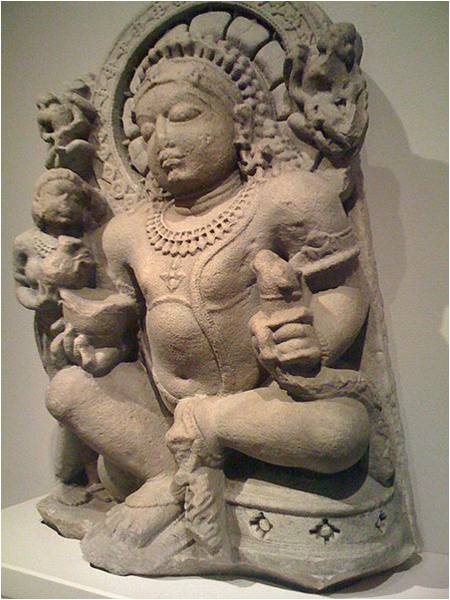
Yaksha[141] Kubera
The terms Jina[60] (invincible or liberator), Buddha[27] (enlightened one), arhat[13] (deserving worship) and nirgrantha[85] (free from bondage) were commonly used by both the early Buddhists and Jainas to refer to those who had achieved spiritual liberation. The founders of Jainism[55] were Jinas, also known as Tirthankara[126] (maker of a tirtha[125], between the material and spiritual worlds.)
The Jainas have divided unending time cycle[124] into two aeons-avasarpini[16] (descending order of all virtues) and utsarpini[130] (ascending order of virtues) with 24 Jinas in each of the two aeons. The present age is an avasarpini[16] age, of which Parsvanatha[91] and Mahavira[78] are the last two Jinas who are accepted as historical ones. Thus in the Jaina[50][51] conception of time, Jaina[50][51] doctrine has no beginning or end.
Belief in the 24 Jinas evolved gradually.
- Rsabhanatha[102] (or Adinatha),
- Ajitanatha,
- Sambhavanatha,
- Abhinandana[1],
- Sumatinatha,
- Padmaprabha,
- Suparsvanatha[115],
- Candraprabha[30],
- Puspadanta[96] (or Suvidhinatha[116]),
- Sitalanatha[110],
- Sreyamsanatha[113],
- Vasupujya,
- Vimalanatha,
- Anantanatha,
- Dharmanatha,
- Santinatha[106],
- Kunthunatha,
- Aranatha,
- Mallinatha,
- Munisuvrata[83],
- Naminatha,
- Neminatha (or Aristanemi[15]),
- Parsvanatha[91],
- Mahavira[78] (or Vardhamana[134]).
The Kalpa-Sutra[61], a Jaina[50][51] Canonical text, describes the lives of four tirthankaras[127] in detail: Rsabhanatha[102] (1st Jina[60]), Aristanemi[15] (22nd Jina[60]), Parsvanatha[91] (23rd Jina[60]) and Mahavira[78] (24th Jina[60]).
Whereas the lives of the remaining 20 Jinas are given in a brief format. This portion (Jina[60] caritra[31] "life of Jina[60]") of the above text seems to have been added and edited in about 4th century AD.
The gods in Jainism[55] are classified into four main groups:
- Bhavanavasis (gods of the house),
- Vyantaras (intermediaries),
- Jyotiskas (luminaries-navagrahas) and
- Vaimanikas (astral gods).
Each of these are subdivided into several groups with Indras (chiefs) at the head and including also the lokapalas (guardians of the cardinal points of the universe) and armies of gods and queens of Indras.
The Vyantara gods are divided into:
- Yaksas[140] (vegetation spirits),
- Bhutas (ghosts),
- Pisacas (fiends),
- Raksasas (demonical beings),
- Kinnaras (half-horse-half human),
- Gandharvas (celestial musicians), and Others.
Such deities have played an important role in ancient Indian folk worship.
Besides these, certain other gods and goddesses are mentioned in various Jaina[50][51] texts, including four gatekeepers of the rampart of the Jambudvipa[57] and four goddesses-Jaya, Vijaya, Jayanta[59] and Aparajita. A list of 64 dikkumaris (maidens of the directions) who act as nurses when the Jina[60] is born, includes several goddesses that suggest Brahmanical influence or borrowing from some common ancient Indian heritage.
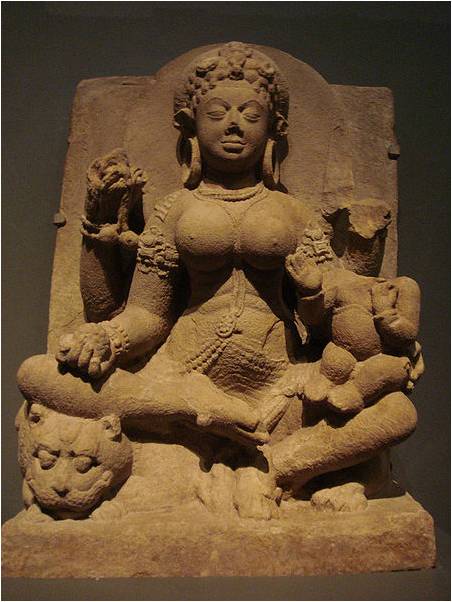
Yakshi[142] Ambika
These deities are, however, assigned a position subordinate to the Jinas and other liberated souls (siddhas[147]) who are called devadhidevas (Lords of Gods) by Hemacandra[47] in 12th century AD. Next in order to the Jinas (arhats[14]) and siddhas[147] are the Jaina[50][51] ascetic souls called acaryas[3] (leaders of groups of monks), upadhyayas[129] (readers who teach sacred texts and hence shown with manuscript) and sadhus[103] (monks in general shown with ogho or rajoharana or mukha pattika and tarpani-wooden water vessel). These five constitute the Panca-paramesthins (five chief divinities).
The 24 Jinas along with certain other souls including:
- 12 Cakravartinsi (world conquerors):
- Bharata[22],
- Sagara,
- Maghva,
- Sanatkumara,
- Santi,
- Kunthu[73],
- Ara[12] (last three being Jinas),
- Subhuma,
- Padma,
- Harisena,
- Jaisena,
- Brahmadatta,
- Nine Vasudevas:
- Triprsta,
- Dviprsta,
- Svayambhu,
- Purusottama,
- Purusasimha,
- Purusa[95] Pundarika,
- Datta,
- Narayana or Laksmana,
- Krsna[71]
- Nine Baladevas:
- Acala,
- Vijaya,
- Bhadra[21],
- Suprabha,
- Sudarsana,
- Anand[8],
- Nandan,
- Padma or Rama[99],
- Balarama[20]
constitute a list of 54 Salakapurusas (Great Souls) and
- Nine Prati-Vasudevas (enemies of Vasudevas):
- Asvagriva,
- Taraka,
- Merak,
- Nisumbha,
- Madhukaitabha,
- Bal,
- Prahlada.
- Ravana,
- Jarasandha
are added subsequently making the total of 63.
The other figures such as
- 9 Naradas,
- 11 Rudras,
- 24 Kamadevas (gods of love),
- Ganesa,
- Saptamatrkas,
- 64 yoginis
show Brahmanical influence. Bahubali[19], the son of the first Jina[60], Rsabhanatha[102] is said to be the first of the Kamadevas.
North India
The contribution of north India (north of the Vindhyan Mountains) in the development of Jaina[50][51] art[52] and iconography is of much more significance than what has been brought out. According to the Jaina[50][51] tradition, all the 24 Jinas of present avasarpini[16] aeon were born in this region and it was here that they spent their active lives. Perhaps this was the reason that most of the Jaina[50][51] deities gained sculptural representations first in the region. The earliest Jina[60] images with their characteristic iconographic features such as flowing hair-locks of Rsabhanatha[102], seven-hooded snake canopy of Parsvanatha[91], srivatsa[114], astapratiharyas, cognizances and yaksa[139]-yaksi[143] pairs also make their first appearance in this region. However, the characteristic usnisa and the srivatsa[114] are generally absent in the Jina[60] images of south India. The figures of the Jaina[50][51] Mahavidyas, the complete sets of 24 Yaksis[144], Jivantasvamin Mahavira[78] and Jaina[50][51] tutelary couples (or parents of Jinas) etc. are also conspicuous by their absence in south India. This absence requires proper investigation.
The Indus Valley civilization[49] (c. 2300-1750 BC) is the earliest civilization of India. The figures on some of the seals from Mohen-Jo-Daro and also a male torso from Harappa[45] remind of the Jina[60] images on account of their nudity and posture, similar to kayotsarga-mudra, which is exhibited more emphatically in Lohanipur torso. But nothing can be said with certainty until the Indus Valley script is deciphered finally.
Apart from the doubtful instance as above we do not have any literary and archaeological evidence regarding the Jina[60] image prior to Mahavira[78]. Mahavira[78] is never said to have visited any Jina[60] temple or worshipped any Jina[60] image. Instead the Jinas in the agama[5] texts are said to have stayed in yaksa[139] ayatanas (temples). In this connection it would be relevant to make reference to the Jivantasvamin Mahavira[78] image which is said to have been carved in the life-time of Mahavira[78] (c. late 6th century BC), hence called Jivantasvamin or Jivitasvamin. According to the tradition, a sandalwood image of Mahavira[78], wearing mukuta and other ornaments befitting royalty, was carved in his life-time during the period of his tapas[121] in palace, about a year prior to his renunciation. Like the Bodhisattva before reaching Buddhahood, Jivantasvamin also represented a conception, which may be called Jina[60]-sattva.
The earliest-known Jina[60] image, preserved in the Patna[92] Museum, comes from Lohanipur (Patna[92], Bihar[24]) and is datable to c. third century BC The nudity and the kayotsarga-mudra, suggesting rigorous austerity of the image were confined only to the Jinas. Another Jina[60] image from Lohanipur is assignable to the Sunga period or slightly later. A terracotta Jina[60] figure of c. 3rd century BC is also reported from Ayodhya[17]. The reference to the Kalinga Jina[60] (image), once taken away by Nandaraja, and brought back by Kharavela (c. 25 BC), in the Hathigumpha inscription of Kharavela is of special interest in this connection. Thus the Jina[60] images from Lohanipur and Ayodhya[17] and also the evidence of Hathigumpha inscription distinctly suggest that the antiquity of the Jina[60] image may well be pushed back at least to c. 4th-3rd century BC
The two early bronze[26] images of Parsvanatha[91], differently dated by scholars from 2nd century BC to 1st century AD are in the collections of the Prince of Wales Museum, Mumbai[82] and Patna[92] Museum. These figures provided respectively with the five- and seven-hooded snake canopy are rendered as sky-clad and standing in the kayotsarga-mudra.
Mathura[79] in Uttar Pradesh[93][131] was a stronghold of Jainism[55] from c. 100 BC to 1177 AD. The early Jaina[50][51] sculptures from Mathura[79] (c. 100 BC to the Kusana period) are of special iconographic significance, because they exhibit certain formative stages in the development of Jaina[50][51] iconograhy. The vast amount of veritable vestiges include the ayagapatas, independent Jina[60] images, Pratima-sarvatobhadrika, Sarasvati[107], Naigamesi and also the narrative scenes from the lives of Rsabhanatha[102] and Mahavira[78]. Of all these, the ayagapatas (tablets of homage) of 2nd-1st century BC merit special attention, since they represent the transitional phase of Jaina[50][51] iconography in which the worship of auspicious symbols together with the Jinas in human form was in vogue. One such example of c. 1st century BC, bearing the figure of Parsvanatha[91], seated in dhyana-mudra in the centre, is in the collection of the State Museum, Lucknow[75] (J. 253). The rendering of the Jinas in dhyana-mudra (seated cross-legged) and the representation of srivatsa[114] in the centre of their chest appear for the first time in the Sunga-Kusana sculptures of Mathura[79].
The problem of exact sect affiliation of the Kusana Jina[60] images from Mathura[79] is a problem which to the most of the scholars are the products of the Digambara[38] sect in view of the nudity of the Jina[60] images. On the basis of the acelaka[4] (sky-clad) and sacelaka (draped) ways of living for Jina[60] friars and Jinas being conceived in Agama[5] texts it has been observed that the Kusana Jaina[50][51] images from Mathura[79], showing full concurrence with the Agamic tradition, can suggest no sectarian affiliation with the Digambaras[39], it rather, and up to at least the mid-2nd century AD, represents the undifferentiated proto-Svetambara[117] and Digambara[38] sects. The earliest examples showing the difference of the Svetambara[117] and Digambara[38] sects in visual representations are known only from late 5th century AD onwards after Valabhi council. The Kusana figures with volume and stiffness underwent stylistic change in respect of plasticity, serenity, elegance and animation during the Gupta period.
The Gupta period (4th century to 600 AD) was a milestone in the development of Jaina[50][51] iconography, and some of the most significant iconographic features, as for example, the distinguishing cognizances (lanchana) and the yaksa[139]-yaksi[143] figures, were introduced during the period. The Gupta Jaina[50][51] sculptures are reported from several sites, like Mathura[79], Rajgir[98], Kahaum, Nachna, Durjanpur (Vidisha), Varanasi[133], Chausa and Akota. The images of Rsabhanatha[102], Ajitanatha, Candraprabha[30], Puspadanta[96], Neminatha, Parsvanatha[91] and Mahavira[78] Jinas were carved during the period. The first Svetambara[117] Jaina[50][51] image, known from Akota (Gujarat[43]), was also carved in the Gupta period. The Gupta sculptures show a wonderful synthesis between the external form and the inner meaning with the result that the figures touch the height of spirituality. The number of Jaina[50][51] sculptures, as compared to Kusana period, sharply declined in Gupta period but the area of Jaina[50][51] artistic activity widened extensively covering almost the entire country.
The history of Jainism[55] continued uninterrupted in the post-Gupta period. The Jaina[50][51] art[52] and literature thrived most vigorously between the 10th and the 15th century AD The period saw the building of a very large number of Jaina[50][51] temples[54] with exquisite sculptural carvings. During the period the new forms and iconographic features (excepting that of the Jinas) of various deities were formulated and gradually the number of arms and thereby the attributes increased to make the most of the manifestations more as the specimens of codified texts. The parikara[90] (surrounding) of Jina[60] images also developed with the figural depictions of Navagrahas, Sarasvati[107], Laksmi[74] and diminutive Jina[60] figures. Besides, the usual astapratiharyas and the yaksa[139]-yaksi[143] figures were also carved. The angularity and flexion along with embellishments and ornamentation were other distinct features of medieval Jaina[50][51] sculptures.
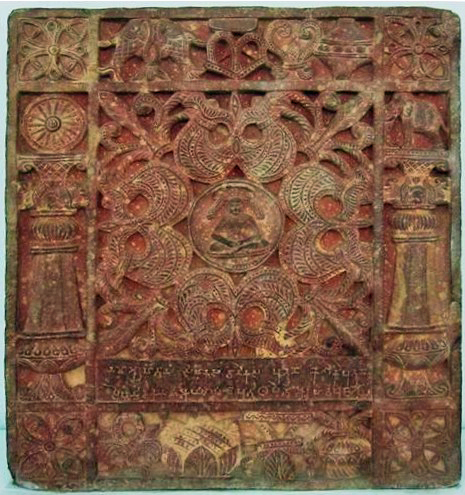
Ayagapatta (Mathura[79], U.P.)
Gujarat[43] and Rajasthan[97] were the strongholds of the Svetambara[117] sect while the vestiges yielded by other regions are affiliated mainly to the Digambara[38] and the Yapaniya[145] sects. The tradition of carving 24 devakulikas with the figures of 24 Jinas therein was popular mainly at the Svetambara[117] Jaina[50][51] sites. The Digambara[38] Jina[60] images show much more variety in iconographic details than the Svetambara[117] images, wherein the figures of Navagrahas, Bahubali[19], Balarama[20] and Krsna[71] (with Neminatha), yaksa[139]-yaksi[143], and few other goddesses, like Laksmi[74] and Sarasvati[107], are carved in the parikara[90]. At the Svetambara[117] sites the mention of the names of the Jinas in the pedestal inscription was preferred to providing them with their respective cognizances which are usually found in the examples of Digambara[38] Jina[60] images. The rendering of the narratives from the lives of the Jinas was popular mainly with the Svetambaras[118].
The sixteen Mahavidyas were accorded the most favored position after the Jinas in Western India while in other parts of the country the most favored position after the Jinas in Western India while in other parts of the country the yaksa[139] and yaksi[143] occupied that position. Of the sixteen Mahavidyas, Rohini[101], Vajrankusa, Vajrasrnkhala, Apraticakra, Acchupta and Vairotya were the most popular ones.
The representation of Santidevi, Brahmasanti yaksa[139], Jivantasvamin Mahavira[78], Ganesa, the parents of the 24 Jinas, and some unidentified goddesses (not known in Jaina[50][51] tradition) was confined mainly to the western Indian sites. The figures of Sarasvati[107], Astadikpalas, Navagrahas and Ksetrapala were popular in both the sects. On the other hand the figures of Rohini[101], Manovega, Gauri and Gandhari yaksis[144], Garuda yaksa[139], Jaina[50][51] tutelary couples and Rama[99] and Sita occur only at the Digambara[38] Jaina[50][51] sites. There are also some icon types and images from the Digambara[38] Jaina[50][51] sites like Deogarh[35] and Khajuraho[67], which are not known in the textual tradition. The rendering of the dvitirthi and tritirthi Jina[60] images and the representation of Sarasvati[107] and Bahubali[19] in tritirthi Jina[60] images, and also the rendering of yaksa[139]-yaksi[143] figures with Bahubali[19] and Ambika are only some such rare examples.
The Jainas developed their pantheon by assimilating and transforming different Brahmanical legendary characters and deities in Jaina[50][51] creed which could distinctly be gleaned through their vast literature as well as surviving visual imagery. Vimala[137] Vasahi and Luna vasahi (c. 1150-1230 AD) exhibit some of very interesting renderings of Krsnalila and other Vaisnava[132] themes which include Kaliya-damana, Krsna[71] playing iholii with kanaka-srngakosa (as mentioned in Harsacarita) with gopas and gopikas, the episode of Bali and Vamana, samudramanthana and vivid carvings pertaining to Krsna[71] janma[58][146] and balalilas. The figures of saptamatrkas, finding no mention in Jaina[50][51] works, were also carved in some of the examples known from Mathura[79], Gyaraspur, Vimala[137] vasahi and Khandagiri[68].
We also encounter figures of several such deities, mainly the female ones, at the prolific Jaina[50][51] sites like Vimala[137] vasahi, Luna vasahi and Kumbharia[72] which could not be identified on the testimony of the available textual prescriptions. Most of the deities of such cases show the influence of the Brahmanical goddesses. Vimala[137] vasahi alone has 16 such goddesses, some of which with bull as mount and holding either trisula and sarpa or trisula in both the hands have distinct Saivite stamp.
The figures of male deities in these sculptures are meager in number as compared to the female ones, which probably owes to the Tantric influences and Sakti worship. The Parsvanatha[91] Jaina[50][51] temple[53] (AD 950-70) at Khajuraho[67] contains all along its facade the divine figures with their Saktis in alingana-pose, which include Siva, Visnu, Brahma[25], Rama[99], Balarama[20], Agni, Kama[62], and Kubera. Such figures are against the accepted norms of Jaina[50][51] tradition and were actually carved under the influence of Brahmanical temples at the site. Many of these divine figures, excepting Ambika and a few Jinas, are related with the Brahmanical pantheon. On the south and north sikhara[109] and also the facade of the garbhagrha of the Parsvanatha[91] temple, there are four sculptures showing amorous couples.
The instances of erotic figures in Jaina[50][51] context, datable between 10th and 12th centuries AD are also known from Deogarh[35] (doorway, Temple No. 18), Santinatha[106] temple at Nadlai (Pali[89], Rajasthan[97]), Ajitanatha temple at Taranga[122] (Mahesana, Gujarat[43]) and Neminatha temple at Kumbharia[72] (Gujarat[43]). The presence of erotic figures at Jaina[50][51] sites is gross violation of the Jaina[50][51] tradition, which does not even conceive of any Jaina[50][51] god alongwith his Sakti in alingana pose. Such figures hence were carved due to the Tantric influence in Jainism[55] during the early medieval times (c. 9th to 11th centuries AD). The Jaina[50][51] Harivamsa Purana (AD 783, 29.1-10) makes the point more clear by referring to the construction of a Jina[60] temple by a sresthi-Kamadatta, who for the general attraction of people also caused installation of the figures of Kamadeva and Rati in the temple. It also alludes to the worship of Rati and Kamadeva along with the Jina[60] images. It may also be noted here that the Tantric influence was accepted in Jainism[55] with certain restraints. Overt eroticism was never so pronounced in Jaina[50][51] literature and sculptural manifestations as was the case with Brahmanical and Buddhist religions, which is evident from the examples carved on the temples of Khajuraho[67], Modhera, Konark, Bhubanesvara and many other places. The erotic figures from Jaina[50][51] temples[54] as compared to Brahmanical ones are neither so large in number nor so obscene in manifestations.
During the Pala period the Jainas visualized some innovatory forms as well which was apparently inspired by the tradition of syncretic images. A few Jina[60] images of 9th-10th centuries from Sonbhandar cave and Vaibhara hill at Rajgir[98] are endowed with five- or seven-hooded snake canopy but the cognizances on the pedestals are conch, elephant and lion which thus show the composite features of the Jinas and hence identifiable as Parsvanatha[91]-Ajitanatha, Suparsvanatha[115]-Neminatha and Parsvanatha[91]-Mahavira[78].
Deogarh[35] was singularly important for innovatory icon types which although not referred to in literary injunctions are well in tune with the Jaina[50][51] tradition. These include particularly the figures of Bharata[22] cakravartin[29] and Bahubali[19], the two sons of Rsabhanatha[102], who owing to their rigorous austerity were elevated in status to equal the Jinas, highest in Jaina[50][51] worship. The features like the astapratiharyas and the figures of yaksa[139] and yaksi[143] (Gomukha and Cakresvari of Rsabhanatha[102]), invariably shown with the Jinas, have also been associated with Bahubali[19] to suggest his elevation.
In about the 16th century Lonkasaha started a subsect of Svetambaras[118] known as sthanakavasis in western India and claimed that image worship is not sanctioned by the Agamas[6]. In the 18th century Acarya[2] Bhiksu[23] organized Terapantha[123], which also was opposed to image worship. Tulasi[128] Ganin, the leader of Terapantha[123], has organized a group known as the Anuvrata[10] Sangha[105]. In the 16th century a Digambara[38] named Taranuasvamin organized the Taranapantha sect, which too repudiated image worship.
The most prolific Jaina[50][51] sites of north India were Mathura[79], Deogarh[35], Chandpur, Chanderi, Khajuraho[67], Bilhari, Gwalior[44], Khandagiri[68] (Barbhuji and Navamuni caves-Puri, Orissa[87]), Akota, Delvada (Vimala[137] vasahi, Luna-vasahi, Kharatara-vasahi), Kumbharia[72], Taranga[122], Jalore, Ranakpur[100], Girnar[41], Satrunjaya[108] and many more.
South India
South India (south of Vindhyan mountain) has been an important seat of Digambara[38] and also the yapaniya[145] Jaina[50][51] sect. The tradition says that the Mauryan ruler Chandragupta[33] journeyed to the south towards the end of his life in the company of his teacher Bhadrabahu, some time before 297 BC The Digambara[38] monk Visakhacarya with a number of followers went to South India in the areas of the Cholas and the Pandayas. Kundakundacarya also spread Jainism[55] in the area. It was mainly during the period of the Pallavas of Kanchipuram[63], Rastrakutas of Malkhed and the Pandyas of Madurai[76] that Jainism[55] had its heydays. The whole of the south, particularly Maharashtra[77], Karnataka[64] and Tamil[119] Nadu and great dynasties of these regions were often dedicated to Jainism[55]. We know of the rulers (5th to 12th-13th cent. AD) of the Pallava, Pandya, Western Chalukya, Gangas, Rastrakuta, Kalchuri and Hoyasala royal families who were devoted to Jainism[55] and its spread.
Many Jaina[50][51] poets of great repute flourished under the patronage of Rastrakuta rulers of Manyakheta (Malkhed). Under their patronage developed the Jaina[50][51] caves of Ellora[40] Cave (Nos. 30-34) which have yielded some of the masterpieces of Jaina[50][51] sculptures of Bahubali[19], Parsvanatha[91] and Ambika. Virasena[138] wrote his monumental commentaries on Satkhandagama under Jagattunga and his successor, Jainasena and Gunabhadra Acaryas[3] composed the great epic Mahapurana (consisting of Adipurana and Uttarapurana) at the time of King Amoghavarsa, a follower of Jainism[55]. Mahaviracarya wrote a work on mathematics. King Amoghavarsa was himself the author of Ratnamalika, a work that became popular with all the sects. Puspadanta[96] composed his famous Mahapursna in Apabhramsa[11] under the patronage of the minister of the Rastrakuta ruler Krsna[71] III.
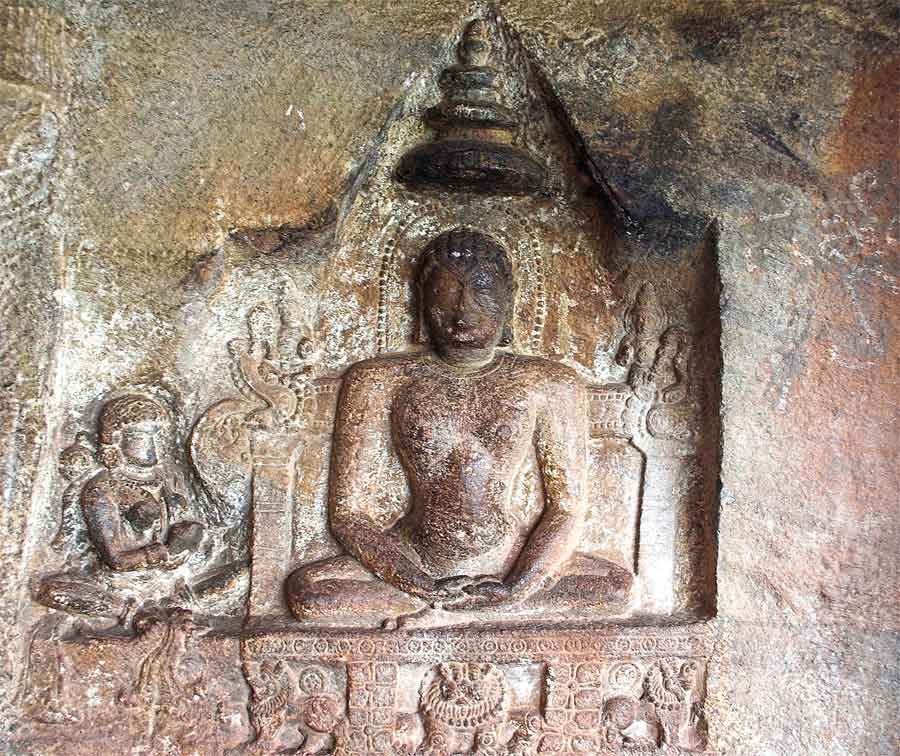
Tirthankara[126] (Badami[18] caves, Karnataka[64])
The earliest vestiges of Jaina[50][51] art[52] in South India are of about 2nd cent. BC These are mostly natural saverns and caves in the extreme South. These caves are at Anamalai, Arachallevi, Aykudi Kalugumalai, Kurungalakkudi, Kidaripatti, Kilavalavu, Kongapulayankulam, Kunnakudi, Mamandur, Margalavalai, Mettupatti, Muttupatti, Pugalur, Sittanavasal[111], Tiruchirapalli, Tirupparankunram, Vavidhaiyur and Vikkiramangalam. There are several improvised rockcut beds carved for the monks with slightly raised pillows for supporting the head of slumbering monk. The short references to donations magnanimously made by lay followers are mentioned in early Brahmi inscriptions.
The most prolific sites of sculptural and architectural embellishments in South India (including Maharashtra[77]) from c. 600 AD to 16th cent. AD are:
- Karnataka[64]:
- Badami[18],
- Aihole[7],
- Arsikeri,
- Lakkundi,
- Halebid,
- Mudabidri[81],
- Humcha[48],
- Sravanabelgola (Chalukya 8th-9th century to Nayak period),
- Karur[65] (Shimoga)
- Venur[135]
- Karkoil.
- Maharashtra[77]:
- Ellora[40] (five caves-Nos. 30-34, 9th cent. AD).
-
- Tamil[119] Nadu[120]:
- Tiruparuttikunaram (c. 8th-16th/17th cent. AD; both sculpture and painting),
- Sittannavasal,
- Tirakkol,
- Armamaloi (all three Pallava),
- Melsittamur and Deviagaram (South Arcot),
- Kalugumalai,
- Karaikoyil,
- Tirumalai (Vellore, 9th-10th century AD),
- Vallimalai and Danavulapadu (Cuddapah).
-
- Andhra Pradesh[93][9]:
- Vallimalai
- Chandragiri (Chittoor - 9th to 12th century AD
- Penukonda (Anantapur - 11th century AD).
- Kerala[66]:
- Kallil (c. 8th-9th century AD).
-
The western Gangas, who made Jainism[55] almost the religion of their state, were great patrons of Jaina[50][51] teachers, Simhanandin revered by Kongunivarman. Chamundaraya[32], the general of Marasimha, the Ganga king, was the architect of the great colossus of Sravanabelgola, the unique sculpture of Bahubali[19] (AD 983) that is probably the Bapatala one great example of Ganga art if one were to choose a single example to represent that phase of art itself.
Among the Hoysala Kings, Vishnuvardhana, originally a disciple of Jaina[50][51] Prabha Chandra, subsequently embraced Vaisnavism though his queen Santaladevi, a remarkable scholar with a high aesthetic taste, continued to be a Jaina[50][51]. Queen Santala like her husband Visnuvardhana had deep faith in temple building and making endowments to Jaina[50][51] monuments. Vishnuvardhana continued a favourable attitude towards Jainism[55] and freely endowed several Jaina[50][51] temples[54].
The Vijayanagara rulers had the largest empire in the south and some rulers specially Bukka I created an amicable atmosphere by bringing together in friendship the devotees of Jaina[50][51] and Vaisnava[132] faiths. The queen Bimadevi of Deva[36] Raya I was the disciple of a Jaina[50][51] acarya[2] Abhinava Charukirti[34]. Panditacharya, the general of Bukka II was a Jaina[50][51] by faith and Krishna[69] Deva[36][70] Raya himself, the greatest emperor of the Vijayanagara royal family, endowed in AD 1517 for Vardhamana[134] temple at Tirupparuttikunram.
The extension of the Gupta style can distinctly be noticed in the early Chalukyan sculptures from Badami[18] and Aihole[7], datable to c. AD 600. The style and subjects are almost identical at both the places where the images of only Parsvanatha[91] and Mahavira[78] Jinas and Bahubali[19] and Ambika are found. The Jaina[50][51] caves at Badami[18] (No. 4) and Aihole[7] have seated figures of Mahavira[78] in the sanctum[104] while the mukhamandapa contains the figures of Bahubali[19] and Parsvanatha[91] facing each other. The Parsvanatha[91] images from Badami[18] and Aihole[7] are significant as these are the earliest examples showing the onslaught of the demon Sambar (or Kamatha) during the course of Parsvanatha[91]'s trance and meditation[80]. Bahubali[19], also known as Gommatesvara[42], is represented as standing in deep trance. The austerities of Bahubali[19] are aptly shown for the first time at Badami[18] and Aihole[7]. The rendering of entwining creepers around the hands and legs of Bahubali[19], and also the presence of snakes coming out of anthills, carved close to his legs, are peculiar features of both the Babubali images, suggesting thereby the long passage of time of penance. In concurrence with the Digambar[37] Jaina[50][51] tradition, there also appear the figures of two Vidhyadharis, embellished in beautiful decorated mukutas and other ornaments. Aesthetically, the Bahubali[19] and Ambika images at Aihole[7] are among the finest works of the early Chalukyan artist showing superb grace, plasticity and suppleness.
Jainism[55] in South has contributed in no small measure. The great monuments speak eloquently of the aesthetic taste of the patrons and the architects who constructed the embellished abodes for their deities and also carved or painted their figures in the spirit and glory of divine forms.
The most frequent representation of the Jinas found in South India are Rsabhanatha[102], Parsvanatha[91], Suparsvanatha[115], Mahavira[78], Santinatha[106] and Neminatha. The attack by Kamatha with his dreadful hordes to dissuade Parsvanatha[91] from his tapas[121] as an ascetic, corresponding to the beguilement of Mara (Maradharsana) to wean away Buddha[27] from his firm resolve to attain enlightenment under the Bodhi tree, has been a very popular theme. One of the finest representations from South India of this theme is at Tirakkol (North Arcot, Tamilnadu). It is an impressive carving of Pallava period carved on a large boulder.
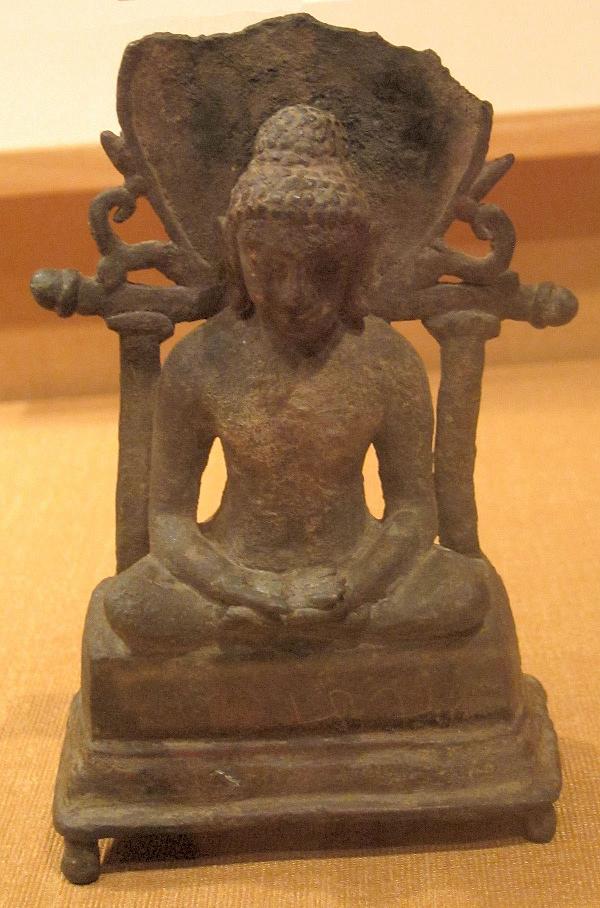 |
By Dr. M. N. P. Tiwari
(Dept. of History of Art, Banaras Hindu University)
Indian Culture is the confluence of varied cultural trends, religious thought and philosophy and art. Jainism indeed has been one of its main streams, but somehow it could not receive adequate attention earlier, despite the fact that it has contributed immensely to the development and enrichment of Indian culture, literature and art. The contribution of Jainas towards art and architecture was specially important in view of the magnificent artistic creations, particularly in the forms of images, temples and paintings, spread all over the country and covering a time span in continuity from the earliest through the modern times. The Jaina art with profuse variety changes innovations and embellishments (barring Jina images) has never been monotonous also.
The only enigmatic and so far unanswered question is that what could have been the reasons that Jainism (and thereby Jaina art) like Buddhism did not spread beyond Indian subcontinent while Jaina traders and business community were frequently visiting foreign countries. Was it that there were no missionary activities in this context? Further the reference to the visit of Jaina monks are also not known. The situation in 20th century however has changed completely.
The religion and art in Indian context go hand in hand and virtually the religious thought and concept find visual expressions in different forms of art like architecture, sculpture, icon, painting and also fine arts and performing arts. These all in Jaina context are the vehicles of the principal ideas of spirituality, non-violence, absolute renunciation and austerity. It may be pointed out at the outset that it was only with the Jainas that they did never compromise with their basic tenets, which find best expressions in the images of the Jinas or Tirthankaras and Gommatesvara Bahubali. Before taking up the evolution of Jaina sculptures and their iconography in north and south India, it is also essential to have a background of Jaina pantheon also on the basis of which various Jaina icons were evolved which developed further in reference to time and space.
Pantheon : Historically speaking the evolution of the Jaina pantheon (devakula) was a gradual process. By the end of 4th-5th century AD the Jaina pantheon mainly consisted of:
24 Jinas, Yaksas and Yaksis (or sasanadevatas), Vidyadevis, Laksmi, Balarama, Krsna, Rama, Naigamesa, Bahubali and Bharata, Other Salakapurusas (or Mahapurusas).
The Salakapurusas, 63 in number, are Great Souls and their lives are invariably referred to in Svetambara Carit texts and Digambara Puranas. Their list includes the 24 Jinas, 12 Cakravartins, 9 Baladevas, 9 Vasudevas, and 9 Prativasudevas. It may be noted here that only the names and some of the general features of the deities were finalized by the fifth century AD, while their detailed iconographic features were finalized between the 8th and 13th century AD.
The development of Jaina pantheon was more or less identical in both the sects and the differences are to be noticed mainly in regard to their names and, at times, their forms and iconographic features. The story of the transfer of embryo of Mahavira, the image of Jivantasvamin Mahavira and reference to Mallinatha as female Tirthankara do not find mention in the Digambara works.
The terms Jina (invincible or liberator), Buddha (enlightened one), arhat (deserving worship) and nirgrantha (free from bondage) were commonly used by both the early Buddhists and Jainas to refer to those who had achieved spiritual liberation. The founders of Jainism were Jinas, also known as Tirthankara (maker of a tirtha, between the material and spiritual worlds.)
The Jainas have divided unending time cycle into two aeons-avasarpini (descending order of all virtues) and utsarpini (ascending order of virtues) with 24 Jinas in each of the two aeons. The present age is an avasarpini age, of which Parsvanatha and Mahavira are the last two Jinas who are accepted as historical ones. Thus in the Jaina conception of time, Jaina doctrine has no beginning or end.
Belief in the 24 Jinas evolved gradually.
1.
Rsabhanatha (or Adinatha), 2. Ajitanatha, 3. Sambhavanatha, 4.
Abhinandana, 5. Sumatinatha, 6. Padmaprabha, 7. Suparsvanatha, 8.
Candraprabha, 9. Puspadanta (or Suvidhinatha), 10. Sitalanatha, 11.
Sreyamsanatha, 12. Vasupujya, 13. Vimalanatha, 14. Anantanatha, 15.
Dharmanatha, 16. Santinatha, 17. Kunthunatha, 18. Aranatha, 19.
Mallinatha, 20. Munisuvrata, 21. Naminatha, 22. Neminatha )\(or
Aristanemi), 23. Parsvanatha, 24. Mahavira (or Vardhamana)
The Kalpa-Sutra, a Jaina Canonical text, describes the lives of four tirthankaras in detail. Rsabhanatha (first Jina), Aristanemi (22nd Jina), Parsvanatha and Mahavira.
Whereas the lives of the remaining 20 Jinas are given in a brief format. This portion (Jina caritra-Lives of Jinas) of the above text seems to have been added and edited in about 4th century AD
The gods in Jainism are classified into four main groups
1
Bhavanavasis (gods of the house), 2 Vyantaras (intermediaries), 3
Jyotiskas (luminaries-navagrahas) and 4 Vaimanikas (astral gods).
Each of these are subdivided into several groups with Indras (chiefs) at the head and including also the lokapalas (guardians of the cardinal points of the universe) and armies of gods and queens of Indras.
The Vyantara gods are divided into : Yaksas (vegetation spirits), Bhutas (ghosts), Pisacas (fiends), Raksasas (demonical beings), Kinnaras (half-horse-half human), Gandharvas (celestial musicians), and Others. Such deities have played an important role in ancient Indian folk worship.
Besides these, certain other gods and goddesses are mentioned in various Jaina texts, including four gatekeepers of the rampart of the Jambudvipa and four goddesses-Jaya, Vijaya, Jayanta and Aparajita. A list of 64 dikkumaris (maidens of the directions) who act as nurses when the Jina is born, includes several goddesses that suggest Brahmanical influence or borrowing from some common ancient Indian heritage.
These deities are, however, assigned a position subordinate to the Jinas and other liberated souls (siddhas) who are called devadhidevas (Lords of Gods) by Hemacandra in 12th century AD. Next in order to the Jinas (arhats) and siddhas are the Jaina ascetic souls called acaryas (leaders of groups of monks), upadhyayas (readers who teach sacred texts and hence shown with manuscript) and sadhus (monks in general shown with ogho or rajoharana or mukha pattika and tarpani-wooden water vessel). These five constitute the Panca-paramesthins (five chief divinities).
The 24 Jinas along with certain other souls including
12
Cakravartinsi (world conquerors) - Bharata, Sagara, Maghva,
Sanatkumara, Santi, Kunthu, Ara (last three being Jinas), Subhuma,
Padma, Harisena, Jaisena, Brahmadatta,
Nine Vasudevas - Triprsta, Dviprsta, Svayambhu, Purusottama, Purusasimha, Purusa Pundarika, Datta, Narayana or Laksmana, Krsna
Nine Baladevas - Acala, Vijaya, Bhadra, Suprabha, Sudarsana, Anand, Nandan, Padma or Rama, Balarama
constitute a list of 54 Salakapurusas (Great Souls) and
Nine
Prati-Vasudevas (enemies of Vasudevas) - Asvagriva, Taraka. Merak,
Nisumbha, Madhukaitabha, Bal, Prahlada. Ravana, Jarasandha are added
subsequently making the total of 63.
The other figures such as 9 Naradas, 11 Rudras, 24 Kamadevas (gods of love), Ganesa, Saptamatrkas, 64 yoginis show Brahmanical influence. Bahubali, the son of the first Jina, Rsabhanatha is said to be the first of the Kamadevas.
North India : The contribution of north India (north of the Vindhyan Mountains) in the development of Jaina art and iconography is of much more significance than what has been brought out. According to the Jaina tradition, all the 24 Jinas of present avasarpini aeon were born in this region and it was here that they spent their active lives. Perhaps this was the reason that most of the Jaina deities gained sculptural representations first in the region. The earliest Jina images with their characteristic iconographic features such as flowing hair-locks of Rsabhanatha, seven-hooded snake canopy of Parsvanatha, srivatsa, astapratiharyas, cognizances and yaksa-yaksi pairs also make their first appearance in this region. However, the characteristic usnisa and the srivatsa are generally absent in the Jina images of south India. The figures of the Jaina Mahavidyas, the complete sets of 24 Yaksis, Jivantasvamin Mahavira and Jaina tutelary couples (or parents of Jinas) etc. are also conspicuous by their absence in south India. This absence requires proper investigation.
The Indus Valley civilization (c. 2300-1750 BC) is the earliest civilization of India. The figures on some of the seals from Mohen-Jo-Daro and also a male torso from Harappa remind of the Jina images on account of their nudity and posture, similar to kayotsarga-mudra, which is exhibited more emphatically in Lohanipur torso. But nothing can be said with certainty until the Indus Valley script is deciphered finally.
Apart from the doubtful instance as above we do not have any literary and archaeological evidence regarding the Jina image prior to Mahavira. Mahavira is never said to have visited any Jina temple or worshipped any Jina image. Instead the Jinas in the agama texts are said to have stayed in yaksa ayatanas (temples). In this connection it would be relevant to make reference to the Jivantasvamin Mahavira image which is said to have been carved in the life-time of Mahavira (c. Late 6th century BC), hence called Jivantasvamin or Jivitasvamin. According to the tradition, a sandalwood image of Mahavira, wearing mukuta and other ornaments befitting royalty, was carved in his life-time during the period of his tapas in palace, about a year prior to his renunciation. Like the Bodhisattva before reaching Buddhahood, Jivantasvamin also represented a conception, which may be called Jina-sattva.
The earliest-known Jina image, preserved in the Patna Museum, comes from Lohanipur (Patna, Bihar) and is datable to c. third century BC The nudity and the kayotsarga-mudra, suggesting rigorous austerity of the image were confined only to the Jinas. Another Jina image from Lohanipur is assignable to the Sunga period or slightly later. A terracotta Jina figure of c. 3rd century BC is also reported from Ayodhya. The reference to the Kalinga Jina (image), once taken away by Nandaraja, and brought back by Kharavela (c. 25 BC), in the Hathigumpha inscription of Kharavela is of special interest in this connection. Thus the Jina images from Lohanipur and Ayodhya and also the evidence of Hathigumpha inscription distinctly suggest that the antiquity of the Jina image may well be pushed back at least to c. 4th-3rd century BC
The two early bronze images of Parsvanatha, differently dated by scholars from 2nd century BC to 1st century AD are in the collections of the Prince of Wales Museum, Mumbai and Patna Museum. These figures provided respectively with the five- and seven-hooded snake canopy are rendered as sky-clad and standing in the kayotsarga-mudra.
Mathura in U.P. was a stronghold of Jainism from c. 100 BC to 1177 AD The early (c. 100 BC to the Kusana period) Jaina sculptures from Mathura are of special iconographic significance, because they exhibit certain formative stages in the development of Jaina iconograhy. The vast amount of veritable vestiges include the ayagapatas, independent Jina images, Pratima-sarvatobhadrika, Sarasvati, Naigamesi and also the narrative scenes from the lives of Rsabhanatha and Mahavira. Of all these, the ayagapatas (tablets of homage) of 2nd-1st century BC merit special attention, since they represent the transitional phase of Jaina iconography in which the worship of auspicious symbols together with the Jinas in human form was in vogue. One such example of c. 1st century BC, bearing the figure of Parsvanatha, seated in dhyana-mudra in the centre, is in the collection of the State Museum, Lucknow ( J. 253). The rendering of the Jinas in dhyana-mudra (seated cross-legged) and the representation of srivatsa in the centre of their chest appear for the first time in the Sunga-Kusana sculptures of Mathura.
The problem of exact sect affiliation of the Kusana Jina images from Mathura is a problem which to the most of the scholars are the products of the Digambara sect in view of the nudity of the Jina images. On the basis of the acelaka (sky-clad) and sacelaka (draped) ways of living for Jina friars and Jinas being conceived in Agama texts it has been observed that the Kusana Jaina images from Mathura, showing full concurrence with the Agamic tradition, can suggest no sectarian affiliation with the Digambaras, it rather, and up to at least the mid-2nd century AD, represents the undifferentiated proto-Svetambara and Digambara sects. The earliest examples showing the difference of the Svetambara and Digambara sects in visual representations are known only from late 5th century AD onwards after Valabhi council. The Kusana figures with volume and stiffness underwent stylistic change in respect of plasticity, serenity, elegance and animation during the Gupta period.
The Gupta period (4th century to 600 AD) was a milestone in the development of Jaina iconography, and some of the most significant iconographic features, as for example, the distinguishing cognizances (lanchana) and the yaksa-yaksi figures, were introduced during the period. The Gupta Jaina sculptures are reported from several sites, like Mathura, Rajgir, Kahaum, Nachna, Durjanpur (Vidisha), Varanasi, Chausa and Akota. The images of Rsabhanatha, Ajitanatha, Candraprabha, Puspadanta, Neminatha, Parsvanatha and Mahavira Jinas were carved during the period. The first Svetambara Jaina image, known from Akota (Gujarat), was also carved in the Gupta period. The Gupta sculptures show a wonderful synthesis between the external form and the inner meaning with the result that the figures touch the height of spirituality. The number of Jaina sculptures, as compared to Kusana period, sharply declined in Gupta period but the area of Jaina artistic activity widened extensively covering almost the entire country.
The history of Jainism continued uninterrupted in the post-Gupta period. The Jaina art and literature thrived most vigorously between the 10th and the 15th century AD The period saw the building of a very large number of Jaina temples with exquisite sculptural carvings. During the period the new forms and iconographic features (excepting that of the Jinas) of various deities were formulated and gradually the number of arms and thereby the attributes increased to make the most of the manifestations more as the specimens of codified texts. The parikara (surrounding) of Jina images also developed with the figural depictions of Navagrahas, Sarasvati, Laksmi and diminutive Jina figures. Besides, the usual astapratiharyas and the yaksa-yaksi figures were also carved. The angularity and flexion along with embellishments and ornamentation were other distinct features of medieval Jaina sculptures.
Gujarat and Rajasthan were the strongholds of the Svetambara sect while the vestiges yielded by other regions are affiliated mainly to the Digambara and the Yapaniya sects. The tradition of carving 24 devakulikas with the figures of 24 Jinas therein was popular mainly at the Svetambara Jaina sites. The Digambara Jina images show much more variety in iconographic details than the Svetambara images, wherein the figures of Navagrahas, Bahubali, Balarama and Krsna (with Neminatha), yaksa-yaksi, and few other goddesses, like Laksmi and Sarasvati, are carved in the parikara. At the Svetambara sites the mention of the names of the Jinas in the pedestal inscription was preferred to providing them with their respective cognizances which are usually found in the examples of Digambara Jina images. The rendering of the narratives from the lives of the Jinas was popular mainly with the Svetambaras.
The sixteen Mahavidyas were accorded the most favored position after the Jinas in Western India while in other parts of the country the most favored position after the Jinas in Western India while in other parts of the country the yaksa and yaksi occupied that position. Of the sixteen Mahavidyas, Rohini, Vajrankusa, Vajrasrnkhala, Apraticakra, Acchupta and Vairotya were the most popular ones.
The representation of Santidevi, Brahmasanti yaksa, Jivantasvamin Mahavira, Ganesa, the parents of the 24 Jinas, and some unidentified goddesses (not known in Jaina tradition) was confined mainly to the western Indian sites. The figures of Sarasvati, Astadikpalas, Navagrahas and Ksetrapala were popular in both the sects. On the other hand the figures of Rohini, Manovega, Gauri and Gandhari yaksis, Garuda yaksa, Jaina tutelary couples and Rama and Sita occur only at the Digambara Jaina sites. There are also some icon types and images from the Digambara Jaina sites like Deogarh and Khajuraho, which are not known in the textual tradition. The rendering of the dvitirthi and tritirthi Jina images and the representation of Sarasvati and Bahubali in tritirthi Jina images, and also the rendering of yaksa-yaksi figures with Bahubali and Ambika are only some such rare examples.
The Jainas developed their pantheon by assimilating and transforming different Brahmanical legendary characters and deities in Jaina creed which could distinctly be gleaned through their vast literature as well as surviving visual imagery. Vimala Vasahi and Luna vasahi (c. 1150-1230 AD) exhibit some of very interesting renderings of Krsnalila and other Vaisnava themes which include Kaliya-damana, Krsna playing iholii with kanaka-srngakosa (as mentioned in Harsacarita) with gopas and gopikas, the episode of Bali and Vamana, samudramanthana and vivid carvings pertaining to Krsna janma and balalilas. The figures of saptamatrkas, finding no mention in Jaina works, were also carved in some of the examples known from Mathura, Gyaraspur, Vimala vasahi and Khandagiri.
We also encounter figures of several such deities, mainly the female ones, at the prolific Jaina sites like Vimala vasahi, Luna vasahi and Kumbharia which could not be identified on the testimony of the available textual prescriptions. Most of the deities of such cases show the influence of the Brahmanical goddesses. Vimala vasahi alone has 16 such goddesses, some of which with bull as mount and holding either trisula and sarpa or trisula in both the hands have distinct Saivite stamp.
The figures of male deities in these sculptures are meager in number as compared to the female ones, which probably owes to the Tantric influences and Sakti worship. The Parsvanatha Jaina temple (AD 950-70) at Khajuraho contains all along its facade the divine figures with their Saktis in alingana-pose, which include Siva, Visnu, Brahma, Rama, Balarama, Agni, Kama, and Kubera. Such figures are against the accepted norms of Jaina tradition and were actually carved under the influence of Brahmanical temples at the site. Many of these divine figures, excepting Ambika and a few Jinas, are related with the Brahmanical pantheon. On the south and north sikhara and also the facade of the garbhagrha of the Parsvanatha temple, there are four sculptures showing amorous couples.
The instances of erotic figures in Jaina context, datable between 10th and 12th centuries AD are also known from Deogarh (doorway, Temple No. 18), Santinatha temple at Nadlai (Pali, Rajasthan), Ajitanatha temple at Taranga (Mahesana, Gujarat) and Neminatha temple at Kumbharia (Gujarat). The presence of erotic figures at Jaina sites is gross violation of the Jaina tradition, which does not even conceive of any Jaina god alongwith his Sakti in alingana pose. Such figures hence were carved due to the Tantric influence in Jainism during the early medieval times (c. 9th to 11th centuries AD). The Jaina Harivamsa Purana (AD 783, 29.1-10) makes the point more clear by referring to the construction of a Jina temple by a sresthi-Kamadatta, who for the general attraction of people also caused installation of the figures of Kamadeva and Rati in the temple. It also alludes to the worship of Rati and Kamadeva along with the Jina images. It may also be noted here that the Tantric influence was accepted in Jainism with certain restraints. Overt eroticism was never so pronounced in Jaina literature and sculptural manifestations as was the case with Brahmanical and Buddhist religions, which is evident from the examples carved on the temples of Khajuraho, Modhera, Konark, Bhubanesvara and many other places. The erotic figures from Jaina temples as compared to Brahmanical ones are neither so large in number nor so obscene in manifestations.
During the Pala period the Jainas visualized some innovatory forms as well which was apparently inspired by the tradition of syncretic images. A few Jina images of 9th-10th centuries from Sonbhandar cave and Vaibhara hill at Rajgir are endowed with five- or seven-hooded snake canopy but the cognizances on the pedestals are conch, elephant and lion which thus show the composite features of the Jinas and hence identifiable as Parsvanatha-Ajitanatha, Suparsvanatha-Neminatha and Parsvanatha-Mahavira.
Deogarh was singularly important for innovatory icon types which although not referred to in literary injunctions are well in tune with the Jaina tradition. These include particularly the figures of Bharata cakravartin and Bahubali, the two sons of Rsabhanatha, who owing to their rigorous austerity were elevated in status to equal the Jinas, highest in Jaina worship. The features like the astapratiharyas and the figures of yaksa and yaksi (Gomukha and Cakresvari of Rsabhanatha), invariably shown with the Jinas, have also been associated with Bahubali to suggest his elevation.
In about the 16th century Lonkasaha started a subsect of Svetambaras known as sthanakavasis in western India and claimed that image worship is not sanctioned by the Agamas. In the 18th century Acarya Bhiksu organized Terapantha, which also was opposed to image worship. Tulasi Ganin, the leader of Terapantha, has organized a group known as the Anuvrata Sangha. In the 16th century a Digambara named Taranuasvamin organized the Taranapantha sect, which too repudiated image worship.
The most prolific Jaina sites of north India were Mathura, Deogarh, Chandpur, Chanderi, Khajuraho, Bilhari, Gwalior, Khandagiri (Barbhuji and Navamuni caves-Puri, Orissa), Akota, Delvada (Vimala vasahi, Luna-vasahi, Kharatara-vasahi), Kumbharia, Taranga, Jalore, Ranakpur, Girnar, Satrunjaya and many more.
South India : South India (south of Vindhyan mountain) has been an important seat of Digambara and also the yapaniya Jaina sect. The tradition says that the Mauryan ruler Chandragupta journeyed to the south towards the end of his life in the company of his teacher Bhadrabahu, some time before 297 BC The Digambara monk Visakhacarya with a number of followers went to South India in the areas of the Cholas and the Pandayas. Kundakundacarya also spread Jainism in the area. It was mainly during the period of the Pallavas of Kanchipuram , Rastrakutas of Malkhed and the Pandyas of Madurai that Jainism had its heydays. The whole of the south, particularly Maharashtra, Karnataka and Tamil Nadu and great dynasties of these regions were often dedicated to Jainism. We know of the rulers (5th to 12th-13th cent. AD) of the Pallava, Pandya, Western Chalukya, Gangas, Rastrakuta, Kalchuri and Hoyasala royal families who were devoted to Jainism and its spread.
Many Jaina poets of great repute flourished under the patronage of Rastrakuta rulers of Manyakheta ) Malkhed). Under their patronage developed the Jaina caves of Ellora Cave (Nos. 30-34) which have yielded some of the masterpieces of Jaina sculptures of Bahubali, Parsvanatha and Ambika. Virasena wrote his monumental commentaries on Satkhandagama under Jagattunga and his successor, Jainasena and Gunabhadra Acaryas composed the great epic Mahapurana (consisting of Adipurana and Uttarapurana) at the time of King Amoghavarsa, a follower of Jainism. Mahaviracarya wrote a work on mathematics. King Amoghavarsa was himself the author of Ratnamalika, a work that became popular with all the sects. Puspadanta composed his famous Mahapursna in Apabhramsa under the patronage of the minister of the Rastrakuta ruler Krsna III.
The earliest vestiges of Jaina art in South India are of about 2nd cent. BC These are mostly natural saverns and caves in the extreme South. These caves are at Anamalai, Arachallevi, Aykudi Kalugumalai, Kurungalakkudi, Kidaripatti, Kilavalavu, Kongapulayankulam, Kunnakudi, Mamandur, Margalavalai, Mettupatti, Muttupatti, Pugalur, Sittanavasal, Tiruchirapalli, Tirupparankunram, Vavidhaiyur and Vikkiramangalam. There are several improvised rockcut beds carved for the monks with slightly raised pillows for supporting the head of slumbering monk. The short references to donations magnanimously made by lay followers are mentioned in early Brahmi inscriptions.
The most prolific sites of sculptural and architectural embellishments in South India (including Maharashtra) from c. 600 A. D. to 16th cent. A. D. are Badami Aihole, Arsikeri, Lakkundi, Halebid, Mudabidri, Humcha Sravanabelgola (Chalukya 8th-9th century to Nayak period), Karur (Shimoga) and Venur and Karkoil in Karnataka, Ellora (five caves-Nos. 30-34, 9th cent. AD) in Maharashtra, Tiruparuttikunaram (c. 8th-16th-17th cent. AD-both sculpture and painting), Sittannavasal, Tirakkol, Armamaloi (all three Pallava), Melsittamur and Deviagaram (South Arcot), Kalugumalai, Karaikoyil, Tirumalai (Vellore, 9th-10th century A.D.), Vallimalai and Danavulapadu (Cuddapah) in Tamilnadu (Guntur-8th century A. D. ), Vallimalai and Chandragiri (Chittoor - 9th to 12th century A.D. and Penukonda (Anantapur - 11th century A .D.) in Andhra Pradesh and Kallil (c. 8th-9th century A. D. ) in Kerala.
The western Gangas, who made Jainism almost the religion of their state, were great patrons of Jaina teachers, Simhanandin revered by Kongunivarman. Chamundaraya, the general of Marasimha, the Ganga king, was the architect of the great colossus of Sravanabelgola, the unique sculpture of Bahubali (A. D. 983) that is probably the Bapatala one great example of Ganga art if one were to choose a single example to represent that phase of art itself.
Among the Hoysala Kings, Vishnuvardhana, originally a disciple of Jaina Prabha Chandra, subsequently embraced Vaisnavism though his queen Santaladevi, a remarkable scholar with a high aesthetic taste, continued to be a Jaina. Queen Santala like her husband Visnuvardhana had deep faith in temple building and making endowments to Jaina monuments. Vishnuvardhana continued a favourable attitude towards Jainism and freely endowed several Jaina temples.
The Vijayanagara rulers had the largest empire in the south and some rulers specially Bukka I created an amicable atmosphere by bringing together in friendship the devotees of Jaina and Vaisnava faiths. The queen Bimadevi of Deva Raya I was the disciple of a Jaina acarya Abhinava Charukirti. Panditacharya, the general of Bukka II was a Jaina by faith and Krishna Deva Raya himself, the greatest emperor of the Vijayanagara royal family, endowed in A. D. 1517 for Vardhamana temple at Tirupparuttikunram.
The extension of the Gupta style can distinctly be noticed in the early Chalukyan sculptures from Badami and Aihole, datable to c. A. D. 600. The style and subjects are almost identical at both the places where the images of only Parsvanatha and Mahavira Jinas and Bahubali and Ambika are found. The Jaina caves at Badami (No. 4) and Aihole have seated figures of Mahavira in the sanctum while the mukhamandapa contains the figures of Bahubali and Parsvanatha facing each other. The Parsvanatha images from Badami and Aihole are significant as these are the earliest examples showing the onslaught of the demon Sambar (or Kamatha) during the course of Parsvanatha's trance and meditation. Bahubali, also known as Gommatesvara, is represented as standing in deep trance. The austerities of Bahubali are aptly shown for the first time at Badami and Aihole. The rendering of entwining creepers around the hands and legs of Bahubali, and also the presence of snakes coming out of anthills, carved close to his legs, are peculiar features of both the Babubali images, suggesting thereby the long passage of time of penance. In concurrence with the Digambar Jaina tradition, there also appear the figures of two Vidhyadharis, embellished in beautiful decorated mukutas and other ornaments. Aesthetically, the Bahubali and Ambika images at Aihole are among the finest works of the early Chalukyan artist showing superb grace, plasticity and suppleness.
Jainism in South has contributed in no small measure. The great monuments speak eloquently of the aesthetic taste of the patrons and the architects who constructed the embellished abodes for their deities and also carved or painted their figures in the spirit and glory of divine forms.
The most frequent representation of the Jinas found in South India are Rsabhanatha, Parsvanatha, Suparsvanatha, Mahavira, Santinatha and Neminatha. The attack by Kamatha with his dreadful hordes to dissuade Parsvanatha from his tapas as an ascetic, corresponding to the beguilement of Mara (Maradharsana) to wean away Buddha from his firm resolve to attain enlightenment under the Bodhi tree, has been a very popular theme. One of the finest representations from South India of this theme is at Tirakkol (North Arcot, Tamilnadu). It is an impressive carving of Pallava period carved on a large boulder.
-----------------------------------------------------
Information Courtesy : Mr. Pravin K. Shah
Chairperson JAINA Education Committee
Federation of Jain Associations in North America
509, Carriage Woods Circle Raleigh, NC 27607-3969, USA
E-Mail : pkshah1@attglobal.net, Tele & Fax : 919-859-4994
Websites : www.jaina.org & www.jainism.org
-----------------------------------------------------
Mail to : Ahimsa Foundation
www.jainsamaj.org
R0301002
Introduction To The Iconography Of Jain Tirthankaras
Introduction To The Iconography Of Jain Tirthankaras
T.V.G. Sastri
Emergence of Jainism and Contemporary Religions
Jain religion may be said to have emerged following the rejection of the existing Aryan traditions and the authority of the Vedas. Consequently, the Jains have replaced the Vedas by their own literature in the form of Agamas and Sutras. The Aryan orthodoxy and its dominence was rejected outright and brought in their own independent sects with established ranks of their own.
The elaborate rituals that followed the sacrifice of animals was viewed as the greatest sin acquired by those that performed them. On the other hand, kindness shown to all the animals under the tenets of ahimsa was made second next to the worship of the Tirthankars who were considered superior even to gods. Nevertheless, the sraddha rituals following the death were done away with.
There are however, some compromises with Hinduism. They admit the institution of castes and samaskars of birth, namakarna aksarabhyasa, etc.1 Several Hindu gods like Kumara, Ganesa, Kubera, and goddesses like Durga, Lakshmi, Sarasvati have been incorporated in the sanctuaries of the Tirthankars. As regards heterodoxy against Brahminism both Jainism and Buddhism stand on the same footing.
According to Hunter, “Jainism is a religion allied to the doctrine of Buddhism but the former is humanised by saint worship. They agree on the attaiament of nirvana through ahimsa but differs essentially of the moksa view of Jaina. The proposed meaning of ahimsa of the Buddhists, is the extinction of the soul, where as, the Jains plead for a positive signi¬ficance implying the absolute pursuits and freedom from the snares of karma.
Again, Jainism recognises the pluralistic realism similar to the
Nyaya- Vaisesika2 theory, while the Buddhists speak of the doctrine of
universal void3 similar to the advitic monoism of Sri Sankaracarya.
The
idea of ahimsa of Jains in non-Jdlling, non-injury is different from
ihe positive and humble to the extent of showing metta (mercy) as in
Budd¬hism to the living creatures of the world.
The Jains on the other hand favoured the- idea of ahimsa to the excessive limit of even not hurting a little molecule and in the refusal’to take food even of edable creatures. Jainism lays stress on- the rigours of asceticism which Buddhism has avoided in the extreme cases ifciAs regards god and godhood, “the* Hindis concepts are quite different from those of; Jains.
The Jain Tirthankars are the highest and their worship is even superior to that of gods and goddesses. In fact the latter were made secondary to Tirthankars though they accept the individual powers associated with the Hindu deities. The Tirthankar is-’viewed as a broad fording place.1 of virtue, to overcome or mitigate the miseries of- human life- His place is a tirtha or dharma by which the ocean of samsara can be crossed.
The Tirthankars are deified heroes born of human parents and raised to the posi¬tion above the place, of gods by their renunciation and great services to religion for the deliverence of mankind.. The same was described in Samayika patha as follows
Loyastu.jo.yayare suddhammatirtha kare jim yande.
Arahante. kitta yise. ehavu visam ch’eva kevalinno.
Jain Religious Concepts
Before we take up the aspect of the details of the worship of Tirthankars, it is worthwhile considering the main religious concepts involved in its study. They are broadly divided into
| (a) Philosophical | (b) Ethical |
| (c) Ritualistic |
(a) Philosopical : According to Jain belief, the world exists from eternity. It can be divided as two.dravyas or entities (1) loka (2) aloka.5.
The dravyas of the loka are resolved into (1) jiva, the life force (2) ajiva, the rion-life force. An inhabitant of even the highest heaven cannot obtain liberation or moksa in the ordinary course unless he becames a Jina or Arhat’ after being born as a man. Thus, it is evident that one can become a Jina or an Arhat by austerities and service to religion if only he takes birth as a man.
The Ajiva dravyas are divided into 5 different groups. They are:
| (1)pudgala | (2)dharma |
| (3) adharma | (4) akasa |
| (5) kala |
(1) Pudgala : This’ forms the matter or physical basis of the world. It is- a combination of the body manas and speech. It is regarded as existing in atomic as well as’in aggregate form.
(2) Dharma : This represents the principle of motion.
(3) Adharma : This is opposite of the above that indicates a state of rest or suspension of the principle of motion.
(4) Akasa : The Ajiva dravyas also have their own locus-standi and their place may be identified’ as- space-r!’ i? ‘
(5) Kala : This is the eternal, ‘time-continuem.’
To the above five if jiva is added, they become sadangas or the six principles of Jain Philosophy.
In
Jaina metaphysics, there is a group of seven tattvas ,or principles
underlying which stand the principles of karma and samsara. Karma is the
activity of the wordly matter and samsara is the cycle of births and
deaths performed by the jiva.
The tattvas are the following : (1) jiva which may be identified as. The soul il) ajiva, thc non-soull(3) asrava, the karmic influx into the soul (4) bandha, the bondage (5) samyara the stoppage or the inflow of fresh: matter into the soul (6) nirjara, removal of karma (7) moksa, the absolute liberation. To these punya, the merit and papa the demerit are added to make up what are known as.the nine padarthas, described in the Pancastikaya as follows.
Jiva. ajiva bhavapunnam pavanca asavam tesim.
Samvara nirjaro band ho mokkho hyavantite aha.
The Jain metaphysics describes some stages to obtain salvation in human life. They reveal mainly the liberation of jiva from ajiva when it is entangled by the human activities, or karmas. The karmas bring in asrava that taints the pure soul which is removed by samvara.
The karmic influx infesting the soul with matter and its riddence by samvarana is shown as asravanirodhah samvara in Tattavaradhadigama Suttra In general, the binding of the soul-the bandha to the body itself is a disadvantage to man. It accures both puny a and papa, in the cycles of births and deaths.
Moksa, the final release is attained through nirjara, which could be practiced by the principles of conduct, self-control, concentration etc. bandhahetvabhava nirjarabhyam krtsna karmavipramoksa moksa.10 When the soul is completely purged of all impurities, the jiva in all its real refulgence, power and bliss, obtains the moksa.
The conception of jnana among Jaina is more important for philosophy and religion. The jnana can be attained by intellectual and moral pursuits to remove the karmic impediment of the soul.11 By strict observance of austerties, one attains the right knowledge samyak jnana, right perception, samyak darsana, right observance samyak charitra and right conduct. These are indentified as the ratnatriya of the conduct rules to be followed to obtain moksa.
Again, the knowledge otjnana is divided into five kinds. They are—
(1)Mati: perceptual and imferential knowledge.
(2)Sruta: knowledge derived from reading and hearing of scriptures.
(3)Avadhi: direct knowledge of things even at a distance of time and space.
(4)Manahparyaya: direct knowledge of the thoughts of the other people.
(5)Kevala: omniscience or perfect limitless knowledge or bliss.12 1.
(b) Ethical : After the study of philosophical concepts, on the ethical side, there are scriptural norms that bind the Jaina monks and laity to a moral system.
Of these, the four fold vow of the Jain monks is important. They include :
| (1)non-injury | (2) renunciation from lying |
| (3) keeping away from theft, practicing chastity | (5) detachment from external and internal temptations |
All these are insisted in Jain religion.13 Besides, the Jaina scriptures insist on that Jains should practice certain resignations of mind by thinking that nothing in the world really belongs to him. He should abstain from all intoxications gambling, adultry, hunting, taking food at night etc. There are others to be followed by Jains and the detail of which are beyond the scope of the paper.
1.(c) Ritualistic : As in the case of Hindus, the Jains have worship in chaityalas but they are not so elaborate as that of the Hindus. However, they surpass those of Buddhists in variety and extent. Jains have free access for others in their sanctuaries unlike those in Hindu temples. Jaina saints and gods are worshipped with special rites and ceremonies. The simple rituals in Jain temples include
(1) Jalapuja: washing of images
(2) Canadcinapuja: applying sandal paste to the images,
(3) Aksatapuja: offering raw rice
(4) Naivedyapuja: offer of food
(5) Arati: offering of camphor light after the sunset.
Another custom that is important is the samayika, reading in chorus. The Jains also believe in expiation of sins or prayascitta as in Hindus. As regards the observence of self mortification or sallekhana by Jains, all others religions differ.
Great importance is given to the pilgrimages on the full moon days that fall between October-November and in April-May. Fastings, reading of Sacred books, and spiritinal meditation are observed during four months of the year. More important fast known as pajjusana samvatsara during full moon days is observed which falls in spring and summer.
Festivals14 like Divali, Dhantesara. Laksmi puja, Jnana panchami tnakara- sankranti etc, are common to the Hindus and Jains. Besides the Tirthankars* sub-ordinate deities and siddha chakras are worshipped in Jain temples. (Ghaityalayas).
As regards the rituals in temples, some differences exist in tradition, as the Jain society was split in two different groups as Svetambars (SV) and Digambars. Although, the main deities are the same the names of certain subordinate deities, the dress and ornaments shown on the associate, images and the other paraphernalia are different in the two groups. Moreover, the religious beliefs are also different.
The Jain religion insists that sravakas should have faith in their religious beliefs to do the meditation during the mUhurta of the samayika. They should keep certain fasts to limit his indispensible austerities of life, and to abandon part by part, wordly occupations, as a preparatory to monk’s life, jj The sravakas or the hearers, and the yatis or monks should hold no property and should not quit the dwelling, except to beg for good. The yatis must observe obstinence and continence.
They have to sweep the ground before sitting, remain silent and steady at one place at night and not to ride any vehicle or do any travilling. Yatis are allowed to dispense with all the acts of worship while the sravakas, besides other religions duties should attend to the worship of Tirthankars. They should give profound reverence to their pious brothern.
Even a lay Jain worshipper should control his mind, tongue and acts. He should abstain from taking salt, green fruits honey, grapes, tobacco, in certain seasons. He should drink water after straining it three times to avoid organism getting, into the body and the purified water should be covered for use. He should walk around the temple three times and offer fruits and flowers to the images and offer prayers.
The traditional number of Jinas in Jainism in given as twenty four.J® Although, the historicity of these people cannot be proved, both.Digambars and Svetambars are unanimous in their beliefs about the number and both the sects had erected chaityalas in their honour.
The Jinas are also known as Tirthankars and they are given the highest position in religious hierarchy. All the chaityalayas are dedicated for their worship, and have been in existence from times immemorial.
The Chaityalas History of Tirthankars and Tirthas
Jainism is a living religion in India and its Chaityalayas abound in icons, some of them, can be dated to a period as early as the early Christian period. All of them supply materials for the study of iconography and provide an insteresting scientific basis for naming each Jina and his associated details. The Jain Ghaityalayas17 are dedicated to individual Tirtbankaras sometimes two or even more are found in one.
But the Chaityalaya goes by the name of the central deity. They may contain other deities also associated with the main deity. Each Tirthankar has his own parents, Yaksas and the Yaksinis that served on him’ Besides these, each has his own identiftng marks, the cihnas or lanchanas and the Kevala trees under which he got the enlightenment. Thus, the above varying factors afford a careful study and individual details in iconography.
It would have taken a good lot of time for sculptors and religious Heads to portray the sculptures of Tirthankars, in human form. According to vedic concept, god could be represented in any form as he is’ present in all. But Jain saints are idealised human beings, that were freed from worldly bonds by individual austerities. In the beginning, there was an attempt to portray them not in human beings but in different symbols as astamangalas, animals, birds, etc.
In this context it has to be stated that all the mothers of the Tirthankars had witnessed certain symbols and animals in their dreams foretelling the birth of their illustrious sons.18. The dreams and the astamangalas have a strong bearing in the development of the lanchanas and the iconographic sequence of,the Tirthankar images. When the human concept of god was introduced in Indian art.
The astamangalas and other symbolic representations were relegated to the background. They were indicated in the form of lanchanas on the pedestals of Tirthankars. In the case of Sreyamsanatha, the 11th Tirthankara, whose birth place was Saranath, we still have an age old standing image preserved in Saranath museum. In religious tradition, it has its own significance.
It was possibly placed in the centre of garbhagrha of a temple.as mulabhera.or a mtilanayaka which incidentally served as the tirtha of Sreyamsanatha. There are other connected images such as yaksa, sasanadevatas, vidyadevis Lakshmi, Ganesa etc, that played the part of subordinate deities in their relative positions in the same temple. Thus, the place of nativity, the subordinate deities and their position are also important in the iconographic sequence.
As regards the symbolism, the Tirthankars form the highest divinities and they are belived to be abso¬lutely free from desires (ragas) while other gods and goddesses posses desires. This concept of the standing nude Jina serves as an ideal of asceticism and this is mainly brought out in Tirthankara iconography as against other deities along with their vehicles of lower rank.
Again coming to the particular Tirthankar Sreyamsanatha, Uttarapurana gives details of his parentage, the dynasty and the place of birth as follows. Diposniin bharate simhapuradhiso naresvarah. Iksvakii vamsa vikhyato visnu namasya vallabhahaThis shows that his . native place was Simhapuri known today as Saranath and that his father Visnu was a king of the Iksvaku dynasty.
The Purana further gives reference to. the kevala tree as tumburadrumaand that his mother was known as Visnudri. Thus, in the panels of Sreyamsanatha if we see a kingly couple on -either side’ of the Tirthankar, they, could be identified as the parents-Visnu and Visnudri. Again, Jain literature speaks of his yaksa and yaksini as Isvara and Gauri. These are evidently the saivite pair attending on him.
His chowri bearer is to be identified as Tripistavasudeva. In the Svetambara tradition, they are different and are shown as Yakseta and Manavi.Uttaaprurana further speaks of the story connected with his parentage. It appears the king Visnudeva of Simphapura inherited a beautiful throne, but infortunately it was haunted by an evil spirit, as such, none of the earlier kings occupied it. His mother Visundri wanted to take a risk and sat on it.
To their great surprise nothing had happend. Subsequently when she gave birth to a son, he was named as Sreyama when he was considered as the lord of good events. The earlier turbulance caused by the evil spirit on the part of both’ mother and child was symbolised as the ferocious rhinoceros. Hence the symbolic animal became the lanchana of Sreyamsanatha.
Any panel representing the deity can be intepreted in the context of the above iconographic details. (See Table) The details, of Tirthankar panels, show differences in the beliefs of Digambars and Svetambars, which made iconography more confused. Their lanchanas have emerged from the symbols, the mothers had witnessed in their dreams and the astamangala symbols used for success in religious ventures.
In the case of Rsabhanatha, his mother had seen a bull first in the dream prior to his birth. On this evidence his lanchana is shown as bull, which identifies him as the first Tirthankar. In the case of all Tirthankars the details were duscussed in iconpgraphic texts. Incidentally, elephant was shown as the lanchana of the second Tirthankar Ajitnatha.
Coming to the astamangalas, we find symbols like swastika, minayugala or (fish pair), srivatsa etc., corresponding the Tirthankars, Suparsvanatha (sevanth) Aranatha (eighteenth) and Sitalnatha (tenth) They indicate that the lanchanas Were derived from the traditional beliefs in dreams and religious symbols. The particulars of the lanchanas of other Tirrhankars are found in the text Pravachana Sarodhara.21 (See the table of the details of Tirthankars).
The Jain Tirthas
Although we hear only of a few Jaina monuments, and temples Jaina litrature abounds in interesting information on several Jain sanctuarise spread throunghout Indian sub-continent and the sources are mainly Tirthakalpa in pftiJhana Rajendra written by Jinaprabha, and manuscripts like Pratistasara frngrha preserved in Arrah in Bihar.
A modern book entitled Tirthayatra Bnrsaka by B. Gavilai divides the
tirthas into siddha ksetra, sri ksetra, ikhstcz kalyanaka ksetra and
atisaya ksetras. Besides these, A. B. keith had krit at length about
these anicient tirhthas in the aspect Of Jain Mythology m bis general
treatise on Indian Mythology.
Coming to Jain tirthas in general, Pratistasanra sangraha MSS preserved in Arrah has divided them.
First according to incidents connected with the Tirth- mkars like (a) garbha or conception (b) Janama or birth (c) tapas or the resolution to leave home for penance, (d) Jnana or the enlightenment (e) mrsana or death. All the above categories come under kalyanakas, where they had taken place.
There are other places too mentioned in it. They include auspicious regions, sources or rivers, famous towns, villages of importance, beaches of the ocean and other important places which were considered to be holy for the erection of Jain tirthas.
They are referred to as follows
Janma niskrmana sthana jnana nirvana bhumisu anyesu punya desesu nadikule nagaresu chagramadi sannivesesu samudra puliesu chaanyesu va manognesu karayet jinamandiramAccording to the Arrah manuscript, nearly all the Tirthankaras obtained siddhi at their native places excepting of Risabha Neminath and Mahavira. Risabha become a kevalin at Parimatala, Neminatha at Girnar and Mahavira on the bank of Rjupalika river.
The above four places and the native places of other Tirthankars were made important Jaina tirthas.
Coming
to nirvana, twenty of them were said to have left the mortal remains on
Sammeta sikhara or Mt. Parsvanatha in south Bihar, Vasupajya at
Champapuri in East Bihar, Mahavira at Pavapuri and Rsabha at Astapada
Kalyanaka centres were treated in a general way for all places of Jaina
tirthas.
The text of Tirthakalpa (S.V. Texts) describes a list 84 images of Jinas at diffe-rent places in India. It appears, Adinatha at Satrunjaya was installed by Virasvaim. An image of Santinatha was installed in Sudhukunda, Neminatha at Ujjain, Aristanemi at Kanehana Valanka, Nemisvara at Papamata Nandisvara or Yugadideva at Nagara-mahasthena etc. A manuscript from Sivapuri gives the names of tirthas.
According to the regions such as Champa Kalpa, Varan- nasi kalpa etc.83 In this context, mention may be made also to ancient Jina monuments which are famous even today. . They include
| (1) Temples of Abu in Rajasthan | (2)Satrunjaya hill in Palitana State |
| (3) Girnar in Junagadh | (4) Caves of Tndra and Jagannatha Sabha in Ellora in Maharastra |
| (5) Mathura (U.P.) | (6)Jain group of Khajuraho temples (M.P.) |
| (7) Deogadh (M.P.) | (8) Gomate- svafa in Sravanabelgola (Karnataka) |
| (9) Gadag and Lakkundi (Karanataka) | (10) Venur and Karkala in South Canara |
The Jina Sculptures and Iconographic norms
To understand the iconography of Jain- Tirthankars or iconography in general, it is not marely the objective study of the icons and deities Tying in temples, museums ancient monuments and isolated images alone but in augu- -meniation of the facts preserved in various authoritative and vastuTexts that laid down specific norms applicable for making of images; Such norm si go fa lpngway in their identification and significance.
Besides, they furnish different artistic trends in specimens under examination as also .traditions, involved in The . process- Incidentally, they offer, a critical approach • tq -tlie departures from normal, that , throw light on the chrpnplogical. sequence of- deferent images made from time to time. The earliest work that gives the origins of iconographic norms is the Kalpasutras written by Bhadrabahu.
The original text of which is dated to 3rd cent B.C. This is followed by Jinasena’s Uttrapurana dated to 8th cent A.D. Although most of the remaining are later works, several ancient manu-scripts have been poveserved in Jain Bhandaras at ArrafrTn Bihar, Jaipur in Rajasthan, Jnanamandir, Baroda etc. The later texts includes, Prdtisiasara, Prayachana Saroddhara, Mandira Pratistdvidhi, Nirvana Kalika etc.
The theoritical approach to the problem of executing the. image of the Jinas in different media has been discussed at length in iconographic texts. Depending on the purpose and the utility, they were divided into Jbur different.
1 Nama jina- Those that could be generally made out us 5 for general worship anywhere.
2 Stapana Jina- Those made of gold copper stone‘btc-f meant for the installation in. temples and chaityalas.
3 Dravya Jinas-Those images endowed with the qualifications 6f the Jina. Some of the Haryanka vamsa kings like Sreriika and Kunika the contemporaries of Mahavira, believed in the austerities and Wbrldly renunida ofe and practiced.
4 Bhava Jinas-Those that have attained samvasarana like.
Coniing to the practical problem of the execution of the Jina images KBr individual details, the basic principles of Jain philosophy, the historical tradion and their parentage, the helpful semi-divine beings that favoured their enlightenment, the events fortelling their birth,25 the signifying symbols or knchamis in individual cases and the practices followed in other religions Rae., were taken into consideration.
Although the above basic factors go a long way in the making of a
Jina image, there were some practical hurdles that came in the way of
the image akers.
1 The division of the mulasahgha into Digambaras and Svetambras and fundamental differences in their doctrines
2 lack of literary accounts of Jmas and the variation in hearsay tradition
3 The growing popularity of Buddhist art with help ‘of local kings and lack of patronage for Jain religion.
The governing idea in making an image reminds us of the condition through which a Jinas passed to attain salvation. This affords the devotee a strong incentive to follow the noble example of Tirthankaras life. Possibly, the devotees found if necessary .to preserve the images mainly in the sacred places associated with their birth enlightenment.
Personal association of the original places of their teachings, nirvana etc; The literature belonging to both Digambars and Svetambars supplies the above valuable data each in its own way. When the Tirthankaras are worshipped in temples, they are’addressed with hymns full of their life history, kalyanakas or his auspicious moments which afford ‘a continuous descriptive memorial service that offer a picturesque and enlivening account in the memory of the devotees.
Again, from the available Jina icons in temples, and tirthas and from Jain vastu texts, it ccould be easily understood that nude standing and sitting human figures have been made the basic feature in the representation of Jina images, ii. (a) Seated Jina images One significant contribution Of Jain philosophy that makes us believe is that the Jinas are not gods as in the Brahminical setup but simple human beings that attained realisation.
In the iconographic norms, the nude seated human figures were identified as those in padmasana. Such images were confined to four Jinas or Tirthankars out of twenty four. The vastu texts have identified them as Mahavira, Parasvanatha, Nemi and Risabha (24, 23, 22,1) as they had enlightenment while practicing austerities in that posture.26 They also indicate that the others had the. enlightenment while practicing in straight standing posture.
Secondly the nudity of the Jinas was also made essential. This, , was mainly intended to free themselves from worldly bandhas. The posture of padmasana could be described as the squatting on- a seat of lotus petals with right leg being placed on the left thigh and the left on right while the eyes should be closed or half closed and fixed on the tip of the nose. Some texts prescribe that the palms of the hand should be shown placed one over the other below the navel.
The above is also shown as the samparyankasana. The seating posture in padma or paryanka is a common form both in Hindu and Buddhist traditions. The iconography of Siva in similar posture is identified as Daksina- murti while the Buddha in Buddhist sculpture is a copy of Titrhankara Mahavira. Thus, the padmasana Jina icons have some difficulty in identi¬fication.
Moreover from the beginnings of Christian period although there were attempts to produce Jina icons, there was no other way of identification except the lables written in brahmi characters. Later, it was realised that standard books should be written taking into account, the practice in image making and the sravaka tradition of the hymns practiced in temples. Subsequently, when the concepts were compiled the lanchanas or identifying symbols were made prominent.
Again, the padmasana Jina images had to face the challenge from the Buddhists. Both Buddha and Mahavira had the same posture and lanchanas. This discripancy had lead to the introduction of srivatsa symbol on the chest of Jinas. This was possibly introduced after the Gupta period (6th cent A.D.) When the mudras, and the other innovative laksanas were introduced in iconography.
Standing Jina images
Coming back to the standing Jina figures, most popular is again the Yogic posture. This is identified in the Vastu texts as the kayotsrga form or raised up erect body. The same posture is also known as khadganasa. The Tirthankars were essentially Yogic on one hand and teachers of religion on the other.
In the Kayotsraga form, they are idealised in the practical aspect of teaching of the observance of penence to the devotees. According to the iconographic norms, precisely the erect standing figures should have the feet two inchs away or four fingers width between the toes and lesser width of the heels.27 The straightened hands should be nearer to the body but not touching it.
Other iconographical elements
Along with the introduction srivatsa on the chest, the identifying lanchanas for all the Tirthankars have been brought into iconography. Starting from Rasabha, the 24 lanchanas given to them are
| (1) Bull | (2) Elephants |
| (3) Horse | (4)Ape |
| (5) Krauncha | (6) Kamala |
| (7) Swastika | (8) Cresientic Chandra |
| (9) Alligator | (10) Srivatsa |
| (11) Rhinocerus | (12) Buffalo |
| (13) Varaha | (14) Sneya (Hauk) |
| (15) Vajra (Diamond) | (16) Deer |
| (17) Goat | (18)Handyavarta (Akind Of Fish) |
| (19) Kalsa | (20) Kumbha (Pot) |
| (21) Blue Lotus | (22) Eonch |
| (23) Hoods Of A Snake | (24) Lion |
Excepting for Parsvanatha, these lanchanas were represented in the centre of the pedestals for the respective Jinas. The hoods of snake are shown as the lanchana crowing the head of Parasvanatha. Besides there was attempt to show the individual Yaksas and Yaksinis helpful to their success in their effort for spiritual enlightenment. These were represented on either side of Jina figures.
Along with these, there was also an attempt to portrary the local
kings who became the followers of Jinas. In many cases they were
represented with fans or Chamaras to relieve the strain of austerties.
Moreover,
each Tirfchankara according to Vastu texts, should be shown with trees
under which they got the enlightenment. These are shown as kevala trees.
In the case of Riasabha it is nygrodha, the banyan tree and Mahavira is to be shown under a sala vrksa. Ajitanatha, and Abhinandan- natha have the trees sala and piyala. Thus, different trees are shown in panels of Tirthankars. There is also repetition of iconographic elements which we come across in yaksini and yaksa figures. Moreover, their names are common to Brahmi- nical, Buddhist and Jain deities and same type of artists have been employed to execute them.
However, as already stated the nudity and the lanchanas were backed up by all authorities as belief and tradition, while the seuptural changes from time to time, could be shown as norms adopted to suit the artistic tastes. Iconographically the artistic peculiarities of different period are helpful in the dating sequence of the icons. Besides, the yaksas and yaksinis have their individual iconography.
Yaksas
Yaksas are considered to be semi divine beings helping the Tirthankars in their austerities and enlightenment. Their characteristic features are similar those yaksas found in Hinduism. Kubera is believed to be the king of the yaksas and a treasurer of Siva and lord of Alakapuri. With the rise of Jainism and Buddhism, he was incorporated in their religions as the controller of wealth and as the directional deity of north.
In Buddhist inscriptions and literature, we hear of yaksas like Purnabhdra, Manibhadra Salibhadra, Sumana- bhadra, Purnaraksa and Sarvana. From Jain iconography we come across a number of yaksas with different names. Yaksesvara or Kubera is also identi¬fied hs pot bellyied and is shown with rich jewellry and money bags.
It is stated earlier that inspite of godly element in them they assisted the Tirthankaras in raising them from baisic human beings to ideal deities. Each Tirthanakara had different yaksa and yaksinis assisting him. They are mostly derived from saivite iconography. In the case of the first Jina Adimffha, it is Gomukha, yaksa, with a bull face and the yaksini Chakresvari symbolised as a wheel.29.
Brahma30 and Isvara31 are the yaksas of 10th and 11th Tirthankaras Sitalanatha and Sreyamsnatha. These have their own iconography and even in this, the hands,- vehicles and symbols played and important part. Isvara as a Jaina yaksa is represented with 3 eyes. Incidentally/, the sakta concept of multiple hands, four, six etc.
were also adopted with different weapons. Thus, the yaksas are iconographically more complicated than the Tirthankaras themselves. Kumara yaksa of Vasupujya- is similar to saivite Kartikeya, but he is represented with 3 heads and six hands while ihe vehicle peacock remains the same for both. Again, the yaksa of Vimalnatha . is. shown as Sanmukha.
He is identical with Kartikeya. He is also assigned the vehicle peacock.32 Accord¬ingly he has twelve arms with saivite weapons like kauseyaka or (scimiter), gksamani, staff etc.Isvara yaksa of Sreyamsanatha has bull vehicle, four hands and three eyes. Vijaya33 is the yaksa of Chandraprabha with three eyes in the face. Vijaya is also the yaksa of the 8th Tirthankara Puspadanta or Suvidhinatha.
Yaruna yaksa is a third with three eyes associated with 20th Jina Munisuvrata31 Vijaya is two handed like Hindu Isvara, while yaruna has four hands,,. Again, iconographically, Gomukha of the first Tirthankara is different from Gomedha35 of 22 Tirthankara Neminatha. While the’ former primarily is indicated by a bull face, and 4 hands, the latter is indicated by 3 . faces, and 4 hands.
Moreover, his vehicle is man and hence referred to as nara- vahana and holds drughna (hammer) axe, staff, fruit, vajra and varada. The vehicles of these yaksas- form an important’ study in iconography. Some of them occur in the astamangalas and the dream sequence of mothers of Tirthankars, eg, elephant is a common symbol in the dreams , and the same is found, as the vehicle of the yaksas Gomukha. It is also associated with the yaksas.
Mahayaksa, Trimukha, Matanga of the Tirthankars 1, 2, 7 and 24. Sometimes, bull is shown for yaksa Gomukha, of Adinatha. The yaksas, Varuna and Bhrkuti have also bull like the Tirthankars Munisuvrata and Naminatha. In Hindu iconography, we. come across Brahma, seated on a lotus. Similarly, in Jain iconography, Brahma the.
Yaksa of Sitalanatha is shown seated on a lotus. Though Sanmukha and Kumara are one and the same in Hindu iconography, in Jain iconography, they are different yaksas of Vasu- pujya and Vimalanatha with different heads and hands. Thus, the icono¬graphy of the yaksas is more complicated in Jainism than, in Hinduism. (See . the iconographic chart of yaksas).
Yaksinis
As in the’ cases of yaksas, yaksinis also constitute a class of deified beings in Jain religion. The Jain vastu texts have suggested that the Tirthankars had quite a number of female attendants who played a major role in the religious propogation as such yaksinis were also depicted in Jain temples. The reason is not important but the fact is that we have a well developed iconography enriched by the presence a number of yaksinis represented as sasanadevtas86 vidyadevis etc.
The sasanadevis are Chakresvari, Nirvanidevi of the Trithankars, Rsabhanatha and Dharmanatha. The vidyadevis are indicated by their association with vina, swan, lotuses etc., as’ in the case of Hnidu Saraswati. Manovega, is the yaksini of Padmaprabha describedin the, tradition of Digambars. She is shown as Achyuta or Syama by the Svetambars. Her symbol vina identifies, her as a vidyadevi.
Her vehicle was shown as ‘man’ whose mind responds quickly, aptly suggesting the yaks ini’s name as Mano¬vega. Similarly, all other yaksinis are variously named in both sects indepen¬dently. Sometimes, the Tirthankar may be. associated with a yaksini who is called by more than one name. The popular yaksini of Neminatha is Ambika.
39 She is referred to in the Digamber literature as Amra and Kusmandini also. Incidentally, in her iconography, she is shown with children, substantiating her name as Ambika. Along with the above a bunch of fruits of mangoes, suggests her name as Amra. But, Kusumandini is a peculiar name after ‘Kusmandas’ who were a hilly clan attached to Siva. It is quite likely, that this yaksini might have originated from the northen Himalayan region.
The yaksini of Vimalanatha is Vairodhi or Viroti,41 but the Svetambars call her as Vijaya or Vidita. She is represented as vidyadevi. Her icono¬graphy shows that she is four handed with lotus bow, arrow, snake in the hands. She rides on gonasa, possibly a reptile. Most of the yaksinis are four handed. But the yaksinis of Sambhava- natha and Suvidhinatha have six hands each, of course, the attributes very with Svetambars.
Again, the yaksini of Chandraprabha is Jvalamalini, she has 8 hands and holds disc, arrow, noose, shield, trident, sword, bow etc. Her vehicle is a cat for Svetambers. She is identified by the Digambers as a sasanadevi, riding over a buffalo.42 The yaksini of Risabhanatha is either 4 handed or 12 handed. She is Chakrasvari who rides on a garuda. Her important attribute in the hand is the disc.
In the twelve handed specimens, eight of them hold- the .discs while the other four carry citrus fruit, two yajras and one hand in varada- mudra. Most of the sasanadevis, or the vidyadevis are of Brahminical origin and their iconography is also similar. But in Svetainbar tradition there -is the repetition of the names of Yaksinis like Vijaya, Both- the names Achyuta and Vijaya occur as the attendants of Vimalanatha and Mallinatha.
But Yaksini Kali of Suparsvanatha is different from Mahakali.of Puspadanta in the same Digambara tradition. Again Kali is a yaksini of Abhinandananatha in the Svetambar tradition. But Digambars call her Vajrasrunkhala. (See the iconographic chart of yaksinis).
Chronology in Jain sculptural tradition
It is contended by several people that Jain image worship started as early as 3 mill B.C. No doubt there are some .nude fqrsbs :and seals from the Indus valley cities of Harappa and Mohenjadaro in the archaeological context. But, how far, they could be attributed to Jainism is still a mystery. Moreover, if we agree that Jainism had taken firm ground after Mahavira who died aonnd 527 B.C. the above concepts of nude.
Tirthankars to 3rd mill. B.C. cannot be ascertained. Studying the art objects in religious context, Mauryan period was earliest to be cited. We have much .archaeological material in the form of terracotta and sculptures of this period, but mainly attributed to Buddhism and Hinduism. However, the images of Buddha were much later than the early Buddhist art objects of the Mauryan period.
Moreover, as regards religious import in the early art forms, the main deities were shown in the form of symbols. In the early Buddhist art off Bharhut and Sanchi,. Buddha was symbolinsed by his sandals or ‘footprints’ and this was found to be so in the contemporary sites of Sravasti, Sarnath and Amaravati. The belief of making images may be quite early.
But the archaeological evidence indicates that even in Jainism, Mahavira Parsvanatha were represented hy . stupa symbol. How¬ever, the Jaina artists kept up the ide.ntitity of their religion in avoiding certain symbols. Astamangals were shown as swastika lotus, pum ‘aghata, dhama- chakra, seat etc. but the ‘footprints’ which formed the primary symbol in Buddhism was completely avoided.
One argument that could be put forward for the absence of deities in anthropomorphic form in the beginning was that the god is mutiple headed, multiple eyed, and multiple footed aiid:- evolved into several forms of life, as such, the multiple concept- did not allow the main gods to be made in specific human form.45 Subsequently.
when it was realised that the highest and the well evolved life form is the human being itself, as propounded in Mahayana Buddhism, the anthropomorphic form of deities have been introduced in Indian art. ‘ Although, the human concept of deities was attributed to the emergence of Mahayana Buddhism under Acarya Nagarjuna,46 it is quite likely that the uplift of man ;to the stage of Trithankara might have had a deep impact initially in changing over from symbols info human forms.
The concept of Mahavira as jiwntasvami, possibly, was based on the principle of living Master in human form itself.’ Historically, we know of a Kalinga Jina, the image of one Tirthankara carried away earlier by one Magadhan king from Kalinga, was subsequently recovered by Kharavela and reinstalled according to Hathigumpha inscription.47 The incident had taken place during the time of Kharavela who defeated the Satavahana king.
The sequence of these events show a chronology bordering on the early Christian period. However,, it appears to be earlier than Maha¬yana Buddhism,as the propounder of Madhyamika pratipat Nagarjuna, was said to have lived during the first quarter of 2nd cent A.D. Moreover, the recent excavations at Veerapuram had substanted both stratigraphically, and on the evidence of Radio carbon dating.
That the early Maharathis South of Srisailam region, exerted as independent kings from 50 B.C. onwards, freeing themselves from Mauryan yoke. Incidentally, we also see on the northern side of Srisailam hills, the emergence of the descendents of Kharavela of Kalinga in the coastal region. Since, Veerapurain Mauryan cultural level, can be equated to the Mauryan antiquties of Vaddamanu.
Kalinga Jina of Hathigumpha being carried away by the Magdhan king must have taken place in about the later half of first cent B.C. Again, coming to, the line of kings of Kharavela in the coastal region of Andhra Pradesh, Vaddamanu, the Jain site named after Mahavira near the famous Buddhist site of Amaravati, had yielded the coins of indepen¬dent kings like Siri ’Sada, Mahasada, Sivamaka Sada etc.
Who were conte¬mporaries to the early Maharathis south of Srisailam hills. They were Jain kings who embellished the Jain stupas on Vaddamanu hill. In keeping with the above views, the sculptures or other antiquities found during excavation, had not yielded any image or statue or Mahavira br any other Tirthankara. Oil other hand, the railing pillars of the summit stupa.
Significance of Tirthankar Conecpt
The age old belief of 24Tirthankars, appears to have had some
link-with ancient: astronomical observations. This could be arrived
form’ the. etymology of their names and the associated vehicles.
It
is clearly known that Adinatha (1) and Vira (24), the first and the last
of the Tirthankars, have vedic origins. They represent the same
heavenly celestial deity, the resplendent sun. Both are clear visible
lights of knowledge.
Rsabha55, Kesi56, Arhan57, are the Vedic epithets identifying the sun, implying the meaning as Adideva or Adinatha. In Ramayanah\ while explaining the secret of Adityahrdayam to Sri Rama, Agastya uses the word ‘Vira’ as the hero of celestial heavens that ensures his success in war over Ravana. The vedic tradition underlines the human affort in the ‘sramana samskriti in explaining the concept of Risabhanatha.
Just as the visible sunshine initia¬tes the activities.from the stage of the sprout? to the state of the yield or produce, the austerities initiated by Vira are said to have borne the fruit of sramana samskriti.59 Thus, both the Trithankaras are identical in their conceptions with their positions at the Zenith. Looking to the other aspects, Adinatha is symbolised by a bull while that of Vira is the lion. Both form the important rasis of Solar constellation.
One is the master of open fields while the other is that of forest clad regions of Jambudyipa (Aranyakas). Turning to the east after sun set, we are lead to probe the dark half identified as the night. At the time of dusk, When the sun fairly receeds the light dims away, the symbolic lotus of the day looses its bloom.
The flower does not respond to the dark hours of the night, instead, stores the sunlight within for rejuvination. The beginning of the dusk period symbolises the potential padma and the Tirthankara representing this stage goes by the name of the flower itself as Padmaprabha (6). Padmaprabha is more or less, the floral aspect of sun Adideva.
Again, a couple of hours after the sunset another luminary of suti is visibly seen. He is: Chandra who rules the entire dark half the night. As in the case of Padmaprabha, the 8th Tirthankara takes his name after his symbol the cresent Chandra as Chandraprabha (8). Chandra initiates the nocturnal activities of amphibian ubhayacharas, like pig buffalo etc. One digs into the soil and the othor fertitises it.
The dark half of the night is symbolised by the bufflo, the vehicle ofVasupujya (12). As the Jina cycle of Tirthankars move to Vasupujya making him the lord of the hidden earthly wealth and the. austerities associated with him enlightens the sramanas secrectly. As the nightly hours receede, we find once again, the sun’s glow brigh¬tening the visible rasis in the horizon.
These, were initiated by *SantV that drives away the evils of the dark half and the presiding Tirthankar goes by the name Santinatha (16). His herbivorus simplicity and the end of austeri¬ties are symbolised by ‘deer’ that is alerted by consciousness and knowledge. The hourly cycle proceeding the day break is initiated by the spoke or the radiant light that traces the circular lining or the rim.
‘Ara’ repressenting the spoke of radiant light is shown as Aranatha (18) while Neminatha (22) identifies the full circumference. Again, the symbol of Aranatha is Nandyavartha (Fish)’while that of Naminatha (20) is Kumbha:. They form the important rasis auspicious for initial austerities.
There are other Tirthankars representing the visible period of sun light like Ajita (2) and Sambhava (3) and the dark half of the night, like Ananta (14) and Dharma (15) with their vehicles elephant and horse, hauk and vajra. The names are etymologically more abstract/ representing a constant state of mental concentration aiming for the fruitful stage of austerities.
Judging from the above conceptions, the numerical number 24 appears to be the hourly stages or the bright streak of sun’s rays that illumins the dark regions of the earth throughout the day. From sunrise to sunrise, thes unit is identified by the astronomers as ‘ahoratrd’60 Again, the hourly stages keep up the ‘time-continuem’ to Eternity that include the paksas,or the bright and the dark halves of the month.
The seasons, the ay anas and the annual cycles. Thus, the 24 divisions of the day have been visualised- as standard earthly energy reserves derived from sun and which in turn preserve the eternal potentialities of human effort. In this context, it has to be stated, that according to Jain belief that Trithankarhood is possible only for human beings and not gods-01 While the gods incornate, the Tirthankars enjoy the permanent.
Deal place of knowledge and bliss.62 Though helpful, the godly actions are voluntary and effortless. Through sincere austerities, the sramans of Jambudvipa . had gone much beyond the heavens in search of spiritual light. Following the sramanic simplicity, even the siddhantists divided the Zodaical circumference into 360 soura days of the solar year.
As the austeri- tes are regular and progress oriented for the practice by earthly Sramanas, the heavenly obliquities of the days months and years have not been consi¬dered. Getting to the astronomical interpretation the Jain Sraman investigators have envisaged the two suns of Adinatha and Vira at’ coalacing point, the zero hour of the midday of the ahoratra whith was originally divided irijo 30 muhurtas.
But the sramans sitting for the practice of Austerities, in the
station of Jambudvipa, perceived the knowledge of light for’# greater
length that reduced the day from 30 muhurtas into 24 hourly units.
This
is the symbolism underlying the earthly time .cycle,, of 24 Tirthas of
conscious progress, to reach the flashy point of enlightenment.
In conclusion, the conception of the Jain Tirthankars, is a
disciplined thought of standardising the earthly time of philosophers,
that have observed the maximum visibility of sunlight for 12 hours, in
the horizon. Possibly it corresponds the mid annual period that
initiates the Jaina year in siddhantic literature.
According to Jain tradition, there have been Jinas, from beginningless time and they continue to appear even in future.
There will be specialities of the teachings of the dharma by yogis identified as Jinas. Thus, the Jina or the teachings of the dharma by yogis constitutes a cyclic process which is unending. This is the belief that has been brought into Jain tradition.

https://jaisinh.blogspot.com बॅक अप

BAKA-JATAKA.
SAMMODAMANA-JATAKA.

"While concord reigns." This story was told by the Master while dwelling in the Banyan-grove near Kapilavatthu, about a quarrel over a porter's head-pad.
On this occasion, however, the Master spoke thus to his kinsfolk:--"My lords, conflict among kinsfolk (family members) is inappropriate. Yes, in bygone times, animals, who had defeated their enemies when they lived in harmony, came to utter destruction when they fell out." And at the request of his royal kinsfolk, he told this story of the past.
_____________________________
Once upon a time when Brahmadatta was king of Benares, the Bodhisatta was born a quail (a small migratory game bird with mottled brown feathers and a short tail. Native to: Europe, Asia), and lived in the forest at the head of many thousands of quails. In those days a fowler (a shooter or trapper of wild birds) who caught quails came to that place; and he used to imitate the note of a quail till he saw that the birds had been drawn together, when he flung his net over them, and whipped the sides of the net together, so as to get them all huddled up in a heap. Then he jam-packed them into his basket, and going home sold his prey for a living.
Now one day the Bodhisatta said to those quails, "This fowler is making havoc among our kinsfolk. I have a device whereby he will be unable to catch us. Henceforth, the very moment he throws the net over you, let each one put his head through a mesh and then all of you together must fly away with the net to such place as you please, and there let it down on a thorn-brake; this done, we will all escape from our several meshes." "Very good," said they all in ready agreement.
On the morrow, when the net was cast over them, they did just as the Bodhisatta had told them:--they lifted up the net, and let it down on a thorn-brake, escaping themselves from underneath. While the fowler was still disentangling his net, evening came on; and he went away empty-handed. On the morrow and following days the quails played the same trick. So that it became the regular thing for the fowler to be engaged till sunset disentangling his net, and then to betake himself home empty-handed. Accordingly his wife grew angry and said, "Day by day you return empty-handed; I suppose you've got a second establishment to keep up elsewhere."
"No, my dear," said the fowler; "I've no second establishment to keep up. The fact is those quails have come to work together now. The moment my net is over them, off they fly with it and escape, leaving it on a thorn-brake. Still, they won't live in unity always. Don't you bother yourself; as soon as they start bickering among themselves, I shall bag the lot, and that will bring a smile to your face to see." And so saying, he repeated this stanza to his wife:--
While concord reigns, the birds bear off the net.
When quarrels rise, they'll fall a prey to me.
Not long after this, one of the quails, in alighting on their feeding ground, trod by accident on another's head. "Who trod on my head?" angrily cried this latter. "I did; but I didn't mean to. Don't be angry," said the first quail. But notwithstanding this answer, the other remained as angry as before. Continuing to answer one another, they began to bandy taunts, saying, "I suppose it is you single-handed who lift up the net." As they wrangled thus with one another, the Bodhisatta thought to himself, "There's no safety with one who is quarrelsome. The time has come when they will no longer lift up the net, and thereby they will come to great destruction. The fowler will get his opportunity. I can stay here no longer." And thereupon he with his following went elsewhere.
Sure enough the fowler came back again a few days later, and first collecting them together by imitating the note of a quail, flung his net over them. Then said one quail, "They say when you were at work lifting the net, the hair of your head fell off. Now's your time; lift away." The other rejoined, "When you were lifting the net, they say both your wings moulted. Now's your time; lift away."
But whilst they were each inviting the other to lift the net, the fowler himself lifted the net for them and crammed them in a heap into his basket and bore them off home, so that his wife's face was wreathed with smiles.
_____________________________
"Thus, sire," said the Master, "such a thing as a quarrel among kinsfolk is unseemly; quarrelling leads only to destruction." His lesson ended, he shewed the connexion, and identified the Birth, by saying, "Devadatta was the foolish quail of those days, and I myself the wise and good quail."
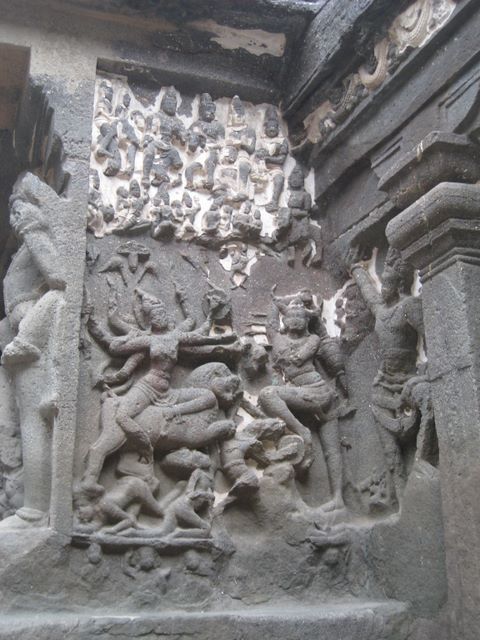 |
From Verul - Ellora |


Following is story recorded by the people who read them at the pyramids.
IT was in the reign of King Rameses, son of the Sun, beloved of Amon, king of the gods. A mighty warrior was Rameses; in the day of battle like to Mentu, god of war; he was very valorous, like the son of the Sky-goddess.
Now his Majesty was in Naharaina, where the great river Euphrates rolls down to the sea. And he received the tribute of the vassal-princes, for he was the conqueror of the nine Archer-tribes, and none could stand before his face when he came forth equipped with all his weapons of war. The princes prostrated themselves before him, bowing their foreheads to the ground, breathing the earth which his feet had trodden. Great and splendid was their tribute: gold, and precious stones of all colours, blue lapis lazuli and the green turquoise sacred to Hathor, goddess of love and joy. And slaves came bearing on their backs sweet-scented woods, perfumed and aromatic, like the trees in the land of the Gods.
The prince of Bekhten came also, and with him his eldest daughter; and he placed her in front of the slaves, for she was the choicest part of his tribute. Very beautiful was she, fair in her limbs, tall and slender as a palm-tree, and the heart of the King turned to her with delight, and he loved her more than anything on earth. He made her the Great Royal Wife, and he gave her a name by which she should be known in the land of Egypt; Neferu-Ra, "Beauty of Ra," was she called, for her beauty was like the shining of the sun. And the name was written in the royal oval, as is the custom of the kings of Egypt and their queens.
Then King Rameses returned to Egypt, and with him went the Great Royal Wife, Queen Neferu-Ra. And when they came to the Black Land, the land of Egypt, she performed all the ceremonies of a queen in the temples of Egypt.
Now it happened that King Rameses was in Thebes the Mighty on the twenty-second of the month Payni. And he went into the temple of Amon, for this was the day of the beautiful festival of the god, when the boats go up and down upon the water with torches and lights, and the Sacred Barque, adorned with gold and painted with glorious colours, is borne aloft, that men may see the figure of Amon-Ra himself within. And Queen Neferu-Ra was with his Majesty, for the Great Royal Wife in Egypt has ever been the worshipper of Amon-Ra, king of the gods.
There came into the temple courtiers of the King to announce the arrival of a messenger from the prince of Bekhten. Loaded was he with gifts for Neferu-Ra, Queen of Egypt, daughter of the prince of Bekhten, and he carried also a message to the King. When he entered the royal presence, he bowed to the earth saying, "Glory to thee, O Sun of the nine Archer-tribes! May we live before thee!" Then he bowed to the earth again and spoke the message that he had brought from the prince of Bekhten to Rameses, King of Egypt:
"I come to thee, O living King, my Lord, on account of Bent-reshy, the little sister of the Great Royal Wife, Neferu-Ra; for there is a malady in all her limbs. Send therefore a learned man that he may see and heal her."
The King turned to his courtiers and said, "Bring hither a scribe of the House of Life, and bring also those who speak the hidden things of the Inner Chamber." And the courtiers hastened and brought them into the presence forthwith, and the King said to them, "I have brought you hither to hear this matter. Tell me then of a man, learned and skilful, to send to the prince of Bekhten."
Then they took counsel among themselves as to a learned and skilful man, and they brought the scribe Tehuti-em-heb before the King, and the King bade him go with the messenger of the prince of Bekhten to heal Bent-reshy, the little sister of the Great Royal Wife.
When the scribe Tehuti-em-heb came to Bekhten, he was brought into the presence of Bent-reshy. He was a learned and a skilful man, and he found the princess under the dominion of a spirit, a spirit that was hostile to him, against whom his learning and skill were of no avail, who set his magic arts at naught.
Then the prince of Bekhten was sad, and sorrow was in his heart, but Tehuti-em-heb the scribe counselled him to send again to Egypt and to implore the help of Khonsu, the Expeller of Demons, to cast out the evil spirit from Bent-reshy, the little sister of the Great Royal Wife.
Now so great was the distance from Bekhten to Egypt that from the time that Tehuti-em-heb the scribe departed out of Thebes till the second message came to King Rameses was three years, and throughout that time the evil spirit dwelt in Bent-reshy and would not be cast out.
And when the second messenger arrived, King Rameses was again in Thebes, and it was the first of the month Pakhons, the month that is sacred to Khonsu. He entered into the temple, and with him came his courtiers, and the messenger of the prince of Bekhten. In the temple were two statues of Khonsu; very marvellous figures were these, very sacred, very holy; the one was called Khonsu in Thebes Neferhotep, and the other Khonsu, the Expeller of Demons. Now Khonsu is the God of the Moon, the son of Amon-Ra and of Mut, Lady of Ashru, and men represent him with the curled lock of youth, for he is ever young and beautiful.
Then the King stood before the great statue of Khonsu in Thebes Neferhotep and said, "O my good Lord, I come again into thy presence on account of the daughter of the prince of Bekhten."
Then the priests lifted the statue of Khonsu in Thebes Neferhotep and placed it in front of Khonsu, the Expeller of Demons. And the King spoke again before Khonsu in Thebes Neferhotep and said, "My good Lord, turn thy face to Khonsu, the Expeller of Demons. Grant that he may go to Bekhten."
Khonsu in Thebes Neferhotep inclined his head twice in token of assent. Very marvellous was the figure of Khonsu in Thebes Neferhotep.
And yet again King Rameses spoke, "Let thy protection be with him. Grant that I may send the Majesty of Khonsu to Bekhten to save Bent-reshy, the little sister of the Great Royal Wife."
Khonsu in Thebes Neferhotep inclined his head twice in token of assent. Very marvellous was the figure of Khonsu in Thebes Neferhotep. And he gave his magical protection four times to Khonsu, the Expeller of Demons.
Then King Rameses gave command, and Khonsu, the Expeller of Demons, was placed in the Great Boat; and around the Great Boat were five small boats, with chariots and horses, numerous and splendid, on the right hand and on the left. The retinue of Khonsu, the Expeller of Demons, was the retinue of a king. For a year and five months they journeyed until they reached Bekhten.
The prince of Bekhten came out with his bowmen and his courtiers to meet Khonsu, the Expeller of Demons, with a royal welcome, and they entered into his presence as into the presence of a king. The prince of Bekhten fell on his knees and laid his forehead on the ground at the feet of Khonsu, the Expeller of Demons, and said, "Thou hast come to us. O, be kind to us according to the words of Rameses, King of Egypt."
They brought Khonsu, the Expeller of Demons, to the chamber of Bent-reshy, the little sister of the Great Royal Wife; and he made a magical protection over her. Lo, there happened a wonder and a marvel, for she was well and whole in a moment.
Then the spirit, who had been in her, spoke in the presence of Khonsu, the Expeller of Demons, "Thou hast come in peace, O great God, Expeller of Demons. Bekhten is thy city, its people are thy slaves. I bow before thee, for I also am thy slave. I will go to that place from which I came that thy heart may have peace. But ere I go, let the Majesty of Khonsu give command that a holy day be made for me by the prince of Bekhten."
When he had heard these words, Khonsu, the Expeller of Demons, inclined his head to the priest and said, "Let the prince of Bekhten make a great sacrifice for this spirit."
The prince of Bekhten, and his soldiers and his courtiers heard the voices of the spirit and of the god, and they trembled and were exceedingly afraid. They obeyed the command of the god and prepared a great sacrifice for Khonsu, the Expeller of Demons, and for the spirit that came out of Bent-reshy, the little sister of the Great Royal Wife, the daughter of the prince of Bekhten. And they made a holy day with offerings, sacrifices, and libations.
So the spirit, in the form of a Shining One, went his way in peace out of the land of Bekhten, and he went whithersoever it pleased him, as Khonsu, the Expeller of Demons, had commanded.
The prince of Bekhten was glad and his heart rejoiced, and all the people rejoiced also that the spirit had been driven out of Bent-reshy and out of the land of Bekhten. But in the midst of his joy and gladness, fear came upon the heart of the prince of Bekhten lest the spirit should return and take up his abode again in the land, when Khonsu, the Expeller of Demons, had departed. He took counsel with himself and said, "I will keep Khonsu, the Expeller of Demons, in Bekhten. I will not let him return to Egypt." So Khonsu, the Expeller of Demons, remained three years, four months, and five days in Bekhten, for the prince of Bekhten would not let him go.
And at the end of that time the prince of Bekhten lay upon his bed at night and slept, and while he slept a vision passed before his eyes. He dreamed that he stood before the shrine of Khonsu, the Expeller of Demons; the great doors of the shrine were folded back and the god came forth, stepping out between the doors. He changed into the form of a hawk with feathers of gold, burnished and beautiful, and soared high into the air with wings outspread, and like an arrow he darted towards Egypt.
When the prince of Bekhten awoke, he was exceedingly afraid, for he feared the wrath of the Gods. And he sent for the priest of Khonsu, the Expeller of Demons, and said to him, "The god is estranged from us, he has returned to Egypt. Let his chariot also return to Egypt." The prince of Bekhten gave command that the god should be taken back to Egypt, and he loaded the god with gifts. Great and numerous were the gifts of all manner of beautiful things that the prince of Bekhten gave to Khonsu, the Expeller of Demons.
For many months they journeyed, and with them went an escort of soldiers and horses from the land of Bekhten. They arrived in safety at Thebes, and entered into the temple of Khonsu in Thebes Neferhotep.
Then Khonsu, the Expeller of Demons, gave to Khonsu in Thebes Neferhotep all the gifts, the rich and costly gifts, which he had received from the prince of Bekhten; nothing did he keep for himself. Thus ended the journey of Khonsu, the Expeller of Demons, the great God.
Interesting Time Calculations in the Ancient India....

The shortest period of time is a Matra, which is equal to the twinkling of the human eye. Fifteen Matras = one Kashtha;
thirty Kashthas = one Kala;
fifteen Kalas = one Nadika.
A Nadika is ascertained by a measure of water, with a vessel made of twelve Palas and a half of copper, in the bottom of which there is to be a hole made with a tube of gold, of the weight of four Mashas, and four inches long. According to the Magadha measure, the vessel should hold a Prastha (or sixteen Palas) of water.
Two of these Nadis = one Muhurtta;
thirty Muhurtta = one day and night.
Thirty such periods = one month;
twelve months = one year, or a day and night of the gods;
three hundred and sixty such days = one year of the celestials.
An aggregate of four ages contains twelve thousand divine years; and a thousand periods of four ages complete a day of Brahma.
That period is also termed a Kalpa, during which fourteen Manus preside; and at the end of it occurs the incidental or Brahma dissolution.
Another presentation ....
2 Paramanus = 1 Anu
3 Anus = 1 Trasarenu
3 Trasarenus = 1 Truti
100 Trutis = 1 Vedha
3 Vedhas = 1 Lava
3 Lavas = 1 Nimesha
3 Nimeshas = 1 Kshana
5 Kshanas = 1 Kashtha
15 Kashthas = 1 Laghu
15 Laghus = 1 Narika
2 Narikas = 1 Muhurtta
6 or 7 Narikas = 1 Yama, or watch of the day or night.
6 respirations (Prana) = 1 Vikala;
60 Vikalas = 1 Danda;
60 Dandas = 1 sydereal day.
60 Tilas = 1 Vipala;
60 Vipalas = 1 Pala;
60 Palas = 1 Danda or Ghari
the year of the seven Rishis = 3030 mortal years,
the year of Dhruva = 9090 such years.
Krita Yuga = 4000 + Sandhya 400 + Sandhyansa 400 = 4800
Treta Yuga = 3000 + Sandhya 300 + Sandhyansa 300 = 3600
Dwapara Yuga = 2000 + Sandhya 200 + Sandhyansa 200 = 2400
Kali Yuga = 1000 + Sandhya 100 + Sandhyansa 100 = 1200
Total = 12000.
one hundred years of Brahma, are 311.040.000.000.000 years of mortals.
Sinskrit Counting
Das'a, 10;
S'atam, 100;
Sahasram, 1000;
Ayutam, 10.000;
Niyutam, 100.000;
Prayutam, 1.000.000;
Arvudam, 10.000.000;
Nyurvudam, 100.000.000;
Vrindam, 1.000.000.000;
Param, 10.000.000.000;
Kharvam, 100.000.000.000;
Nikharvam, 1000.000.000.000;
S'ankham, 10.000.000.000.000;
Padmam, 100.000.000.000.000;
Samudram, 1.000.000.000.000.000;
Madhyamam, 10.000.000.000.000.000;
Pararddham,100.000.000.000.000.000.

This story was told by the Gutama Buddha while at Jetavana, about a certain stubborn Bhikhu. For the Blessed One asked him whether the report was true that he was stubborn, and the Bhikhu admitted that it was. "Bhikhu," said the Gutama Buddha, "this is not the first time you have been stubborn: you were just as stubborn in former days. Also, and, as the result of your stubborn refusal to follow the advice of the wise and good, you met your end by the bite of a snake." And so saying, he told this story of the past.
_____________________________
Once on a time when Brahmadatta was reigning in Benares, the Bodhisatta was born into a wealthy family in the Kingdom of Kasi. Having come to years of discretion, he saw how from passion springs pain and how true bliss comes by the abandonment of passion. So he put lusts from him, and going forth to the Himalayas became a hermit, winning by fulfillment of the ordained mystic meditations the five orders of the Higher Knowledge and the eight Attainments. And as he lived his life in the rapture of Insight, he came in after times to have a large following of five hundred hermits, whose teacher he was.
Now one day a young poisonous viper, wandering about as vipers do, came to the hut of one of the hermits; and that Bhikhu grew as fond of the creature as if it were his own child, housing it in a joint of bamboo and showing kindness to it. And because it was lodged in a joint of bamboo, the viper was known by the name of "Bamboo." Moreover, because the hermit was as fond of the viper as if, it were his own child, they called him "Bamboo's Father."
Hearing that one of the Brethren was keeping a viper; the Bodhisatta sent for that Bhikhu and asked whether the report was true. When told that it was true, the Bodhisatta said, "A viper can never be trusted; keep it no longer."
"But," urged the Bhikhu, "my viper is dear to me as a pupil to a teacher; I could not live without him." "Well then," answered the Bodhisatta, "know that this very snake will lose you your life." But heedless of the Bodhisatta's warning, that Bhikhu still kept the pet he could not bear to part with. Only a very few days later all the Brethren went out to gather fruits, and coming to a spot where all kinds grew in plenty, they stayed there two or three days. With them went "Bamboo's Father," leaving his viper behind in its bamboo prison. Two or three days afterwards, when he came back, he bethought him of feeding the creature, and, opening the cane, stretched out his hand, saying, "Come, my son; you must be hungry." But angry with its long fast, the viper bit his outstretched hand, killing him on the spot, and made its escape into the forest.
Seeing him lying there dead, the Brethren came and told the Bodhisatta, who bade the body is burned. Then, seated in their midst, he exhorted the Brethren by repeating this stanza:--
The stubborn man, who, when exhorted, pays
No heed to friends who kindly counsel give,--
Like 'Bamboo's father,' shall be brought to nought.
Thus did the Bodhisatta exhort his followers; and he developed within himself the four Noble States, and at his death was re-born into the Brahma Realm.
_____________________________
Said the Gutama Buddha, "Bhikhu, this is not the first time you have shown yourself stubborn; you were no less stubborn in times gone by, and thereby met your death from a viper's bite." Having ended his lesson, the Gutama Buddha showed the connection and identified the Birth by saying, "In those days, this stubborn Bhikhu was 'Bamboo's Father,' my disciples were the band of disciples, and I myself their teacher."

SEEING ONE’S OWN IMPURE ACTION THE EVIL DOER GRIEVES AND IS VEXED HERE AND HEREAFTER.
Idha socati pecca socati, papakari ubhayattha socati,
so socati so vihannati,disva kammakiliffham attano.
Here one grieves, one grieves hereafter,in bothwise does the evil-doer grieve;
one grieves and is afflicted, one’s own base kammas seeing.
This story was told by the Master (Gautam Buddha) while at Jetavana about the Elder Losaka Tissa.
'Who,' you ask, 'was this Elder Losaka Tissa?' Well; his father was a fisherman in Kosala, and he was the bane of his family; and, when a Brother, never had anything given to him. His previous existence ended, he had been conceived by a certain fisherman's wife in a fishing-village of a thousand families in Kosala. And on the day he was conceived all those thousand families, net in hand, went fishing in river and pool but failed to catch one single fish; and the like bad fortune dogged them from that day forward. Also, before his birth, the village was destroyed seven times by fire, and visited seven times by the king's vengeance. So in time it came to pass that the people fell into a wretched plight. Reflecting that such had not been their lot in former clays, but that now they were going to rack and ruin, they concluded that there must be some breeder of misfortune among them, and resolved to divide into two bands. This they did; and there were then two bands of five hundred families each. Thence-forward, ruin dogged the band which included the parents of the future Losaka, whilst the other five hundred families throve apace. So the former resolved to go on halving their numbers, and did so, until this one family was parted from all the rest. Then they knew that the breeder of misfortune was in that family, and with blows drove them away. With difficulty could his mother get a livelihood; but, when her time was come, she gave birth to her son in a certain place. (He that is born into his last existence cannot be killed. For like a lamp within a jar, even so securely within his breast burns the flame of his destiny to become an Arahat.) The mother took care of the child till he could run about, and when he could run about then she put a potsherd in his hands, and, bidding him go into a house to beg, ran away. Thenceforward, the solitary child used to beg his food thereabouts and sleep where he could. He was unwashed and unkempt, and made a living after the fashion of a mud-eating goblin. When he was seven years old, he was picking. up and eating, like a crow, lump by lump, any rice he could find outside a house door where they flung away the rinsings of the rice-pots.
Sariputta, Captain of the Faith, going into Savatthi on his round for alms, noticed the child, and, wondering what village the hapless creature came from, was filled with love for him and called out "Come here." The child came, bowed to the Elder, and stood before him. Then said Sariputta, "What village do you belong to, and where are your parents?"
"I am destitute, sir," said the child; "for my parents said they were tired out, and so forsook me, and went away."
"Would you like to become a Brother?" "Indeed I should, sir; but who would receive a poor wretch like me into the Order?" "I will." "Then, pray let me become a Brother."
The Elder gave the child a meal and took him to the monastery, washed, him with his own hands, and admitted him a Novice first and a full Brother afterwards, when he was old enough. In his old age he was known as Elder Losaka Tissa; he was always unlucky, and but little was given to him. The story goes that, no matter how lavish the charity, he never got enough to eat, but only just enough to keep himself alive. A single ladle of rice seemed to fill his alms-bowl to the brim, so that the charitable thought his bowl was full and bestowed the rest of their rice on the next. When rice was being put into his bowl, it is said that the rice in the giver's dish used to vanish away. And so with every kind of food. Even when, as time went by, he had developed Discernment and so won the highest Fruit which is Arahatship, he still got but little.
In the fullness of time, when the materials which determined his separate existence were outworn, the day came for him to pass away. And the Captain of the Faith, as he meditated, had knowledge of this, and thought to himself, 'Losaka Tissa will pass away to-day; and to-day at any rate I will see that he has enough to eat.' So he took the Elder and came to Savatthi for alms. But, because Losaka was with him, it was all in vain that Sariputta held out his hand for alms in populous Savatthi; not so much as a bow was vouchsafed him. So he bade the Elder go back and seat himself in the sitting-hall of the Monastery, and collected food which he sent with a message that it was to be given to Losaka. Those to whom he gave it took the food and went their way, but, forgetting all about Losaka, ate it themselves. So when Sariputta rose up, and was entering the monastery, Losaka came to him and saluted him. Sariputta stopped, and turning round said, "Well, did you get the food, brother?"
"I shall, no doubt, get it in good time," said the Elder. Sariputta was greatly troubled, and looked to see what hour it was. But noon was passed. "Stay here, Brother," said Sariputta; "and do not move"; and he made Losaka Tissa sit down in the sitting-hall, and set out for the palace of the king of Kosala. The king bade his bowl be taken, and saying that it was past noon and therefore not the time to eat rice, ordered his bowl to be filled with the four sweet kinds of food. With this he returned, and stood before him, bowl in hand, bidding the sage eat. But the Elder was ashamed, because of the reverence he had towards Sariputta, and would not eat. "Come, brother Tissa," said Sariputta, "'tis I must stand with the bowl; sit you down and eat. If the bowl left my hand, everything in it would vanish away."
So the venerable Elder Losaka Tissa ate the sweets, whilst the exalted Captain of the Faith stood holding the bowl; and thanks to the latter's merits and efficacy the food did not vanish. So the Elder Losaka Tissa ate as much as he wanted and was satisfied, and that selfsame day passed away by that death whereby existence ceases for ever.
The All-Enlightened Buddha stood by, and saw the body burned; and they built a shrine for the collected ashes.
Seated in conclave in the Hall of Truth, the Brethren said, "Brethren, Losaka was unlucky, and little was given to him. How came he with his unluck and his neediness to win the glory of Arahatship?"
Entering the Hall, the Master asked what they were talking about; and they told him. "Brethren," said he, "this Brother's own actions were the cause both of his receiving so little, and of his becoming an Arahat. In bygone days he had prevented others from receiving, and that is why he received so little himself. But it was by his meditating on sorrow, transitoriness, and the absence of an abiding principle in things, that he won Arahatship for himself." And so saying, he told this story of the past.
_____________________________
Once upon a time, in the days of the Buddha Kassapa, there was a Brother who lived the village life and was maintained by a country squire (a title of respect given to a magistrate or local dignity, especially in a rural district). He was regular in his conduct as a Brother, virtuous in his life, and was filled to overflowing with insight. There was also an Elder, an Arahat, who lived with his fellows on terms of equality, and at the time of the story paid a first visit to the village where lived the squire who supported this Brother. So pleased was the squire with the very demeanour of the Elder that, taking his bowl, he led him into the house and with every mark of respect invited him to eat. Then he listened to a short discourse by the Elder, and at its close said, with a bow, "Sir, pray do not journey further than our monastery close by; in the evening I will come and call upon you there." So the Elder went to the monastery, saluting the resident Brother on his entrance; and, first courteously asking leave, took a seat by his side. The Brother received him with all friendliness, and asked whether any food had been given him as alms.
"Oh yes," replied the Elder. "Where, pray?" "Why, in your village close by, at the squire's house." And so saying, the Elder asked to be shewn his cell and made it ready. Then laying aside his bowl and robe, and seating himself, he became absorbed in blissful Insight and enjoyed the bliss of the Fruits of the Paths.
In the evening came the squire, with servants carrying flowers and perfumes and lamps and oil. Saluting the resident Brother, he asked whether a guest had appeared, an Elder. Being told that he had, the squire asked where he was and learned which cell had been given him. Then the squire went to the Elder and, first bowing courteously, seated himself by the Elder's side and listened to a discourse. In the cool of the evening the squire made his offerings at the Tope and Bo-Tree, lit his lamp, and departed with an invitation to both Elder and Brother to come up to his house next day for their meal.
"I'm losing my hold on the squire," thought the Brother. "If this Elder stops, I shall count for nothing with him." So he was discontented and fell a-scheming how to make the Elder see that he must not settle down there for good. Accordingly, when the Elder came to pay his respects in the early morning, the Brother did not open his lips. The Arahat read the other's thoughts and said to himself, "This Brother knows not that I shall never stand in his light either with the family that supports him or with his Brotherhood." And going back to his cell, he became absorbed in the bliss of Insight, and in the bliss of the Fruits.
Next day, the resident Brother, having first knocked gingerly on the gong, and having tapped on the gong with the back of his nail, went off alone to the squire's house. Taking from him his alms-bowl, the squire bade him be seated and asked where the stranger was.
"I know no news of your friend," said the Brother. "Though I knocked on the gong and tapped at his door, I couldn't wake him. I can only presume that his dainty fare here yesterday has disagreed with him and that he is still a-bed in consequence. Possibly such doings may commend themselves to you."
(Meantime the Arahat, who had waited till the time came to go his round for alms, had washed and dressed and risen with bowl and robe in the air and gone elsewhere.)
The squire gave the Brother rice and milk to eat, with ghee and sugar and honey in it. Then he had his bowl scoured with perfumed chunam powder and filled afresh, saying, "Sir, the Elder must be fatigued with his journey; take him this." Without demur the Brother took the food and went his way, thinking to himself, "If our friend once gets a taste of this, taking him by the throat and kicking him out of doors won't get rid of him. But how can I get rid of it? If I give it away to a human being, it will be known. If I throw it into the water, the ghee will float on top. And as for throwing it away on the ground, that will only bring all the crows of the district flocking to the spot." In his perplexity his eye fell on a field that had been fired, and, scraping out the embers, he flung the contents of his bowl into the hole, filled in the embers on the top, and went off home. Not finding the Elder there, he thought that the Arahat had understood his jealousy and departed. "Woe is me," he cried, "for my greed has made me to sin."
And thenceforth sore affliction befell him and he became like a living ghost. Dying soon after, he was re-born in hell and there was tormented for hundreds of thousands of years. By reason of his ripening sin, in five hundred successive births he was an ogre and never had enough to eat, except one day when he enjoyed a surfeit of offal. Next, for five hundred more existences he was a dog, and here too, only on one single day had his fill--of a vomit of rice; on no other occasion did he have enough to eat. Even when he ceased to be a dog, he was only born into a beggar family in a Kasi village. From the hour of his birth, that family became still more beggared, and he never got half as much water-gruel as he wanted. And he was called Mitta-vindaka.
Unable at last to endure the pangs of hunger that now beset them, his father and mother beat him and drove him away, crying, "Begone, you curse!"
In the course of his wanderings, the little outcast came to Benares, where in those days the Bodhisatta was a teacher of world-wide fame with five hundred young Brahmins to teach. In those times the Benares folk used to give day by day commons of food to poor lads and had them taught free, and so this Mitta-vindaka also became a charity scholar under the Bodhisatta. But he was fierce and intractable, always fighting with his fellows and heedless of his master's reproofs; and so the Bodhisatta's fees fell off. And as he quarrelled so, and would not brook reproof, the youth ended by running away, and came to a border-village where he hired himself out for a living, and married a miserably poor woman by whom he had two children. Later, the villagers paid him to teach them what was true doctrine and what was false, and gave him a hut to live in at the entrance to their village. But, all because of Mitta-vindaka's coming to live among them, the king's vengeance fell seven times on those villagers, and seven times were their homes burned to the ground; seven times too did their water-tank dry up.
Then they considered the matter and agreed that it was not so with them before Mitta-vindaka's coming, but that ever since he came they had been going from bad to worse. So with blows they drove him from their village; and forth he went with his family, and came to a haunted forest. And there the demons killed and ate his wife and children. Fleeing thence, he came after many wanderings to a village on the coast called Gambhira, arriving on a day when a ship was putting to sea; and he hired himself for service aboard. For a week the ship held on her way, but on the seventh day she came to a complete standstill in mid-ocean, as though she had run upon a rock. Then they cast lots, in order to rid them of their bane; and seven times the lot fell on Mitta-vindaka. So they gave him a raft of bamboos, and laying hold of him, cast him over-board. And forthwith the ship made way again.
Mitta-vindaka clambered on to his bamboos and floated on the waves. Thanks to his having obeyed the commandments in the times of the Buddha Kassapa, he found in mid-ocean four daughters of the gods dwelling in a palace of crystal, with whom he dwelt happily for seven days. Now palace-ghosts enjoy happiness only for seven days at a time; and so, when the seventh day came and they had to depart to their punishment, they left him with an injunction to await their return. But no sooner were they departed, than Mitta-vindaka put off on his raft again and came to where eight daughters of the gods dwelt in a palace of silver. Leaving them in turn, he came to where sixteen daughters of the gods dwelt in a palace of jewels, and thereafter to where thirty-two dwelt in a palace of gold. Paying no regard to their words, again he sailed away and came to a city of ogres, set among islands. And there an ogress was ranging about in the shape of a goat. Not knowing that she was an ogress, Mitta-vindaka thought to make a meal off the goat, and seized hold of the creature by the leg. Straightway, by virtue of her demon-nature, she hurled him up and away over the ocean, and plump he fell in a thorn-brake on the slopes of the dry moat of Benares, and thence rolled to earth.
Now it chanced that at that time thieves used to frequent that moat and kill the King's goats; and the goatherds had bidden themselves hard by to catch the rascals.
Mitta-vindaka picked himself up and saw the goats. Thought he to himself, "Well, it was a goat in an island in the ocean that, being seized by the leg, hurled me here over seas. Perhaps, if I do the same by one of these goats, I may get hurled back again to where the daughters of the gods dwell in their ocean palaces." So, without thinking, he seized one of the goats by the leg. At once the goat began to bleat, and the goatherds came running up from every side. They laid hold of him at once, crying, "This is the thief that has so long lived on the King's goats." And they, beat him and began to haul him away in bonds to the King.
Just at that time the Bodhisatta, with his five hundred young Brahmins round him, was coming out of the city to bathe. Seeing and recognising Mitta-vindaka, he said to the goatherds, "Why, this is a pupil of mine, my good men; what have you seized him for?" "Master," said they, "we caught this thief in the act of seizing a goat by the lag, and that's why we've got hold of him." "Well," said the Bodhisatta, "suppose you hand him over to us to live with us as our slave." "All right, sir," replied the men, and letting their prisoner go, they went their way. Then the Bodhisatta asked Mitta-vindaka where he had been all that long time; and Mitta-vindaka told him all that he had done.
"'Tis through not hearkening to those who wished him well," said the Bodhisatta, "that he has suffered all these misfortunes." And he recited this stanza:--
The headstrong man who, when exhorted, pays
No heed to friends who kindly counsel give,
Shall come to certain harm,--like Mittaka,
When by the leg he seized the grazing goat.
And in those times both that Teacher and Mitta-vindaka passed away, and their after-lot was according to their deeds.
_____________________________
Said the Master, "This Losaka was himself the cause both of his getting little and of his getting Arahatship." His lesson ended, he showed the connection and identified the Birth by saying, "The Elder Losaka Tissa was the Mitta-vindaka of those days, and I the Teacher of world-wide fame."
KHADIRANGARA-JATAKA.
Evil Seems Sweet Until It Ripens & Good May Seem Bad Until Good Matures

NANDA-JATAKA.

This story was told by the Master while at Jetavana, about a co-resident scholar of Sariputta.
This Bhikku was submissive and obedient, and was enthusiastic in helping to the senior (Sariputta). Now, on one occasion the senior departed with the leave of the Master, on an alms-pilgrimage, and came to South Magadha. When he got there, that Bhikku grew so proud-stomached that he would not do what the Senior told him. Moreover, if he was addressed with, "Sir, do this," he quarreled with the senior. The senior could not make out what possessed him.
After making his pilgrimage in those parts, he came back again to Jetavana. The moment he got back to the monastery at Jetavana, the Bhikku became again what he had always been.
The Senior told this to the Buddha, saying, "Sir, a co-resident of mine is in one place like a slave bought for a hundred pieces, and in another so proud-stomached that an order to do anything makes him quarrel."
Said the Master, "This is not the first time, Sariputta, that he has shown this disposition; in the past too, if he went to one place, he was like a slave bought for a hundred pieces, whilst, if he went to another place, he would become quarrelsome and contentious." And, so saying, by request of the Senior, he told this story of the past.
_____________________________
Once on a time when Brahmadatta was reigning in Benares, the Bodhisatta came to life again as a squire (a title of respect given to a magistrate or local dignity, especially in a rural district). Another squire, a friend of his, was an old man himself, but had a young wife who had borne him a son and heir. Said the old man to himself, "As soon as I am dead, this girl, being so young as she is, will marry heaven knows whom, and spend all my money, instead of handing it over to my son. Wouldn't it be my best course to bury my money safely in the ground?"
So, in the company of a household slave of his named Nanda, he went to the forest and buried his riches at a certain spot, saying to the slave, "My good Nanda, reveal this treasure to my son after I am gone, and don't let the wood be sold."
After giving this injunction to his slave, the old man died. In due course the son grew up, and his mother said to him, "My son, your father, in the company of Nanda, buried his money. Get it back and look after the property of the family." So one day he said to Nanda, "Nunky, is there any treasure which my father buried?" "Yes, my lord." "Where is it buried?" "In the forest, my lord." "Well, then, let us go there." And he took a spade and a basket, and going to the scene, said to Nanda, "Well, nunky, where's the money?" But by the time Nanda had got up to the treasure and was standing right over it, he was so puffed up by the money that he abused his master, saying, "You servant of a slave-wench's son! how should you have any money here?"
The young gentleman, pretending not to have heard this insolence, simply said, "Let us be going then," and took the slave back home with him. Two or three days later, he returned to the place; but again Nanda abused him, as before. Without any abusive rejoinder, the young gentleman came back and turned the matter over in his mind. Thought he to himself, "At starting, this slave always means to reveal where the money is; but no sooner does he get there, than he falls to abusing me. The reason of this I do not see; but I could find out, if I were to ask my father's old friend, the squire." So he went to the Bodhisatta, and laying the whole business before him, asked his friend what was the real reason of such behaviour.
Said the Bodhisatta, "The spot at which Nanda stands to abuse you, my friend, is the place where your father's money is buried. Therefore, as soon as he starts abusing you again, say to him, 'Whom are you talking to, you slave?' Pull him from his perch, take the spade, dig down, remove your fancily treasure, and make the slave carry it home for you." And so saying, he repeated this stanza
I think. the gold and jewels buried lie
Where Nanda, low-born slave, so loudly bawls! (shout something in a loud and usually aggressive voice)
Taking a respectful leave of the Bodhisatta, the young gentleman went home, and taking Nanda went to the spot where the money was buried. Faithfully following the advice he had received, he brought the money away and looked after the family property. He remained steadfast in the Bodhisatta's counsels, and after a life spent in charity and other good works he passed away to fare according to his deserts.
_____________________________
Said the Master, "In the past too this man was similarly disposed." His lesson ended, he showed the connection, and identified the Birth, by saying, Sariputta's co-resident was the Nanda of those days, and I the wise and good squire,"
KULAVAKA-JATAKA.
Dear Friends, following is one link where you will find a knowledge about service.
http://wisdomfromsrisriravishankar.blogspot.com/search/label/Service%20
I am art of living devotee, and I love teaching of Sri Sri RaviShankar; who, for me is simply a Great Guru !!! ( the next birth of Buddha). Lot of things are happening with me since I took first Basic Course of art of living. Lot many things to tell but .... let you experience yourself and then tell me.
The Jatak Katha, I am presenting here is about the importance of the "service" .... just enjoy....

"Let all the forest's nestlings."--This story was told by the Master while at Jetavana, about a brother who drank water without straining it.
Tradition says that two young Brothers who were friends went from Savatthi into the country, and took up their abode in a pleasant spot. After staying here as long as they wanted, they departed and set out for Jetavana in order to see the Perfect Buddha.
One of them carried a strainer; the other had none; so both of them used the same strainer before drinking. One day they fell out. The owner of the strainer did not lend it to his companion, but strained and drank alone by himself.
As the other was not allowed the strainer, and as he could not endure his thirst, he drank water without straining it. In due course both reached Jetavana and with respectful salutation to the Master took their seats. After friendly words of greeting, he asked whence they had come.
"Sir," said they, "we have been living in a hamlet in the Kosala country, whence we have come in order to see you." "I trust you have arrived as good friends as you started?" Said the brother without a strainer, "Sir, he fell out with me on the road and would not lend me his strainer.", Said the other, "Sir, he didn't strain his water, but--wittingly--drank it down with all the living things it contained." "Is this report true, Brother, that you wittingly drank off water with all the living things it contained?" "Yes, sir, I did drink unstrained water," was the reply. "Brother, the wise and good of bygone days, when flying in rout along the deep in the days of their sovereignty over the City of the Devas, thought scorn to slay living-creatures in order to secure power for themselves. Rather, they turned their chariot back, sacrificing great glory in order to save the lives of the young of the Garudas." And, so saying, he told this story of the past.
_____________________________
Once on a time there was a king of Magadha reigning at Rajagaha in the laud of Magadha. And just as he who is now Sakka came to life in his preceding birth in the hamlet of Macala in the land of Magadha, even so was it in the selfsame hamlet that the Bodhisatta came to life in those days as a young noble. When the day for his naming came, he was named 'Prince Magha,' but when he grew up, it was as 'Magha the young Brahmin' that he was known. His parents took a wife for him from a family of equal rank with their own; and he, with a family of sons and daughters growing up round him, excelled in charity, and kept the Five Commandments.
In that village there were just thirty families, and one day the men were standing in the middle of the village transacting the affairs of the village. The Bodhisatta had kicked aside the dust from where he was standing, and was standing there in comfort, when up came another and took his stand there. Then the Bodhisatta made himself another comfortable standing-place,--only to have it taken from him like the first. Again and again the Bodhisatta began afresh until he had made comfortable standing-places for every man there. Another time he put up a pavilion,--which later on he pulled down, building a hall with benches and a jar of water inside. Another time these thirty men were led by the Bodhisatta to become like-minded with himself; he established them in the Five Commandments, and thenceforth used to go about with them doing good works. And they too doing good works, always in the Bodhisatta's company, used to get up early and sally forth, with razors and axes and clubs in their hands. With their clubs they used to roll out of the way all stones that lay on the four highways and other roads of the village; the trees that would strike against the axles of chariots, they cut down; rough places they made smooth; causeways they built, dug water-tanks, and built a hall; they shewed charity and kept the Commandments. In this wise did the body of the villagers generally abide by the Bodhisatta's teachings and keep the Commandments.
Thought the village headman to himself, "When these men used to get drunk and commit murders and so forth, I used to make a lot of money out of them not only on the price of their drinks but also by the fines and dues they paid. But now here's this young Magha bent on making them keep the Commandments; he is putting a stop to murders and other crime." And in his rage he cried, "I'll make them keep the Five Commandments!" And he repaired to the king, saying, "Sire, there is a band of robbers going about sacking villages and committing other villainies." When the king heard this, he bade the headman go and bring the men before him. And away went the man and hauled up as prisoners before the king every one of those thirty men, representing them to be the rascals. Without enquiry into their doings, the king commanded offhand that they should be trampled to death by the elephant. Forthwith they made them lie down in the king's court-yard and sent for the elephant. The Bodhisatta exhorted them, saying, "Bear in mind the Commandments; love the slanderer, the king and the elephant as yourselves." And they did so.
Then the elephant was brought in to trample them to death. Yet lead him as they might, he would not approach them, but fled away trumpeting loudly. Elephant after elephant was brought up;--but they all fled away like the first. Thinking that the men must have some drug about their persons, the king ordered them to be searched. Search was made accordingly, but nothing was found;--and so they told the king. "Then they must be muttering some spell," said the king; "ask them whether they have got a spell to mutter."
The question being put to them, the Bodhisatta said they had got a spell. And this the king's people told his majesty. So the king had them all summoned to his presence and said, "Tell me your spell."
The Bodhisatta made answer, "Sire, we have no other spell than this, that not a man among the whole thirty of us destroys life, or takes what is not given, or misconducts himself, or lies; we drink no strong drink; we abound in lovingkindness; we shew charity; we level the roads, dig tanks, and build a public hall;--this is our spell, our safeguard, and our strength."
Well-pleased with them, the king gave them all the wealth in the slanderer's house and made him their slave; and he gave them the elephant and the village to boot.
Thenceforward, doing good works to their hearts' content, they sent for a carpenter and caused him to put up a large hall at the meeting of the four highways; but as they had lost all desire for womankind, they would not let any woman share in the good work.
Now in those days there were four women in the Bodhisatta's house, whose names were Goodness, Thoughtful, Joy, and Highborn. Of these Goodness, finding herself alone with the carpenter, gave him a douceur, saying,--"Brother, contrive to make me the principal person in connexion with this hall."
"Very good," said he. And before doing any other work on the building, he had some pinnacle-wood dried, which he fashioned and bored and made into a finished pinnacle. This he wrapped up in a cloth and laid aside. When the hall was finished, and it was time to put on the pinnacle, he exclaimed, "Alas, my masters, there's one thing we have not made." "What's that?" "Why, we ought to have a pinnacle." "All right, let one be got." "But it can't be made out of green wood; we ought to have a pinnacle which had been cut some time ago, and fashioned, and bored, and laid by." "Well, what is to be done now?" "Why, have a look round to see if anybody has got such a thing in his house as a ready-made pinnacle for sale." As they. looked round accordingly, they found one in the house of Goodness, but could not buy it of her for any money. "If you will make me a partner in the good work," said she, "I will give it you for nothing."
"No," was the reply, "we do not let women have a share in the good work."
Then said the carpenter to them, "My masters, what is this you say? Save the Realm of Brahma, there is no place from which women are excluded. Take the pinnacle, and our work will be complete."
Consenting, they took the pinnacle and completed their hall. They had benches put up, and jars of water set inside, providing also a constant supply of boiled rice. Round the hall they built a wall with a gate, strewing the space inside the wall with sand and planting a row of fan-palms outside.
Thoughtful too caused a pleasaunce to be laid out at this spot, and not a flowering or fruit-bearing tree could be named which did not grow there.
Joy, too, caused a water-tank to be dug in the same place, covered over with the five kinds of lotuses, beautiful to behold.
High-born did nothing at all.
The Bodhisatta fulfilled these seven injunctions,--to cherish one's mother, to cherish one's father, to honour one's elders, to speak truth, to avoid harsh speech, to eschew slander, and to shun niggardliness:--
Whoso supports his parents, honours age,
Is gentle, friendly-spoken, slandering not,
Unchurlish, truthful, lord--not slave--of wrath,
--Him e'en the Thirty Three shall hail as Good.
Such was the praiseworthy state to which he grew, and at his life's close he passed away to be reborn in the Realm of the Thirty-three as Sakka, king of Devas; and there too were his friends reborn.
__________________________________________________________
In those days there were Asuras dwelling in the Realm of the Thirty-three. Said Sakka, King of Devas, "What good to us is a kingdom which others share?" So he made the Asuras drink the liquor of the Devas, and when they were drunken, he had them hurled by the feet on to the steeps of Mount Sineru. They tumbled right down to 'The Asura Realm,' as it is called,--a region on the lowest level of Mount Sineru, equal in extent to the Realm of the Thirty-three. Here grows a tree, resembling the Coral Tree of the Devas, which lasts for an aeon and is called the Pied Trumpet-flower. The blossoms of this tree shewed them at once that this was not the Realm of Devas, for there the Coral Tree blooms. So they cried, "Old Sakka has made us drunk and cast us into the great deep, seizing on our heavenly city." "Come," they shouted, "let us win back our own realm from him by force of arms." And up the sides of Sineru they climbed, like ants up a pillar.
Hearing the alarm given that the Asuras were up, Sakka went out into the great deep to give them battle, but being worsted in the fight turned and fled away along crest after crest of the southern deep in his 'Chariot of Victory,' which was a hundred and fifty leagues long.
Now as his chariot sped along the deep, it came to the Forest of the Silk-Cotton Trees. Along the track of the chariot these mighty trees were mowed down like so many palms, and fell into the deep. And as the young of the Garudas hurtled through the deep, loud were their shrieks. Said Sakka to Matali, his charioteer, "Matali, my friend, what manner of noise is this? How heartrending it sounds." "Sire, it is the united cry of the young Garudas in the agony of their fear, as their forest is uprooted by the rush of your chariot." Said the Great Being, "Let them not be troubled because of me, friend Matali. Let us not, for empire's sake, so act as to destroy life. Rather will I, for their sake, give my life as a sacrifice to the Asuras. Turn the car back." And so saying, he repeated this stanza
Let all the forest's nestlings, Matali,
Escape our all-devouring chariot.
I offer up, a willing sacrifice,
My life to yonder Asuras; these poor birds
Shall not, through me, from out their nests be torn.
At the word, Matali, the charioteer, turned the chariot round, and made for the Realm of Devas by another route. But the moment the Asuras saw him begin to turn his chariot round, they cried out that the Sakkas of other worlds were surely coming up; "it must be his reinforcements which make him turn his chariot back again." Trembling for their lives, they all ran away and never stopped till they came to the Asura Realm. And Sakka entering heaven, stood in the midst of his city, girt round by an angelic host of his own and of Brahma's angels. And at that moment through the riven earth there rose up the 'Palace of Victory,' some thousand leagues high,--so-called because it arose in the hour of victory. Then, to prevent the Asuras from coming back again, Sakka had guards set in five places,--concerning which it has been said:--
Impregnable both cities stand! between,
In fivefold guard, watch Nagas, Garudas,
Kumbhandas, Goblins, and the Four Great Kings!
____________________________
But when Sakka was enjoying as king of Devas the glory of heaven, safely warded by his sentinels at these five posts, Goodness died and was reborn as a handmaiden of Sakka once more. And the effect of her gift of the pinnacle was that there arose for her a mansion--named 'Goodness'--studded with heavenly jewels, five hundred leagues high, where, under a white heavenly canopy of royal state, sat Sakka, king of Devas, ruling men and Devas.
Thoughtful, too, died, and was once more born as a handmaiden of Sakka; and the effect of her action in respect of the pleasaunce was such that there arose a pleasaunce called 'Thoughtful's Creeper-Grove.' Joy, too, died and was reborn once more as one of Sakka's handmaidens; and the fruit of her tank was that there arose a tank called 'Joy' after her. But Highborn, having performed no act of merit, was reborn as a crane in a grotto in the forest.
"There's no sign of Highborn," said Sakka to himself; "I wonder where she has been reborn." And as he considered the matter, he discovered her whereabouts. So he paid her a visit, and bringing her back with him to heaven shewed her the delightful city of the Devas, the Hall of Goodness, Thoughtful's Creeper-Grove, and the Tank called Joy. "These three," said Sakka, "have been reborn as my handmaidens by reason of the good works they did; but you, having done no good work, have been reborn in the brute creation. Henceforth keep the Commandments." And having exhorted her thus, and confirmed her in the Five Commandments, he took her back and let her go free. And thenceforth she did keep the Commandments.
A short time afterwards, being curious to know whether she really was able to keep the Commandments, Sakka went and lay down before her in the shape of a fish. Thinking the fish was dead, the crane seized it by the head. The fish wagged its tail. "Why, I do believe it's alive," said the crane, and let the fish go. "Very good, very good," said Sakka; "you will be able to keep the Commandments." And so saying he went away.
Dying as a crane, Highborn was reborn into the family of a potter in Benares. Wondering where she had got to, and at last discovering her whereabouts, Sakka, disguised as an old man, filled a cart with cucumbers of solid gold and sat in the middle of the village, crying, "Buy my cucumbers! buy my cucumbers!" Folk came to him and asked for them. "I only part with them to such as keep the Commandments," said he, "do you keep them?" "We don't know what you mean by your 'Commandments'; sell us the cucumbers." "No; I don't want money for my cucumbers. I give them away,--but only to those that keep the Commandments." "Who is this wag?" said the folk as they turned away. Hearing of this, Highborn thought to herself that the cucumbers must have been brought for her, and accordingly went and asked for some. "Do you keep the Commandments, madam?" said he. "Yes, I do," was the reply. "It was for you alone that I brought these here," said he, and leaving cucumbers, cart and all at her door he departed.
Continuing all her life long to keep the Commandments, Highborn after her death was reborn the daughter of the Asura king Vepacittiya, and for her goodness was rewarded with the gift of great beauty. When she grew up, her father mustered the Asuras together to give his daughter her pick of them for a husband. And Sakka, who had searched and found out her whereabouts, donned the shape of an Asura, and came down, saying to himself, "If Highborn chooses a husband really after her own heart, I shall be he."
Highborn was arrayed and brought forth to the place of assembly, where she was bidden to select a husband after her own heart. Looking round and observing Sakka, she was moved by her love for him in a bygone existence to choose him for her husband. Sakka carried her off to the city of the devas and made her the chief of twenty-five millions of dancing-girls. And when his term of life ended, he passed away to fare according to his deserts.
_____________________________
His lesson ended, the Master rebuked that Brother in these words, "Thus, Brethren, the wise and good of bygone days when they were rulers of the Devas, forbore, even at the sacrifice of their own lives, to be guilty of slaughter. And can you, who have devoted yourself to so saving a creed, drink unstrained water with all the living creatures it contains?" And he chewed the connexion and identified the Birth, by saying, "Ananda was then Matali the charioteer, and I Sakka."

MUNIKA-JATAKA.

_____________________________
"Then envy not poor Munika."--This story was told by the Master while at Jetavana about being seduced by a plump young woman.
Then the Master asked that Brother, saying, "Is it true, Brother, as they say, that you are passion-test?" "It is true, sir," was the reply. "Brother," said the Master, "she is your bane; even in bygone days, you met your end and were made into a relish for the company on her marriage-day." And so saying, he told this story of the past.
_____________________________
Once on a time, when Brahmadatta was reigning in Benares, the Bodhisatta came to life as an ox, named Big Red, on the squire's estate in a certain hamlet. And he had a younger brother who was known as Little Red. There were only these two brothers to do all the draught-work of the family. Also, the squire had an only daughter, whose hand was asked in marriage for his son by a gentleman of the town. And the parents of the girl, with a view to furnishing dainty fare for the wedding guests, began to fatten up a pig named Munika.
Observing this, Little Red said to his brother, "All the loads that have to be drawn for this household are drawn by you and me, my brother; but all they give us for our pains is sorry grass and straw to eat. Yet here is the pig being victualled on rice! What can be the reason why he should be treated to such fare?"
Said his brother, "My dear Little Red, envy him not; for the pig eats the food of death. It is but to furnish a relish for the guests at their daughter's wedding, that the family are feeding up the pig. Wait but a little time and the guests will be coining. Then will you see that pig lugged out of his quarters by the legs, killed, and in process of conversion into curry." And so saying, he repeated this stanza:--
Then envy not poor Munika; 'tis death
He eats. Contented munch your frugal chaff,--
The pledge and guarantee of length of days.
Not long afterwards the guests did arrive; and Munika was killed and cooked into all manner of dishes. Said the Bodhisatta to Little Red, "Did you see Munika, dear brother?" "I have indeed seen, brother, the outcome of Munika's feasting. Better a hundred, nay a thousand, times than such food is ours, though it be but grass, straw, and chaff;--for our fare harms us not, and is a pledge that our lives will not be cut short."
_____________________________
When he had ended his lesson to the effect that the Brother had thus in bygone days been brought to his doom by that young woman and had been made into a relish for the company, he preached the Truths, at the close whereof the passion-tost Brother reached the First Path of Salvation. Also the Master shewed the connexion and identified the Birth by saying, "The passion-tost Brother was the pig Munika of those days, the young woman is the same in both cases, Ananda was Little Red, and I myself Big Red."

TITTIRA-JATAKA.
TITTIRA-JATAKA.
"For they who honour age."--This story was told by the Master whilst on his way to Savatthi, about the way in which the Elder Sariputta was kept out of a night's lodging.
For, when Anatha-pindika had built his monastery, and had sent word that it was finished, the Master left Rajagaha and came to Vesali, setting out again on his journey after stopping at the latter place during his pleasure. It was now that the disciples of the Six hurried on ahead, and, before quarters could be taken for the Elders, monopolized the whole of the available lodgings, which they distributed among their superiors, their teachers, and themselves. When the Elders came up later, they could find no quarters at all for the night. Even Sariputta's disciples, for all their searching, could not find lodgings for the Elder. Being without a lodging, the Elder passed the night at the foot of a tree near the Master's quarters, either walking up and down or sitting at the foot of a tree.
At early dawn the Master coughed as he came out. The Elder coughed too. "Who is that?" asked the Master. "It is I, Sariputta, sir." "What are you doing here at this hour, Sariputta?" Then the Elder told his story, at the close of which the Master thought, "Even now, while I am still alive, the Brethren lack courtesy and subordination; what will they not do when I am dead and gone?" And the thought filled him with anxiety for the Truth. As soon as day had come, he had the assembly of the Brethren called together, and asked them, saying, "Is it true, Brethren, as I hear, that the adherents of the Six went on ahead and kept the Elders among the Brethren out of lodgings for the night?" "That is so, Blessed One," was the reply. Thereupon, with a reproof to the adherents of the Six and as a lesson to all, he addressed the Brethren, and said, "Tell me, who deserves the best lodging, the best water, and the best rice, Brethren?" Some answered, "He who was a nobleman before he became a Brother." Others said, "He who was originally a brahmin, or a man of means." Others severally said, "The man versed in the Rules of the Order; the man who can expound the Law; the men who have won the first, second, third, or fourth stage of mystic ecstasy." Whilst others again said, "The man in the First, Second, or Third path of Salvation, or an Arahat; one who knows the Three Great Truths; one who has the Six Higher Knowledges."
After the Brethren had stated whom they severally thought worthiest of precedence in the matter of lodging and the like, the Master said, "In the religion which I teach, the standard by which precedence in the matter of lodging and the like is to be settled, is not noble birth, or having been a brahmin, or having been wealthy before entry into the Order; the standard is not familiarity with the Rules of the Order, with the Suttas, or with the Metaphysical Books; nor is it either the attainment of any of the four stages of mystic ecstasy, or the walking in any of the Four Paths of salvation. Brethren, in my religion it is seniority which claims respect of word and deed, salutation, and all due service; it is seniors who should enjoy the best lodging, the best water, and the best rice. This is the true standard, and therefore the senior Brother ought to have these things. Yet, Brethren, here is Sariputta, who is my chief disciple, who has set rolling the Wheel of Minor Truth, and who deserves to have a lodging next after myself. And Sariputta has spent this night without a lodging at the foot of a tree! If you lack respect and subordination even now, what will be your behaviour as time goes by?"
And for their further instruction he said, "In times past, Brethren, even animals came to the conclusion that it was not proper for them to live without respect and subordination one to another, or without the ordering of their common life; even these animals decided to find out which among them was the senior, and then to shew him all forms of reverence. So they looked into the matter, and having found out which of them was the senior, they shewed him all forms of reverence, whereby they passed away at that life's close to people heaven." And so saying, he told this story of the past.
_____________________________
Once on a time, hard by a great banyan-tree on the slopes of the Himalayas, there dwelt three friends,--a partridge, a monkey, and an elephant. And they came to lack respect and subordination one to another, and had no ordering of their common life. And the thought came to them that it was not seemly for them to live in this way, and that they ought to find out which of their number was the senior and to honour him.
As they were engaged thinking which was the oldest, one day an idea struck them. Said the partridge and the monkey to the elephant as they all three sat together at the foot of that banyan-tree, "Friend elephant, how big was this banyan when you remember it first?" Said the elephant, "When I was a baby, this banyan was a mere bush, over which I used to walk; and as I stood astride of it, its topmost branches used just to reach up to my belly. I've known the tree since it was a mere bush."
Next the monkey was asked the same question by the other two; and he replied, "My friends, when I was a youngling, I had only to stretch out my neck as I sat on the ground, and I could eat the topmost sprouts of this banyan. So I've known this banyan since it was very tiny."
Then the partridge was asked the same question by the two others; and he said, "Friends, of old there was a great banyan-tree at such and such a spot; I ate its seeds, and voided them here; that was the origin of this tree. Therefore, I have knowledge of this tree from before it was born, and am older than the pair of you."
Hereupon the monkey and the elephant said to the sage partridge, "Friend, you are the oldest. Henceforth you shall have from us acts of honour and veneration, marks of obeisance and homage, respect of word and deed, salutation, and all due homage; and we will follow your counsels. You for your part henceforth will please impart such counsel as we need."
Thenceforth the partridge gave them counsel, and established them in the Commandments, which he also undertook himself to keep. Being thus established in the Commandments, and becoming respectful and subordinate among themselves, with proper ordering of their common life, these three made themselves sure of rebirth in heaven at this life's close.
_____________________________
"The aims of these three"--continued the Master--"came to be known as the 'Holiness of the Partridge,' and if these three animals, Brethren, lived together in respect and subordination, how can you, who have embraced a Faith the Rules of which are so well-taught, live together without due respect and subordination? Henceforth I ordain, Brethren, that to seniority shall be paid respect of word and deed, salutation, and all due service; that seniority shall be the title to the best lodging, the best water, and the best rice; and nevermore let a senior be kept out of a lodging by a junior. Whosoever so keeps out his senior commits an offence."
It was at the close of this lesson that the Master, as Buddha, repeated this stanza:--
For they who honour age, in Truth are versed;
Praise now, and bliss hereafter, is their meed.
_____________________________
When the Master had finished speaking of the virtue of reverencing age, he wade the connexion and identified the Birth by saying, "Moggallana was the elephant of those days, Sariputta the monkey, and I myself the sage partridge."

"With heavy loads."--This story was told by the Gautama Buddha while at Jetavana, about the Double Miracle
Gathering together in the Hall of Truth, the Bhikkhus sat praising the virtues of the Gautama Buddha, saying, "Sirs, peerless is the Buddha; none may bear the yoke borne by the Buddha. The Six teachers, though they protested so often that they, and they only, would perform miracles, yet not a single miracle did they work. O! how peerless is the Gautama Buddha!"
Entering the Hall and asking the theme which the Bhikkhus were discussing in conclave, the Gautama Buddha was informed that their theme was no other than his own virtues. "Bhikkhus," said the Gautama Buddha, "who shall now bear the yoke borne by me? Even in bygone days, when I came to life as an animal, I was unmatched." And, so saying, he told this story of the past.
_____________________________
Once on a time when Brahmadatta was reigning in Benares, the Bodhisatta came to life as a bull. And while he was still a young calf, his owners, who had been lodging with an old woman, made him over to her in settlement of their reckoning. She reared him like her own child, feeding him on rice-gruel and rice and on other good cheer. The name he became known by was "Granny's Blackie." Growing up, he used to range about with the other cattle of the village, and was as black as jet. The village urchins used to catch hold of his horns and ears and dewlaps, and have a ride; or they would hold on to his tail in play, and mount on his back.
One day he thought to himself, "My mother is very poor; she has painfully reared me, as if I were her own child. What if I were to earn some money to ease her hard lot?" Thenceforth he was always looking out for a job. Now, one day a young merchant at the head of a caravan came with five hundred waggons to a ford the bottom of which was so rough that his oxen could not pull the waggons through. And even when he took out the five hundred pairs of oxen and yoked the lot together to form one team, they could not get a single cart by itself across the river. Close by that ford the Bodhisatta was about with the other cattle of the village, And the young merchant, being a judge of cattle, ran his eye over the herd to see whether among them there was a thorough-bred bull who could pull the waggons across. When his eye fell on the Bodhisatta, he felt sure he would do; and, to find out the Bodhisatta's owner, he said to the herdsmen, "Who owns this animal? If I could yoke him on and get my waggons across, I would pay for his services." Said they, "Take him and harness him, then; he has got no master hereabouts."
But when the young merchant slipped a cord through the Bodhisatta's nose and tried to lead him off, the bull would not budge. For, we are told, the Bodhisatta would not go till his pay was fixed. Understanding his meaning, the merchant said, "Master, if you will pull these five hundred waggons across, I will pay you two coins per cart, or a thousand coins in all."
It now required no force to get the Bodhisatta to come. Away he went, and the men harnessed him to the carts. The first he dragged over with a single pull, and landed it high and dry; and in like manner he dealt with the whole string of waggons.
The young merchant tied round the Bodhisatta's neck a bundle containing five hundred coins, or at the rate of only one for each cart. Thought the Bodhisatta to himself, "This fellow is not paying we according to contract! I won't let him move on!" So he stood across the path of the foremost waggon and blocked the way. And try as they would, they could not get him out of the way. "I suppose he knows I've paid him short," thought the merchant; and he wrapped up a thousand coins in a bundle, which he tied round the Bodhisatta's neck, saying, "Here's your pay for pulling the waggons across." And away went the Bodhisatta with the thousand pieces of money to his "mother."
"What's that round the neck of Granny's Blackie?" cried the children of the village, running up to him. But the Bodhisatta made at them from afar and made them scamper off, so that he reached his "mother" all right. Not but what he appeared fagged out, with his eyes bloodshot, from dragging all those five hundred waggons over the river. The pious woman, finding a thousand pieces of money round his neck, cried out, "Where did you get this, my child?" Learning from the herdsmen what had happened, she exclaimed, "Have I any wish to live on your earnings, my child? Why did you go through all this fatigue?" So saying, she washed the Bodhisatta with warm water and rubbed him all over with oil; she gave him drink and regaled him with due victuals. And when her life closed, she passed away, with the Bodhisatta, to fare according to her deserts.
When he had ended this lesson to shew that the Buddha was unmatched in the past as then, he shewed the connexion by uttering, as Buddha, this stanza:--
With heavy loads to carry, with bad roads,
They harness 'Blackie'; he soon draws the load.
After his lesson to shew that only 'Blackie' could draw the load, he shewed the connexion, and identified the Birth by saying, "Uppala-Vanna was the old woman of those days, and I myself 'Granny's Blackie.'"
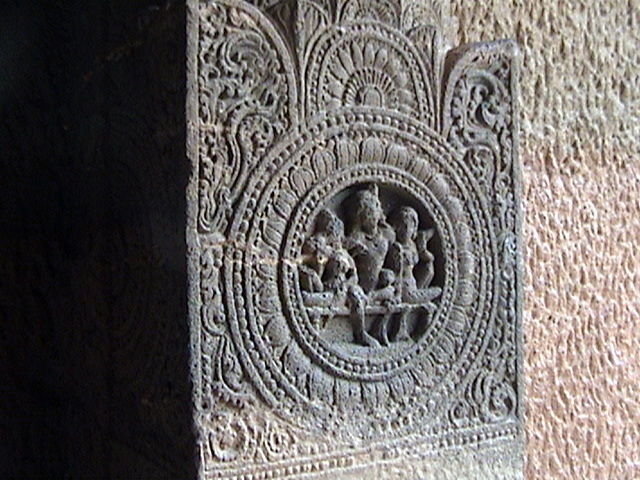


ABHINHA-JATAKA.
http://wisdomfromsrisriravishankar.blogspot.com/search/label/Love
Q: When we take rebirth when does the old soul enter the body?
Sri Sri Ravi Shankar: Rebirth happens! So many times we have died and taken birth. Soul can enter the womb at any one of the three times: at the time of conceiving, or the 3rd month of pregnancy, or at the time of birth. Many souls race and from these souls only one gets the body. In a race only one comes first, right? Sometimes, there are two then there are twins!
Q: I am into a field of research where I try to figure out the reasons of chaos in the world. In one of my researches when I was finding some conflicting threads in various religious prevalent beliefs, I found both Lord Budha and Lord Shankarya Charya had spoken of Soul. Can you throw some more light on seeming different statements of the Masters as per different times?
Sri Sri Ravi Shankar: Lord buddha said that everything is nothing. Everything dissolves into nothing. He said, I meditated to see the soul and found no soul.
Shakaracharya said: “Who searched? Who found that everything is nothing? Who said I did not find the Atma? That is Atma. That is what upanishads say. Buddha says the whole universe is empty like the space, Shankara Charya says the whole universe is full like space - everything is in space.
Q: There are two concepts: Re-incarnation and heaven and hell. Please speak about them!
Sri Sri Ravi Shankar: Re-incarnation is very scientific. Matter and energy cannot be destroyed. Mind is energy! It has been scientifically proven that re-incarnation happens. You need to read more!
The next story is about the friendship type of attraction or love amongst the souls....Abhinha Jataka - in marathi we call "abhinna" - "not seperate ".
---------
ABHINHA-JATAKA.
"No morsel can he eat."--This story was told by the Master (Gautama Buddha) while at Jetavana, about a disciple and an aged Bhikkhu.
Tradition says that there were in Savatthi two friends, of whom one joined the Brotherhood but used to go every day to the other's house, where his friend used to give him an alms of food and make a meal himself, and then accompany him back to the Monastery, where he sat talking all the livelong day till the sun went down, when he went back to town. And his friend the Brother used to escort him on his homeward way, going as far as the city-gates before turning back.
The intimacy of these two became known among the Brethren, who were sitting one day in the Hall of Truth, talking about the intimacy which existed between the pair, when the Master, entering the Hall, asked what was the subject of their talk; and the Brethren told him.
"Not only now, Brethren, are these two intimate with one another," said the Master; "they were intimate in bygone days as well."
And, so saying, he told this story of the past.
_____________________________
Once on a time when Brahmadatta was reigning in Benares, the Bodhisatta became his minister. In those days there was a dog which used to go to the stall of the elephant of state, and eat the gobbets of rice which fell where the elephant fed. Haunting the place for the food's sake, the dog grew very friendly with the elephant, and at last would never eat except with him. And neither could get on without the other. The dog used to disport himself by swinging backwards and forwards on the elephant's trunk. Now one day a villager bought the dog of the mahout and took the dog home with him. Thenceforward the elephant, missing the dog, refused either to eat or drink or take his bath; and the king was told of it. His majesty dispatched the Bodhisatta the minister to find out why the elephant behaved like this. Proceeding to the elephant-house, the Bodhisatta, seeing how sad the elephant was, and said to himself, "He has got no bodily ailment; he must have formed an ardent friendship, and is sorrowing at the loss of his friend." So he asked whether the elephant had become friends with anyone.
"Yes, my lord," was the answer; "there's a very warm friendship between him and a dog." "Where is that dog now?" "A man took it off." "Do you happen to know where that man lives?" "No, my lord." The Bodhisatta went to the king and said, "There is nothing the matter with the elephant, sire; but he was very friendly with a dog, and it is missing his friend which has made him refuse to eat, I imagine." And so saying, he repeated this stanza:
No morsel can he eat, no rice or grass;
And in the bath he takes no pleasure now.
Methinks, the dog had so familiar grown,
That elephant and dog were closest friends.
"Well," said the king on hearing this; "what is to be done now, sage?" "Let proclamation be made by beat of drum, your majesty, to the effect that a man is reported to have carried off a dog of which the elephant of state was fond, and that the man in whose house that dog shall be found, shall pay such and such a penalty." The king acted on this advice; and the man, when he came to hear of it, promptly let the dog loose. Away ran the dog at once, and made his way to the elephant. The elephant took the dog up in his trunk, and placed it on his head, and wept and cried, and, again setting the dog on the ground, saw the dog eat first and then took his own food. "Even the minds of animals are known to him," said the king, and he loaded the Bodhisatta with honors.
_____________________________
Thus the Master ended his lesson to show that the two were intimate in bygone days as well as at that date. This done, he unfolded the Four Truths. (This unfolding of the Four Truths forms part of all the other Jatakas; but we shall only mention it where it is expressly mentioned that it was blessed unto fruit.) Then he shewed the connexion, and identified the Birth by saying, "The lay-disciple was the dog of those days, the aged Elder was the elephant, and I myself the wise minister."
MAHILAMUKHA-JATAKA.


KUKKURA-JATAKA
KUKKURA-JATAKA.

"The dogs that in the royal palace grow."--This story was told by the Master while at Jetavana, about acting for the good of kinsfolk.
_____________________________
Once on a time when Brahmadatta was reigning in Benares, the result of a past act of the Bodhisatta was that he came to life as a dog, and dwelt in a great cemetery at the head of several hundred dogs.
Now one day, the king set out for his pleasaunce in his chariot of state drawn by milk-white horses, and after amusing himself all the day in the grounds came back to the city after sunset. The carriage-harness they left in the courtyard, still hitched on to the chariot. In the night it rained and the harness got wet.
Moreover, the king's dogs came down from the upper chambers and gnawed the leather work and straps. Next day they told the king, saying, "Sire, dogs have got in through the mouth of the sewer and have gnawed the leather work and straps of your majesty's carriage." Enraged at the dogs, the king said, "Kill every dog you see."
Then began a great slaughter of dogs; and the creatures, finding that they were being slain whenever they were seen, repaired to the cemetery to the Bodhisatta. "What is the meaning," asked he, "of your assembling in such numbers?" They said, "The king is so enraged at the report that the leather work and straps of his carriage have been gnawed by dogs within the royal precincts, that he has ordered all dogs to be killed. Dogs are being destroyed wholesale, and great peril has arisen."
Thought the Bodhisatta to himself, "No dogs from without can get into a place so closely watched; it must be the thoroughbred dogs inside the palace who have done it. At present nothing happens to the real culprits, while the guiltless are being put to death. What if I were to discover the culprits to the king and so save the lives of my kith and kin?" He comforted his kinsfolk by saying, "Have no fear; I will save you. Only wait here till I see the king."
Then, guided by the thoughts of love, and calling to mind the Ten Perfections, he made his way alone and unattended into the city, commanding thus, "Let no hand be lifted to throw stick or stone at me." Accordingly, when he made his appearance, not a man grew angry at the sight of him.
The king meantime, after ordering the dogs' destruction, had taken his seat in the hall of justice. And straight to him ran the Bodhisatta, leaping under the king's throne. The king's servants tried to get him out; but his majesty stopped them. Taking heart a little, the Bodhisatta came forth from under the throne, and bowing to the king, said, "Is it you who are having the dogs destroyed?" "Yes, it is I." "What is their offence, king of men?" "They have been gnawing the straps and the leather covering my carriage." "Do you know the dogs who actually did the mischief?" "No, I do not." "But, your majesty, if you do not know for certain the real culprits, it is not right to order the destruction of every dog that is seen." "It was because dogs had gnawed the leather of my carriage that I ordered them all to be killed." "Do your people kill all dogs without exception; or are there some dogs who are spared?" "Some are spared,--the thorough-bred dogs of my own palace." "Sire, just now you were saying that you had ordered the universal slaughter of all dogs wherever found, because dogs had gnawed the leather of your carriage; whereas, now, you say that the thorough-bred dogs of your own palace escape death. Therefore you are following the four Evil Courses of partiality, dislike, ignorance and fear. Such courses are wrong, and not kinglike. For kings in trying cases should be as unbiassed as the beam of a balance. But in this instance, since the royal dogs go scot-free, whilst poor dogs are killed, this is not the impartial doom of all dogs alike, but only the slaughter of poor dogs," And moreover, the Great Being, lifting up his sweet voice, said, "Sire, it is not justice that you are performing," and he taught the Truth to the king in this stanza:--
The dogs that in the royal palace grow,
The well-bred dogs, so strong and fair of form,
Not these, but only we, are doomed to die.
Here's no impartial sentence meted out
To all alike; 'tis slaughter of the poor.
After listening to the Bodhisatta's words, the king said, "Do you in your wisdom know who it actually was that gnawed the leather of my carriage?" "Yes, sire." "Who was it?" "The thorough-bred dogs that live in your own palace." "How can it he shewn that it was they who gnawed the leather?" "I will prove it to you." "Do so, sage." "Then send for your dogs, and have a little butter-milk and kusa-grass brought in." The king did so.
Then said the Great Being, "Let this grass be mashed up in the butter-milk, and make the dogs drink it."
The king did so;--with the result that each several dog, as he drank, vomited. And they all brought up bits of leather! "Why it is like a judgment of a Perfect Buddha himself," cried the king overjoyed, and he did homage to the Bodhisatta by offering him the royal umbrella. But the Bodhisatta taught the Truth in the ten stanzas on righteousness in the Te-sakuna Jataka, beginning with the words:--
Walk righteously, great king of princely race.
Then having established the king in the Five Commandments, and having exhorted his majesty to be steadfast, the Bodhisatta handed back to the king the white umbrella of kingship.
At the close of the Great Being's words, the king commanded that the lives of all creatures should be safe from harm. He ordered that all dogs from the Bodhisatta downwards, should have a constant supply of food such as he himself ate; and, abiding by the teachings of the Bodhisatta, he spent his life long in charity and other good deeds, so that when he died he was re-born in the Deva Heaven. The 'Dog's Teaching' endured for ten thousand years. The Bodhisatta also lived to a ripe old age, and then passed away to fare according to his deserts.
_____________________________
When the Master had ended this lesson, and had said, "Not only now, Brethren, does the Buddha do what profits his kindred; in former times also he did the like,"--he shewed the connexion, and identified the Birth by saying,
"Ananda was the king of those days, the Buddha's followers were the others, and I myself was the dog."

KURUNGA-JATAKA.

Dear friends this Jataka tells us about people around us. Like Devadatta they are around us in different times. Their behavior causes us a lot trouble in mind.
Just look into the experience from Master..Gautam Buddha.
"The antelope knows well."--This story was told by the Master while at the Bamboo-grove about Devadatta.
For once when the Brethren were gathered together in the Hall of Truth, they sat talking reproachfully of Devadatta, saying, "Sirs, with a view to destroy the Buddha Devadatta hired bowmen, hurled down a rock, and let loose the elephant Dhana-palaka; in every way he goes about to slay the Lord of Wisdom."
Entering and seating himself on the seat prepared for him, the Master asked, saying, "Sirs, what is the theme you are discussing here in conclave?" "Sir," was the reply, "we were discussing the wickedness of Devadatta, saying that he was always going about to slay you." Said the Master, "It is not only in these present days, Brethren, that Devadatta goes about seeking to slay me; he went about with the like intent in bygone days also,--but was unable to slay me." And so saying, he told this story of the past.
_____________________________
Once upon a time when Brahmadatta was reigning in Benares, the Bodhisatta came to life as an antelope, and used to live on fruits in his haunts in the forest.
At one period he was subsisting on the fruit of a sepanni-tree. And there was a village hunter, whose method was to build a platform in trees at the foot of which he found the track of deer, and to watch aloft for their coming to eat the fruits of the trees. When the deer came, he brought them down with a javelin, and sold the flesh for a living.
This hunter one day marked the tracks of the Bodhisatta at the foot of the tree, and made himself a platform up in the boughs. Having breakfasted early, he went with his javelin into the forest and seated himself on his platform. The Bodhisatta, too, came abroad early to eat the fruit of that tree; but he was not in too great a hurry to approach it. "For," thought he to himself, "sometimes these platform-building hunters build themselves platforms in the boughs. Can it be that this cell have happened here?" And he halted some way off to reconnoitre. Finding that the Bodhisatta did not approach, the hunter, still seated aloft on his platform, threw fruit down in front of the antelope. Said the latter to himself, "Here's the fruit coming to meet me; I wonder if there is a hunter up there."
So he looked, and looked, till he caught sight of the hunter in the tree; but, feigning not to have seen the man, he shouted, "My worthy tree, hitherto you have been in the habit of letting your fruit fall straight to the ground like a pendant creeper; but to-day you have ceased to act like a tree. And therefore, as you have ceased to behave as becomes a tree, I too must change, and look for food beneath another tree." And so saying, he repeated this stanza:
The antelope knows well the fruit you drop.
I like it not; some other tree I'll seek.
Then the hunter from his platform hurled his javelin at the Bodhisatta, crying, "Begone! I've missed you this time." Wheeling round, the Bodhisatta halted and said, "You may have missed me, my good man; but depend upon it, you have not missed the reward of your conduct, namely, the eight Large and the sixteen Lesser hells and all the five forms of bonds and torture." With these words the antelope bounded off on its way; and the hunter, too, climbed down and went his way.
_____________________________
When the Master had ended this discourse and had repeated what he had said about Devadatta's going about to slay him in bygone days also, he showed the connexion and identified the Birth, by saying, "Devadatta was the platform-hunter of those days, and I myself the antelope."
NALAPANA-JATAKA.


MATAKABHATTA-JATAKA.

"If folk but knew."--This story was told by the Master while at Jetavana about Feasts for the Dead. For at this time the folk were putting to death goats, sheep, and other animals, and offering them up as what is called a Feast for the Dead, for the sake of their departed kinsmen. Finding them thus engaged, the Brethren asked the Master, saying, "Just now, sir, the folk are taking the lives of many living creatures and offering them up as what is called a Feast for the Dead. Can it be, sir, that there is any good in this?"
"No, Brethren" replied the Master; "not even when life is taken with the object of providing a Feast for the Dead, does any good arise therefrom. In bygone days the wise, preaching the Truth from mid-air, and shewing the evil consequences of the practice, made the whole continent renounce it. But now, when their previous existences have become confused in their minds, the practice has sprung up afresh." And, so saying, he told this story of the past.
_____________________________
Once on a time when Brahmadatta was reigning in Benares, a brahmin, Who was versed in the Three Vedas and world-famed as a teacher, being minded to offer a Feast for the Dead, had a goat fetched and said to his pupils, "My sons, take this goat down to the river and bathe it; then hang a garland round its neck, give it a pottle of grain to eat, groom it a bit, and bring it back."
"Very good," said they, and down to the river they took the goat, where they bathed and groomed the creature and set it on the bank, The goat, becoming conscious of the deeds of its past lives, was overjoyed at the thought that on this very day it would be freed from all its misery, and laughed aloud like the smashing of a pot. Then at the thought that the brahmin by slaying it would bear the misery which it had borne, the goat felt a great compassion for the brahmin, and wept with a loud voice. "Friend goat," said the young brahmins, "your voice has been loud both in laughter and in weeping; what made you laugh and what made you weep?"
"Ask me your question before your master."
So with the goat they came to their master and told him of the matter. After hearing their story, the master asked the goat why it laughed and why it wept. Hereupon the animal, recalling its past deeds by its power of remembering its former existences, spoke thus to the brahmin:--"In times past, brahmin, I, like you, was a brahmin versed in the mystic texts of the Vedas, and I, to offer a Feast for the Dead, killed a goat for my offering. All through killing that single goat, I have had my head cut off five hundred times all but one. This is my five hundredth and last birth; and I laughed aloud when I thought that this very day I should be freed from my misery. On the other hand, I wept when I thought how, whilst I, who for killing a goat had been doomed to lose my head five hundred times, was to-day being freed from my misery, you, as a penalty for killing me, would be doomed to lose your head, like me, five hundred times. Thus it was out of compassion for you that I wept." "Fear not, goat," said the brahmin; "I will not kill you." "What is this you say, brahmin?" said the goat. "Whether you kill me or not, I cannot escape death to-day." "Fear not, goat; I will go about with you to guard you." "Weak is your protection, brahmin, and strong is the force of my evil-doing."
Setting the goat at liberty, the brahmin said to his disciples, "Let us not allow anyone to kill this goat;" and, accompanied by the young men, he followed the animal closely about. The moment the goat was set free, it reached out its neck to browse on the leaves of a bush growing near the top of a rock. And that very instant a thunderbolt struck the rock, rending off a mass which hit the goat on the outstretched neck and tore off its head. And people came crowding round.
In those days the Bodhisatta had been born a Tree-Fairy in that selfsame spot. By his supernatural powers he now seated himself cross-legged in mid-air while all the crowd looked on. Thinking to himself. 'If these creatures only knew the fruit of evil-doing, perhaps they would desist from killing,' in his sweet voice he taught them the Truth in this stanza:--
If folk but knew the penalty would be
Birth unto sorrow, living things would cease
From taking life. Stern is the slayer's doom.
Thus did the Great Being preach the Truth, scaring his hearers with the fear of hell; and the people, hearing him, were so terrified at the fear of hell that they left off taking life. And the Bodhisatta after establishing the multitude in the Commandments by preaching the Truth to them, passed away to fare according to his deserts. The people, too, remained steadfast in the teaching of the Bodhisatta and spent their lives in charity and other good works, so that in the end they thronged the City of the Devas.
_____________________________
His lesson ended, the Master shewed the connexion, and identified the Birth by saying, "In those days I was the Tree-fairy."
MALUTA-JATAKA.
MALUTA-JATAKA.
Brothers there are always differences amongst the followers of the great Gurus or Buddha! Who are these Buddha? They are the people around you. Living peaceful life with a great drive force commanded by the almighty God!
They are the people who enjoy the great wealth by virtue and not by just looting poor people. They live the life, with love by all other around them. Not only relatives respect them but common men also respect them. The mighty people, when you see around, may be like any of the Hero your look into their behavior and feel you could be like them.
When two great people are around they will have same idea about something, which they will try to put differently or in pursuit to show I am the great they will try to put differences. following story presents a similar situation.....
"In light or dark."--This story was told by the Master while at Jetavana about two Brethren (Bhikkhus) who had joined the Brotherhood (Sangha) in their old age. Tradition says that they were living in a forest-dwelling in the Kosala country, and that one was named the Elder Dark and the other the Elder Light. Now one day Light said to Dark, "Sir, at what time does what is called cold appears?" "It appears in the dark half of the month." And one day Dark said to Light, "Sir, at what time does what is called cold appear?" "It appears in the light half of the month."
As the pair of them together could not solve the question, they went to the Master and with due salutation asked, saying, "Sir, at what time does what is called cold appear?"
After the Master had heard what they had to say, he said, "Brethren, in bygone days also, I answered for you this same question; but your previous existences have become confused in your minds." And so saying, he told this story of the past.
_____________________________
Once on a time at the foot of a certain mountain there were living together in one and the same cave two friends, a lion and a tiger. The Bodhisattva too was living at the foot of the same hill, as a hermit.
Now one day a dispute arose between the two friends about the cold. The tiger said it was cold in the dark half of the month, whilst the lion maintained that it was cold in the light half. As the two of them together could not settle the question, they put it to the Bodhisattva. He repeated this stanza
In light or dark half, whensoever the wind
Doth blow, 'tis cold. For cold is caused by wind.
And, therefore, I decide you both are right.
Thus did the Bodhisattva make peace between those friends.
_____________________________
When the Master had ended his lesson in support of what he had said as to his having answered the same question in bygone days, he preached the Four Truths, at the close where of both of the Elders won the Fruit of the First Path. The Master showed the connection and identified the Birth, by saying, "Dark was the tiger of those days, Light the lion, and I myself the ascetic who answered the question."
TIPALLATTHA-MIGA-JATAKA.
TIPALLATTHA-MIGA-JATAKA.
"In all three postures."--This story was told by the Master while dwelling do the Badarika Monastery in Kosambi, about the Elder Rahula whose heart was set on observing the rules of the Brotherhood.
Once when the Master was dwelling in the Aggalava Temple hard by the town of Alavi, many female lay-disciples and Sisters used to flock thither to hear the Truth preached. The preaching was in the daytime, but as time wore on, the women did not attend, and there were only Brethren and men disciples present. Then the preaching took place in the evening; and at the close the Elder Brethren retired each to his own chamber. But the younger ones with the lay-disciples lay down to rest in the Service-hall. When they fell asleep, loud was the snoring and snorting and gnashing of teeth as they lay. After a short slumber some got up, and reported to the Blessed One the impropriety which they had witnessed. Said he, "If a Brother sleeps in the company of Novices, it is a Pacittiya offence (requiring confession and absolution)." And after delivering this precept he went away to Kosambi.
Thereon the Brethren said to the Reverend Rahula, "Sir, the Blessed One has laid down this precept, and now you will please find quarters of your own." Now, before this, the Brethren, out of respect for the father and because of the anxious desire of the son to observe the rules of the Brotherhood, had welcomed the youth as if the place were his;--they had fitted up a little bed for him, and had given him a cloth to make a pillow with. But on the day of our story they would not even give him house-room, so fearful were they of transgressing. The excellent Rahula went neither to the Buddha as being his father, nor to Sariputta, Captain of the Faith, as being his preceptor, nor to the Great Moggallana as being his teacher, nor to the Elder Ananda as being his uncle; but betook himself to the Buddha's jakes and took up his abode there as though in a heavenly mansion. Now in a Buddha's jakes the door is always closely shut: the levelled floor is of perfumed earth; flowers and garlands are festooned round the walls; and all night long a lamp burns there. But it was not this splendour which prompted Rahula to take up his residence here. Nay, it was simply because the Brethren had told him to find quarters for himself, and because he reverenced instruction and yearned to observe the rules of the Order. Indeed, from time to time the Brethren, to test him, when they saw him coming from quite a distance, used to throw down a hand-broom or a little dust-sweepings, and then ask who had thrown it down, after Rahula had come in. "Well, Rahula came that way," would be the remark, but never did the future Elder say he knew nothing about it. On the contrary, he used to remove the litter and humbly ask pardon of the Brother, nor go away till he was assured that he was pardoned;--so anxious was he to observe the rules. And it was solely this anxiety which made him take up his dwelling in the jakes.
Now, though day had not yet dawned, the Master halted at the door of the jakes and coughed 'Ahem.' 'Ahem,' responded the Reverend Rahula. "Who is there?" said the Buddha. "It is I, Rahula," was the reply; and out came the young man and bowed low. "Why have you been sleeping here, Rahula?" "Because I had nowhere to go to. Up till now, sir, the Brethren have been very kind to me; but such is their present fear of erring that they won't give me shelter any more. Consequently, I took up my abode here, because I thought it a spot where I should not come into contact with anybody else."
Then thought the Master to himself, "If they treat even Rahula like this, what will they not do to other youths whom they admit to the Order?" And his heart was moved within him for the Truth. So, at an early hour he had the Brethren assembled, and questioned the Captain of the Faith thus, "I suppose you at all events, Sariputta, know where Rahula is now quartered? '
"No, sir, I do not."
"Sariputta, Rahula was living this day in the jakes. Sariputta, if you treat Rahula like this, what will not be your treatment of other youths whom you admit to the Order? Such treatment will not retain those who join us. In future, keep your Novices in your own quarters for a day or two, and only on the third day let them lodge out, taking care to acquaint yourself with their lodging." With this rider, the Master laid down the precept.
Gathering together in the Hall of Truth, the Brethren spoke of the goodness of Rahula. "See, sirs, how anxious was Rahula to observe the rules. When told to find his own lodging, he did not say, 'I am the son of the Buddha; what have you to do with quarters? You turn out!' No; not a single Brother did he oust, but quartered himself in the jakes."
As they were talking thus, the Master came to the Hall and took his seat on his throne of state, saying, "What is the subject of your talk, Brethren?" "Sir," was the reply, "we were talking of the anxiety of Rahula to keep the rules, nothing else."
Then said the Master, "This anxiety Rahula has shewn not only now, but also in the past, when he had been born an animal." And so saying, he told this story of the past.
_____________________________
Once on a time a certain king of Magadha was reigning in Rajagaha; and in those days the Bodhisatta, having been born a stag, was living in the forest at the head of a herd of deer. Now his sister brought her son to him, saying, "Brother, teach your nephew here the ruses of deer." "Certainly," said the Bodhisatta; "go away now, my boy, and come back at such and such a time to be taught." Punctually at the time his uncle mentioned, the young stag was there and. received instruction in the ruses of deer.
One day as he was ranging the woods he was caught in a snare and uttered the plaintive cry of a captive. Away fled the herd and told the mother of her son's capture. She came to her brother and asked him whether his nephew had been taught the ruses of deer. "Fear not; your son is not at fault," said the Bodhisatta. "He has learnt thoroughly deer's ruses, and will come back straightway to your great rejoicing." And so saying, he repeated this stanza:--
In all three postures--on his back or sides
Your son is versed; he's trained to use eight hoofs,
And save at midnight never slakes his thirst;
As he lies couched on earth, he lifeless seems,
And only with his under-nostril breathes.
Six tricks my nephew knows to cheat his foes.
Thus did the Bodhisatta console his sister by shewing her how thoroughly her son had mastered the ruses of deer. Meantime the young stag on being caught in the snare did not struggle, but lay down at full length on his side, with his legs stretched out taut and rigid. He pawed up the ground round his hoofs so as to shower the grass and earth about; relieved nature; let his head fall; lolled out his tongue; beslavered his body all over; swelled himself out by drawing in the wind; turned up his eyes; breathed only with the lower nostril, holding his breath with the upper one; and made himself generally so rigid and so stiff as to look like a corpse. Even the blue-bottles swarmed round him; and here and there crows settled.
The hunter came up and smacked the stag on the belly with his hand, remarking, "He must have been caught early this morning; he's going bad already." So saying, the man loosed the stag from his bonds, saying to himself, "I'll cut him up here where he lies, and take the flesh home with me." But as the man guilelessly set to work to gather sticks and leaves (to make a fire with), the young stag rose to his feet, shook himself, stretched out his neck, and, like a little cloud scudding before a mighty wind, sped swiftly back to his mother.
_____________________________
After repeating what he had said as to Rahula's having shewn no less anxiety in time past to keep rules than in the present, the Master made the connexion and identified the Birth by saying, "Rahula was the young stag of those days, Uppala-vanna his mother, and I the stag his uncle."
KHARADIYA-JATAKA.

"For when a deer."--This story was told by the Master while at Jetavana about an unruly Brother. Tradition says that this Brother was disobedient and would not pay attention to scolding. Accordingly, the Master asked him, saying, "Is it true, as they say, that you are unruly and will not heed admonition?"
"It is true, Blessed One," was the reply.
"So too in bygone days," said the Master, "you were unruly and would not heed the admonition of the wise and good,--with the result that you were caught in a gin and met your death." And so saying, he told this story of the past.
_____________________________
Once on a time when Brahmadatta was in Benares the Bodhisatta was born a deer and dwelt in the forest at the head of a herd of deer. His sister brought her son to him, saying, "Brother, this is your nephew; teach him deer's ruses." And thus she placed her son under the Bodhisatta's care. Said the latter to his nephew, "Come at such and such a time and I will give you a lesson." But the nephew made no appearance at the time appointed. And, as on that day, so on seven days did he skip his lesson and fail to learn the ruses of deer; and at last, as he was roaming about, he was caught in a gin. His mother came and said to the Bodhisatta, "Brother was not your nephew taught deer's ruses?"
"Take no thought for the unteachable rascal," said the Bodhisatta; "your son failed to learn the ruses of deer." And so saying, having lost all desire to advise the scapegrace even in his deadly peril, he repeated this stanza:
For when a deer has twice four hoofs to run
And branching antlers armed with countless tines,
And when by seven tricks he's saved himself,
I teach him then, Kharadiya, no more.
But the hunter killed the self-willed deer that was caught in the snare, and departed with its flesh.
_____________________________
When the Master had ended this lesson in support of what he had said as to the unruliness of the Brother in bygone days as well as in the present, he showed the connection, and identified the Birth, by saying "In those days this unruly Brother was the nephew-deer, Uppala-vanna was the sister, and I myself the deer who gave the admonition."
VATAMIGA-JATAKA.
About a fortnight after admitting this young man, the Master repaired from the Bamboo-grove to Jetavana, where the young nobleman undertook the Thirteen Obligations (These are meritorious ascetic practices for quelling the passions, of which the third is an undertaking to eat no food except alms received direct from the giver in the Brother's alms-bowl. Hence "ticket-food" was inadmissible.) and passed his time in going his round for alms from house to house, omitting none. Under the name of the Elder Tissa Direct-alms the Less, he became as bright and shining a light in Buddhism as the moon in the vault of heaven.
A festival having been proclaimed at this time at Rajagaha, the Elder's mother and father laid in a silver casket the trinkets he used to wear as a-layman, and took it to heart, bewailing thus,--"At other festivals our son used to wear this or that bravery as he kept the festival; and he, our only son, has been taken away by the sage Gotama to the town of Savatthi. Where is our son sitting now or standing?" Now a slave-girl who came to the house, noticed the lady of the house weeping, and asked her why she was weeping; and the lady told her all.
"What, madam, was your son fond of?" "Of such and such a thing," replied the lady. "Well, if you will give me authority in this house, I'll fetch your son back." "Very good," said the lady in assent, and gave the girl her expenses and despatched her with a large following, saying, "Go, and manage to fetch my son back."
So away the girl rode in a palanquin to Savatthi, where she took up her residence in the street which the Elder used to frequent for alms. Surrounding herself with servants of her own, and never allowing the Elder to see his father's people about, she watched the moment when the Elder entered the street and at once bestowed on him an alms of victual and drink. And when she had bound him in the bonds of the craving of taste, she got him eventually to seat himself in the house, till she knew that her gifts of food as alms had put him in her power. Then she feigned sickness and lay down in an inner chamber.
In the due course of his round for alms at the proper time, the Elder came to the door of her house; and her people took the Elder's bowl and made him sit down in the house.
When he had seated himself, he said, "Where is the lay-sister?" "She's ill, sir; she would be glad to see you."
Bound as he was by the bonds of the craving of taste, he broke his vow and obligation, and went to where the woman was lying.
Then she told him the reason of her coming, and so wrought on him that, all because of his being hound by the bonds of the craving of taste, she made him forsake the Brotherhood; when he was in her power, she put him in the palanquin and came back with a large following to Rajagaha again.
All this was noised abroad. Sitting in the Hall of Truth, the Brethren discussed the matter, saying, "Sirs, it is reported that a slave-girl has bound in the bonds of the craving of taste, and has carried off, the Elder Tissa the Less, called Direct-alms." Entering the Hall the Master sat down on his jewelled seat, and said, "What, Brethren, is the subject of discussion in this conclave?" They told him the incident.
"Brethren," said he, "this is not the first time that, in bondage to the craving of taste, he has fallen into her power; in bygone days too he fell into her power in like manner." And so saying, he told this story of the past.
Once on a time when Brahmadatta was reigning in Benares he had a gardener named Sanjaya. Now there came into the king's pleasaunce a Wind-antelope, which fled away at the sight of Sanjaya, but the latter let it go without terrifying the timid creature. After several visits the antelope used to roam about in the pleasaunce. Now the gardener was in the habit of gathering flowers and fruits and taking them day by day to the king. Said the king to him one day, "Have you noticed anything strange, friend gardener, in the pleasaunce?" "Only, sir, that a Wind-antelope has come about the grounds." "Could you catch it, do you think?" "Oh, yes; if I had a little honey, I'd bring it right into your majesty's palace."
The king ordered the honey to be given to the man and he went off with it to the pleasaunce, where he first anointed with the honey the grass at the spots frequented by the antelope and then hid himself. When the antelope came and tasted the honied grass it was so snared by the lust of taste that it would go nowhere else but only to the pleasaunce. Marking the success of his snare, the gardener began gradually to show himself. The appearance of the man made the antelope take to flight for the first day or two, but growing familiar with the sight of him, it gathered confidence and gradually came to eat grass from the man's hand. He, noting that the creature's confidence had been won, first strewed the path as thick as a carpet with broken boughs; then tying a gourd full of honey on his shoulder and sticking a bunch of grass in his waist-cloth, he kept dropping wisps of the honied grass in front of the antelope till at last he got it right inside the palace. No sooner was the antelope inside than they shut the door. At sight of men the antelope, in fear and trembling for its life, dashed to and fro about the hall; and the king coming down from his chamber above, and seeing the trembling creature, said, "So timid is the Wind-antelope that for a whole week it will not revisit a spot where it has so much as seen a man; and if it has once been frightened anywhere, it never goes back there again all its life long. Yet, ensnared by the lust of taste, this wild thing from the jungle has actually come to a place like this. Truly, my friends, there is nothing viler in the world than this lust of taste." And he put his teaching into this stanza:--
There's nothing worse, men say, than taste to snare,
At borne or with one's friends. Lo! taste it was
That unto Sanjaya deliver'd up
The jungle-haunting antelope so wild.
And with these words he let the antelope go back to its forest again.
_____________________________
When the Master had ended his lesson, and had repeated what he had said as to that Brother's having fallen into that woman's power in bygone days as well as in the present time, he shewed the connexion and identified the Birth, by saying, "In those days this slave-girl was Sanjaya, Direct-alms the Less was the wind-antelope, and I myself was the King of Benares."

KANDINA-JATAKA.

"Cursed be the dart of love."--This story was told by the Master while at Jetavana about the temptation caused to Brethren by the wives of their mundane life. Said the Blessed One to the Brother, "Brother, it was because of this very woman that in bygone days you met your death and were roasted over glowing embers." The Brethren asked the Blessed One to explain this. The Blessed One made clear what had been concealed from them by re-birth.
_____________________________
Once on a time in the kingdom of Magadha the king was reigning in Rajagaha, and when the crops were grown the deer were exposed to great perils, so that they retired to the forest. Now a certain mountain-stag of the forest, having become attached to a doe who came from near a village, was moved by his love for her to accompany her when the deer returned home from the forest. Said she, "You, sir, are but a simple stag of the forest, and the neighbourhood of villages is beset with peril and danger. So don't come down with us." But he because of his great love for her would not stay, but came with her.
When they knew that it was the time for the deer to cone down from the hills, the Magadha folk posted themselves in ambush by the road; and a hunter was lying in wait just by the road along which the pair were travelling. Scenting a man, the young doe suspected that a hunter was in ambush, and let the stag go on first, following herself at some distance. With a single arrow the hunter laid the stag low, and the doe seeing him struck was off like the wind. Then that hunter came forth from his hiding place and skinned the stag and lighting a fire cooked the sweet flesh over the embers. Having eaten and drunk, he took off home the remainder of the bleeding carcass on his carrying-pole to regale his children.
Now in those clays the Bodhisatta was a fairy dwelling in that very grove of trees, and he marked what had come to pass. "'That was not father or mother, but passion alone that destroyed this foolish deer. The dawn of passion is bliss, but its end is sorrow and suffering,--the painful loss of hands, and the misery of the five forms of bonds and blows. To cause another's death is accounted infamy in this world; infamous too is the land which owns a woman's sway and rule; and infamous are the men who yield themselves to women's dominion." And therewithal, while the other fairies of the wood applauded and offered perfumes and flowers and the like in homage, the Bodhisatta wove the three infamies into a single stanza, and made the wood re-echo with his sweet tones as he taught the truth in these lines:
Cursed be the dart of love that works men pain!
Cursed be the land where women rule supreme!
And cursed the fool that bows to woman's sway!
Thus in a single stanza were the three infamies comprised by the Bodhisatta, and the woods re-echoed as he taught the Truth with all the mastery and grace of a Buddha.
_____________________________
His lesson ended, the Master preached the Four Truths, at the close whereof the love-sick Brother was established in the Fruit of the First Path. Having told the two stories, the Master shewed the connexion linking the two together, and identified the Birth.
"In those days," said the Master, "the love-sick Brother was the mountain-stag; his mundane wife was the young doe, and I was myself the fairy who preached the Truth shewing the sin of passion."
NIGRODHAMIGA-JATAKA.
NIGRODHAMIGA-JATAKA.

"Keep only with the Banyan Deer."--This story was told by the Master while at Jetavana about the mother of the Elder named Prince Kassapa. The daughter, we learn, of a wealthy merchant of Rajagaha was deeply rooted in goodness and scorned all temporal things; she had reached her final existence, and within her breast, like a lamp in a pitcher, glowed her sure hope of winning Arahatship. As soon as she reached knowledge of herself, she took no joy in a worldly life but yearned to renounce the world. With this aim, she said to her mother and father, "My dear parents, my heart takes no joy in a worldly life; fain would I embrace the saving doctrine of the Buddha. Suffer me to take the vows."
"What, my dear? Ours is a very wealthy family, and you are our only daughter. You cannot take the vows."
Having failed to win her parents' consent, though she asked them again and again, she thought to herself, "Be it so then; when I am married into another family, I will gain my husband's consent and take the vows." And when, being grown up, she entered another family, she proved a devoted wife and lived a life of goodness and virtue in her new home. Now it came to pass that she conceived, though she knew it not.
There was a festival proclaimed in that city and everybody kept holiday, the city being decked like a city of the gods. But she, even at the height of the festival, neither anointed herself nor put on any finery, going about in her every-day attire. So her husband said to her, "My dear wife, everybody is holiday-making; but you do not put on your bravery."
"My lord and master," she replied, "The body is filled with two-and-thirty component .parts. Wherefore should it be adorned? This bodily frame is not of angelic or archangelic mould; it is not made of gold, jewels, or yellow sandal-wood; it takes not its birth from the womb of lotus-flowers, white or red or blue; it is not filled with any immortal balsam. Nay, it is bred of corruption, and born of mortal parents; the qualities that mark it are the wearing and wasting away, the decay and destruction of the merely transient; it is fated to swell a graveyard, and is devoted to lusts; it is the source of sorrow, and the occasion of lamentation; it is the abode of all diseases, and the repository of the workings of Karma. Foul within,--it is always excreting. Yea, as all the world can see, its end is death, passing to the charnel-house, there to be the dwelling-place of worms . What should I achieve, my bridegroom, by tricking out this body? Would not its adornment be like decorating the outside of a close-stool?"
"My dear wife," rejoined the young merchant, "if you regard this body as so sinful, why don't you become a Sister?"
"If I am accepted, my husband, I will take the vows this very day." "Very good," said he, "I will get you admitted to the Order." And after he had shewn lavish bounty and hospitality to the Order, he escorted her with a large following to the nunnery and had her admitted a Sister,--but of the following of Devadatta. Great was her joy at the fulfilment of her desire to become a Sister.
As her time drew near, the Sisters, noticing the change in her person, the swelling in her hands and feet and her increased size, said, "Lady, you seem about to become a mother; what does it mean?"
"I cannot tell, ladies; I only know I have led a virtuous life."
So the Sisters brought her before Devadatta, saying, "Lord, this young gentle-woman, who was admitted a Sister with the reluctant consent of her husband, has now proved to be with child; but whether this dates from before her admission to the Order or not, we cannot say. What are we to do now?"
Not being a Buddha, and not having any charity, love or pity, Devadatta thought thus: "It will be a damaging report to get abroad that one of my Sisters is with child, and that I condone the offence. My course is clear;--I must expel this woman from the Order." Without any enquiry, starting forward as if to thrust aside a mass of stone, he said, "Away, and expel this woman!"
Receiving this answer, they arose and with reverent salutation withdrew to their own nunnery. But the girl said to those Sisters, "Ladies, Devadatta the Elder is not the Buddha. My vows were taken not under Devadatta, but under the Buddha, the Foremost of the world. Rob me not of the vocation I won so hardly; but take me before the Master at Jetavana." So they set out with her for Jetavana, and journeying over the forty-five leagues thither from Rajagaha, came in due course to their destination, where with reverent salutation to the Master, they laid the matter before him.
Thought the Master, "Albeit the child was conceived while she was still of the laity, yet it will give the heretics an occasion to say that the ascetic Gotama has taken a Sister expelled by Devadatta. Therefore, to cut short such talk, this case must be heard in the presence of the king and his court." So on the morrow he sent for Pasenadi king of Kosala, the elder and the younger Anatha-pindika, the lady Visakha the great lay-disciple, and other well-known personages; and in the evening when the four classes of the faithful were all assembled--Brothers, Sisters, and lay-disciples, both male and female--he said to the Elder Upali, "Go, and clear up this matter of the young Sister in the presence of the four classes of my disciples."
"It shall be done, reverend sir," said the Elder, and forth to the assembly he went and there, seating himself in his place, he called up Visakha the lay-disciple in sight of the king, and placed the conduct of the enquiry in her hands, saying, "First ascertain the precise day of the precise month on which this girl joined the Order, Visakha; and thence compute whether she conceived before or since that date." Accordingly the lady had a curtain put up as a screen, behind which she retired with the girl. Spectatis manibus, pedibus, umbilico, ipso ventre puellae, the lady found, on comparing the days and months, that the conception had taken place before the girl had become a Sister. This she reported to the Elder, who proclaimed the Sister innocent before all the assembly. And she, now that her innocence was established, reverently saluted the Order and the Mater, and with the Sisters returned to her own nunnery.
When her time was come, she bore the son strong in spirit, for whom she had prayed at the feet of the Buddha Padumuttara ages ago. One day, when the king was passing by the nunnery, he heard the cry of an infant and asked his courtiers what it meant. They, knowing the facts, told his majesty that the cry came from the child to which the young Sister had given birth. "Sirs," said the king, "the care of children is a clog on Sisters in their religious life; let us take charge of him." So the infant was handed over by the king's command to the ladies of his family, and brought up as a prince. When the day came for him to be named, he was called Kassapa, but was known as Prince Kassapa because he was brought up like a prince.
At the age of seven he was admitted a novice under the Master, and a full Brother when he was old enough. As time went on, he waxed famous among the expounders of the Truth. So the Master gave him precedence, saying, "Brethren, the first in eloquence among my disciples is Prince Kassapa." Afterwards, by virtue of the Vammika Sutta, he won Arahatship. So too his mother, the Sister, grew to clear vision and won the Supreme Fruit. Prince Kassapa the Elder shone in the faith of the Buddha even as the full-moon in the mid-heaven. Now one day in the afternoon when the Tathagata on return from his alms-round had addressed the Brethren, he passed into his perfumed chamber. At the close of his address the Brethren spent the daytime either in their night-quarters or in their day-quarters till it was evening, when they assembled in the hall of Truth and spoke as follows: "Brethren, Devadatta, because he was not a Buddha and because he had no charity, love or pity, was nigh being the ruin of the Elder Prince Kassapa and his reverend mother. But the All-enlightened Buddha, being the Lord of Truth and being perfect in charity, love and pity, has proved their salvation." And as they sat there telling the praises of the Buddha, he entered the hall with all the grace of a Buddha, and asked, as he took his. seat, what they were talking of as they sat together.
"Of your own virtues, sir," said they, and told him all.
"This is not the first time, Brethren," said he, "that the Tathagata has proved the salvation and refuge of these two: he was the same to them in the past also."
Then, on the Brethren asking him to explain this to them, he revealed what re-birth had hidden from them.
_____________________________
Once on a time, when Brahmadatta was reigning in Benares, the Bodhisatta was born a deer. At his birth he was golden of hue; his eyes were like round jewels; the sheen of his horns was as of, silver; his mouth was red as a bunch of scarlet cloth; his four hoofs were as though lacquered; his tail was like the yak's; and he was as big as a young foal. Attended by five hundred deer, he dwelt in the forest under the name of King Banyan Deer. And hard by him dwelt another deer also with an attendant herd of five hundred deer, who was named Branch Deer, and was as golden of hue as the Bodhisatta.
In those days the king of Benares was passionately fond of hunting, and always had meat at every meal. Every day he mustered the whole of his subjects, townsfolk and countryfolk alike, to the detriment of their business, and went hunting. Thought his people, "This king of ours stops all our work. Suppose we were to sow food and supply water for the deer in his own pleasaunce, and, having driven in a number of deer, to bar them in and deliver them over to the king!" So they sowed in the pleasaunce grass for the deer to eat and supplied water for them to drink, and opened the gate wide. Then they called out the townsfolk and set out into the forest armed with sticks and all manner of weapons to find the deer. They surrounded about a league of forest in order to catch the deer within their circle, and in so doing surrounded the haunt of the Banyan and Branch deer. As soon as they perceived the deer, they proceeded to beat the trees, bushes and ground with their sticks till they drove the herds out of their lairs; then they rattled their swords and spears and bows with so great a din that they drove all the deer into the pleasaunce, and shut the gate. Then they went to the king and said, "Sire, you put a stop to our work by always going a-hunting; so we have driven deer enough from the forest to fill your pleasaunce. Henceforth feed on them."
Hereupon the king betook himself to the pleasaunce, and in looking over the herd saw among them two golden deer, to whom he granted immunity. Sometimes he would go of his own accord and shoot a deer to bring home; sometimes his cook would go and shoot one. At first sight of the bow, the deer would dash off trembling for their lives, but after receiving two or three wounds they grew weary and faint and were slain. The herd of deer told this to the Bodhisatta, who sent for Branch and said, "Friend, the deer are being destroyed in great numbers; and, though they cannot escape death, at least let them not be needlessly wounded. Let the deer go to the block by turns, one day one from my herd, and next day one from yours,--the deer on whom the lot falls to go to the place of execution and lie down with its head on the block. In this wise the deer will escape wounding." The other agreed; and thenceforth the deer whose turn it was, used to go and lie down with its neck ready on the block. The cook used to go and carry off only the victim which awaited him.
Now one day the lot fell on a pregnant doe of the herd of Branch, and she went to Branch and said, "Lord, I am with young. When I have brought forth my little one, there will be two of us to take our turn. Order me to be passed over this turn." "No, I cannot make your turn, another's," said he; "you must bear the consequences of your own fortune. Begone!" Finding no favour with him, the doe went on to the Bodhisatta and told him her story. And he answered, "Very well; you go away, and I will see that the turn passes over you." And therewithal he went himself to the place of execution and lay down with his head on the block, Cried the cook on seeing him, "Why here's the king of the deer who was granted immunity! What does this mean?" And off he ran to tell the king. The moment he heard of it, the king mounted his chariot and arrived with a large following. "My friend the king of the deer," he said on beholding the Bodhisatta, "did I not promise you your life? How comes it that you are lying here?
"Sire, there came to me a doe big with young, who prayed me to let her turn fall on another; and, as I could not pass the doom of one on to another, I, laying down my life for her and taking her doom on myself, have laid me down here. Think not that there is anything behind this, your majesty."
"My lord the golden king of the deer," said the king, "never yet saw I, even among men, one so abounding in charity, love and pity as you. Therefore am I pleased with you. Arise! I spare the lives both of you and of her."
"Though two be spared, what shall the rest do, O king of men?" "I spare their lives too, my lord." "Sire, only the deer in your pleasaunce will thus have gained immunity; what shall all the rest do?" "Their lives too I spare, my lord." "Sire, deer will thus be safe; but what will the rest of four-footed creatures do?". "I spare their lives too, my lord." "Sire, four-footed creatures will thus be safe; but what will the flocks of birds do?" "They too shall be spared, my lord." "Sire, birds will thus be safe; but what will the fishes do, who live in the water?" "I spare their lives also, my lord."
After thus interceding with the king for the lives of all creatures, the Great Being arose, established the king in the Five Commandments, saying, "Walk in righteousness, great king. Walk in righteousness and justice towards parents, children, townsmen, and countryfolk, so that when this earthly body is dissolved, you may enter the bliss of heaven." Thus, with the grace and charm that marks a Buddha, did he teach the Truth to the king. A few days he tarried in the pleasaunce for the king's instruction, and then with his attendant herd he passed into the forest again.
And that doe brought forth a fawn fair as the opening bud of the lotus, who used to play about with the Branch deer. Seeing this his mother said to him, "My child, don't go about with him, only go about with the herd of the Banyan deer." And by way of exhortation, she repeated this stanza:
Keep only with the Banyan deer, and shun
The Branch deer's herd; more welcome far
Is death, my child, in Banyan's company,
Than e'en the amplest term of life with Branch.
Thenceforth, the deer, now in the enjoyment of immunity, used to eat men's crops, and the men, remembering the immunity granted to them, did not dare to hit the deer or drive them away. So they assembled in the king's courtyard and laid the matter before the king. Said he, "When the Banyan deer won my favour, I promised him a boon. I will forego my kingdom rather than my promise. Begone! Not a man in my kingdom may harm the deer."
But when this came to the ears of the Banyan deer, he called his herd together and said, "Henceforth you shall not eat the crops of others." And having thus forbidden them, he sent a message to the men, saying, "From this day forward, let no husbandman fence his field, but merely indicate it with leaves tied up round it." And so, we hear, began a plan of tying up leaves to indicate the fields; and never was a deer known to trespass on a field so marked. For thus they had been instructed by the Bodhisatta.
Thus did the Bodhisatta exhort the deer of his herd, and thus did he act all his life long, and at the close of a long life passed away with them to fare according to his deserts. The king too abode by the Bodhisatta's teachings, and after a life spent in good works passed away to fare according to his deserts.
_____________________________
At the close of this lesson, when the Master had repeated that, as now, so in bygone days also he had been the salvation of the pair, he preached the Four Truths. He then shewed the connexion, linking together the two stories he had told, and identified the Birth by saying,--"Devadatta was the Branch Deer of those days, and his followers were that deer's herd; the nun was the doe, and Prince Kassapa was her offspring; Ananda was the king; and I myself was King Banyan Deer."
LAKKHANA-JATAKA.
LAKKHANA-JATAKA.
"The upright man."--This story was told by the Master in the Bamboo-grove near Rajagaha about Devadatta.

For, on the occasion now in question, Devadatta, through failing to carry the Five Points which he had pressed for, had made a schism in the Brotherhood and had gone off with five hundred Brethren to dwell at Gaya-sisa. Now, these Brethren came to a riper knowledge; and the Master, knowing this, called the two chief disciples and said, "Sariputta, your five hundred pupils who were perverted by Devadatta's teaching and went off with him, have now come to a riper knowledge. Go thither with a number of the Brethren, preach the Truth to them, enlighten these wanderers respecting the Paths and the Fruits, and bring them back with you."
They went thither, preached the Truth, enlightened them respecting the Paths and the Fruits, and next day at dawn came back again with those Brethren to the Bamboo-grove. And whilst Sariputta was standing there after saluting the Blessed One on his return, the Brethren spoke thus to him in praise of the Elder Sariputta, "Sir, very bright was the glory of our elder brother, the Captain of the Truth, as he returned with a following of five hundred Brethren; whereas Devadatta has lost all his following."
"This is not the only time, Brethren, when glory has been Sariputta's on his return with a following of his kinsfolk; like glory was his too in bygone days. So too this is not the only time when Devadatta has lost his following; he lost it also in bygone days."
The Brethren asked the Blessed One to explain this to them. The Blessed One made clear what had been concealed by re-birth.
_____________________________
Once on a time in the city of Rajagaha in the kingdom of Magadha there ruled a certain king of Magadha, in whose days the Bodhisatta came to life as a stag. Growing up, he dwelt in the forest as the leader of a herd of a thousand deer. He had two young ones named Luckie and Blackie. When he grew old, he handed his charge over to his two sons, placing five hundred deer under the care of each of them. And so now these two young stags were in charge of the herd.
Towards harvest-time in Magadha, when the crops stand thick in the fields, it is dangerous for the deer in the forests round. Anxious to kill the creatures that devour their crops, the peasants dig pitfalls, fix stakes, set stone-traps, and plant snares and other gins; so that many deer are slain.
Accordingly, when the Bodhisatta marked that it was crop-time, he sent for his two sons and said to them, "My children, it is now the time when crops stand thick in the fields, and many deer meet their death at this season. We who are old will make shift to stay in one spot; but you will retire each with your herd to the mountainous tracts in the forest and come back when the crops have been carried." "Very good," said his two sons, and departed with their herds, as their father bade.
Now the men who live along the route, know quite well the times at which deer take to the hills and return thence. And lying in wait in hiding-places here and there along the route, they shoot and kill numbers of them. The dullard Blackie, ignorant of the times to travel and the times to halt, kept his deer on the march early and late, both at dawn and in the gloaming, approaching the very confines of the villages. And the peasants, in ambush or in the open, destroyed numbers of his herd. Having thus by his crass folly worked the destruction of all these, it was with a very few survivors that he reached the forest.
Luckie on the other hand, being wise and astute and full of resource, never so much as approached the confines of a village. He did not travel by day, or even in the dawn or gloaming. Only in the dead of night did he move; and the result was that he reached the forest without losing a single head of his deer.
Four months they stayed in the forest, not leaving the hills till the crops were carried. On the homeward way Blackie by repeating his former folly lost the rest of his herd and returned solitary and alone; whereas Luckie had not lost one of his herd, but had brought back the whole five hundred deer, when he appeared before his parents. As he saw his two sons returning, the Bodhisatta framed this stanza in concert with the herd of deer:--
The upright kindly man bath his reward.
Mark Luckie leading back his troop of kin,
While here comes Blackie shorn of all his herd.
Such was the Bodhisatta's welcome to his son; and after living to a good old age, he passed away to fare according to his deserts.
_____________________________
At the close of his lesson, when the Master had repeated that Sariputta's glory and Devadatta's loss had both had a parallel in bygone days, he showed the connexion linking the two stories together and identified the Birth, by saying, "Devadatta was the Blackie of those days; his followers were Blackie's following; Sariputta was the Luckie of those days, and his following the Buddha's followers; Rahula's mother was the mother of those days; and I myself was the father."
The "Five Points" of Devadatta are there given as follows:--"The Brethren shall live all their life long in the forest, subsist solely on doles collected out of doors, dress solely in rags picked out of dust-heaps, dwell under trees and never under a roof, never eat fish or flesh." These five points were all more rigid in their asceticism than the Buddha's rule, and were formulated by Devadatta in order to outbid his cousin and master.
The two chief disciples, of whom only one is named in the text, were Sariputta (surnamed 'the Captain of the Faith') and Moggallana, two Brahmin friends, originally followers of a wandering ascetic, whose conversion to Buddhism is related in the Mahavagga, Unlike this Jataka, the Vinaya account of the re-conversion of the backsliders gives a share of the credit to Moggallana.
SUKHAVIHARI-JATAKA.

MAKHADEVA-JATAKA.

"Lo! these grey hairs."--This story was told by the Master while at Jetavana about the Great Renunciation, which has already been related in the Nidana-Katha.
On this occasion the Brethren sat praising the Renunciation of the Lord of Wisdom. Entering the Hall of Truth and seating himself on the Buddha-seat, the Master thus addressed the Brethren:--"What is your theme, Brethren, as you sit here in conclave?"
"It is naught else, sir, than the praise of your own Renunciation." "Brethren," rejoined the Master, "not only in these latter days has the Tathagata made a Renunciation; in bygone days too he similarly renounced the world."
The Brethren asked the Blessed One for an explanation of this. The Blessed One made clear what had been concealed from them by re-birth.
_____________________________
Once on a time in Mithila in the realm of Videha there was a king named Makhadeva, who was righteous and ruled righteously. For successive periods of eighty-four thousand years he had respectively amused himself as prince, ruled as viceroy, and reigned as king. All these long years had he lived, when one day he said to his barber,--"Tell me, friend barber, when you see any grey hairs in my head." So one day, years and years after, the barber did find among the raven locks of the king a single grey hair, and he told the king so. "Pull it out, my friend," said the king; "and lay it in my palm." The barber accordingly plucked the hair out with his golden tongs, and laid it in the king's hand. The king had at that time still eighty-four thousand years more to live; but nevertheless at the sight of that one grey hair he was filled with deep emotion. He seemed to see the King of Death standing over him, or to be cooped within a blazing but of leaves. "Foolish Makhadeva!" he cried; "grey hairs have come upon you before you have been able to rid yourself of depravities." And as he thought and thought about the appearance of his grey hair, he grew aflame within; the sweat rolled down from his body; whilst his raiment oppressed him and seemed intolerable. "This very day," thought he, "will I renounce the world for the Brother's life."
To his barber he gave the grant of a village, which yielded a hundred thousand pieces of money. He sent for his eldest son and said to him, "My son, grey hairs are come upon me, and I am become old. I have had my fill of human joys, and fain would taste the joys divine; the time for my renunciation has come. Take the sovereignty upon yourself; as for me, I will take up my abode in the pleasaunce called Makhadeva's Mango-grove, and there tread the ascetic's path."
As he was thus bent on leading the Brother's life, his ministers drew near and said, "What is the reason, sire, why you adopt the Brother's life?"
Taking the grey hair in his hand, the king repeated this stanza to his ministers:--
Lo, these grey hairs that on my head appear
Are Death's own messengers that come to rob
My life. 'Tis time I turned from worldly things,
And in the hermit's path sought saving peace.
And after these words, he renounced his sovereignty that self-same day and became a recluse. Dwelling in that very Mango-grove of Makhadeva, he there during eighty-four thousand years fostered the Four Perfect States within himself, and, dying with insight full and unbroken, was reborn in the Realm of Brahma. Passing thence, he became a king again in Mithila, under the name of Nimi, and after uniting his scattered family, once more became a hermit in that same Mango-grove, winning the Four Perfect States and passing thence once more to the Realm of Brahma.
_____________________________
After repeating his statement that he had similarly renounced the world in bygone days, the Master at the end of his lesson preached the Four Truths. Some entered the First Path, some the Second, and some the Third. Having told the two stories, the Master shewed the connexion between them and identified the Birth, by saying:--"In those days Ananda was the barber, Rahula the son, and I myself King Makhadeva."
DEVADHAMMA-JATAKA.
TANDULANALI-JATAKA.


CULLAKA-SETTHI-JATAKA.
CULLAKA-SETTHI-JATAKA.
"With humblest start." This story was told by the Master about the Elder named Little Wayman, while in Jivaka's Mango-grove near Rajagraha. And here an account of Little Wayman's birth must be given.
Tradition tells us that the daughter of a rich merchant's family in Rajagaha actually stooped to intimacy with a slave. Becoming alarmed lest her misconduct should get known, she said to the slave, "We can't live on here; for if my mother and father come to know of this sin of ours, they will tear us limb from limb. Let us go and live afar off." So with their belongings in their hands they stole together out by the hardly-opened door, and fled away, they cared not whither, to find a shelter beyond the ken of her family.
Then they went and lived together in a certain place, with the result that she conceived. And when her full time was nearly come, she told her husband and said, "If I am taken in labour away from kith and kin, that will be a trouble to both of us. So let us go home." First he agreed to start to-day, and then he put it off till the morrow; and so he let the days slip by, till she thought to herself, "This fool is so conscious of his great offence that he dares not go. One's parents are one's best friends; so whether he goes or stays, I must go." So, when he went out, she put all her household matters in order and set off home, telling her next-door neighbour where she was going. Returning home, and not finding his wife, but discovering from the neighbours that she had started off home, he hurried after her and came up with her on the road; and then and there she was taken in labour.
"What's this, my dear?" said he.
"I have given birth to a son, my husband," said she.
Accordingly, as the very thing had now happened which was the only reason for the journey, they both agreed that it was no good going on now, and so turned back again. And as their child had been born by the way, they called him 'Wayman.'
Not long after, she became with child again, and everything fell out as Before. And as this second child too was born by the way, they called him 'Wayman' too, distinguishing the elder as 'Great Wayman' and the younger as 'Little Wayman: Then, with both their children, they again went back to their own home.
Now, as they were living there, their way-child heard other boys talking of their uncles and grandfathers and grandmothers; so he asked his mother whether he hadn't got relations like the other boys. "Oh yes, my dear," said his mother; "but they don't live here. Your grandfather is a wealthy merchant in the city of Rajagaha, and you have plenty of relations there." "Why don't we go there, mother?" She told the boy the reason why they stayed away; but, as the children kept on speaking about these relations, she said to her husband, "The children are always plaguing me. Are my parents going to eat us at sight? Come, let us shew the children their grandfather's family." "Well, I don't mind taking them there; but I really could not face your parents." "All right;--so long as, some way or other, the children come to see their grandfather's family," said she.
So those two took their children and coming in due course to Rajagaha put up in a public rest-house by the city gate. Then, taking with them the two children, the woman caused their coming to be made known to her parents. The latter, on hearing the message, returned this answer, "True, it is strange to be without children unless one has renounced the world in quest of Arahatship. Still, so great is the guilt of the pair towards us that they may not stand in our sight. Here is a sum of money for them: let them take this and retire to live where they will. But the children they may send here." Then the merchant's daughter took the money so sent her, and despatched the children by the messengers. So the children grew up in their grandfather's house,--Little Wayman being of tender years, while Great Wayman used to go with his grand-father to hear the Buddha preach the Truth. And by constant hearing of the Truth from the Master's own lips, the lad's heart yearned to renounce the world for the life of a Brother.
"With your permission," said he to his grandfather, "I should like to join the Brotherhood." "What do I hear?" cried the old man. "Why, it would give me greater joy to see you join the Order than to see the whole world join. Become a Brother, if you feel able." And he took him to the Master.
"Well, merchant," said the Master, "have you brought your boy with you?" Yes sir; this is my grandson, who wishes to join your Brotherhood." Then the Master sent for a Mendicant, and told him to admit the lad to the Order; and the Mendicant repeated the Formula of the Perishable Body and admitted the lad as a novice. When the latter had learned by heart many words of the Buddha, and was old enough, he was admitted a full Brother. He now gave himself up to earnest thought till he won Arahatship; and as he passed his days in the enjoyment of Insight and the Paths, he thought whether he could not impart the like happiness to Little Wayman. So he went to his grandfather the merchant, and said, "Great merchant, with your consent, I will admit Little Wayman to the Order." "Pray do so, reverend sir," was the reply.
Then the Elder admitted the lad Little Wayman and established him in the Ten Commandments. But Little Wayman proved a dullard: with four months' study he failed to get by heart this single stanza:--
Lo! like a fragrant lotus at the dawn
Of day, full-blown, with virgin wealth of scent,
Behold the Buddha's glory shining forth,
As in the vaulted heaven beams the sun!
For, we are told, in the Buddhahood of Kassapa this Little Wayman, having himself attained to knowledge as a Brother, laughed to scorn a dull Brother who was learning a passage by heart. His scorn so confused his butt, that the latter could not learn or recite the passage. And now, in consequence, on joining the Brotherhood he himself proved a dullard. Each new line he learned drove the last out of his memory; and four months slipped away while he was struggling with this single stanza. Said his elder brother to him, "Wayman, you are not equal to receiving this doctrine. In four whole months you have been unable to learn a single stanza. How then can you hope to crown your vocation with supreme success? Leave the monastery." But, though thus expelled by his brother, Little Wayman was so attached to the Buddha's creed that he did not want to become a layman.
Now at that time Great Wayman was acting as steward. And Jivaka Komarabhacca, going to his mango-grove with a large present of perfumes and flowers for the Master, had presented his offering and listened to a discourse; then, rising from his seat and bowing to the Buddha, he went up to Great Wayman and asked, "How many Brethren are there, reverend sir, with the Master?" "Just 500, sir." "Will you bring the 500 Brethren, with the Buddha at their head, to take their meal at my house to-morrow?" "Lay-disciple, one of them named Little Wayman is a dullard and makes no progress in the Faith," said the Elder; "I accept the invitation for everyone but him."
Hearing this, Little Wayman thought to himself, "In accepting the invitation for all these Brethren, the Elder carefully accepts so as to exclude me. This proves that my brother's affection for me is dead. What have I to do with this proves? I will become a layman and live in the exercise of charity and other good works of a lay character." And on the morrow early he went forth, avowedly to become a layman again.
Now at the first break of day, as he was surveying the world, the Master became aware of this; and going forth even earlier than Little Wayman, he paced to and fro by the porch on Little Wayman's road. As the latter came out of the house, he observed the Master, and with a salutation went up to him. "Whither away at this hour, Little Wayman?" said the Master.
"My brother has expelled me from the Order, sir; and I am going to wander forth."
"Little Wayman, as it was under me that you took the vows, why did you not, when expelled by your brother, come to me? Conte, what have you to do with a layman's life? You shall stop with me." So saying, he took Little Wayman and seated him at the door of his own perfumed chamber. Then giving him a perfectly clean cloth which he had supernaturally created, the Master said, "Face towards the East, and as you handle this cloth, repeat these words--'Removal of Impurity; Removal of Impurity.'" Then at the time appointed the Master, attended by the Brotherhood, went to Jivaka's house and sat down on the seat set for him.
Now Little Wayman, with his gaze fixed on the sun, sat handling the cloth and repeating the words, "Removal of Impurity; Removal of Impurity." And as he kept handling the piece of cloth, it grew soiled. Then he thought, "Just now this piece of cloth was quite clean; but my personality has destroyed its original state and made it dirty. Impermanent indeed are all compounded things! And even as he realised Death and Decay, he won the Arahat's Illumination. Knowing that Little Wayman's mind had won Illumination, the Master sent forth an apparition and in this semblance of himself appeared before him, as if seated in front of him and saying, "Heed it not, Little Wayman, that this mere piece of cloth has become dirty and stained with impurity; within thee are the impurities of lust and other evil things. Remove them." And the apparition uttered these stanzas:--
Impurity in Lust consists, not dirt;
And Lust we term the real Impurity.
Yea, Brethren, whoso drives it from his breast,
He lives the gospel of the Purified.
_______________
Impurity in Wrath consists, not dirt;
And Wrath we term the real Impurity.
Yea, Brethren, whoso drives it from his breast,
He lives the gospel of the Purified.
_______________
Delusion is Impurity, not dirt;
We term Delusion real Impurity.
Yea, Brethren, whoso drives it from his breast,
He lives the gospel of the Purified.
At the close of these stanzas Little Wayman attained to Arahatship with the four branches of knowledge, whereby he straightway came to have knowledge of all the sacred texts. Tradition has it that, in ages past, when he was a king and was making a solemn procession round his city, he wiped the sweat from his brow with a spotless cloth which he was wearing; and the cloth was stained. Thought he, "It is this body of mine which has destroyed the original purity and whiteness of the cloth, and dirtied it. Impermanent indeed are all composite things." Thus he grasped the idea of impermanence; and hence it came to pass that it was the removal of impurity which worked his salvation.
Meantime, Jivaka Komarabhacca offered the Water of Donation; but the Master put his hand over the vessel, saying, "Are there no Brethren, Jivaka, in the monastery?"
Said Great Wayman, "There are no Brethren there, reverend sir." "Oh yes, there are, Jivaka," said the Master. "Hi, there!" said Jivaka to a servant; "just you go and see whether or not there are any Brethren in the monastery."
At that moment Little Wayman, conscious as he was that his brother was declaring there were no Brethren in the monastery, determined to shew him there were, and so filled the whole mango-grove with nothing but Brothers. Some were making robes, others dyeing, whilst others again were repeating the sacred texts:--each of a thousand Brethren he made unlike all the others. Finding this host of Brethren in the monastery, the man returned and said that the whole mango-grove was full of Brethren.
But as regards the Elder up in the monastery--
Wayman, a thousand-fold self-multiplied,
Sat on, till bidden, in that pleasant grove.
"Now go back," said the Master to the man, "and say 'The Master sends for him whose name is Little Wayman.'
But when the man went and delivered his message, a thousand mouths answered, "I am Little Wayman! I am Little Wayman!"
Back came the man with the report, "They all say they are 'Little Wayman,' reverend sir."
"Well now go back," said the Master, "and take by the hand the first one of them who says he is Little Wayman and the others will all vanish." The man did as he was bidden, and straightway the thousand Brethren vanished from sight. The Elder came back with the man.
When the meal was over, the Master said, "Jivaka, take Little Wayman's bowl; he will return thanks." Jivaka did so. Then like a young lion roaring defiance, the Elder ranged the whole of the sacred texts through in his address of thanks. Lastly, the Master rose from his seat and attended by the Order returned to the monastery, and there, after the assignment of tasks by the Brotherhood, he rose from his seat and, standing in the doorway of his perfumed chamber, delivered a Buddha-discourse to the Brotherhood. Ending with a theme which he gave out for meditation, and dismissing the Brotherhood, he retired into his perfumed chamber, and lay down lion-like on his right side to rest.
At even, the orange-robed Brethren assembled together from all sides in the Hall of Truth and sang the Master's praises, even as though they were spreading a curtain of orange cloth round him as they sat.
"Brethren," it was said, "Great Wayman failed to recognise the bent of Little Wayman, and expelled him from the monastery as a dullard who could not even learn a single stanza in four whole months. But the All-Knowing Buddha by his supremacy in the Truth bestowed on him Arahatship with all its supernatural knowledge, even while a single meal was in progress. And by that knowledge he grasped the whole of the sacred texts. Oh! how great is a Buddha's power!"
Now the Blessed One, knowing full well the talk that was going on in the Hall of Truth, thought it meet to go there. So, rising from his Buddha-couch, he donned his two orange under-cloths, girded himself as with lightning, arrayed himself in his orange-coloured robe, the ample robe of a Buddha, and came forth to the Hall of Truth with the infinite grace of a Buddha, moving with the royal gait of an elephant in the plenitude of his vigour. Ascending the glorious Buddha-throne set in the midst of the resplendent hall, he seated himself upon the middle of the throne emitting those six-coloured rays which mark a Buddha,--like the newly-arisen sun, when from the peaks of the Yugandhara Mountains he illumines the depths of the ocean. Immediately the All-Knowing One came into the Hall, the Brotherhood broke off their talk and were silent. Gazing round on the company with gentle loving-kindness, the Master thought within himself, "This company is perfect! Not a man is guilty of moving hand or foot improperly; not a sound, not a cough or sneeze is to he heard! In their reverence and awe of the majesty and glory of the Buddha, not a man would dare to speak before I did, even if I sat here in silence all my life long. But it is my part to begin; and I will open the conversation." Then in his sweet divine tones he addressed the Brethren and said, "What, pray, is the theme of this conclave? And what was the talk which was broken off?"
"Sir," said they, "it was no profitless theme, but your own praises that we were telling here in conclave."
And when they had told him word for word what they had been saying, the Master said, "Brethren, through me Little Wayman has just now risen to great things in the Faith; in times past it was to great things in the way of wealth that he rose,--but equally through me."
The Brethren asked the Master to explain this; and the Blessed One made clear in these words a thing which succeeding existences had hidden from them:--
_____________________________
Once on a time when Brahmadatta was reigning in Benares in Kasi, the Bodhisatta was born into the Treasurer's family, and growing up, was made Treasurer, being called Treasurer Little. A wise and clever man was he, with a keen eye for signs and omens. One day on his way to wait upon the king, he came on a dead mouse lying on the road; and, taking note of the position of the stars at that moment, he said, "Any decent young fellow with his wits about him has only to pick that mouse up, and he might start a business and keep a wife."
His words were overheard by a young man of good family but reduced circumstances, who said to himself, "That's a man who has always got a reason for what he says." And accordingly he picked up the mouse, which he sold for a farthing at a tavern for their cat.
With the farthing he got molasses and took drinking water in a water-pot. Coming on flower-gatherers returning from the forest, he gave each a tiny quantity of the molasses and ladled the water out to them. Each of them gave him a handful of flowers, with the proceeds of which, next day, he came back again to the flower grounds provided with more molasses and a pot of water. That day the flower-gatherers, before they went, gave him flowering plants with half the flowers left on them; and thus in a little while he obtained eight pennies.
Later, one rainy and windy day, the wind blew down a quantity of rotten branches and boughs and leaves in the king's pleasaunce, and the gardener did not see how to clear them away. Then up came the young man with an offer to remove the lot, if the wood and leaves might be his. The gardener closed with the offer on the spot. Then this apt pupil of Treasurer Little repaired to the children's playground and in a very little while had got them by bribes of molasses to collect every stick and leaf in the place into a heap at the entrance to the pleasaunce. Just then the king's potter was on the look out for fuel to fire bowls for the palace, and coming on this heap, took the lot off his hands. The sale of his wood brought in sixteen pennies to this pupil of Treasurer Little, as well as five bowls and other vessels. Having now twenty-four pennies in all, a plan occurred to him. He went to the vicinity of the city-gate with a jar full of water and supplied 500 mowers with water to drink. Said they, "You've done us a good turn, friend. What can we do for you?" "Oh, I'll tell you when I want your aid," said he; and as he went about, he struck up an intimacy with a land-trader and a sea-trader. Said the former to him, "To-morrow there will come to town a horse-dealer with 500 horses to sell." On hearing this piece of news, he said to the mowers, "I want each of you to-day to give me a bundle of grass and not to sell your own grass till mine is sold." "Certainly," said they, and delivered the 500 bundles of grass at his house. Unable to get grass for his horses elsewhere, the dealer purchased our friend's grass for a thousand pieces. Only a few days later his sea-trading friend brought him news of the arrival of a large ship in port; and another plan struck him. He hired for eight pence a well appointed carriage which plied for hire by the hour, and went in great style down to the port. Having bought the ship on credit and deposited his signet-ring as security, he had a pavilion pitched hard by and said to his people as he took his seat inside, "When merchants are being shewn in, let them be passed on by three successive ushers into my presence." Hearing that a ship had arrived in port, about a hundred merchants came down to buy the cargo; only to he told that they could not have it as a great merchant had already made a payment on account. So away they all went to the young man; and the footmen duly announced them by three successive ushers, as had been arranged beforehand. Each man of the hundred severally gave him a thousand pieces to buy a share in the ship and then a further thousand each to buy him out altogether. So it was with 200,000 pieces that this pupil of Treasurer Little returned to Benares.
Actuated by a desire to shew his gratitude, he went with one hundred thousand pieces to call on Treasurer Little. "How did you come by all this wealth?" asked the Treasurer. "In four short months, simply by following your advice," replied the young man; and he told him the whole story, starting with the dead mouse. Thought Lord High Treasurer Little, on hearing all this, "I must see that a young fellow of these parts does not fall into anybody else's hands." So he married him to his own grown-up daughter and settled all the family estates on the young man. And at the Treasurer's death, he became Treasurer in that city. And the Bodhisatta passed away to fare according to his deserts.
 |
| Ajintha |
_____________________________
His lesson ended, the Supreme Buddha, the All-Knowing One himself, repeated this stanza:
With humblest start and trifling capital
A shrewd and able man will rise to wealth,
E'en as his breath can nurse a tiny flame.
Also the Blessed One said, "It is through me, Brethren, that Little Wayman has just now risen to great things in the Faith, as in times past to great things in the way of wealth." His lesson thus finished, the Master made the connexion between the two stories he had told and identified the Birth in these concluding words, "Little Wayman was in those days the pupil of Treasurer Little, and I myself Lord High Treasurer Little."
SERIVANIJA-JATAKA.

"If in this faith." This lesson too was taught by the Blessed One while at Savatthi, also about a Brother who gave up persevering.
For, when the man was brought by the Brethren exactly as in the foregoing case, the Master said, "You, Brother, who after devoting yourself to this glorious doctrine which bestows Path and Fruit, are giving up persevering, will suffer long, like the hawker of Seri who lost a golden bowl worth a hundred thousand pieces."
The Brethren asked the Blessed One to explain this to them. The Blessed One made clear a thing concealed from them by re-birth.
_____________________________
Once on a time in the kingdom of Seri, five aeons ago, the Bodhisatta dealt in pots and pans, and was called 'the Serivan.' In the company of another dealer in the same wares, a greedy fellow who was also known as 'the Serivan,' he came across the river Telavaha and entered the city of Andhapura. Apportioning the streets between the two of them, he set about hawking his wares round the streets of his district, and the other did the same in his district.
Now in that city there was a decayed family. Once they had been rich merchants, but by the time of our story they had lost all the sons and brothers and all their wealth. The sole survivors were a girl and her grandmother, and they got their living by working for hire. Nevertheless, they had got in their house the golden bowl out of which in the old days the great merchant, the head of the family, used to eat; but it had been thrown among the pots and pans, and having been long out of use, was grimed over with dirt, so that the two women did not know that it was gold. To the door of their house came the greedy hawker on his round, crying, "Waterpots to sell! Waterpots to sell!" And the damsel, when she knew be was there, said to her grandmother, "Oh, do buy me a trinket, grandmother."
"We're very poor, dear; what can we offer in exchange for it?" "Why here's this bowl which is no good to us. Let us change that for it."
The old woman had the hawker brought in and seated, and gave him the bowl, saying, "Take this, sir, and be so good as to give your sister something or other in exchange."
The hawker took the bowl in his hand, turned it over, and, suspecting it was gold, scratched a line on the back of it with a needle, whereby he
knew for certain that it was real gold. Then, thinking that he would get the pot without giving anything whatever for it to the women, he cried, "What's the value of this, pray? Why it isn't worth half a farthing!" And therewithal he threw the bowl on the ground, rose up from his seat, and left the house. Now, as it had been agreed between the two hawkers that the one might try the streets which the other had already been into, the Bodhisatta came into that same street and appeared at the door of the house, crying, "Waterpots to sell!" Once again the damsel made the same request of her grandmother; and the old woman, replied, "My dear, the first hawker threw our bowl on the ground and flung out of the house. What have we got left to offer now?"
"Oh, but that hawker was a harsh-spoken man, grandmother dear; whilst this one looks a nice man and speaks kindly. Very likely he would take it." "Call him in then." So he came into the house, and they gave him a seat and put the bowl into his hands. Seeing that the bowl was gold, he said, "Mother, this howl is worth a hundred thousand pieces; I haven't its value with me."
"Sir, the first hawker who came here said that it was not worth half a farthing; so he threw it to the ground and went away. It must have been the efficacy of your own goodness which has turned the bowl into gold. Take it; give us something or other for it; and go your way." At the time the Bodhisatta had 500 pieces of money and a stock worth as much more. The whole of this he gave to them, saying, "Let me retain my scales, my bag, and eight pieces of money." And with their consent he took these with him, and departed with all speed to the river-side where he gave his eight coins to the boatman and jumped into the boat. Subsequently that greedy hawker had come back to the house, and had asked them to bring out their bowl, saying he would give them something or other for it. But the old woman flew out at him with these words, "You made out that our golden bowl which is worth a hundred thousand pieces was not worth even a half-farthing. But there came an upright hawker (your master, I take it), who gave us a thousand pieces for it and took the bowl away."
Hereupon he exclaimed, "He has robbed me of a golden bowl worth a full hundred thousand pieces; he has caused me a terrible loss." And intense sorrow came upon him, so that he lost command over himself and became like one distraught. His money and goods he flung away at the door of the house; he threw off his upper and under cloths; and, armed with the beam of his scales as a club, he tracked the Bodhisatta down to the river-side. Finding the latter already crossing, he shouted to the boatman to put back, but the Bodhisatta told him not to do so. As the other stood there gazing and gazing at the retreating Bodhisatta, intense sorrow seized upon him, His heart grew hot; blood gushed from his lips; and his heart cracked like the mud at the bottom of a tank, which the sun has dried up. Through the hatred which he had contracted against the Bodhisatta, he perished then and there. (This was the first time Devadatta conceived a grudge against the Bodhisatta.) The Bodhisatta, after a life spent in charity and other good works, passed away to fare according to his deserts.
_____________________________
When the Supreme Buddha had ended this lesson, he, the All-Knowing one himself, uttered this stanza:--
If in this faith you prove remiss, and failTo win the goal whereto its teachings lead,--Then, like the hawker called 'the Serivan,'Full long you'll rue the prize your folly lost.
After having thus delivered his discourse in such a way as to lead up to Arahatship, the Master expounded the Four Truths, at the close whereof the fainthearted Brother was established in that highest Fruit of all, which is Arahatship.
And, after telling the two stories, the Master made the connexion linking them both together, and identified the Birth by saying in conclusion, "In those days Devadatta was the foolish hawker; and I myself was the wise and good hawker."
VANNUPATHA-JATAKA.
GAGGA-JATAKA
"Gagga, live an hundred years," etc.--This story the Master told when he was staying in the monastery made by King Pasenadi in front of Jetavana; it was about a sneeze which he gave.
One day, we are told, as the Master sat discoursing with four persons round him, he sneezed. "Long life to the Blessed One, long life t' the Buddha!" the Brothers all cried aloud, and made a great to-do.
The noise interrupted the discourse. Then the Master said to the Brethren: "Why, Brothers, if one cry 'Long life!' on hearing a sneeze, does a man live or die any the more for that?" They answered, "No, no, Sir." He went on, "You should not cry 'Long life' for a sneeze, Brethren. Whosoever does so is guilty of sin."
It is said that at that time, when the Brethren sneezed, people used to call out, "Long life to you, Sir!" But the Brethren had their scruples, and made no answer. Everybody was annoyed, and asked, "Pray, why is it that the priests about Buddha the Sakya prince make no answer, when they sneeze, and somebody or other wishes them long life?"
All this was told to the Blessed One. He said: "Brethren, common folk are superstitious. When you sneeze, and they say, 'Long life to you, Sir!' I permit you to answer, 'The same to you'." Then the Brethren asked him--"Sir, when did people begin to answer 'Long life' by 'The same to you'?" Said the Master, "That was long, long ago;" and he told them a tale of the olden time.
_____________________________
Once upon a time, when Brahmadatta was king of Benares, the Bodhisatta came into the world as a brahmin's son of the kingdom of Kasi; and his father was a lawyer by calling. When the lad was sixteen years old or so, his father gave a fine jewel into his charge, and they both travelled through town after town, village after village, until they came to Benares. There the man had a meal cooked in the gatekeeper's house; and as he could find nowhere to put up, he asked where there was lodging to be had for wayfarers who came too late? The people told him that there was a building outside the city, but that it was haunted; but however he might lodge there if he liked. Says the lad to his father, "Have no fear of any goblin, father! I will subdue him, and bring him to your feet." So he persuaded his father, and they went to the place together, The father lay down upon a bench, and his son sat beside him, chafing his feet.
Now the Goblin that haunted the place had received it for twelve years' service of Vessavana, on these terms: that if any man who entered it should sneeze, and when long life was wished him, should answer, "Long life to you!" or "The same to you!"--all except these the Goblin had a right to eat. The Goblin lived upon the central rafter of the hut.
He determined to make the father of the Bodhisatta sneeze. Accordingly, by his magic power he raised a cloud of fine dust, which entered the man's nostrils; and as he lay on the bench, he sneezed. The son did not cry "Long life!" and down came the Goblin from his perch, ready to devour his victim. But the Bodhisatta saw him descend, and then these thoughts passed through his mind. "Doubtless it is he who made my father sneeze. This must be a Goblin that eats all who do not say 'Long life to you'." And addressing his father, he repeated the first verse as follows:--
"Gagga, live an hundred years,--aye, and twenty more, I pray!
May no goblin eat you up; live an hundred years, I say!"
The Goblin thought, "This one I cannot eat, because he said 'Long life to you.' But I shall eat his father;" and he came close to the father. But the man divined the truth of the matter--"This must be a Goblin," thought he, "who eats all who do not reply, 'Long life to you, too!'" and so addressing his son, he repeated the second verse:--
"You too live an hundred years,--aye, and twenty more, I pray;
Poison be the goblins' food; live an hundred years, I say!"
The Goblin hearing these words, turned away, thinking "Neither of these is for me to eat." But the Bodhisatta put a question to him: "Come, Goblin, how is .it you eat the people who enter this building?"
"I earned the right for twelve years' service of Vessavana."
"What, are you allowed to eat everybody?"
"All except those who say 'The same to you' when another wishes them long life."
"Goblin," said the lad, "you have done some wickedness in former lives, which has caused you to be born now fierce, and cruel, and a bane to others. If you do the same kind of thing now, you will pass from darkness to darkness. Therefore from this time forth abstain from such things as taking life." With these words he humbled the Goblin, scared him with fear of hell, established him in the Five Precepts, and made him as obedient as an errand-boy.
Next day, when the people came and saw the Goblin, and learnt how that the Bodhisatta had subdued him, they went and told the king: "My lord, some man has subdued the Goblin, and made him as obedient as an errand-boy!" So the king sent for him, and raised him to be Commander-in-Chief; while he heaped honours upon the father. Having made the Goblin a tax-gatherer, and established him in the Bodhisatta's precepts, after giving alms and doing good he departed to swell the hosts of heaven.
_____________________________
When the Master had ended this story, which he told to explain when the custom first arose of answering 'Long life' by 'The same to you,' he identified the Birth: "In those days, Ananda was the king, Kassapa the father, and I myself was the lad his son."
URAGA-JATAKA.
Tradition tells how two soldiers, in the service of the king of Kosala, of high rank, and great persons at court, no sooner caught sight of one another than they used to fall at ill words. Neither king, nor friends, nor kinsfolk could make them agree.
It happened one day that early in the morning the Master, looking around to see which of his friends were ripe for Release, perceived that these two were ready to enter upon the First Path. Next day he went all alone seeking alms in Savatthi, and stoped before the door of one of them, who came out and took the Master's bowl; then led him within, and offered him a seat. The Master sat, and then enlarged on the profit of cultivating Loving kindness. When he saw the man's mind was ready, he declared the Truths. This done, the other was established in the Fruit of the First Path. Seeing this, the Master persuaded him to take the Bowl; then rising he proceeded to the house of the other. Out came the other, and after salutation given, begged the Master to enter, and gave him a seat. He also took the Master's bowl, and entered along with him. To him the Master lauded the Eleven Blessings of Loving kindness; and perceiving that his heart was ready, declared the Truths. And this done, he too became established in the Fruit of the First Path.
Thus they were both converted; they confessed their faults one to the other, and asked forgiveness; peaceful and. harmonious, they were at one together. That very same day they ate together in the presence of the Blessed One.
His meal over, the Master returned to the monastery. They both returned with him, bearing a rich present of flowers, scents and perfumes, of ghee, honey, and sugar. The Master, having preached of duty before the Brotherhood, and uttered a Buddha's admonition, retired to his scented chamber.
Next morning, the Brethren talked the matter over in the Hall of Truth. "Friend," one would say to another, "our Master subdues the unsubdued. Why, here are these two grand persons, who have been quarrelling all this time, and could not be reconciled by the king himself, or friends and kinsfolk: and the Master has humbled them in a single day!" The Master came in, "What are you talking about," asked he, "as you sit here together?" They told him. Said he, "Brethren, this is not the first time that I have reconciled these two; in bygone ages I reconciled the same two persons." And he told a story of the olden time.
_____________________________
Once on a time, while Brahmadatta was king of Benares, a great multitude gathered together in Benares to keep festival. Crowds of men and of gods, of serpents, and garuda, came together to see the meeting.
It so happened that in one spot a Serpent and a Garuda were watching the goings-on together. The Serpent, not noticing that this was a Garuda beside him, laid a hand on his shoulder. And when the Garuda turned and looked round to see whose hand had been laid upon his shoulder, he saw the Serpent. The Serpent looked too, and saw that this was a Garuda; and frightened to death, he flew off over the surface of a river. The Garuda gave chase, to catch him.
Now the Bodhisatta was a recluse, and lived in a leaf-hut on the river bank. At that time he was trying to keep off the sun's heat by putting on a wet cloth and doffing his garment of bark; and he was bathing in the river. "I will make this recluse," thought the Serpent, "the means of saving my life." Putting off his own proper shape, and assuming the form of a fine jewel, he fixed himself upon the bark garment. The Garuda in full pursuit saw where he had gone; but for very reverence he would not touch the garment; so he thus addressed the Bodhisatta:
"Sir, I am hungry. Look at your bark garment:--in it there is a serpent which I desire to eat." And to make the matter clear, he repeated the first stanza:
"Concealed within a stone this wretched snake
Has taken harbourage for safety's sake.
And yet, in reverence of your holiness,
Though I am hungry, yet I will not take."
Standing where he was in the water, the Bodhisatta said the second stanza in praise of the Garuda king:
"Live long, preserved by Brahma, though pursued,
And may you never lack for heavenly food.
Do not, in reverence of my holiness,
Do not devour him, though in hungry mood."
In these words the Bodhisatta expressed his approval, standing there in the water. Then he came out, and put on his bark garment, and took both creatures with him to his hermitage; where he rehearsed the blessings of Loving kindness until they were both at one. Thenceforward they lived together happily in peace and harmony.
_____________________________
When the Master had ended this discourse, he identified the Birth, saying, "In those days, the two great personages were the Serpent and the Garuda, and I myself was the recluse."
SINGHALA-JATAKA
This man, as we are told, used to do shaving and hairdressing and cross-plaiting for the royal household, kings and queens, princes and princesses, indeed he did all of that kind that had to be done. He was a true believer, sheltered in the Three Refuges , resolved to keep the Five Precepts; and from time to time he would listen to the Master's discoursing.
One day he set out to do his work in the palace, taking his son with him. The young fellow, seeing a Licchavi girl drest up fine and grand, like a nymph, fell in love for desire of her. He said to his father, as they left the palace in company, "There is a girl--if I get her, I shall live; but if I don't, there's nothing but death for me." He would not touch a morsel of food, but lay down hugging the bedstead. His father found him and said, "Why, son, don't set your mind on forbidden fruit. You are a nobody--a barber's son; this Licchavi girl is a highborn lady. You're no match for her. I'll find you somebody else; a girl of your own place and station." But the lad would not listen to him. Then came mother, brother, and sister, aunt and uncle, all his kinsfolk, and all his friends and companions, trying to pacify him; but pacify him they could not. So he pined and pined away, and lay there until he died.
Then the father performed his obsequies, and did what is usual to do for the spirits of the dead. By and by, when the first edge of grief had worn off, he thought he would wait upon the Master. Taking a large present of flowers, scents, and perfumes, he repaired to Mahavana, and did reverence to the Master, saluted him, and sat down on one side. "Why have you kept out of sight all this time, layman?" the Master asked. Then the man told him what had happened. Said the Master, "Ah, layman, 'tis not the first time he has perished by setting his heart on what he must not have; this is only what he has done before." Then at the layman's request, he told a story of the olden time.
_____________________________
Once upon a time, while Brahmadatta was king of Benares, the Bodhisatta came into the world as a young Lion in the region of Himalaya. Of the same family there were some younger brothers, and one sister; and all of them lived in a Golden Cave.
Now hard by this cave was a Cave of Crystal on a silver hill, where a Jackal lived. By and by the Lions lost their parents by the stroke of death. Then they used to leave the Lioness, their sister, behind in the cave, while they ranged for food; which when they obtained, they would bring it back for her to eat.
Now the Jackal had caught sight of this Lioness, and fell in love with her; but while the old Lion and Lioness lived, he could win no access. Now, when the seven brothers went to seek food, out he came from his Crystal Cave, and made all haste to the Golden Cave; where, taking his stand before the young Lioness, he addressed her slily with these seductive and tempting words:
"O Lioness, I am a fourfoot creature, and so are you. Therefore do you be my mate, and I will be your husband! We will live together in friendship and amity, and you shall love me always!"
Now on hearing this the Lioness thought to herself, "This Jackal here is mean amongst beasts, vile, and like a man of low caste: but I am esteemed to be one of royal issue. That he to me should so speak is unseemly and evil. How can I live after hearing such things said? I will hold my breath until I shall die."--Then, bethinking her awhile, "Nay," quoth she, "to die so would not be comely. My brothers will soon be home again; I will tell them first, and then I will put an end to myself."
The Jackal, finding that no answer came, felt sure she cared nothing for him; so back he went to his Crystal Cave, and lay down in much misery.
Now one of the young Lions, having killed a buffalo, or an elephant, or what not, himself ate some of it, and brought back a share for his sister, which he gave her, inviting her to eat. "No, brother," says she, "not a bite will I eat; for I must die!" "Why must that be?" he asked. And she told him what had happened. "Where is this Jackal now?" he asked. She saw him lying in the Crystal Cave, and thinking he was up in the sky, she said, "Why, brother, cannot you see him there on Silver Mountain, lying up in the sky?" The young Lion, unaware that the Jackal lay in a Crystal Cave, and deeming that he was truly in the sky, made a spring, as lions do, to kill him, and struck against the crystal: which burst his heart asunder, and falling to the foot of the mountain, he perished straightway.
Then came in another, to whom the Lioness told the same tale. This Lion did even as the first, and fell dead by the mountain foot.
When six of the brother Lions had perished in this way, last of all entered the Bodhisatta. When she had told her story, he enquired where was the Jackal now? "There he is," said she, "up in the sky, above Silver Mountain!" The Bodhisatta thought--"Jackals lying in the sky? nonsense. I know what it is: he is lying in a Crystal Cave." So he repaired to the mountain's foot, and there he saw his six brothers lying dead. "I see how it is," thought he; "these were all foolish, and lacked the fulness of wisdom; not knowing that this is the Crystal Cave, they beat their hearts out against it, and were killed. This is what comes of acting in rashness without due reflection;" and he repeated the first stanza:--
"Who rashly undertakes an enterprise,
Not counting all the issue may arise,
Like one who burns his mouth in eating food
Falls victim to the plans he did devise."
After repeating these lines, the Lion continued: "My brothers wanted to kill this Jackal, but knew not how to lay their plans cleverly; so they leapt up too quickly at him, and so came by their death. This I will not do; but I will make the Jackal burst his own heart as he lies there in the Crystal Cave." So he espied out the path whereby the Jackal used to go up and down, and turning that way he roared thrice the lions roar, that earth and heaven together were all one great roaring! The Jackal lying in the Crystal Cave was frightened and astounded, so that his heart burst; and he perished on the spot incontinently.
_____________________________
The Master continued, "Thus did this Jackal perish on hearing the Lion roar." And becoming perfectly enlightened, he repeated the second stanza:--
On Daddara the Lion gave a roar,
And made Mount Daddara resound again.
Hard by a Jackal lived; he feared full sore
To hear the sound, and burst his heart in twain.
_____________________________
Thus did our Lion do this Jackal to death. Then he laid his brothers together in one grave, and told the sister they were dead, and comforted her; and he lived the rest of his days in the Golden Cave, until he passed away to the place which his merits had earned for him.
_____________________________
When the Master had ended this discourse, he revealed the Truths, and identified the Birth:--at the conclusion of the Truths, the layman was established in the Fruit of the First Path:--"The barber's son of to-day was then the Jackal; the Licchavi girl was the young Lioness; the six younger Lions are now six Elders; and I myself am the eldest Lion."
RAJOVADA-JATAKA
It is said that one day the king of Kosala had just passed sentence in a very difficult case involving moral wrong. After his meal, with hands not yet dry, he proceeded in his splendid chariot to visit the Master; and the king saluted him, his feet beautiful like the open lotus flower, and sat down aside.
Then the Master addressed him in these words. "Why, my lord king, what brings you here at this time of day?" "Sir," said he, "I missed my time because I was sitting on a difficult case, involving moral wrong; now I have finished it, and eaten, and here I am, with my hands hardly dry, to wait upon you." "My lord king," replied the Master, "to judge a cause with justice and impartiality is the right thing; that is the way to heaven. Now when you first have the advice of a being all-wise like me, it is no wonder if you should judge your case fairly and justly; but the wonder is when kings have only had the advice of scholars who are not all-wise, and yet have decided fairly and justly, avoiding the Four Ways of Wickedness, and observing the Ten Royal Virtues, and after ruling justly have gone to swell the hosts of heaven." Then, at the king's request, he told a story of the olden time.
Once upon a time, when Brahmadatta was king of Benares, the Bodhisatta was conceived by his Queen Consort; and the ceremonies proper to her state having been duly done, she was afterwards safely delivered. On his name-day, the name they gave him was Prince Brahmadatta.
Carvings at Ellora cave 32.


Ellora Cave 29 - Goddess Yamuna!!!!


According to Hindu religion a very famous king Bhagiratha did Tapasya for many years constantly to bring the river Ganges, then residing in the Heavens, down on the Earth to find salvation for his ancestors, who were cursed by a seer. Therefore, Ganges descended to the Earth through the lock of hair (Jata) of god Shiva to make whole earth pious, fertile and wash out the sins of humans. For Hindus in India, the Ganges is not just a river but a mother, a goddess, a tradition, a culture and much more.
Ellora Cave 29 Shiv Parvati Marriage!

The Carving presents the marriage of Shiva and Parvati. You can see here the gods are present for marriage ceremony. Brahma is doing the vedic chanting. Shiva is holding hand of parvati.
Hindu wedding Ceremonies are traditionally conducted at least partially in Sanskrit, the language in which most holy Hindu ceremonies are conducted. The local language of the people involved is also used since most Hindus cannot understand Sanskrit. They have many rituals that have evolved since traditional times and differ in many ways from the modern western wedding ceremony and also among the different regions, families, and castes weddings. The Hindus attach a lot of importance to marriages and the ceremonies are very colorful and extend for several days.
Ellora Cave 29 - Dumar Leni - Sita ki Nahani.

According to Hinduism, Lord Shiva, the destroyer of evil and sorrow, resides at the summit of a legendary mountain named Kailasa, where he sits in a state of perpetual meditation along with his wife Parvati, the daughter of Himalaya.
Ravana is a character in Hindu mythology, who is the primary antagonist of the Hindu historical epic, the Ramayana. In the classic text, he is mainly depicted negatively, who infamously kidnapped Rama's wife Sita.
This depiction is, however, open to other interpretations. Ravana is a great scholar, a capable ruler, a player of the veena and a devoted follower of Shiva, and he has his apologists and staunch devotees within the Hindu traditions. The symbolic meaning of "10 headed" is that he is guided by and does not have control over by the five senses and five bodily instruments of action.
His counterpart, Rama, on the contrary, is always in full control of these ten. An alternative interpretation is that he possessed a very thorough knowledge in the 4 vedas, and 6 upanishadas, which made him as powerful as 10 scholars.
Ravana also authored Ravana Sanhita, a powerful book on the Hindu astrology, also known as Lal Kitab. Ravana possessed a thorough knowledge of Ayurveda and political science. He is said to have possessed the nectar of immortality, which was stored under his navel, thanks to a celestial boon by Brahma.
The largest and most important rock-cut temple, Kailash Temple at Ellora, Maharashtra is named after Mount Kailash. Many of its sculptures and reliefs depict episodes relating to Lord Shiva and Maa Parvati, including Ravana's tale. (Ravana was a devotee of Lord Siva. Ramayana does not document Ravan shaking Kailasa mountain.) Ravana's mother had fallen ill, as they were great Lord Shiva devotees, he had attempted to carry the Mount Kailasa on his back to bring it closer to his mother. Shiva being stunned by his bravoure, had blessed him with immortality as Ravana had passed Lord Shiva's test on devotion.
In above carving you can see the 10 Face of Ravana with multiple hands trying to pick up the seat of Shiva-Parvati and other people. But when he was about to getup, Shiva who never wanted to go with him, touched the earth. The bond between Earth and shiva became heavy for Ravana to breakup, he could not pickup the Mount. Shiva blessed him for his devotion.
You can also see the left side of the Ravan, where there are dwarfs are carved and they are laugh at Ravana when he fail to lift the Mount Kailasa.
Ellora Cave 29 - Shiva-Parvati - Playing Game Saripat ( Indian - Chess)

Shiva & Parvati - Playing Game Saripat ( Indian - Chess)
Story associated with is......
As usual gods are no seperate than human being.... Husband Shiva is playing with wife Parvati the game of Dice - in Marathi is called Saripat, in Hindi this is called as Chaturaji.
Always shiva use to win this game, to defeat him Pravati playe trick. but she was caught and shiva teased her of her cheating.
In above carving you can see that the game is placed in between them and Shiva holds hand of Goddess parvati for cheating. Every one is watching them. God's around them are laughing.
The bottom section displays the Nandi -
Vehicle of Shiva: The bull Nandi is Shiva's primary vehicle and is the principal gana (follower) of Shiva.
Gate keeper of Shiva's abode: The close association of Shiva and Nandi explains the presence of a statue of Nandi at the gate of many temples dedicated to Siva. It also explains why the word "nandi" in the Kannada, Telugu and Tamil languages is used as a metaphor for a person blocking the way. In Sanskrit, a bull is called "vrisha", which has another connotation - that of righteousness or Dharma. It is important to seek the blessings of Nandi before proceeding to worship Lord Shiva.
Chief in Shiva's army: Some Puranas mention that Nandi lead the Shiva Ganas, Shiva's attendants.
From the yogic perspective, Nandi/Nandhi/ Nandikeshvara is the mind dedicated to Lord Siva, the Absolute. In other words, to understand and absorb Light, the 'experience and the wisdom' is Nandi which is the Guru within.
About Sari-pat Game- This is referred as god Shiva’s favorite game. It’s a cross with four pans on each sides and squire at center. Each pan contains 5 blocks (called house) in two rows. with tow dices marked number of grooves to indicate numbers is used to place marker in that particular house. penalties and points are gained in this way.
Another version of the Saripat - Chaturaji (means "four kings", also known as "Choupat") a four player chess-like game. It was first described in detail circa 1030 by Biruni in his India book. Originally, this was a game of chance: the pieces to be moved were decided by rolling two dice. A diceless variant of the game was still played in India at the close of the 19th century.
http://en.wikipedia.org/wiki/Chaturaji
Yakshini - Ellora Cave 17 -1

This is photo of a "Yakshini"(Yakshinis (Sanskrit: याक्षिणि, also called yaksinis or yaksis and yakkhini in Pali) are mythical beings of Hindu, Buddhist, and Jain mythology.)
A yakshini is the female counterpart of the male yaksha, and they both attend on Kubera (also called Kuber), the Hindu god of wealth who rules in the mythical Himalayan kingdom of Alaka. They both look after treasure hidden in the earth and resemble that of fairies. Yakshinis are often depicted as beautiful and voluptuous, with wide hips, narrow waists, broad shoulders, and exaggerated, spherical breasts.
In the Uddamareshvara Tantra, thirty-six yakshinis are described, including their mantras and ritual prescriptions. A similar list of yakshas and yakshinis is given in the Tantraraja Tantra, where it says that these beings are givers of whatever is desired. Although Yakshinis are usually benevolent, there are also yakshinis with malevolent characteristics in Indian folklore.
The earliest images of women in India are a set of Mauryan period figurines. These figures are not the first art objects to represent the feminine. Leaving aside the figures of the Harappan civilization which appear to be stylistically and culturally unconnected with anything in the historic period, there are terracotta images, believed to represent fertility or mother goddess figures. These are not images, they are symbols. They do not pretend to represent the physical impression of the female form.
The Mauryan figures are directly linked to these early fertility figures. The idea of producing an image of women in plastic arts clearly arose during the fourth and third centuries.
Only evidence for it comes from the region of Patna at the heart of the Mauryan Empire so it is assumed that the impetus probably came from the court artists of that period and locality, but we lack evidence to say for certain. The artists had several options in these early figures (fateful choices, as they would set the pattern for Indian female images for a millenia); they could copy the image of some other society, such as China, Greece or Iran; they could produce a naturalistic image from life; of they could modify a local tradition.
They choose the third. The Mauryan terracotta girls are the ancient fertility figures transformed from symbol to image. Large breasts, wide hips, tapering legs, are all retained but now the artists no longer symbolize the feminine, they now attempt to represent it.
This is an archaeological site near Verul village, Tq Khultabad, Dist Aurangabad. 30 km (19 mi) from the city of Aurangabad in the Indian state of Maharashtra. These caves are carved in 500 Years by generations of the carvers. In and around time frame of Rashtrakuta rulers. Well-known for its monumental caves, Ellora is a World Heritage Site.[1] Ellora represents the epitome of Indian rock-cut architecture. These are 34 "caves" – actually structures excavated out of the vertical face of the Charanandri hills – being Buddhist, Hindu and Jain rock cut temples and monasteries. These were built between the 5th century and 10th century. The 12 Buddhist (caves 1–12), 17 Hindu (caves 13–29) and 5 Jain (caves 30–34) caves, built in proximity, demonstrate the religious harmony prevalent during this period of Indian history.
In the time domain 500BC to 300 BC the village Verul was close to the business route from Paithan to the Ujjain. All the business caravans use to pass near this site.
Information about Paithan :
Paithan formerly Pratishthana, the city was the capital of the Sa-tava-hana empire of ancient India that ruled from 2nd century BC to 2nd century AD. It is one of the few inland towns mentioned in the famous 1st century AD Greek book, Periplus Maris Erytharaei. Paithan is located 56 km south of present-day Aurangabad on the Godavari River in Maharashtra. The town is mostly famous today for its sarees — the Paithani beautiful silk saris which sport intricately embroidered gold or silver borders.
Information about Ujjain :
Ujjain (also known as Ujjain, Ujjayini, Avanti, Avantikapuri), is an ancient city of Malwa region in central India, on the eastern bank of the Kshipra River (today part of the state of Madhya Pradesh). It is the administrative centre of Ujjain District and Ujjain Division.
In ancient times the city was called Ujjayini. As mentioned in the Mahabharata epic, Ujjayini was the capital of the Avanti Kingdom, and has been the Prime Meridian for Hindu geographers since the 4th century BCE. Ujjain is one of the seven sacred cities(Sapta puri) of the Hindus, and the Kumbh Mela religious festival is held there every 12 years. It is also home to Mahakaleshwar Jyotirlinga, one of the twelve Jyotirlinga shrines to the god Shiva and is also the place where Lord Krishna got education with Balarama and Sudama from Maharshi Sandipani. According to the Puranas, the city of Ujjain was called Avantika and was famous for its beauty and its devotional epicenter. It was also one of the primary cities where students went to study holy scriptures.
Information about Grishneshwar:
Grishneshwar, also known as Ghushmeshwar, is a famous Hindu temple dedicated to Lord Shiva and is one of the twelve Jyotirlingas, the sacred abodes of Shiva. The temple is located eleven km from Daulatabad, near Aurangabad in Maharashtra India. The temple is located near the famous Ellora Caves.
Pilgrim Path : From Grishneshwar to Mahakaleshwar was also present in the old time. Thus the importance to this place was very high.
It's been observed that the Buddhist caves are old than rest of the caves, if we compare the period of development. Buddhist caves were monasteries, In my opinion most of the time the carvings and paintings are done by the Buddhist monks. As this was normal style to remember the god. It's possible that this practice of Buddhist monks may have been adopted/learned by the next generation carvers.
The donations from kings, regional rulers, rich people and travelers was used for livelihood of the sculptors. One generation of the sculptors might have developed the next generations.
It's been explained that the 10 generations of the sculptors were working to carve the "Kailas Leni" (Cave 16 of Ellora) for 200 years.
Shiva the mighty God.

In india there are so many cults in Hindu religion, and the oldest we see is the Shiva and Shakti.
Shiva is usually worshipped in the abstract form of Shiva linga. In images, he is generally represented as immersed in deep meditation or dancing the Tandava upon Maya, the demon of ignorance in his manifestation of Nataraja, the lord of the dance.
The sculpture depicts, with Shiva dancing in an aureole of flames, lifting his left leg (and in rare cases, the right leg) and balancing over a demon or dwarf (Apasmara) who symbolizes ignorance. It is a well known sculptural symbol in India and popularly used as a symbol of Indian culture.
The two most common forms of Shiva's dance are the Lasya (the gentle form of dance), associated with the creation of the world, and the Tandava (the violent and dangerous dance), associated with the destruction of weary worldviews - weary perspectives & lifestyles. In essence, the Lasya and the Tandava are just two aspects of Shiva's nature; for he destroys in order to create, tearing down to build again.


No comments:
Post a Comment