Mogalarajapuram Rock cut Cave Temple- Andhra Pradesh
Address
Mogalarajapuram Rock cut Cave Temple Siddhartha College Rd, Moghalrajpuram, Christurajupuram, Vijayawada, Andhra Pradesh 520010
Diety
Shiva, Vishnu
Introduction
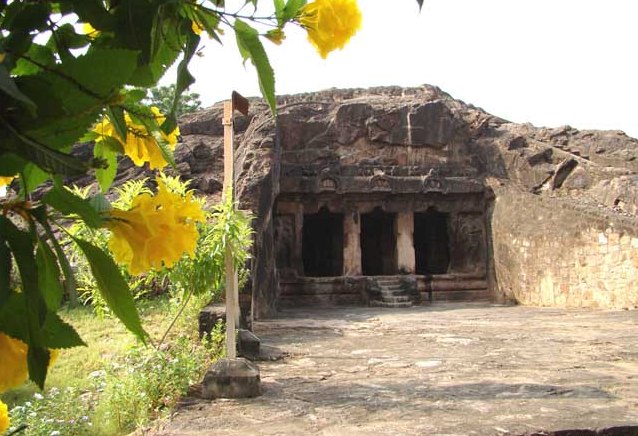
The Mogalrajapuram Caves are five rock-cut cave temple groups located in different parts of Vijayawada, Andhra Pradesh, India. Dedicated to Shiva, they were excavated during the Eastern Chalukya reign or the Vishnukundins reign. They are generally dated to about the 7th-century, after the Akkanna Madanna Caves. They are simple and small, yet the artwork and iconography is more sophisticated than Akkanna Madanna Caves. These include Nataraja, Ganesh and Ardhanarisvara. They are generally numbered as Cave I through V, with Mogalrajapuram Cave II being the most architecturally and iconographically evolved of the five. It is a centrally protected and managed by Archaeological Survey of India
Puranic Significance
The Mogalrajapuram Cave temples, particularly the more complex Cave II, has led to two theories of when these were excavated. Given the simplicity of Caves I, II–V and the iconography, some scholars place them in the 6th-century and credit the Vishnukundins dynasty. Other scholars consider Cave II, note the similarities with the simpler caves here, and place all of them in the second half of the 7th-century, crediting them to the Eastern Chalukya dynasty.
Cave I
The Cave I has a simple facade with two pillars and two pilasters. Between these, above each bay, the facade has a notch. The pillars are square, surmounted by an uttira with bhuta-gana decoration. The kapota exterior merges into the ceiling. The interior is more sophisticated, and of a square plan. It consists of three mandapas – mukha-mandapa (entrance hall), maha-mandapa (main gathering hall) and ardha-mandapa (devotional hall). Each mandapa has its own vajana frame, with ganas and hamsa malavahakas motifs. The single sanctum is on a faux-jagati carved from the rock. In front are profiles of two Shaiva dvarapalas, deliberately mutilated and gouged out. Their elegant kati-vastras can be traced, suggestive of the clothing popular around the 7th-century. Their profile is similar to those found in Pallava and Pandyan rock-cut monuments.
Cave II
The Cave II is in the south side of the Shivalayam hill in Vijayawada, and is the most evolved of five Mogalrajapuram caves. It has a more elaborate front court that was created by cutting out about 9 meters of rock. The facade consists of two pillars and two pilasters. Inside is a rectangular mandapa supported by four pillars and two pilasters. The mandapa leads to three sanctums.The front is flanked by two dvarapalas (damaged). They are in tribhanga-pose, both equipped with Shaiva motifs. Between them are two pillars, square at their ends and octagonal between. Three gavaskas decorate the top of the facade. The nasika kudus, vyalamukhas and sakti-dvaja artwork can readily traced. The entablatures here include playful elephants, lions, bulls and mythical fused animals. Inside the damaged stambha torana, at the top of the rock face is a Tandava Shiva (dancing Shiva). It is damaged, but three items can be identified – the damaru, the parasu and the trisula. A notable aspect of this dancing Shiva and Naga (snake) is that it reflects the Odisha-tradition; it was likely carved by a shilpin from Odisha. This iconic style of Nataraja becomes a standard relief on the sukanasi or the ceiling in the Eastern Chalukyan temples of later times.
Cave III and IV
Cave III and IV are small, one sanctum shrines. They are close to each other, on the southern side of the same rocky hill. Both have a facade with two pillars flanked by two pilasters, and a square sanctum. Cave III is larger of the two, with auxiliary shrines to the main rock-cut temple. Cave III is notable for the traces of Durga Mahisasuramardini bas-relief in the sanctum, though it is gouged out and damaged. Cave IV, in contrast, has a square pitha for a Shiva linga (lost), as well as with niches with padma-pitha of a four-armed Vishnu to the north and a four-armed Brahma to the south.
Cave V
Cave V is on the north side of the same hill that contains Cave III and IV. Cave V is unfinished, three shrines excavation. It is about 26.5 feet by 5.5 feet in size, with three square sanctums of 7.5 feet side each (they are almost a cube). The mandapa pillars are square in their cross section and plain. The pilasters have a series of animal friezes. Eight of these can be traced, the rest have been gouged out. The floor of this cave is restored with a thin layer of plaster poured in modern times.
Century/Period/Age
5th century A.D.
Managed By
Archaeological Survey of India (ASI)
Nearest Bus Station
Moghalrajpuram
Nearest Railway Station
Vijayawada Junction
Nearest Airport
Vijayawada
Rajgir Swarn Bhandar Jain cave temple- Bihar
Address
Rajgir Swarn Bhandar Jain cave temple, Rajgir, Bihar 803116
Diety
Trithankaras
Introduction
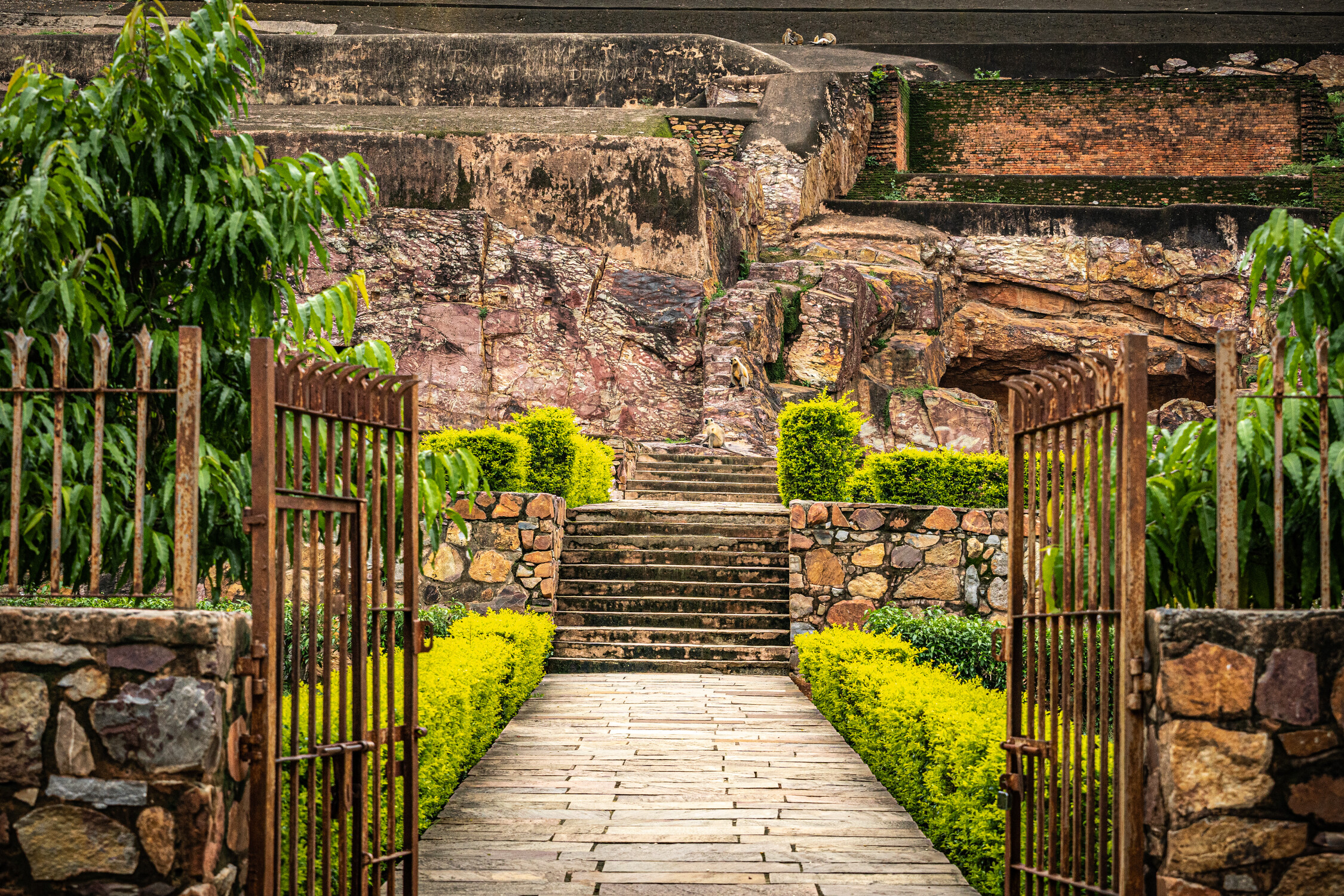
The Son Bhandar caves, also know as Sonebhandar, are two artificial caves located in Rajgir in the state of Bihar in India. They belonged to the Jains. The caves are generally dated to the 3rd or 4th century CE, based on the dedicatory inscription found in the largest cave which uses Gupta script of the 4th century CE, although some authors have suggested the caves could actually go back to the period of the Maurya empire from 319 to 180 BCE. The main cave is rectangular with a pointed ceiling, and the entrance is trapezoidal, reminiscent of the structure of the Barabar Caves (the first artificial caves of India, dated the 3rd century BCE).
Puranic Significance
The cave dates were built during rule of Maurya empire during 319 to 180 BCE. The Chaumukha (quadruple) idol discovered inside the cave has a domical top and the steal on each side shows a dharmachakra. Each side has carvings of animal representing the symbol of respective tirthankar – Ajitnatha with two elephants flank the wheel, Sambhavanatha with two monkeys, Shantinatha, with two deers and Rishabhanatha with chawri bearer on each side and flying garland-bearer over the head. This idol dates back to 7th—8th century CE. The second cave, adjacent to the main cave, is largely destroyed, but it has some beautiful Jains reliefs. This cave dates back to the 3rd and 4th century AD. The relief sculpture includes carving of Mahavira in the cave wall. An inscription in the rock at the entrance of the cave in Gupta characters of the 4th century of our era mentions the construction of the cellar by a Jain Muni (“wise man”) named Vairadeva. This inscription naturally led to date the cave to the same period of the 4th century CE. The Son Bhandar caves are two rock cut caves that are located at the foot of the Vaibhar Hills. The caves were hollowed in the cliff of the hill during the 3rd and 4th century AD. Inscriptions found inside one of the caves narrates that the caves were constructed by the Jain saint Muni Vairadevi as an abode for the Jain ascetics during that time. It is also said that there was either an installation of Lord Vishnu, or there was a plan to install the idol in the cave. The said idol that was found at the entrance of cave is currently in a museum in Nalanda. The idol appears to be incomplete and uninstalled which throws hints that, the caves were used for the worship of Lord Vishnu.
Century/Period/Age
3rd or 4th century CE
Managed By
Archaeological Survey of India (ASI)
Nearest Bus Station
Rajgir
Nearest Railway Station
Rajgir
Nearest Airport
Patna
Hamm Sri Kamakshi Amman Temple – Germany.
Address
Hamm Sri Kamakshi Amman Temple Hamm-Uentrop, North Rhine-Westphalia, Postal Code : 59065, Germany. Phone : +49 2388 302223
Diety
Shiva Amman: Kamakshi Amman
Introduction
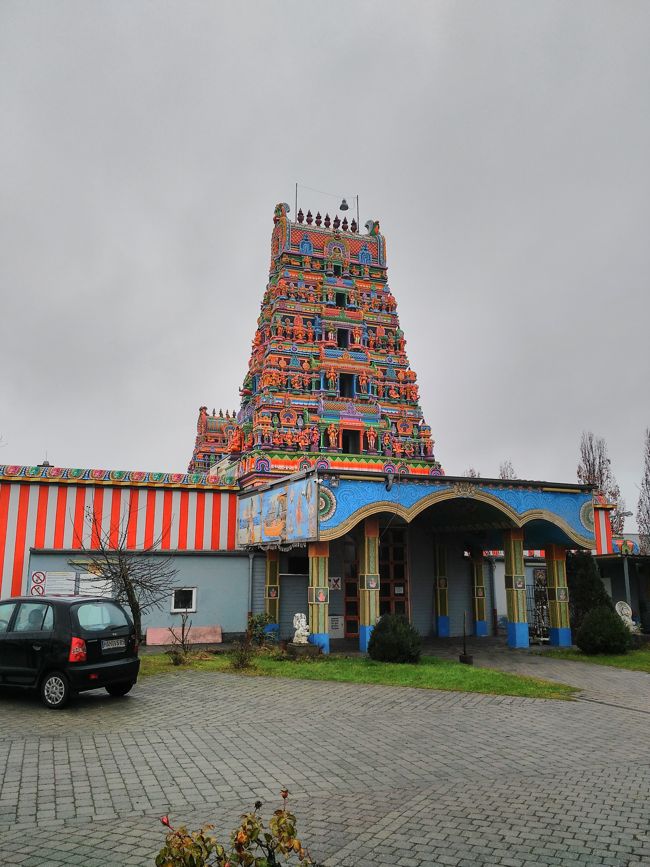
north-eastern part of the Ruhr area. The city is situated between the A1 motorway and A2 motorway. The temple is located on the Outskirts of the city Hamm. The town of Hamm/Uentrop is home to Europe’s largest Hindu temple. The temple, which is also popular with worshippers from Belgium and the Netherlands, was founded by Tamil refugees when they came to Germany in the 1980’s. It´s the biggest South Indian style Hindu temple in Middle Europe and it has been built and established for the Tamils community in Germany. The interiors of the temple look exactly like the temples in south India / Srilanka. The main and biggest altar is dedicated to Kamakshi Amman of Devi Kamakshi. In the main sanctum, there are various small shrines for the other Gods and Godesses like Ganesha, Shiva, Sri Murugan etc.. Sri Kamatchi or Kamakshi means Goddess with the eyes of love. Kamakshi Amman is depicted with four arms and sitting in Padmasan (lotus position). She also wears a red saree and a crown along with flower garlands and jewellery. In front of the main Devi idol, there is a Shree Yantra.
Puranic Significance
The temple is built in the South Indian (Dravidian) style. Although the foundation was laid in 1999, this temple was completed in the year 2002. The entire structure is made up of white bricks. The construction of this temple was done by Hamm architect Heinz-Rainer Eichhorst. The architectural details of this temple are similar to the Kamakshi temple in Kanchipuram, India. The statue of the main Goddess is made up of granite and was brought from Kanchipuram. There are shrines for around 200 deities in this temple. The Gopuram is about 17 meters in height. The Dhwajastambha or flag staff is in front of the main sanctum. Groundbreaking of building with a footprint of 27 x 27 m (729 m²) was held in March 2000th For the construction, especially for the many sculptures and ornaments, several temple builders were buy from India. From the outside the building shape red and white vertical stripes, the impressive portal of the Gopuram (temple tower) is 17 m high.The temple is the goddess Kamadchi that “the wishes every whim”, dedicated or the “through the eyes of love.” Overall, the construction not only decorate the large granite statue of the eponymous goddess, but also more than 200 other figures of deities.
Special Features
Temple was designed by Hammer Architects Heinz-Rainer Eichhorst, strictly following the presentation and style of the Kamakshi temple was directed in the southern Indian, Kanchipuram.
Festivals
Festivals celebrated annually include Ram Navmi, Janmashtami, Shivratri, Holi, Ganesh Chaturthi and Diwali. Marking the Hindu New Year, Diwali is one of the grandest festivals, and attracts many visitors and devotees to the mandir.
Century/Period/Age
2002
Managed By
Tamils community in Germany.
Nearest Bus Station
Kranstrabe stop
Nearest Railway Station
Hamm
Nearest Airport
Dortmund (DTM)
KiliyanurSri Agastheeswarar Temple, Villupuram
Address
KiliyanurSri Agastheeswarar Temple, Thiru Kiliyanur, Thindivanam Taluk, Villupuram District, Tamil Nadu – 604001.
Diety
Agatheeswar, Amman: Akilandeswari
Introduction
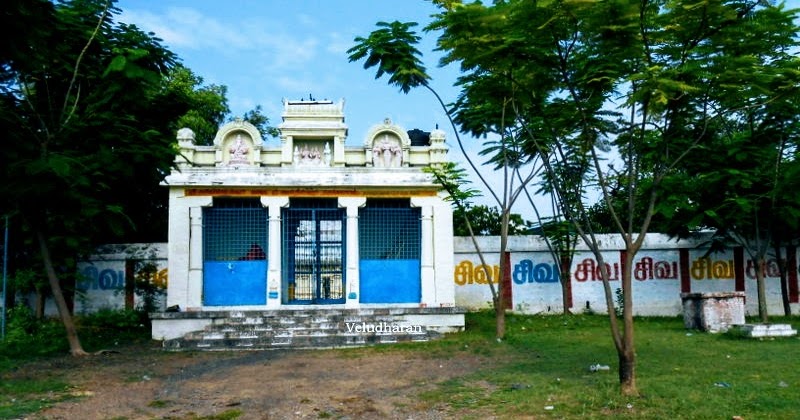
The Agastheeshwarar Temple, situated in Kiliyanur Village within the Villupuram District of Tamil Nadu, is a place of worship dedicated to Lord Shiva. The primary deity enshrined here is known as Agastheeshwarar, while the goddess is revered as Akilandeswari. This temple holds significance as the 276th Devara Padal Petra Shiva Sthalam and is the 33rd Shiva Sthalam in Thondai Naadu. It’s worth noting that this temple is considered the most recently discovered (276th) Paadal Petra Shiva Sthalam. In ancient times, Kiliyanur was referred to as Kiliyannavur. Moreover, it is regarded as a sacred place for remedying Rahu-Ketu afflictions. The holy water source associated with the temple is known as Agni Theertham, and the sacred tree on its premises is the Vanni tree.
Puranic Significance
This temple has a rich history, spanning approximately 1500 years, with its construction dating back to the Chola period. The significance of the name “Kiliyanur” is associated with the Chola kings, whose surname was “Killi.” Historical records mention Chola monarchs such as King Nedungkilli and King Killivalavan, making it plausible that the name “Kiliyanur” is linked to the Chola dynasty.
According to stone inscriptions found within the temple, it is evident that the initial construction was made using bricks and later underwent reconstruction with granite during the reign of King Paranthaka Chola-I. The temple’s primary deity, the lingam (Moolavar), was believed to have been installed and worshipped by the revered Sage Agasthiyar, which is why the deity is known as Sri Agastheeswarar.
Furthermore, it is worth noting that Nandi Devar, the sacred bull that serves as the mount of Lord Shiva, is said to perform pujas and worship Goddess Akilandeswari in front of her, particularly on the auspicious occasion of Maha Shivratri. Inscriptions within the temple provide further details about this unique tradition.
Beliefs
Devotees flock to this temple with specific hopes and prayers in mind. Many come seeking divine intervention to overcome obstacles in their marriage proposals, while others seek the Lord’s blessings for a successful and enriching education. It is firmly believed that worshiping Lord Shiva in this sacred place can also bestow the gift of childbirth to couples facing infertility issues.
Additionally, a prevalent belief among the faithful is that partaking in the abishekam milk, which is the milk poured over the lingam during the ritual, has the power to alleviate illnesses, particularly those related to stomach ailments.
This temple holds a special place in the hearts of those affected by Rahu-Ketu Dosham, as it is believed that Adisheshan, the celestial serpent, worshipped Lord Shiva here. Therefore, it is considered a parikara Sthalam for addressing the afflictions associated with Rahu and Ketu.
Special Features
Legend has it that Sage Kalava Maharishi had a significant connection to this sacred site. He arrived at this place with his two daughters who were afflicted by severe illnesses. Deeply devoted, they prayed to Lord Shiva for divine intervention. Impressed by their unwavering faith and devotion, Lord Shiva graciously blessed the Sage’s daughters and miraculously cured them of their ailments, becoming a source of solace and healing for their family.
The temple’s significance is further enhanced by the belief that the parrot-faced Sage Sukabrahma Maharishi also visited this hallowed ground to worship Lord Shiva, seeking relief from his stomach-related maladies.
In addition to these accounts, it is widely held that Adisheshan, the divine serpent upon whom Lord Sri Mahavishnu reclines, is among the revered entities that have paid homage to Lord Shiva in this temple, further enhancing its spiritual importance.
Festivals
This temple observes a regular schedule of weekly rituals, such as Somavaram (Monday) and Sukravaram (Friday). Additionally, there are fortnightly rituals like Pradosham and monthly festivals including Amavasai (new moon day), Kiruthigai, Pournami (full moon day), and Sathurthi.
Notably, the temple hosts twin festivals during the full moon days of the Tamil months of Adi (July – August) and Thai (January – February). These festivals are a major draw, attracting a substantial number of pilgrims from across the entirety of Tamil Nadu.
Century/Period/Age
1000 to 2000 years old
Managed By
Hindu Religious and Charitable Endowments (HRCE)
Nearest Bus Station
Brammadesam
Nearest Railway Station
Thindivanam
Nearest Airport
Puducherry
Thiruvidaivai Sri Punniyakodinathar Temple, Thiruvarur
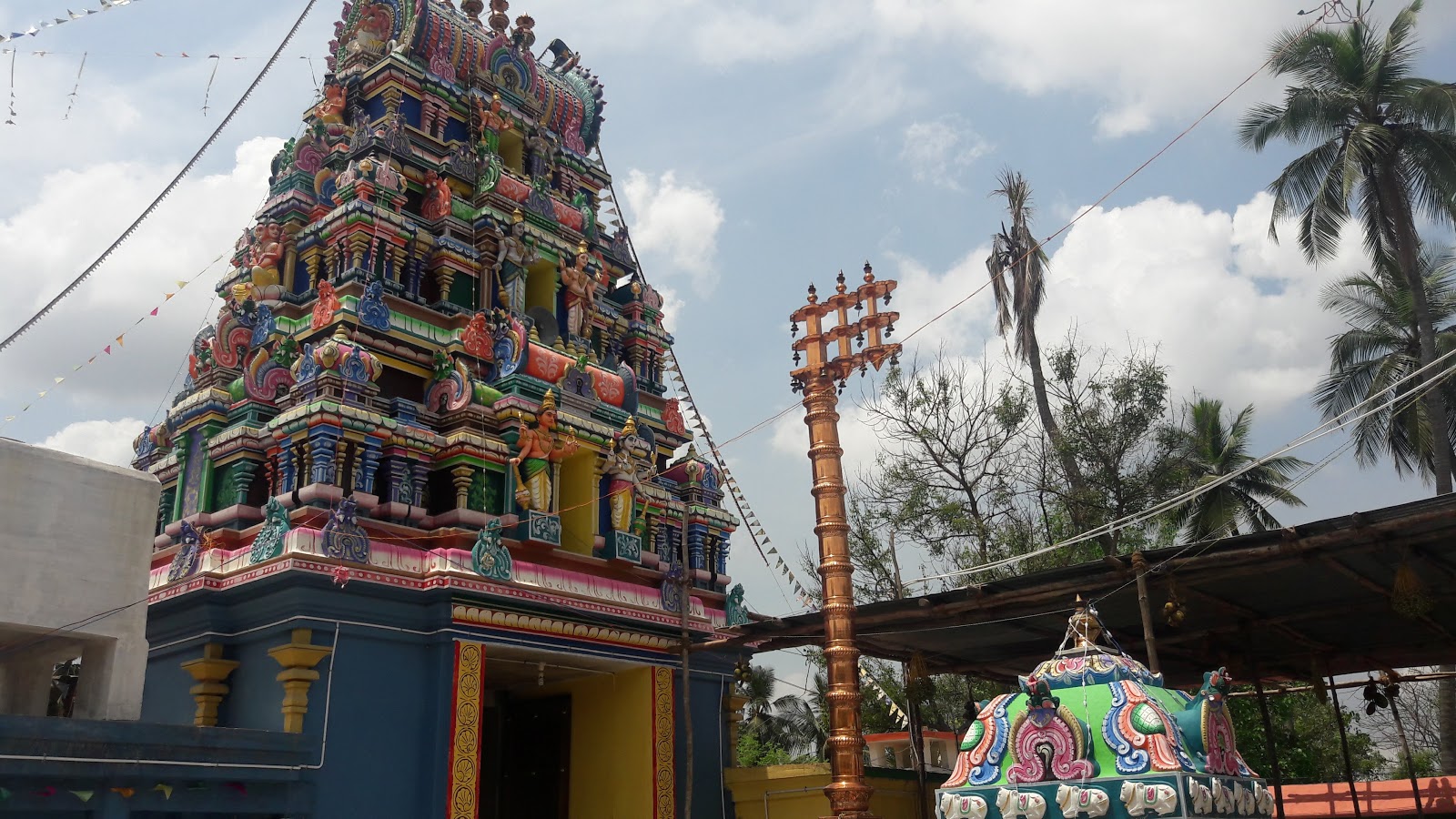
Address
Thiruvidaivai Sri Punniyakodinathar Temple, Thiruvidaivai, Thiruvarur District
Diety
Sri Idaivainathar, Sri Vidaivayappar, Sri Punyakotteesw Amman: Sri Umayammai, Sri Abirami.
Introduction
Punyakotinathar Temple is a Hindu Temple dedicated to Lord Shiva located at Thiruvidaivasal Village in Thiruvarur District of Tamilnadu. This Place is also called as Thiruvidaivaai.This is the 275th Devaram Paadal Petra Shiva Sthalam which was found after 274 temples on the south side of river Cauvery in Chozha Nadu. This was due to Tirugnanasambandar hymns Kalvettu on the Karuvarai wall. The 275th Thevara Sthalam added in 1917.
Puranic Significance
Vidaiyavan, of the Surya Vamsam, originally built this temple. Hence this place is called as Thiruvidaivaai. It was believed that Shiva was worshipped by Adhiseshan, Agasthiar and Sage Athri. This Shivastalam was added to the collection of 274 Shivasthalams in 1917 to make it 275. The temple and the Thevara hymns dedicated to this shrine in inscriptions were found during digging a mud mound and so is not a part of the original collection of the Thirumurais compiled by Nambiyandar Nambi. The pathigam here is referred to as Puthiya Pathigam. Appar refers to this shrine as Vidaivaikkudi in his Adaivu Thiruttandakam.
Beliefs
Worship of Siva removes innate sins. Get the blessing of visiting many temples. The marriage ban will be lifted. He will get rid of his body and live a long life. “
Special Features
There is no Rajagopuram and Kodimaram. Presiding Deity is called as Punyakoti Nathar / Idaivaainathar / Vidaivaayappar / Punyakotteeswarar. Presiding Deity is little big on Nagabaranam looks beautiful. Mother is called as Abirami / Umayammai. Ganapathi, Durga and other deities in the Devakoshtam are noteworthy. The sculpture showing Ambal holding Sambandar on her lap and offering the Holy Milk is located at the entrance of Abhirami shrine. Sambandar worshipping the God and the Goddess right on top of the main entrance is enchanting. Nandi is located in a small Mandapam facing main deity. This Temple is known for an important inscription. Unlike the inscriptions of other places, this one is nothing but a Thevaram Pathigams by Sambandar during his visit.This inscription came to light only in the year 1917. Until then, the number of Thevara Sthalams was 274 and with this finding the number went up to 275. Naalvar & Vinayagar and Ambal Sannidhi facing south are located in Arthamandapam. Dwarabalakars and Dwarabalakis paintings are located at the entrance of Lord and Mother Sanctums, Narthana Vinayagar, Dhakshinamoorthy, Lingothbavar, Brahma and Durgai are the Koshta Idols located on the sanctum walls. Shrines for Vinayagar, Subramaniyar, Bala Sastha, Bairavar, Navagraha, Surya, Chandran, Gajalakshmi and Sandikeswarar are located in the Prakaram. Here in this temple, Dakshina Moorthy is seen on Simhaasana mandapam. Sthala Vriksham is Kasturi Arali and Theertham is Sri Theertham / Punyakoti Theertham.
Century/Period/Age
1000-2000 years old
Managed By
Hindu Religious and Charitable Endowments (HRCE)
Nearest Bus Station
Thiruvidaivai
Nearest Railway Station
Thiruvarur
Nearest Airport
Trichy
Sri Thiruketheeswaram (Ketheeswaram ) Temple, Sri Lanka
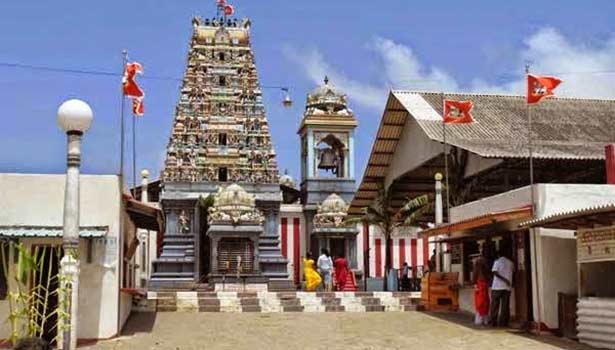
Address
Sri Thiruketheeswaram( Ketheeswaram ) Temple, Navathkuli Karativu – Mannar Hwy, Thiruketheeswaram, Sri Lanka Phone: +94 232 050 800Telephone No : 0232233003, 0112360316, 0112582890, 0112586042
Diety
Thiruketheeswaramn, Ketheeswaram Amman: Gowri
Introduction
The Ketheeswaram temple (alternatively called Thiruketheeswaram) is an ancient Hindu kovil located in Mannar, in Sri Lanka’s Northern Province. It is one of the island’s Pancha Ishwarams (a group of five ancient coastal kovils that were built around the perimeter of Sri Lanka) that were dedicated to the Hindu supreme being Ishawara in the form of the god Shiva. The temple overlooks the ancient Tamil port towns of Manthai and Kudiramalai. Thiruketheeswaram is at least 2,400 years old, although the exact year of its creation is unknown. It exists alongside the long-buried city of Manthottam, a former Hindu city and a centre of international trade in ancient times. In the 16th century, when the Portuguese attacked the island, the Thiruketheeswaram and countless other temples around the country were destroyed. The temple was rebuilt in the early 20th century, nearly 400 years after its destruction, and again renovated with the help of the Thirketheeswaram Restoration Society in the 1950s. There are different legends that claim the origin of the temple. According the Indian epic Ramayana, the wife of the king of Lanka hailed from Manthai, where her father built the Thiruketheeswaram temple in dedication to Shiva. In the Skanda Purana, an ancient Sanskrit work, legend tells of the God of Wind uprooting the three towers of the Maha Meru mountain in Indonesia, and dropping one of these towers at Thiruketheeswaram. Ketheeswaram temple or Thiruketheeswaram Hindu Temple in Manner is one of the most venerated Hindu Temples in Sri Lanka located in Mannar District, Nothern Province of Sri Lanka. This is also one of the five Pancha Ishwarams (five abodes of God Shiva) temples in Sri Lanka dedicated to Hindu deity Shiva. And also this temple was venerated by Shaivas throughout the continent. According to the Hindu natives of the Manthota, Thiruketheeswaram is one of the 275 Paadal Petra Sthalams of Shiva glorified in the poems of the Tevaram. Its is believed that there is a direct link between Ketheeswaram Temple and Ramayana trail Sri Lanka.
Puranic Significance
Mythical stories related to the Indian epic Ramayana recount that Mandothari, the wife of King Ravana was from Manthai and that Mayan, the father of Mandothari and the King of Manthai built the ancient Temple of Thiruketheeswaram to worship Shiva. According to one Hindu legend, Maharishi Bhrigu worshipped Shiva at this shrine. Another tradition holds that the Hindu planetary god Ketu worshipped Shiva at the shrine, thus creating the shrine’s name “Ketheeswaram”. Another legend is found in the Skanda Purana, an ancient work in Sanskrit, the antiquity of which is unknown. It consists of 2500 verses grouped into 27 Chapters and had been handed down in accordance with the traditional custom as oral discourses by the Guru to his disciples in this case by Sootha Munivar to the Naimisaraniya Munivars. Three Chapters of the Skanda Purana which have been given the title Dhakshana Kailasa Manmiam deal with historical events in ancient Ceylon. The first chapter narrates about the Puranas in general and the splendour that was of ancient Ceylon; the second chapter relates about the celebrated places of religious importance in Ceylon and the story of “Thiruketheeswaram”. In this chapter is narrated the incident of how, at one time long ago, the God of Wind (Vayu) uprooted the three towers of the great mountain Maha Meru in order to keep off Athichedan — who fought against him, obstructing the great mountain with thousands of adorned summits resembling serpents’ heads — and deposited one of these towers at Thiruketheeswaram. The Lord established Himself there, at Thiruketheeswaram. According to the Manmiam, Thiruketheeswaram along with Koneswaram are two of the nine most sacred sthalams of the Hindus. The other seven are in India. Lord Ketu came to this temple to perform penance and worship, and Lord Amma gave him a vision as Appara. This is why it has become known as Thiruketheeswaram. It is said that if a person has Rahu and Ketu doshas in the horoscope, then the doshas will be removed if he bathes in Palavi and worships Ketiswara. The Palavi Theertham has the power to cure sins committed in many incarnations. If you perform Pitru Puja by bathing here, you will get the blessings of performing Pitru Puja with your hands. Surabathman’s grandson, Duvatta, bathed in this tirtha, worshiped the Lord and had children by his lord. Later, the place got its name from the fact that it became a metropolis. Later Maruvi became known as Mathottam and Matai. One of the three lingams received from Lord Rama is dedicated and worshiped here. Legend has it that when Sage Agathiyya was on his way to Tendisai, he came to Thirukkedicharam and worshiped Shiva before visiting the Dakshina temple, Koneswaram.Ravana’s wife Mandodari and her father Mayan are worshiped at this place. Lord Itala is also known as Naganathar as the tribal Nagas are worshiped here.
Beliefs
It is said that those who bathe in the Balavith Tirtha, which is located in this place, will get blessings and those who bathe in this Tirtha will get rid of sins like Pramakathi.
Special Features
According to the Manmiam, Thiruketheeswaram along with Koneswaram are two of the nine most sacred sthalams of the Hindus. The other seven are in India. There is a huge statue of Somaskandar in the world. The temple was built by the Cholas. The temple was destroyed in 1600. Is being updated again. It is the 269th shrine out of the 274 shrines to receive the devotional song of Lord Shiva. .
Festivals
The Thiruketheeswaram Kovil in Mannar comes alive with lights and activity especially during Maha Shivaratri – a festival celebrated each year in reverence of Lord Shiva. During this festival, the Shiva temple is flocked by many devotees from all over the country both young and old, who come to perform the traditional Shivalinga Pooja or to worship and hence hope for favours from the deity. At sunrise the devotees cleanse themselves in the traditional Palavi, a tank which is next to the temple. This is a significant purificatory right adhered to at all Hindu festivals. Then the worshippers carry pots of water to the temple with which they bathe the Shiva Lingam.
Century/Period/Age
1000-2000 years old
Managed By
Government of Srilanka
Nearest Bus Station
Thiruketheeswaram
Nearest Railway Station
Colombo
Nearest Airport
Colombo
Trincomalee Sri Thirukkoneswaram Temple, Srilanka
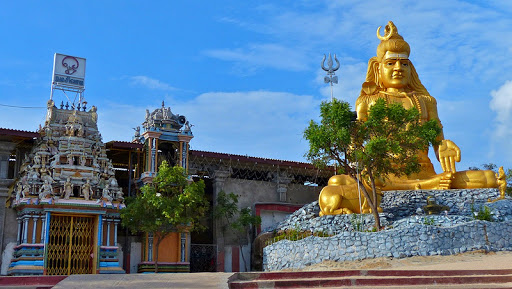
Address
Trincomalee Sri Thirukkoneswaram Temple, Trincomalai , Sri Lanka- 31000 Telephone No : +94 26 222 6688
Diety
Thirukkoneswaram Amman: Mathumaiyal
Introduction
Thirukoneswaram, or the Holy Koneswaram Temple, is a Hindu temple in Thirukonamalai (Trincomalee) on the east coast of Sri Lanka. The temple lies on a high rocky promontory surrounded on three sides by the sea. It bears a history of over three millennia with its records indicating its roots in 1580 BC. This, still beautiful, historical monument is what remains of what once was a sprawling temple city equal to the ancient city of Madurai, India. Koneswaram gains its name from the main deity of the temple, the Hindu God Shiva. Shiva, who is also called Eeshwar or Eeshwarar, reigns over the mountain of Holy Konam (Thirukonamalai (Tamil): Thiru – Holy; Konam- Name; Malai – Mountain) hence giving the name Thirukoneshwarar (Thiru-Kona -Eeshwarar). The name ‘Konam’ is believed to have come from the Old Tamil word meaning ‘peak’. Another name given to the temple is ‘Dakshina Kailayam’; a Sanskrit name meaning ‘Mount Kailash of the South’. Some also call it ‘Aathi Koneswaram’, where ‘Aathi’ is the Tamil word for ancient.
Puranic Significance
According to the Ramayana story in Sri Lanka , this is a wonderful temple located on a rock promontory which is built by Rishi Agastya on the instructions of Lord Shiva who was impressed by the devotion of king Ravana. It is also said in the epic of Ramayana that Lord Rama built the second lingam here to get rid of the Brahmahasthi Dosham which was caused by malediction of killing Ravana who was a Brahmin. It is also believed that Lord Rama has offered his prayers here too to get rid of this Dosham. This temple is respected as one among the Pancha Ishwarams in Sri Lanka and Ramayana related sites in Sri Lanka. Historical Background: With related to the Sri Lanka Ramayana history, Koneshwaram has many strong historical associations where the shrine is described in the Vayu Purana, the Konesar Kolvettu and Tevaramhymns by Sambandhar and Sundarar a Paadal Petra Sthalam. This famous temple was built here during the glorious era of the Tamil Pallava and Chola and Pandya empires, was destroyed by Portuguese Christian between 1622 and 1624. It is believed that the temple was developed from 205 BC, the original Kovil combined key features to form its basic Dravidian temple plan, such as its thousand pillared hall – “Aayiram Kaal Mandpam” – and the Jagati expanses by King Elara Manu Needhi Cholan. Also this is regarded as the greatest building of its age for its architecture, elaborate sculptural bas – relief ornamentation adorned a black granite megalith while it’s multiple gold plated gopuram towers were expanded in the medieval period.
Special Features
In line with custom of Tamil Hindu temple compounds, the complex houses shrines to several deities. Koneswaram is the easternmost shrine of the 5 ancient Iswarams of Lord Shiva on the island, the others being Naguleswaram (Keerimalai), Thiruketheeswaram (Mannar), Munneswaram (Chilaw) and Tenavaram (Tevan Thurai). Koneswaram has attracted thousands of pilgrims from across Asia, its Shiva shrine mentioned in the Ramayana and the Mahabharata written from 400 to 100 B.C. describe at length its attraction to pilgrims from many countries and from 600 to 660, it has been glorified as one of 275 Shiva Sthalams, or holy Shiva dwellings on the continent in Tevaram. Swami Rock is heralded as a Shiva Upa Peetha (base) of Lanka in the Sivacharita, a Sanskrit work in praise of Shiva, and subsequent manuscripts of the Pithanirnaya (Maha Piitha Nirupana) as a general Sakta Peetha of Lanka with a temple of the compounds dedicated to the goddess Indraksi Devi and a male deity Raksasesvara – a reference to Ravana. Kullakottan reconstructed the Three Pagodas of Thirukonamalai, the other two dedicated to Vishnu-Thirumal and that of the Mother-Goddess (Tirukkamakkottam – a consort of Shiva) on the promontory over a far greater area than at present. This latter temple to the goddess – Ambal/Uma/Shakti/Shankari Devi – was one of the 18 Maha Shakthi Peethas, those Shakti Peethas consecrated to the goddess which are mentioned in the Ashta Dasa Shakthi Peetha Stotram by the Hindu philosopher Adi Shankara (788—820). The Vishnu-Thirumal temple was likely the first temple encountered on the promontory – and is mentioned in Oud en Nieuw Oost-Indiën written in 1726 by François Valentijn.The temple closest to the sea end was likely that dedicated to the goddess, where the current reconstructed Shiva temple stands. Smaller shrines within the complex to Ganesh, Durga, Murukan, Agastya, and the Navagraha including the sun god Surya would have been customary near the main shrine in the centre to Shiva – the Murukan shrine is hailed at large in the Thiruppugazh series of Arunagirinathar.
Festivals
The Koneswaram temple is well known for its celebration of the traditional Ther chariot festival, the Navaratri and Sivarathri functions. The Ther Chariot Festival lasts for twenty two days in April and focuses on preparing the deities and the community for Puthandu, the Tamil New Year. Navaratri lasts for nine days and is dedicated to various aspects of the presiding goddess, whereas Sivarathri is dedicated to Siva. Devotees visit the temple to attend the daily pujas and make their offerings. Booths are erected outside for the sale of food, drink, brassware, pottery, cloth and holy images. These functions primarily attract Hindus to the temple. The main Thirukoneswaram Ther Thiruvilah Festival, the twenty-two-day annual chariot festival begins with the hoisting of the temple Nandi flag. This is followed by temple processions of Lord Konesar and his consort Mathumai Ambal, installed and pulled in an ornate chariot temple car while deities Pillayar and Murugan with his two consorts Valli and Theivayanai are taken ahead in two other decorated chariots. This is conducted throughout Trincomalee district, and follows Kulakottan’s stone scriptures detailing how Hindus in Tamil villages like Sambaltivu, lands which historically belonged to the temple, are entitled to hold poojahs as their Upayam during the annual festival period. Until April 1624 the Koneswaram Ther Festival occurred around Puthandu in April annually with five chariots and this tradition was reintroduced in April 2003, three hundred and seventy nine years later.[96] The water-cutting Theertham Thiruvilah festival (holy bath) takes place annually in the centuries-old Papanasachunai holy well (Papanasam Theertham) on Swami Rock during the Ther festival period. The deity and other holy artefacts are bathed in the water of the well in the complex’s sacred precincts. Devotees are sprayed with the holy water following the Theertham.[96][97] The Theppath Thiruvilah Boat Festival consists of Lord Konesar and goddess Mathumai Ambal taken in a boat around the temple from Swami Rock via the Back Bay Sea to the Dutch Bay Sea. Religious discourses and cultural items take place throughout the night before Puthandu at the Dutch Bay Sea beach. Thereafter the deities are taken to the temple early morning the next day on Puthandu by road through the Fort Frederick entrance. The Trincomalee Bhadrakali Amman Temple and other Hindu temples have held their water-cutting Theertham festivals in the Back Bay Sea (Theertha Kadatkarai) for several centuries.[98] The Koneswaram Poongavanam Festival – the Temple Garden Festival is held during this twenty-two-day festival period. An annual three-day procession follows Maha Sivarathri Day, observed every year since 1951 following the rediscovery of the bronze idols in 1950. Occurring in three stages, on each day of the festival, the images of the chief deity Konesar, the presiding consort goddess Mathumai Amman, Ganesh and Murugan are brought from Swami Rock to the entrance of Fort Fredrick in decorated Ther temple cars before being paraded through the whole Periyakadai of the Trincomalee town. The chariot cars are pulled by devotees through a decorated route while singing hymns. Devotees hold Poorna kumbham outside their houses along the route and worship as the procession moves. On the second day of the festival there is a procession to the Pathirakalai Ambal Temple where the images are kept for the evening. On the final day of the festival, the large chariots are pulled back to Koneswaram along a route through Trincomalee, accompanied by traditional Nadeswaram and Thavil musicians.
Century/Period/Age
1000-2000 years old
Managed By
Government of Srilanka
Nearest Bus Station
Trincomalee
Nearest Railway Station
Trincomalee
Nearest Airport
Jaffna
Thirukkailayam (Kailayam) Sri Kailayam Nodithanmalai – China
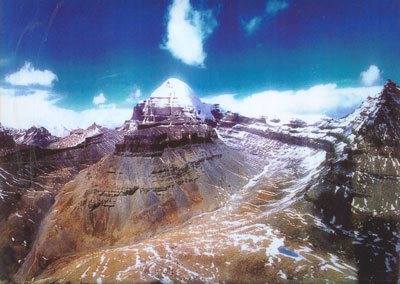
Address
Sri Kailayam Nodithanmalai, Thirukkailayam Burang County, Ngari Prefecture, China
Diety
Sivan Amman: Parvathi Devi
Introduction
Mount Kailash which forms part of the Transhimalaya in the Ngari Prefecture, Tibet Autonomous Region, China. The mountain is located near Lake Manasarovar and Lake Rakshastal, close to the source of some of the longest Asian rivers: the Indus, Sutlej, Brahmaputra, and Karnali also known as Ghaghara (a tributary of the Ganges) in India. Mount Kailash is considered to be sacred in four religions: Hinduism, Bon, Buddhism, and Jainism. Another local name for the mountain is Tisé mountain, which derives from ti tse in the Zhang-Zhung language, meaning “water peak” or “river peak”, connoting the mountain’s status as the source of the mythical Lion, Horse, Peacock and Elephant Rivers, and in fact the Indus, Yarlung Tsangpo/Dihang/Brahmaputra, Karnali and Sutlej all begin in the Kailash-Lake Manasarovara region.
Puranic Significance
In Hinduism, it is traditionally recognized as the abode of Shiva, who resided there along with his consort goddess Parvati and their children, Ganesha and Kartikeya. In the Uttara Kanda section of the epic Ramayana, it is said that Ravana attempted to uproot the Mount Kailash as retaliation to lord Shiva, who in turn, pressed his right big toe upon the mountain, trapping Ravana in between.This version of lord Shiva is also referred to as Ravananugraha, or favour form to ravana while seated in mount Kailash. According to the epic Mahabharata, it is said that the Pandava brothers, along with their wife Draupadi, trekked to the summit of mount Kailash on their path to liberation, as it is considered to be a gateway to Heaven, also known as Swarga Loka. According to Charles Allen, one description in the Vishnu Purana of the mountain states that its four faces are made of crystal, ruby, gold, and lapis lazuli. It is a pillar of the world and is located at the heart of six mountain ranges symbolizing a lotus.
Special Features
Every year, thousands make a pilgrimage to Kailash, following a tradition going back thousands of years. Pilgrims of several religions believe that circumambulating Mount Kailash on foot is a holy ritual that will bring good fortune. The peregrination is made in a clockwise direction by Hindus and Buddhists, while Jains and Bönpos circumambulate the mountain in a counterclockwise direction. The path around Mount Kailash is 52 km (32 mi) long. Some pilgrims believe that the entire walk around Kailash should be made in a single day, which is not considered an easy task. A person in good shape walking fast would take perhaps 15 hours to complete the entire trek. Some of the devout do accomplish this feat, little daunted by the uneven terrain, altitude sickness and harsh conditions faced in the process. Indeed, other pilgrims venture a much more demanding regimen, performing body-length prostrations over the entire length of the circumambulation: The pilgrim bends down, kneels, prostrates full-length, makes a mark with his fingers, rises to his knees, prays, and then crawls forward on hands and knees to the mark made by his/her fingers before repeating the process. It requires at least four weeks of physical endurance to perform the circumambulation while following this regimen. The mountain is located in a particularly remote and inhospitable area of the Tibetan Himalayas. A few modern amenities, such as benches, resting places, and refreshment kiosks, exist to aid the pilgrims in their devotion. According to all religions that revere the mountain, setting foot on its slopes is a dire sin. It is a popular belief that the stairways on Mount Kailash lead to heaven.Because of the Sino-Indian border dispute, pilgrimage to the legendary abode of Shiva was stopped from 1954 to 1978. Thereafter, a limited number of Indian pilgrims have been allowed to visit the place, under the supervision of the Chinese and Indian governments either by a lengthy and hazardous trek over the Himalayan terrain, travel by land from Kathmandu or from Lhasa where flights from Kathmandu are available to Lhasa and thereafter travel over the great Tibetan plateau by car. The journey takes four night stops, finally arriving at Darchen at an elevation of 4,600 m (15,100 ft), a small outpost that swells with pilgrims at certain times of the year. Despite its minimal infrastructure, modest guest houses are available for foreign pilgrims, whereas Tibetan pilgrims generally sleep in their own tents. A small regional medical center serving far-western Tibet and funded by the Swiss Ngari Korsum Foundation was built here in 1997. Walking around the mountain—a part of its official park—has to be done on foot, pony or domestic yak, and takes some three days of trekking starting from a height of around 15,000 ft (4,600 m) past the Tarboche (flagpole) to cross the Drölma pass 18,200 ft (5,500 m), and encamping for two nights en route. First, near the meadow of Dirapuk gompa, some 2 to 3 km (1.2 to 1.9 mi) before the pass and second, after crossing the pass and going downhill as far as possible (viewing Gauri Kund in the distance).
Festivals
Maha Sivarathiri.
Century/Period/Age
2000-3000 years old
Managed By
Government of China
Nearest Bus Station
Tibetan
Nearest Railway Station
Rishikesh
Nearest Airport
Dehradun
Gauri Kund, Uttarakhand
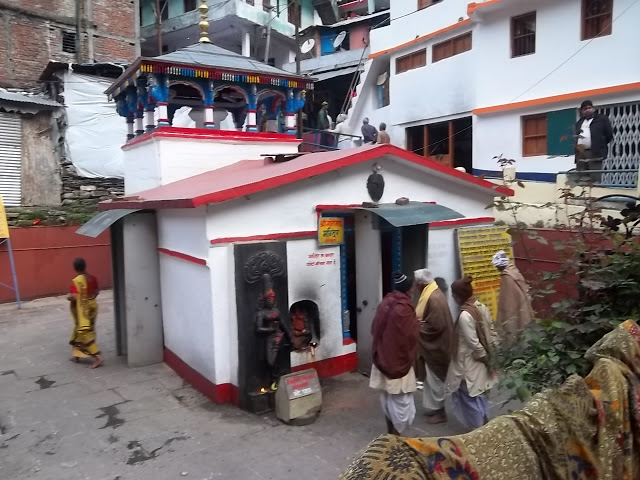
Address
Gauri Kund, Uttarakhand, India-246471
Diety
Anekatangavathnathar Amman: Manonmani, Gowri
Introduction
Gauri Kund is a Hindu pilgrimage site and base camp for trek to Kedarnath Temple, in Uttarakhand, India. It is situated at an altitude of 6502 feet above mean sea level in the Garhwal Himalayas. Anekadhangavadeswarar is revered in the 7th century Tamil Saiva canonical work, the Tevaram, written by Tamil saint poets known as the nayanars and classified as Paadal Petra Sthalam, the 276 temples reverred in the canon.
Puranic Significance
Gauri Kund is connected with Shiva’s wife Parvati, also known as Gauri. In Hindu folklore, Gauri committed to penance involving many ascetic and yogic practices to win over Shiva’s affections. Local tradition claims that Gauri Kund is the spot where Gauri lived while carrying out these practices and it was here that Shiva finally admitted His love for Her. They were married at Triyugi Narayan, which is located nearby. There are hot springs in Gaurikund and they are converted to bathing places.This place is also associated with the legend of how Ganesha acquired his elephant head. While bathing in the kund, Goddess Parvati fashioned Ganesha from the soap suds on Her body, breathed life into Him and placed Him at the entrance as Her guard. Lord Shiva happened to arrive at the spot and He was stopped by Ganesha. Indignant at this affront, Shiva cut off Ganesha’s head and Parvati was inconsolable. She insisted that the boy be brought back to life and Shiva took the head of a wandering elephant and placed it on Ganesha’s body. Parvati had Her son back and Ganesha acquired the persona by which He is known all over the Hindu world since then.There are several inscriptions in the temple from historical times. One of the inscriptions states that the son of a Devadasi vowed to kill himself if the temple could not be completed.
Beliefs
The hot water spring of Gaurikund is one of the holiest sites for Hindus, who come to take a dip in it. It is believed that taking a dip in the holy water of the pond will make a person pure.
Special Features
The hot water spring of Gaurikund is one of the holiest sites for Hindus. Tirugnana Sambandar, a 7th-century Tamil Saivite poet, venerated the deity in one verses in Tevaram, compiled as the First Tirumurai. He is believed to have rendered the verse while he visited the Kalahast temple. As the temple is revered in Tevaram, it is classified as Paadal Petra Sthalam, one of the 276 temples that find mention in the Saiva canon. There is a temple in Kanchipuram, the Anekadhangavadeswarar temple carrying the same name
Festivals
Mahashivrathri
Century/Period/Age
1000-2000 years
Managed By
Government of Uttarakhand
Nearest Bus Station
Rishikesh
Nearest Railway Station
Rishikesh
Nearest Airport
Dehradun
Sri Indraneela Parvatham, Nepal
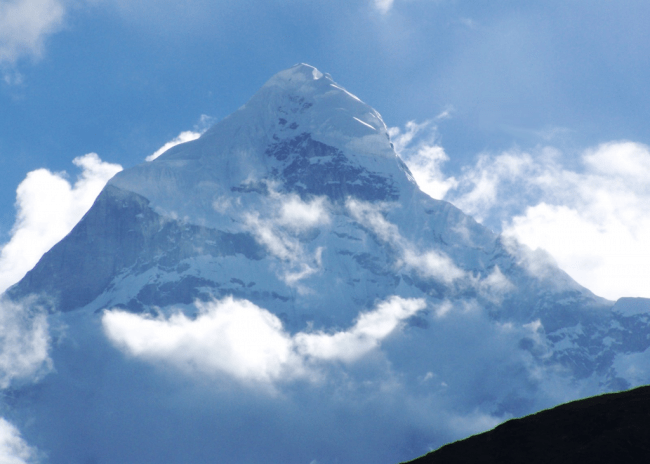
Address
Sri Indraneela Parvatham, Nepal , Katamandu, 44600 Nepal
Diety
Neelachalanathar Amman: Neeelambika
Introduction
Indraneela Parvatham temple is located at Katamandu in Nepal. This holy Shrine is one among 276 Shiva Sthalams and is dedicated to Lord Shiva in the form of Neelachalanathar. Indraneela Parvatam is the first of the Tevara Stalams hailed by the Tamil hymns of the Nayanmars. This shrine has not been visited by any of the Nayanmars, although its praises have been sung by Sambandar from Kalahasti
Puranic Significance
A towering peak (6000 Meters tall) reached by a long trek from Kathmandu is revered as a manifestation of Shiva and a green rock is revered as a manifestation of Ambal. Indra is believed to have worshipped shiva here. This is one of the 4 Shivastalams in the Himalayas praised by the Tamil hymns of the Saivite Nayanmar Tamil Saints of the 1st century CE – the other three being Gowrikund, Kedarnath and Mount kailash.
Beliefs
The devotees visit this temple get bestows from lord Shiva and devotees get wealth, health, prosperity and richness.
Special Features
Legend has it that Indra is belived to have worshipped Siva here. Arjuna obtained the Pasupatha Astram after offering prayers to Lord Siva.
Festivals
Mahashivrathri
Century/Period/Age
1000-2000 years old
Managed By
Government of Nepal
Nearest Bus Station
Katamandu
Nearest Railway Station
Katamandu
Nearest Airport
Katamandu
Sri Kedarnath(Jyotirlinga) Temple (Panch Kedar)- Uttarakhand
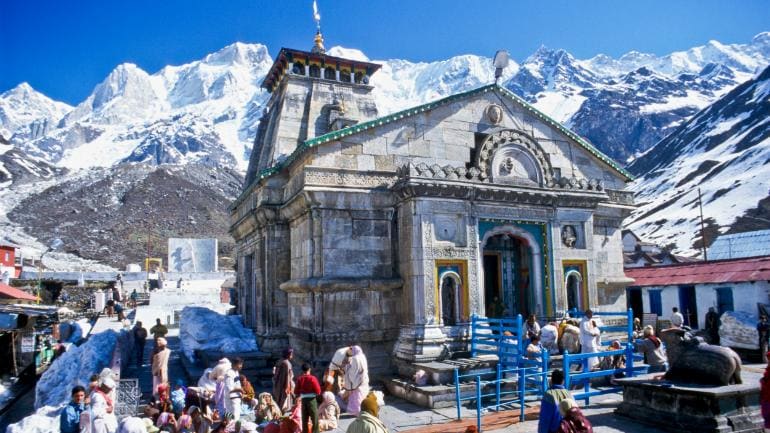
Address
Sri Kedarnath Temple, Uttarakhand Kedarnath, Uttarakhand 246445
Diety
Lord Kedarnath (Shiva)
Introduction
The Kedarnath Temple, dedicated to Lord Shiva, is a significant pilgrimage site located in the Garhwal Himalayan range near the Mandakini River in the state of Uttarakhand, India.
Pilgrimage Season:
- Kedarnath Temple is open to the general public for a specific period each year, from April (Akshaya Tritiya) to November (Kartik Purnima, the autumn full moon).
- During the winter months, which are characterized by extreme weather conditions, the idol or deity from Kedarnath is ceremoniously transported to Ukhimath, where it is worshipped for the next six months.
Unified Manifestation of Shiva:
- Kedarnath is revered as a unified manifestation of Lord Shiva, often referred to as the ‘Lord of Kedarkhand,’ reflecting the historical name of the region.
Puranic Significance
Origin of Kedarnath:
- The origins of the Kedarnath Temple and its builders are uncertain.
- The name “Kedarnath” means “the lord of the field” and is derived from the Sanskrit words “kedara” (field) and “natha” (lord).
- According to the “Kashi Kedara Mahatmya” text, it earned this name because it is where the “crop of liberation” flourishes.
Mythological Legend:
- According to Hindu mythology, Lord Shiva agreed to reside at Kedarnath upon the request of Nara-Narayana.
- The Pandava brothers, after the Kurukshetra War, came to Kedarnath seeking Shiva’s forgiveness for their actions in the war. They were guided by the sage Vyasa.
- Shiva initially hesitated to forgive them but transformed into a bull and concealed himself among cattle on the hill.
- When the Pandavas discovered him, he attempted to vanish by burying himself headfirst, but Bhima, one of the brothers, seized his tail.
- This compelled Shiva to reappear and pardon the Pandavas. They then built the initial temple at Kedarnath.
- According to this legend, parts of Shiva’s body also manifested at four other sites, collectively known as the “Panch Kedar.”
Historical References:
- The Skanda Purana, dated to the 7th-8th century, narrates the origin of the Ganges river and identifies Kedara (Kedarnath) as the location where Shiva released holy water from his matted hair.
- Records from hagiographies based on Madhava’s “Sankshepa-shankara-vijaya” mention that the philosopher Adi Shankara, who lived in the 8th century, passed away at Kedarnath. However, there are conflicting accounts suggesting he died in Kanchi. Ruins marking the supposed death site of Shankara can be found at Kedarnath.
- By the 12th century, Kedarnath had become a prominent pilgrimage destination, as mentioned in “Kritya-kalpataru,” authored by Gahadavala minister Bhatta Lakshmidhara.
Historical Tradition:
- According to a tradition recorded in 1926, the Kedarnath Temple did not have a local priest, and the priest from the Badrinath Temple conducted services at both temples, commuting between them daily.
Special Features
The Kedarnath Temple houses the presiding image of Lord Kedarnath in the form of a lingam. The lingam is of an irregular shape, with a pedestal that is approximately 3.6 meters (12 feet) in circumference and 3.6 meters (12 feet) in height. The temple complex also includes several features and additional temples:
- Pillared Hall: There is a small pillared hall in front of the Kedarnath Temple. Within this hall, you can find statues of Parvati (the consort of Shiva) and the five Pandava princes from the Hindu epic Mahabharata.
- Pancha Pandava Statues: The first hall inside the Kedarnath Temple contains the statues of the five Pandava brothers (Yudhishthira, Bhima, Arjuna, Nakula, and Sahadeva), Lord Krishna, Nandi (the divine bull and vehicle of Shiva), and Virabhadra, one of the guards of Shiva. The presence of the Pandavas in this temple is a significant connection to the Mahabharata.
- Draupadi Statue: Additionally, the temple complex features a statue of Draupadi, the wife of the Pandavas, and other deities.
- Unique Stone Carvings: An unusual feature of the Kedarnath Temple is the presence of a carved stone fascia that includes the head of a man. A similar head is seen carved in another nearby temple, constructed at the site where the marriage of Shiva and Parvati is believed to have taken place.
- Adi Shankara’s Samadhi Mandir: Behind the Kedarnath Temple is the samadhi mandir (memorial shrine) of Adi Shankaracharya, the renowned philosopher and saint. It is believed that Adi Shankara played a significant role in the revival and restoration of the Kedarnath Temple, as well as other temples in Uttarakhand. He is also believed to have attained Mahasamadhi (a state of transcendental meditation) at Kedarnath.
Festivals
Maha sivarathiri.
Century/Period/Age
3000 years old
Managed By
Uttarakhand Government
Nearest Bus Station
Kedarnath
Nearest Railway Station
Rishikesh
Nearest Airport
Jolly Grant
Kanjanur Sri Agniswarar (Sukran Navagrahastalam) Temple (Venus) – Kanjanur
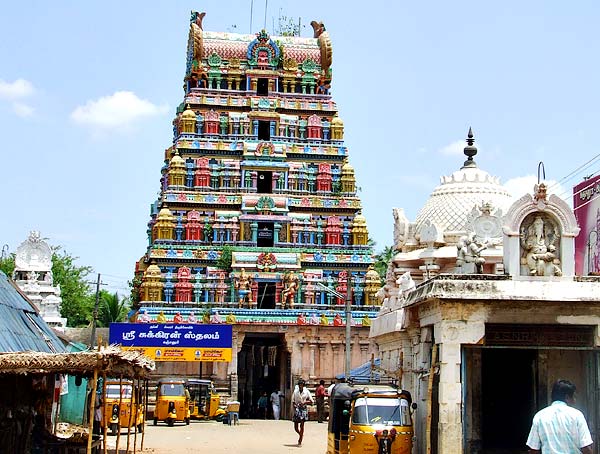
Address
Sri Agneeswarar Shukran Temple (Venus) Aduthurai-Kuthalam Road, Kanjanur, Tamil Nadu 609804
Diety
Agneeswarar, Amman: Karpagambigai
Introduction
The Agniswarar Temple is a Hindu temple in the village of Kanjanur, 18 kilometres north-east of Kumbakonam. The presiding deity is Sukra (Venus). However, the main idol in the temple is that of “Agniswarar” or Shiva. In concordance with the Saivite belief that Shiva is all-pervading, Sukra is believed to be located within the stomach of the idol of Shiva. The temple was built by the Medieval Cholas and renovated by the kings of the Vijayanagar Empire. The temple has a 5-tier rajagopuram surrounded by two prakarams (closed precincts of a temple). The temple is revered by the verses of Appar and hence referred as Padal petra stalam. It is one of the shrines of the Vaippu Sthalams sung by Tamil Saivite Nayanar Appar. Theertham: Agni Theertham, Parasara Theertham
Puranic Significance
Haradatta Sivacharyar of Vaishnava origins – originally known as Sudarshanar is said to have undergone ordeals to prove the tenacity of his devotion for Shiva to fellow Vaishnavites. Images of Agneeswarar and Karpagambal are also seen in the Varadarajar Temple at Kanjanur. Several legends pertaining to events in the life of Haradatta Sivacharyar pertain to this shrine. This temple with a two prakarams has a five tiered Rajagopuram at its entrance. Haradatta Sivacharyar is said to have composed many works in sanskrit here. Images depicting legends related to Haradatta Sivacharyar are seen in this temple. There are also shrines to Maanakkanjaarar Nayanmaar and Kalikkaamar here.Stone images of Natarajar and Sivakami are seen in this temple in the Nataraja Sabha referred to as the Mukti Mandapam. The Shivatandavam here is referred to as Mukti Tandavam. Legend has it that Shiva blessed Paraasara muni with a vision of the cosmic dance – Mukti tandavam here.
Special Features
The temple is one of the nine Navagraha temples of Tamil Nadu and is a part of the popular Navagraha pilgrimage in the state – it houses the image of Sukra (Venus). Legend is that Siva blessed Parasara muni (sage) here with cosmic dance. It is believed that Shiva appeared in the form of Sukra to propitiate himself off the dosha of Sukran.
Festivals
Six worship services are offered each day here. A festival commemorating Haradatta Sivacharyar is celebrated in the Tamil month of Thai each year. Mahasivaratri, Arudra Darisanam, Navaratri and Aadi Pooram are celebrated here.
Century/Period/Age
1000-2000 years
Managed By
Hindu Religious and Charitable Endowments (HRCE)
Nearest Bus Station
Kanjanur
Nearest Railway Station
Thanjavur
Nearest Airport
Trichy
Thirumullaivoyal Sri Masilamaneeswarar Temple, Thiruvallur
Address
Thirumullaivoyal Sri Masilamaneeswarar Temple, Thirumullaivoyal, Thiruvallur District Tamil Nadu – 600 062. Tele: +91 44 2637 6151.
Diety
Masilamaneeswarar, Amman: Kodiyidainayagi
Introduction
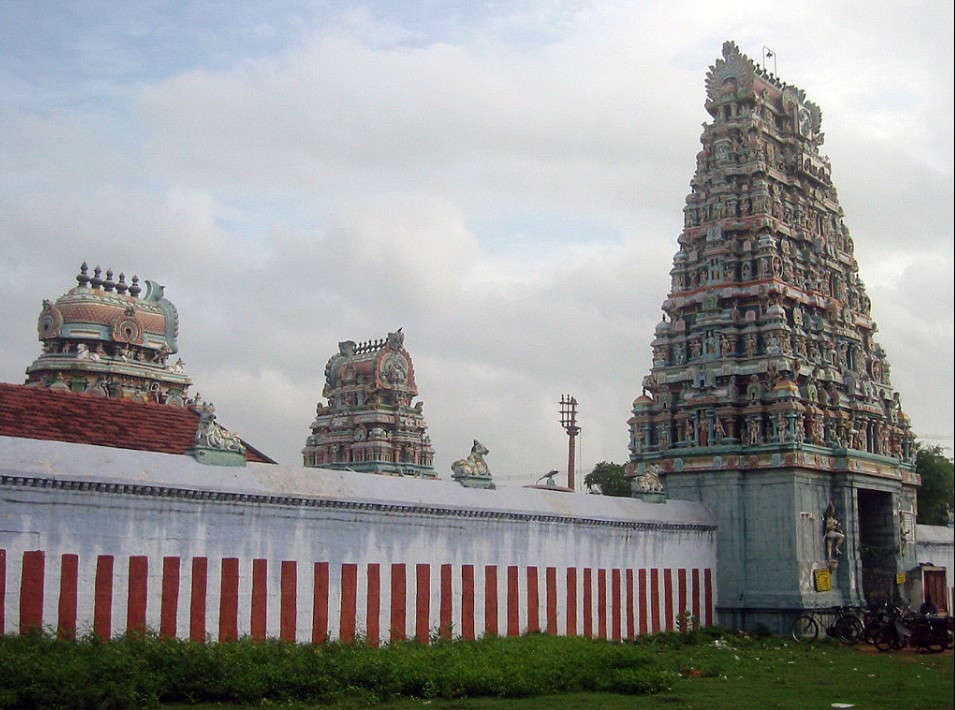
This is one of the 276 Devara Paadal Petra Shiva Sthalams and the 22nd Shiva Sthalam in Thondai Nadu. Lord Shiva in this temple is a Swayambumurthi (self-manifested). This lingam is not touched by human hands, not even by the priests, as it is “Theendathirumeni”. The vimanam (roof tower) of the sanctum sanctorum has been constructed according to the Gaja Brishtam style of architecture. The temple’s main tower (Rajagopuram) has 5-tiers and has 2 corridors. There are two places with the same name of “Thirumullaivayil”. One is located near Sirkazhi and the other near Chennai. Both of these places are home to very ancient temples. Thirumullaivayil near Seerkazhi is called “Then Thirumullaivasal” and the one near Chennai is called “Vada Thirumullaivoyal” (“Then” meaning south and “Vada” meaning north in Tamil). “Thirumullaivoyal” or “Thirumullaivasal” gets its name from the belief that Lord Shiva emerged from a Jasmine bush in both these places. “Thiru” is a respectful prefix, “Mullai” means Jasmine and “Vassal” means place in Tamil. The historical name of the place is “Shanbakaranyam”. The “Tri-Shakti temples” – the temples for Itcha, Kriya and Gnana Shakthis are very popular and are of great significance in Hindu religion. Of these, the temple of Sri Kodiyidai Nayagi at Thirumullaivayil is considered to be the Kriya Shakti temple.
Puranic Significance
Thirumullaivoyal is one of the many temple towns in the state which is named after the grooves, clusters or forests dominated by a particular variety of a tree or shrub and the same variety of tree or shrub sheltering the presiding deity. The region is believed to have been covered with Chamapaka forest and hence called ChamapakavanamIn ancient times, the forest surrounding Tirumullaivayil was occupied by two notorious tribesmen, Vaanan and Onan from the Kurumbar tribe. King Thondaiman, the then ruler of the land, wanted to put an end to their atrocities. All his attempts went futile and finally he decided to defeat them in war. He set out for the war with all his infantry and cavalry with elephants and chariots. En route to the war, they waded through a dense growth of Mullai plants (Jasmine climbers). The foot of the elephant on which he was mounted was entangled in the dense foliage. The king and his men, in an attempt to free the elephant from this mess, went on to cut the wild twines with their swords and daggers. Suddenly they noticed blood gushing out from the leaves and found a ‘lingam’ bleeding. Shocked, the King was in great distress that he has committed a sin. Seeking mercy and forgiveness from Lord Shiva, he prayed to Him. Without any delay Lord Shiva and Parvathi appeared before the King lest he indulge in causing self-inflicted injury out of grief. The Lord asked the King to build a temple for Him right there and promised that he would reside there as ‘Masilamaniswara’, the Lord who is as precious as a gem, but without stains [‘maasu’ – dirty or stain (caused by the profuse bleeding), ‘ila’ – without, ‘mani’ – gem]. It is believed that the Lord also promised to support him in destroying the Kurumbars by sending his holy steed, the Nandi bull. On his orders, the Nandi also gets ready to go and fight for the King. This is why the Nandi in this temple faces outwards, ready to leave for the battle on the orders of the Lord, whereas in all other Shiva temples, it faces inwards facing the Lord. The positions of the deities – Lord Shiva and Goddess Parvathi (Kodiyidai Amman) is also found to be interchanged as against what is usually found in Shiva temples. It is believed to be so because the Lord and His Consort were in a hurry to give ‘Darśana’ (holy appearance) to the King. With the Lord’s blessings and Nandi’s support, the King did win over the battle and proceeded to his capital. As a memoir of the victory, he seized a very prized possession of the Kurumbars—two pillars made of the tree trunk of ‘Vellerukku’ (white Crown flower – Calotropis gigantea). These pillars can be seen even today placed on both sides, decorating the sanctum sanctorum of the Lord.
Special Features
The vimana (roof) of the sanctum sanctorum is designed in a special way that is exclusive to Pallava architecture – the Gaja Prishtam, that looks like the rear of an elephant (Gaja – elephant, prishtam – rear). It is built on a circular base and is known as Thoonganai Maadam in Tamil [thoong(um) – sleeping, aanai – elephant, maadam – top of a building (or temple)] or simply, ‘a building that looks like the rear of a sleeping elephant’.The Goddess is called Kodiyidai Nayagi – She who has a waist as slender as the Jasmine climber. She is considered to be a very powerful deity and is known to bestow Her gracious blessings for newly weds, unwed girls for speedy marriage and for a happy wedded life. She and Her counterparts, Tiruvudai Amman Thirumanangeeswarar Temple- She who symbolises Lakshmi and Vadivudai Amman Thyagaraja Temple, Tiruvottiyur- She who is resplendent with her gracious beauty, are believed to be three Great Goddesses who shower all auspicious things in life if visited and worshipped on the same day of Chitra Pournami – the full moon day in the Tamil month of Chithirai. Tiruvudai Amman, Melur: Icha Shakthi Vadivudai Amman, Tiruvotriyur: Gnana Shakthi Kodiyidai Amman, Tirumullaivayil: Kriya Shakthi
Festivals
10-day Brahmotsavam in the Tamil month of Vaikasi (May-June), wedding festival on the Vaikasi Visakam day, Masi Float festival (Theppam in Tamil) in the Tamil month of Masi (Feb-Mar) and Vasantha Utsavam in the Tamil month of Aani (June-July) are the main festivals celebrated in this temple. Pradosham is also observed regularly.
Century/Period/Age
1000-2000 years old
Managed By
Hindu Religious and Charitable Endowments (HRCE)
Nearest Bus Station
Thirumullaivoyal
Nearest Railway Station
Thiruvallur
Nearest Airport
Chennai
Sri Thoovai Nathar temple, Thiruvarur
Address
Sri Thoovai Nathar Temple, Thiruvarur East Street, Tiruvarur, Thiruvarur District Phone: +91 – 4366 – 240 646 Mobile: +91 – 99425 40479
Diety
Thoovai Nathar, Amman: Thoovainayaki
Introduction
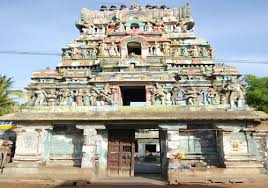
Thoovanayanar Thoovainathar Temple is dedicated to Lord Shiva located at Thiruvarur East Street in Thiruvarur Town in Thiruvarur District of Tamilnadu. The Temple is also called as Thoovai Nayanar Temple / Durvasar Temple. The place is called as Arur Paravayunmandali. Presiding Deity is called as Thoovainathar / Thoovai Nayanar / Paravayul Mandaleswarar. His consort, Parvati, is known as Panchin Mennadiyal / Panjin Melladiyammai / Alliangothai.Sthala Theertham is Akasha Theertham and Sthala Vriksham is Jack tree. It is one of the shrines of the 276 Paadal Petra Sthalams – Shiva Sthalams glorified in the early medieval Thevaram poems by Tamil Saivite Nayanar Tirugnanasambandar. This is the 206th Devaram Paadal Petra Shiva Sthalam and 89th Sthalam on the south side of river Cauvery. This Temple is under the control of Thiruvarur main temple. Thala Virutcham : Jack tree Theertham : Akashatheertham Agamam / Pooja : Kamiya Agamam
Puranic Significance
Sundarar regains vision: Saint Sundaramurthy Nayanar once violated his promise made to his second wife Sangili Nachiyar. He promised that he would never part her. As he wanted to see his first wife Paravai Nachiyar, he proceeded to Tiruvarur. As a punishment for the violation of the promise, he lost his vision. Sundarar began his journey with his blind eyes to the Shiva shrines praying for the restoration of vision. At Kanchipuram, Lord Ekambareswarar blessed him with the left eye, as recommended by his consort Sri Kamakshi. Continuing the journey, Sundarar reached Tiruvarur and prayed the Lord to regain the vision of the right eye. Lord Shiva advised him to bathe in the tank in the northeast corner and worship him. Sundarar got back his eyes by the grace of Lord Shiva. The event of Sundarar getting vision of his right eye is evidenced by the eye symbol visible on the Lord during abishek times. Durvasa Nayanar: This was once a sand temple under the sea, according to the history of the land. When tides of sea burst devastatingly tall threatening destruction of the world, Devas and Sages surrendered at the feet of Lord Shiva for protection. Lord told Sage Durvasa that if a tank could be dug at the Agni corner – south east corner of the land and prayers offered to him, the tides would subside and lives would be saved. Headed by Sage Durvasa, all carried out the instructions of Lord and performed pujas. Responding to the prayers of the devotees, Lord Shiva absorbed the fury of the sea and saved the world. As Lord was worshipped by Sage Durvasa, He is also known as Durvasa Nayanar. Vishwakarma made all temple idols: It is said that all idols of the temple were made by the divine sculptor Vishwakarma. People worshipped Shiva here: Indran, Durvasa, Sundarar and all Devas worshipped Shiva of this temple.
Beliefs
Those with impaired vision bathe in the tank of the temple, pray to Lord offering red flower – Sevvarali – garlands, perform archanas to gain clear eye sight. Devotees perform abishek to Lord with milk and feed the poor.
Special Features
The Temple is having 3 tiered Rajagopuram. Lord Shiva in the temple is a Swayambumurthy. Presiding Deity is called as Thoovainathar / Thoovai Nayanar / Paravayul Mandaleswarar. His consort, Parvati, is known as Panchin Mennadiyal / Panjin Melladiyammai / Alliangothai. Sthala Theertham is Akasha Theertham and Sthala Vriksham is Jack tree. It is said that all idols of the temple were made by the divine sculptor Vishwakarma. The location of the tank at the southeast corner is of special importance according to Vastu rules. Planet Sani Baghwan is facing south and graces the devotees. The event of Sundarar getting vision of his right eye is evidenced by the eye symbol visible on the Lord during abishek times. Vinayaka in the temple graces in the name of Lord Siddhi Vinayaka. It seems that Kumbabishekam has been performed long back and both Rajagopuram and the outer walls crying for attention.
Festivals
Margazhi Thiruvathirai is major festival celebrated in this temple with much fanfare.
Century/Period/Age
1000-2000 years old
Managed By
Hindu Religious and Charitable Endowments (HRCE)
Nearest Bus Station
Thiruvarur
Nearest Railway Station
Thiruvarur
Nearest Airport
Trichy
Satara Kumbeshwar Temple, Maharashtra
Address
Satara Kumbeshwar Temple, Maharashtra
Satara,
Maharashtra – 415004
Moolavar
Kumbeshwar
Introduction
Satara Kumbeshwar Temple is dedicated to lord Shiva, located in the Satara, Maharashtra. There is an ancient Patteeswar Shiva temple at Satara. The Shiva lingam in the temple is known as the Kumbeshwar Bind.
Puranic Significance
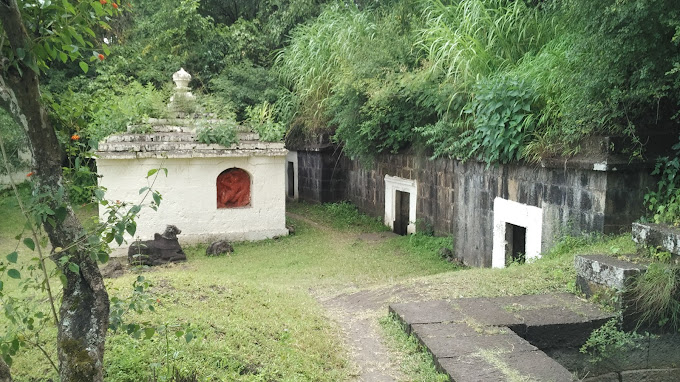
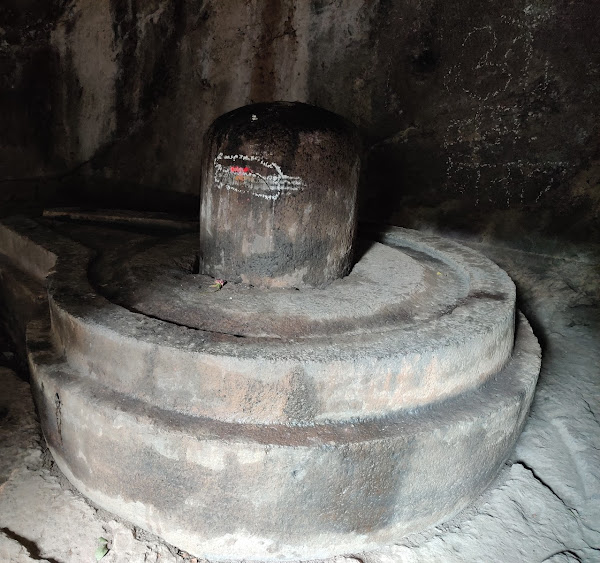
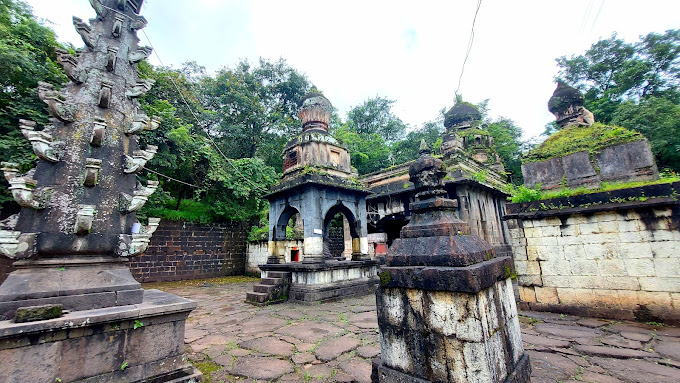
There is a historical book about this temple called Sri Kshetra Pattiswarar Darshanam. The temple was built around this ancient Shivalinga in the 16th century AD. This temple has 8 cave temples. There are more than 1000 Shiva Lingams.
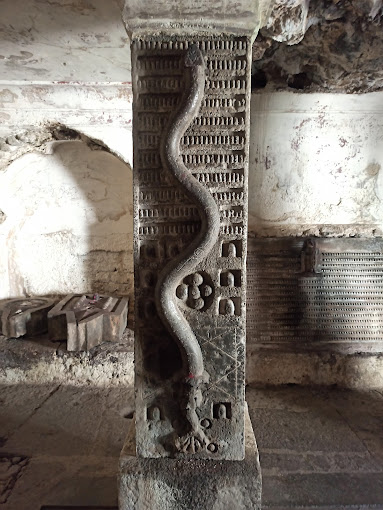
There are Shiva Lingams under the ground inside this temple. The pillars in the cave temple are decorated with carved snake and small shivlingams. There is a Maha Shivalingam with intricate carvings. The many deities in this temple are uniquely beautiful. The names of these deities are still not fully identified.
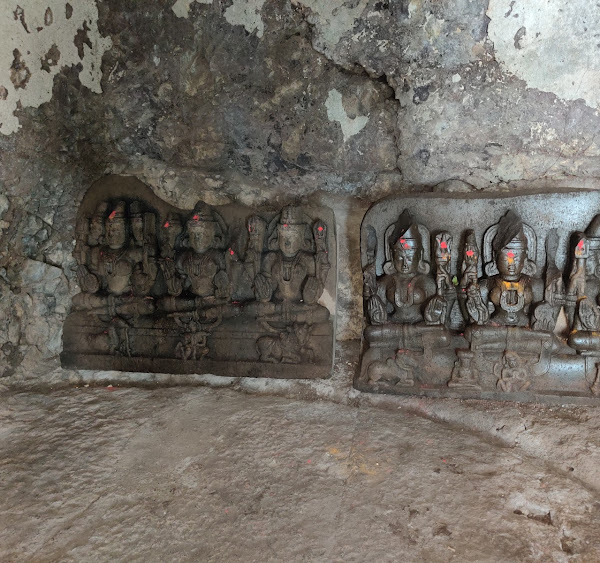
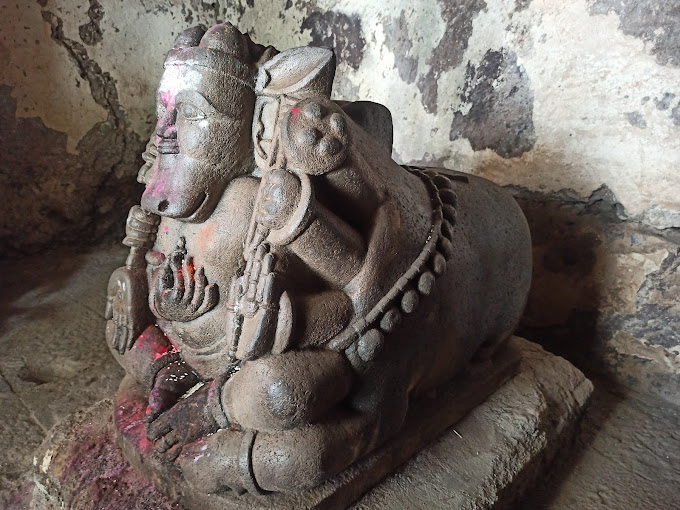
There is a sculpture with the body of both Agniswar and the Lord’s vehicle, the bull. In this sculpture, the face appears to be the same face, but if you look closely, you can see the face of Agneswarar and the face of the bull. The sculpture has seven arms and two legs of Agneswarar and the four legs of a bull.
These caves also have sculptures of Navagraha. A four-faced Shiva lingam is present in the courtyard among many other sculptures. At the entrance to the main chamber, on either side of the door, male deities hold tridents and female deities hold Ganga and Yamuna water pots.
There are sculptures ranging from tiny thumb nail sized carvings to 2m long sculptures. Outside the temple there is a Shiva Lingam with Trimurti and two huge lamp pillars made of stone. There is a Mutt here called Satguru Govindanandaswamy Maharaj Mutt. The temple is maintained by a few sadhus who have been living here for many years. There are around 52 types of medicinal plants on the hill surrounding this temple.




Century/Period
16th century AD.
Nearest Bus Station
Satara
Nearest Railway Station
Satara
Nearest Airport
Pune
Location on Map
Pancheshti Agastheeswarar Temple, Thiruvallur
Address
Pancheshti Agastheeswarar Temple, Thiruvallur
Pancheshti, Ponneri, Thiruvallur District – 601 204
Mobile: +91 93823 16493 / 98413 17500
The Temple remains open from 05.00 AM to 01.00 PM and 04.00 PM to 08.00 PM.
Moolavar
Agastheeswarar
Amman
Anandhavalli
Introduction
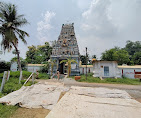
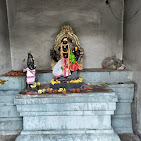
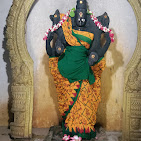
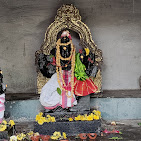
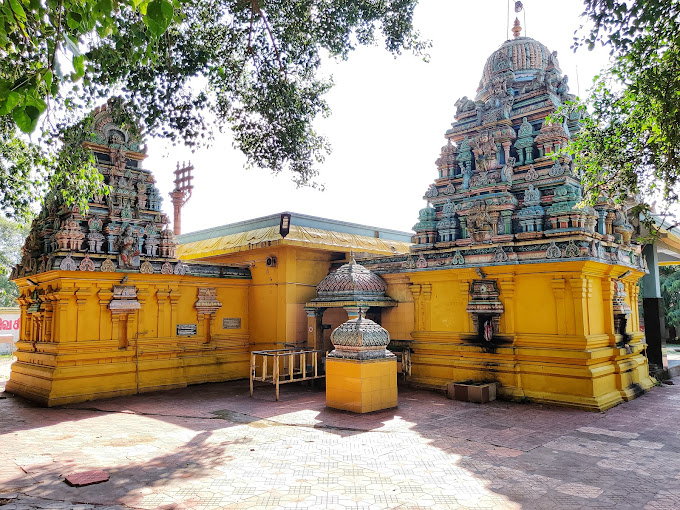
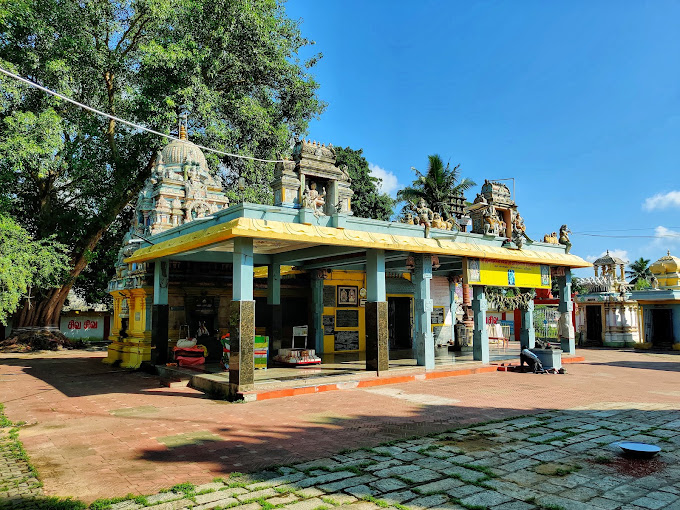
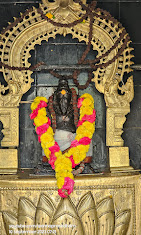
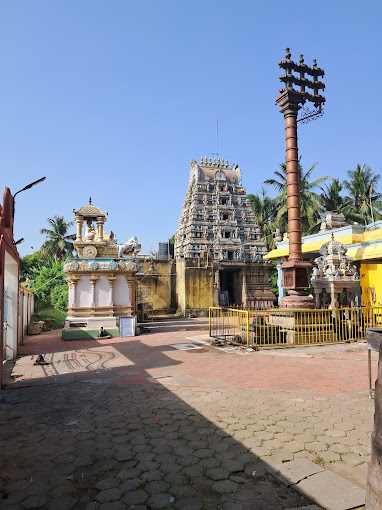
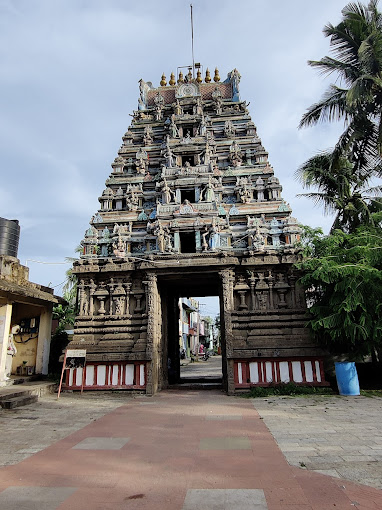
Agastheeswarar Temple is dedicated to Lord Shiva located at Pancheshti in Thiruvallur District of Tamilnadu. Presiding Deity is called as Agastheeswarar and Mother is called as Anandhavalli
Puranic Significance
Sukethu’s curse: Once at Kailasam, when Shiva was teaching the Shiva Philosophy with Parvathi sitting next to him, a yatchan called Sukethu questioned him whether it is ok to teach the philosophy while Parvathy is sitting along. Shiva just smiled but Lord Muruga got angry since Parvathy is always part of Shiva himself and so cursed him to become a demon. He then married another demon and gave birth to 3 sons. The 3 sons, knowing the curse of his father, did a penance towards Goddess Parasakthi and got all the powers.With this they disturbed everyone in the Celestial world and so all the Devas went to Sage Agasthiar to do something. Agasthiar then prayed to Lord Shiva and he appeared as a Rishaba rudar along with Parvathi, Vinayagar, Murugan and Nandhi Devar and gave the necessary powers to Sage Agasthiar. Meanwhile Sukethu fought with other demons and on becoming tired went and hid himself under the sea. The 3 sons then searched their father in the sea and created a Pralayam there. All the lives of sea were affected and so Agasthiar just drank the whole sea and it became completely dry. The Devars then requested Agasthiar to bring back the sea and Agasthiar spit a little water at Pancheshti and it became the ‘Agasthya Theertham’ and let the remaining water back to the sea itself. In the process, Sukethu and his sons were caught inside the stomach of Agasthiar and they requested pardon. Agasthiar then made them take a dip at the ‘Agasthya Theertham’ and conduct five yagnas – Deva Yagna, Brahma Yagna, Pithur Yagna, Bootha Yagna and Manuda Yagna. Finally, they got their curse cleared off.
Pancheshti: Once Sages Vasishtar, Gouthama and Kanvar went to Lord Brahma to suggest them a suitable place on earth to do tapas. Brahma then made a wheel out of some Dharbai grass and rolled it over.The place where it stopped is Pancheshti. Sage Agasthiar conducted five yagnas (Pancha means five, Ishti means Yagna) and so the name Pancheshti. Agasthiar was so attached to this place that he didn’t want to return to Kailasam after his work was over. Only Lord Shiva could finally convince him. Since the place is blessed by Agasthiar, there is copious ground water and supplies water to Chennai city whenever there is a scarcity. So, it is called ‘Pancham Theerkum Pancheti’ meaning ‘Starvation solving Pancheshti’.
Special Features
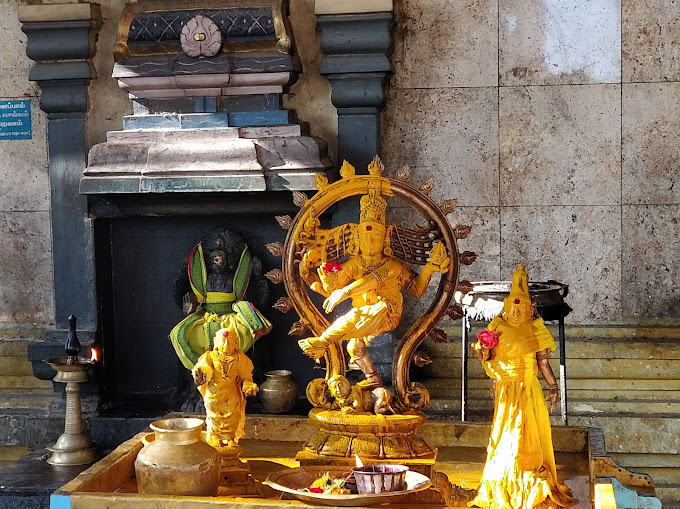
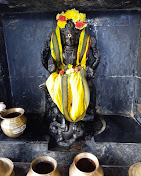
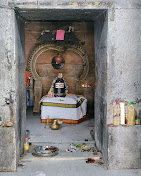
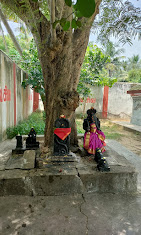
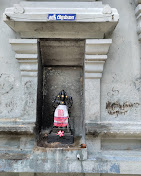
The temple is said to be more than 1000 years old. This south-facing temple features a five-tiered Rajagopuram, housing intricate sculptures of Shiva and Vaishnava deities. The main deities are Agastheeswarar and Ananthavalli, enshrined in separate sanctums but visible from a single viewpoint. The temple’s architecture and sculptures narrate stories from different ages, depicting significant events and legends. Agastheeswarar Shrine contains a swayambu lingam adorned with a five-headed Nagarajan umbrella. Ananthavalli Shrine features the emerald stone idol of the goddess, symbolizing protection against evil forces. The temple also houses separate shrines for Ishta Lingeswarar, Bhairavar, and Balamurugan. Additionally, there are sacred sites like the Snake Pit and Navagraha Shrine within the temple premises. The temple tank, Agasthiyar Theertham, is believed to have divine significance, especially during Vaikasi full moons.
Belief
In Hindu mythology, any temple facing the South is called Parihara Sthalam, in which one can find remedy for any kind of problems in life. Doing Annadhanam (free feeding) here is considered most auspicious and believed that it will get us back the lost positions, possessions and will help attain God’s feet. Lighting the Ghee lamp here, one is removed of all his sins.
Festivals
All Full moon days, Pradhosham days, Ragu Kalams on Tuesdays, Fridays and Sundays, Pancha parvanhal, Navarathri, Shivarathri, Thiruvathirai, Panguni Uthira Kalyana Uthsavam,Vaikasi Visakam,Thai Poosam and Aadi Pooram are most auspicious here and celebrated in a grand manner.
References
https://tamilnadu-favtourism.blogspot.com/2018/05/agastheeswarar-temple-pancheshti-thiruvallur.html

Century/Period
1000 years old.
Nearest Bus Station
Pancheshti
Nearest Railway Station
Ponneri
Nearest Airport
Chennai
Location on Map
Dehradun Tapkeshwar Temple, Uttarakhand
Address
Dehradun Tapkeshwar Temple, Uttarakhand
Dehradun,
Uttarakhand 248001
Moolavar
Tapkeshwar
Introduction
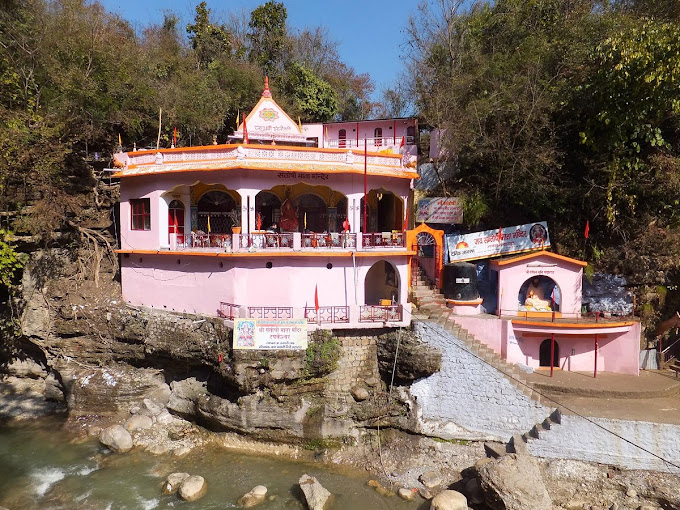
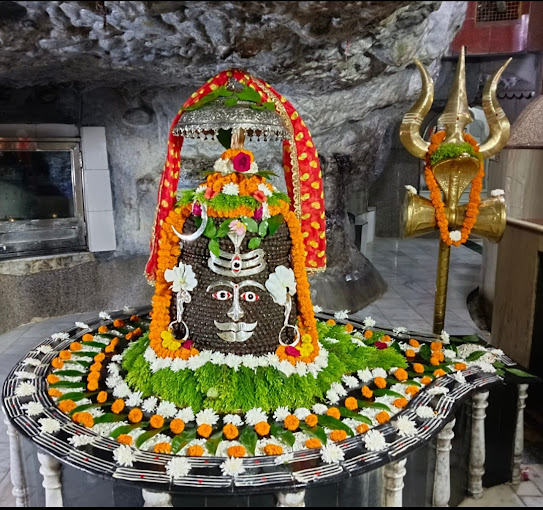
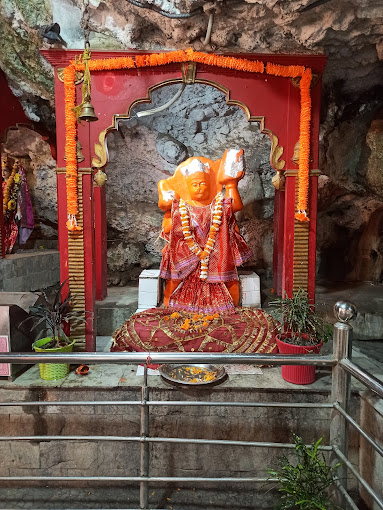
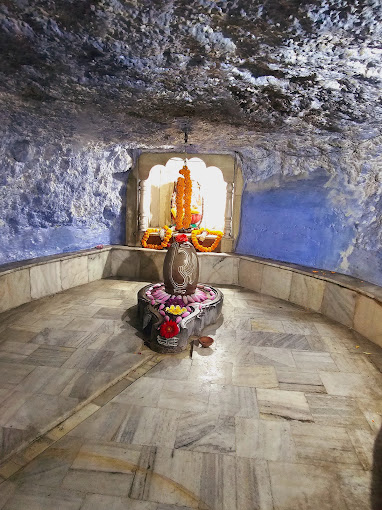
Tapkeshwar Temple, also known as Tapkeshwar Mahadev Temple, is a temple in Dehradun dedicated to Shiva. The temple is on the bank of the Tons River, built on top of a natural cave, which holds the temple’s main shivalinga.
Puranic Significance
The Tapkeshwar Temple is alleged to be 6,000 years old. It has a natural shivalinga in the cave, which became a place of reverence for the local people. It is also believed that this was used as a residence by Dronacharya, the teacher of the Pandavas and Kauravas in the Hindu epic Mahabharata; the cave is called Drona Cave after him. Dronacharya’s wife Kalyani was unable to breastfeed their new-born son Ashwatthama. As Dronacharya was unable to afford a cow or cow’s milk, Ashwatthama prayed to Shiva, who then fed him milk dripping from the shivalinga in the cave.
Special Features
Thousands of pilgrims visited Tapkeshwar Mahadev Temple round the years to pay homage in Drona Cave where they can see water drops dripping at Shivling. During Shivratri, one can witness several kilometre long queues of devotees waiting for Darshans. A large fair also held around the Tapkeshwar Temple during Shivratri.
Festivals
The temple holds a large festival on Shivratri. The temple committee organizes free meals for the devotees.
Century/Period
6,000 years old.
Nearest Bus Station
Dehradun
Nearest Railway Station
Dehradun
Nearest Airport
Jolly Grant Airport
Location on Map
Samalapuram Choleeswarar Temple, Tirupur
Address
Samalapuram Choleeswarar Temple, Tirupur
Samalapuram, Palladam Circle, Tirupur District – 641668
Moolavar
Choleeeswarar
Amman
Thillainayaki Ambal
Introduction
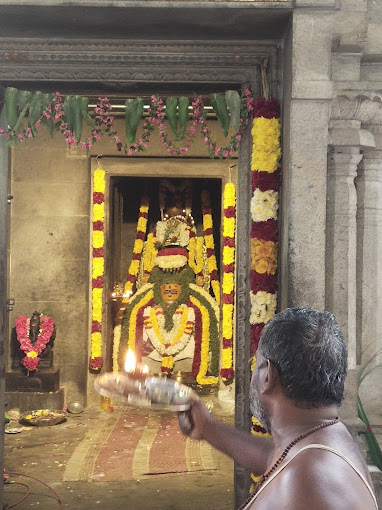
Samalapuram Choleeswarar Temple is dedicated to Lord Shiva, located in Tiruppur district, in the town of Samalapuram, Tamil Nadu. Here the lord is called as Choleeswarar and Mother is called as Thillainayaki Ambal. In this temple, there are shrines for Choleeswarar, Thillainayaki, Panchalingam, Suryan, Chandra, Thandapani, Bhairavar, Dakshinamurthy, the 63 Nayanmars, Valli, Deivayanai Sametha Subramaniyar, and Vinayagar. This temple is classified as a primary temple according to the regulations of the Hindu Religious Department.
Puranic Significance
The kings of the past cleared the forest, dug ponds, increased fertility, and built temples. Among the temples built in this way is the Samalapuram Choleeswarar Temple. Both the town and the temple were established during the reign of King Karikalan. In the time of the feud between the Chola prince Uraiyur Cholan and his adversaries, the royal ministers of Uraiyur went to Vaishali and brought back a white elephant. They then presented the elephant’s trunk garland to the prince and told him to choose whomever he wished, as that person would be our king. The white elephant travelled to Kanchi. There, playing in the lake, the prince’s son Singamalaal tied the garland of flowers around the neck of the white elephant, declaring him as his king. Afterwards, the white elephant lifted Karikalan, the son of the Chola prince, and placed him on its back, leading him to the Thiyagaraja Temple in Thiruvarur. Then, in front of that temple, the white elephant set him down. Later, one of the temples built was the Choleeswarar Temple.
Special Features
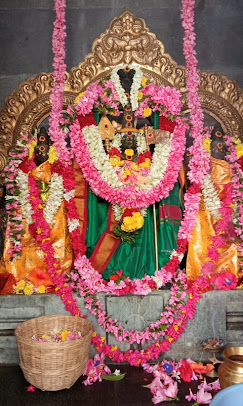
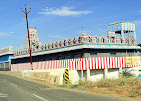
The temple faces east, with a grand entrance arch leading to a spacious courtyard. Beyond the courtyard, there is a majestic hall with sixteen pillars continuing from the five-tiered main tower (Rajagopuram). In the central sanctum, Lord Choleeswarar and Goddess Thillainayaki are enshrined together, symbolizing their divine union. In the sanctum sanctorum, along with Choleeswarar, the idols of Sivathurga, Brahma, Lingothbavar, Dakshinamurthy, and Vinayagar bestow their blessings.
In the outer hall, Thillainayaki stands with her four attendants in a grand posture. Vishnu, Brahma, and Lakshmi grace the northern side. Nandikeswarar, in the Mahamandapam, gazes deeply at the deity.
In the vestibule, various deities including Surya, Chandra, Dandayudhapani, Valli-Devasena Sametha Subramaniar, Bhairava, Saneeswara, Navagrahas, Sandikeswara, Panchalingams, and the Sixty-three Nayanmars are present, each with their respective sanctums. The temple is said to be more than 1500 years old.
Belief
On Mondays, performing Abhishekam (ritual bath) with tender coconut water and offering a lotus-shaped lamp (placed behind the deity) for twelve weeks can calm the mind. For the goddess, on Sashti and Poornima days, offering milk, honey, and Abhishekam leads to the blessing of offspring for the couple who perform these rituals. Devotees who have received such blessings attest to their efficacy.


Century/Period
1500 years old.
Nearest Bus Station
Samalapuram
Nearest Railway Station
Tiruppur
Nearest Airport
Coimbatore
Location on Map
Sirukundram Vanmeeganathar Temple, Chengalpattu
Address
Sirukundram Vanmeeganathar Temple, Chengalpattu
Thiruporur Taluk,
Chengalpattu District – 603 002
Mobile: +91 91768 67741 / 99088 06716
Moolavar
Vanmeeganathar
Amman
Kedara Gouri
Introduction
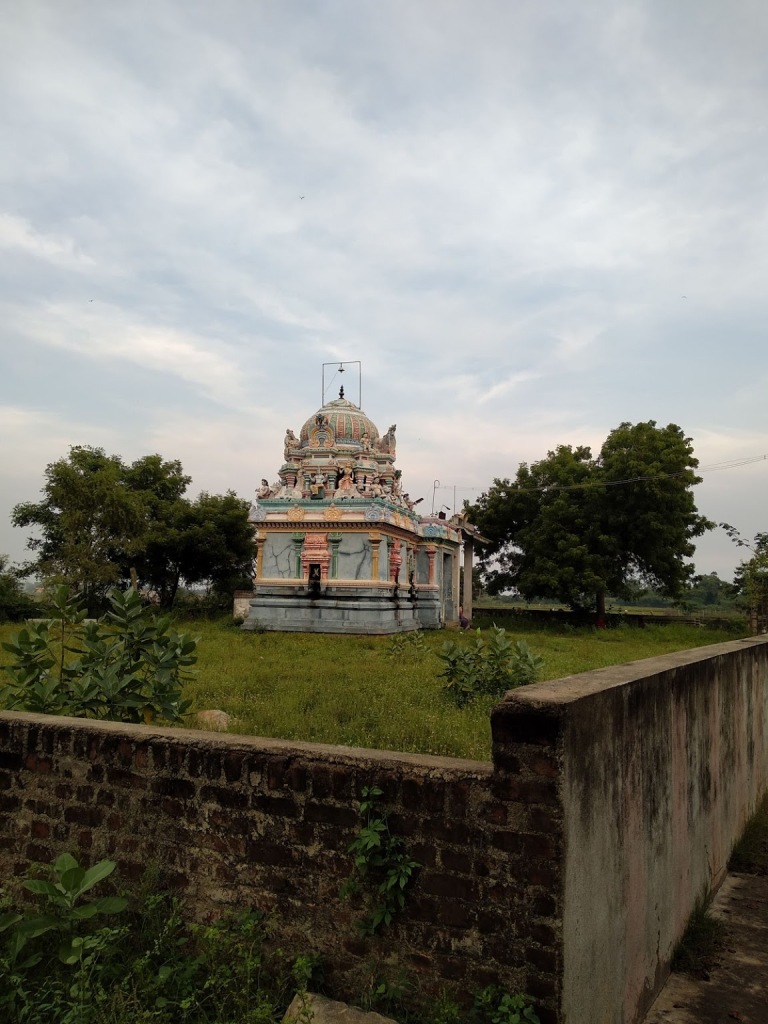
Vanmeeganathar Temple is dedicated to Lord Shiva located in Sirukundram Village in Thiruporur Taluk in Chengalpattu District of Tamil Nadu. Presiding deity is called as Vanmeeganathar / Putridankondeeswarar and Mother is called as Kedara Gouri. This Temple is considered as Parihara Sthalam for cancer illness.
Puranic Significance
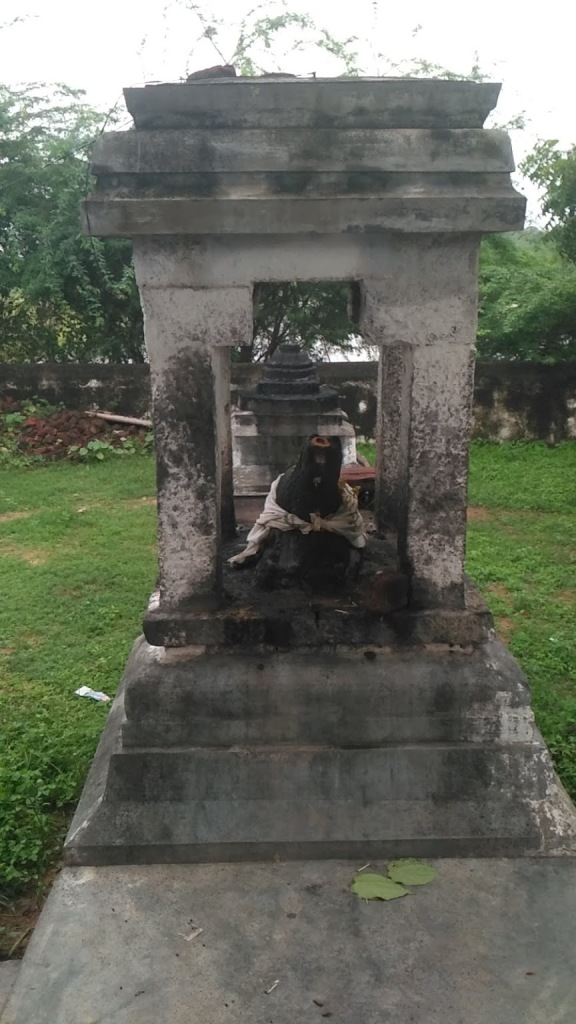
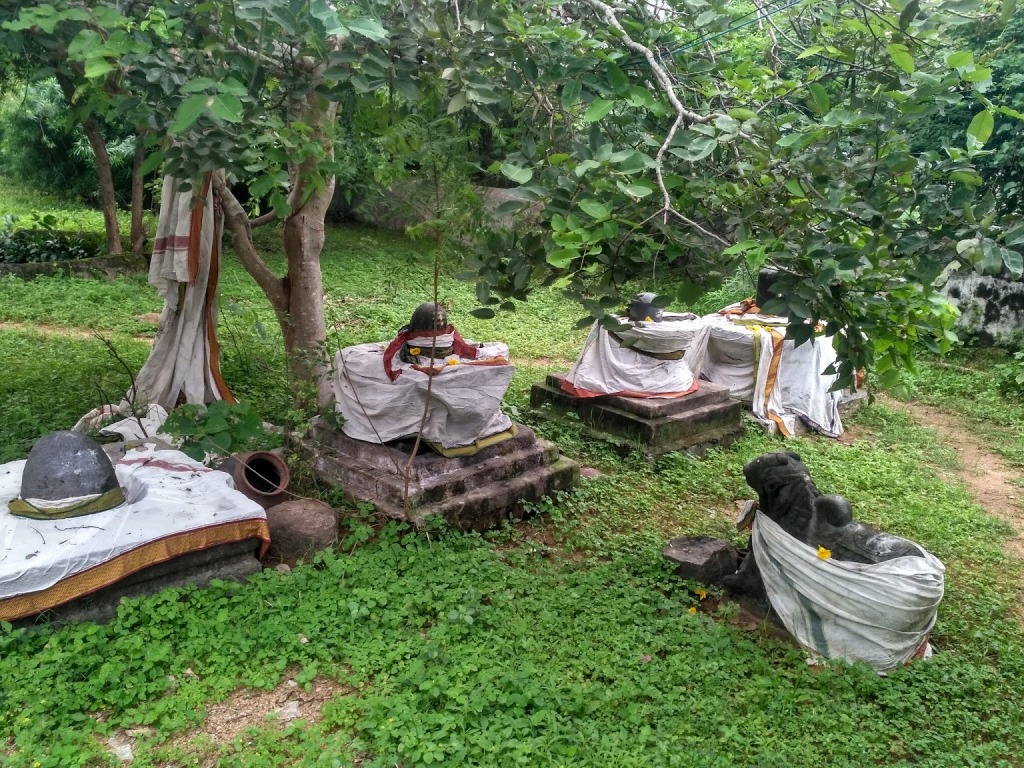
Sirukundram: It is said that once, the village hosted seven temples. However most of the temples were lost to nature fury barring this temple. The Lingams from four temples can be seen in this temple premises. The Village was called as Sivan Kundram due to the presence of these Shiva temples but later got corrupted to Sirukundram.
Vanmeeganathar:
It is believed that Sage Valmiki worshipped Lord Shiva here. Hence, Lord Shiva came to be called as Vanmeeganathar. It is said that he installed seven Shiva Lingas in this village but only 5 Lingas remains (including the presiding deity)
Special Features
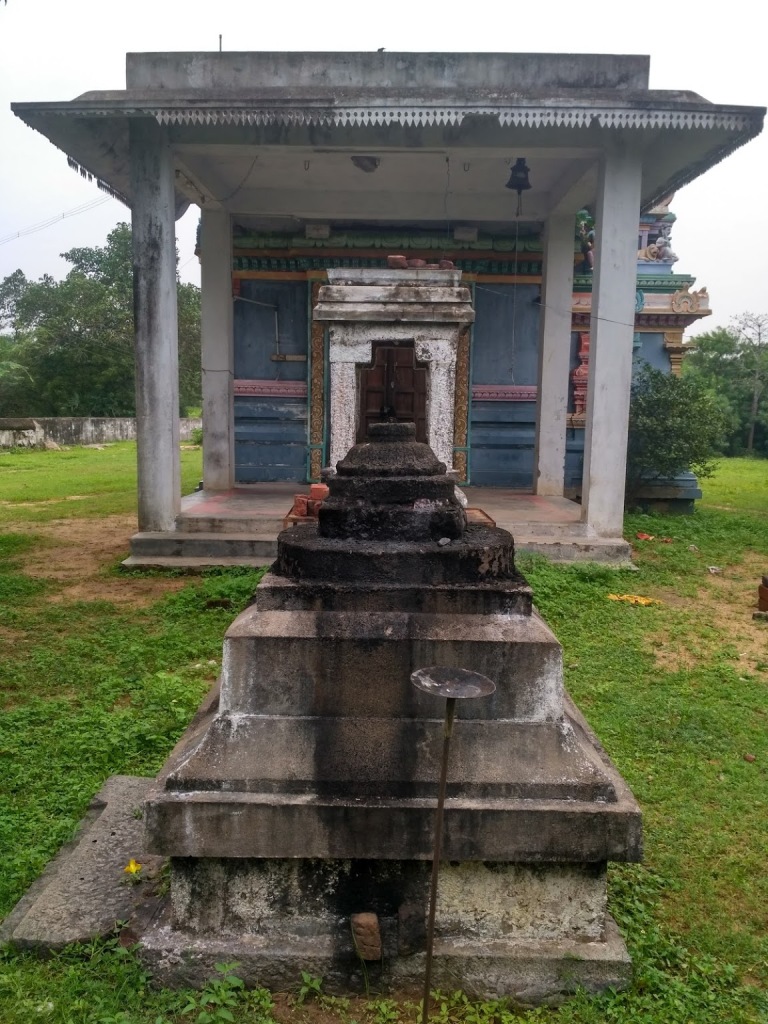
The Temple is believed to be more than 1000 years old. This temple is facing towards east with an entrance from the southern side. Nandi and Balipeedam can be seen facing the sanctum. The Sanctum Sanctorum consists of Sanctum, Antrala, Maha Mandapam and Mukha Mandapam. Presiding deity is called as Vanmeeganathar / Putridankondeeswarar and is facing east. He is housed in the sanctum in the form of Lingam.
Ganesha, Dakshinamoorthy, Vishnu, Brahma and Durga are the Koshta idols located around the sanctum walls. Chandikeswarar can be seen in his usual location. Mother is called as Kedara Gouri. She is housed in a separate south facing shrine. Her shrine is situated to the left side of the Sanctum in Maha Mandapam. Saneeswarar and Maha Lakshmi can be seen in the koshta of mother shrine.
Idols of Vinayaga and Murugan with his consorts can be seen in Maha Mandapam. There are 4 Shiva Lingams installed in a row in the temple premises. A Nandi can be seen facing these Lingams. All these Lingams are facing towards east. It is said that these Shiva Lingams were brought from the dilapidated temples once existed in this village. Sthala Vriksham is Sarakondrai tree.
Belief
Devotees pray here for child boon, relief from marriage obstacles, perform Kedara Gowri Viradham and relief from cancer.
References
https://tamilnadu-favtourism.blogspot.com/2021/11/vanmeeganathar-temple-sirukundram-chengalpattu.html

Century/Period
1000 years old.
Nearest Bus Station
Sirukundram
Nearest Railway Station
Chengalpattu
Nearest Airport
Chennai
Location on Map
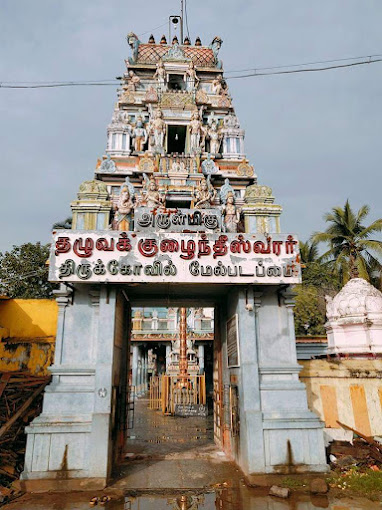
Padappai Sri Thazhuva Kozhundu Easwarar Temple, Kancheepuram
Address
Padappai Sri Thazhuva Kozhundu Easwarar Temple,
Padappai, Kancheepuram district,
Tamilnadu -601 301
Phone number: +91- 99414 37183.
Moolavar
Thazhuva Kuzhaindeeswarar
Amman
Kamakshi
Introduction
Padappai Sri Thazhuva Kozhundu Easwarar Temple is dedicated to Lord Shiva, Located in the Padappai, Kancheepuram district, Tamilnadu. Here the Presiding deity is called as Thazhuva kuzhaindeeswarar and Mother is called as Kamakshi. The temple is open from 6.00 a.m. to 10.30 a.m. and from 4.30 p.m. to 8.30 p.m.
Puranic Significance
Pallava King Nandi Varman ruling this region during 7th century renovated 108 Shiva temples simultaneously and conducted the consecration of all temples in a single day. This is one among these temples. Lord Vinayaka in the temple is praised as Vettri Vinayaka. The temple has a 3 tier Rajagopuram.
Moon married 27 daughters of Daksha including Kruthika and Rohini but was very fond of Rohini alone ignoring other wives. Aggrieved wives complained to their father Daksha of Moon’s partial attitude towards them. Angry Daksha cursed Moon that his bright rays – Kalais – go dark. Seeking relief from the curse of his father-in-law, Moon came to earth and worshipped Lord Shiva in many places. He came to this place also. The rays of Sun fall on the presiding deity during the first 7 days of September. Mother Kamakshi is facing south from a separate shrine. She Looks with Her ears slightly on the right as if to hear Lord Shiva. Devotees believe that praying to Kamakshi would tighten the unity among couple. Mothers Vaishnavi, Mahalakshmi and Sarawathi grace the devotees from the goshta of Ambika shrine. Special pujas are performed to Lord and Mother on full moon days. Those facing delays in marriage pray to the divine parents placing the mangal sutra thread at the feet of Lord and Mother and tie them in the Magizha tree in the temple complex. This is based on the event of Lord Shiva solemnizing the wedding of saint Sundarar with Sangili Nachiar under a Magizha tree in Tiruvottriyur temple. Padappai in Tamil means garden of flowers. The place is so named as Lord Shiva blesses His devotees at a place surrounded by flower gardens. Saint Tirugnana Sambandar, has mentioned this place in his Thevaram hymns while praising Lord Vurddhagiriswarar when passing through this place. Hence, this temple is considered as Vaippu Thalam – having a mention in Thevaram hymns with other Shiva temple. Vinayaka of the Temple is praised as Vettri Vinayaka as He is all graceful to His devotee ensuring success in his endeavours – Vettri in Tamil means success. He has elephant as His vahan instead of the traditional mouse. Special pujas are dedicated to Vettri Vinayaka with white vastras on Mondays. Special pujas are offered to Lord Veerabadra in the prakara on Shivrathri day with sandal paste and betel leaves garland. There is a shrine for Lord Bhairava also to whom special pujas are offered on new moon days and Ashtami the eighth day of the new moon fortnight. Lord Sarabeswara has His shrine in the temple where those with confused mind pray for clarity on Sundays during Rahu Kalam time – 4.30 p.m. to 6.00 p.m. – offering curd rice as nivedhana. There are shrines for Lord Tiruvaleeswarar with Mother Nallazhagi, Lord Kasi Viswanatha and Lord Muruga with His consorts Valli and Deivanai. Saint Tirugnana Sambandar Guru Puja is celebrated on the Vaikasi Moola Star day in May-June.
Special Features
The rays of Sun fall on the presiding deity in the sanctum sanctorum during the first seven days of September. The activities of Earth came to a halt when Mother Parvathi closed the eyes of Lord Shiva in a playful mood. Lord Shiva cursed Mother to be born a human on Earth and perform penance in a place called Mangadu to get Him back. Lord Shiva granted darshan to Acharya Sri Sankara at this place and directed Mother Parvathi to shift to Kancheepuram to continue the penance. On Her way to Kancheepuram, for her own satisfaction, she installed a Linga here too, it is believed. At Kancheepuram, Mother made a Linga of sand and embraced it when floods threatened to wash away the Linga. Hence, the Lord is called Thazhuva Kuzhainda (pleased with embracing) Easwara-Lord. With a small change, the name became Thazhuva Kozhundu Easwarar
Belief
Virgins awaiting marriage and women separated from their husbands due to some problems and those seeking pardon for wrongs committed unknowingly pray here for respective solutions. Realizing their wishes, devotees perform special abishek and pujas to Lord Thazhuva Kozhundu Easwarar, offer vastras and sweet pudding-Sarkarai Pongal nivedhana.
Festivals
Vaikasi Tirugnana Sambandar Gurupuja in May-June; Aadi Pooram in July-August; Navarathri in September-October; Mahashivrathri in February-March, Tirukarthikai in November-December and Wedding Festival in Panguni Uthiram in March-April are the festivals celebrated in the temple.
References:
https://temple.dinamalar.com/new.php?id=228

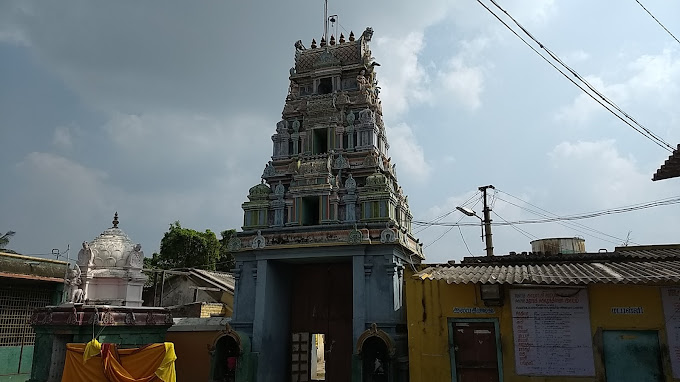

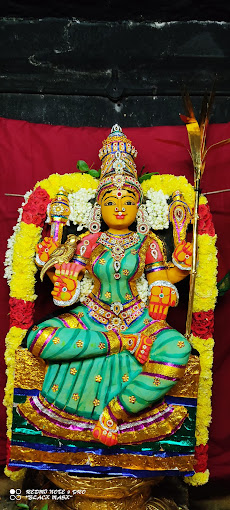
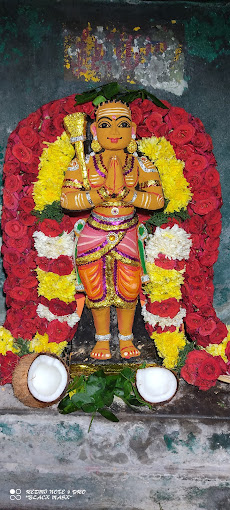
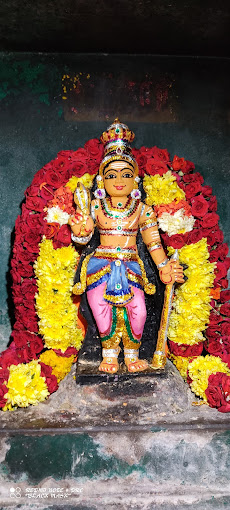
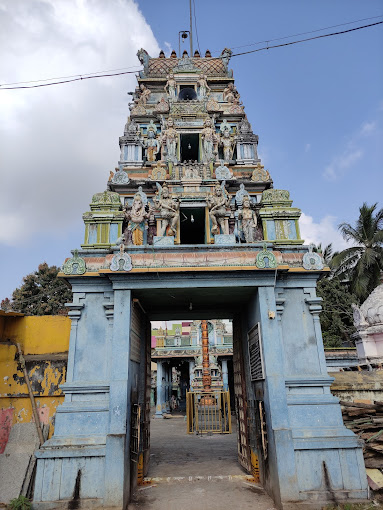
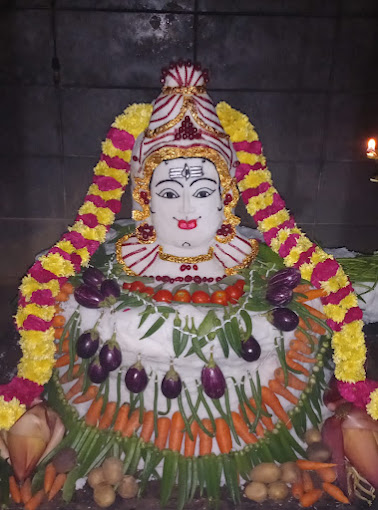
Century/Period
7th century
Nearest Bus Station
Padappai
Nearest Railway Station
Urappakkam
Nearest Airport
Chennai
Location on Map
Devi Jagadambi Temple, Madhya Pradesh
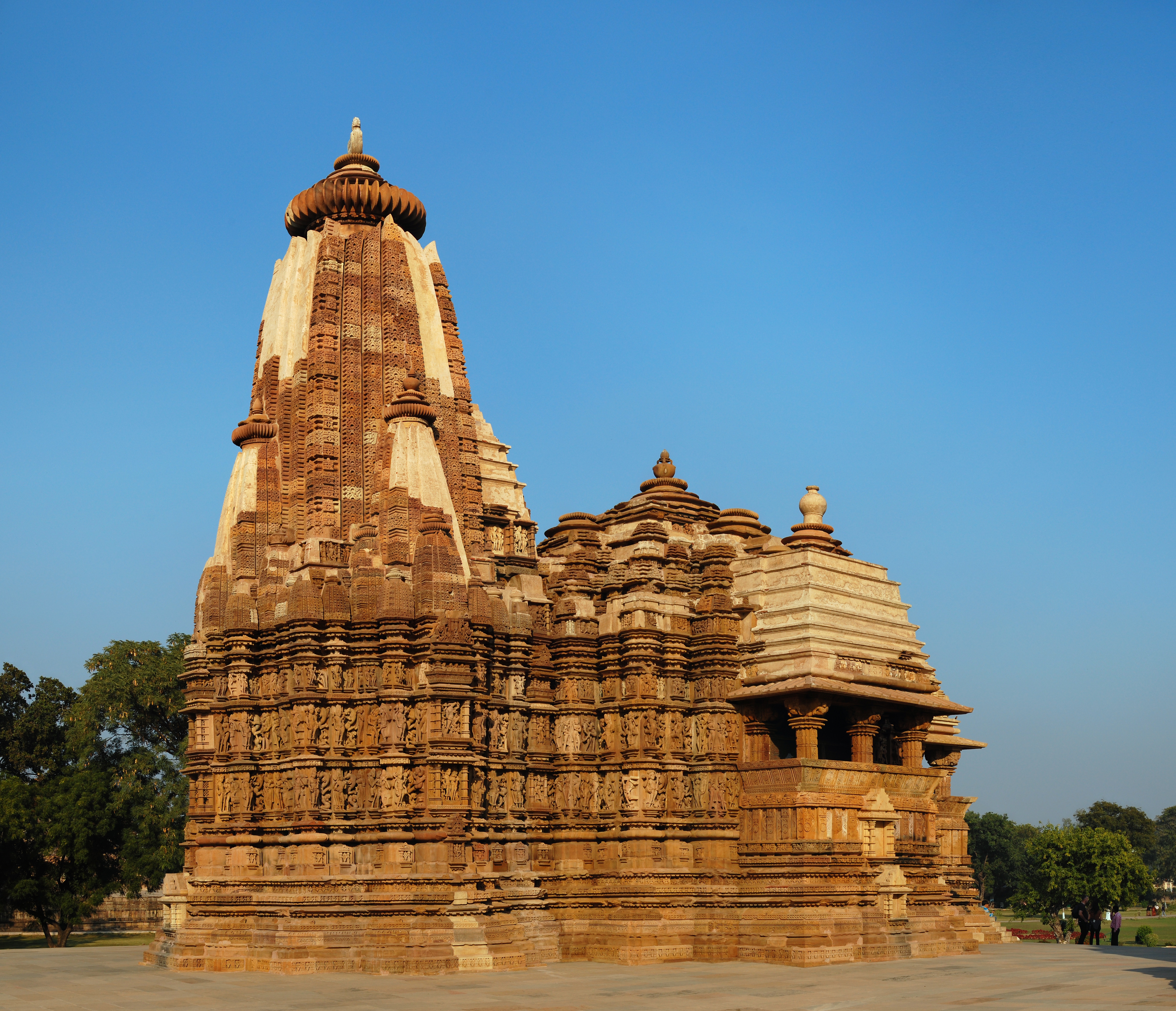
Address
Devi Jagadambi Temple, Madhya Pradesh
Lalguwan Rd, Sevagram, Khajuraho,
Madhya Pradesh 471606
Amman
Devi Jagadambi
Introduction
Devi Jagadambika Temple or Jagadambika Temple is one of a group of about 25 temples at Khajuraho, Madhya Pradesh, India. Along with the other temples at Khajuraho, the temple was listed as a World Heritage Site because of its outstanding architecture, art, and historical importance.
Puranic Significance
Devi Jagadambi Temple, built by the Chandela rulers between 1000 AD to 1025 AD originally it was dedicated to Lord Vishnu as the East facing door, the prominence given to the Lord Vishnu on the doorway to the sanctum. Few believe that Ma Kali (Jagadamba) is actually an image of Parvati, painted in black. The temple is on the same platform of the Kandariya Mahadev but small in height.
The small town of Khajuraho in the Chatarpur district is the site of dozens of Shiva, Vishnu, and Jain temples, which were built between the 9th and 12th centuries under the aegis of the Chandella dynasty which ruled in central India. Of about 85 temples said to have been erected at this site only about twenty-five have survived. The compact temples, none of which are very large, stand on high plinths (jagatis) lifting them from their environs, instead of the usual enclosure walls. The sculptures have been read as relating to Tantric practices. The outer walls are completely covered with sculptures. Rearing beasts are positioned in the wall recesses.
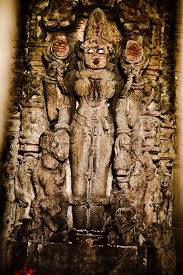
Century/Period
1000 AD to 1025 AD
Nearest Bus Station
Khajuraho
Nearest Railway Station
Rajnagar Station
Nearest Airport
Khajuraho
Location on Map
Dharapuram Agastheeshwarar Temple, Tirupur
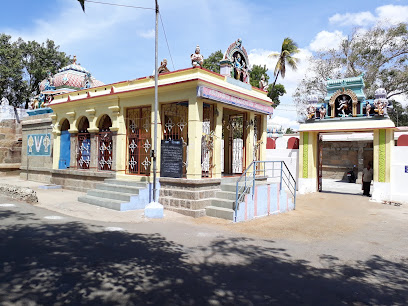
Address
Dharapuram Agastheeshwarar Temple, Tirupur
Dharapuram,
Tirupur District – 638656
Phone: +91 98420 16848
Moolavar
Agastheeswarar
Amman
Akilandeswari
Introduction
Agastheeshwarar temple is a famous Shiva temple located in Dharapuram. People believe that, they get rid of all their problems, after praying to this god. This temple located in Dharapuram taluk in Tirupur District. This Ancient temple is said to be more than 1000 years old.
Puranic Significance
When Lord Shiva married Parvati in Kayilayam (Mount Kailash), the north direction bowed down and the south direction rose up. To maintain balance and harmony in the world, Shiva instructed Agastya to install lingams in various places. When Agastya came to the Amaravati River, he embedded a lingam in the sand. This lingam was later named Agasteeswarar, giving credit to Agastya. As the temple was consecrated where the lingam existed, it became popularly known as the Agasteeswarar temple.
It is said that the Pandavas lived here for a year. Unlike in temples like Rameswaram, Kumbakonam, and Kanchipuram, abhishekam (ritual bathing) is not performed for the sand lingams in this temple. However, abhishekam is conducted daily here. Before abhishekam, one can see a golden frog made of mud emerging from the lingam. Due to the significance of this miracle, Agastya wanted to consecrate a lingam brought from Kasi (Varanasi) here. But as that plan failed, he poured water from the Amaravati River onto the sand and embedded the lingam. Therefore, devotees worship Agasteeswarar here without any hindrance, believing that their wishes will be fulfilled promptly, be it resolution of legal matters, removal of obstacles, completion of studies, or finding employment.
Panchalinga Worship: In a unique manner, five lingams representing the five elements – earth, water, fire, air, and space – are consecrated in the same shrine. These lingams are placed at an elevated level. Worship of these Panchalingas during the nights of Shivaratri and Pradosha brings success in all aspects of life.
Perumal Reducing Afflictions: Sri Devi, Bhu Devi, and Venkata Ramanaswami are enshrined at the temple entrance. They bless devotees to relieve them of afflictions before they enter the Agasteeswarar temple, where the Perumal (Vishnu) resides to absolve mental distress.
Belief
People believe that, they get rid of all their problems, after praying to this god and goddess.
Festivals
Shivratri, Pradosham
Century/Period
1000 years old.
Nearest Bus Station
Dharapuram
Nearest Railway Station
Palani junction
Nearest Airport
Coimbatore
Location on Map
Chintaman Ganesh Temple, Ujjain
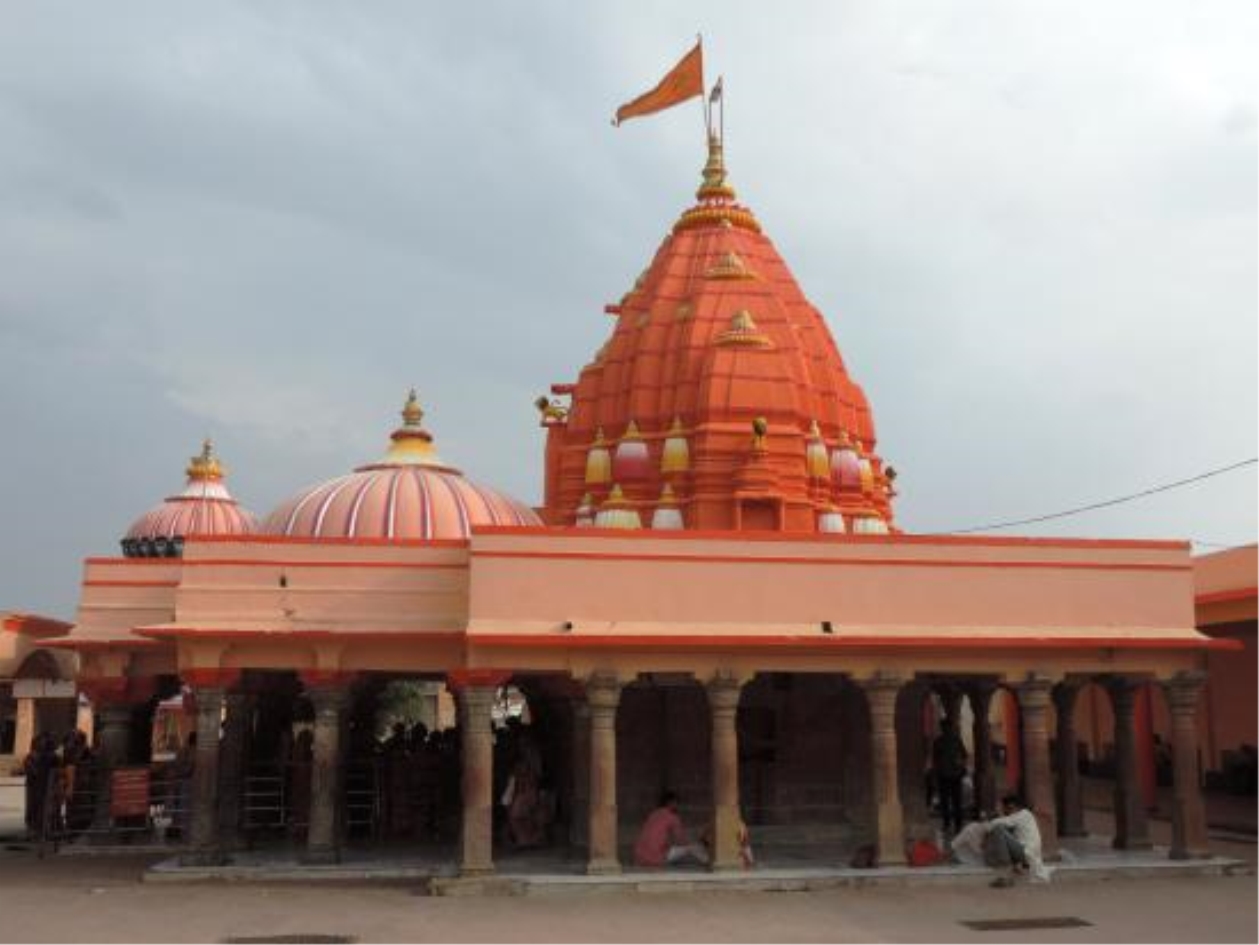
Address
Chintaman Ganesh Temple, Ujjain
191 Chintaman Ganesh,
Ujjain, Madhya Pradesh 456006
Moolavar
Lord Ganesha
Introduction
Chintaman Ganesh is the biggest temple of Lord Ganesha in Ujjain of Madhya Pradesh, India. This temple is built across the Kshipra river on the Fatehabad railway line, and is located about 7 km far south-westerly to the Ujjain town. The temple is located now in the middle of the town’s market.
Puranic Significance
The temple dates back to 11th and 12th centuries when the Paramaras ruled over Malwa. It is also believed that the original temple dates back to the Ramayan age and the temple is established by Sita.
The temple deity Lord Ganesha is regarded as the Lord of beginnings as per the Hindu beliefs. In the traditional times, the Lord is known as Chintaharan which literally means remover of all worries and tensions. The temple is thronged by crowds of people that come to do away with all their worries at the shrine of the Lord. The term Chintamani is another name used for Lord Vishnu, who is considered as the preserver of the Universe as per Hindu Mythology. Also called Vighneshwara, the moderator of grief, Ganesha is always the first to be worshipped in the Hindu pantheon, lest he decide to sow obstacles in the devotees’ path.
Special Features
The finely-carved stone pillars in the assembly hall and the white shrine define the age-old sanctity of the temple. The Ganesha idol enshrined in this temple is supposed to be swayamabhu (self-manifested). Locally, Ganesha is also referred to as Chintaman. His consorts, Ridhhi and Siddhi, flank Chintaman, the assuager of all worries.


Century/Period
11th and 12th centuries
Nearest Bus Station
Chintaman Ganesh stops
Nearest Railway Station
Ujjain
Nearest Airport
Indore
Location on Map
Aluru Ranganathaswamy Temple, Andhra Pradesh
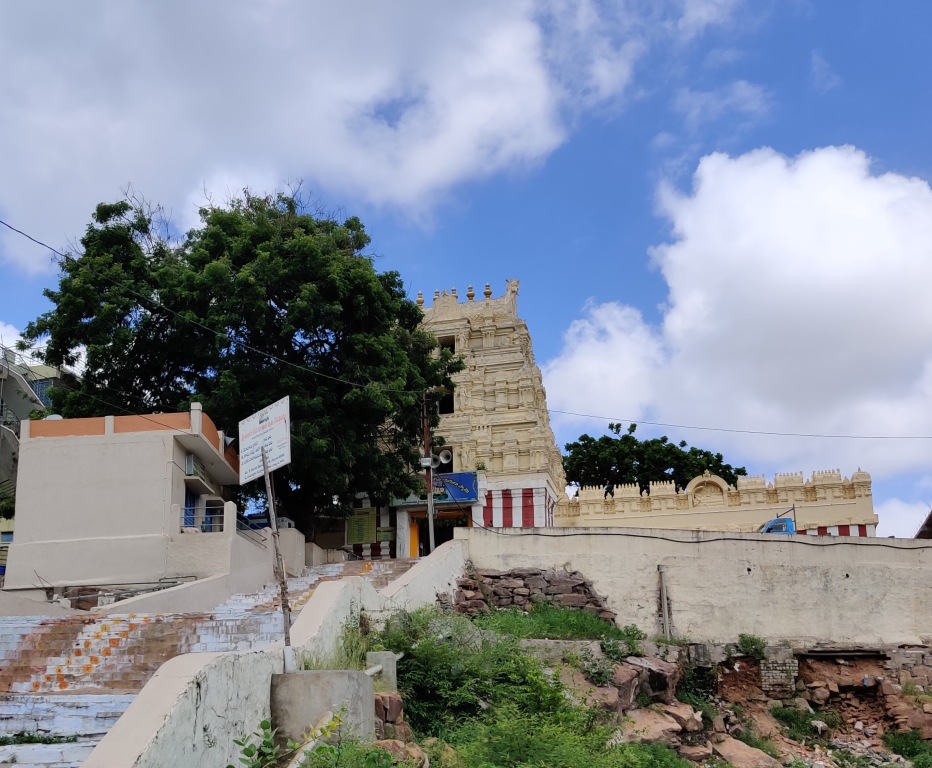
Address
Aluru Ranganathaswamy Temple, Andhra Pradesh
Tadipathri Mandal, Juturu, Aaluru, Aluru,
Andhra Pradesh 515415
The temple remains open from 06.00 AM to 12.30 PM and 04.00 PM to 08.00 PM.
Moolavar
Ranganathaswamy
Introduction
Ranganathaswamy Temple is dedicated to Lord Vishnu located in Aluru Village in Tadipatri Mandal in Ananthapuramu District in Andhra Pradesh, India. This temple is also known as Kona Ranganatha Swamy temple. This temple is situated close to Aluru Kona Waterfalls. The temple is situated at about 13 Kms to the north east of Tadipatri on Gooty to Kadapa route.
Puranic Significance
This temple was built in 1334 CE by Yerrama Timmaraju, a feudatory of Vijayanagara King Bukka Raya I. Yerrama Timmaraju donated vast amounts of lands to the temple to meet the temple expenses.
As per legend, Sage Vishwamitra was living in this place near the forest of Thadaka and was doing penance and yajna with his disciples.They were being tormented by Thadaka and her sons. Unable to tolerate the menace any longer,Vishvamitra approached Dasharatha, the King of Ayodhya for help. He requested Dasharatha to send his eldest son, Rama to protect his yajna.Though Dasharatha was initially reluctant to send his 16-yearold boy, he finally sent Rama and his younger brother Lakshmana with Vishvamitra on the advice of the royal guru Vashishta. Vishvamitra trained them in warfare and taught them various mantras. When Vishvamitra and the princes were passing through the forest of Thadaka,Thadaka attacked them. Rama, aided by Lakshamana, slew her with his arrow. Vishvamitra blessed Rama, as the gods rejoiced in the end of Thadaka. The sage gave him divine weapons as a reward.Vishvamitra then began his six-day yajna, with the princes standing on guard.While the first five days passed without incident, on the sixth day the sacrificial fire suddenly faltered, indicating trouble. Maricha and his brother Subahu, with a horde of rakshasas, appeared from the treetops like black clouds, roaring and making a thunderous noise.They tried to destroy the yajna fire by showering it with blood and flesh. Rama fired his Manavastra (astra which could hit a target miles away) from his bow.The arrow struck Maricha’s chest and threw him a hundred leagues away, into the ocean. Subahu and the other demons were killed by Rama; using various other weapons.The sacrifices was completed successfully. To commemorate this event, Yerrama Timmaraju, a feudatory of Vijayanagara King Bukka Raya I built the current temple in 1334 CE.
Special Features
This temple is situated on top of a hillock. There is an entrance arch on the road leading to this temple. The temple can be reached after climbing fifty steps. This temple is facing towards east with three tiered rajagopuram. Balipeedam, Dwaja Sthambam, Deepa Sthambam and Garuda shrine can be seen immediately after the rajagopuram.
The temple consists of sanctum, antrala and maha mandapa. The sanctum enshrines the reclining image of Ranganatha Swamy flanked by goddess Sridevi and Bhoodevi. There are guest houses for devotees available in the temple premises. There is a natural spring next to the temple, where water flows between the rocks for the whole year.
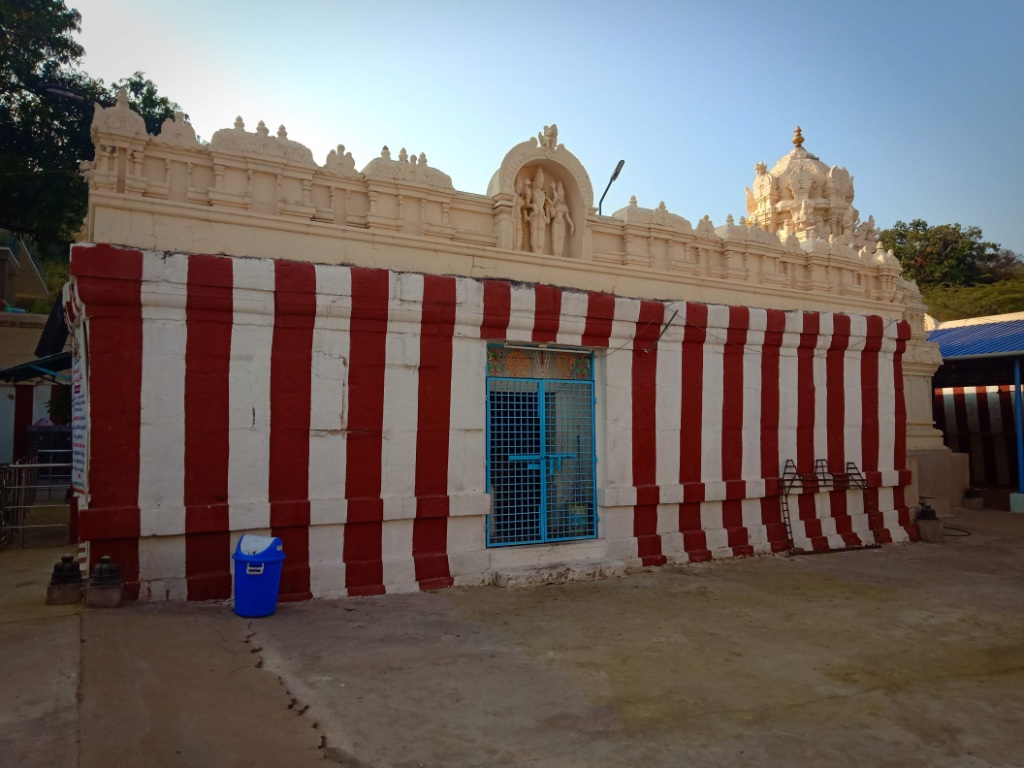
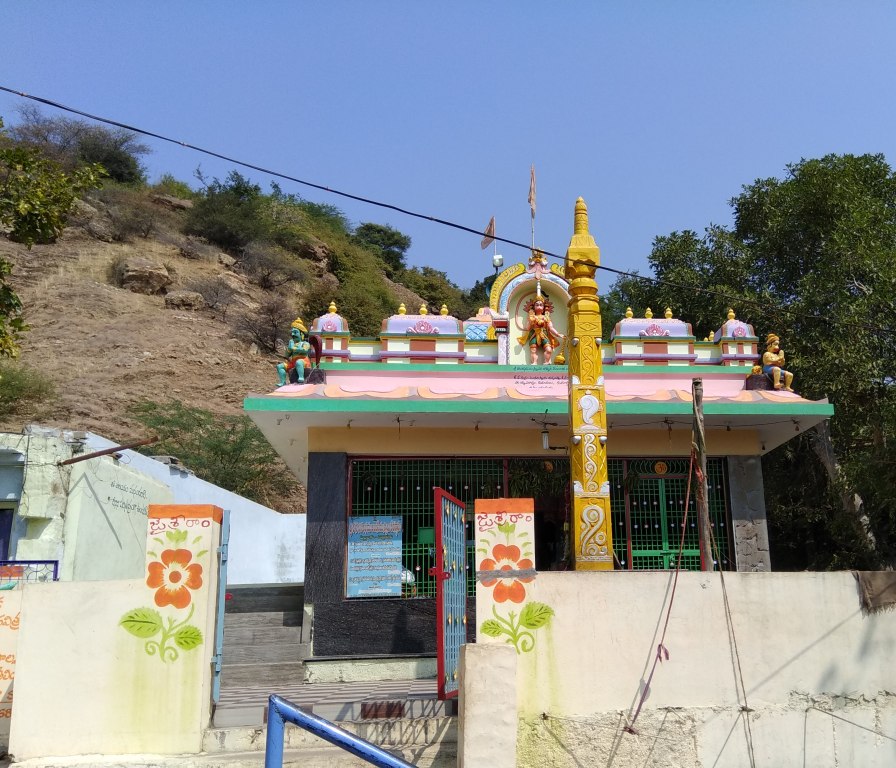
Festivals
Annual Brahmotsavam is celebrated during the Chaitra month. The festival starts on Chaitra Suddha Pournami day.
Century/Period
1334 CE
References:
https://hindutemples-india.blogspot.com/2023/11/ranganathaswamy-temple-aluru-andhra-pradesh.html
Nearest Bus Station
Tadipatri
Nearest Railway Station
Tadipatri Railway Station
Nearest Airport
Tirupati
Location on Map
Jaipur Govind Dev Ji Temple
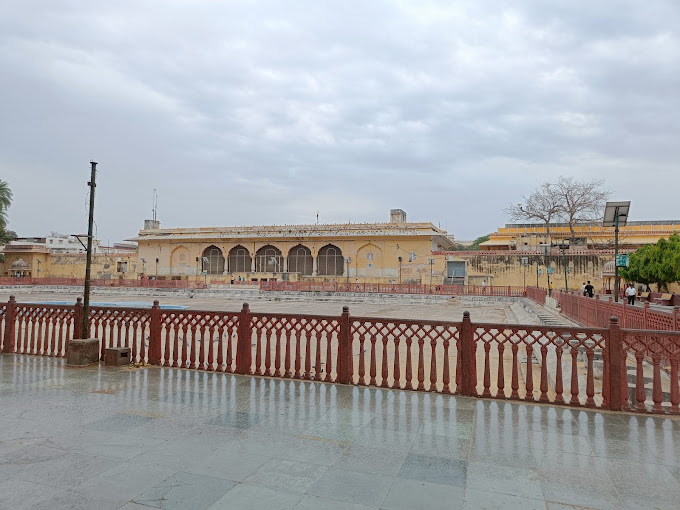
Address
Jaipur Govind Dev Ji Temple
Jalebi Chowk, Jai Niwas Garden,
Jaipur, Rajasthan 302002
Moolavar
Govind Dev (Krishna)
Amman
Radha
Introduction
The historic Govind Dev Ji temple of Gaudiya Vaishnavism tradition is situated in City Palace of Jaipur in Rajasthan, India. The temple is dedicated to Govind Dev (Krishna) and his consort Radha. The deities of the temple were brought from Vrindavan by Raja Sawai Jai Singh II, the founder of Jaipur. This Vaishnav temple is considered to be one of the most sacred and significant temple for devotees.
Puranic Significance
The temple was built in 1735 by Maharaja Sawai Pratap Singh II and houses the idol of Lord Krishna’s form, Govind Dev ji, which was the main deity of Amber’s Kachawaha Dynasty. According to the popular legend, the image of Govind Devji is also called “Bajrakrit” because it was created by Bajranabh – The great-grandson of Krishna. Around 5,000 years ago when Bajranabh was around 13 years old, he asked his Grandmother (daughter-in-law of Krishna) as to how Krishna looked like. Then based on her description, he made three images. In first image, the feet show the resemblance with the Krishna’s feet. In second image, chest area looked like Krishna’s. In third image, the face showed complete resemblance with Krishna’s face when he was incarnated on Earth.
The first one image is known as Lord “Madan Mohan ji”. The second image is called as “Gopinath ji” and the third image is popular with the name of “Govind Devji”. With the passing of ages, these pious divine images were also lost. Some 500 years ago, Vaishnava Acharya Sri Chaitanya Mahaprabhu asked one of his disciples Sri Rupa Goswami to excavate the divine icon of Govinda, which had been buried to protect it from the invaders.
This is the place where Vedānta-ācārya Śrīla Baladeva Vidyābhūṣaṇa commenced writing the Govinda-bhasya (commentary on the Brahma Sutras). It is said that Govind Devji himself instructed the acharya in his dreams to write the commentary. The famous commentary is the root of legitimacy for the Gaudiya-Vaishnavas. It was after delivering this commentary, Srila Baladeva Vidyabhusana’s arguments proved victorious, defeating and convincing the Ramanandis during the famous Shastrartha (debate) at Galtaji, Jaipur. He was then given the honorific title “Vedāntācārya”.
For all Vaishnavas, Sri Radha Govind Dev ji temple is one of the most important temples outside Vrindavan.
In this temple, “Aartis” and “Bhog” are offered seven times a day when the deity is unveiled for “Darshan”. Thousands of devotees visit the temple daily and an even larger number visit during Janmashtami.
Special Features
The Govind Ji Temple is built in sandstone and marble with ceilings covered with gold. The architecture of the temple building has a mix of Rajasthani, Muslim as well as Classical Indian elements to it. Since it was built beside a royal residence, the walls are adorned with chandeliers as well as paintings. The temple is also surrounded by a lush green garden and the garden is known by the name, ‘Talkatora’.

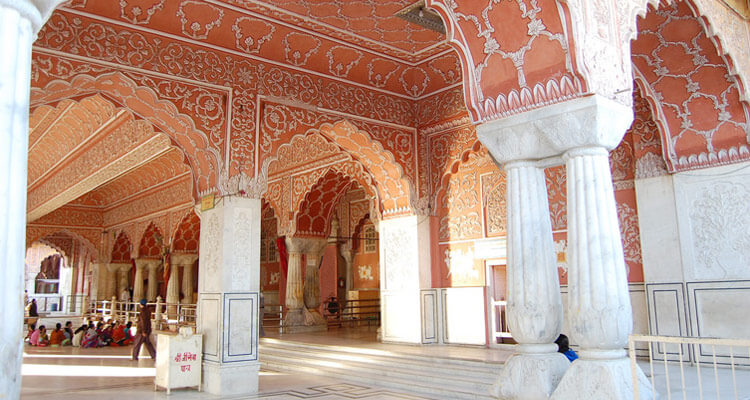

Festivals
Janamashtami, Radhashtami, Holi, Gopashtami, Sharad Purnima, Kartik Purnima
Century/Period
1735
Nearest Bus Station
Sindhi Camp
Nearest Railway Station
Jaipur Junction
Nearest Airport
Jaipur
Location on Map
Abhishekhapuram Airavatheeswara Swamy Temple, Tirupur
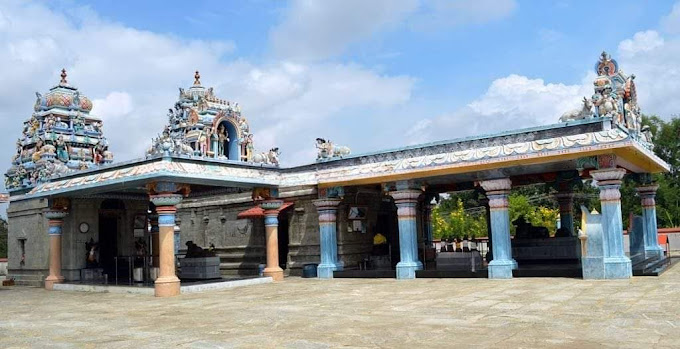
Address
Abhishekhapuram Airavatheeswara Swamy Temple,
Abhishekhapuram, Kunnathur Road,
Tirupur District – 638 103
Phone: +91 99947 10322, 95665 01312
Moolavar
Airavatheeswara Swamy
Amman
Abhishekavalli
Introduction
Abhishekhapuram Airavatheeswarar Temple is a Shiva temple located in Abhishekhapuram, Tirupur district in Tamil Nadu. The temple has shrines of Airavatheeswarar, Abhishekavalli, Perumal, Dakshinamurthy, Vinayaka, Subramaniyar, Kalabhairava and Navagraha. The temple is classified as a principal temple under the control of the Hindu Charities Department.
Puranic Significance
Once, during a journey through the forest, Indra’s divine chariot, the Airavata, accidentally trampled upon a sage’s hermitage, disrupting his meditation. Enraged, the sage cursed the elephant to transform into a mouse, causing it to shrink in size. Distressed by what had happened, Indra sought forgiveness from Goddess Uma Maheswari, and upon the advice of Narada, he worshipped her by sprinkling holy water every morning before sunrise. As a result of this worship, Airavata regained its original form, thus illustrating the power of divine intervention in ancient history.
Special Features
In a town named after the temple where the consecration took place, the sacred ritual of consecration was conducted. This temple, called Airavateeswara Temple, was constructed during the Chola period in a magnificent architectural style. It was built under the reign of Veerarajendra Chola in the thirteenth century. The temple is known by this name because it is believed to have absolved the curse on Indra’s elephant, Airavata.
In the sanctum sanctorum of the Ambal Abhisheka Valli shrine, the goddess is seen facing eastward with four hands, holding lotuses in the upper pair and bestowing boons with the lower pair. Devotees, especially women seeking fertility, throng the temple premises during auspicious Fridays. Inside the shrine, Maha Lakshmi and Samundi are worshipped. Seven exquisite sculptures of celestial maidens adorn the eastern prakara, adding to the temple’s grandeur. The Dashavatara sculptures seen in this temple are marvels of artistic beauty. Surrounding the sanctum, one can find a sculpture of Mangala Vinayaka. The presiding deity, Airavateeswara, blesses devotees facing eastward from the sanctum sanctorum in the form of a linga. The temple’s history is inscribed on copper plates placed in the ardhamandapa.
Festivals
Pradosha Puja, Annabishekam on Aipasi Pournami Day, Karthikai, Shivratri and special pujas are performed on Shivaratri and auspicious days of Shiva.

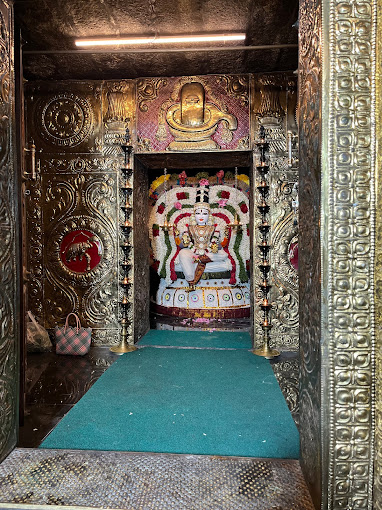
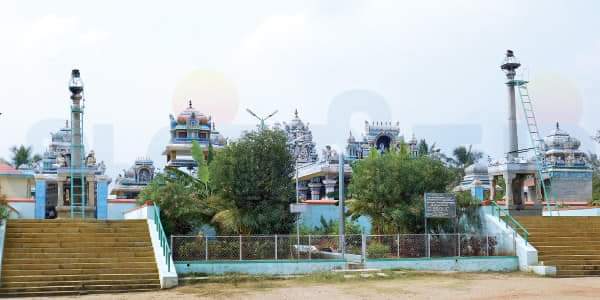


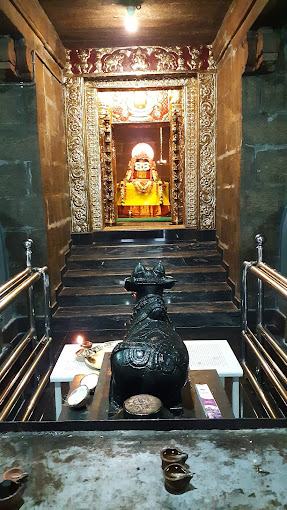
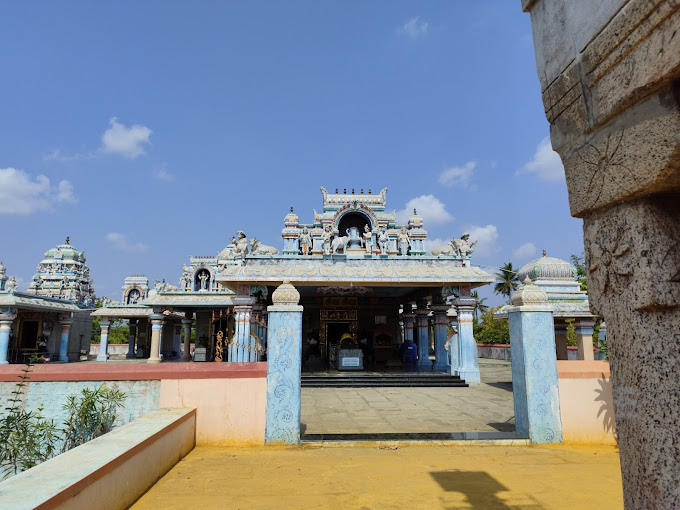

Century/Period
13th Century
Nearest Bus Station
Abhishekapuram
Nearest Railway Station
Tirupur
Nearest Airport
Coimbatore
Location on Map
Sri Ram Bodha Hanuman Temple, Srilanka
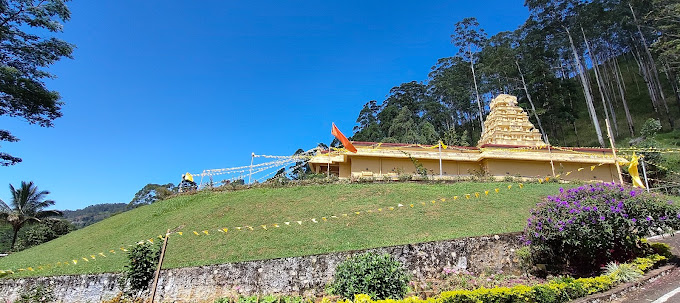
Address
Sri Ram Bodha Hanuman Temple, Srilanka
Nuvarelia,
Sri Lanka.
Phone: +94522259645
Moolavar
Sri Ram Bodha Hanuman
Introduction
Rambotha (Irampodai) Anjaneya Temple is dedicated to lord Hanuman, located in the highlands of Sri Lanka. It is situated on top of a hill near Rambotha town on the Kambalai – Nuvarelia main road in Nuwara Eliya District. Built in 2001, the temple is managed by Sri Lanka Chinmaya Monastery.
Puranic Significance
In fact, there was no memorial or a temple at the very place Sri Hanuman set his feet. It is surprising that the car in which His Holiness Swami Chinmayananda was returning after a programme in Nuvarelia stopped at this place, though there was no technical snag in the vehicle. He sat at this place for a while in Dhyana. This is the road that connects Candy and Nuvarelia. Swamiji felt the power of Sri Hanuman and decided to build a temple for the Sundara Canto hero. Swamiji bought 10 acres of land near the Vivendan Hills area. And named it Rama Bodha. It means Rama’s army and/or Rama’s power. It is said and believed that this was the place where Rama arranged His army divisions. Though there are temples for Gods in Sri Lanka, Swamiji felt that there should be an exclusive temple for Sri Hanuman. He decided to build this temple through Chinmaya mission with Hanuman as the presiding deity. The job of making an idol of 16 feet tall Sri Hanuman was entrusted with sculptor Muthiah of Mahabalipuram. The tall idol was installed first and the temple works followed later. The consecration of the temple was celebrated on April 8, 2001.
Special Features
This is the spot where Sri Hanuman set his feet first in Sri Lanka.
It should be remembered that Sundara Canto in Ramayana occupies a supreme place the events of which happened in Sri Lanka, equal to that of Ayodhya Canto with the coronation of Rama Padukas despite turbulent events that could not shake the basic dharmas righteously followed by political leaders and citizens those days. Seethai Amman Koil, Munneswaram Koil, Ramalingaswami koil where Lord Rama worshipped Lord Shiva had been built already here dating back to thousands of years. The History begins with the landing of Sri Hanuman in Sri Lanka.
Belief
Sri Hanuman grants any wish of the devotee. Devotees offer garlands of betel leaves and butter to Sri Hanuman.
Festivals
Hanuman Jayanthi
Century/Period
2001
Nearest Bus Station
Nuvarelia
Nearest Railway Station
Colombo
Nearest Airport
Hatton
Location on Map
Veeramangudi Sri Vajrakandeswarar Temple, Thanjavur
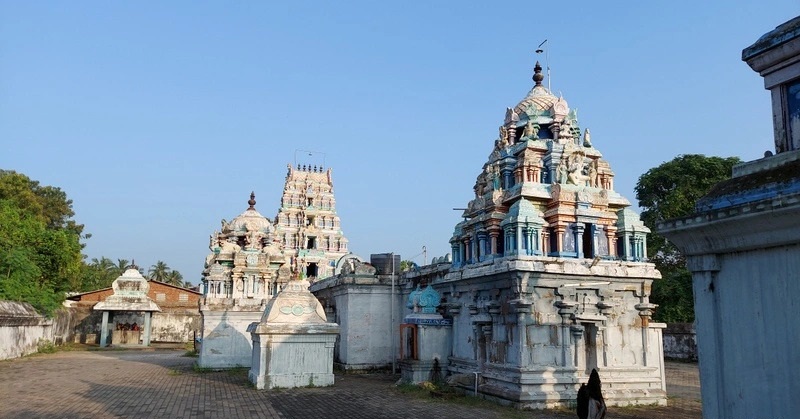
Address
Veeramangudi Sri Vajrakandeswarar Temple,
Veeramangudi,
Tiruvaiyaru, Thanjavur district,
Tamilnadu –613 204
Phone: +91 94435 86453
The temple is open from 7.00 a.m. to 1.00 p.m. and from 4.00 p.m. to 8.00 p.m.
Moolavar
Vajrakandeswarar
Amman
Mangalambikai
Introduction
Veeramangudi Sri Vajrakandeswarar Temple is dedicated to Lord Shiva, Located in the Veeramangudi village, Tiruvaiyaru, Thanjavur district, Tamilnadu. Here the presiding deity is called as Vajrakandeswarar and Mother is called as Mangalambikai. The temple is said to be more than 500 years old
Puranic Significance
A demon, Vajran by name had a boon that he could be killed only by an ordinary man without any standing in life. He misused this boon and began to harass the Devas in the upper world and defeated them when they fought against him. Responding to the prayers of the Devas, Lord Shiva sent a devotee to the demon. The devotee fought with the demon as a warrior and destroyed him. While dying, the demon realized his arrogance and sought pardon from the Lord. Merciful Lord pardoned him and stayed here itself as begged by the demon. After the name of demon Vajran, the Lord is called Vajrakandeswarar. As the devotee fought with such heroism, the place is named Veeramangudi. Veeram in Tamil means heroism.
Special Features
The nine planets in the Navagraha shrine are installed on a peeta hexagonally designed with their respective Vahans and consorts.
There is no tower for the temple. Mother Mangalambikai graces virgins with assured happy life and for the married longevity to their Mangal Sutras. Mangalam in Tamil or Sanskrit means everything auspicious. Hence, Mother is known as Mangalambikai. Newly wedded couples worship Mother Mangalambikai with Sari, turmeric, yellow threads and things related to Mangalas for a happy married life. Ananda Garudazhwar appears enjoying all bliss for his status as the vehicle of Lord in the shrine of Lord Varadaraja gracing the devotees in the prakara holding His discus, conch and offering all protection showing His Abhayahastha, the symbol of protection. Worshipping Lord Varadaraja ensures all happiness to devotees. The Mango story that made Lord Muruga angry is beautifully sculpted in front of Ambica shrine. The flying of Lord Muruga angrily against His divine parents is very realistic. Mother inviting the son to calm him down also is very realistic. Maharshi Narada, the source of this event in Mount Kailash is nearby. The Navagrahas-nine planets are on a peeta designed hexagonally with their vahans and consorts. As the planets are with their consorts, they will be merciful to the people, it is believed. Sun God occupying the Centre Stage is on a Rath pulled by seven horses. Those doing remedial worships on Jupiter, Saturn, Rahu and Ketu transit days worship here with vastras and grains on such days and time attributed to these planets. By experience, we can feel the dilution of the intensity of adverse effects by such planet worships.
Belief
Devotees seek the grace of the Lord for relief from adverse effects caused by planetary aspects. People offer Vastras and grains to Lord and Mother.
Festivals
Shivrathri in February-March, Aipasi Annabishekam in October-November and Tirukarthikai in November-December are the festivals of the temple.
References:
https://temple.dinamalar.com/new.php?id=1166
Century/Period
500 years old
Nearest Bus Station
Veeramangudi
Nearest Railway Station
Thanjavur
Nearest Airport
Trichy
Location on Map
Aluru Ranganathaswamy Temple, Andhra Pradesh
Address
Aluru Ranganathaswamy Temple, Andhra Pradesh
Tadipathri Mandal, Juturu, Aaluru, Aluru,
Andhra Pradesh 515415
The temple remains open from 06.00 AM to 12.30 PM and 04.00 PM to 08.00 PM.
Moolavar
Ranganathaswamy
Introduction
Ranganathaswamy Temple is dedicated to Lord Vishnu located in Aluru Village in Tadipatri Mandal in Ananthapuramu District in Andhra Pradesh, India. This temple is also known as Kona Ranganatha Swamy temple. This temple is situated close to Aluru Kona Waterfalls. The temple is situated at about 13 Kms to the north east of Tadipatri on Gooty to Kadapa route.
Puranic Significance
This temple was built in 1334 CE by Yerrama Timmaraju, a feudatory of Vijayanagara King Bukka Raya I. Yerrama Timmaraju donated vast amounts of lands to the temple to meet the temple expenses.
As per legend, Sage Vishwamitra was living in this place near the forest of Thadaka and was doing penance and yajna with his disciples.They were being tormented by Thadaka and her sons. Unable to tolerate the menace any longer,Vishvamitra approached Dasharatha, the King of Ayodhya for help. He requested Dasharatha to send his eldest son, Rama to protect his yajna.Though Dasharatha was initially reluctant to send his 16-yearold boy, he finally sent Rama and his younger brother Lakshmana with Vishvamitra on the advice of the royal guru Vashishta. Vishvamitra trained them in warfare and taught them various mantras. When Vishvamitra and the princes were passing through the forest of Thadaka,Thadaka attacked them. Rama, aided by Lakshamana, slew her with his arrow. Vishvamitra blessed Rama, as the gods rejoiced in the end of Thadaka. The sage gave him divine weapons as a reward.Vishvamitra then began his six-day yajna, with the princes standing on guard.While the first five days passed without incident, on the sixth day the sacrificial fire suddenly faltered, indicating trouble. Maricha and his brother Subahu, with a horde of rakshasas, appeared from the treetops like black clouds, roaring and making a thunderous noise.They tried to destroy the yajna fire by showering it with blood and flesh. Rama fired his Manavastra (astra which could hit a target miles away) from his bow.The arrow struck Maricha’s chest and threw him a hundred leagues away, into the ocean. Subahu and the other demons were killed by Rama; using various other weapons.The sacrifices was completed successfully. To commemorate this event, Yerrama Timmaraju, a feudatory of Vijayanagara King Bukka Raya I built the current temple in 1334 CE.
Special Features
This temple is situated on top of a hillock. There is an entrance arch on the road leading to this temple. The temple can be reached after climbing fifty steps. This temple is facing towards east with three tiered rajagopuram. Balipeedam, Dwaja Sthambam, Deepa Sthambam and Garuda shrine can be seen immediately after the rajagopuram.
The temple consists of sanctum, antrala and maha mandapa. The sanctum enshrines the reclining image of Ranganatha Swamy flanked by goddess Sridevi and Bhoodevi. There are guest houses for devotees available in the temple premises. There is a natural spring next to the temple, where water flows between the rocks for the whole year.
Festivals
Annual Brahmotsavam is celebrated during the Chaitra month. The festival starts on Chaitra Suddha Pournami day.
Century/Period
1334 CE
References:
https://hindutemples-india.blogspot.com/2023/11/ranganathaswamy-temple-aluru-andhra-pradesh.html
Nearest Bus Station
Tadipatri
Nearest Railway Station
Tadipatri Railway Station
Nearest Airport
Tirupati
Location on Map
Shri Damodar Temple, Goa
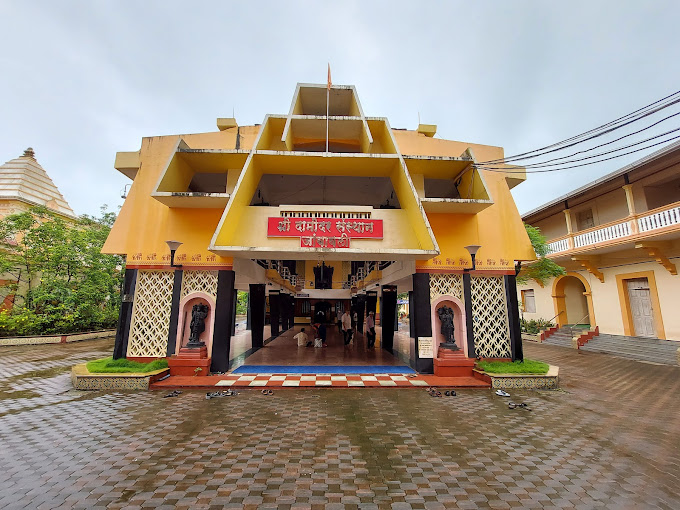
Address
Shri Damodar Temple, Goa
Zambaulim, Quepem,
Goa 403705
Moolavar
Lord Damodar (Lord Shiva)
Introduction
Shri Damodar Temple or Shri Damodara Sansthaan is located on the bank of the Kushawati River near the village of Zambaulim 22 km from the city of Margao on the border of Quepem region (Quepem taluk) in the south of Goa. The temple houses a celebrated murti of Lord Shiva incarnated as Lord Damodar.
Puranic Significance
The deity was originally based in a temple in Mathagam, now Madgaon or Margao, where the Holy Spirit Church now stands. Due to the temple destruction campaign started by the Portuguese rulers in Sasashti Taluka in the year 1567, the Mahajans from Madgaon shifted the local deities (Shree Ramnath, Damodar, Laxmi-Narayan, Chamundeshwari, Mahakali, Mahesh, etc.) to Zambaulim. The Desais of Rivona helped the Mahajans and gave them land for the construction of temples as well as Vatan which is being paid even today.
At the time of the Portuguese conquest Margao was in a flourishing condition and contained many well-constructed buildings, the most remarkable of which was Damodar temple. It is described by an Old Portuguese chronicler as being so large and strongly built that the Muhammadans, when they invaded Salcete, occupied it as a good military post.
According to a tradition, this temple was consecrated to the memory of a native of Margao, by name Makaji Damodar, who having met a tragic death on the spot with his newly married spouse received the honours of a god. There were besides nine other temples in the same village, all of which were destroyed by Diogo Rodrigues, captain of Rachol, who was rewarded with the revenues of the lands belonging to them. Christianity was introduced into Margao by the Jesuit Fathers about the year 1560; and in 1565 a church of Holy Ghost was erected there, on the ruins of the temple, at the desire of the first Archbishop, Dom Gaspar Jorge de Leão Pereira, the idol of Damodar being removed to Zambaulim.
Special Features
Besides the murti of Lord Damodar, revered by, Chamundeshwari (the fierce form of Shakti, a tutelary deity), Mahakali (the goddess of time and death, considered to be the consort of Shiva the god of consciousness, and as the basis of reality and existence) and Mahesha (another incarnation of Lord Shiva) are also honoured at this place.
The Shree Damodar temple belongs to the GSB community (Gowda Saraswath Brahmins). Accommodation facilities are available in the temple complex for the community members
Festivals
The main festival celebrated in Shri Damodar Temple is Shigmo, the Goan spring festival of colors, which lasts for one week only. During the festival the Panair takes place and the folkloric show within which all participants exchange gulals (powders of different colours) with each other and organise various feasts and tablefuls. The temple also celebrates Kartik Poornima, Ashwin Poornima, and Mahashivratri.
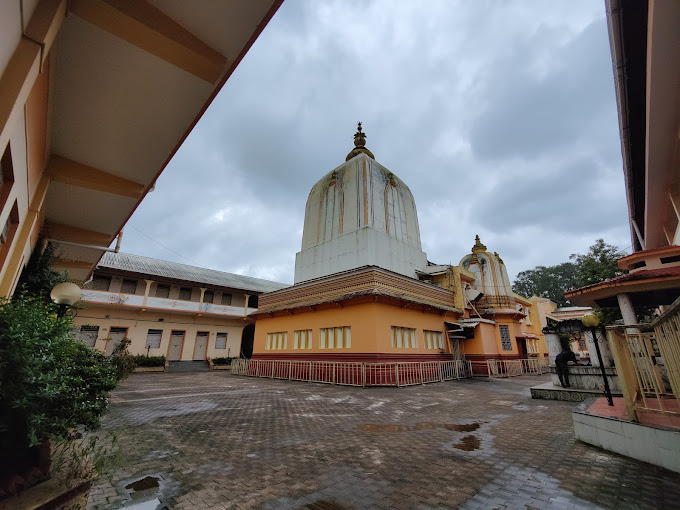


Century/Period
1567
Nearest Bus Station
Margao
Nearest Railway Station
Madgaon Railway Station (Margao)
Nearest Airport
Goa International Airport (Dabolim Airport)
Location on Map
Chengalpattu Sri Kaniyazhi Anjaneyar Temple
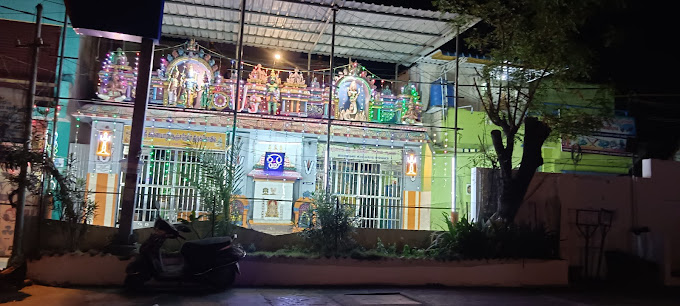
Address
Chengalpattu Sri Kaniyazhi Anjaneyar Temple
Chengalpattu District,
Tamilnadu– 603001
Moolavar
Sri Kaniyazhi Anjaneyar
Introduction
Chengalpattu Anjaneyar Temple is dedicated to Lord Hanuman, Located in the Chengalpattu district, Tamil Nadu. Here the Primary deity is called as Sri Kaniyazhi Anjaneyar.The temple is facing south on the main road near Chengalpattu New Bus Stand. The temple is open both morning and evening. The temple is currently undergoing restoration work. The temple is said to be more than 800 years old.
Puranic Significance
When Sita was imprisoned in Lanka by Ravana, Lord Rama sent his loyal servant Hanuman to find her, giving him his ring as a token. While flying through the sky on this mission, Hanuman spotted a pond below. He descended from the sky to rest and refreshes himself by the pond.
According to the temple legend, Hanuman placed the ring at this spot before continuing his journey to Lanka, where he showed it to Sita. Devotees say that the temple has been a place of worship for several centuries. Initially, there was only a shrine for Hanuman at this site. Over time, with the contributions of devotees, a larger temple complex was developed.
Near the Hanuman temple, the goddess Nageswari Amman also has a shrine. These two shrines are now part of the same temple complex. The statue of Hanuman, known here as Kanaiyazhi Anjaneyar, stands in a majestic posture, holding Lord Rama’s ring in his right hand and displaying the Abhaya mudra (gesture of reassurance) with his left hand.
Century/Period
800 years old.
Nearest Bus Station
Chengalpattu
Nearest Railway Station
Chengalpattu
Nearest Airport
Chennai
Location on Map
Shingnapur Shani Stone Temple, Maharashtra
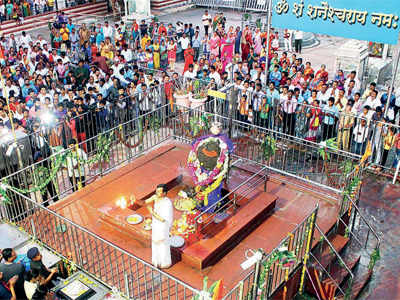
Address
Shingnapur Shani Stone Temple, Maharashtra
Shani Shingnapur
Maharashtra
Moolavar
Lord Shani
Introduction
Shani Shingnapur is a village in the Indian state of Maharashtra. Situated in Nevasa Taluka in Ahmednagar district, the village is known for its popular temple of Shani, the god associated with the planet (graha) Saturn. The village is 35 kilometres from the city of Ahmednagar.
Puranic Significance
The story of the swayambhu statue handed down from generations through word of mouth, goes something like this: When the Shepherd touched the stone with a pointed rod, the stone started bleeding. The shepherds were astounded. Soon the whole village gathered around to watch the miracle. On that night Lord Shaneeshwara appeared in the dream of the most devoted and pious of the shepherds.
He told the shepherd that he is “Shaneeshwara”, and a unique looking black stone is his swayambhu form. The shepherd prayed and asked the lord whether he should construct a temple for him. To this, Lord Shani said there is no need for a roof as the whole sky is his roof and he preferred to be under open sky. He asked the shepherd to do daily pooja and ‘Tailabhisheka’ every Saturday. He also promised the whole hamlet will have no fear of dacoits or burglars or thieves.
So, Lord Shanaishwara can be seen even today, in the open yard without any roof. To this day, there are no doors for any houses, shops, temples. Due to the fear of Lord Shani, none of the structures, be it dwelling houses, huts, shops, etc. situated within one kilometer radius of this Lord Shani temple have doors or locks. No thievery or burglary was reported until 2010 when first theft was reported and again another one was reported in 2011. Shani Shingnapur is visited daily by thousands of devotees praying for Lord Shaneswara’s blessings. The place is busiest on Saturdays.
Special Features
The temple is believed to be a “jagrut devasthan” (lit. “Alive temple”), meaning that a deity still resides in the temple. Villagers believe that god Shani punishes anyone attempting thievery. The deity here is “Swayambhu” (Sanskrit: self-evolved deity) that is self-emerged from earth in form of black, imposing stone. Though no one knows the exact period, it is believed that the Swayambhu Shanaishwara statue was found by shepherds of the then local hamlet. It is believed to be in existence at least since the start of Kali Yuga.
The shrine for Shani consists of a five and a half foot high black rock installed on an open-air platform, which symbolizes the god Shani. A Trishula (trident) is placed along the side of the statue and a Nandi (bull) image is on the south side. In front are the small images of Shiva and Hanuman.
Belief
Shani Thrayodashi is also considered to be a favourite day of the lord. Similarly Saturday falling on ‘Amavasya’ (New moon day in Sanskrit and many other Indian languages) is considered to be a favourite day of the Lord Shanaishwara and on those days’ devotees seeking his blessings throng this temple in huge numbers. In the history of the village, there has not been a single incident of riot, murder. It is believed that nobody from the village has ever gone to a home of the aged, nor has there been a single complaint lodged in a police station
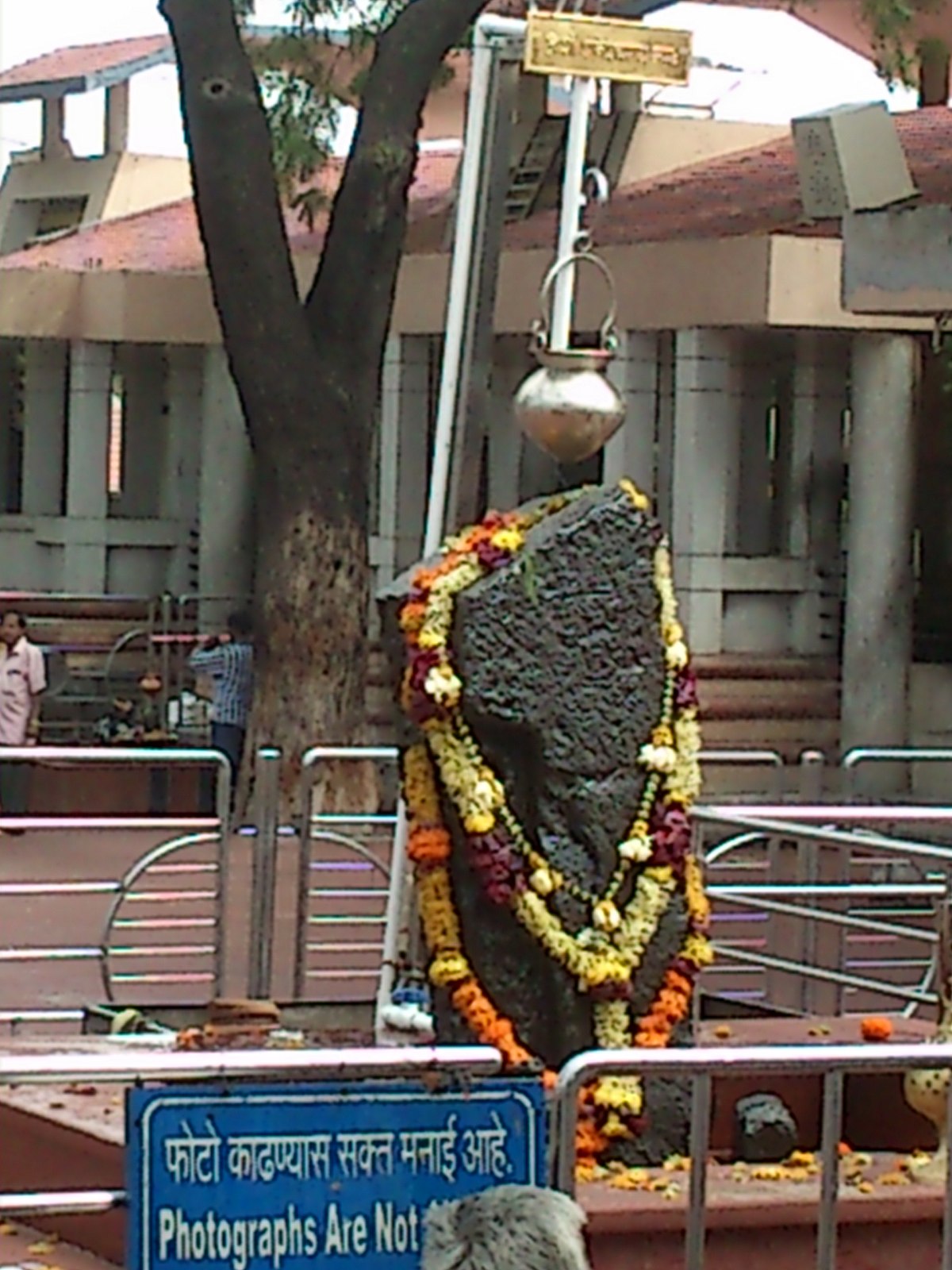

Festivals
New moon day
Century/Period
2000 years old
Nearest Bus Station
Ahmednagar Bus Stand
Nearest Railway Station
Sainagar Shirdi
Nearest Airport
Shirdi Airport (SAG)
Location on Map
Halasuru Subrahmanya Swamy Temple, Karnataka
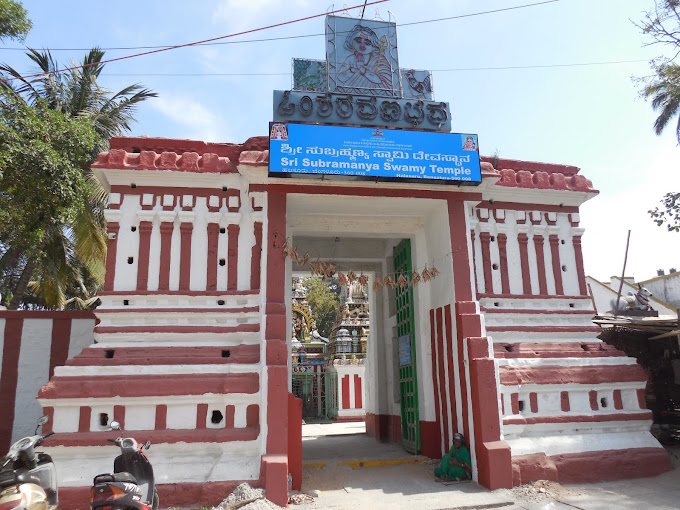
Address
Halasuru Subrahmanya Swamy Temple, Karnataka
Old Madras Rd, Halasuru, Lingayana Palya,
Bengaluru, Karnataka 560008
Moolavar
Subrahmanya Swamy
Amman
Valli and Devasena
Introduction
The Sri Subrahmanya Temple is reputed to be more than 800 years old. The temple is close to the Halasuru SomeshwaraTemple, and opposite Sri Adhi Vinayaka Temple near Halasuru metro station. It is said that this temple is older than Sri Someshwara Temple. The deity is also known as Ananda Murugan here. The lord Subrahmanya here is a replica of Murugan at Thiruthani Murugan Temple one of Arupadaiveedus of Murugan. Lord Subrahmanya is flanked by Valli on His right and Devasena on His left in this temple in separate shrines.
Puranic Significance
Legend has it that this temple was built by one of the Maharajas of Mysore many centuries ago. The then Maharaja of Mysore was on his way to visit his uncle who was suffering from eye disease. It came to his notice that there were devotees frequenting an Anthill at the present site of the temple. The Maharaja visited the anthill and prayed that if his uncle is cured of the eye disease, he would build a temple at the site for the Lord. Once the Maharaja reached Mysore, it was brought to his notice that his uncle was cured of the eye disease. The temple was constructed to thank the Lord as a votive offering.
There is a sculpture of sage Mandavya in the Mantapam. As per one of the versions, Sage Mandavya had this temple built on being directed by the Lord. Some are of the opinion that this temple was built around the same time Sri Someshwara temple was built due to its connection with Sage Mandavya.
Special Features
There are separate shrines for Chandikeshwara and Nagadevata. It is believed that the temple was once a Shiva temple. The temple also has Ardha Nareeshwara, Durga, Surya Narayana Sage Agastya, Navagrahas and Kalabhairava enshrined. The temple follows Shaivagama guidelines. There are Nandis on the temple walls and Lord Vishnu shrine at the back entrance of the temple. This is typical of a Shiva temple. The Sthala Vriksha is Athi maram. There is a tank within the temple premises.
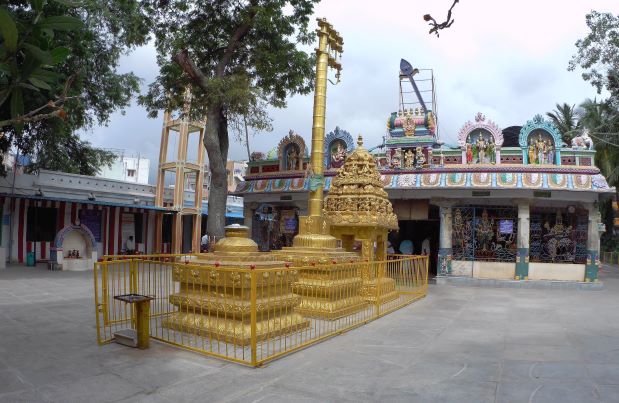
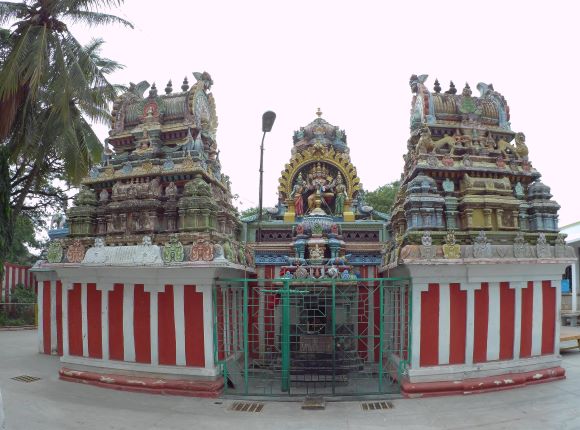
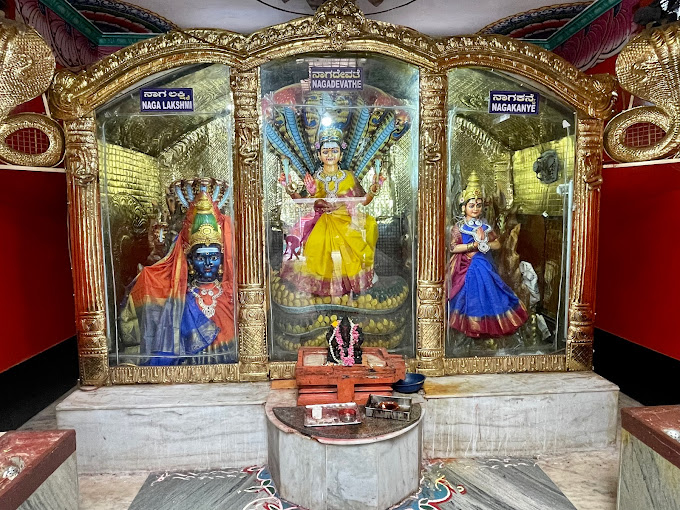




Festivals
Thaipusam is celebrated very grandly for 3 days every year and draws a huge crowd.
Nearest Bus Station
Halasuru
Nearest Railway Station
Bangalore Cantonment Railway Station
Nearest Airport
Kempegowda International Airport (BLR)
Location on Map
Devangudi Kothandaramasamy Temple, Tiruvarur
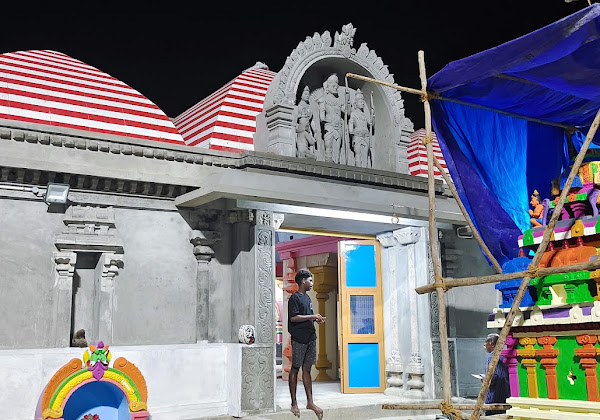
Address
Devangudi Kothandaramasamy Temple, Tiruvarur
Devangudi,
Tiruvarur District,
Tamilnadu – 613803
Moolavar
Kothandaramasamy
Amman
Sita
Introduction
Devangudi Kothandaramasamy Temple is dedicated to Lord Rama located in Devangudi village, Tiruvarur District, and Tamil Nadu. Here the presiding deity is called as Lord Kothandaramaswamy and Mother is called as Sita. The temple is classified as a principal temple under the control of the Hindu Religious and Charitable Endowments Department
Puranic Significance
The temple here is said to have been built during the Pallava period. This Kothanda Raman Temple, which is more than 500 years old, has now deteriorated to a large extent due to the weather and the heat of the monsoon season. For the past 20 years, daily pujas have not been performed, but only one time puja has been going on for a few years. Kumbabhishakam was performed in the temple in the year 1942. After a long interval, the Kumbabhishek ceremony was successfully completed.
In ancient times, it is said that the devas (celestial beings) lived in this village, hence the village got its name Devanakudi. According to the temple legend, the Shiva here is called Indrapureeswarar because Indra, the king of the devas, came from Indraloka to worship him. Sri Kanchi Paramacharya once stayed here and worshipped Indrapureeswarar.
Similarly, in ancient times, there was a blind man who used to circumambulator the Rama temple here. One day, while performing the circumambulation, he suddenly regained his eyesight. In gratitude, he donated his lands to the temple. Because of this miracle, this Rama is known as “Kan Kodutha Kodandarama” (Rama who gave eyesight).
Special Features
In Devanakudi, there is a bhajan mandali (devotional singing group) that was started by Kasi Thatha in 1909 and had its Kumbabishekam (consecration) in 1916. It is noteworthy that traditional bhajans are still performed by the villagers on Ekadashi and special days dedicated to Perumal (Vishnu).
Festivals
Ekadashi
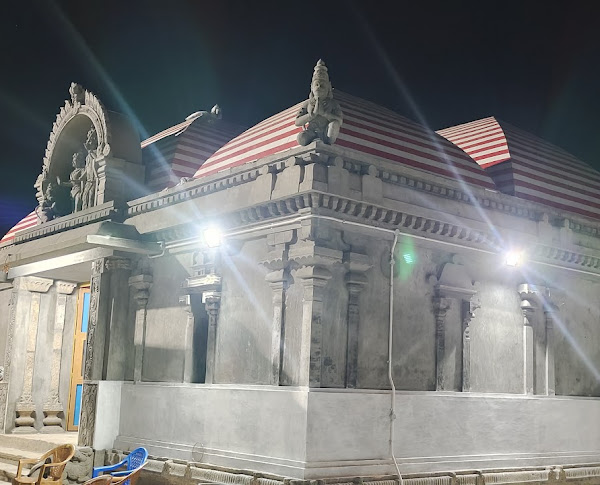
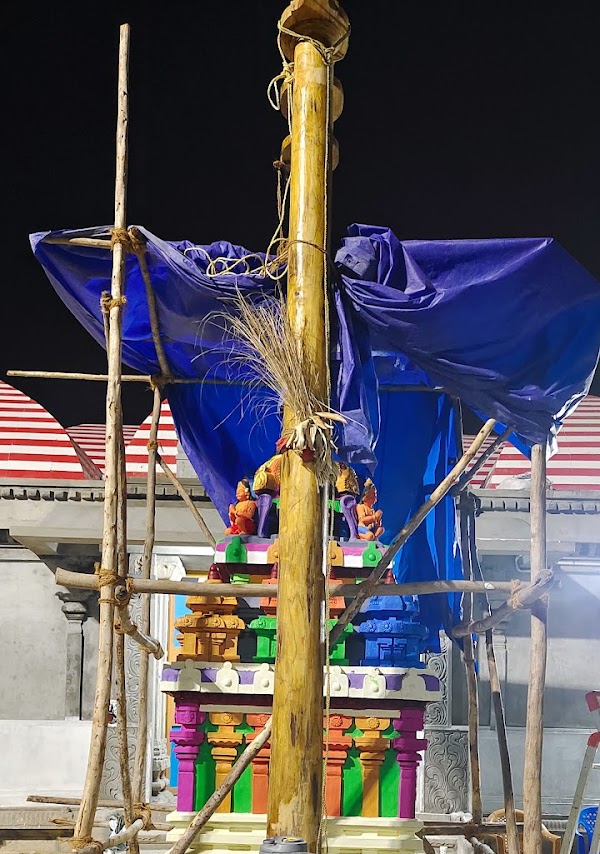
Century/Period
500 -1000 years old
Nearest Bus Station
Devankudi
Nearest Railway Station
Needamangalam Junction
Nearest Airport
Trichy
Location on Map
Uttara Swamimalai Temple, New Delhi
Address
Uttara Swamimalai Temple, New Delhi
Palam Marg, Sector 7, Rama Krishna Puram,
New Delhi, Delhi 110022
Moolavar
Lord Swaminatha(Lord Murugan)
Introduction
Uttara Swami Malai Temple, popularly known as Malai Mandir (literally, Hill Temple in Tamil), is a temple complex in New Delhi, India located on the affluent Palam Marg primarily dedicated to Lord Swaminatha (more commonly known as Lord Murugan. One can easily reach this temple by metro, nearest metro station is Vasant Vihar which is around 2 km away from there
Puranic Significance
- 8 September 1965 the foundation stone for the temple is laid by M. Bhakthavatsalam, Chief Minister of Tamil Nadu, at a function held under the presidency of Sri Lal Bahadur Shastri, then Prime Minister of India.
- 7 June 1973 the main temple for Lord Swaminatha – Sree Swaminatha Swami Temple – is consecrated and a Mahakumbhabhishekham performed.
- 7 July 1995 The Navagraha temple (nine planets), along with a small temple for Idumban Swami, is consecrated and Kumbhabhishekham performed.
- 9 November 1997 The Adi Sankara Hall is inaugurated.
Special Features
In the religion, the peacock is considered Lord Swaminatha’s mount or vahana. Accordingly, the temple has adopted a peacock as its pet. This peacock can be seen and heard among the trees and foliage within the temple compound. People from various backgrounds visit the temple
The main temple within the complex, formally called Sree Swaminatha Swami Temple, houses the sanctum sanctorum of Lord Swaminatha. It is situated atop a small hillock in Sector-7 R.K. Puram and overlooking Vasant Vihar in South West Delhi. This is in keeping with the tradition of locating Murugan temples on hills. The sign outside the main temple is written in Tamil, proclaiming Lord Swaminatha’s motto, “Yaamirukka Bayamain” meaning “Why fear when I am there?”. The temple is built entirely of granite, and is reminiscent of the Chola style Tamil Architecture.
Besides the main Swaminatha Swami Temple, the complex contains temples dedicated to Sree Karpaga Vinayagar (elder brother of Lord Swaminatha), Sree Sundareswarar (father of Lord Swaminatha) and Devi Meenakshi (mother of Lord Swaminatha). These subsidiary temples draw inspiration from the Pandya style of Tamil Architecture, as can be seen at the historic Meenakshi Amman Temple in Madurai, Tamil Nadu.
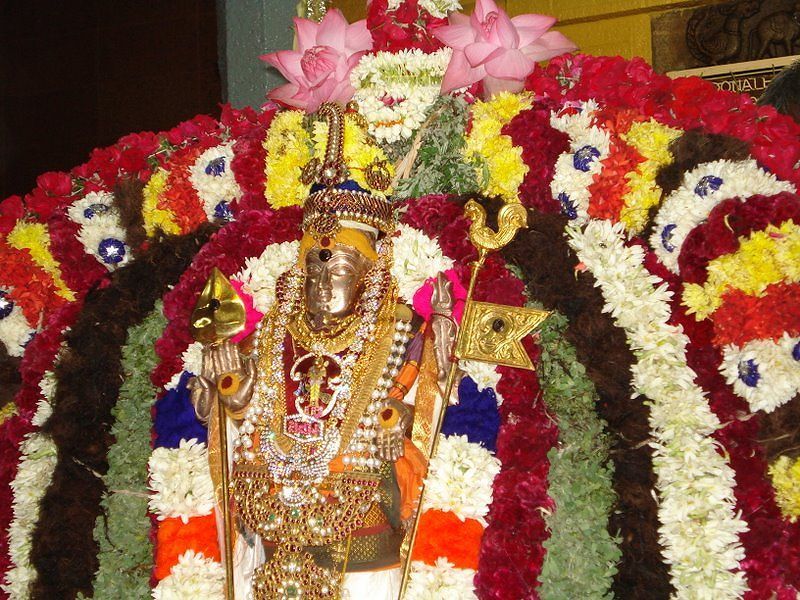
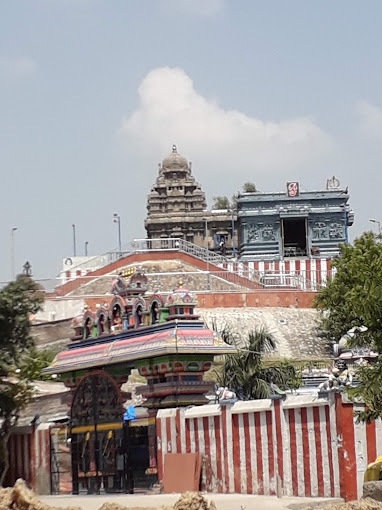

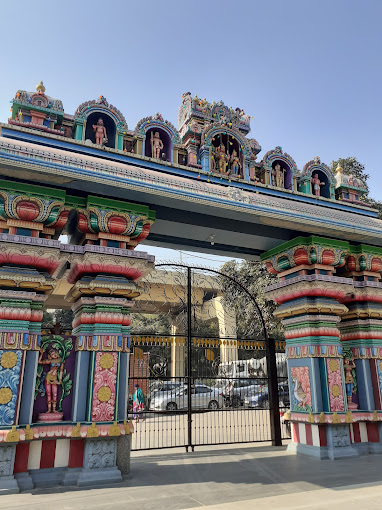
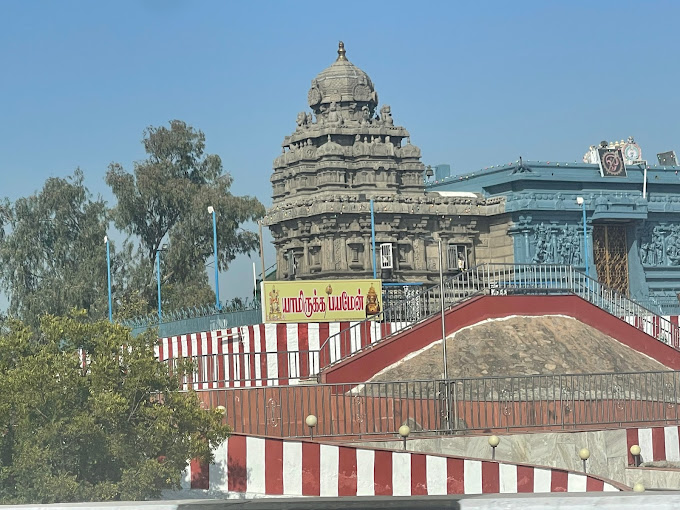


Festivals
Thai pusam is a major festival in this Murugan temple.
Century/Period
8 September 1965
Nearest Bus Station
Vasant Vihar
Nearest Railway Station
Delhi, Vasant vihar metro station
Nearest Airport
Delhi
Location on Map
Uttara Guruvayurappan Temple, New Delhi
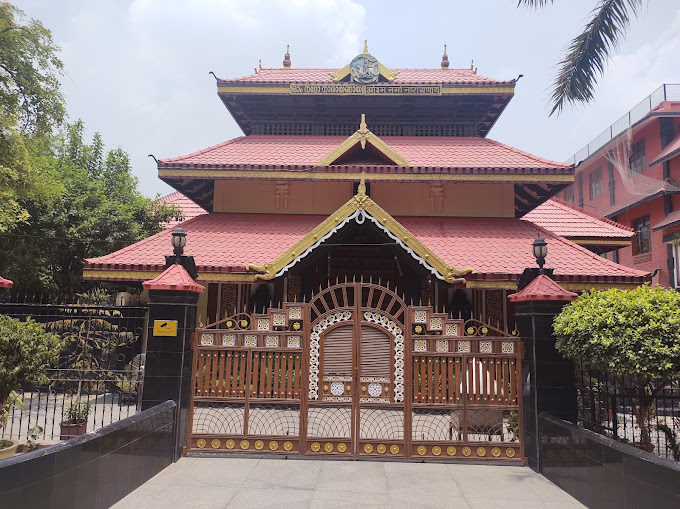
Address
Uttara Guruvayurappan Temple, New Delhi
Temple Complex, Sahakarita Marg, Pocket 3,
Mayur Vihar, Delhi, 110091
Moolavar
Guruvayurappan (Krishna).
Introduction
Uttara Guruvayurappan Temple is located at the Mayur Vihar Phase 1 New Delhi. This temple is most revered by the Malayali and Tamil communities in Delhi. The temple is dedicated to Lord Guruvayurappan (Krishna). The temple is built in the typical Kerala style architecture with two gopurams on the eastern side and western side. The temple has many shrines of the Lord Ganesha, Shiva, and Ayyapa. There is a place where a replica of Sarp Kavu is dedicated to the Naga Devatas.
Puranic Significance
Sri Guruvayurappan temple is constructed in 1983 by the Arshi Dharm Parishad. Before the establishment of this temple, Delhi Development Authority (DDA) had allotted a plot for the temple at Janakpuri, west Delhi but the location was not suitable according to Vastu Shastra. Then the land transferred to the Mayur Vihar 1
The foundation stone is laid by Prof. Vezhaparambu Parameshwaran Namboodiripad and he was the chief architect also. Brahmamangalam Subramanian supervised the construction of the temple. The interesting fact is that the idol of the temple facing towards the west. Traditionally all the Indian temple faces towards the east.
Special Features
The Uttara Guruvayurappan Temple has two gopurams on the eastern side and the western side. You can find many idols on the pillars of the temple. There are various shrines of Lord ayyapa, Shiva, Ganesha. It is believed that the idol of Shri Guruvayurappan was worshipped by Vasudev and Devaki (parents of Lord Krishna). The idol of the temple is carrying four-arm and made with the black bismuth stone.
The temple is built in the Kerala style architecture with two gopurams at its both sides eastern or western. The Garbha Grah has divided into two parts; one has for Lord Krishna and the other one for Goddess Bhagwati. Prof. Vezhaparambu Parameshwaran Namboodiripad was the architect of the temple.
The temple has many shrines of Lord Ganesha, Shiva, and Ayyapa. The temple is coated with red paint. The main idol of the temple is facing towards the west. There is a hall for the Marriage, conference, and meeting at the temple complex. Karthiayani auditorium is available for the Cultural events, stage plays.
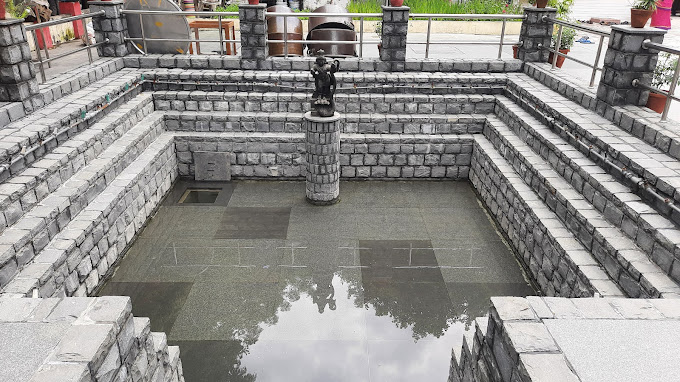


Festivals
Janmashtami
Janmashtami celebrates on the occasion of the Birth of Lord Krishna. The devotees celebrated this festival with lots of enthusiasm.
Maha Shivratri
Shivratri also celebrated with the mantras of Lord Shiva.
Century/Period
500- 1000 Years old
Nearest Bus Station
Mayur Vihar Phase 1
Nearest Railway Station
Delhi Junction
Nearest Airport
Delhi
Location on Map
Chengalpattu Sri Kaniyazhi Anjaneyar Temple
Address
Chengalpattu Sri Kaniyazhi Anjaneyar Temple
Chengalpattu District,
Tamilnadu– 603001
Moolavar
Sri Kaniyazhi Anjaneyar
Introduction
Chengalpattu Anjaneyar Temple is dedicated to Lord Hanuman, Located in the Chengalpattu district, Tamil Nadu. Here the Primary deity is called as Sri Kaniyazhi Anjaneyar.The temple is facing south on the main road near Chengalpattu New Bus Stand. The temple is open both morning and evening. The temple is currently undergoing restoration work. The temple is said to be more than 800 years old.
Puranic Significance
When Sita was imprisoned in Lanka by Ravana, Lord Rama sent his loyal servant Hanuman to find her, giving him his ring as a token. While flying through the sky on this mission, Hanuman spotted a pond below. He descended from the sky to rest and refreshes himself by the pond.
According to the temple legend, Hanuman placed the ring at this spot before continuing his journey to Lanka, where he showed it to Sita. Devotees say that the temple has been a place of worship for several centuries. Initially, there was only a shrine for Hanuman at this site. Over time, with the contributions of devotees, a larger temple complex was developed.
Near the Hanuman temple, the goddess Nageswari Amman also has a shrine. These two shrines are now part of the same temple complex. The statue of Hanuman, known here as Kanaiyazhi Anjaneyar, stands in a majestic posture, holding Lord Rama’s ring in his right hand and displaying the Abhaya mudra (gesture of reassurance) with his left hand.
Century/Period
800 years old.
Nearest Bus Station
Chengalpattu
Nearest Railway Station
Chengalpattu
Nearest Airport
Chennai
Location on Map
Shree Sidh Shaktipeeth Shanidham, New Delhi
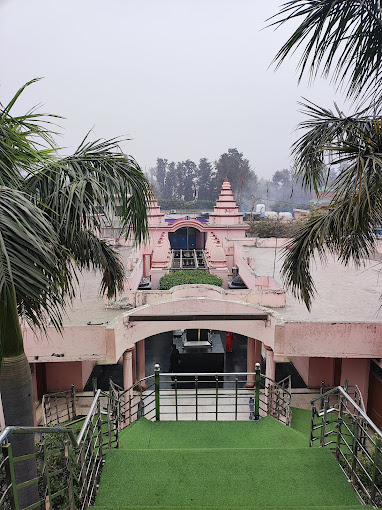
Address
Shree Sidh Shaktipeeth Shanidham, New Delhi
329, Asola, Fatehpur Beri, Mehrauli,
New Delhi, Delhi 110074
Moolavar
Lord Shani
Introduction
Shani Dham Temple is located at Chhatarpur Road, near Asola, Delhi. The temple is one of those rare temples in India that houses a natural rock Idol of Lord Shani.
Puranic Significance
On 31 May 2003, a large Shani image made of rock, the largest in the world, was unveiled. It has become an attraction for devotees of Lord Shani.
In 2020 the temple held religious gatherings in violation of local social distancing rules related to the COVID-19 pandemic.
The temple is divided into two parts: eastern and western. It has a library and a research center alongside an inquiry office, reception office and the publication department. The eastern part is home to the large Shani idol and idols of the twelve ‘Jyotirlings’. In the western part there are large Shani statues erected over the buffalo and the vulture. To the right of these statues is an idol of Hanuman. The western section also contains an oblation pool and idols of the nine planets.
The temple is open to people of all religions and is visited by thousands of devotees every year. It is especially crowded on Saturdays, which is considered to be the day of Lord Shani. The temple also conducts various religious and cultural programs throughout the year.
Special Features
The idol of Lord Shani is the tallest statue in the world. Apart from Shani Dev, the temple also has shrines for other deities like Hanuman ji, Goddess Jagadamba, Shiva Linga and other deities.
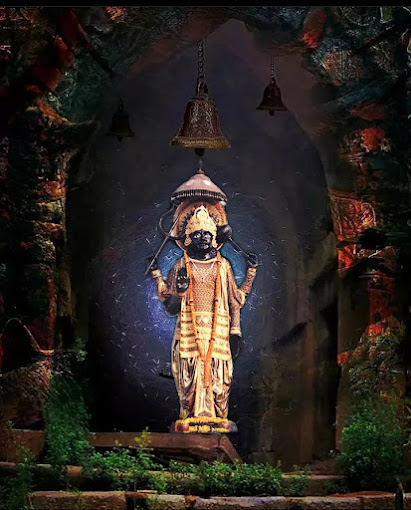

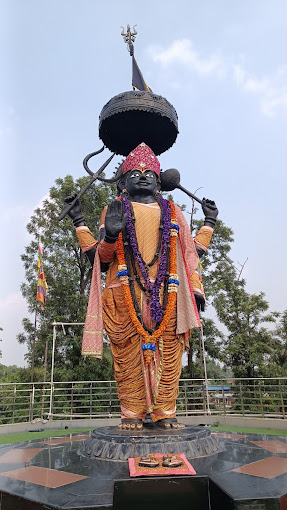
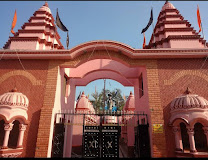

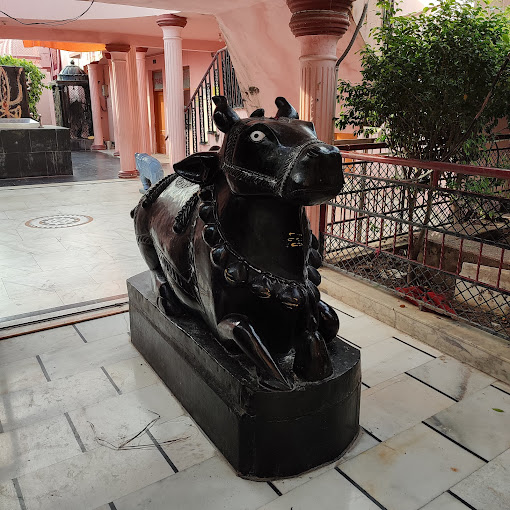
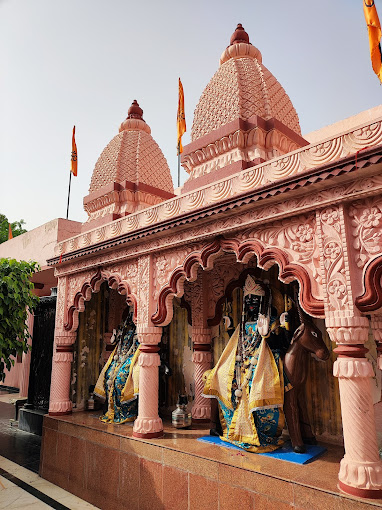
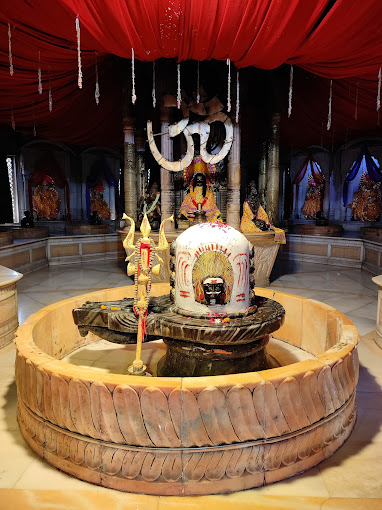


Festivals
Festivals like Special pooja on Shani Amavasya, Deepavali and Navratri are celebrated and the best time to visit the Shani Dham temple is the Saturday before 7:00 AM.
Century/Period
31 May 2003
Nearest Bus Station
Asola
Nearest Railway Station
Delhi
Nearest Airport
Delhi
Location on Map
New Delhi Kali Bari Mandir
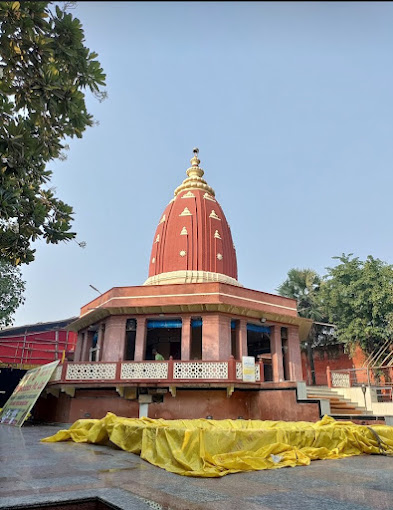
Address
New Delhi Kali Bari Mandir,
Mandir Marg, near Birla Temple,
Pocket H, Type 2, President’s Estate,
New Delhi, Delhi 110001
Amman
Kali
Introduction
New Delhi Kali Bari is dedicated to Goddess Kali and the center for Bengali culture in New Delhi, India. Established in 1930s, it is situated on Mandir Marg, close to Laxminarayan Temple (Birla Mandir) in Delhi. The temple is located on the Mandir Marg, situated west of Connaught Place in New Delhi.
Puranic Significance
After several years of demands by the burgeoning expatriate Bengali population, one acre of land was allotted on the new Mandir Marg (temple road), next to the Laxminarayan Temple. The small unpretentious temple of Goddess Kali came up shortly thereafter, with a pratima (idol) resembling the one at Kalighat Kali Temple in Kolkata. The mandir committee was formalized in 1935 with Subhas Chandra Bose as the first president and the first Mandir Building was inaugurated by Sir Justice Manmatha Nath Mukherjee. After that the authority established a building for the visitors and guest. Bengali tourists can book rooms or dormitory for staying there. There is an old and enriched library in Delhi Kalibari.
Festivals
After several years of demands by the burgeoning expatriate Bengali population, one acre of land was allotted on the new Mandir Marg (temple road), next to the Laxminarayan Temple. The small unpretentious temple of Goddess Kali came up shortly thereafter, with a pratima (idol) resembling the one at Kalighat Kali Temple in Kolkata. The mandir committee was formalized in 1935 with Subhas Chandra Bose as the first president and the first Mandir Building was inaugurated by Sir Justice Manmatha Nath Mukherjee. After that the authority established a building for the visitors and guest. Bengali tourists can book rooms or dormitory for staying there. There is an old and enriched library in Delhi Kalibari.
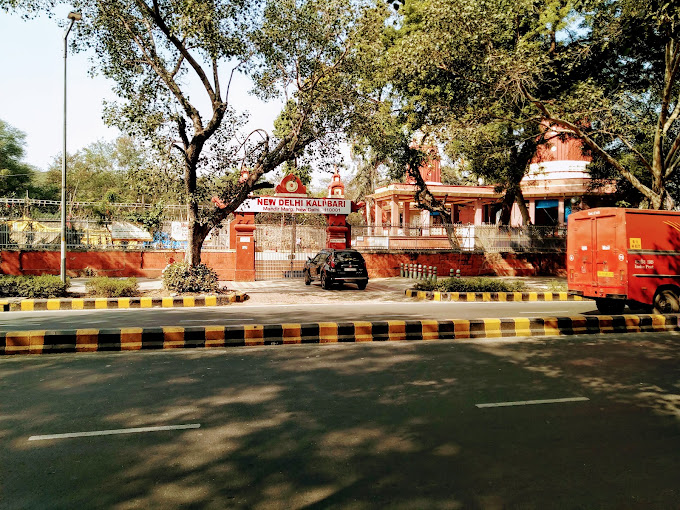
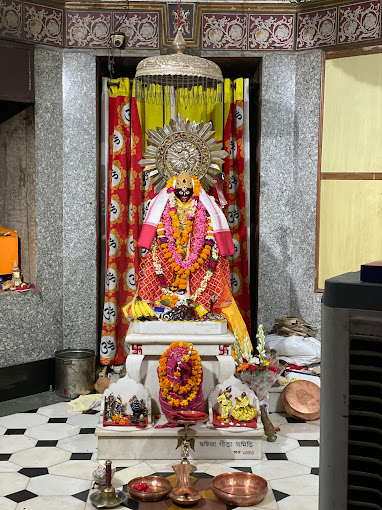
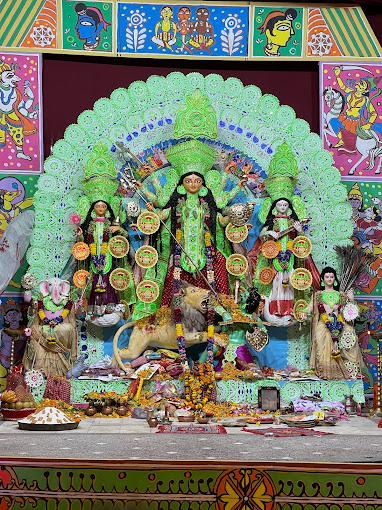
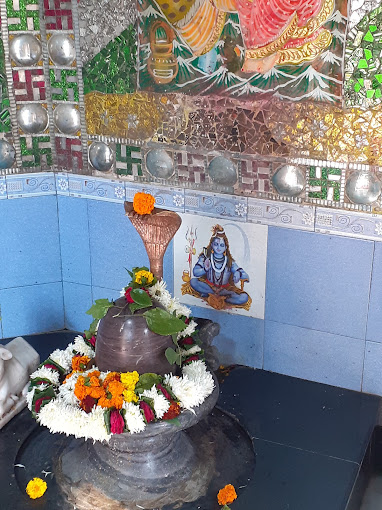
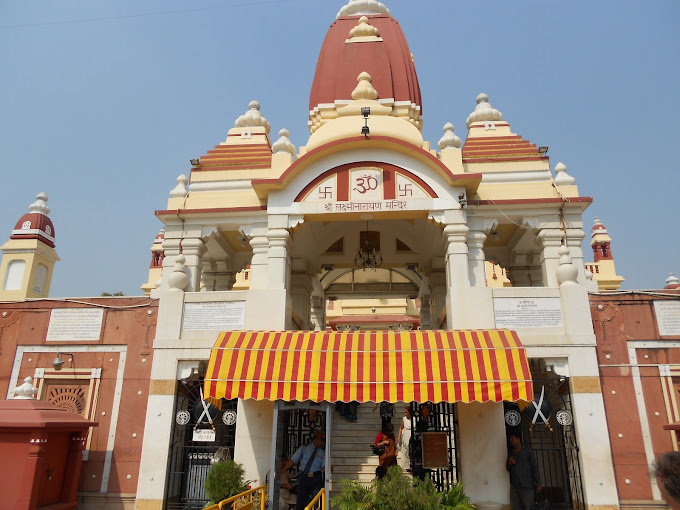
Century/Period
1930
Nearest Bus Station
Mandir Marg
Nearest Railway Station
Delhi
Nearest Airport
Delhi
Location on Map
Kalka Mandir, New Delhi
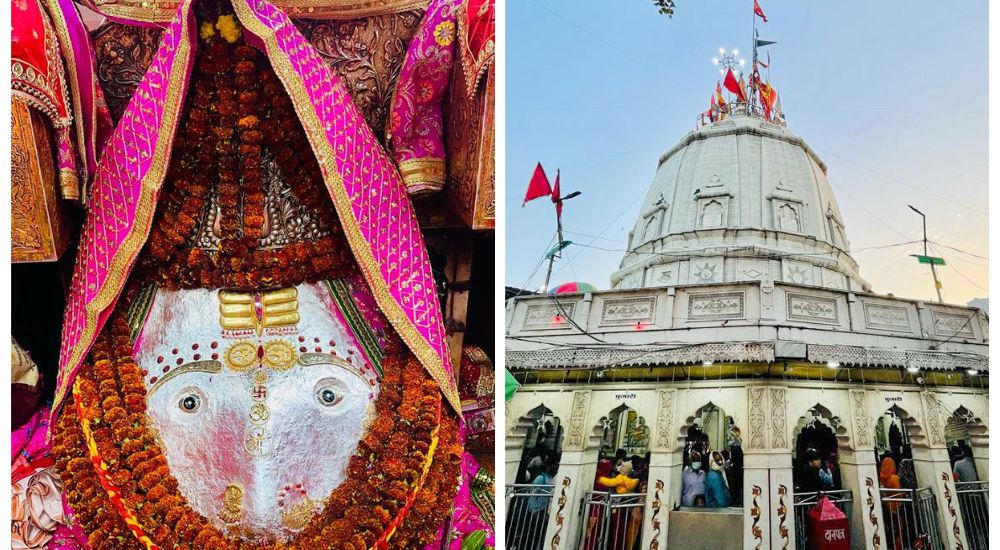
Address
Kalka Mandir, New Delhi
Metro Station, Near, Ma Anandmayee Marg, NSIC Estate,
Block 9, Kalkaji, New Delhi,
Delhi 110019
Amman
Kali
Introduction
Kalkaji Mandir is dedicated to the Goddess Kali. It is situated in the southern Delhi, in Kalkaji, India, a locality that has derived its name from the temple and is located opposite the Nehru Place and close to the Okhla railway station, Kalkaji Mandir metro station. Peoples believe that the image of the Goddess Kalka here is a self-manifested one.
Puranic Significance
Though the temple is thought to be much older, the oldest portions of the present building are believed to have been constructed not earlier than the 1764 AD by the Marathas, with additions in 1816 by Mirza Raja Kidar Nath, the Peshkar of Akbar II
According to a legend, Kalika Devi was born at the site where the temple is situated.
Millions of years ago, the gods who dwelt in the neighbourhood of the present temple were troubled by two giants and were compelled to prefer their complaint to Lord Brahma, ‘the god of all’. But Lord Brahma declined to interfere and referred them to the Goddess Parvati. Out of the mouth of Maa Parvati sprung Kaushki Devi, who attacked the two giants and slaughtered them, but it so happened, that as their blood fell on the dry earth thousands of giants came into life, and the battle was maintained by Kaushki Devi against great odds. Maa Parvati took compassion on her offspring and out of the eyebrows of Kaushki Devi came Maa Kali Devi, ‘whose lower lip rested on the hills below and the upper lip touched the sky above. She drank the blood of the slaughtered giants as it poured out of their wounds, and the goddess obtained a complete victory over their enemies. Maa Kali Devi then fixed her abode here, and she was worshipped as the chief divinity of the place.
It is believed that the Goddess Kalkaji, pleased with the prayers offered and rituals performed by the gods on the advice of Lord Brahma, appeared at the site of the temple and blessed them, and settled at the site. During the Mahabharata, Lord Krishna and the Pandavas are said to have worshipped Kali at this temple during the reign of Yudhisthira. The temple itself is believed to have been constructed by Thok Brahmins and Thok Jogians at the order of Kali.
It is also called Jayanti Peetha or Manokamna Siddha Peetha. ” Manokamna” literally means desire, ” Siddha” means fulfilment, and ” Peetha” means shrine. So, it is believed to be the holy shrine where one gets the blessings of Maa Kalika Devi (Goddess or Mother Kalika) for the fulfillment of one’s desires.
Special Features
The temple complex, as it stands today, is constructed of brick masonry, finished with plaster and marble, and is surrounded by a pyramidal tower. The central chamber which is 12-sided in the plan, 24 feet across, with a doorway in each side, is paved with marble and is surrounded by a verandah 8’9″ wide and contains 36 arched openings or exterior doorways. This verandah encloses the central chamber from all sides. In the middle of this arcade, opposite the eastern doorway, are two red sandstone tigers sitting on a marble pedestal. Both the pedestal, as well as the marble railings, contains Nastaʿlīq inscriptions of recent origin. Between the tigers, there is a stone image of Kali Devi with her name engraved in Hindi, and a trident of stone standing before it.
Festivals
The temple is visited by worshippers all year round, but the culmination point of their prayers and celebration is during the twice-yearly festival of Navratri, a nine-day Hindu festival, in spring and autumn, during which a large fair is organised. Devotees gather and sing hymns and songs praising the Goddess Durga. During these nine days, many tradesmen selling various handicrafts come to the temple to boost their business. Devotees stand outside in serpentine queues for their turn to get a glimpse of the goddess.
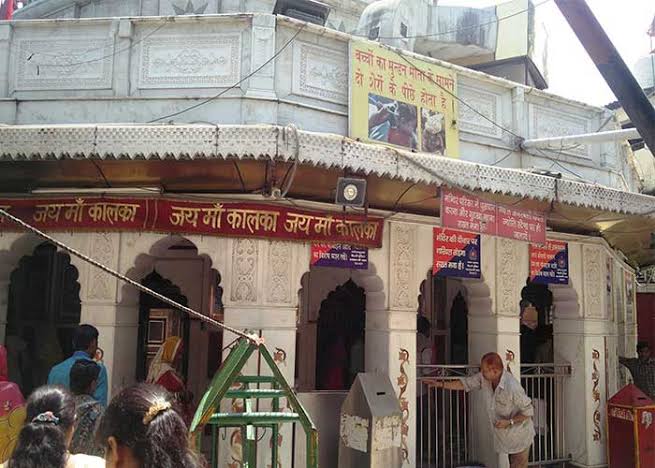
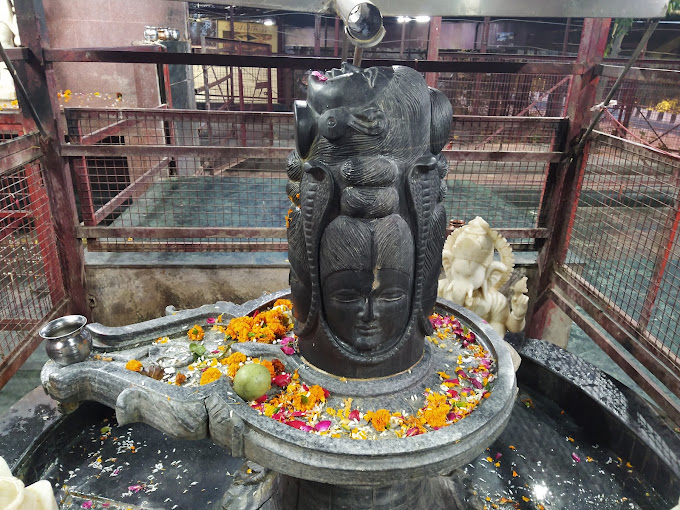
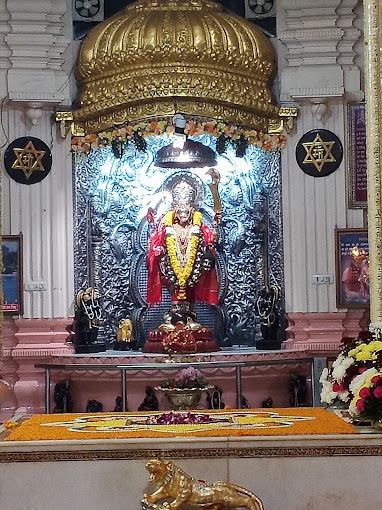
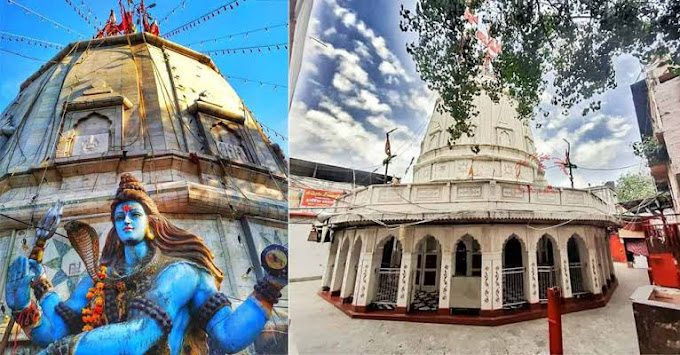
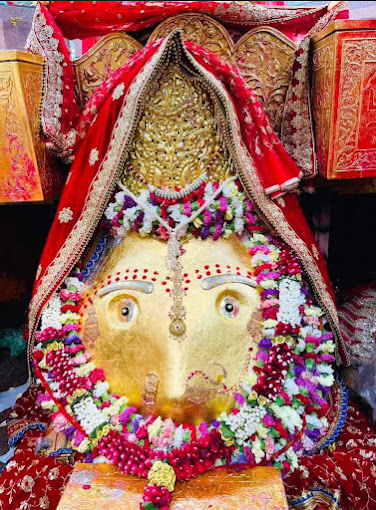
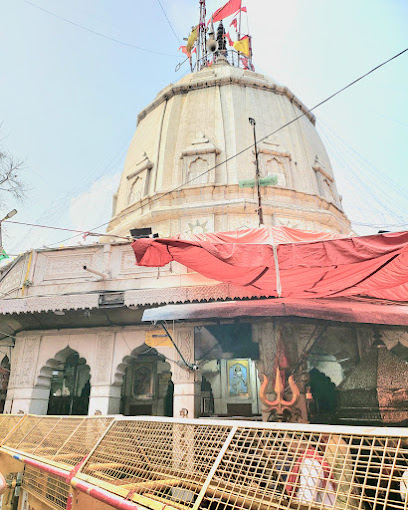
Century/Period
1764 AD
Nearest Bus Station
Kalika mandir road
Nearest Railway Station
Delhi Metro
Nearest Airport
Delhi
Location on Map
Jhandewalan Hanuman Temple, Delhi
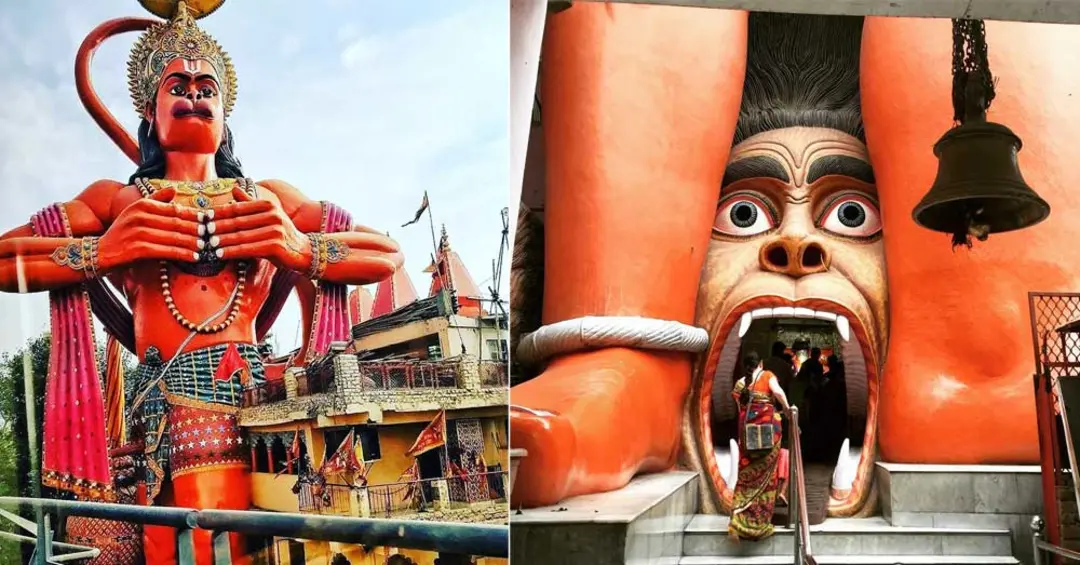
Address
Jhandewalan Hanuman Temple, Delhi
324, Saraswati Marg, Block 44Q,
Beadonpura, Karol Bagh, New Delhi,
Delhi, 110005
Moolavar
Hanumann
Introduction
Jhandewalan Hanuman mandir is one of the most popular temples in Delhi. The shrine is marked by the colossal 108ft statue of Lord Hanuman and can be seen from the both Jhandewalan and Karol Bagh metro station. The entrance door has been carved in a shape of the mouth of the deity and one can reach the main hall of the shrine through a passageway.
Puranic Significance
The temple is built in 1997; the temple is at a strategic location and simply cannot be missed if you are in the vicinity, owing to its gigantic size. The evening aarti at the temple is the most important ritual at as the arms of the giant Hanuman statue move back, the chest slides apart and beautiful idols of Goddess Sita and Lord Sri Ram appear to give darshan to the pilgrims.
Special Features
The entrance to the temple resembles the open mouth of a Rakshas or a monster, which has been slain and is in the throes of its impending death. It perhaps tells the story of one of the numerous such monsters vanquished by Lord Hanuman in his illustrious life in the service of Shri Rama. At the base of the statue, close to the feet of the idol, lies a temple dedicated to Goddess Kali.
Festivals
During the evening Aarti; the arms of Hanuman’s giant statue move back, the chest slides open and the beautiful images of Lord Shri Rama & Devi Sita protrudes to give darshan (sight) to all the devotees.
Century/Period
1997
Nearest Bus Station
Jhandewalan Metro
Nearest Railway Station
Delhi
Nearest Airport
Delhi
Location on Map
Jhandewala Devi Temple, Delhi
Address
Jhandewala Devi Temple, Delhi
Desh Bandhu Gupta Rd, Block E,
Jhandewalan Extension, Paharganj,
New Delhi, Delhi 110055
Amman
Aadi Shakti
Introduction
The Jhandewalan Temple is located near Karol Bagh in Delhi, India dedicated to the goddess Aadi Shakti. It is among the oldest temple in Delhi and located on Jhandewala road.
Puranic Significance
Discovery of idol
During the 18th century, a famous cloth merchant named Badri Das often walked to the Delhi Ridge of Aravalli range, which was covered with flora and fauna. While digging near a waterfall, the idol of Jhandewali Mata and a stone lingam with carvings of nāga were found by him. Das built the temple on the spot. Since the hands of the idol were damaged during excavation, hands of silver were made and the original statue was consecrated in the cavern basement which came to be called “Maa Gufa Wali” (The Mother Goddess of Cave). A new replica of the idol was installed on the ground floor which came to be called “Maa Jhande Wali” (The Mother Goddess of Flag). Since a large prayer flag was installed by Badri Das, who came to be known as “Bhagat Badri”, the place came to be known as “Jhandewala” (“the place of the flag”). Within the temple compound there are subsidiary temples of Shiva as well as Kali. The temple is run by the non-profit organization trust “Badri Bhagat Jhandewalan Mandir Society”
Special Features
Jhandewalan Mandir is one of the most famous religious sites. Here everyone can come and worship irrespective of their caste and status. The temple is echoed with day and night chanting of the Maa Durga mantras. The devotees are blessed with happiness, peace and good health.
Festivals
The lower level of the temple is where people perform Puja. The upper level of the temple has the idol of Mata Jhandewali with the idol of Saraswati and Kali. There are also idols of other deities on the upper level. The festival of Navaratri is held twice a year at the temple. Jhandewalimata’s aarti is done 4 times in a day
Century/Period
18th century
Nearest Bus Station
Jhandewalan Extension
Nearest Railway Station
Delhi
Nearest Airport
Delhi
Location on Map
ISKCON Temple, Delhi
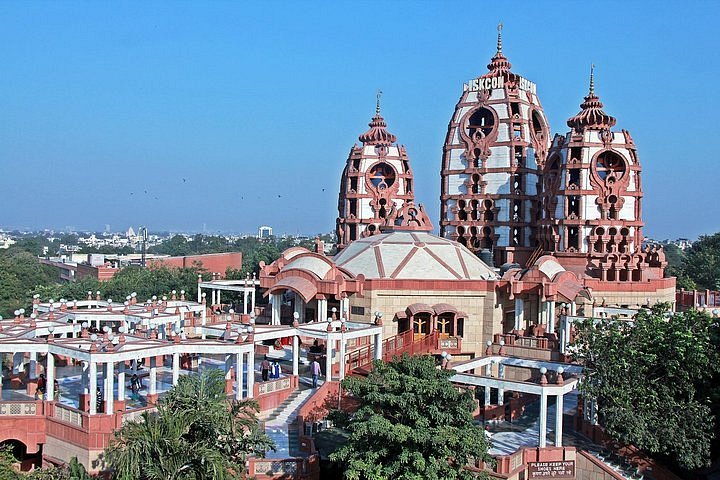
Address
ISKCON Temple, Delhi
Iskcon Temple Rd, Sant Nagar,
Hare Krishna Hills, East of Kailash
New Delhi, Delhi 110065
Moolavar
Krishna
Amman
Radha
Introduction
Sri Radha Parthasarathi Mandir, generally known as the ISKCON Delhi temple, is a well-known Vaishnav temple of Lord Krishna and goddess Radha in the form of Radha Parthasarathi. It is located at Hare Krishna Hills (near Nehru Place), in the East of Kailash area of New Delhi, India
Puranic Significance
The Temple was inaugurated on 5 April, 1998 by the then Prime Minister of India Atal Bihari Vajpayee. ISKCON Temple designed and built by Achyut Kanvinde who in 1993 agreed to accept a pro-bono commission to build this temple complex for the followers of Srila Prabhupada, is one of the largest temple complexes in India. It comprises numerous rooms for priests and for service renders. The temple also has a 375-seater auditorium which is used for cultural and religious functions. It has many halls that are used for its administration purposes and various seminars. It is divided into four broad sections.
Glory of India Vedic Cultural Centre
The temple complex houses the Glory of India Vedic Cultural Centre, a popular destination for visitors and tourists to learn about major texts which are presented using various multimedia technologies, these include:
Bhagavad Gita Animatronics – Using a blend of dramatic narration, lasers and projects, this show allows the visitors to learn the five major concepts of Bhagavad Gita, the three modes of nature and the Yoga systems presented therein.
Mahabharat Experience – A light and sound show which presents the story line of Mahabharat which span over thousands of verses in a concise manner.
Ramayana Art Gallery – A collection of over 30 original oil paintings painted by ISKCON’s members from USA, Russia, India, UK.
Bhagavat Puran Exhibit – This exhibit presents one of the most important texts in the Vaishnava tradition in a visual format.
Special Features
World’s Largest Sacred Book
The Glory of India Vedic Cultural Centre holds the ‘Astounding Bhagavad Gita’, which is the largest printed book of the major text of any world religion. The Italian printed ‘Astounding Bhagavad Gita’, weighs 800 kg and measures over 2.8 metres, was unveiled by the Prime Minister of India Narendra Modi on 26 February, 2019.
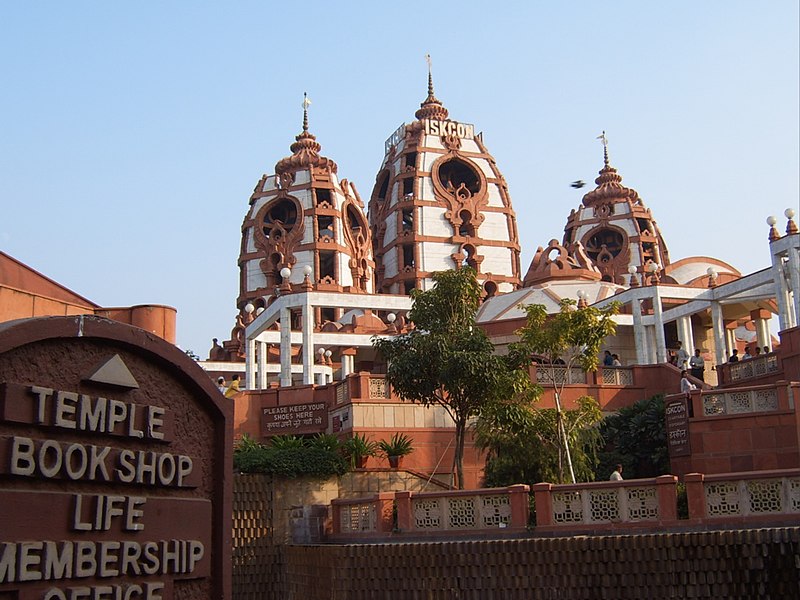
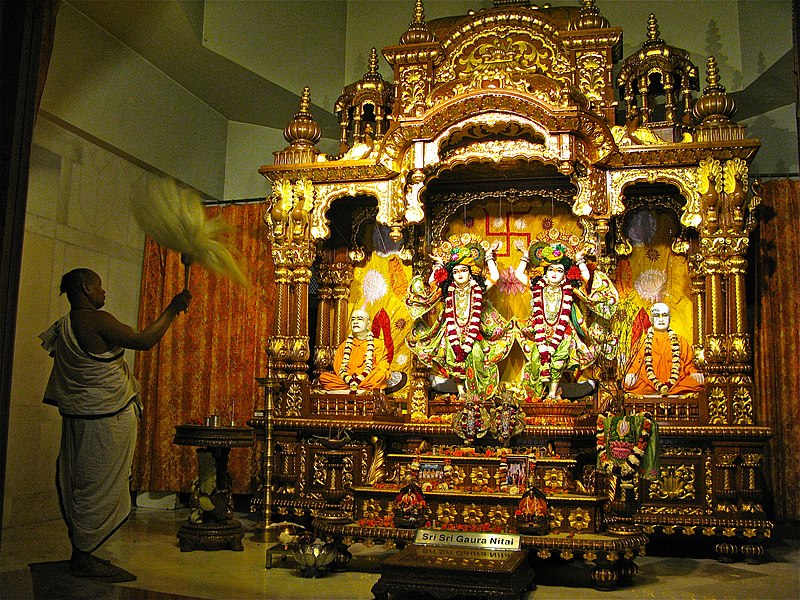
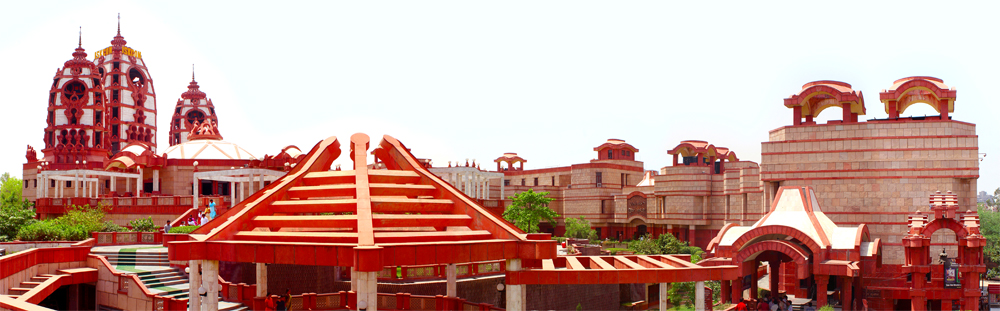
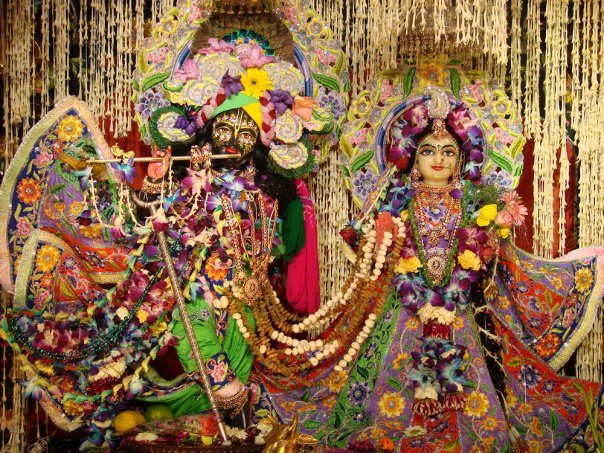
Festivals
Krishna Janmashtami
Century/Period
1998
Nearest Bus Station
Nehru Place, Iskcon temple
Nearest Railway Station
Delhi
Nearest Airport
Delhi
Location on Map
Ukkal Sri Vaidhyanatha Swamy Temple, Thiruvannamalai
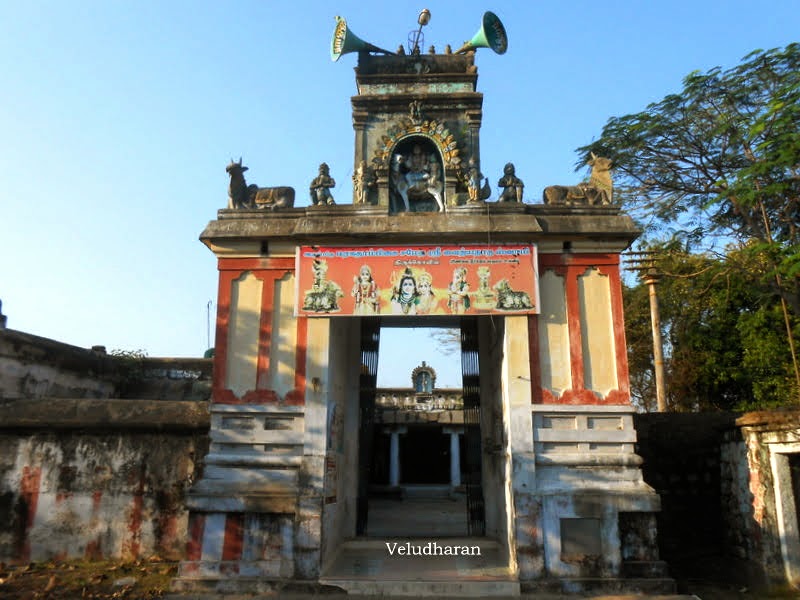
Address
Ukkal Sri Vaidhyanatha Swamy Temple, Thiruvannamalai
Ukkal, Cheyyar Circle,
Thiruvannamalai district
Moolavar
Sri Vaidhyanatha Swamy
Amman
Sri Maragathambigai
Introduction
Ukkal Sri Vaidhyanatha Swamy Temple dedicated to Lord Shiva, located in the Ukkal, Cheyyar circle, Thiruvannamalai district, Tamilnadu. Here the primary deity is called Sri Vaidhayanatha Swamy, and Mother is called as Sri Maragathambigai. It is believed that this Shiva Temple was called as “Perumthiranar Koyil” and later called as Vaidhyanatha Swamy Temple.
Puranic Significance
As per the legend, Narasimha Pallava –II, who constructed the Kanchipuram Ekambareswarar temple, Mahabalipuram Shore temples, was affected by severe stomach pain. One night Shiva came in the dream of this Pallava King and advised him to go to Ukkal Perumthiranar Temple and worship him. The Pallava King came to Ukkal and worshipped Shiva and got relieved from the stomach pain. Hence, Shiva was called as Vaidhyanatha Swamy.
It is believed that this temple was constructed during 6th century Pallava period. But the structure and the sculptures seems to be of Chozha period, hence this Shiva temple might have been constructed during Chozha period, i.e. 10th to 11th Century.
Special Features
The temple is facing east with an entrance arch / base of the Rajagopuram, on the south side. Stucco image of Shiva & Parvati as Rishabaroodar is on the top of the entrance arch. Balipeedaam, Dwajasthambam / Kodimaram and Rishabam are in front of Mukha mandapam. Balipeedam and Rishabam are in front of sanctum sanctorum. Vinayagar and Murugan are in front of sanctum sanctorum. The Moolavar is little tall on a square avudayar. In Koshtam Vinayagar, Dakshinamurthy, Maha Vishnu, Brahma and Durgai.
In the mandapam, Utsava murtis, Vinayagar, an Ambigai as Vishnu durgai, Bairavar, Ayyanar and Elephant Vahana. In outer praharam, Navagrahas, Vahanas, Vinayagar and Sri Valli Devasena Subramaniyar and Chandikeswarar and Jyeshta Devi / Thavvai. Ambal is in as separate Sanctum sanctorum facing south towards the entrance arch. Nagars are on the left side before the entrance of temple. The temple consists of sanctum sanctorum, antarala, ardha mandapam and a mukha mandapam.
Festivals
Apart from Regular poojas special poojas are conducted on Pournami, Amavasya, Pradosham, Maha Shivaratri, Thaipoosa peruvizha, Arudra darshan, Karthigai, etc.
References
https://wanderingheritager.blogspot.com/2023/03/sri-vaidhyanatha-swamy-temple-ukkal.html
Century/Period
10th to 11th Century.
Nearest Bus Station
Ukkal
Nearest Railway Station
Kanchipuram
Nearest Airport
Chennai
Location on Map
Aihole Meena Basati, Karnataka
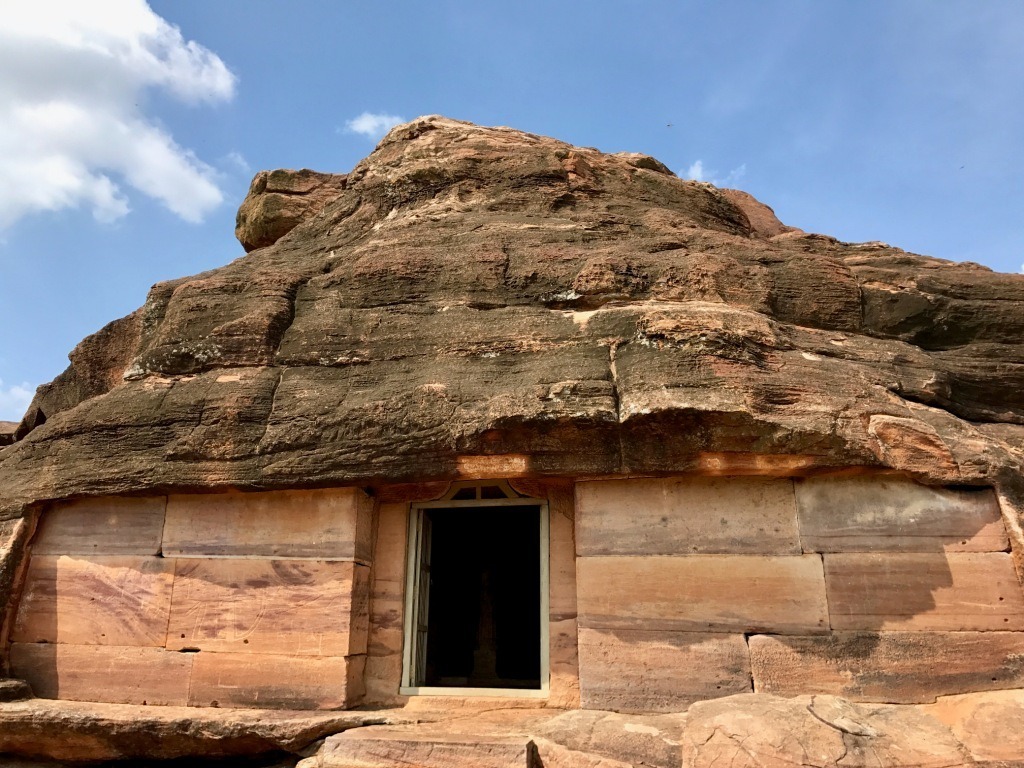
Address
Aihole Meena Basati, Karnataka
Aihole, Bagalkot District,
Karnataka 587124
Moolavar
Mahavira, 24th Tirthankara.
Introduction
The Meena Basati is a significant Jain cave temple dedicated to Mahavira, the 24th Tirthankara of Jainism, located in Aihole, a historical town in the Bagalkot District of Karnataka, India.
- Location: The Meena Basati is situated on the banks of the Malaprabha River, in the heart of Aihole, which is historically renowned for its numerous ancient temples and monuments. Aihole is located on the Pattadakal to Amingad route in Karnataka.
- Historical Significance: The cave temple is believed to have been excavated towards the end of the 6th century CE or early in the 7th century CE, making it an ancient and historically significant site. It is an important example of Jain architecture in the region.
- Protected Monument: The Meena Basati is recognized and protected as a monument of national importance by the Archaeological Survey of India, reflecting its cultural and historical significance.
- Architecture: The cave temple consists of several sections, including a narrow porch, a central hall leading to the main shrine, and two adjacent chambers. The architectural elements, such as pillars, pilasters, and intricate carvings, showcase the artistic and architectural excellence of the period.
- Carvings and Sculptures: The temple is adorned with remarkable sculptures and carvings, including depictions of Jain Tirthankaras, protective deities, attendants, and other intricate relief patterns. The porch ceiling features elaborately carved lotus petal designs, while carvings of Gomateshwara, Parsvanatha, and other Jain deities can be found on the temple walls.
- Main Shrine: The main shrine houses a carving of Lord Mahavira, seated in padmasana (lotus position) and displaying the dyana mudra (meditative posture). He is depicted beneath a triple umbrella canopy and is flanked by two attendants holding whisks.
- Additional Chambers: The temple features two adjacent chambers, one on each side of the main hall. These chambers contain depictions of Mahavira with female worshippers and an elephant procession. The chamber on the right side was left unfinished.
- Surrounding Area: A path from the temple leads to the dolmens located at the summit of Meguti Hill, offering visitors additional historical and archaeological attractions to explore.
Century/Period
6th century CE
Managed By
Archaeological Survey of India (ASI)
Nearest Bus Station
Aihole
Nearest Railway Station
Badami Railway Station
Nearest Airport
Belgaum
Location on Map
Aihole Veniyar Group of Temples, Karnataka
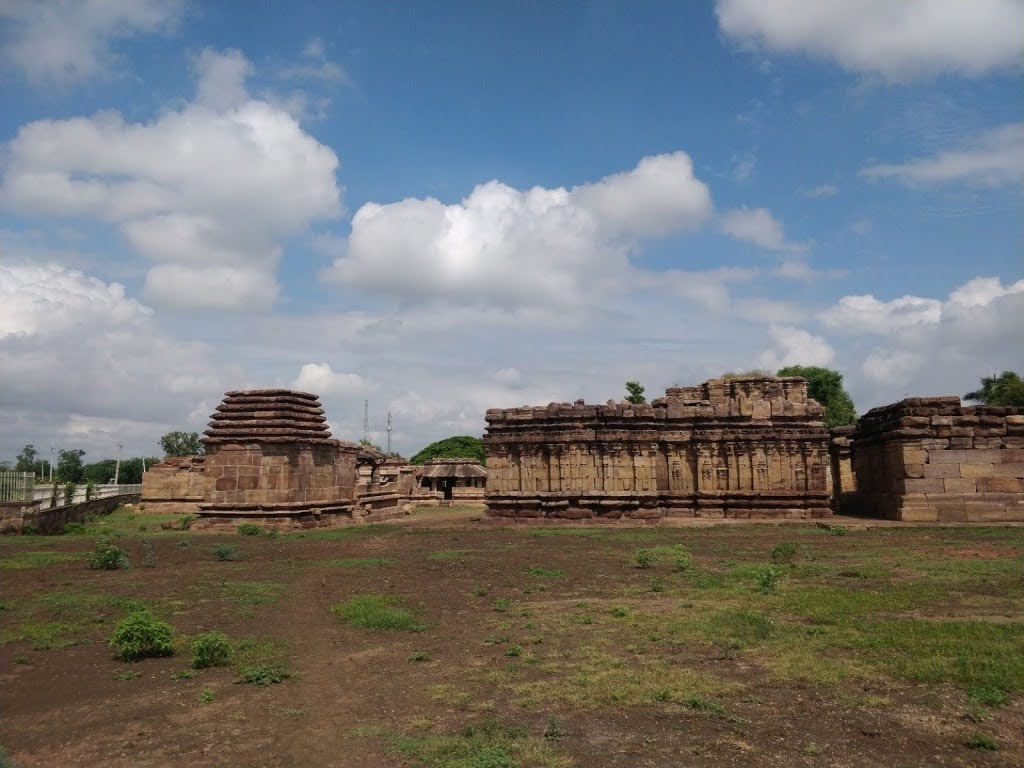
Address
Aihole Veniyar Group of Temples, Karnataka
Aihole,
Karnataka 587124
Moolavar
Shiva
Introduction
Veniyar Group of Temples is group of ten Temples, dedicated to Lord Shiva located on the banks of the Malaprabha River in the outskirts of Aihole, and historical town, in Bagalkot District in Karnataka, India. Aihole is situated on Pattadakal to Amingad route.
Puranic Significance
The tempes in the complex were probably built between 9th and 11th Century CE. This temple is protected as monuments of national importance by the central Archaeological Survey of India.
Special Features
This temple complex comprises ten temples. The primary temple within this group faces east, while its entrance is oriented toward the south. The temple is composed of three main sections: the Mukha Mandapa, Maha Mandapa, and Sanctum. In front of the Mukha Mandapa, there is a damaged stone Sthamba. The Mukha Mandapa is supported by two pillars and two pilasters. The entrance to the Maha Mandapa features a lintel adorned with Gajalakshmi. The Maha Mandapa has a square layout and is upheld by four central pillars arranged in a square pattern, along with ten pilasters on its four sides. The entrance lintel of the sanctum also displays Gajalakshmi, and the ceiling is adorned with a carved lotus. Within the sanctum, there resides a Shiva Linga. Above the sanctum, there is a stepped pyramid-like shikara with progressively diminishing concentric squares as the tower ascends into the sky.
References
https://hindutemples-india.blogspot.com/2023/05/veniyar-group-of-temples-aihole-karnataka.html


Century/Period
9th and 11th Century CE
Managed By
Archaeological Survey of India (ASI)
Nearest Bus Station
Aihole
Nearest Railway Station
Badami Railway Station
Nearest Airport
Hubballi
Location on Map
Kalale Lakshmikantha Swamy Temple, Karnataka

Address
Kalale Lakshmikantha Swamy Temple, Karnataka
Kalale, Nanjangud Taluk,
Mysore District,
Karnataka 571118
Moolavar
Lakshmikantha Swamy
Amman
Aravinda Nayaki
Introduction
Lakshmikantha Swamy Temple is dedicated to Lord Vishnu located in Kalale Village in Nanjangud Taluk in Mysore District in the Indian state of Karnataka. Presiding deity is called as Lakshmikantha Swamy and Mother is called as Aravinda Nayaki. The temple is a protected monument under the Karnataka state division of the Archaeological Survey of India. The temple is situated immediately after Nanjangud on Mysuru to Ooty route.
Puranic Significance
The temple is believed to be built by Kantha Wodeyar (1505 – 1527 CE), the first ruler of Kalale (Dalavoy). Lakshmikantha Swamy was the royal deity of the Kalale rulers and continues to be patronized by the descendants of the Kalale royal family. The temple was expanded by King Dodda Krishnaraja 1 (1714 – 1732 CE) of Mysore Wodeyar dynasty. Dalavoy Devarajiah of the Kalale family donated the impressive metallic figure of the god Rama to the temple in the early 18th century CE. Tipu Sultan (1782 – 1799 CE), the de facto ruler of Mysore gifted four silver cups, silver plate and a silver padiga (spittoon). Kalale was the political and cultural capital of Kalale Dalavoys / Chiefs of Kalale.
Janamejaya, the builder of this temple:
As per legend, Sage Atri performed penance on Lord Srikantha installed by Lord Brahma in this place. He established his ashram here. Garuda, the mount of Lord Vishnu visited the place and blessed Atri & his son Dattatreya. Later, King Janamejaya of Kuru Kingdom came to this place and saw a beautiful image of Lord Narayana, amid bamboo forest. The king ordered his soldiers to clear the bamboo forest and built a temple for Lord Narayana.
Lakshmikantha: As per local folklore, a cow belonged to the Kalale royal family used to graze the bamboo forest here. It was noticed that this particular cow emptied its udder at the place where the present temple stands. The royal excavated the place and found the image of Lakshmikantha. Later, the Kalale chief built a temple for enshrining this idol
Special Features
This temple is facing towards east with five tiered rajagopuram. Dwaja Sthambam, Balipeedam and Garuda can be seen immediately after the rajagopuram facing towards the sanctum. The temple consists of sanctum, antrala, ardha mandapa and maha mandapa. The sanctum enshrines a 3.5 feet tall saligrama image of Lakshmikantha Swamy. He is flanked by his consorts Sridevi and Bhoodevi. There is a shrine for goddess Aravinda Nayaki, the consort of Lakshmikantha at the right corner of the temple premises. Shrines & Idols of Koorathazhwar, Ramanuja, Vedanta Desikar, Anjaneya, Azhwars and Andal can be found in the temple premises. The mantapa outside has stone pillars that reveal some interesting carvings related to mythology, including the Ramayana. There are two mandapas namely Karthika Mantapa and Navaratri Mantapa in front of the temple. The pillars of the mandapa have intricate carvings depicting the legends of Ramayana and Mahabharata.
References
https://hindutemples-india.blogspot.com/2023/05/lakshmikantha-swamy-temple-kalale-karnataka.html


Century/Period
1505 – 1527 CE
Managed By
Archaeological Survey of India (ASI)
Nearest Bus Station
Kalale
Nearest Railway Station
Nanjangud Town Railway Station
Nearest Airport
Mysore
Location on Map
Pazhangamoor Kashiviswanath Temple, Tiruvannamalai
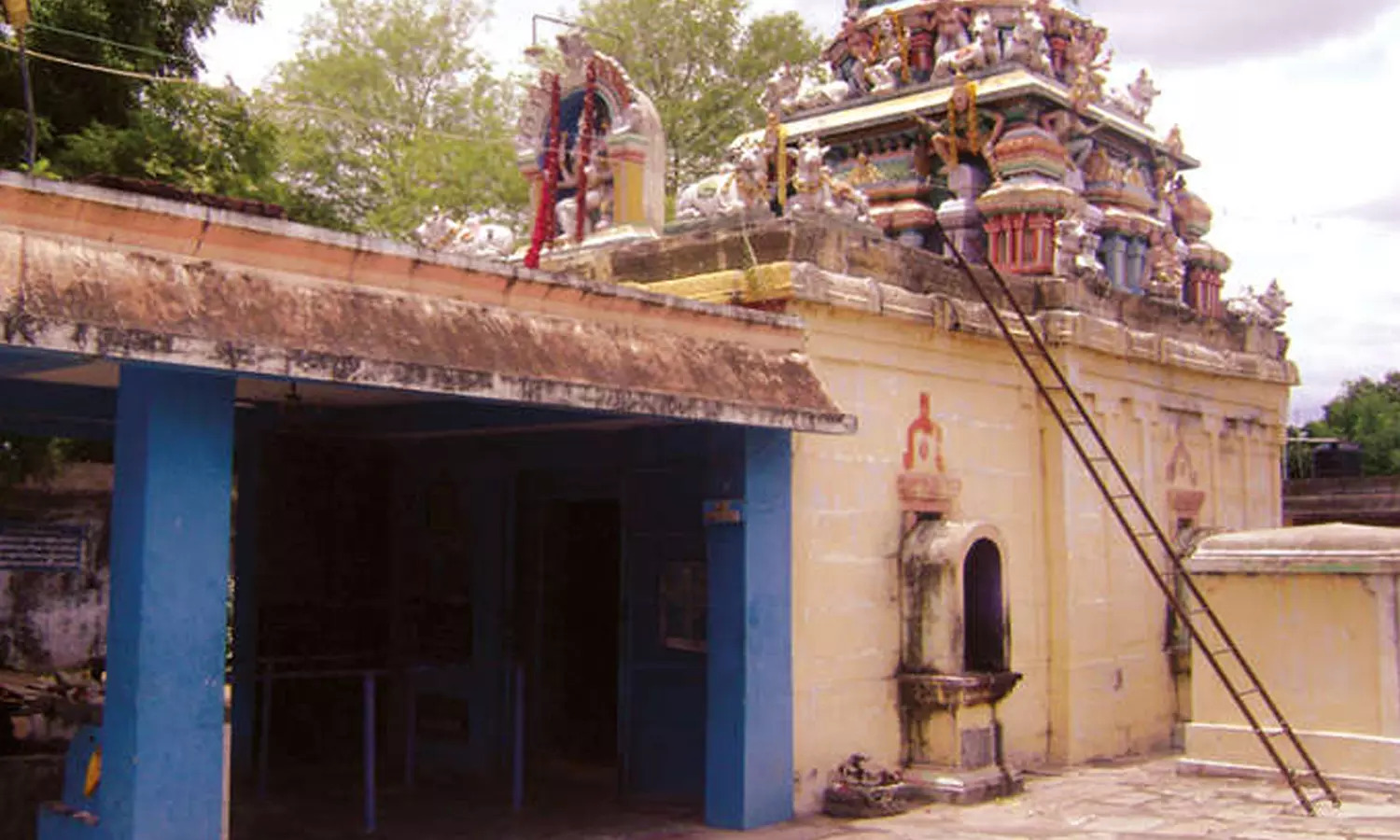
Address
Pazhangamoor Kashiviswanath Temple, Tiruvannamalai
Pazhangamoor,
Tiruvannamalai District – 632317
Moolavar
Kashiviswanath
Amman
Kasi Vishalakshi
Introduction
Pazhangamoor Kashiviswanath Temple is dedicated to Lord Shiva, Located in the Pazhangamoor village, Tiruvannamalai district. 3. Km from Arani on the way to Cheyyar. Kashiviswanathar temple is located in the centre of the town facing east side of the village. Here the Presiding deity is called as Kashi Viswanath and Mother is called as Kasi Vishalakshi. The temple is said to be more than 1500 years old.
Puranic Significance
In the lush greenery of Thondai Nadu, the esteemed temple of Palamkottai Sri Kashi Vishwanathar stands majestically. From the sacred precincts of Kanchipuram, the revered deity is brought in a procession to Thiruvannamalai through a banana grove, where a ceremonial bath is performed. How pleasingly the sandalwood paste adheres to the lingam! Water is required! Along with her sons, she summons Ganapathi and Murugan to accompany her, decreeing their presence!
Ganapathi, looking northwards, proceeded. There, at the foothills of Javvadu Mountain, Munivar Jambhagni performed penance. Impressed, Ganapathi transformed into a crow, striking down his elaborate headdress, and causing the sacred Ganges water to gush forth from it as a purifying river. That became known as Kamandalu River. With this Kamandalu River connecting with Naga River in Sambuvarayanallur, it was named Kamandalu Naga River! Along the banks of Kamandalu Naga River lies Pazhangkaamoor, a town as divine as Varanasi, where Sri Kashi Vishwanathar, along with Mother Sri Visalatchi, presides over a temple.
During the Treta Yuga, Sage Rishyasrunga settled in this region. After performing ablutions in the Kamandalu River and worshiping Sri Kashi Vishwanathar at the northern shore, he regularly visited Kashi. At one time, at the behest of Sage Vasishtha, King Dasharatha came here to seek the blessing of progeny and conducted a miraculous Yagna for that purpose. Additionally, as per the desire of King Dasharatha, accompanied by Sage Rishyasrunga, he installed and performed rituals for Sri Putra Kameshti Easwar.
Even before the time of Rishyasrunga, Sri Kashi Vishwanathar manifested here, emerging from the earth as a great deity from Kamandalu Naga River’s northern bank. Enshrined within a beautiful lingam adorned in the sanctum sanctorum, Sri Kashi Vishwanathar grants divine visions and showers blessings. To the left of the sanctum, Sri Visalatchi Amman, along with her left-hand side, graciously bestows rain of grace.
Belief
Those seeking the blessings of this Ambal will soon receive auspiciousness through a Mangalya ceremony. Those afflicted by Naga dosha will have the Naga Pratishta performed here, thereby mitigating the dosha. Those in need of good employment conduct propitiatory rituals to achieve success. For childless couples, offering honey mixed with milk and yogurt as an abhishekam to Ambal yields positive results.
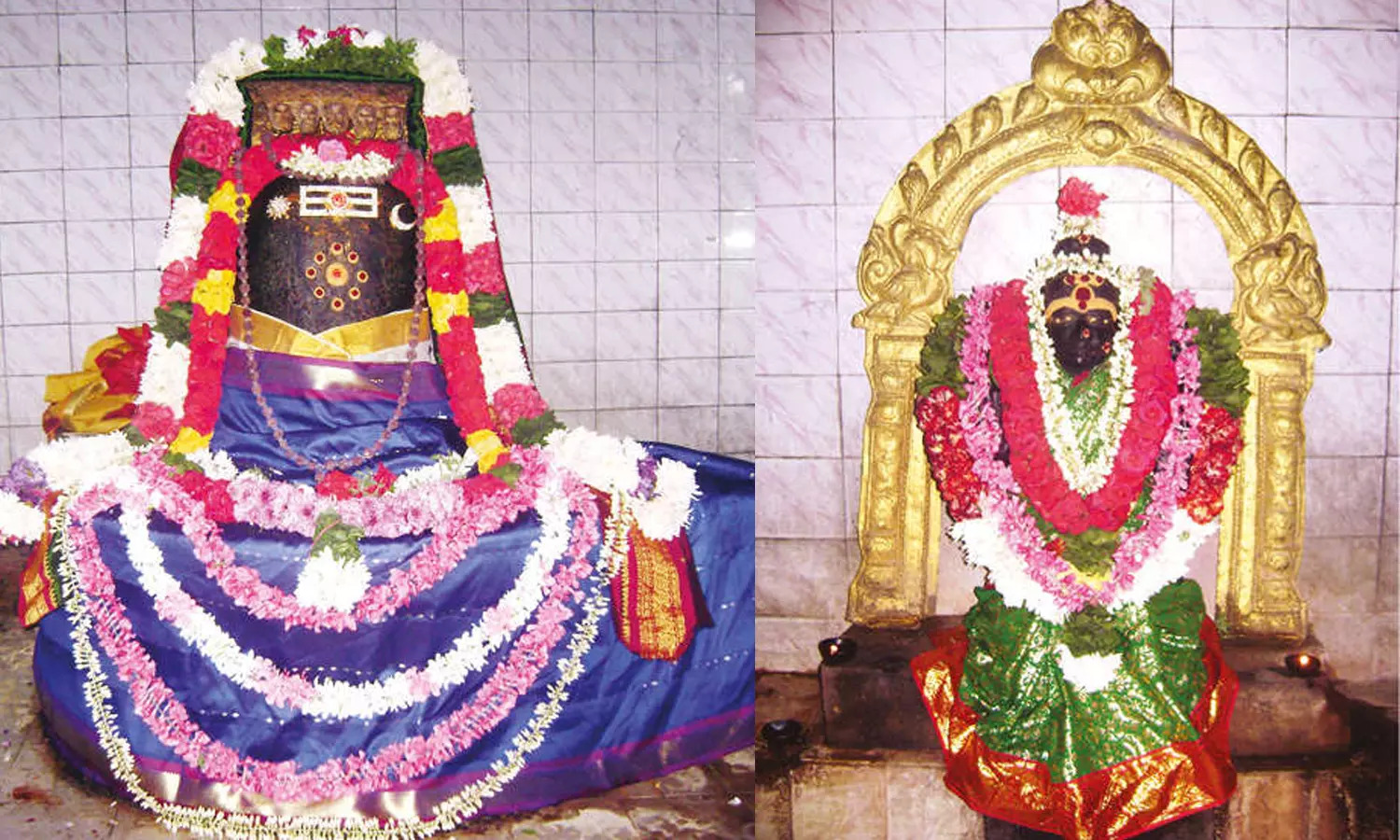
Century/Period
1500 years old.
Nearest Bus Station
Pazhangamoor
Nearest Railway Station
Arani
Nearest Airport
Chennai
Location on Map
Ukkal Sri Vaidhyanatha Swamy Temple, Thiruvannamalai
Address
Ukkal Sri Vaidhyanatha Swamy Temple, Thiruvannamalai
Ukkal, Cheyyar Circle,
Thiruvannamalai district
Moolavar
Sri Vaidhyanatha Swamy
Amman
Sri Maragathambigai
Introduction
Ukkal Sri Vaidhyanatha Swamy Temple dedicated to Lord Shiva, located in the Ukkal, Cheyyar circle, Thiruvannamalai district, Tamilnadu. Here the primary deity is called Sri Vaidhayanatha Swamy, and Mother is called as Sri Maragathambigai. It is believed that this Shiva Temple was called as “Perumthiranar Koyil” and later called as Vaidhyanatha Swamy Temple.
Puranic Significance
As per the legend, Narasimha Pallava –II, who constructed the Kanchipuram Ekambareswarar temple, Mahabalipuram Shore temples, was affected by severe stomach pain. One night Shiva came in the dream of this Pallava King and advised him to go to Ukkal Perumthiranar Temple and worship him. The Pallava King came to Ukkal and worshipped Shiva and got relieved from the stomach pain. Hence, Shiva was called as Vaidhyanatha Swamy.
It is believed that this temple was constructed during 6th century Pallava period. But the structure and the sculptures seems to be of Chozha period, hence this Shiva temple might have been constructed during Chozha period, i.e. 10th to 11th Century.
Special Features
The temple is facing east with an entrance arch / base of the Rajagopuram, on the south side. Stucco image of Shiva & Parvati as Rishabaroodar is on the top of the entrance arch. Balipeedaam, Dwajasthambam / Kodimaram and Rishabam are in front of Mukha mandapam. Balipeedam and Rishabam are in front of sanctum sanctorum. Vinayagar and Murugan are in front of sanctum sanctorum. The Moolavar is little tall on a square avudayar. In Koshtam Vinayagar, Dakshinamurthy, Maha Vishnu, Brahma and Durgai.
In the mandapam, Utsava murtis, Vinayagar, an Ambigai as Vishnu durgai, Bairavar, Ayyanar and Elephant Vahana. In outer praharam, Navagrahas, Vahanas, Vinayagar and Sri Valli Devasena Subramaniyar and Chandikeswarar and Jyeshta Devi / Thavvai. Ambal is in as separate Sanctum sanctorum facing south towards the entrance arch. Nagars are on the left side before the entrance of temple. The temple consists of sanctum sanctorum, antarala, ardha mandapam and a mukha mandapam.
Festivals
Apart from Regular poojas special poojas are conducted on Pournami, Amavasya, Pradosham, Maha Shivaratri, Thaipoosa peruvizha, Arudra darshan, Karthigai, etc.
References
https://wanderingheritager.blogspot.com/2023/03/sri-vaidhyanatha-swamy-temple-ukkal.html
Century/Period
10th to 11th Century.
Nearest Bus Station
Ukkal
Nearest Railway Station
Kanchipuram
Nearest Airport
Chennai
Location on Map
Nediyam Chengalvaraya Swamy Temple, Thiruvallur
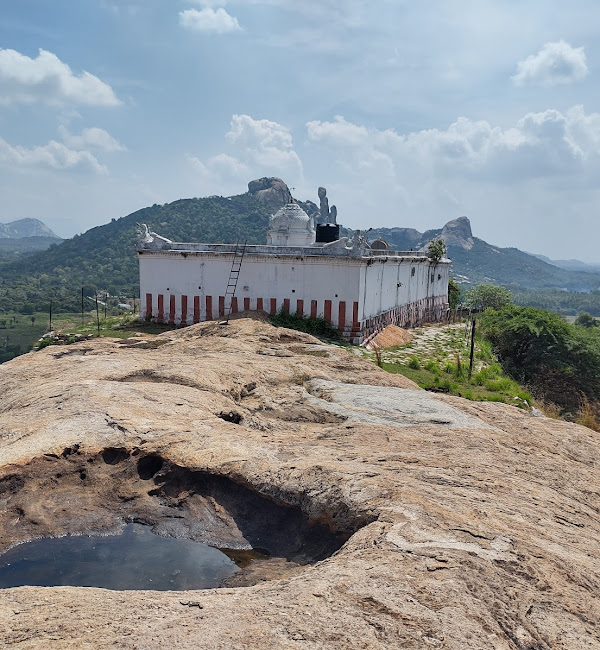
Address
Nediyam Chengalvaraya Swamy Temple, Thiruvallur
Nediyam Village, Pallipattu,
Thiruvallur District – 631207
Moolavar
Chengalvaraya Swamy
Amman
Valli and Deivanai
Introduction
Chengalvaraya Swamy Temple is dedicated to Lord Murugan located at Nediyam Village near Pallipattu in Thiruvallur District of Tamil Nadu. This is a small north facing Temple located at atop hill. The Temple can be reached after a flight of 600 steps. The Temple is situated on the border of Tamil Nadu and Andhra Pradesh.
Puranic Significance
Devotees should worship Chengalvaraya Swamy before worshipping at Thiruthani: It is believed that Lord Murugan before going to Thiruthani stayed here for some time. Due to this, Devotees should worship Chengalvaraya Swamy first and then they can proceed to Thiruthani for worship.
Indra worshipped Lord Murugan here: Lord Murugan of this Temple is believed to have been worshiped by Indra with Neelodhbala (Blue water lily) flower. Muruga’s consort Devasena is represented with this flower and she is considered Indra’s daughter
Special Features
This is a small north facing Temple located at atop hill. The Temple can be reached after a flight of 600 steps. Presiding Deity is called as Chengalvaraya Swamy. He is gracing in the sanctum accompanied by Valli and Deivanai. He is having four hands with single face and is facing north. The Hill is called as Gaja Giri as it looks like an elephant. There is a beautiful small Lily pond on top of the hill. It is advised to visit the temple in the evening because there are no trees or shades on the hill path. The temple is said to be more than 1000 years old.
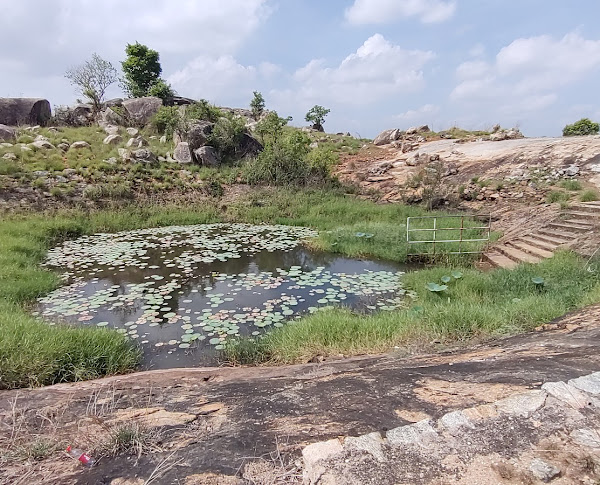
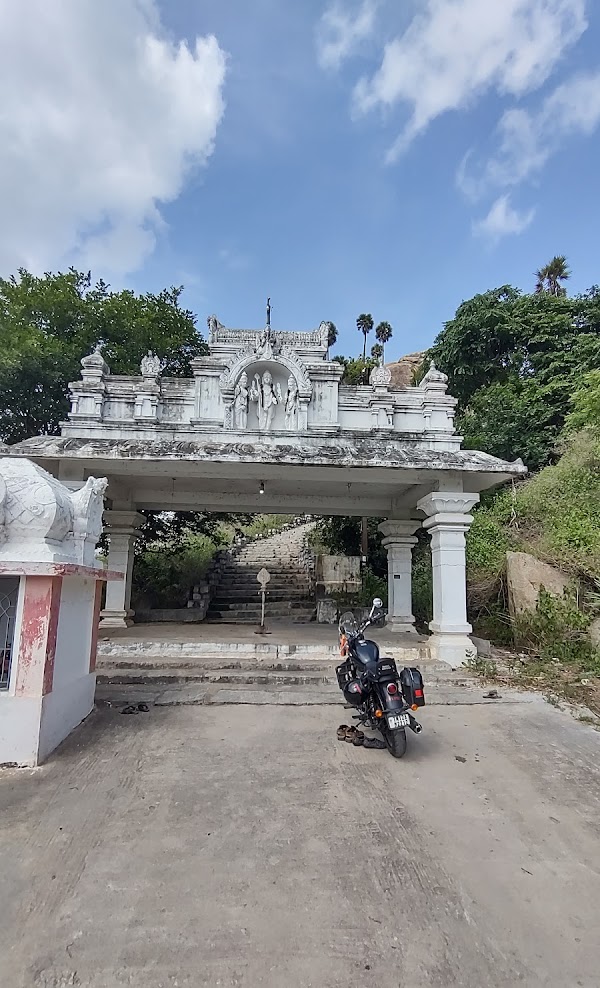
Festivals
Special abhishekam and decorations are performed in the temple
References: https://tamilnadu-favtourism.blogspot.com/2018/12/chengalvaraya-swamy-temple-nediyam-thiruvallur.html
Century/Period
1000 years old.
Nearest Bus Station
Pallipattu
Nearest Railway Station
Nagari station, Thiruvallur
Nearest Airport
Chennai
Location on Map
Keela Suriya Moolai Surya Koteeswarar Temple, Thanjavur
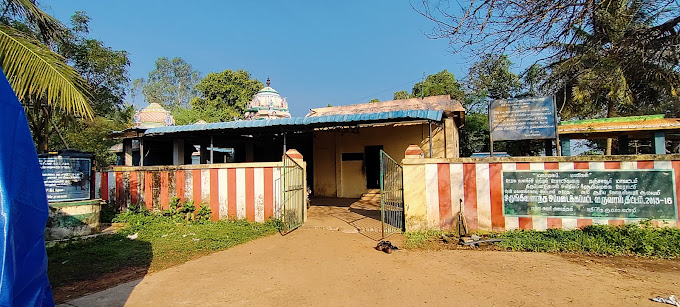
Address
Keela Suriya Moolai Surya Koteeswarar Temple, Thanjavur
Thiruloki, Thiruvidaimarudur Taluk,
Thanjavur District– 609804
Moolavar
Surya Koteeswarar
Amman
Pavalakkodi Amman
Introduction
Surya Koteeswarar Temple is dedicated to Lord Shiva located in Keela Suriya Moolai Village near Thiruloki in Thiruvidaimarudur Taluk in Thanjavur District of Tamil Nadu. Presiding Deity is called as Surya Koteeswarar and Mother is called as Pavalakkodi Amman. The Temple is situated on the southern banks of Pazhavaru, a branch of River Cauvery. The Temple is considered as Parihara Sthalam for Pitru Doshas.
Puranic Significance
Surya Koteeswarar: As per legend, Lord Surya was sad that he could not participate in the Pradosha Pujas dedicated to Lord Shiva because Pradosha time happens in evening when Sun has to be on duty. He consulted with his disciple Sage Yajnavalkya, who learnt all Vedas and Sastras from Sun. Sage Yajnavalkya encased all his yogic powers gained by reciting mantras from Vedas in Bhaskara Chakra he made and submitted at the feet of Lord Shiva of this Temple which grew into an Illuppai Tree. He also created a forest of Illupai Trees in this place. He crushed the seeds of Illuppai tree to produce oil. He used to light 1 crore deepas daily from the oil crushed to worship Lord Surya Koteeswarar to bless his Guru, Surya. This worship took place during the twilight hours. This almost coincides with Pradosha time also. Thus, Surya; Sun God had the darshan of all these deepas and derived the benefits of Pradosha worship.
Lord Surya regained his brightness here: As per legend, Lord Surya lost his brightness due to Lord Shiva’s anger by attending Daksha Yagna. On his Guru advice, he came to this place amidst Illuppai forest and found Lord Shiva in the form of divine light occupying the entire place. He worshipped Lord Shiva and regained his brightness back.
Special Features
The temple is said to be more than 1300 years old. The Temple is facing towards east. There is no Rajagopuram as it might obstruct the rising sun. Nandi and Balipeedam, housed in a Mandapam can be seen immediately after the entrance facing the sanctum. The Sanctum Sanctorum consists of Sanctum, Artha Mandapam and Maha Mandapam. Presiding Deity is called as Surya Koteeswarar and is facing east. He is housed in the sanctum in the form of Lingam. Sun God is worshipping Lord Surya Koteeswarar each day from morning to dusk. The shadow of Lord falls on the wall as a proof of this belief. Shrines of Bhairavar and Surya can be found in the northeast corner of Maha Mandapam. Mother is called as Pavalakkodi Amman. She is housed in a separate south facing shrine. The right leg is slightly ahead of her left leg as if she is walking towards us. She has her toe ring only in one leg. There is a shrine for Lord Bhairava called as Swarna Bhairava in the temple. It is noteworthy that during Aarati, a small red ray appears on his neck. It is said that by the movement of the coral light on the neck, devotees believe that he relieves the adverse aspects of Sun and Moon Gods. There is a shrine for Sundara Maha Lakshmi in the temple premises. She is in Padmasana posture. She is having six toes in her right foot.
There is a shrine for Navagrahas with their vahanas (vehicles) in the northwest corner of the temple premises. All the planets are facing sun. There are shrines for Ananda Dakshinamurthy, Shakti Vinayaka, Muruga with his consorts Valli and Deivanai, Durga, Nagalingam and Chandikeswarar in the temple premises. Sthala Vriksham is Illuppai Tree.
Belief
Those facing adverse aspects of Sun perform abishek to Lord with green coconut for relief. Devotees pray here for relief from eye related diseases. Devotees light lamps to Lord Surya Koteeswarar during the Pradosha time, perform abishek and offer vastras. People also pray to Lord Bhairava for relief from debt burdens and wants. The Temple is considered as Parihara Sthalam for Pitru Doshas.
References: https://tamilnadu-favtourism.blogspot.com/2021/04/surya-koteeswarar-temple-keela-suriya-moolai-thanjavur.html
Festivals
Maha Shivrathri in February-March and Monthly Pradoshams are celebrated here with much fanfare
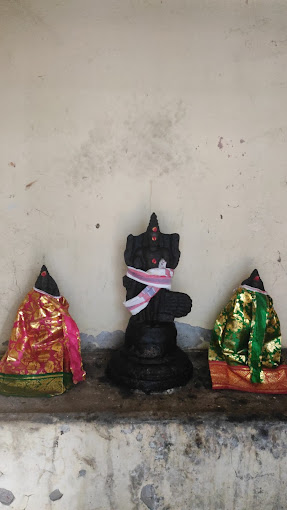
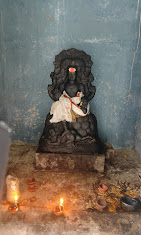
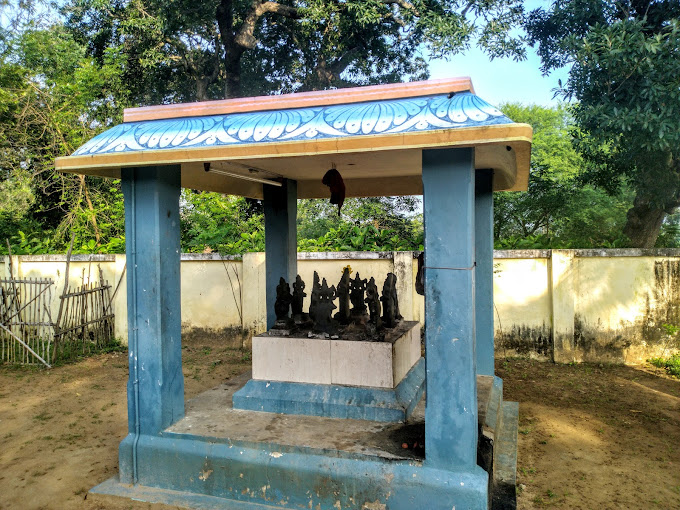
Century/Period
1300 years old.
Nearest Bus Station
Thiruppanadal, Keela Suirya Moolai
Nearest Railway Station
Aduthurai station
Nearest Airport
Trichy
Location on Map
Yogmaya (Jogmaya) Temple, New Delhi
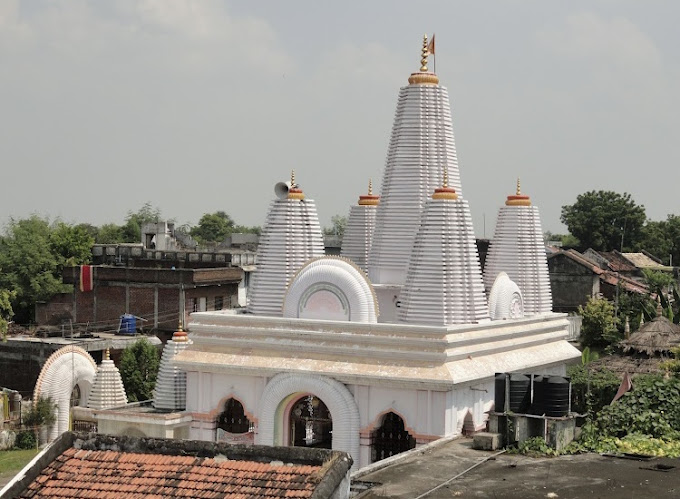
Address
Yogmaya (Jogmaya) Temple, New Delhi
Yogmaya maa mandir, Seth Sarai, Mehrauli, Delhi,
New Delhi, Delhi 110030r
Amman
Yogmaya
Introduction
Yogmaya Temple, also Jogmaya temple, is dedicated to the goddess Yogmaya, also considered to be a sister of Krishna as she took avatar as Vindhyavasini, and situated in Mehrauli, New Delhi, India, close to the Qutb complex.
Puranic Significance
According to local priests and native records, this is one of those 27 temples destroyed by Mamluks and it is the only surviving temple belonging to pre-sultanate period which is still in use. King Samrat Vikramaditya Hemu reconstructed the temple and brought back the temple from ruins. During Aurangzeb’s reign a rectangular Islamic Style hall was added to the temple. Though it’s original (300-200 BC) architecture.
In 12th-century Jain scriptures, Mehrauli is also mentioned as Yoginipura, after the temple. The temple is believed to be built by the Pandavas, at the end of Mahabharata war.
The temple lies 260 yards from the Iron Pillar in the Qutb complex, and within the Lal Kot walls, the first fortress citadel of Delhi, constructed by the Tomar/Tanwar King Anangpal I around AD 731 and expanded by King AnangPal II in the 11th century who also constructed Lal Kot
Yogmaya or Jogmaya is considered, an aspect of Maya, the illusionary power of God. The temple is also venue of a large congregation of devotees during the Navratri celebrations. The present temple was restored in early 19th century and may be the descendant of a much older Devi shrine. Adjacent to the temple lies, a water body, johad, known as Anangtal Baoli, after King Anangpal Tomar, and covered by trees from all sides. The temple is also an integral part of an important inter-faith festival of Delhi, the annual Phool Walon Ki Sair.
Special Features
According to local priests and native records, this is one of those 27 temples destroyed by Mamluks and it is the only surviving temple belonging to pre-sultanate period which is still in use. King Samrat Vikramaditya Hemu reconstructed the temple and brought back the temple from ruins. During Aurangzeb’s reign a rectangular Islamic Style hall was added to the temple. Though it’s original (300-200 BC) architecture.
In 12th-century Jain scriptures, Mehrauli is also mentioned as Yoginipura, after the temple. The temple is believed to be built by the Pandavas, at the end of Mahabharata war.
The temple lies 260 yards from the Iron Pillar in the Qutb complex, and within the Lal Kot walls, the first fortress citadel of Delhi, constructed by the Tomar/Tanwar King Anangpal I around AD 731 and expanded by King AnangPal II in the 11th century who also constructed Lal Kot
Yogmaya or Jogmaya is considered, an aspect of Maya, the illusionary power of God. The temple is also venue of a large congregation of devotees during the Navratri celebrations. The present temple was restored in early 19th century and may be the descendant of a much older Devi shrine. Adjacent to the temple lies, a water body, johad, known as Anangtal Baoli, after King Anangpal Tomar, and covered by trees from all sides. The temple is also an integral part of an important inter-faith festival of Delhi, the annual Phool Walon Ki Sair.
Belief
It is believed that the main idol in the temple was that of Yogamaya (daughter of Yashoda), an incarnation of Durga, born as the sister of Krishna. Kansa, cousin of Devaki (mother of Krishna) and uncle of Yogamaya and Kansa attempted to kill Yogamaya on Krishna Janmastami day when Krishna was born. But Yogamaya, who was cleverly substituted for Krishna, vanished after predicting Kansa’s death at the hands of her brother Krishna. Later she reborn as Krishna’s younger sister Subhadra.
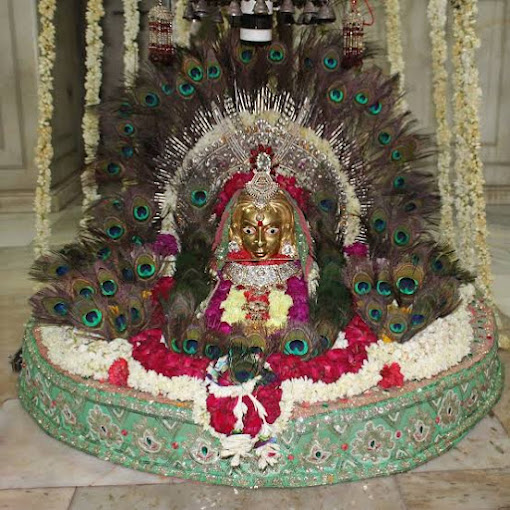
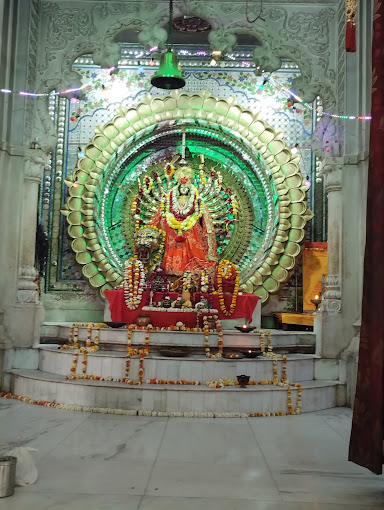
Festivals
Navratri
Century/Period
1827
Nearest Bus Station
Qutb complex
Nearest Railway Station
New Delhi
Nearest Airport
New Delhi
Location on Map
Connaught Place Hanuman Temple, New Delhi
Address
Connaught Place Hanuman Temple, New Delhi
26, Baba Kharak Singh Rd,
Hanuman Road Area, Connaught Place,
New Delhi, Delhi 110001
Moolavar
Hanuman
Introduction
Hanuman Temple in Connaught Place, New Delhi, India, is an ancient temple and is claimed to be one of the five temples of Mahabharata days in Delhi. The temple is situated on the Baba Kharak Singh Road (old Irwin Road) about 250 m (820.2 ft) southwest of Connaught place in Central Delhi, which is the commercial hub of Delhi
Puranic Significance
Hanuman Temple in Connaught Place, New Delhi, India, is an ancient temple and is claimed to be one of the five temples of Mahabharata days in Delhi. The temple is situated on the Baba Kharak Singh Road (old Irwin Road) about 250 m (820.2 ft) southwest of Connaught place in Central Delhi, which is the commercial hub of Delhi
Special Features
The temple, which has a self-manifest idol of Hanuman, has an unusual feature fixed in the spire (Shikhara) in the form of a crescent moon instead of the symbol of Aum or Sun that is commonly seen in most temples. This became particularly important during the Mughal period corroborating this extraordinary depiction. The idol in the temple, devotionally worshipped as “Sri Hanuman Ji Maharaj” (Great Lord Hanuman), is that of Bala Hanuman namely, Hanuman as a child. As the idol of Hanuman faces the southern direction, devotees can discern only one eye of the idol. The idol depicts a Gada (mace or club) in the left hand with the right hand crossed across the chest showing veneration to the adjacent idol of lord Rama, Lakshmana and Sita.
The foyer is ventilated with clerestory windows that are adorned with paintings of Hanuman in the cardinal directions depicting his four aspects. Below each Hanuman painting, the full text of Tulsidas’s Sundar Kand is inscribed on the marble tablets affixed on the walls. The Sanctum Sanctorum, which houses the Hanuman idol, is on the north wall on the right side of the entry foyer (pictured), with the idol facing the southern direction in a small bas-relief carving (pictured). Images of Radha and Krishna, a central triumvirate of Rama, Lakshmana and Sita are also installed to the right of the Hanuman idol on the same wall. The height of the temple is reported to be 108 ft (32.9 m). The ceiling of the main mandap (hall or pavilion) depicts the epic story of Ramayana artistically painted.
Festivals
Hanuman Jayanti (birthday celebrations of lord Hanuman) is held every year with great fanfare on the full moon (Purnima) day in the month of Chaitra (March – April) as per established lunar Panchangam or calendar
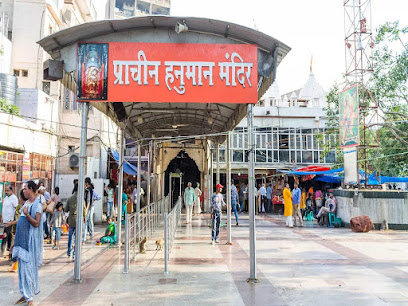
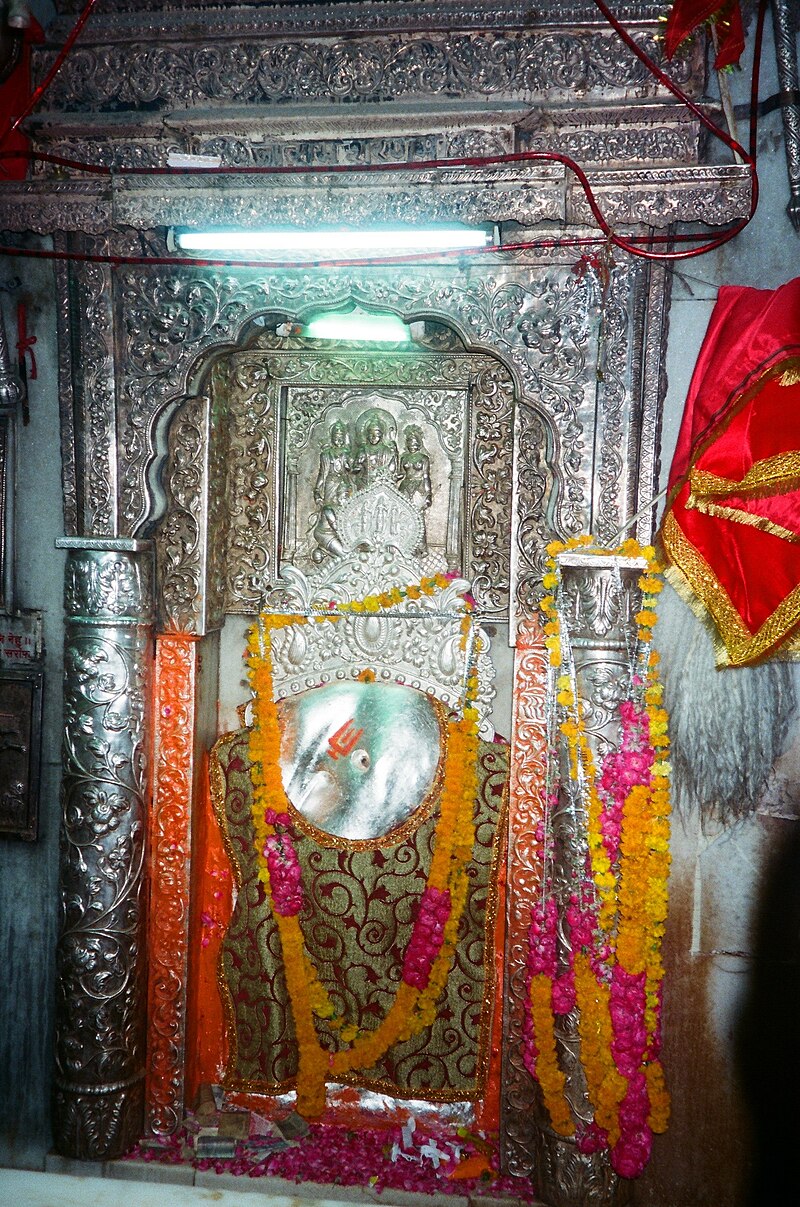
Century/Period
1540–1614
Nearest Bus Station
Baba Kharak Singh Road
Nearest Railway Station
New Delhi
Nearest Airport
New Delhi
Location on Map
Kalale Lakshmikantha Swamy Temple, Karnataka
Address
Kalale Lakshmikantha Swamy Temple, Karnataka
Kalale, Nanjangud Taluk,
Mysore District,
Karnataka 571118
Moolavar
Lakshmikantha Swamy
Amman
Aravinda Nayaki
Introduction
Lakshmikantha Swamy Temple is dedicated to Lord Vishnu located in Kalale Village in Nanjangud Taluk in Mysore District in the Indian state of Karnataka. Presiding deity is called as Lakshmikantha Swamy and Mother is called as Aravinda Nayaki. The temple is a protected monument under the Karnataka state division of the Archaeological Survey of India. The temple is situated immediately after Nanjangud on Mysuru to Ooty route.
Puranic Significance
The temple is believed to be built by Kantha Wodeyar (1505 – 1527 CE), the first ruler of Kalale (Dalavoy). Lakshmikantha Swamy was the royal deity of the Kalale rulers and continues to be patronized by the descendants of the Kalale royal family. The temple was expanded by King Dodda Krishnaraja 1 (1714 – 1732 CE) of Mysore Wodeyar dynasty. Dalavoy Devarajiah of the Kalale family donated the impressive metallic figure of the god Rama to the temple in the early 18th century CE. Tipu Sultan (1782 – 1799 CE), the de facto ruler of Mysore gifted four silver cups, silver plate and a silver padiga (spittoon). Kalale was the political and cultural capital of Kalale Dalavoys / Chiefs of Kalale.
Janamejaya, the builder of this temple:
As per legend, Sage Atri performed penance on Lord Srikantha installed by Lord Brahma in this place. He established his ashram here. Garuda, the mount of Lord Vishnu visited the place and blessed Atri & his son Dattatreya. Later, King Janamejaya of Kuru Kingdom came to this place and saw a beautiful image of Lord Narayana, amid bamboo forest. The king ordered his soldiers to clear the bamboo forest and built a temple for Lord Narayana.
Lakshmikantha: As per local folklore, a cow belonged to the Kalale royal family used to graze the bamboo forest here. It was noticed that this particular cow emptied its udder at the place where the present temple stands. The royal excavated the place and found the image of Lakshmikantha. Later, the Kalale chief built a temple for enshrining this idol
Special Features
This temple is facing towards east with five tiered rajagopuram. Dwaja Sthambam, Balipeedam and Garuda can be seen immediately after the rajagopuram facing towards the sanctum. The temple consists of sanctum, antrala, ardha mandapa and maha mandapa. The sanctum enshrines a 3.5 feet tall saligrama image of Lakshmikantha Swamy. He is flanked by his consorts Sridevi and Bhoodevi. There is a shrine for goddess Aravinda Nayaki, the consort of Lakshmikantha at the right corner of the temple premises. Shrines & Idols of Koorathazhwar, Ramanuja, Vedanta Desikar, Anjaneya, Azhwars and Andal can be found in the temple premises. The mantapa outside has stone pillars that reveal some interesting carvings related to mythology, including the Ramayana. There are two mandapas namely Karthika Mantapa and Navaratri Mantapa in front of the temple. The pillars of the mandapa have intricate carvings depicting the legends of Ramayana and Mahabharata.
References
https://hindutemples-india.blogspot.com/2023/05/lakshmikantha-swamy-temple-kalale-karnataka.html
Century/Period
1505 – 1527 CE
Managed By
Archaeological Survey of India (ASI)
Nearest Bus Station
Kalale
Nearest Railway Station
Nanjangud Town Railway Station
Nearest Airport
Mysore
Location on Map
Chittaranjan Park Kali Mandir, New Delhi
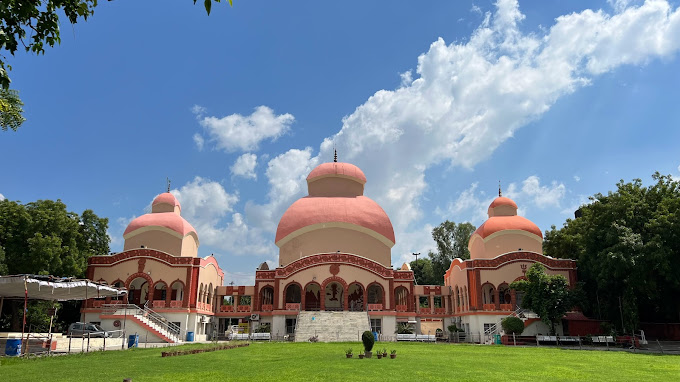
Address
Chittaranjan Park Kali Mandir, New Delhi
CR Park Main Road, Kali Mandir Society,
Chittaranjan Park, K1/54, Doctors Rd,
New Delhi, Delhi 110019
Moolavar
Lord Shiva
Amman
Kali
Introduction
Chittaranjan Park Kali Mandir (Chittaranjan Park Kali Bari) is a temple complex and Bengali community cultural center in Chittaranjan Park in New Delhi, India. Built on a small hill, it started as a Shiv temple in 1973, which still stands within the complex, the larger shrines dedicated to goddess Kali, Shiva, and Radhakrishna were added in 1984. Over the years it has remained an important centre of convergence of local Bengali community during annual Durga Puja festivities.
Puranic Significance
It was founded in 1973, on land designated by the nascent EPDP colony, and a small temple to Shiva was consecrated on small hill at the edge of the colony. The tradition of Durga Puja started in 1977. Expansion of the devotee base enabled the construction of an imposing Kali temple in February 1984 in Bengal terracotta temple architecture. This was followed by two temples, one for Shiva and the other for Radha-Krishna. The temples was overlaid with elaborate terracotta designs around 2006–2009.The Kali Mandir is a hub of Bengali activity owing to the high density of Bengalis residing in Chittaranjan Park. Managed by the Chittaranjan Park Kali Mandir Society, it organizes a number of cultural and religious events throughout the year.
Special Features
Religious functions include the major five-day festival of Durga Puja, which is one of the most popular in Delhi and attracts enormous crowds every day. The rituals are observed with great fidelity; barrels of bengal-specific flowers are flown in fresh for the puja every day. For procuring sufficient quantities of blue lotus, needed for sandhi puja, entire ponds from Bengal are booked well in advance.
The Mandir also houses a large library with books on various aspects of Bengali culture and runs bengali language classes for those wishing to learn bangla. A number of cultural programmes and competitions are organized for children. The mandir also manages a guest house.
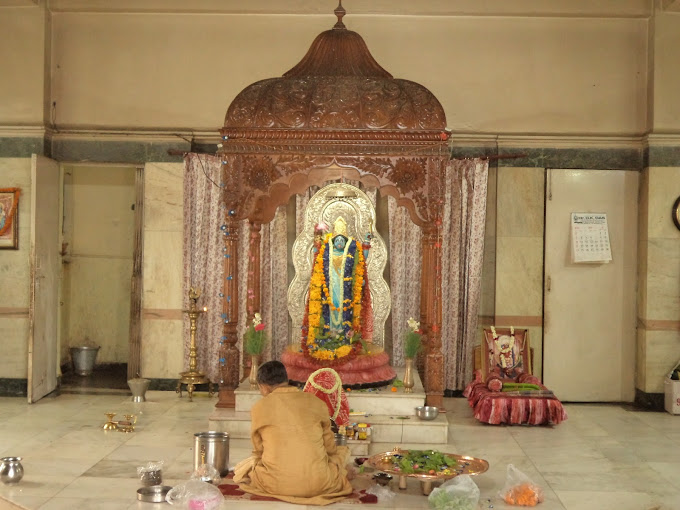
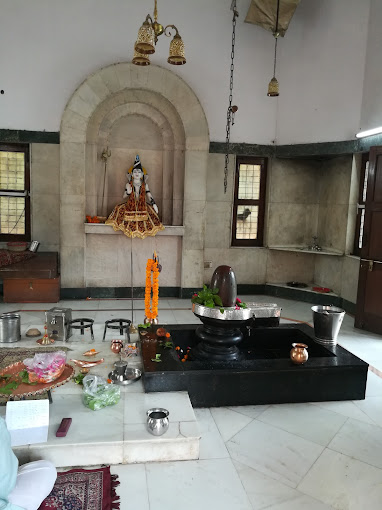
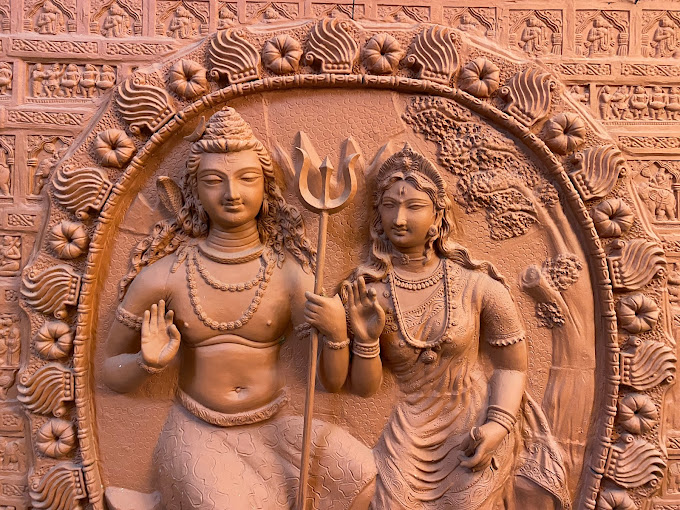
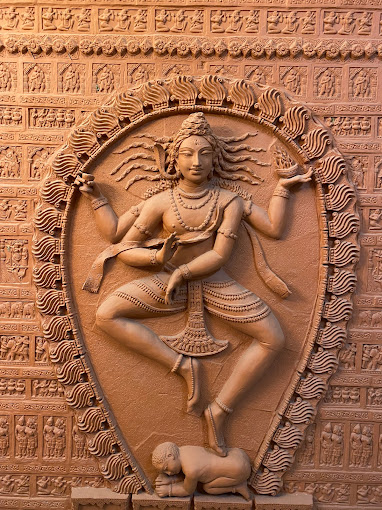
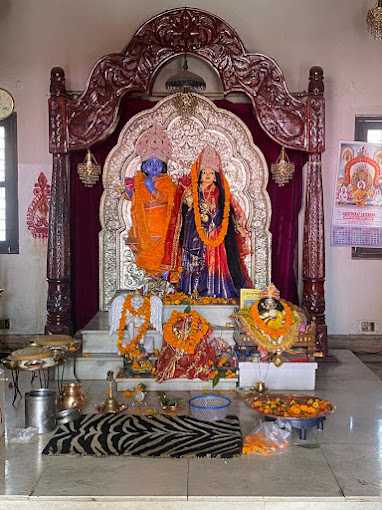
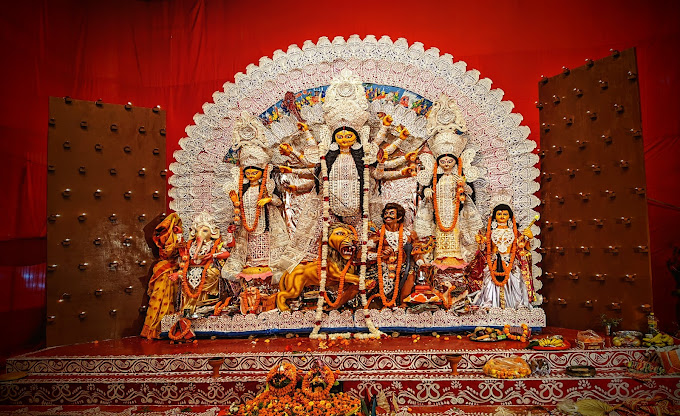
Festivals
Durga Puja, Kali Puja, Lakshmi Puja, Saraswati Puja, Ganesh Chaturthi etc
Century/Period
1973
Nearest Bus Station
Chittaranjan Park
Nearest Railway Station
New Delhi
Nearest Airport
Delhi
Location on Map
Kalale Revanna Siddeshwara Temple, Karnataka

Address
Kalale Revanna Siddeshwara Temple, Karnataka
Kalale, Nanjangud Taluk,
Mysore District,
Karnataka 571118
Moolavar
Revanna Siddeshwara
Introduction
Revanna Siddeshwara Temple is dedicated to Lord Shiva located in Kalale Village in Nanjangud Taluk in Mysore District in the Indian state of Karnataka. Kalale was the political and cultural capital of Kalale Dalavoys / Chiefs of Kalale. The temple is believed to be built in 15th Century. This temple is situated close to Kalale Lakshmikantha Swamy Temple. This temple is facing towards east and completely enclosed within compound wall. Nandi and Balipeedam can be found facing towards the sanctum. The temple consists of sanctum, ardha mandapa, maha mandapa and open mukha mandapa. The mukha mandapa is supported by four pillars and four pilasters. The sanctum enshrines the presiding deity, Revanna Siddeshwara in the form of Shiva Linga.
The temple is located at about 500 metres from Kalale Bus Stand, 8 Kms from Nanjangud Town Railway Station and 21 Kms from Mysuru Airport. The temple is situated immediately after Nanjangud on Mysuru to Ooty route.
References
https://hindutemples-india.blogspot.com/2023/05/revanna-siddeshwara-temple-kalale-karnataka.html


Century/Period
15th Century.
Nearest Bus Station
Kalale
Nearest Railway Station
Nanjangud Town Railway Station
Nearest Airport
Mysuru
Location on Map
Chhatarpur (Shri Aadya Katyayani Shakti Peetham) Temple, Delhi
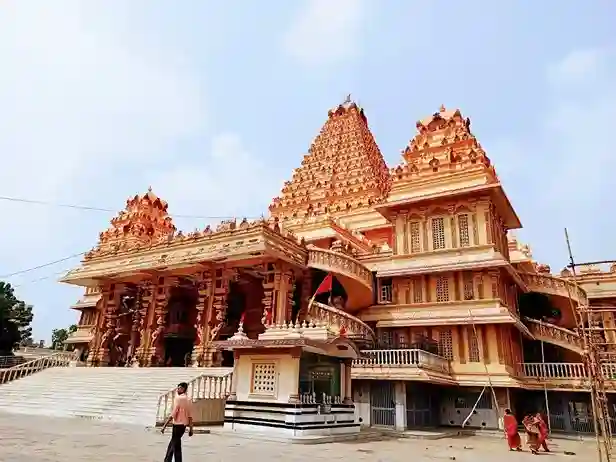
Address
Chhatarpur (Shri Aadya Katyayani Shakti Peetham) Temple
Anand Vihar Rd, Jagriti Enclave,
Anand Vihar, Delhi, 110092
Amman
Aadya Katyayani
Introduction
Chhatarpur Temple (Shri Aadya Katyayani Shakti Peetham) is a temple dedicated to the goddess Katyayani. The entire complex of the temple is spread over a wide area of 28 hectares (70 acres). It is located in Chhatarpur, on the southwestern outskirts of the New Delhi.
Puranic Significance
The temple was established in 1974, by Baba Sant Nagpal ji, who died in 1998. His samadhi shrine lies in the premises of the Shiv-Gauri Nageshwar Mandir within the temple complex.
STORY OF THIS SHAKTIPEETH
The story of this Shaktipeeth is woven inextricably around the life of its Founder the great Saint Shree Durga- Charan-anuragi Baba Sant Nagpal, who was so full of humility that in his lifetime he did not permit his disciples to glorify his name in any manner. ‘Baba’ (to his devotees) was born in Karnataka on the auspicious full-moon day of the Holi festival in 1981 of Vikram Samvat (corresponding to Tuesday the 10th March). He lost his parents at a very tender age. It was at the time of cremation of his mother that an unknown lady took the grieving child to the adjacent Temple of Mother Goddess and told him that SHE was the real universal Mother who would always remain with him.
Ever since that moment, the Divine Mother gave him shelter in her own lap. On his part also, it has been an unquestioned dedication and total surrender to the Divine Mother in thought, word and deed. For Baba, She was a living reality with who he remained in communication and never did anything without seeking her permission and blessings.
Special Features
It is the 2nd largest temple in Delhi, after the Akshardham Temple. This temple is constructed from marble and on all of the facets there is jaali (perforated stone or latticed screen) work. It can be classified a vesara style of architecture.
The entire temple complex spread over 24 ha (60 acres), has over 20 small and large temples divided in three different complexes. The main deity in the temple is Goddess Katyayani, who is part of Navadurga, the nine forms of goddess Durga or Shakti, worshipped during the Navratri celebrations.
A side shrine within the main temple houses a shrine of Goddess Katyayani (Durga), which opens only during the bi-annual Navratri season, when thousands of people throng the premises for darshan. One nearby room has been made as living room with tables and chairs made in silver, and another regarded as the Shayan Kaksha (bedroom), where a bed, dressing table and table are carved in silver. This shrine opens to a large satsang or prayer hall, where religious discourses and bhajans, (religious songs) are held. At the entrance to the main temple stands an old tree, where devotees tie holy threads for wish fulfilment. Another shrine of Durga is open to devotee’s morning to evening; it lies above the shrines dedicated to Radha Krishna, and Ganesh.
Apart from this, the complex also has other temples dedicated to Rama, Ganesha and Shiva. The temples have been built in both South and North Indian style of temple architecture.
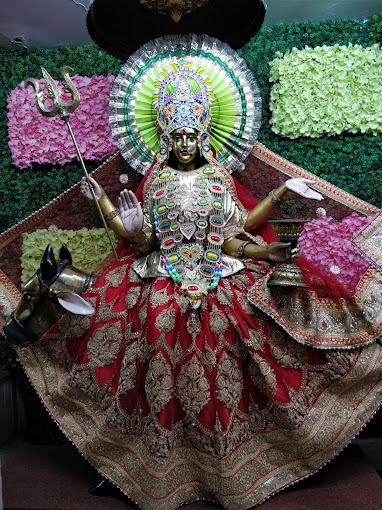
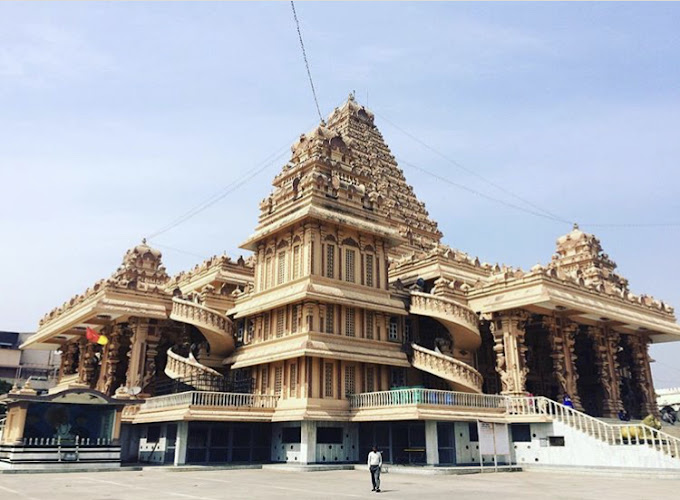
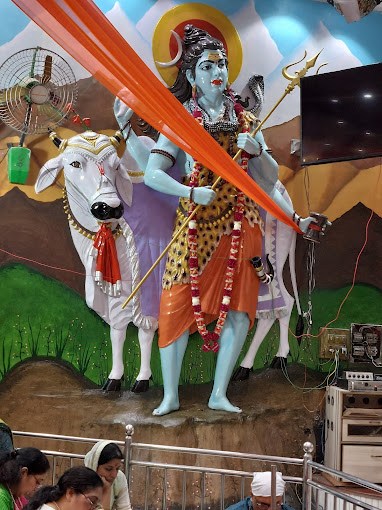
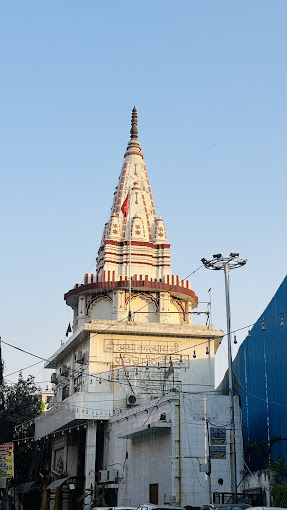
Festivals
Navratri
Century/Period
1974
Nearest Bus Station
Qutub Minar
Nearest Railway Station
New Delhi
Nearest Airport
Delhi
Location on Map
Shirasang Kalika Devi Temple, Karnataka
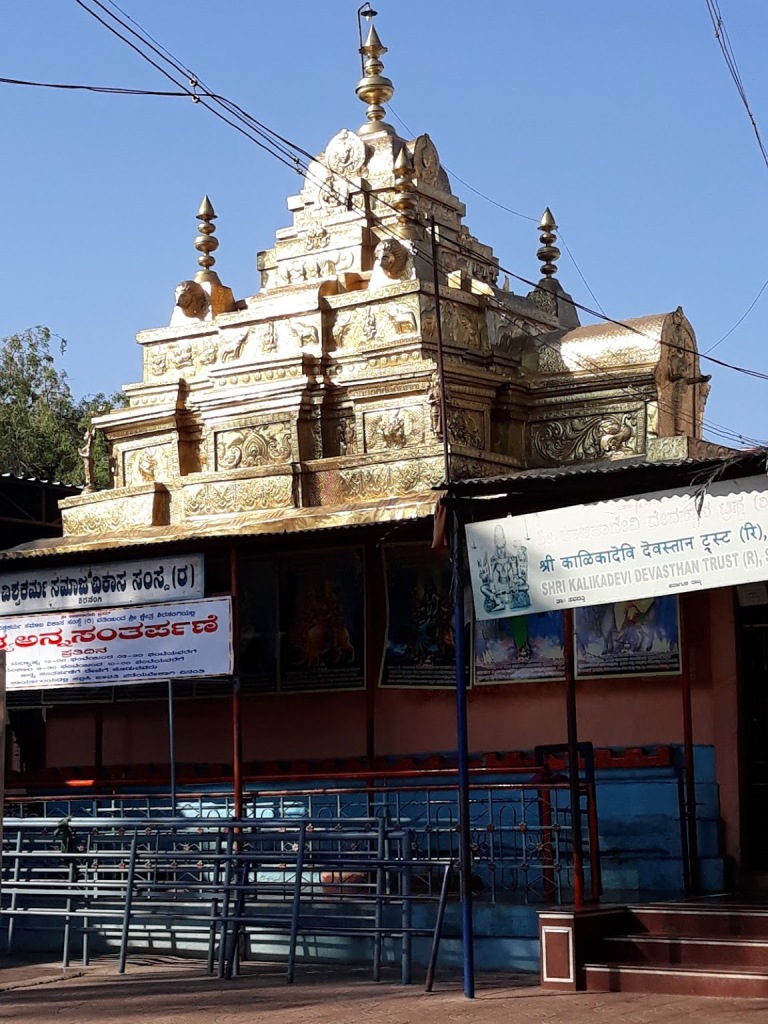
Address
Shirasang Kalika Devi Temple, Karnataka
Shirasangi,
Karnataka 591126
Amman
Kalika Devi
Introduction
Kalika Devi Temple is dedicated to Goddess Kalika located in Shirasangi Village in Savadatti Taluk in Belagavi District in the Indian state of Karnataka. The temple is situated at foothills in Shirasangi Village. The temple is situated on Ramdurg to Savadatti route.
Puranic Significance
The temple is believed to have been built in 1st century CE. The place was mentioned as Rishishringapura / Pirishingi / Hirishingi in two inscriptions recorded from Shirasangi dated to 1148 CE of Jagadhekamalla III and another dated to 1186 CE of Someshwara IV of western Chalukya Dynasty
As per legend, Sage Rishyasringa performed penance at this place. However, three demons namely Narundasur, Bettasura, and Nalundasur disturbed his penance. The sage pleaded to the goddesses for intervention. Accordingly, the goddesses Chikkumbasura (Chikkumbi) and Hirekumbasura (Hirekumbi) intervened on behalf of the sage and annihilated the demons. The Sage requested the goddesses to stay here and bless the devotees. Acceding to his request, they decided to settle down here. Thus, the temple of Kalika Devi came into existence in Shirasangi.
Beliefs
Devotees pray to the goddess for relief from their sins, problems and welfare. Once their wish fulfilled, they offer jaggery, wheat, coconuts, rice, edible oil, etc. equivalent to their weight in Tula Bhara Seva. Anna Dasoha seva is also a part of the worship.
Special Features
The temple is situated at foothills in Shirasangi Village. The sanctum enshrines an image of presiding deity, Kalika Devi. She is about 6 feet tall. Shrines and Idols of Ganesha and Surya Narayana can be found in the temple premises. There are two small hillocks at the outskirts of the village, one having a cave locally called Maunappanagavi and the hillock is called Kallupuragudda. The cave can accommodate about 200 people inside it. The cave also a narrow passage leading to a small pit having water. There is another cave called Siddeshwaragavi in a hillock near the temple. The cave can be approached by flight of 200 steps. A Shiva Linga is enshrined inside the cave.
Festivals
Ugadi, Halegodi Amavasya and Vishwakarma Mahotsava are the festivals celebrated here. The palanquin festival is held at the Banni mantapa during the Ugadi Festival for five days.


Century/Period
1st century CE.
Nearest Bus Station
Shirasangi
Nearest Railway Station
Alur Railway Station
Nearest Airport
Hubballi
Location on Map
Vepanjeri Lakshmi Narayana Swamy Temple, Andhrapradesh
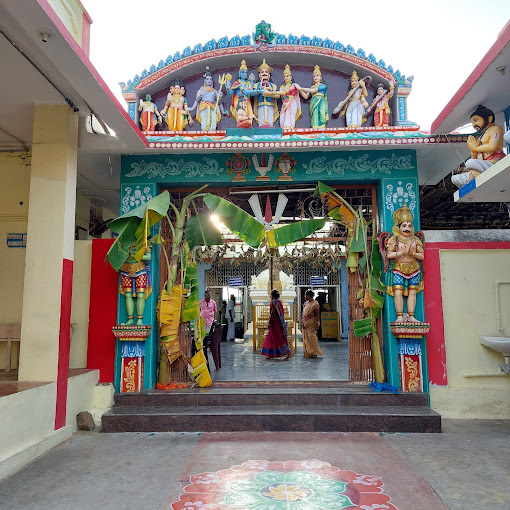
Address
Vepanjeri Lakshmi Narayana Swamy Temple
Vepanjeri, Chittoor District,
Andhrapradesh – 517125
Moolavar
Narayana Swamy
Amman
Lakshmi
Introduction
Sri Lakshmi Narayana Swamy Temple Vepanjeri is an ancient vaishnavite shrine. Here, Goddess Lakshmi sits on the left thigh and faces towards Lakshmi Narayana Swamy. It is unique temple with Pushkarini and Nakstravana. All the 27 stars have unique plants planted separately. Where one can see Stars (Nakshatras) and relevant trees. Vepanjeri is of 3 words Vem+ Pancha + Hari. In Sanskrit, Vem means Sins, Pancha means Five and Hari means that removes; a sacred place where it removes five sins. In course of time, Vem pancha hari became Vepanjeri.
Puranic Significance
This temple was built in Andhra 750 years ago during the reign of Kulothunga Chola III. Later due to successive invasions the glory of the temple diminished. Cattle rearing and agriculture are the main occupations of the people of this village. Lack of rain affected agriculture; the cattle suffered without fodder; People left the village due to hunger and starvation. People suffered without knowing the reason for this. Eventually, the desperate villagers gathered; discussed. They realized that Lakshmi Narayan, the guardian deity of Veppanjeri, had not been worshiped in the past. Then an unearthly voice said, “If you perform the regular pujas and abhishekams like before me, with my grace this village will prosper, the clan will prosper, the cow, the calf, the crops will flourish and you will be freed from your sins.”
Special Features
If you go inside beyond the flagpole of the temple, you can worship Garuda and Dwarapalaka. Kaliyuga Kannan is sitting in the sanctum sanctorum. Sridevi, Bhudevi Samedharai Srinivasa perumal is seated in a spectacular manner. There is also Sudarshana Chakra which removes all sins. The temple also has a Dasavathara Theertha kulam. It is useful for removing sins. Around this pool, the Dasavathara idols with beautiful carvings have been set up separately. In the middle of the pool, the sight of Lord Krishna performing the Kalinga dance in the water is a sight to behold. Adjacent to the pool, one cannot miss the 21-feet tall, beautifully carved single stone Dasavathara idol of Lord Krishna with ten incarnations. On the south side of this temple, Sri Ashtalakshmi temple is located. People who drink alcohol repent if they worship here. Taking part in the Rahukala Puja on Tuesdays, Fridays and Sundays brings many benefits. The number of devotees is increasing in the hope of getting crores of benefits from worshiping Lakshmi Narayana Swamy.
Belief
It is believed that people who are barred from marriage, childless, debt problem, get education and job opportunities, health problems, career affected people come to this temple and perform pooja regularly and get good results. On the south side of this temple, Sri Ashtalakshmi temple is located. People who drink alcohol repent if they worship here. Many benefits are obtained by participating in the Rahukala Puja held on Tuesdays, Fridays and Sundays. Millions of benefits will be obtained by worshiping Lakshmi Narayana Swamy.
Festivals
Krishna Jayanti, Rama Navami, Vaikunda Ekadasi
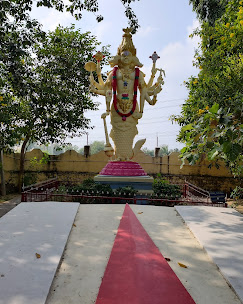
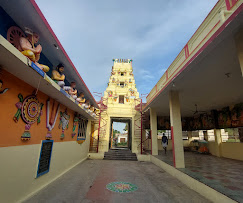
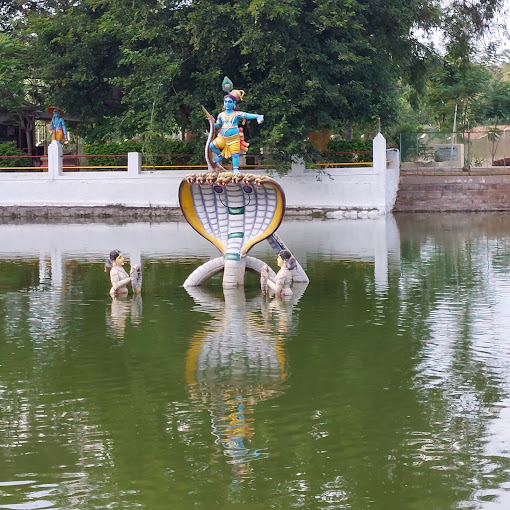
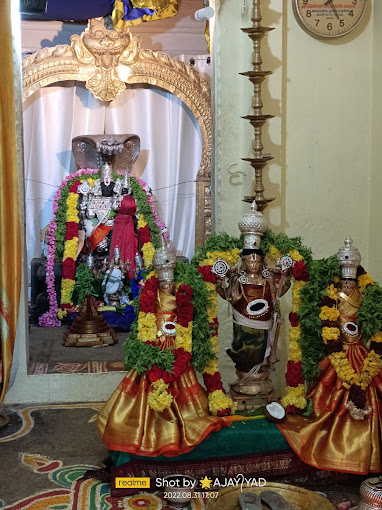
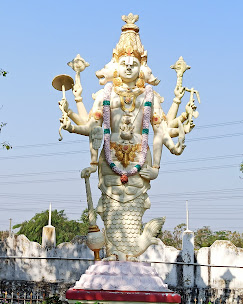
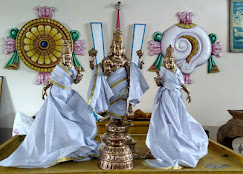
Century/Period
750 Years old
Nearest Bus Station
Vepanjeri
Nearest Railway Station
Chittoor
Nearest Airport
Tirupati
Location on Map
Chhatarpur (Shri Aadya Katyayani Shakti Peetham) Temple, Delhi
Address
Chhatarpur (Shri Aadya Katyayani Shakti Peetham) Temple
Anand Vihar Rd, Jagriti Enclave,
Anand Vihar, Delhi, 110092
Amman
Aadya Katyayani
Introduction
Chhatarpur Temple (Shri Aadya Katyayani Shakti Peetham) is a temple dedicated to the goddess Katyayani. The entire complex of the temple is spread over a wide area of 28 hectares (70 acres). It is located in Chhatarpur, on the southwestern outskirts of the New Delhi.
Puranic Significance
The temple was established in 1974, by Baba Sant Nagpal ji, who died in 1998. His samadhi shrine lies in the premises of the Shiv-Gauri Nageshwar Mandir within the temple complex.
STORY OF THIS SHAKTIPEETH
The story of this Shaktipeeth is woven inextricably around the life of its Founder the great Saint Shree Durga- Charan-anuragi Baba Sant Nagpal, who was so full of humility that in his lifetime he did not permit his disciples to glorify his name in any manner. ‘Baba’ (to his devotees) was born in Karnataka on the auspicious full-moon day of the Holi festival in 1981 of Vikram Samvat (corresponding to Tuesday the 10th March). He lost his parents at a very tender age. It was at the time of cremation of his mother that an unknown lady took the grieving child to the adjacent Temple of Mother Goddess and told him that SHE was the real universal Mother who would always remain with him.
Ever since that moment, the Divine Mother gave him shelter in her own lap. On his part also, it has been an unquestioned dedication and total surrender to the Divine Mother in thought, word and deed. For Baba, She was a living reality with who he remained in communication and never did anything without seeking her permission and blessings.
Special Features
It is the 2nd largest temple in Delhi, after the Akshardham Temple. This temple is constructed from marble and on all of the facets there is jaali (perforated stone or latticed screen) work. It can be classified a vesara style of architecture.
The entire temple complex spread over 24 ha (60 acres), has over 20 small and large temples divided in three different complexes. The main deity in the temple is Goddess Katyayani, who is part of Navadurga, the nine forms of goddess Durga or Shakti, worshipped during the Navratri celebrations.
A side shrine within the main temple houses a shrine of Goddess Katyayani (Durga), which opens only during the bi-annual Navratri season, when thousands of people throng the premises for darshan. One nearby room has been made as living room with tables and chairs made in silver, and another regarded as the Shayan Kaksha (bedroom), where a bed, dressing table and table are carved in silver. This shrine opens to a large satsang or prayer hall, where religious discourses and bhajans, (religious songs) are held. At the entrance to the main temple stands an old tree, where devotees tie holy threads for wish fulfilment. Another shrine of Durga is open to devotee’s morning to evening; it lies above the shrines dedicated to Radha Krishna, and Ganesh.
Apart from this, the complex also has other temples dedicated to Rama, Ganesha and Shiva. The temples have been built in both South and North Indian style of temple architecture.
Festivals
Navratri
Century/Period
1974
Nearest Bus Station
Qutub Minar
Nearest Railway Station
New Delhi
Nearest Airport
Delhi
Location on Map
Vepanjeri Lakshmi Narayana Swamy Temple, Andhrapradesh
Address
Vepanjeri Lakshmi Narayana Swamy Temple
Vepanjeri, Chittoor District,
Andhrapradesh – 517125
Moolavar
Narayana Swamy
Amman
Lakshmi
Introduction
Sri Lakshmi Narayana Swamy Temple Vepanjeri is an ancient vaishnavite shrine. Here, Goddess Lakshmi sits on the left thigh and faces towards Lakshmi Narayana Swamy. It is unique temple with Pushkarini and Nakstravana. All the 27 stars have unique plants planted separately. Where one can see Stars (Nakshatras) and relevant trees. Vepanjeri is of 3 words Vem+ Pancha + Hari. In Sanskrit, Vem means Sins, Pancha means Five and Hari means that removes; a sacred place where it removes five sins. In course of time, Vem pancha hari became Vepanjeri.
Puranic Significance
This temple was built in Andhra 750 years ago during the reign of Kulothunga Chola III. Later due to successive invasions the glory of the temple diminished. Cattle rearing and agriculture are the main occupations of the people of this village. Lack of rain affected agriculture; the cattle suffered without fodder; People left the village due to hunger and starvation. People suffered without knowing the reason for this. Eventually, the desperate villagers gathered; discussed. They realized that Lakshmi Narayan, the guardian deity of Veppanjeri, had not been worshiped in the past. Then an unearthly voice said, “If you perform the regular pujas and abhishekams like before me, with my grace this village will prosper, the clan will prosper, the cow, the calf, the crops will flourish and you will be freed from your sins.”
Special Features
If you go inside beyond the flagpole of the temple, you can worship Garuda and Dwarapalaka. Kaliyuga Kannan is sitting in the sanctum sanctorum. Sridevi, Bhudevi Samedharai Srinivasa perumal is seated in a spectacular manner. There is also Sudarshana Chakra which removes all sins. The temple also has a Dasavathara Theertha kulam. It is useful for removing sins. Around this pool, the Dasavathara idols with beautiful carvings have been set up separately. In the middle of the pool, the sight of Lord Krishna performing the Kalinga dance in the water is a sight to behold. Adjacent to the pool, one cannot miss the 21-feet tall, beautifully carved single stone Dasavathara idol of Lord Krishna with ten incarnations. On the south side of this temple, Sri Ashtalakshmi temple is located. People who drink alcohol repent if they worship here. Taking part in the Rahukala Puja on Tuesdays, Fridays and Sundays brings many benefits. The number of devotees is increasing in the hope of getting crores of benefits from worshiping Lakshmi Narayana Swamy.
Belief
It is believed that people who are barred from marriage, childless, debt problem, get education and job opportunities, health problems, career affected people come to this temple and perform pooja regularly and get good results. On the south side of this temple, Sri Ashtalakshmi temple is located. People who drink alcohol repent if they worship here. Many benefits are obtained by participating in the Rahukala Puja held on Tuesdays, Fridays and Sundays. Millions of benefits will be obtained by worshiping Lakshmi Narayana Swamy.
Festivals
Krishna Jayanti, Rama Navami, Vaikunda Ekadasi
Century/Period
750 Years old
Nearest Bus Station
Vepanjeri
Nearest Railway Station
Chittoor
Nearest Airport
Tirupati
Location on Map
Karuvazhakkarai Kamakshi Amman Temple, Nagapattinam
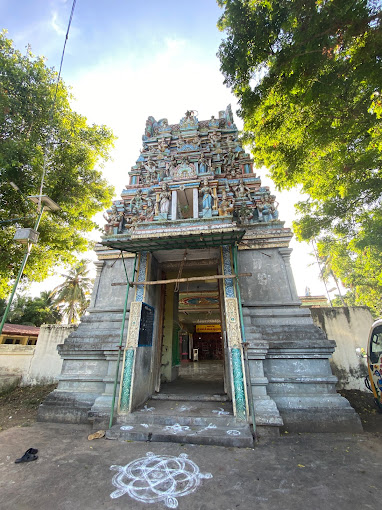
Address
Karuvazhakkarai Kamakshi Amman Temple, Nagapattinam
Karuvazhakkarai,
Nagapattinam district,
Tamil Nadu 609304
Amman
Kamakshi Amman
Introduction
This temple is on the road leading to Poompukar from Mayiladuthurai and at a distance of 8 Kms from Mayiladuthurai and on the northern bank of river Cauvery. It is next to the place called Natham and about 1.7 kms from there. After passing Melaiyur, it has a bus stop and the temple is around 100 metres from the bus stop. In fact, it is part of Sembanar Koil block of Nagapattinam district.
Karuvazhakarai Kamatsiyamman Temple of Kamatshi Amman is located at Karuvazhakarai on the north side of Cauvery, at the 9th kilometre on the way from Mayiladuthurai. This temple belongs to the 19th century. This temple has the shrine of Kamatsiyamman and the shrines of Veeran, Pachiyamman and Kathavarayan. The temple has a three-tiered Rajagopuram. This temple complex is under the control of Hindu Charities Department.
The temple is also called as Karuvazhakkarai Kamakshi (Mariamman) temple and in front of sanctum and near the balipedam is the deity of Karuppannaswamy. Enter the small gopuram, the view of the temple with vinayagar on the left can be seen. The temples outer prakara also has the deities Pechiamman and kali. A devotee has sung in praise of the Amman and this has been inscribed in the wall of the temple.


Century/Period
19th century
Nearest Bus Station
Karuvazhakarai, Tharangambadivattam
Nearest Railway Station
Nagapattinam
Nearest Airport
Trichy
Location on Map
T.Nagar Muppathamman Temple, Chennai
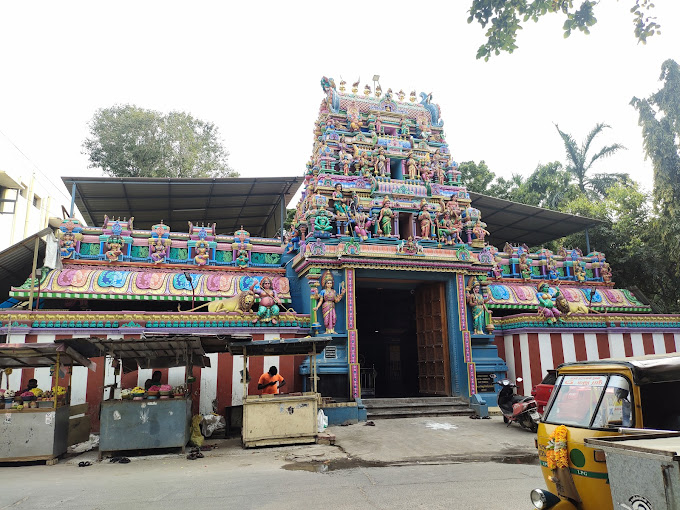
Address
T.Nagar Muppathamman Temple, Chennai
Ramakrishna Mission Ashrama, 1,
Maharajapuram Santhanam Salai,
Parthasarathi Puram,
T. Nagar, Chennai, Tamil Nadu 600017
Amman
Muppathamman
Introduction
Muppattamman temple is a Shakthi temple located in the T. Nagar in Chennai district of Tamil Nadu. Here the Presiding deity is called as Muppathamman.
Puranic Significance
A few thousand years ago, when this area became an agricultural land, Muppatamma appeared as a tree between arasu and neem tree. This is what they worshiped in the beginning. Later, Muppogam and Vilai found the idol of Amman from the ground. They placed this idol near the fire and started worshiping it. If prosperity and success come from the earth, they say Mupadhamman. The temple is said to be more than 1000 years old.
There are many devotees who visit the temple 108 times on Tuesdays and Fridays. If you crawl like these 108 times, it is believed that all the problems will be solved.
In the sanctum sanctorum, grace and mercy abound, Muppatman is seen in the sitting posture. It is believed that if people with naga dosha come here and worship and pray to Mupadhamman, the dosha will be removed. If you light a lamp on a lemon peel and worship for nine consecutive weeks on Tuesdays or Fridays, you will soon be blessed with marriage. Hope that the child will be blessed. On the special days of Adi month, especially on Adipuram day, if you wear a lemon garland and pray to Amman, you can get rid of incurable diseases.


Century/Period
1000 years old.
Nearest Bus Station
T. Nagar
Nearest Railway Station
Mambalam (T. Nagar)
Nearest Airport
Chennai
Location on Map
Vallam Madhava Perumal Temple, Thanjavur
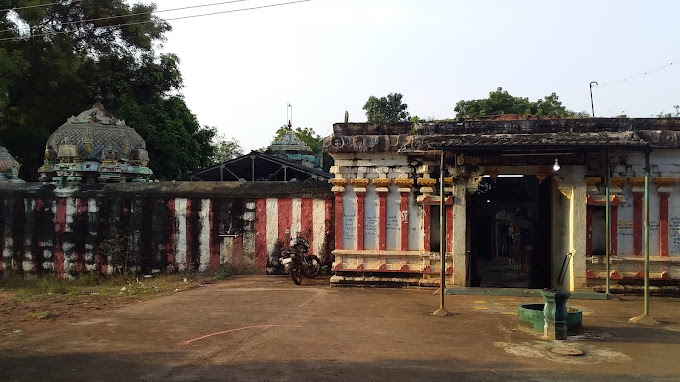
Address
Vallam Madhava Perumal Temple, Thanjavur
Vallam, Thanjavur District,
Tamil Nadu 613403
Mobile: 99437 32491
Moolavar
Madhava Perumal (Devarajan)
Amman
Komalavalli
Introduction
Vallam Madhava Perumal Temple is located on the Thanjavur – Trichy National Highway; about 10kms from Thanjavur is the historical almost year old Madhava Perumal and Yoga Narasimha temple in Vallam. It was built during 12th Century AD by Vikrama Chozhan. The temple is a 5 minute walk from the Vallam Bus Stand. Nearest Railway Station is located at Thanjavur & Nearest Airport is located at Trichy.
Puranic Significance
Vallaba Chozhan, who ruled this region, founded this village. Hence this place came to be called Vallaba Puri. Over time, this became Vallam. Indra is said to have come here, bathed at the Vajra Theertham and was liberated from the curse of Gowthama Rishi, who was undertaking penance here. Hence, the lord here is also called ‘Devendran’.
Vikrama Chozhan who ruled Thanjavur between 1118 and 1136 built the Madhava Perumal koil. The temple was then called Vikrama Vinnagaram, a reference to this can be found in the inscriptions inside the Gowri Amman and Siva temple (a historical temple that is also said to have been built around the same time as the Madhava Perumal temple) about 2 kms from here. Pandyas, Hoysalas, Nayaks and Maratha kings contributed significantly to the upkeep and renovation of this temple. The temple was ignored for a major part of the last century and remained closed for 48years. With bushes surrounding this entire area, the temple had almost gone into ruins and seemed to become a part of ‘history’ until it was revived a decade ago. After renovation, the temple was reopened in 1996 and has since regained a lot of its lost beauty. The temple is seeing an increasing number of devotees, of late.
Special Features
Both Madhava Perumal and Yoga Narasimha are ‘Swayambu’ idols. Abhishekam takes place only four times a year during Vishnupathi Punyakalam (2am) on the first day of the Tamil Calendar months of Vaikasi, Aavani, Karthigai and Maasi. Madhava Perumal can be seen in a sitting posture with a folded left leg and the right leg on the ground. The temple currently does not have Utsava deities, which are said to be under the protection of the Palace in Thanjavur. The temple authorities are hoping to have it installed inside the temple in the coming months. Lord Narasimha is believed to have killed Vallasuran and then given darshan to the devotees here. There are Sannidhis for Raama, Azhvaars and Thaayar. A slim Anjaneya looks handsome in a smallish idol. Andal, for whom a separate Sannidhi was rebuilt, also looks beautiful. The temple is currently without a Gopuram. The one that existed previously is believed to have been knocked under the Sultan Invasion.
Festivals
Aadi Pooram Andal Kalyanam and Puratasi Kalyana Utsavam are the festivals celebrated with much fanfare.
References
https://tamilnadu-favtourism.blogspot.com


Century/Period
12th Century AD
Nearest Bus Station
Vallam
Nearest Railway Station
Thanjavur
Nearest Airport
Trichy
Location on Map
Vallam Vajrabureeswarar Temple, Thanjavur
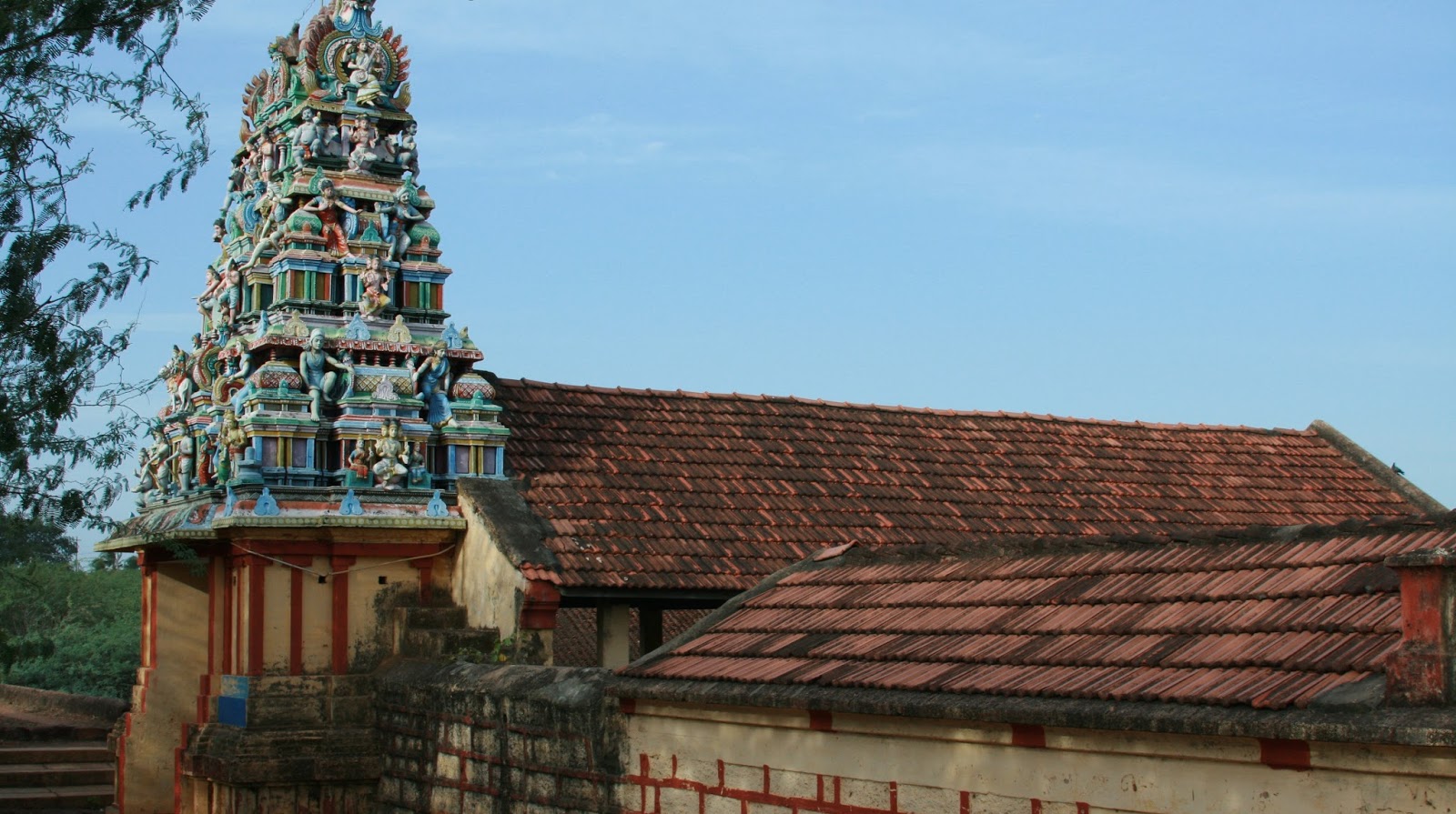
Address
Vallam Vajrabureeswarar Temple, Thanjavur
Vallam, Thanjavur district,
Tamil Nadu 613403
Moolavar
Vajrabureeswarar
Introduction
Vallam Vajrabureeswarar Temple is located on the Thanjavur – Trichy National Highway; about 10kms from Thanjavur this is a beautiful Shiva temple in Vallam. Here the Primary deity is called as Vajrabureeswarar. It was built during 12th Century AD by Vikrama Chozhan. The temple is a 5 minute walk from the Vallam Bus Stand. Nearest Railway Station is located at Thanjavur & Nearest Airport is located at Trichy.
Puranic Significance
The legend goes to say that Lord Indira had worshipped this Vajrabureeswarar to annihilate his sins; following the curse of Kausigar Muni when Indira deceptively had an affair with Agaligai. There is a large dilapidated pond south of the temple the depth of which is still unknown. It is believed that Lord Rama came here with Seetha, in his journey back from Sri Lanka after defeating Ravana. During their journey, Seetha had become extremely thirsty.
As the path they had taken was an arid desert, Rama using his Vajrayutham (Celestial Weapon), that drilled a crate, overflowing with water, so vast and so deep that its depth is still undiscovered, even today. The last attempt at measuring its depth leads to an estimate of more than 40 feet. The Temple committee has attempted renovation on the temple and as their hammers touched the slabs of stone around the praharam, there was a resounding ‘AUM’ emanating from these slabs. When they ignored the sound and continued to hit the sound intensified, frightened the workers refused to work on and the project was abandoned. However, they completed the work on the outer praharam. Close to the temple there is a large Banyan tree and the local people refer it to as Kausigar Muni’s Ashram. Further north there lays a pond which is referred to as Kausigar theertham. 90% of this pond is currently encompassed in the Periyar engineering college campus.
The locals and people from the temple committee have appealed to the court, to preserve this pond and its history and heritage. However it’s a long battle particularly in an age where pages of history and essences of scriptures all have a price tag attached. The temple has a Sthala Virutcham this tree cannot be seen anywhere in the world. It emits a fragrance so mild and enchanting, that envelopes the entire temple. According to the priest, it is written in the Purana’s that this tree is only to be found in the astral world.
References
https://tamilnadu-favtourism.blogspot.com


Century/Period
12th Century AD
Nearest Bus Station
Vallam
Nearest Railway Station
Thanjavur
Nearest Airport
Trichy
Location on Map
Shirasang Kalika Devi Temple, Karnataka
Address
Shirasang Kalika Devi Temple, Karnataka
Shirasangi,
Karnataka 591126
Amman
Kalika Devi
Introduction
Kalika Devi Temple is dedicated to Goddess Kalika located in Shirasangi Village in Savadatti Taluk in Belagavi District in the Indian state of Karnataka. The temple is situated at foothills in Shirasangi Village. The temple is situated on Ramdurg to Savadatti route.
Puranic Significance
The temple is believed to have been built in 1st century CE. The place was mentioned as Rishishringapura / Pirishingi / Hirishingi in two inscriptions recorded from Shirasangi dated to 1148 CE of Jagadhekamalla III and another dated to 1186 CE of Someshwara IV of western Chalukya Dynasty
As per legend, Sage Rishyasringa performed penance at this place. However, three demons namely Narundasur, Bettasura, and Nalundasur disturbed his penance. The sage pleaded to the goddesses for intervention. Accordingly, the goddesses Chikkumbasura (Chikkumbi) and Hirekumbasura (Hirekumbi) intervened on behalf of the sage and annihilated the demons. The Sage requested the goddesses to stay here and bless the devotees. Acceding to his request, they decided to settle down here. Thus, the temple of Kalika Devi came into existence in Shirasangi.
Beliefs
Devotees pray to the goddess for relief from their sins, problems and welfare. Once their wish fulfilled, they offer jaggery, wheat, coconuts, rice, edible oil, etc. equivalent to their weight in Tula Bhara Seva. Anna Dasoha seva is also a part of the worship.
Special Features
The temple is situated at foothills in Shirasangi Village. The sanctum enshrines an image of presiding deity, Kalika Devi. She is about 6 feet tall. Shrines and Idols of Ganesha and Surya Narayana can be found in the temple premises. There are two small hillocks at the outskirts of the village, one having a cave locally called Maunappanagavi and the hillock is called Kallupuragudda. The cave can accommodate about 200 people inside it. The cave also a narrow passage leading to a small pit having water. There is another cave called Siddeshwaragavi in a hillock near the temple. The cave can be approached by flight of 200 steps. A Shiva Linga is enshrined inside the cave.
Festivals
Ugadi, Halegodi Amavasya and Vishwakarma Mahotsava are the festivals celebrated here. The palanquin festival is held at the Banni mantapa during the Ugadi Festival for five days.
Century/Period
1st century CE.
Nearest Bus Station
Shirasangi
Nearest Railway Station
Alur Railway Station
Nearest Airport
Hubballi
Location on Map
Vedasandur Narasimha Perumal Temple, Dindigul
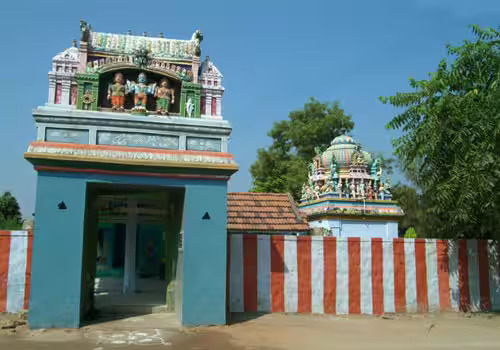
Address
Vedasandur Narasimha Perumal Temple, Dindigul
Vedasendhur, Dindigul district,
Tamil Nadu
Moolavar
Narasimha Perumal
Amman
Shri Sridevi Shri Bhudevi
Introduction
Vedasandur Narasimha Perumal Temple; Vedasandur is around 20 Kms north of Dindigul and the temple is well connected with the main town. The temple of Shri Sridevi Shri Bhudevi sametha Shri Narasimha Perumal is located very close to the bus stand. Kodaganaru is flowing Uttaravahini (flowing from south to north, which is a rarity in Peninsular India) nearby. Though the temple is called Narasimha Perumal temple, the Moolavar does not have the lion face
Puranic Significance
As per legend, after destroying Hiranyakasasipu, Narasimha continued in his fiery form. The devas were afraid of going near him. They requested Parameswaran to intercede. Shiva took the form of Sarabeswara and calmed the Perumal. As it is believed to have taken place here, the Perumal is a Shantamurthy and there is a Lingam carved in the Mandapam in front of the Perumal shrine. As per another local legend, some devotees wanted to erect a temple for Lord Narasimha. But they could not decide about the location. The Lord came in their dreams and advised them to construct it on the banks of Kodaganaru where the river flows Uttaravahini. Accordingly, the temple was erected. As the Lord came in their dreams only as a Shantamurthy, despite their resolve to erect a Narasimha Murthy, they installed the peaceful looking Perumal with the two Thayars and only named the temple after Narasimha. Another important shrine here is that of Shri Veeranjaneya. Hanuman’s shrine is facing south. He is in standing position with the right hand almost touching the raised tail where one could see the bell tied at the far end of the tail. He is holding the Sougandhika flower in one hand.
Lord, though worshipped as Narasimha Perumal, He does not have the lion face. The Lord appears in the sanctum sanctorum with His conch and discus and hands ensuring security to his devotees (Abhaya Mudra) and gracing boons (Varadha Mudra). He was too furious when He took the form of Narasimha. The temple is situated on the banks of Kudaganaru. Lord appears in the sanctum sanctorum with His Consorts Sridevi and Bhoodevi. Garudazhwar graces from his place before the sanctum sanctorum. Some Vishnu devotees here were eager to construct a temple for the Lord but could not spot a place. Lord appeared in the dream of one devotee and identified this place on the banks of Kudaganaru. The devotees built the temple installing an idol in the same form He graced them in the dream. However, as their desire was to build a temple for Lord Narasimha, they so named the temple.
Beliefs
Devotes pray for freedom from the fear of death, escape from accidents and longevity and for the removal of obstacles in marriage alliances. Devotees offer Thirumanjanam to the Lord. As nivedhana, they offer tamarind rice (puliyodharai), sweet pudding (sarkarai pongal) and perform special pujas.
Special Features
The temple is said to be more than 1500 years old. The shrine of Lord Narasimha here graces from under a Padma (Lotus) designed roofing. Sri Veera Anjaneya graces from a shrine facing south in the corridor holding a Sougandhika flower. The Lord, though called Narasimha Perumal does not have the Lion face. The Lord appears in the sanctum sanctorum with His conch and discus with hands assuring safety to devotees (Abhaya Mudra) and offering boons (Varadha Mudra).
Festivals
Vaikunda Ekadasi in Margazhi (December-January), Hanuman Jayanthi, Karthikai Poornima in November-December.
References
https://tamilnadu-favtourism.blogspot.com

Century/Period
1500 years old.
Nearest Bus Station
Vedasandur
Nearest Railway Station
Dindigul
Nearest Airport
Madurai
Location on Map
Koulutla Chenna Kesava Temple, Andhra Pradesh

Address
Koulutla Chenna Kesava Temple, Andhra Pradesh
Kappatralla village, DevanaKonda Mandal,
Kurnool District,
Andhra Pradesh
Moolavar
Chenna Kesava
Introduction
Koulutla Chenna Kesava Temple is located in a reserved forest of Kappatralla, 50 km from district Kurnool District headquarters. The great Vijayanagara King, Sri Krishna Deva Raya, constructed a temple complex for the deity. Along with Koulutla Chena Kesava Temple there are additional Shiva temples in this shrine.
- Mallikarjuna Swamy, Bramarambika and Vijaya Vinayaka Temple
- Lord Dakshinamurthy Temple
- Lord Viswanatha Temple
Puranic Significance
King Parikshith (the grandson, of Arjuna) ruled over Hastinapura after Pandavas retired to Kailasa. One day, Parikshith was thirsty while on a hunting trip to the forest. He found a saint in deep meditation. He asked for water and the Rishi (saint) did not reply. Parikshith got frustrated and played a prank by putting a dead snake around the neck of the Rishi. He was cursed by the Rishi that he would die of a snake bite within a week; he died consequently at the hands of the Naga prince Takshaka. When Janamejaya (the son of Parikshith) became the King, he wanted to avenge the death of his father and performed Sarpa Yaga (serpent penance). Things then took a fateful turn. Astika, who was born of a man and a Naga woman, came to the snake sacrifice and, seeing what was happening, explained to Janamejaya that Takshaka was safe under Indra’s protection. Janamejaya was extremely pleased to have gotten this valuable information and granted Astika a wish. Astika asked to stop the snake sacrifice, instead of asking for gold or silver. The temple is said to be more than 1000 years old.
Then Saint Vasista asked Janamejaya to perform consecration (Prathista) of Vishnava temples to redeem the sins of killing innocent snakes during Sarpa Yaga. Consequently, a Chennakesava idol was consecrated in Koundinya Asrama to perform regular pujas. After many years, the idol was covered by an anthill (putta). In the 11th century A.D., Golla Koulutla observed that his cow was letting her milk flow to the anthill (putta). That night, Lord Chennakesava (Vishnu) appeared in his dream and told him to remove the anthill and re-consecrate his idol. Koulutla dutifully followed the instructions and from then on the deity was known as Koulutla Chennakesava Swamy.


Century/Period
1000 years old.
Nearest Bus Station
DevanaKonda
Nearest Railway Station
Pendekallu
Nearest Airport
Hyderabad
Location on Map
Saligrama Sri Guru Narasimha Temple, Karnataka
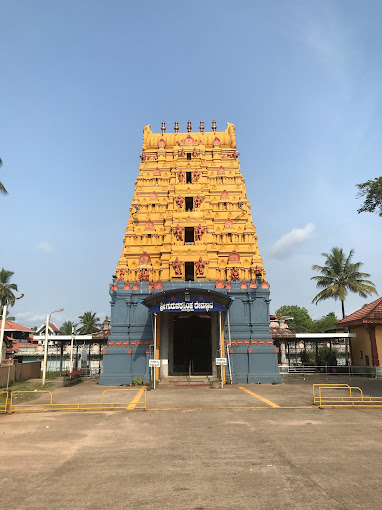
Address
Saligrama Sri Guru Narasimha Temple, Karnataka
P.O. Saligrama – 576255
Udupi Dist, Karnataka State, India
Phone: +91-820-2564544
+91-820-3204544
Moolavar
Guru Narasimha
Introduction
The Guru Narasimha Temple, Saligrama is dedicated to Narasimha, the lion-headed form of Vishnu. Srimad Yogananda Guru Narasimha is the chief deity of the town of Saligrama, Udupi, Karnataka, India. The main image of Narashima, lion-faced and two-handed, is dated to the 8th century.
Puranic Significance
Udupi district has many important Holy places as well as Thirta Sarovaras. Narada Muni visited the place between Sita River and Kumbha Kashi kshetra where many Koota Muni Pungavas performing penance.
Narada Maharshi visited these placed and took holy dip in different theerta sarovaras and worshipped at holy places. During this point in time an unexpected incident happened at this place. Earth started shaking and a big thunder sound was heard. As a result, all animals were scared and birds circled the sky. There was a heavy wind and the scared sages came to Narada Maharshi seeking for the protection. Suddenly they heard a Divya Vani (Divine message) that preached about Lord Narasimha.
The Divya Vani, a message from unknown source informed that an idol of Lord Narasimha, holding Shanka and Chakra in both hands and seated in Yogananda Posture that is worshiped by Brahma and Lord Shiva is located between Shanka and Chakra thirta in middle of an Ashwatta (people) tree. The Diyva Vani instructed Narada Maharshi to install this idol. Narada Maharshi accepted the instructions and searched for the idol of Guru Narasimha found it between Shanka and Chakra thirta in middle of an Ashwatta (people) tree. This place in the middle of Koota Kshetra, where Lord Narasimha resides in Saligrama idol is called Saligrama. Devotees will achieve all their desires by worshipping this Saligrama idol. Taking holy dip in Chakra Theertha rids one of all diseases and fear of enemy. Holy dip in Shanka Theerta clenses one from all the sins. One who takes holy dip in both the theerthas and worships Narasimha will attain prosperity.
Bhattacharya was delighted to see elephants and lions living together, a situation which he had already experienced during his meditation and named this place “Nirvairya Sthala” means “Enemy less abode”. This is signified by the symbolic representation of elephant in the form of Lord Ganapathi and Lion in the form of Lord Narasimha, even till this date in the Saligrama temple.
The idol is facing west and has chakra in right hand and conch shell in the left hand.
Importance of Theerthas
Taking holy dip in Chakra Theertha rids one of all diseases and fear of enemy. Holy dip in Shanka Theerta purifies one from all kinds of sins. One who takes holy dip in both Shanka and Chakra Theertha and worship Guru Narasimha will attain prosperity.
Other Deities at Guru Narashimha Temple, Saligrama
Sri Anjaneya Swamy: Facing the Narasimha idol is the idol of Anjaneya. It was installed in the recently renovated granite stonewalled temple.
Sri Maha Ganapathi: At the northern side powli (North West) is installed Ganapathi idol which is worshipped every day.
Goddess Durga Parameshwari: At the Souther side powli (South West) is installed Durga Parameshwari idol which is worshipped every day.
Special Features
The ‘Sri Saligrama Kshetra Mahatmyam’ of the Pushkara khanda of the Padma Purana, the Sahyadri khanda of the Skanda Purana and the Lokadityapaddati provide the details of the significance of this temple.
- According to the Padma Purana, the deity of Guru Narasimha appeared at the bottom of a pipal tree holding Shankha(conch) and Chakra(disc) in its hands. Narada muni who had heard this through an akashavani (celestial message) installed the deity of Guru Narasimha. The akashavani described the deity as ‘Yogananda Nrusimhakyam’.
- According to the Sahyadri khanda of the Skanda Purana, Lokaditya, the son of Mayura Varma of the Kadamba Dynasty came along with his army and a group of Brahmins headed by a great man called Bhattacharya. The priests performed mahayagas like Poundra, Atiratra etc. on the request of the king. The blessings of Mahaganapati had been invoked at the start of the yagnas. Ganapathi appeared in the dreams of Bhattacharya with 10 hands and told him to re-install the deity of Lord Yogananda Narasimha and from henceforth Narasimha himself shall be the Guru and god for the Brahmins of the 14 villages surrounding the temple. To this day, the Brahmins of these 14 villages, known as Kota Brahmins follow Guru Narasimha as their sole Guru.
- The Deity of Guru Narasimha is entirely made of the sacred Saligrama stone. The Deity itself was never carved by anyone, but is “Swayambhu”. The name of the place “Saligrama” owns to this legend.
- The Deity has a Shankha(conch) in one hand and a Chakra(disc) in another. It is seated in a yogic posture attributing to the name “Yogananda Guru Narasimha”.
- The Deity is seated on a Mahaganapati yantra. The reason for this is that, Bhattacharya witnessed that in this place lions and elephants lived in harmony, which is quite contradictory to their nature. As a result, he called this place as “Nirvairya sthala” meaning “the place of no enmity”.
- The Deity faces west and 2 ponds are located on either sides of its hands, namely, the Shanka Teertha and the Chakra Teertha.
- There is a crack in the top portion of the Deity. The story behind this is that-
Earlier, the deity of Guru Narasimha was facing east. Because of the “Ugra” nature of Narasimha, the crops facing the direction of the eyesight of the deity used to get burned to ashes. An angry Brahmin once struck the Lord with a plough, and hence a scar was formed on the deity. It is deemed that the person who struck the deity faced a lot of problems later on in his life. Several citations from the Shilpa Shastra can be used to prove that the deity was once facing east.


Century/Period
8th century.
Nearest Bus Station
Saligrama
Nearest Railway Station
Kundapur or Udupi
Nearest Airport
Mangalore
Location on Map
Thalassery Sri Lakshmi Narasimha Temple, Kerala
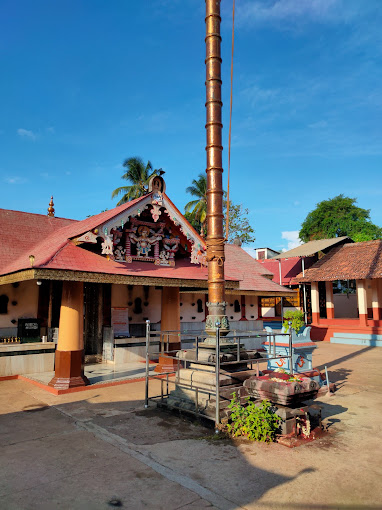
Address
Thalassery Sri Lakshmi Narasimha Temple, Kerala
MM Road, Near Bank of India Branch,
Thalassery, Kerala 670104
Moolavar
Sri Lakshmi Narasimha
Introduction
The Sri Lakshmi Narasimha Temple is the foremost temple of Gowda Saraswatha Brahmins in and around Thalassery. The Temple is located in the heart of Thalassery town, in the Kannur district of Kerala. The temple and the prathishta face north which is a unique feature. The temple was established in 1831 A.D. The temple is near Mukund Maller road, about 0.5 km from Thalassery Railway station and Bus stand. The nearest airport is Kannur International Airport (24.5 km).
Puranic Significance
A small group of GSBs migrated from Goa settled in Tellichery in the latter half of 17th century and early part of 18th century. They built a small shrine dedicated to Lord Kodanda Rama, in the Tellichery town.
A Rich GSB Merchant named Devdas Bhandari submitted the Idol of Lord Lakshmi Narasimha to the shrine in the early 19th Century. A proper temple was built in the site of the old shrine in 1831. This prathishta was done by H.H. Srimad Sumatheendra Tirtha Swamiji in 1831 A.D. on Samvatrasra Vaishaka masa Shukla Panchami, Monday, Punarvasu Nakshtra of the Shaka era. H.H.Srimad Sumatheendra Tirtha was the 15th pontiff of Sri Kashi Mutt Samsthan, Varanasi. Apart from the Main Deity of Lord Lakshmi Narasimha the Deities of Lord Kodanda Rama, Lord Venkataramana with his divine consorts of Sri Devi and Bhoomi Devi were installed.
Special Features
The Garbhagriha or sanctum sanctorum is where the Main idol or Moola Vigraha is placed. The Garbha Griha in the temple is a ‘Bahu-vera Vidhana’ i.e. more than one idol is installed in the same Garbha Griha. Garbha Griha has a three tiered “Simhasana” or throne on which the deities are installed.
Moola Vigrahas or Predominant Deities or Main Deities
On the top most level in the centre is Lord Sri Lakshmi Narasimha, flanked by Sri Pattabhi Narasimha and Veera Vittala on either side. On the second tier are Lord Kodanda Rama along with Sri Lakshmana and Sita Devi, on either side of this group are Lord Hayagriva, Lord Varadaraja with his consorts and Gopalkrishna. On the lower most tier are Lord Venkataramana along with his Divine consorts Sri Devi and Bhoodevi. On either side of this group are Sri Hanuman and Sri Garuda. The saligramas and Naga devatas are installed on a separate Peetha below the Simhasana.
Uthsava Vigraha or Festival Deities
The idol of Lord Venkataramana is used as the Uthsava Vigraha.
Sub Deities or Upadevathas
The temple complex consists of an outer ‘prakara’ or quadrangle which includes the shrines of Sri Hanuman, Sri Ganapathy, Sri Lakshmi & Sri Vitoba-Rakhumai. It also contains a Copper clad Dhwaja Stambha or Flag staff on which the temple flag is hoisted during Brahma Rathotsava. A shrine dedicated to Lord Shiva is located near the temple pond.


Festivals
- Brahma Rathotsava
- Karthik Pournami
- Navarathri
Century/Period
1831 A.D.
Nearest Bus Station
Thalassery
Nearest Railway Station
Thalassery Railway Station
Nearest Airport
Karipur International Airport, Kozhikode
Location on Map
Vallam Vajrabureeswarar Temple, Thanjavur
Address
Vallam Vajrabureeswarar Temple, Thanjavur
Vallam, Thanjavur district,
Tamil Nadu 613403
Moolavar
Vajrabureeswarar
Introduction
Vallam Vajrabureeswarar Temple is located on the Thanjavur – Trichy National Highway; about 10kms from Thanjavur this is a beautiful Shiva temple in Vallam. Here the Primary deity is called as Vajrabureeswarar. It was built during 12th Century AD by Vikrama Chozhan. The temple is a 5 minute walk from the Vallam Bus Stand. Nearest Railway Station is located at Thanjavur & Nearest Airport is located at Trichy.
Puranic Significance
The legend goes to say that Lord Indira had worshipped this Vajrabureeswarar to annihilate his sins; following the curse of Kausigar Muni when Indira deceptively had an affair with Agaligai. There is a large dilapidated pond south of the temple the depth of which is still unknown. It is believed that Lord Rama came here with Seetha, in his journey back from Sri Lanka after defeating Ravana. During their journey, Seetha had become extremely thirsty.
As the path they had taken was an arid desert, Rama using his Vajrayutham (Celestial Weapon), that drilled a crate, overflowing with water, so vast and so deep that its depth is still undiscovered, even today. The last attempt at measuring its depth leads to an estimate of more than 40 feet. The Temple committee has attempted renovation on the temple and as their hammers touched the slabs of stone around the praharam, there was a resounding ‘AUM’ emanating from these slabs. When they ignored the sound and continued to hit the sound intensified, frightened the workers refused to work on and the project was abandoned. However, they completed the work on the outer praharam. Close to the temple there is a large Banyan tree and the local people refer it to as Kausigar Muni’s Ashram. Further north there lays a pond which is referred to as Kausigar theertham. 90% of this pond is currently encompassed in the Periyar engineering college campus.
The locals and people from the temple committee have appealed to the court, to preserve this pond and its history and heritage. However it’s a long battle particularly in an age where pages of history and essences of scriptures all have a price tag attached. The temple has a Sthala Virutcham this tree cannot be seen anywhere in the world. It emits a fragrance so mild and enchanting, that envelopes the entire temple. According to the priest, it is written in the Purana’s that this tree is only to be found in the astral world.
References
https://tamilnadu-favtourism.blogspot.com
Century/Period
12th Century AD
Nearest Bus Station
Vallam
Nearest Railway Station
Thanjavur
Nearest Airport
Trichy
Location on Map
T.Nagar Muppathamman Temple, Chennai
Address
T.Nagar Muppathamman Temple, Chennai
Ramakrishna Mission Ashrama, 1,
Maharajapuram Santhanam Salai,
Parthasarathi Puram,
T. Nagar, Chennai, Tamil Nadu 600017
Amman
Muppathamman
Introduction
Muppattamman temple is a Shakthi temple located in the T. Nagar in Chennai district of Tamil Nadu. Here the Presiding deity is called as Muppathamman.
Puranic Significance
A few thousand years ago, when this area became an agricultural land, Muppatamma appeared as a tree between arasu and neem tree. This is what they worshiped in the beginning. Later, Muppogam and Vilai found the idol of Amman from the ground. They placed this idol near the fire and started worshiping it. If prosperity and success come from the earth, they say Mupadhamman. The temple is said to be more than 1000 years old.
There are many devotees who visit the temple 108 times on Tuesdays and Fridays. If you crawl like these 108 times, it is believed that all the problems will be solved.
In the sanctum sanctorum, grace and mercy abound, Muppatman is seen in the sitting posture. It is believed that if people with naga dosha come here and worship and pray to Mupadhamman, the dosha will be removed. If you light a lamp on a lemon peel and worship for nine consecutive weeks on Tuesdays or Fridays, you will soon be blessed with marriage. Hope that the child will be blessed. On the special days of Adi month, especially on Adipuram day, if you wear a lemon garland and pray to Amman, you can get rid of incurable diseases.
Century/Period
1000 years old.
Nearest Bus Station
T. Nagar
Nearest Railway Station
Mambalam (T. Nagar)
Nearest Airport
Chennai


No comments:
Post a Comment